
This Waterfront Washington Town Feels Like A Postcard Come To Life, Just Without The Crowds
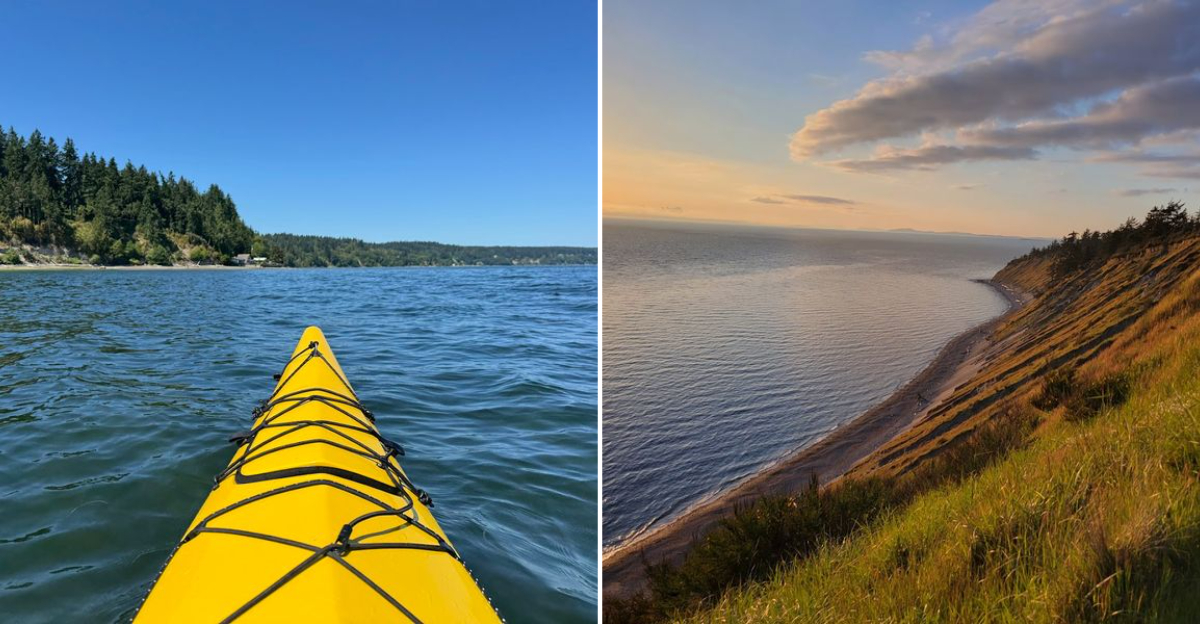
Stepping off the ferry, the salt air hits differently here. Washington has a way of surprising you-one moment you’re surrounded by water, the next you’re strolling down a street that looks like it was lifted from a classic painting.
Historic timber buildings line the waterfront, their weathered facades telling stories of fishermen, artists, and dreamers who called this place home. The harbor glimmers like scattered diamonds, and nowhere do you hear the honking horns or rushed footsteps that define city life.
Instead, there is the gentle creak of boat masts, the distant call of gulls, and conversations carried on the breeze. This is a town where time seems to exhale, where every corner offers a view that practically begs for a photograph, yet somehow remains your little secret.
I visited on a crisp fall morning and left with a camera full of shots, a stomach full of Penn Cove mussels, and a serious case of “why don’t I live here” envy.
The Coupeville Wharf And Front Street Waterfront
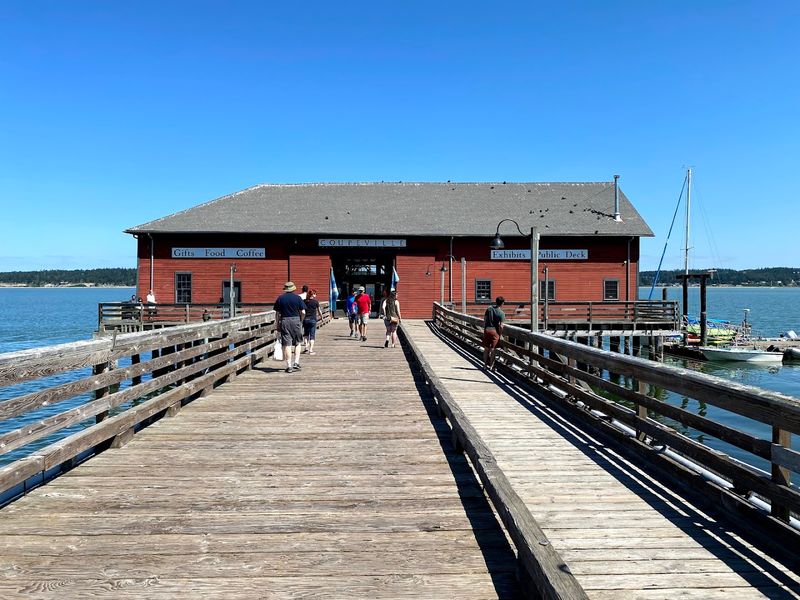
Standing at the end of the Coupeville Wharf, with Penn Cove stretching out in every direction and the Olympic Mountains visible on a clear day, you get the immediate sense that this town was built for moments exactly like this one.
The wharf is one of the oldest working piers in Washington State, and it still carries that lived-in, salt-weathered character that no amount of renovation could replicate.
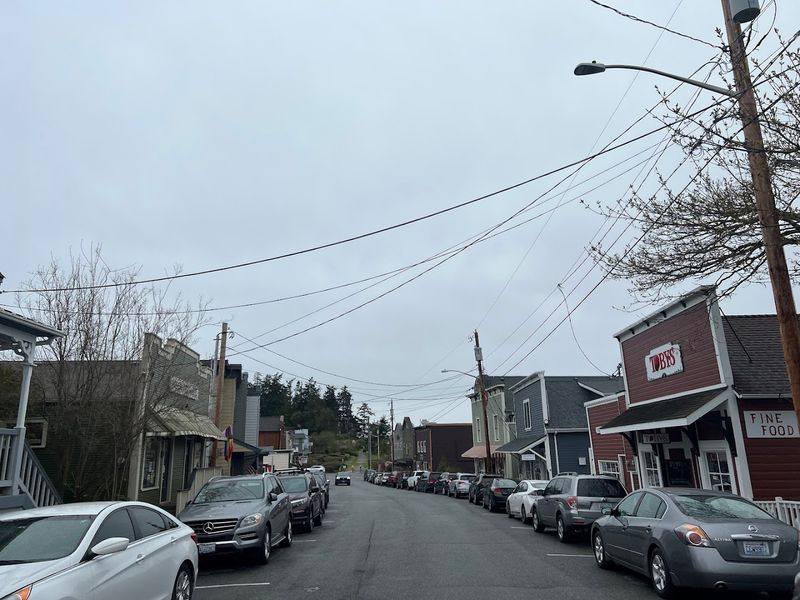
Front Street runs right alongside the water, and walking it feels genuinely unhurried. Bookstores, boutiques, and cozy restaurants line the road, each one tucked into a historic building that looks like it belongs on a movie set.
Actually, parts of Coupeville were used as a filming location for the movie “Practical Magic,” which tells you everything about the town’s atmospheric appeal.
Even on a busy summer afternoon, the pace here stays relaxed. There are no chain stores crowding the view, no neon signs competing for attention. Just good coffee, great views, and a waterfront that rewards anyone willing to simply stand still and look around.
Over 50 Historic Buildings That Tell A Real Story
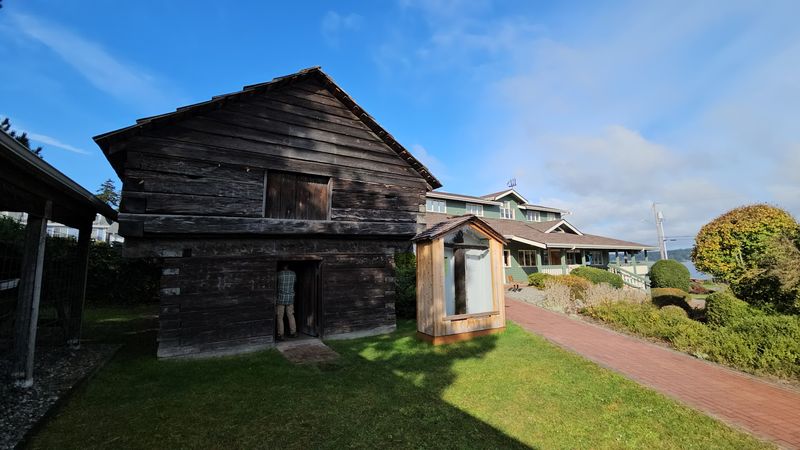
Coupeville is one of the oldest towns in Washington State, and the built environment makes that history impossible to ignore. More than 50 buildings here are listed on the National Register of Historic Places, which is a remarkable number for a community this size.
The downtown feels less like a history lesson and more like a genuine encounter with a town that simply never forgot where it came from.
The architecture ranges from Victorian-era homes perched on hillsides to simple storefronts that have housed businesses for well over a century. Many of the original structures remain intact, which gives Coupeville a visual coherence that newer towns often struggle to achieve.
The Island County Historical Museum, located at 908 NW Alexander Street, Coupeville, WA 98239, adds helpful context to everything you see outside.
Exhibits cover the area’s Indigenous history, early settlement, and maritime past in a way that feels personal rather than textbook. Spending an hour there before wandering the streets makes every old building feel even more meaningful.
Ebey’s Landing And The Views
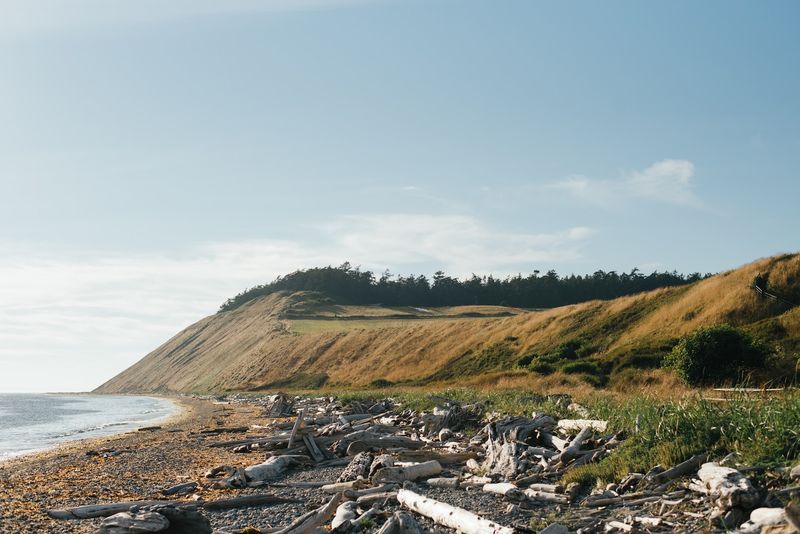
Few hikes in Washington deliver scenery this quickly. Ebey’s Landing National Historical Reserve sits just outside Coupeville and offers bluff-top trails where Puget Sound spreads out below you like a painting someone forgot to hang up properly.
On clear days, you can see the Cascade Range to the east and the Olympic Mountains to the west simultaneously, which feels almost unfair.
The reserve protects a working agricultural landscape that has been farmed continuously since the 1850s, making it one of the most historically intact rural communities in the entire country.
Prairie fields, forested bluffs, and a long driftwood-strewn beach come together in a way that feels both wild and deeply human.
The main loop trail runs about six miles and combines beach walking with elevated bluff sections that keep the scenery constantly changing. I took my time on the upper trail, stopping every few minutes to look out over the water.
Bring layers, because the wind up on those bluffs has opinions, and it will share them whether you ask or not.
Penn Cove Mussels And The Local Food Scene
Penn Cove mussels have a reputation that reaches well beyond Whidbey Island, and tasting them in the place where they are actually grown is one of those food experiences that recalibrates your expectations entirely.
The cold, clean waters of Penn Cove produce mussels that are plump, sweet, and genuinely different from anything you will find in a grocery store. Ordering a bowl at one of the waterfront restaurants while looking out at the very cove where they were harvested feels almost too good to be real.
The broader food scene in Coupeville leans into its Pacific Northwest roots with an easy confidence. Local seafood, farm-fresh produce from nearby Whidbey Island farms, and baked goods from small cafes give the town a culinary identity that feels earned rather than curated.
The Coupeville Farmers Market, held during warmer months, is worth timing your visit around if you can.
Vendors sell everything from fresh-cut flowers to handmade jams, and the whole thing has the cheerful, neighborly energy of a community that genuinely enjoys feeding people.
Fort Casey State Park And The Coastal Military History
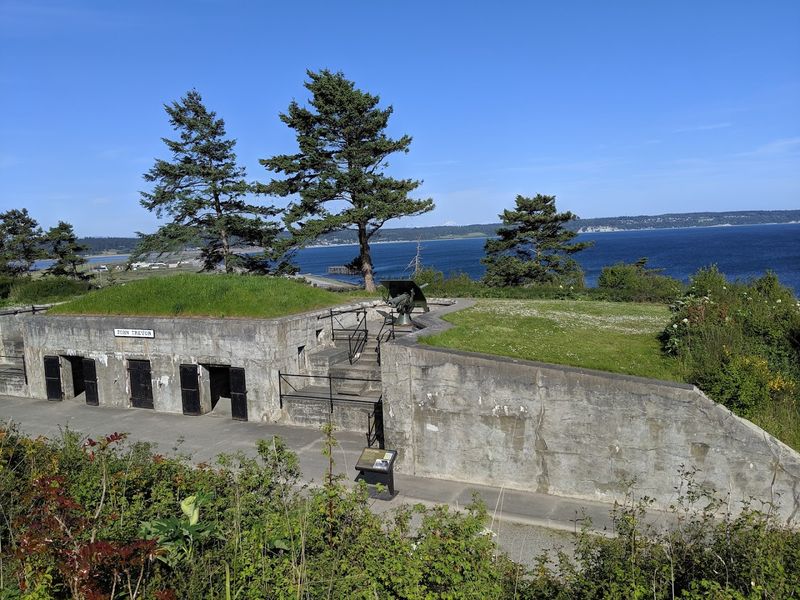
Fort Casey State Park sits about four miles south of Coupeville and offers one of the more unusual afternoons you can spend on Whidbey Island.
The fort was built in the late 1800s as part of a coastal defense system protecting Puget Sound, and the massive concrete gun batteries still stand in impressive condition along the bluff above Admiralty Inlet.
Climbing around the old fortifications has a playful, exploratory quality that appeals to visitors of all ages. The underground bunkers, disappearing gun mounts, and sweeping water views create an atmosphere that is equal parts history lesson and outdoor adventure.
The Admiralty Head Lighthouse, painted bright white against the green hillside, adds a photogenic anchor to the whole scene.
A ferry terminal at the park connects to Port Townsend on the Olympic Peninsula, so you can easily extend your trip if the mood strikes.
The park also has picnic areas and beach access, making it a natural spot to spend a full afternoon before heading back into Coupeville for dinner as the sun goes down.
Fort Ebey State Park And The Quieter Side
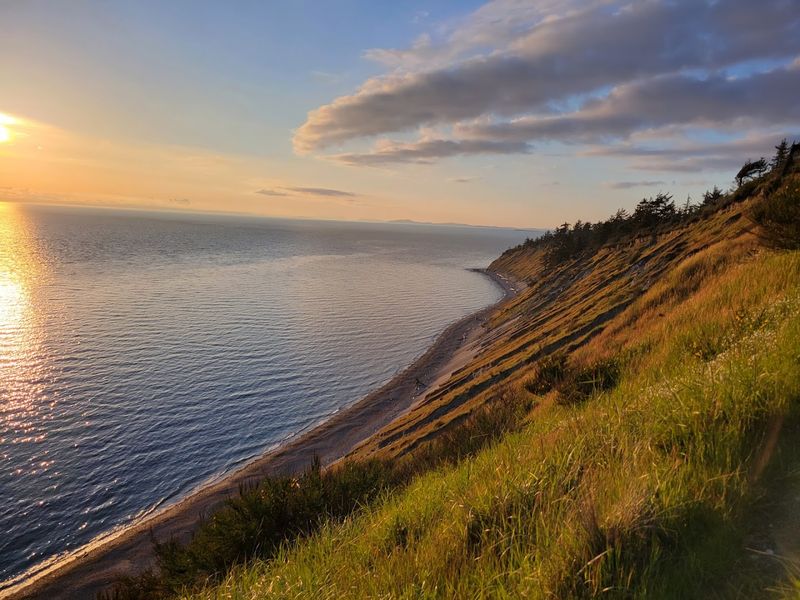
If Fort Casey is the more visited of the two historic parks near Coupeville, then Fort Ebey is the one that rewards the curious traveler who keeps driving just a little farther.
Set among tall Douglas firs and Garry oaks on the western side of Whidbey Island, this park has a quieter, more contemplative character that makes it perfect for a slow morning walk or a solo afternoon with nothing on the agenda.
The park’s trails wind through old-growth forest before emerging onto bluffs above the Strait of Juan de Fuca, where the views open up dramatically and the sound of the wind through the trees gives way to the sound of waves below.
WWII-era gun batteries are tucked into the landscape here as well, adding another layer of history to an already rich setting.
Camping is available at Fort Ebey, and staying overnight puts you in position for the kind of early morning light that photographers travel long distances to find.
Mist over the strait, quiet forest trails, and very few other people make for a combination that is hard to beat anywhere in the Pacific Northwest.
Whale Watching And Watersports On Penn Cove
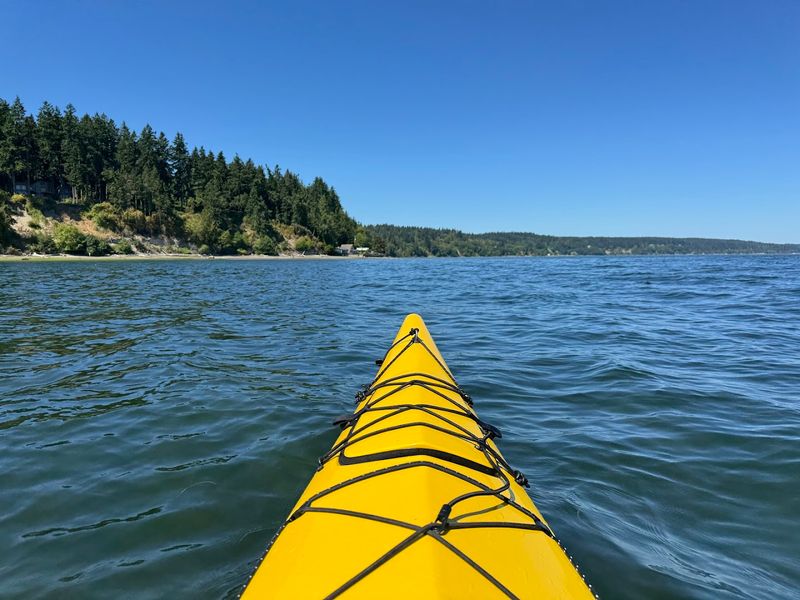
Penn Cove is not just a backdrop for good photographs. It is also an active waterway where orca whales have been spotted, and where kayakers regularly paddle out from the town’s waterfront to explore the cove’s calm, protected waters.
Getting out on the water here shifts your perspective on Coupeville in the best possible way, turning the town’s famous skyline into a view you get to admire from the outside looking in.
Orca sightings in the area are not guaranteed, but they are common enough that local outfitters and tour operators offer whale watching excursions that take advantage of the island’s position within the Salish Sea.
Even without a whale sighting, the boat ride through the cove and surrounding waters is scenic enough to justify every minute spent on deck.
For those who prefer to stay close to shore, stand-up paddleboarding and kayak rentals are available near the wharf.
The cove’s sheltered geography makes it accessible even for beginners, and spending a few hours on the water is one of those Coupeville experiences that you end up talking about long after you get home.
The Price Sculpture Forest And Unexpected Art
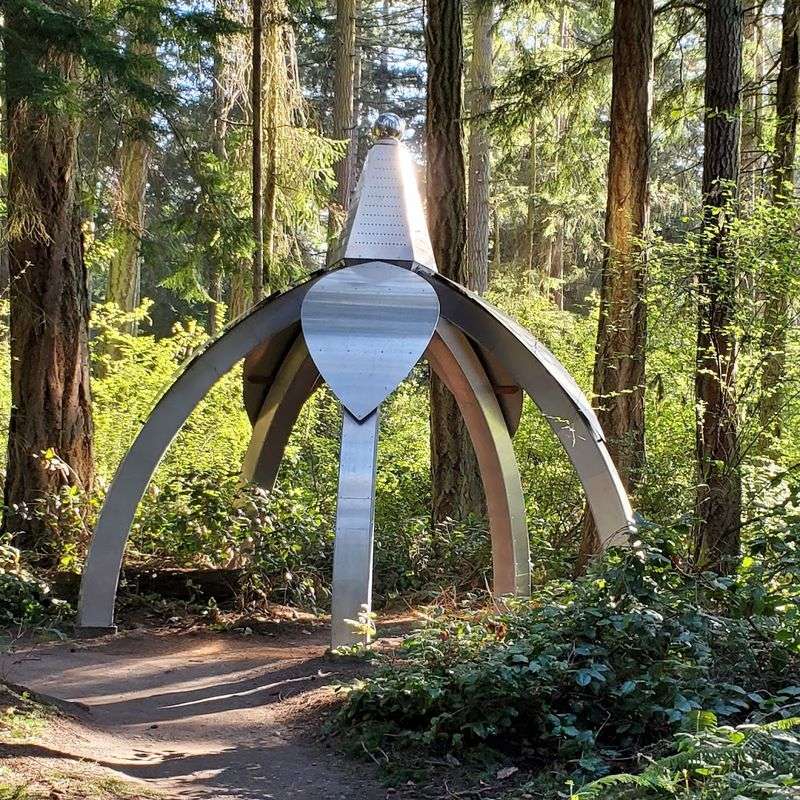
Stumbling upon the Price Sculpture Forest near Coupeville feels like finding a secret that the internet somehow forgot to oversell.
Tucked into 30 acres of Pacific Northwest woodland, this outdoor art park features large-scale sculptures by regional and international artists, each one placed thoughtfully within the natural landscape so that the art and the forest feel like genuine collaborators rather than competing attractions.
The trails are easy to walk and suitable for most fitness levels, which means you can focus on the sculptures themselves rather than the terrain underfoot. Some pieces are playful and immediately engaging, while others ask for a slower look before they reveal what they are actually doing.
That mix of accessibility and depth is what makes the place so satisfying. Admission is free, which somehow makes the whole experience feel even more generous.
Visiting on a foggy morning, when the mist hangs between the trees and the sculptures emerge gradually as you walk the path, is the kind of sensory experience that lingers. It is one of those places that does not need a crowd to feel alive.
When To Visit
Fall is the season that locals quietly recommend to anyone willing to listen. From September through November, Coupeville settles into a rhythm that feels genuinely unhurried.
Temperatures stay mild, the summer visitor numbers drop off noticeably, and the light takes on that particular golden-gray quality that makes the Pacific Northwest so photogenic in the cooler months.
Summer brings more activity, including the Penn Cove Water Festival and a busier farmers market scene, so if you prefer a livelier atmosphere, July and August deliver that without tipping into overwhelming.
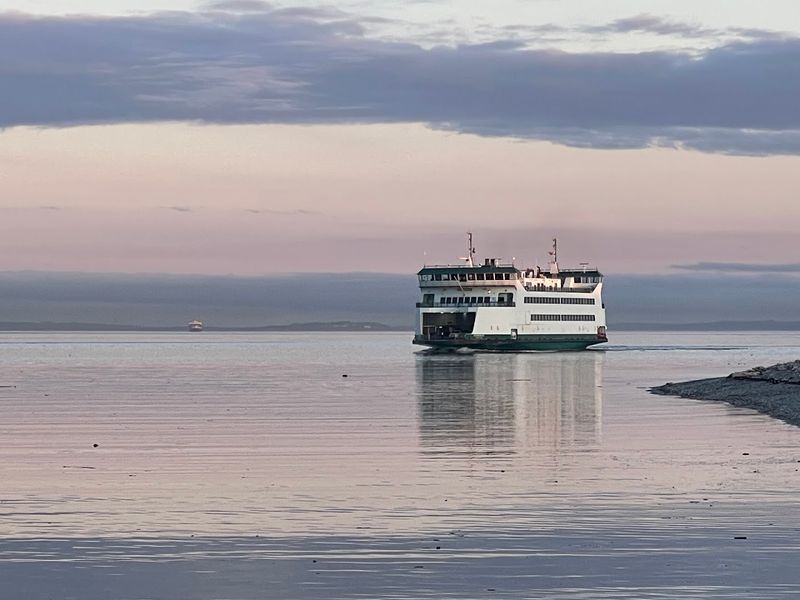
Spring is also worth considering, when wildflowers bloom across Ebey’s Landing and the trails are fresh and uncrowded. Getting to Coupeville requires a ferry ride from the mainland, which is part of the charm.
Washington State Ferries run regularly from Mukilteo to Clinton on the southern end of Whidbey Island, and the drive up through the island is scenic enough that arriving feels like its own reward.
Pack layers, bring a good camera, and plan to stay at least two nights. One day simply will not be enough.