
This Illinois Hike Leads To Historic Ruins And A Forgotten Piece Of The Past
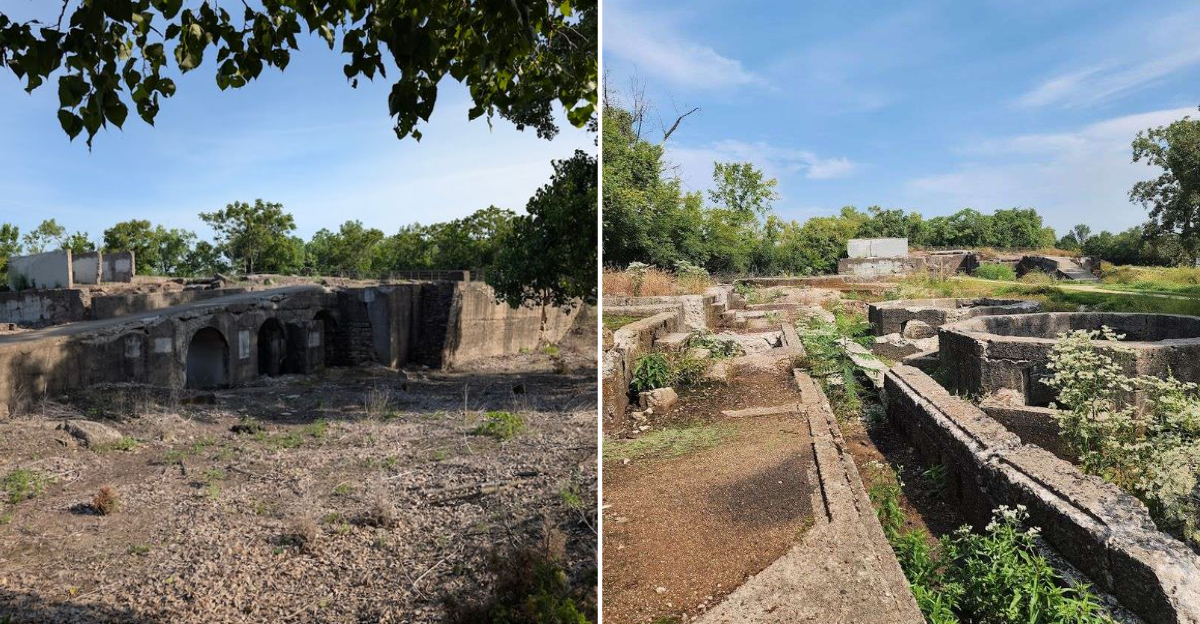
Along the banks of the Illinois and Michigan Canal in Joliet, the remains of a once-thundering iron plant sit in plain sight, quiet now but still powerful enough to stop visitors mid-step.
Brick furnace ruins, arched openings, weathered stone, and rusted industrial fragments rise beside a maintained path, turning an ordinary walk into something that feels almost cinematic.
This is not a polished museum behind glass. It is history left outdoors, surrounded by prairie grasses, canal scenery, and the echoes of heavy industry.
Visitors can wander the trail for free, read interpretive signs, and stand close to the bones of a place that helped shape Illinois’ industrial story.
How Joliet Became A Steel Town
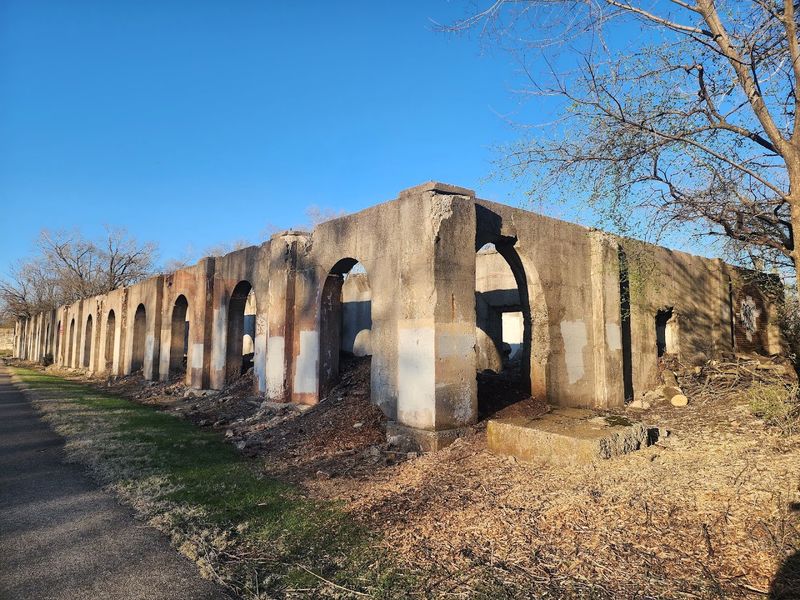
Long before Joliet was known for anything else, it was the sound of iron being forged that defined the city. Construction of the Joliet Iron Works began in 1869, but financial setbacks delayed full operation until 1879, after which it grew into one of the Midwest’s major iron and steel manufacturing operations.
Its location along the Illinois and Michigan Canal gave it a serious advantage, since raw materials could be shipped in and finished products moved out with remarkable efficiency.
At its peak, the plant employed thousands of workers and operated around the clock, producing iron rails that helped build railroads across the expanding American frontier.
The scale of the operation was staggering for its time. Massive blast furnaces roared continuously, and the glow from the plant could reportedly be seen from miles away at night.
Understanding this backstory makes walking through the ruins feel much more meaningful. Every crumbling wall and rusted beam represents the labor of generations who shaped not just Joliet, but the entire country.
Walking Through The Ruins
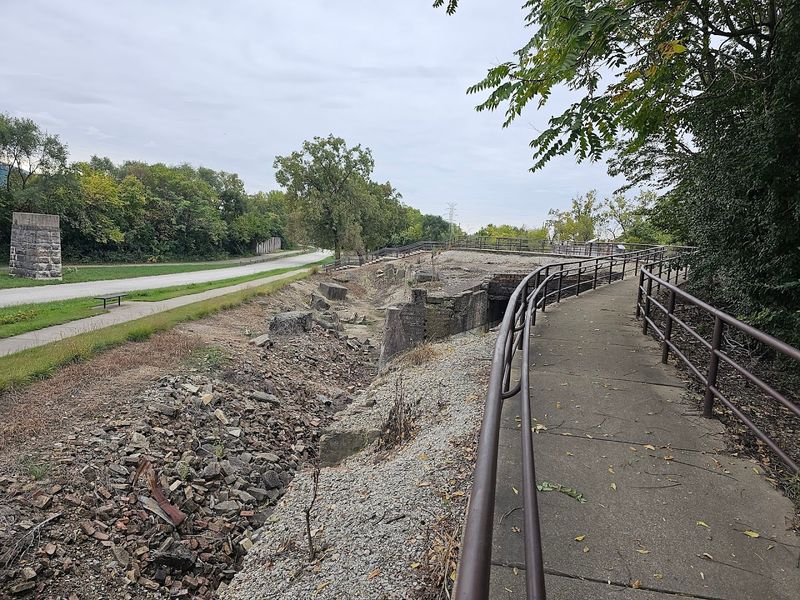
Arriving at 31 Columbia St, Joliet, IL 60432, you step into a setting that feels genuinely unlike anything else in the Chicago metro area. The main trail is paved, wide, and well-maintained, making it accessible for strollers, cyclists, and casual walkers alike.
Finely graveled sections branch off toward the most dramatic ruin clusters, and the path is clearly marked throughout.
Prairie grasses and native wildflowers line the edges of the trail, creating a surprisingly beautiful natural frame around the industrial ruins.
The contrast between the soft, swaying vegetation and the hard, weathered masonry is striking in every season. In autumn, the surrounding foliage adds warm color to the already atmospheric landscape.
The trail connects to the broader I and M Canal Trail, so adventurous visitors can extend their walk well beyond the iron works site itself. The interpretive trail through the ruins is about 0.59 mile, while the connected I&M Canal Trail allows visitors to extend the walk or bike ride much farther.
Reading The Ruins Up Close
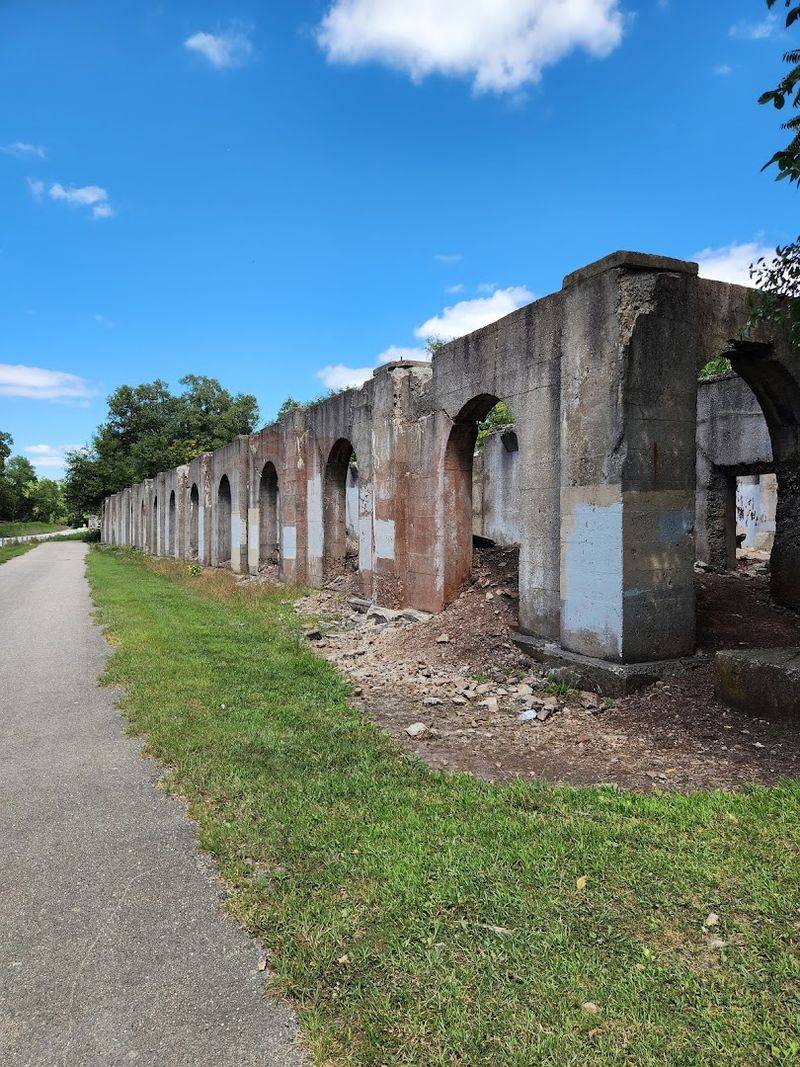
There is something almost surreal about standing directly beside a blast furnace that last roared to life nearly a century ago. U.S.
Steel closed the Joliet facility in 1933, and what remains today are the heavy masonry structures that simply refused to disappear.
Arched openings, thick brick walls, and iron hardware still mark where workers once performed incredibly demanding jobs every single day.
Informational placard signs are posted throughout the site, giving visitors real context for what they are looking at. Each sign describes what a specific structure was used for and what daily work life looked like during the plant’s operating years.
Some placards focus on the human side of the story, describing working conditions that were genuinely harsh by any standard.
Walking slowly and reading each sign carefully turns a simple stroll into a surprisingly deep educational experience. Families with curious kids will find plenty to talk about, and history enthusiasts will appreciate the honest, detailed storytelling that the signage provides throughout the site.
The Canal That Fueled It All
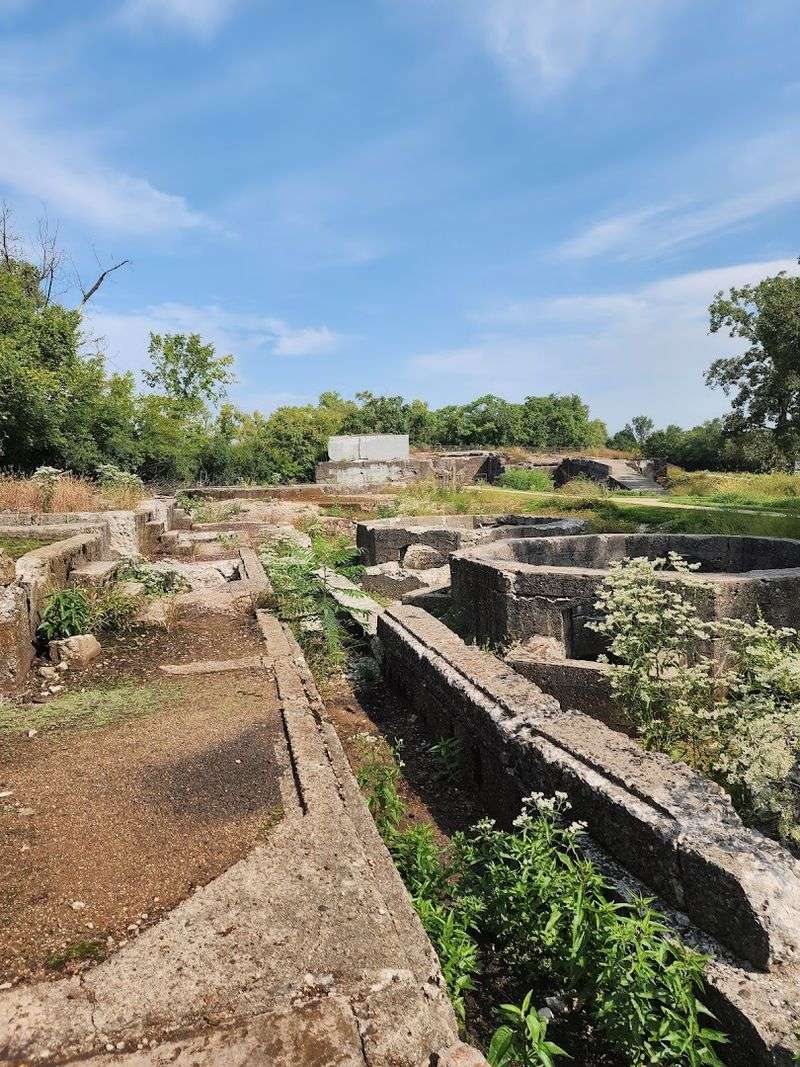
Few people realize just how important the Illinois and Michigan Canal was to the success of the Joliet Iron Works.
Completed in 1848, the canal connected the Great Lakes to the Illinois River, opening up a powerful inland waterway for transporting goods across the region. When the iron works opened two decades later, this waterway became its economic lifeline.
Raw materials like iron ore and coal could be delivered directly to the plant by barge, dramatically lowering transportation costs. Finished iron products could then be shipped out with equal ease, helping the facility compete with larger operations in other industrial cities.
The canal essentially made the Joliet Iron Works viable at a time when rail infrastructure alone could not have supported the same scale.
Today, the I and M Canal Trail runs right alongside the historic site, offering a lovely walking and cycling route that traces the original canal path. Seeing the two together, the canal and the ruins, helps tell a much fuller story of how this region once worked.
A Free Walk Into The Past
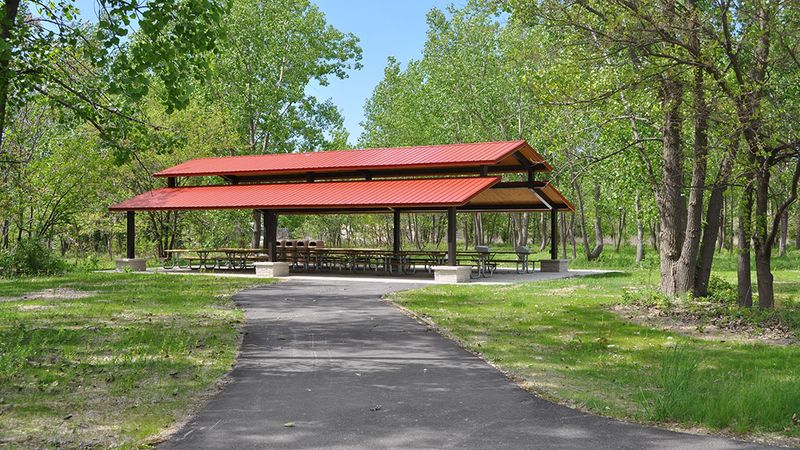
One of the most refreshing things about this site is that it costs absolutely nothing to visit. Admission is always free, parking on-site is free, and the trail itself is open to anyone who shows up during daylight hours.
In a world where even small attractions often charge entry fees, the Joliet Iron Works Historic Site stands out as a genuinely accessible outing for all kinds of visitors.
A picnic pavilion with benches and tables is available on-site, making it easy to pack a lunch and spend a relaxed afternoon exploring without needing to find a restaurant nearby. Portable restroom facilities are available during warmer months, which makes longer visits much more comfortable for families.
The trail is stroller-friendly on the main paved sections, though parents should keep younger children close when near the actual ruins, since surfaces can be uneven and some areas have loose materials.
It is the kind of place where a spontaneous weekend trip turns into a surprisingly memorable family outing without any real planning required.
A Prison Looms Nearby
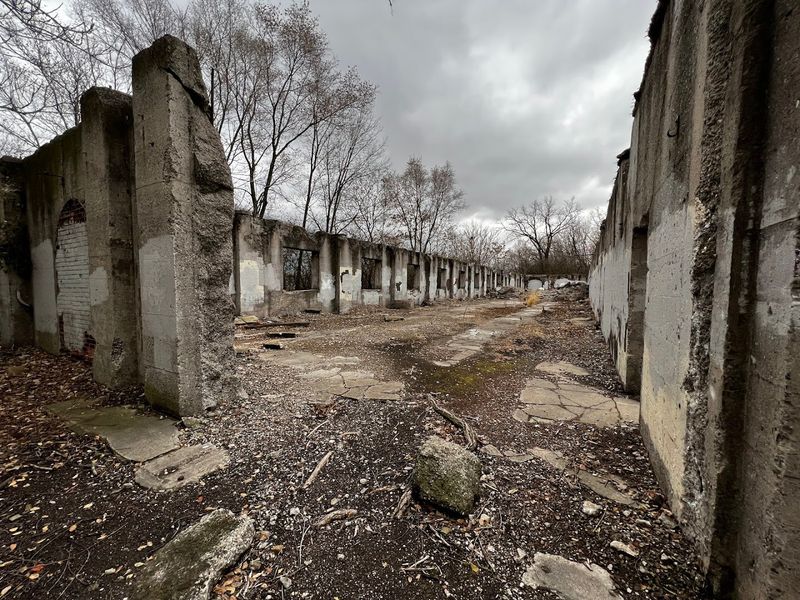
Standing near the far end of the ruins trail, you can spot another famous piece of Joliet history looming in the background.
The Old Joliet Prison, a massive limestone structure that dates back to 1858, is visible beyond the fence line from certain points along the iron works path. It adds an unexpected layer of drama to an already atmospheric setting.
The prison is not accessible from the iron works site, and visitors are not permitted past the fence without authorization. But simply seeing its towers and walls rising beyond the tree line is enough to make the whole area feel like a genuine step back into another era of American history.
Both sites represent very different chapters of Joliet’s past, one industrial and one correctional, but together they paint a vivid picture of a city that played a significant role in the development of the American Midwest.
Catching that glimpse of the old prison while walking the ruins trail is one of those small, unexpected moments that makes the visit feel truly special.
Ride Past Industrial Ghosts
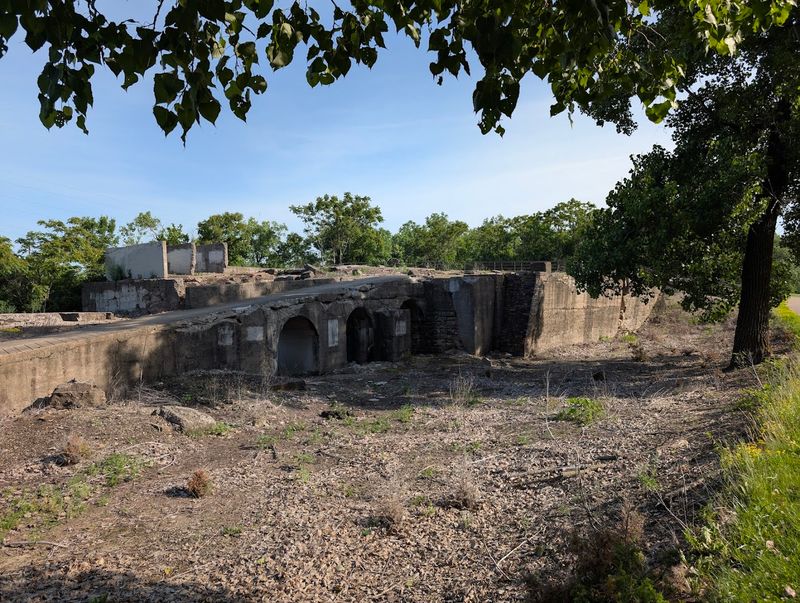
The Joliet Iron Works Historic Site is not just a walking destination. Cyclists will find the trail setup here genuinely welcoming, with smooth, well-maintained bike paths that run alongside and through the historic area.
The connection to the broader I and M Canal Trail means riders can extend their route for miles in either direction, making it a solid option for a longer recreational ride.
The flat terrain along the canal corridor keeps the ride accessible for casual cyclists and younger riders, while the scenic surroundings make the effort feel worthwhile even on a short loop.
Passing by the ruins on a bike gives you a different perspective than walking does, letting you appreciate the overall scale of the old plant in a way that is hard to grasp on foot.
Biking to the site from other points along the canal trail is also entirely possible, which makes it a natural stop on a longer cycling adventure through the greater Joliet area. Locking up and spending time on foot to explore the ruins up close is very much encouraged.
Where Every Brick Has Drama
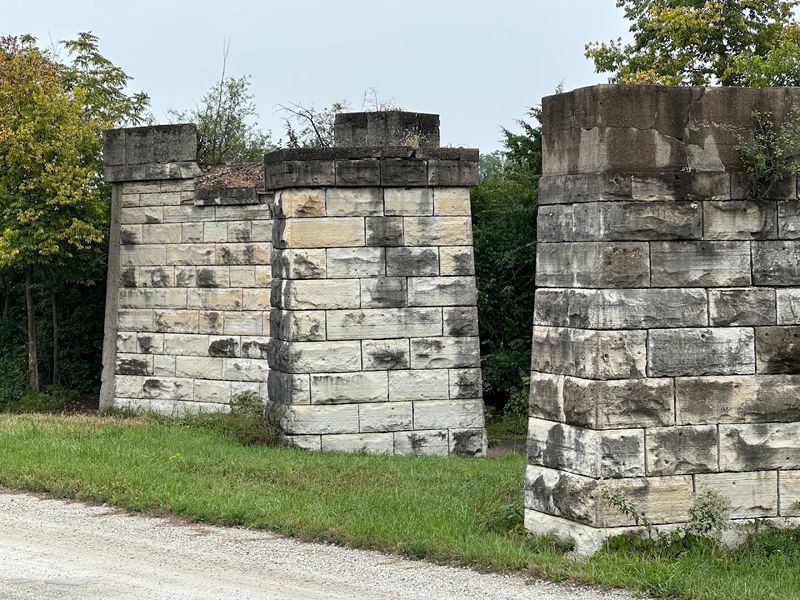
Photographers of all skill levels tend to leave this site with images they are genuinely proud of. The combination of weathered masonry, rusted metal, prairie grasses, and dramatic sky creates a visual setting that practically composes itself.
Golden hour light hitting the old furnace walls turns already striking ruins into something that looks almost cinematic.
The varied textures throughout the site offer endless close-up opportunities. Aged brick, crumbling mortar, iron fittings, and moss-covered stone all photograph beautifully with natural light.
Wide-angle shots that include the trail, the prairie vegetation, and the ruins together convey the full mood of the place in a single frame.
Seasonal visits reward photographers with different palettes. Spring brings fresh green growth contrasting against the dark ruins, summer offers lush foliage framing, and autumn delivers warm amber tones across the entire landscape.
Winter visits, when the site is quiet and frost clings to the old structures, produce some of the most hauntingly beautiful images of all. Bring extra battery power because you will not want to stop shooting.
History Written Underfoot
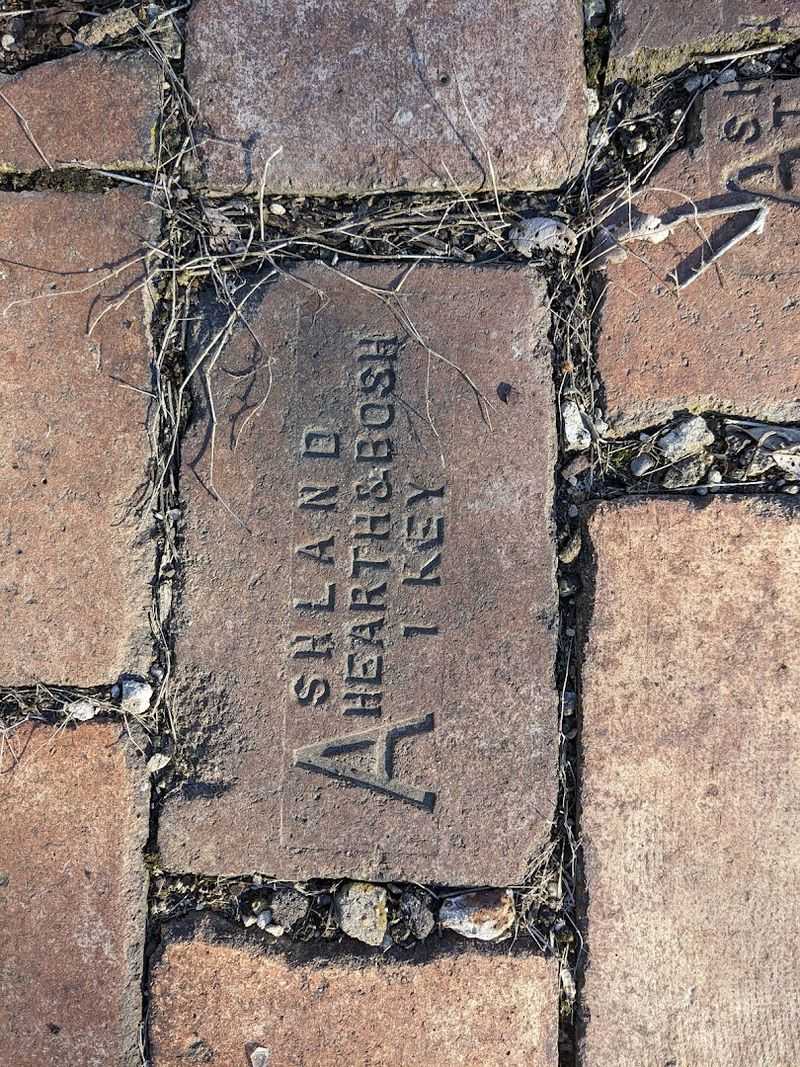
Among the many thoughtful design elements at the site, the timeline brick walkway stands out as a particularly clever touch.
Embedded directly into the ground along part of the trail, the walkway uses engraved bricks to mark key dates and events in the history of the iron works and the broader industrial era in Joliet. It is a subtle feature that rewards visitors who take the time to look down while they walk.
The timeline format makes it easy to follow the progression of the plant from its founding in 1869 through its various expansions and eventually its closure in 1936. Seeing those milestones laid out in physical form underfoot gives the history a concrete weight that text panels alone cannot quite achieve.
Kids especially seem to enjoy the interactive quality of walking along the timeline and reading dates off the bricks.
It turns a passive stroll into something more like a scavenger hunt, and it gives younger visitors a clear framework for understanding why the ruins around them matter. Small details like this show real care in how the site was designed for public enjoyment.
Practical Tips For Your Visit
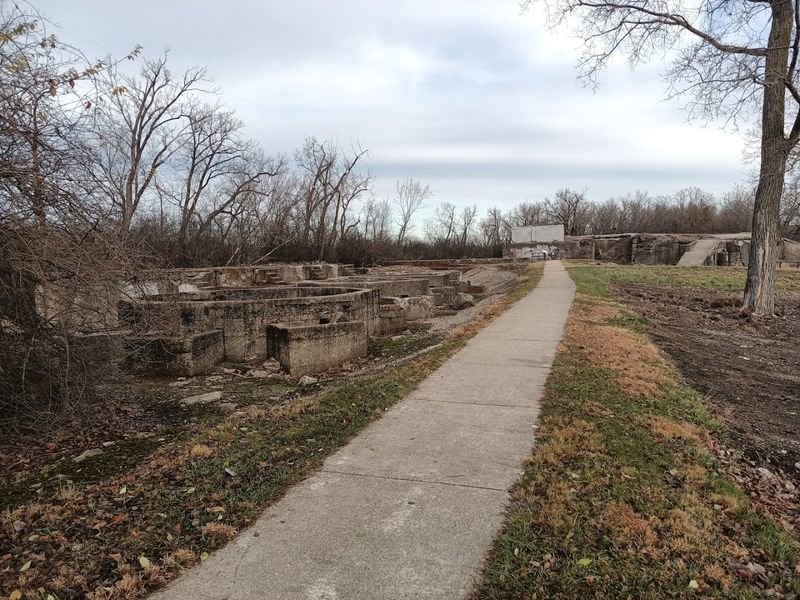
A few simple tips can make your visit to the Joliet Iron Works Historic Site noticeably more comfortable. The site is located on Columbia Street, east of Route 53/Scott Street, near downtown Joliet, with access to the preserve and trail system from that area.
The trail closes at sundown, so plan your arrival accordingly, especially in the shorter daylight months of fall and winter.
Wear sturdy, closed-toe shoes regardless of the season. The main trail is paved and smooth, but the areas near the actual ruins can have uneven ground, loose gravel, and the occasional nail or sharp edge from old structural materials.
Keeping a close eye on footing near the ruins is simply good practice for everyone in your group. Bringing water is a smart move since there are no vending machines or concession stands on-site.
A phone with a charged battery is useful for photographs and navigation if you plan to extend your walk onto the I and M Canal Trail. The site is reachable by calling plus one 815-727-8700, and more trail details are available online.