
It Looks Like A Stampede Of Wild Horses Has Been Set Loose Above This Washington River
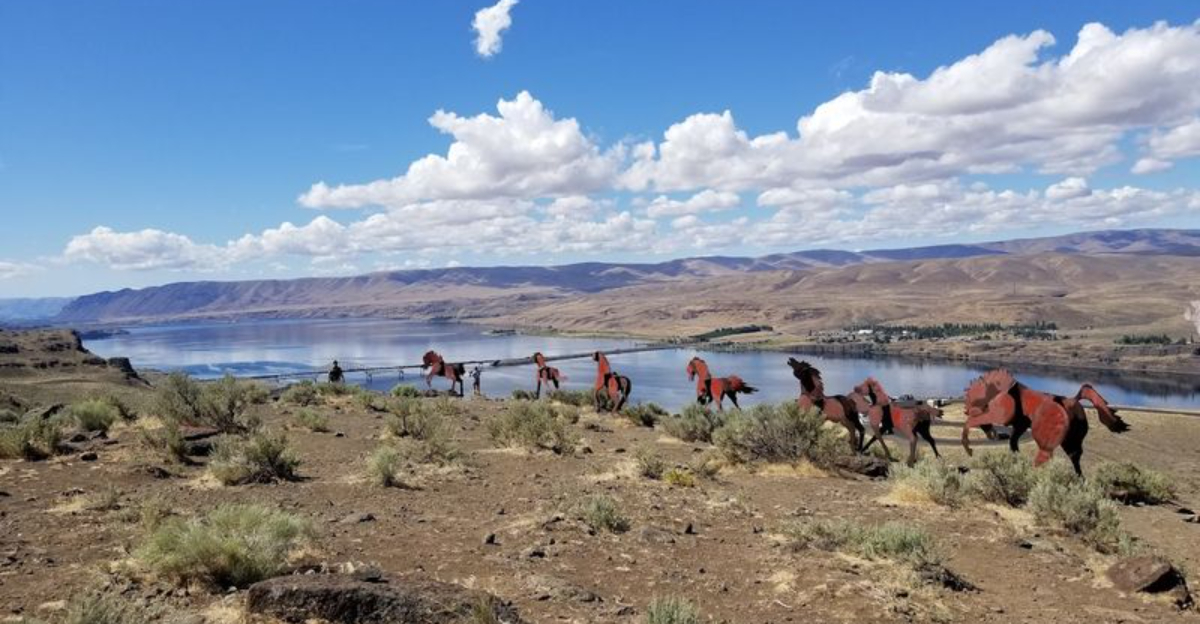
They say the best discoveries happen when you’re not looking for them, and boy, did Washington prove that theory right during my latest adventure. Just when I thought I had a pretty good sense of the area, I rounded a bend and spotted a large group of wild horses gathered along the ridge.
A few moments later, they started moving down toward the river together, steady and calm. It was the kind of scene that makes you stop what you are doing and just watch. found myself stepping a little closer, not wanting to disturb them, but completely pulled in by the sight.
The horses did not seem bothered at all. They simply kept moving toward the water, focused on their own quiet rhythm.
Where The Steel Horses Came From
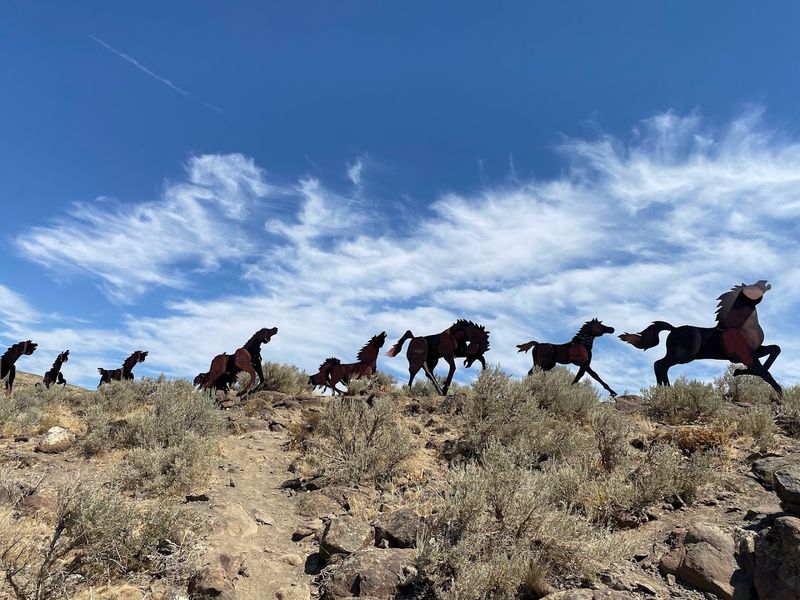
Back in 1989, a Chewelah, Washington artist named David Govedare set out to do something bold for Washington State’s Centennial celebration.
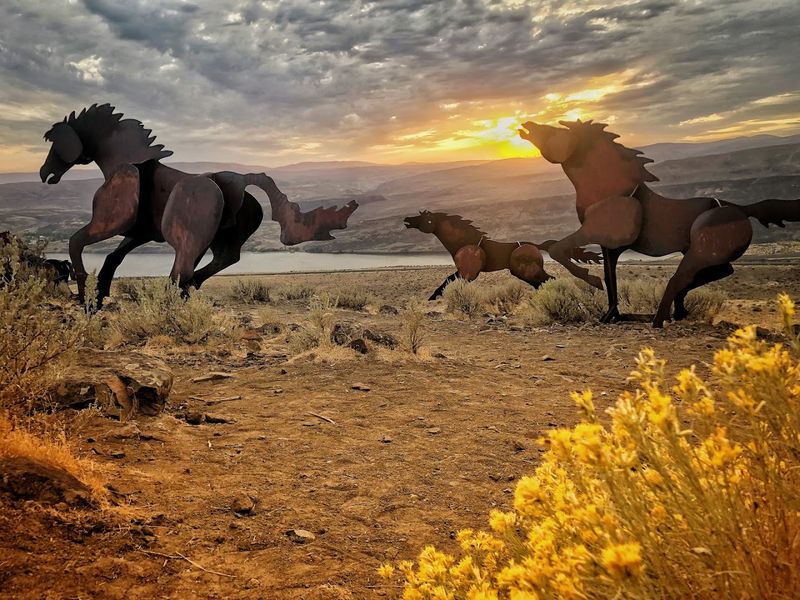
He welded together 15 life-sized horses from half-inch-thick COR-TEN steel plates, each one weighing between 1,000 and 1,200 pounds, and anchored them into a ridge overlooking the Columbia River.
The result was a monument called Grandfather Cuts Loose the Ponies, inspired by an Indigenous legend about the creation of horses.
Govedare’s original vision was even grander. He had planned a 36-foot-tall steel basket from which 18 horses would burst free, but funding ran short and the basket was never built. The 15 horses that stand today are still powerful enough to make jaws drop.
The site was chosen deliberately. This ridge was where the last major roundup of Washington’s wild horses took place in 1906, making the location as meaningful as the artwork itself. History and art collide here in a way that feels completely earned.
What The View Actually Looks Like From The Ridge
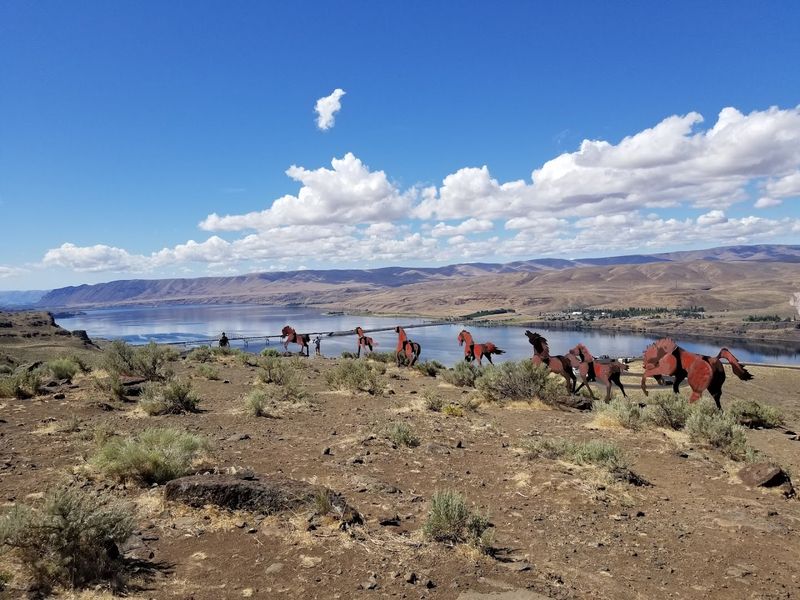
Standing on that ridge for the first time, I genuinely had to remind myself to breathe. The Columbia River stretches out below in a wide, glittering band, flanked by basalt cliffs and rolling golden hills that seem to go on forever.
Wanapum Lake shimmers in the distance, and on a clear day you can spot Ginkgo Petrified Forest State Park across the gorge. The scale of Eastern Washington is something that photographs struggle to capture honestly.
The landscape feels enormous, open, and almost prehistoric, which makes the steel horses above you feel perfectly at home. Wind moves constantly across the ridge, adding a kind of low hum to the whole experience that makes it feel alive.
Visitors who time their trip for late afternoon get the added bonus of golden light hitting the rusted steel horses, turning them a deep amber color against the sky.
That combination of river, gorge, and sculpture is genuinely one of the most striking visual moments I have had anywhere in Washington State.
The Short But Steep Hiking Trail
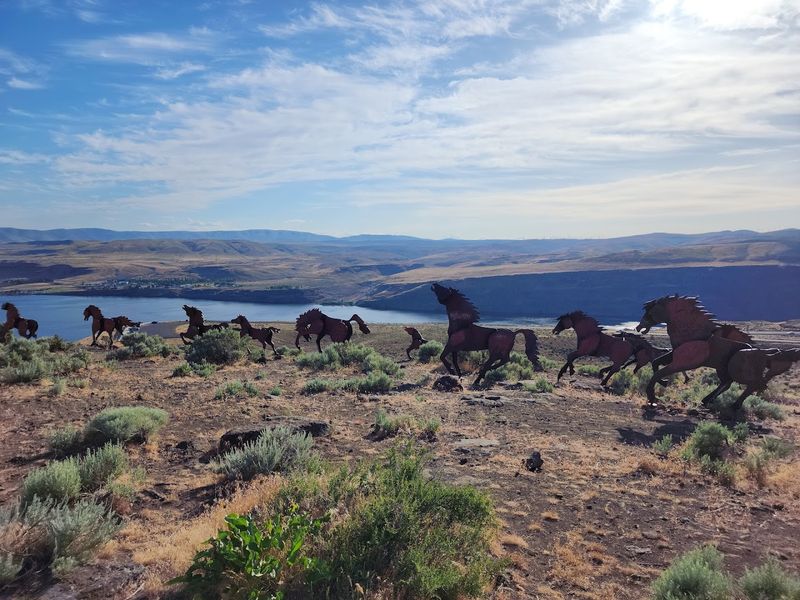
Do not let the word short fool you here. The trail from the free parking lot to the monument covers about 0.3 miles, but it climbs 148 feet through loose gravel and chunky rocks that shift underfoot.
Sturdy shoes with good grip are not just a suggestion, they are genuinely necessary if you want to feel confident on the way up and especially on the way back down.
The round trip typically takes about 30 minutes for most visitors, though people who stop frequently to photograph the horses or catch their breath may take a little longer. The path itself is exposed, meaning there is no shade cover, so bringing water is a smart move regardless of the season.
What the trail lacks in distance it more than makes up for in drama. Each step upward reveals more of the river below, and the horses come into clearer focus the higher you climb.
By the time you reach the top, the sense of arrival feels completely proportional to the effort you put in.
Getting There And Practical Visitor Tips
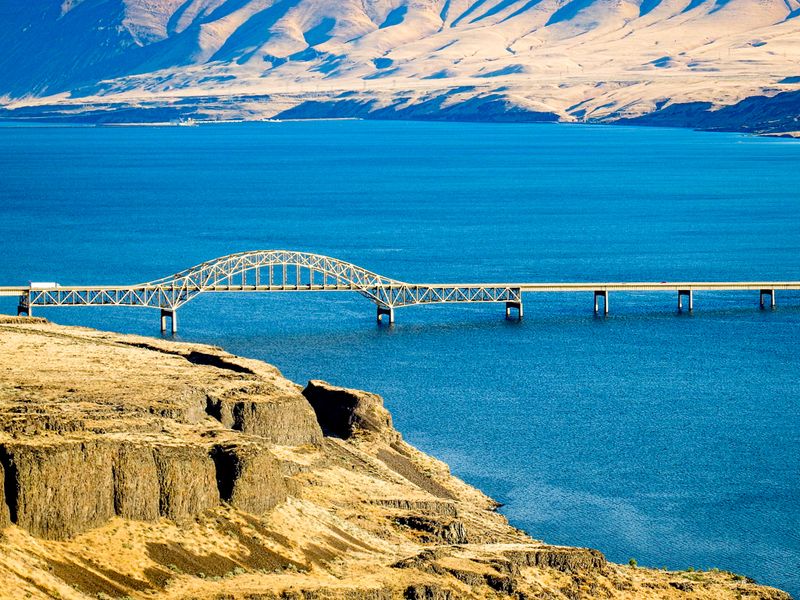
Finding the Wild Horse Scenic View Area is straightforward if you know what to look for. Traveling eastbound on Interstate 90, take Exit 139, which is marked as Scenic Viewpoint.
The monument sits just minutes east of Vantage, Washington, right after crossing the Columbia River. There is a free parking lot at the base of the trail, and no fee is required to visit.
One thing worth knowing before you arrive is that there are no restrooms at the parking area and no other amenities on site. Packing your own water, sunscreen, and snacks is the right call, especially during the warmer months when temperatures in Eastern Washington can climb significantly.
The area is open year-round, but spring and fall tend to offer the most comfortable conditions for the hike.
Cell service can be spotty in this stretch of the gorge, so downloading an offline map before you leave is a practical move. The drive itself along I-90 through the gorge is scenic enough to make the journey feel like part of the experience.
Wildlife And Natural Hazards On The Trail
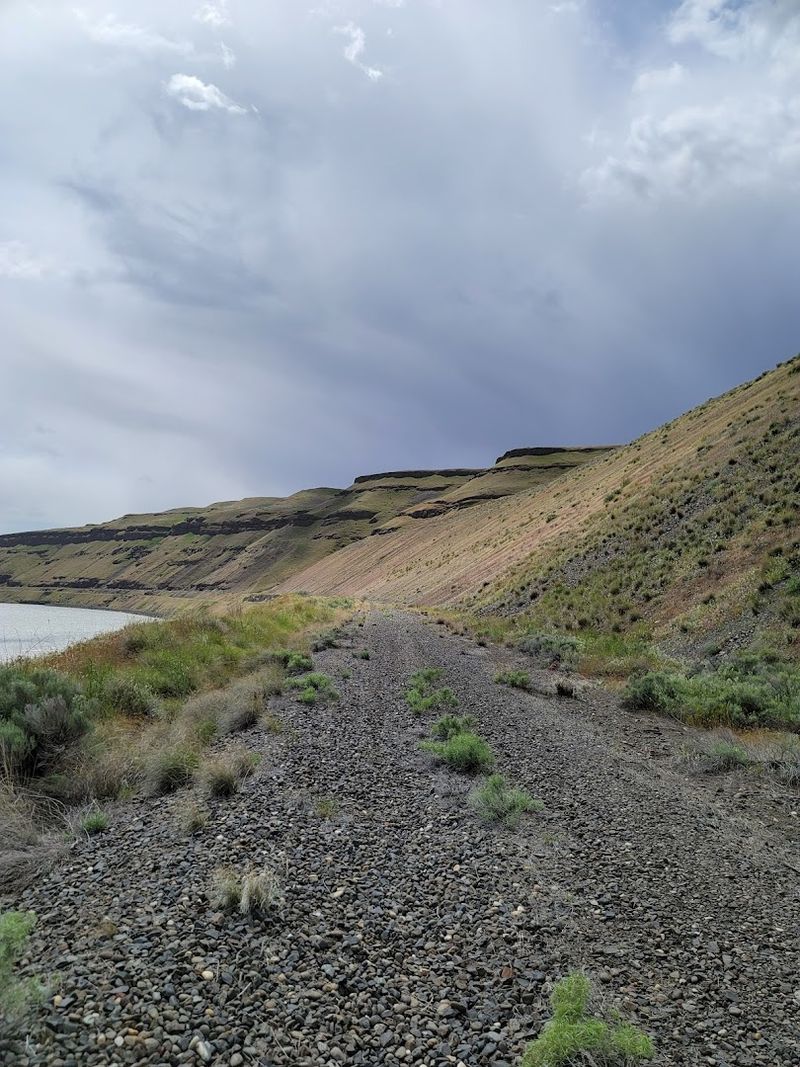
Eastern Washington’s high desert is not just a backdrop, it is an active ecosystem, and the ridge around the Wild Horse Monument is no exception.
Rattlesnakes are present in this area and have been spotted by visitors near the trail and around the base of the sculptures. Staying on the marked path, watching where you step, and keeping an eye on rocky crevices are all habits worth building before you head up.
The wind at the top of the ridge can be surprisingly forceful, particularly in spring and early fall. On gusty days, it is strong enough to make you lean into it, which adds a certain dramatic quality to standing among the horses but also means lighter jackets can become useless quickly.
Layering is a smart strategy.
Birds of prey are commonly seen riding thermals above the gorge, and the surrounding scrubland hosts a range of high desert plants and small wildlife. Paying attention to the natural environment around you adds another layer to a visit that already has plenty going on visually.
A Monument Seen By Millions
Here is a number that genuinely surprised me when I first read it. Between 1990 and 2008, an estimated 100 million vehicles passed by the Wild Horse Monument while traveling along Interstate 90.
That makes it one of the most-viewed pieces of public art in the entire state of Washington, and most of those viewers never even stopped.
Seeing the horses from the highway at 70 miles per hour is one thing. Standing next to them on the ridge is something else entirely.
Each sculpture is anchored into the basalt with metal poles and positioned to suggest movement, as if the herd is mid-gallop and could continue over the edge of the ridge at any moment.
The rusted COR-TEN steel was chosen intentionally, as it weathers over time to develop a deep orange patina that blends naturally with the surrounding desert tones.
That aging quality gives the horses a sense of permanence that feels appropriate for a monument honoring animals that shaped the history of this entire region.
Why This Place Deserves More Than A Passing Glance
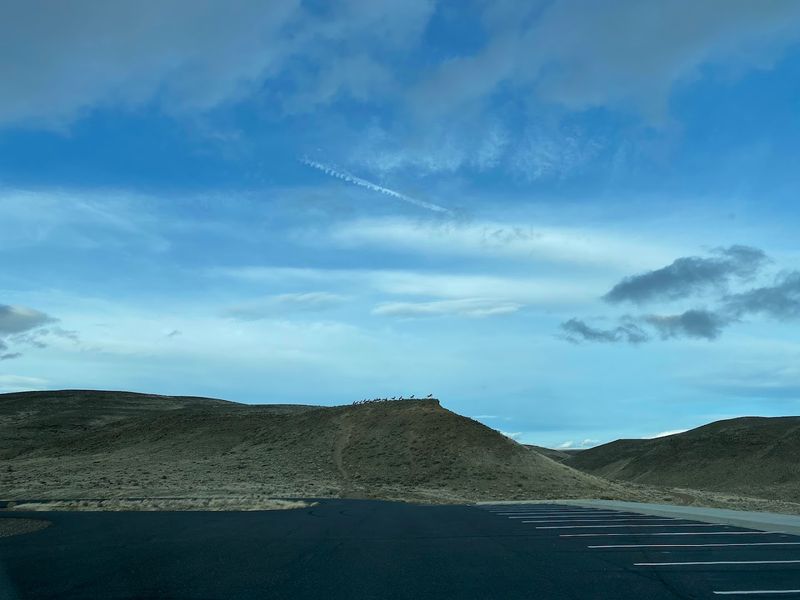
Most people who spot the Wild Horse Monument from the freeway think they have already seen it. Pulling off the highway and walking up that ridge changes that assumption fast. Up close, the scale of each horse becomes real in a way that the distant highway view simply does not communicate.
These are not decorative figures. They are full-sized, heavy, and imposing in the best possible way.
The combination of Indigenous legend, regional history, a determined artist’s vision, and a genuinely spectacular natural setting makes this stop feel layered in a way that most roadside attractions are not. Y
ou leave knowing something you did not know before, and the view from the top stays with you longer than expected.
For anyone driving I-90 through Washington, skipping Exit 139 means missing one of the most honest and affecting art experiences the state has to offer. The hike is short, the parking is free, and the reward waiting at the top is the kind of thing that earns a permanent spot in your travel memory.