
One Tiny Town In South Carolina Has More Historic Sites Than You Could Visit In A Weekend
Small towns are not supposed to shape entire states.
This one did.
With just a few thousand people, this place has produced more political influence than cities many times its size. It feels quiet at first.
Almost too quiet to stand out.
Then you start paying attention.
Historic markers appear on nearly every block. Old buildings hold onto stories that still matter.
And the deeper you go, the more it starts to feel like everything here connects to something bigger.
You come thinking it will be a quick stop.
It rarely works out that way.
There is too much to see. Too much to piece together.
And not nearly enough time to take it all in.
Places like this are easy to overlook in South Carolina.
Until you spend a little time there.
And once you do, it stops feeling like a small town.
It starts to feel like a place that quietly shaped South Carolina itself.
Oakley Park Museum
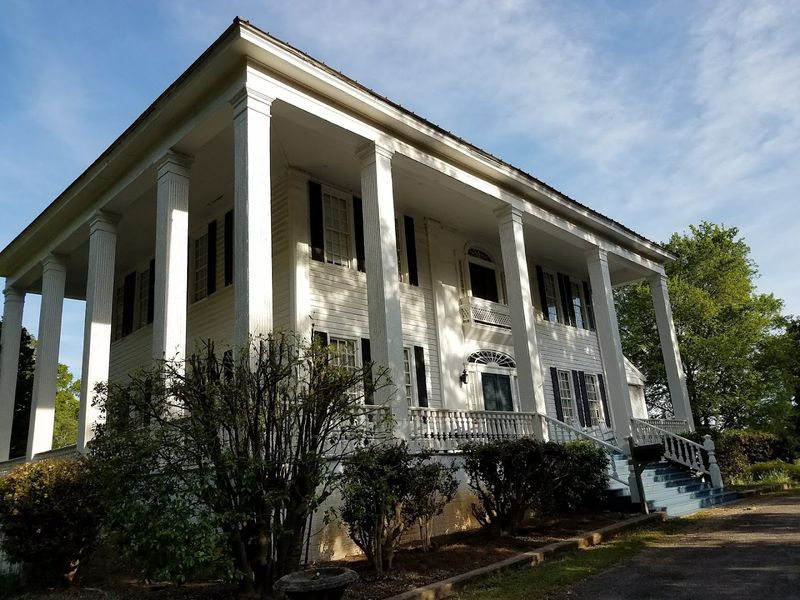
Oakley Park Museum anchors the heart of Edgefield’s historic district at 300 Columbia Road, and I spent nearly two hours wandering through rooms that tell stories spanning three centuries. The mansion itself dates to the 1830s and served as home to multiple governors, which explains why every corner seems to whisper political intrigue.
Period furnishings fill the parlors and bedrooms, arranged as though the residents just stepped out for afternoon tea. I found myself lingering over handwritten letters and campaign materials that brought textbook history into sharp, personal focus.
The docents know every family connection and scandal, delivering details with the kind of enthusiasm that makes you forget you’re in a museum.
Walking the grounds afterward, I noticed the careful preservation work that keeps the gardens and outbuildings authentic to their era. Oakley Park doesn’t just display artifacts behind glass; it recreates the atmosphere of political power and Southern society that defined Edgefield’s golden age.
Every visit reveals some detail I missed before, which is why I keep coming back whenever I’m near the Augusta area.
Edgefield County Courthouse
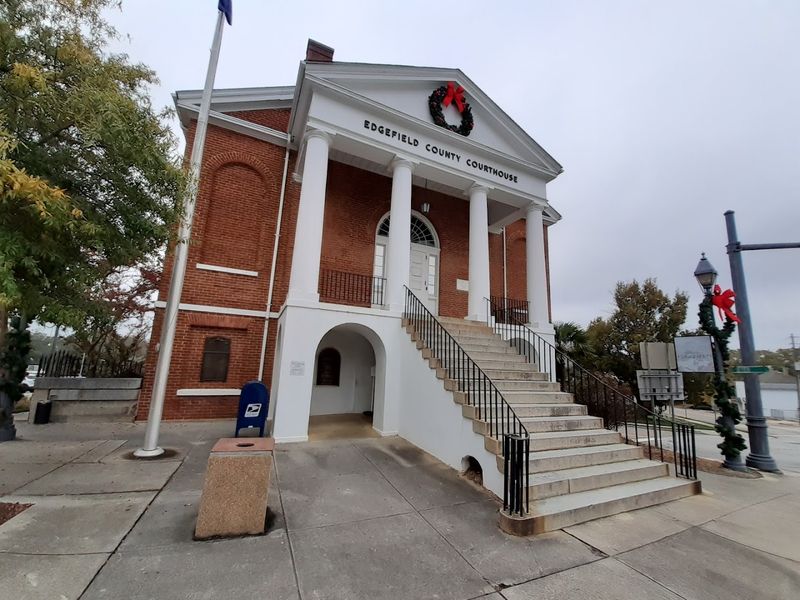
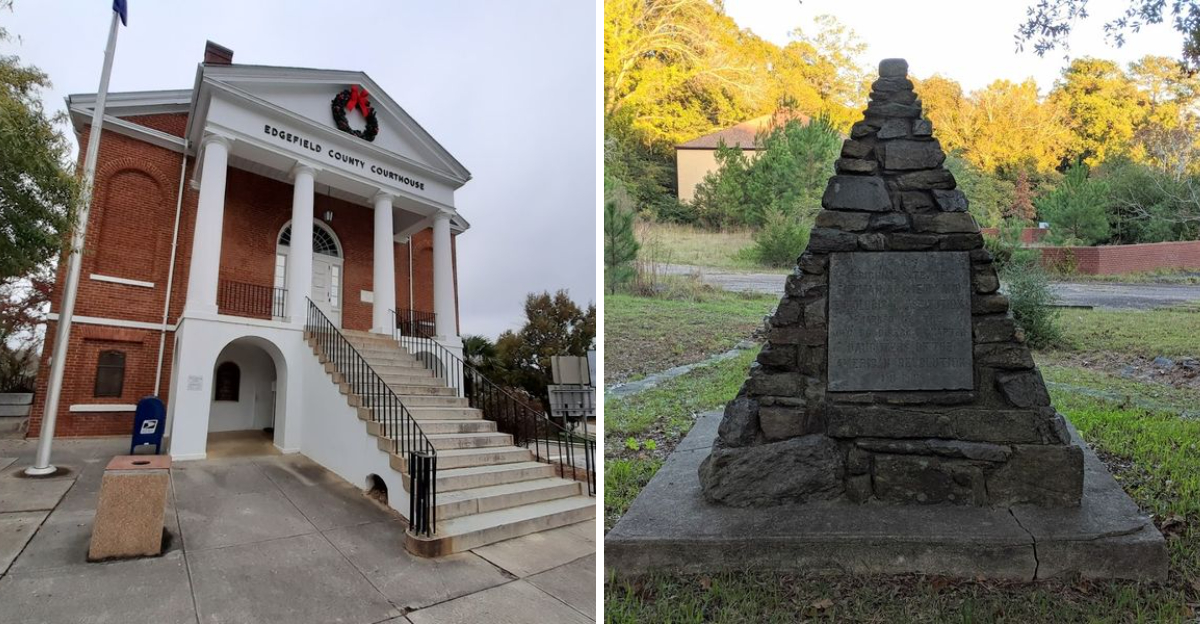
Standing in the town square, the Edgefield County Courthouse commands attention with its red brick facade and classical columns that have watched over this community since 1839. I circled the building twice on my first visit, admiring how the proportions balance dignity with approachability.
This isn’t just another government building; it’s where Strom Thurmond launched his political career and where countless legal battles shaped South Carolina law. The courtroom inside maintains its original woodwork and gallery seating, creating an atmosphere that makes you lower your voice instinctively.
I sat in the public gallery during a quiet afternoon, imagining the arguments and decisions that echoed off these walls for nearly two centuries.
The courthouse lawn hosts markers commemorating everything from Revolutionary War soldiers to civil rights milestones, turning the grounds into an outdoor history lesson. Local festivals and community gatherings still center around this building, proving it remains the town’s beating heart.
I’ve photographed this courthouse in every season, and the changing light always reveals new architectural details I hadn’t noticed before, making each visit feel like discovering it fresh.
Magnolia Dale
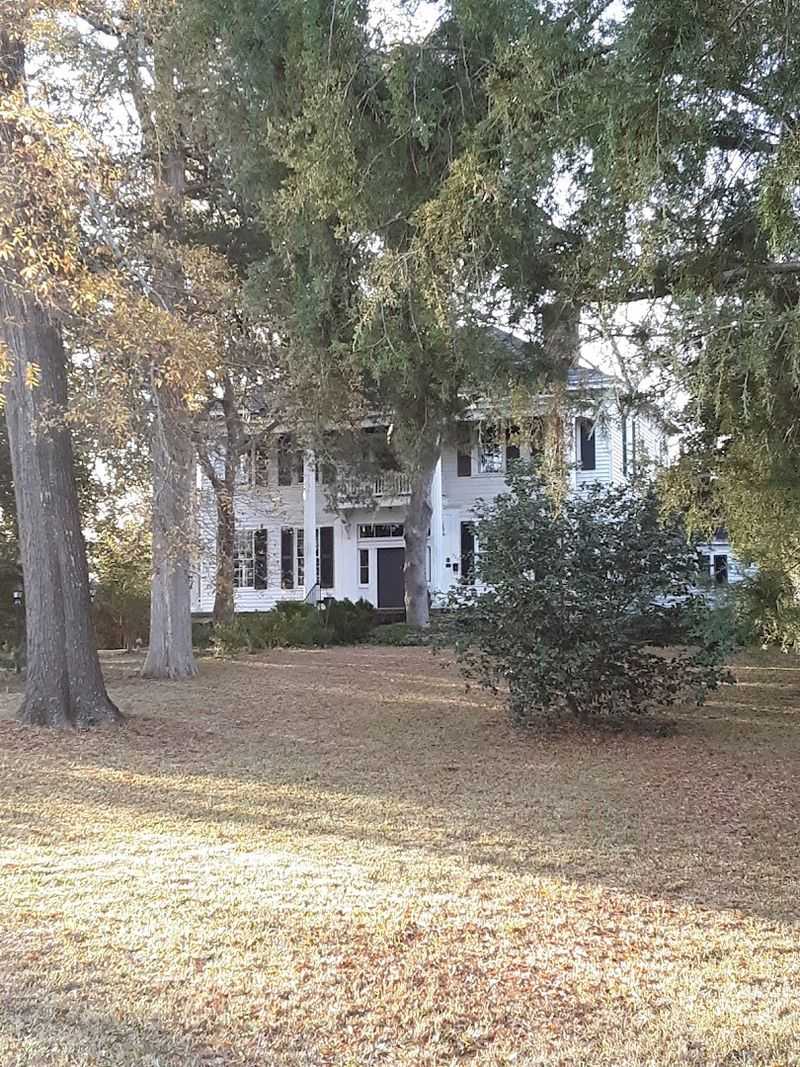
Magnolia Dale rises from its landscaped grounds like something out of a plantation novel, except the real stories here prove far more compelling than any fiction. Built in the 1830s for one of Edgefield’s prominent families, this Greek Revival mansion showcases the architectural ambition that wealthy landowners poured into their estates.
The home’s name comes from the massive magnolia trees that frame the approach, their glossy leaves and fragrant blooms creating a natural colonnade. I visited during spring when the magnolias were flowering, and the scent followed me through the entire tour.
Inside, the rooms display original mantels, heart pine floors, and plasterwork that craftsmen created with techniques now considered lost arts.
What struck me most was how the house tells both triumphant and troubling stories, acknowledging the enslaved workers who built and maintained this grandeur. The guides don’t shy away from difficult history, instead presenting a complete picture of antebellum life in the South Carolina backcountry.
After touring several historic homes in Edgefield, Magnolia Dale stands out for its architectural integrity and honest interpretation, making it essential for understanding how this small town accumulated such wealth and influence.
Old Edgefield Pottery Sites
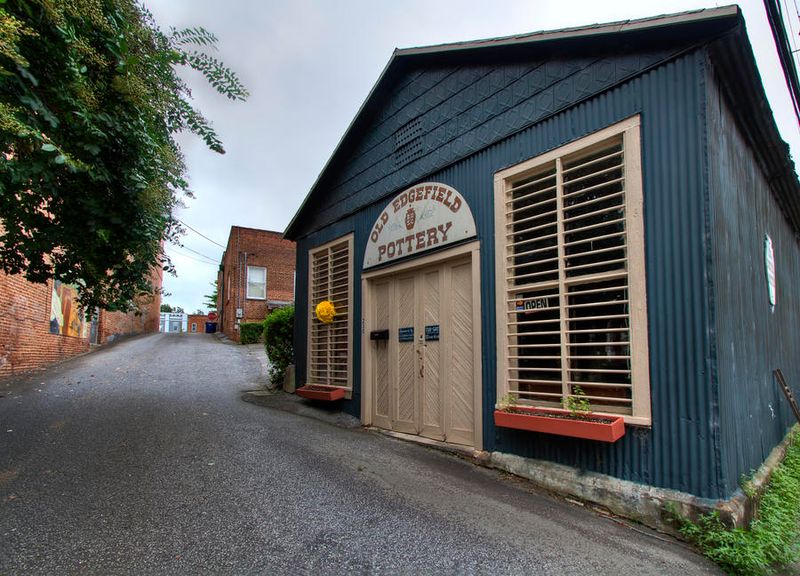
Edgefield’s pottery tradition runs so deep that ceramics scholars make pilgrimages here to study the distinctive alkaline glazes and stoneware forms that emerged in the 19th century. I initially had no idea this tiny town produced some of America’s most significant folk pottery until a local pointed me toward the historic kiln sites scattered around the county.
The pottery made here between 1810 and 1890 now fills museum collections nationwide, prized for both artistic merit and historical significance. Many pieces were created by enslaved potters whose names and stories are only now being properly documented and honored.
Walking the sites where these workshops once operated, I tried to imagine the heat, skill, and creativity that transformed local clay into vessels that would outlast the people who made them.
Several museums and galleries in town display examples of Edgefield pottery, and I found myself mesmerized by the flowing glazes and bold forms that still look contemporary. The town celebrates this heritage through annual pottery events and educational programs that keep traditional techniques alive.
Understanding Edgefield’s pottery legacy adds another layer to appreciating this town’s impact, proving that cultural influence extends far beyond politics and military service.
Willowbrook Cemetery
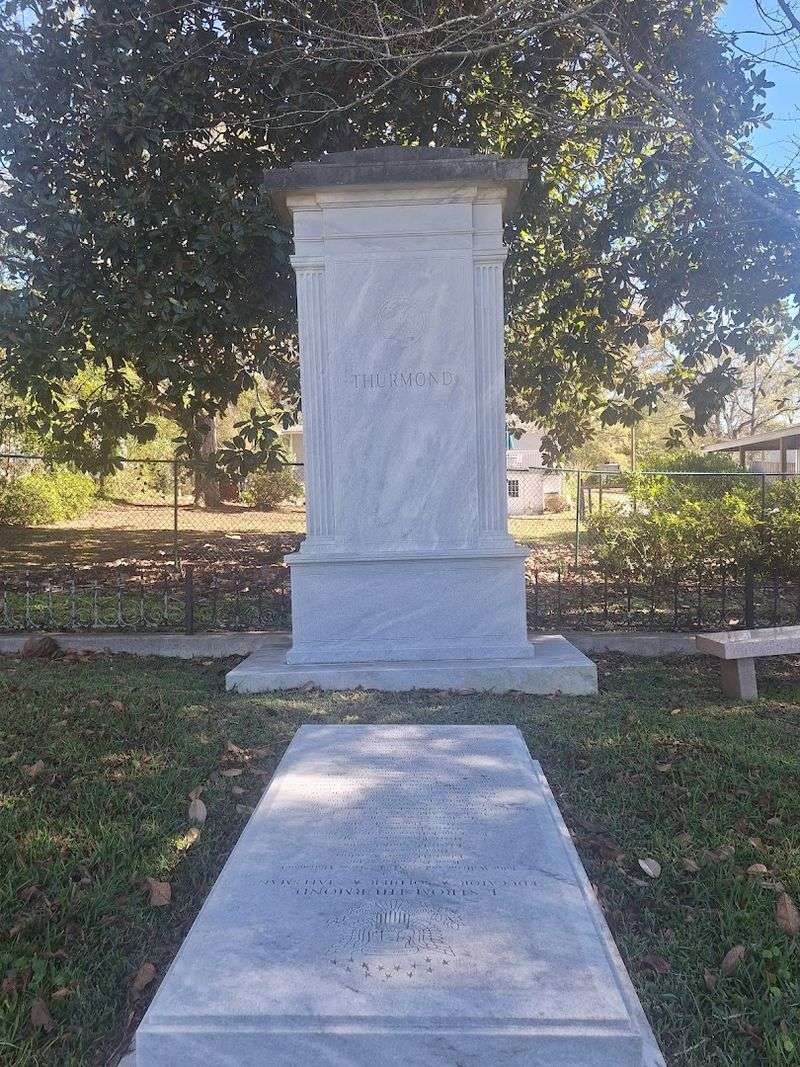
Willowbrook Cemetery spreads across rolling terrain just outside downtown, its weathered stones and monuments recording Edgefield’s entire history in marble and granite. I wandered these paths for an entire afternoon, reading inscriptions that span from Revolutionary War veterans to 20th-century citizens.
The governors, senators, and military leaders buried here make Willowbrook something of an outdoor hall of fame for South Carolina political history. But I found the ordinary graves equally compelling, telling stories of families, epidemics, and everyday lives lived in this small community.
Massive oaks shade the older sections, their roots gently lifting stones that have stood for two centuries. The peaceful atmosphere invites quiet reflection rather than morbid curiosity.
Several graves belong to enslaved and free African Americans whose contributions to Edgefield are finally receiving proper recognition through new markers and research projects. I noticed how the cemetery’s layout reflects the social hierarchies of different eras, with sections that tell stories about class, race, and power without saying a word.
Visiting Willowbrook isn’t just about respecting the past; it’s about understanding how this town’s complex history continues shaping its present and future identity.
Burt-Stark Mansion
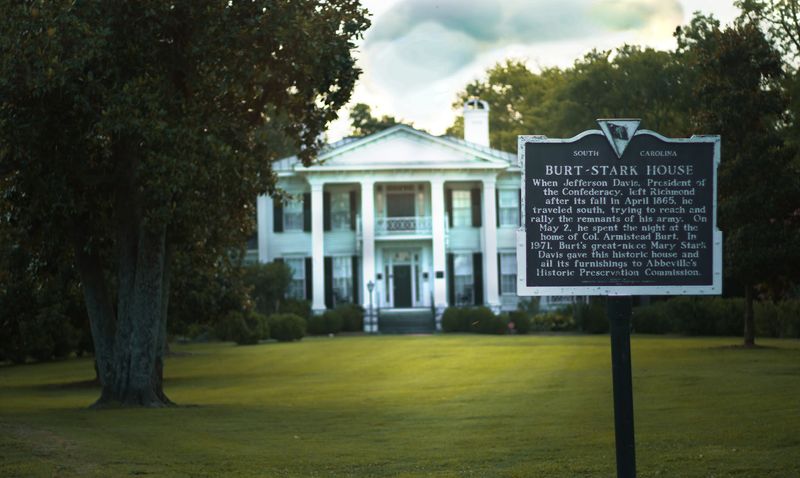
The Burt-Stark Mansion stands at 306 Columbia Road, its elegant proportions and careful restoration making it one of Edgefield’s most photographed historic homes. I first spotted it while driving through town, and the architectural details visible even from the street convinced me to arrange a tour.
Built in the 1830s, this house served as home to multiple politically connected families who shaped state and national policy. The double-parlor layout and high ceilings reflect the formal entertaining style that Southern political families perfected during this era.
I particularly appreciated how the current preservation efforts balance historical accuracy with practical concerns, keeping the house both authentic and structurally sound.
Period furnishings fill the rooms, chosen to represent the various families who lived here across different decades. The guides share stories that connect the mansion to larger historical events, helping visitors understand how national issues played out in this small-town setting.
Standing in the central hall, I could almost hear the debates and deal-making that must have filled these rooms during Edgefield’s political heyday. The Burt-Stark Mansion proves that historic preservation isn’t about freezing the past but rather making it accessible and meaningful for contemporary visitors seeking connection to their heritage.
Edgefield County Historical Society Museum
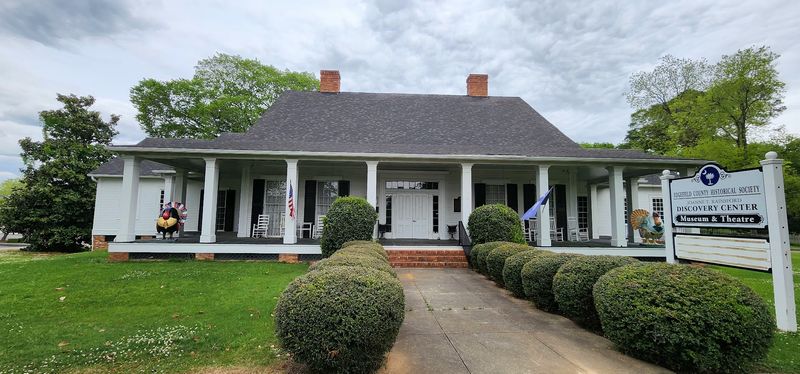
Tucked into a historic building downtown, the Edgefield County Historical Society Museum packs an impressive collection into modest quarters, offering the kind of deep local knowledge that larger institutions can’t match. I stumbled upon this place by accident during my first visit and ended up spending hours examining artifacts and documents that bring textbook history into vivid focus.
The volunteer staff members are walking encyclopedias of Edgefield lore, ready to answer questions and share stories that never made it into official histories. Display cases hold everything from Native American artifacts to campaign buttons, military uniforms to pottery shards, creating a timeline that spans millennia.
I found myself particularly drawn to the photographs of early Edgefield, comparing street scenes from the 1800s to the views I’d just walked past outside.
The museum also maintains extensive genealogical resources, making it a essential stop for anyone researching family connections to this area. What impressed me most was how the exhibits acknowledge difficult histories alongside celebrating achievements, presenting a balanced view of the community’s evolution.
For the cost of a small admission fee, you get access to knowledge that would take weeks to gather independently, making this museum an efficient starting point for understanding everything else you’ll see around town.
Ten Governors Park
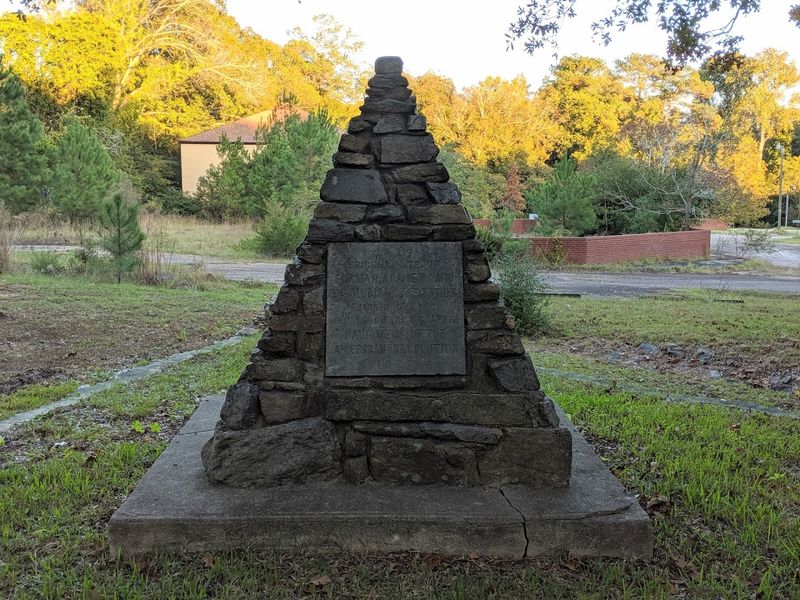
Ten Governors Park celebrates Edgefield’s extraordinary political legacy with monuments and markers honoring the ten South Carolina governors who called this small town home. I walked through this compact park reading each marker, amazed that a community this size produced so many state leaders.
The park’s design encourages visitors to stroll and reflect rather than rush through, with benches positioned near key monuments. Each governor’s marker includes biographical details and highlights of their terms, turning the park into an outdoor political science lesson.
I noticed how the monuments span different eras and political parties, reflecting how Edgefield maintained influence across changing times and ideologies.
Local students often visit for history lessons, and I overheard a teacher explaining how geography, economics, and family connections all contributed to Edgefield’s political dominance. The park sits within easy walking distance of other historic sites, making it a natural stop on any tour of downtown.
What makes this place special isn’t just the governors it commemorates but what their collective presence says about how political power concentrated in certain communities. Standing in Ten Governors Park, I understood why historians consider Edgefield essential for understanding South Carolina’s political development and the networks that shaped state governance for generations.
Tompkins Library
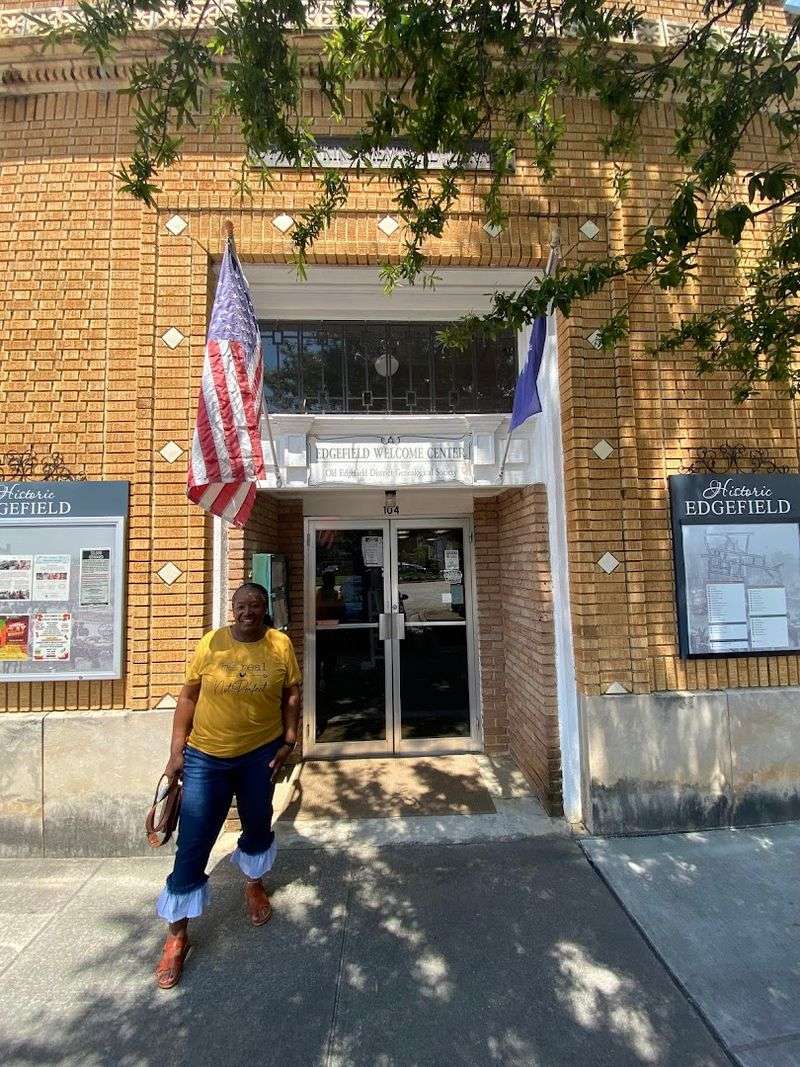
Tompkins Library occupies a handsome brick building that serves double duty as both community library and repository for local history resources. I initially visited seeking information about other historic sites but got sidetracked by the library’s own collection of documents, photographs, and rare books about Edgefield County.
The building itself dates to the early 20th century and represents the Carnegie library movement that brought public libraries to small Southern towns. Inside, the original woodwork and reading rooms maintain their period character while accommodating modern library services.
I spent an entire morning browsing the local history section, discovering primary sources and obscure publications that aren’t available anywhere else.
The librarians know their collection intimately and can point researchers toward exactly the resources they need, whether that’s census records, old newspapers, or family histories. What impressed me was how the library balances its role as historic building with its function as active community resource, proving that preservation doesn’t mean freezing places in time.
The reading room’s tall windows flood the space with natural light, creating an atmosphere that makes you want to settle in with a stack of books. For anyone seriously interested in Edgefield’s history, Tompkins Library provides context and depth that complement what you’ll see at museums and historic houses around town.
National Wild Turkey Federation Headquarters
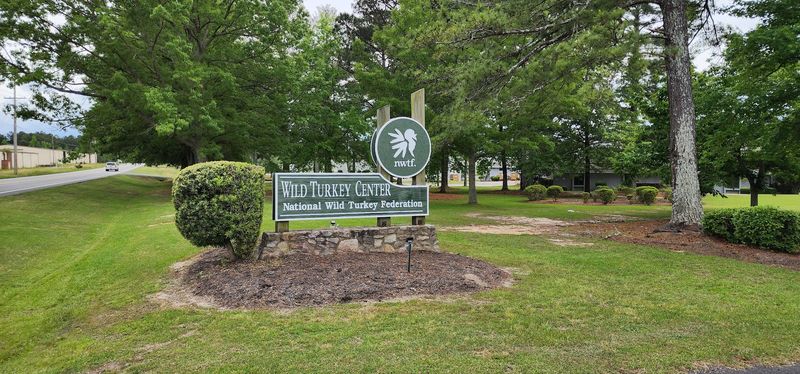
The National Wild Turkey Federation headquarters brings an unexpected conservation angle to Edgefield’s historic landscape, proving the town’s relevance extends beyond 19th-century politics. Located at 770 Augusta Road, this facility surprised me with its combination of natural history exhibits, conservation education, and outdoor recreation resources.
I didn’t expect to find a world-class wildlife conservation organization headquartered in a town this small, but Edgefield’s location near prime turkey habitat made it a logical choice. The visitor center features exhibits about turkey biology, hunting heritage, and habitat restoration that appeal to both outdoor enthusiasts and casual visitors.
Interactive displays let you hear different turkey calls and learn about the conservation success story that brought wild turkeys back from near-extinction.
The grounds include walking trails and outdoor exhibits that showcase the ecosystems turkeys depend on, making it easy to spend several hours exploring. Staff members share information about conservation programs happening across North America, connecting Edgefield to a continent-wide network of wildlife management.
What I appreciated most was how the facility adds another dimension to understanding this community, showing that Edgefield continues making contributions beyond its historic legacy. The Wild Turkey Federation headquarters proves that small towns can host organizations with national and international reach, maintaining Edgefield’s tradition of punching above its weight.