
Dare To Explore This Bone-Chilling Ghost Town Tucked Away In Florida
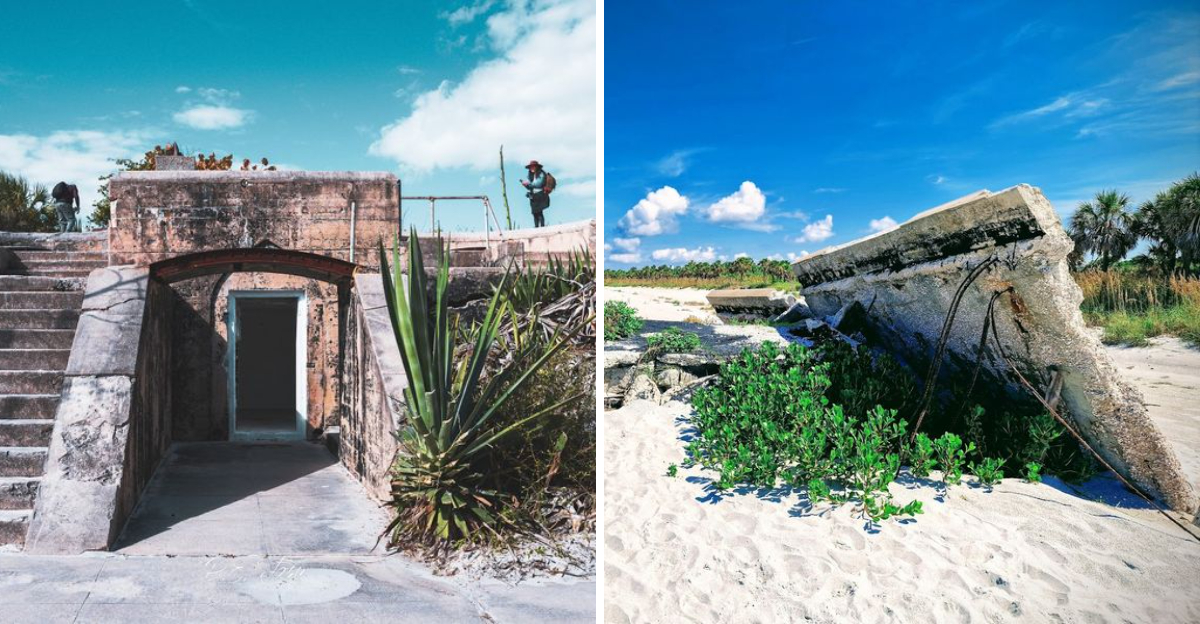
Most people pass this place without ever knowing it is there.
That is what makes it unforgettable.
Just off the coast, there is an island where time stopped moving a long time ago. No crowds.
No noise. Just the sound of waves and something older still holding on.
At first, it feels quiet.
Then you start to notice what is left behind.
Brick walls breaking apart. Paths slowly taken back by nature.
Structures that once meant something now standing without explanation.
This is not just another beach in Florida.
It is a place where history never fully left.
You can feel it in the air.
The way everything seems to pause around you.
Places like this are easy to miss across Florida.
Until you step onto one.
And once you do, it stops feeling like a simple visit.
It starts to feel like you found something you were not supposed to.
A Civil War Era Fortress Built For Battle
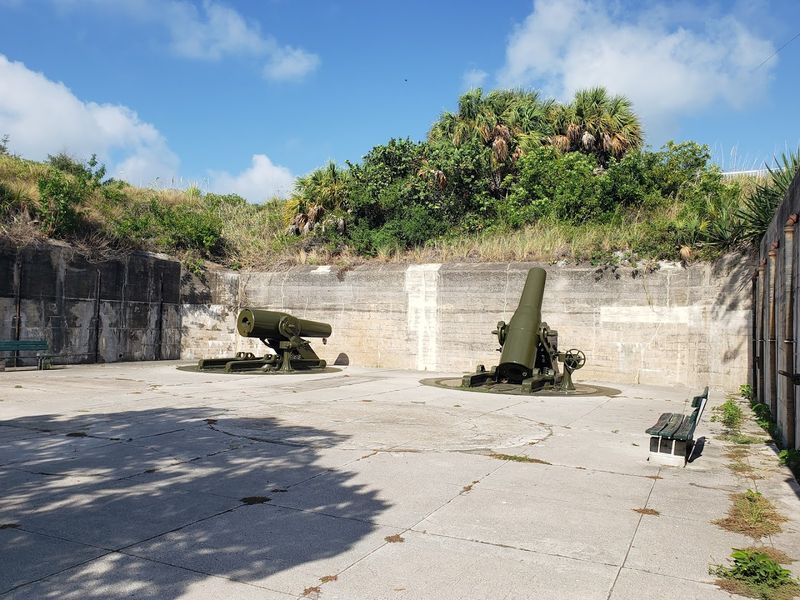
Construction began in 1898 when tensions with Spain ran high, and military planners needed a strong defensive position to protect Tampa Bay. Engineers built thick brick walls, underground bunkers, and gun batteries designed to spot enemy ships miles away.
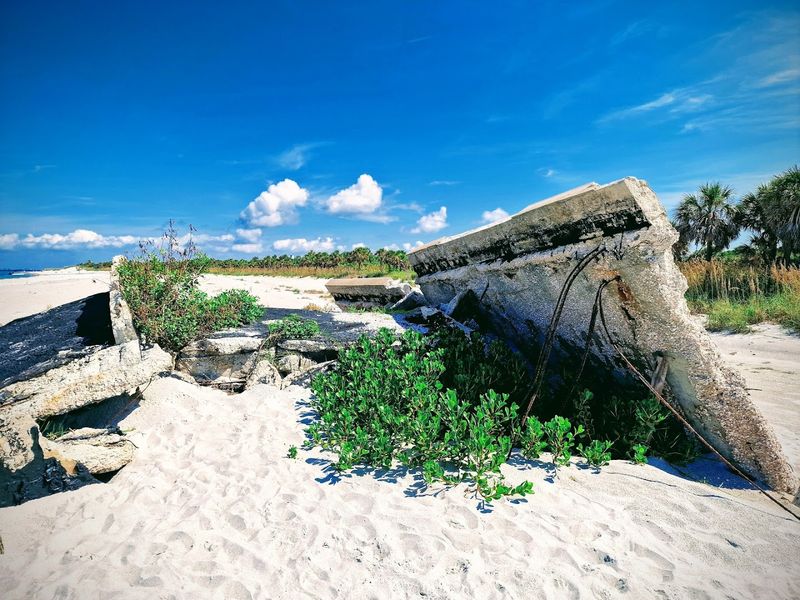
Walking through these ruins today feels like stepping into a time capsule where soldiers once marched and kept watch over the Gulf of Mexico. The brick structures have weathered hurricanes, saltwater erosion, and decades of neglect, yet many walls still stand remarkably tall.
You can still see the gun emplacements where massive cannons once pointed toward the horizon, ready to defend the coastline.
Nature has woven itself through every crack and crevice, with vines climbing walls and trees growing inside what used to be barracks. The contrast between military precision and wild abandonment creates an atmosphere that’s both eerie and beautiful at the same time.
The Mysterious Lighthouse That Still Guides Ships
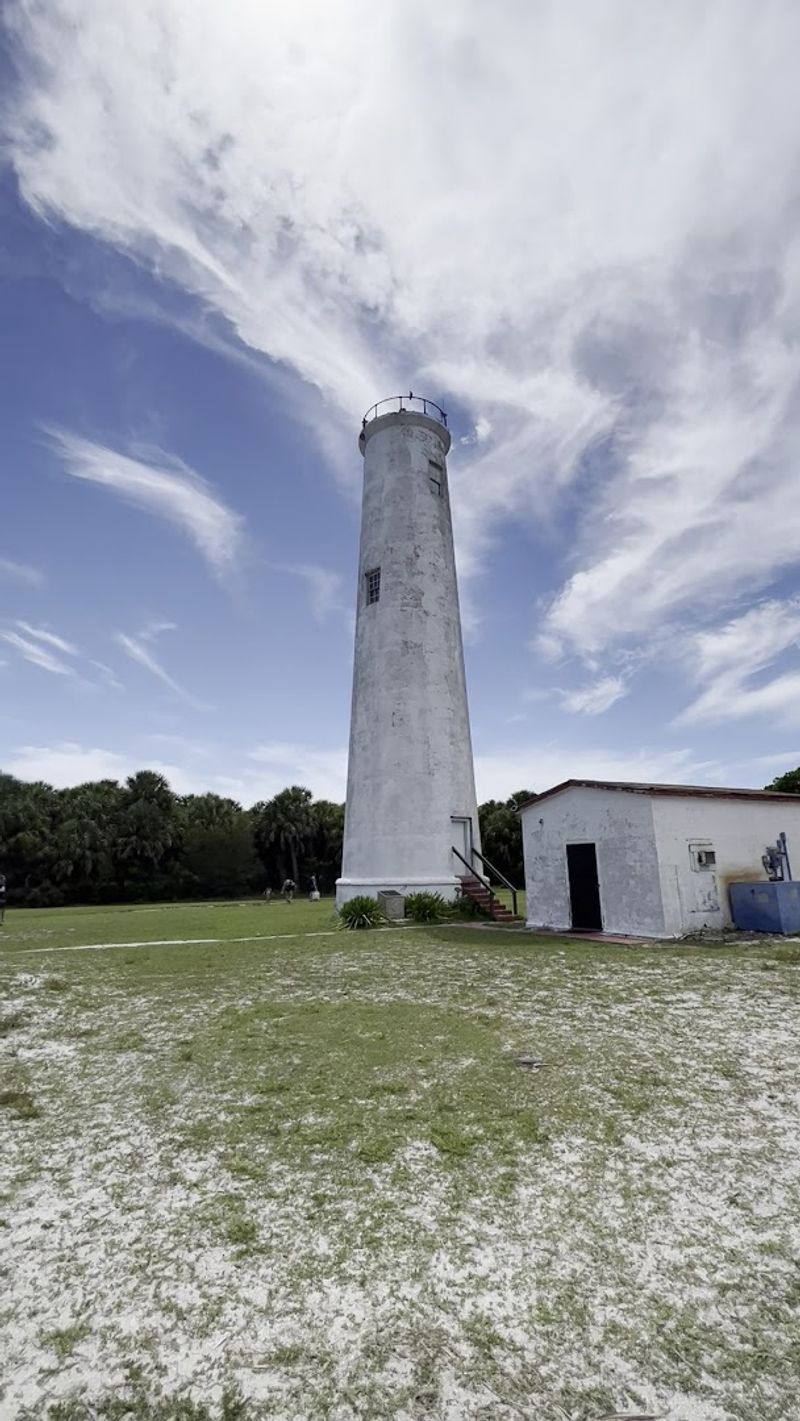
Rising 87 feet above the island, the Egmont Key Lighthouse has been operational since 1858, making it one of Florida’s oldest continuously working lighthouses. Unlike the fort itself, this structure never fell into complete abandonment because the Coast Guard maintained it throughout the years.
Standing at the base and looking up, you realize just how isolated the lighthouse keeper’s life must have been on this tiny island. The white tower contrasts sharply against blue skies during the day, and at night its beam still sweeps across the dark waters to warn passing vessels.
Fort Dade’s ruins surround the lighthouse like protective sentinels frozen in time.
Visitors often photograph the lighthouse framed by crumbling fort walls, creating images that blend functional navigation with haunting history. The keeper’s quarters nearby show signs of age but remain standing, telling stories of families who lived here in total isolation for months at a time.
Underground Tunnels And Hidden Bunkers To Explore
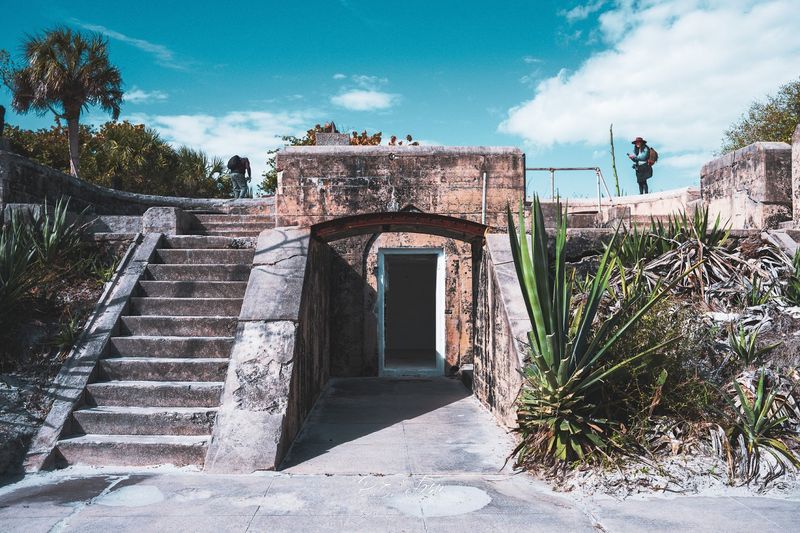
Beneath your feet on Egmont Key lies a network of tunnels and storage rooms that once housed ammunition, supplies, and soldiers during emergencies. These underground spaces stay surprisingly cool even during Florida’s brutal summer heat, offering relief to modern explorers.
Stepping into these dim passageways requires caution because the floors are uneven and some areas have flooded over time. Your eyes adjust slowly to the darkness, and you start noticing graffiti left by visitors over decades, military markings on walls, and openings that lead to different sections of the fort.
Some tunnels connect gun batteries to supply rooms, showing how soldiers moved equipment without exposing themselves to potential enemy fire.
The bunkers feel claustrophobic yet fascinating, making you wonder what it was like to wait there during drills or actual threats. Sunlight streams through cracks and doorways, creating dramatic shadows that shift as you move through the underground maze that history forgot.
The Island That Served As A Native American Prison
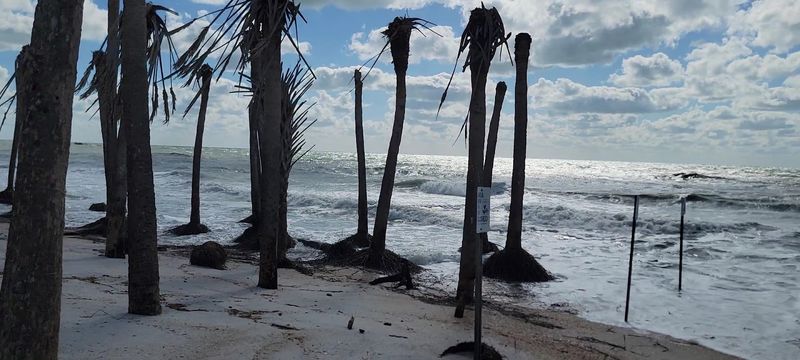
Before Fort Dade became a military installation, Egmont Key served a darker purpose as a detention camp for Seminole and other Native American prisoners during the Third Seminole War in the 1850s. Hundreds of people were held here before being forcibly relocated westward on the Trail of Tears.
This painful chapter of history adds another layer of sadness to the abandoned structures you see today. Walking the same beaches where prisoners once waited for transport ships creates a sobering connection to the past.
Few markers acknowledge this history, making it a largely forgotten aspect of the island’s story.
The fort that came later was built on ground that had already witnessed tremendous human suffering and cultural destruction. Understanding this context changes how you view the ruins, transforming them into monuments not just of military history but of displacement and survival.
This hidden story deserves recognition alongside the more commonly discussed Spanish-American War era.
Wildlife That Now Claims The Fort As Home
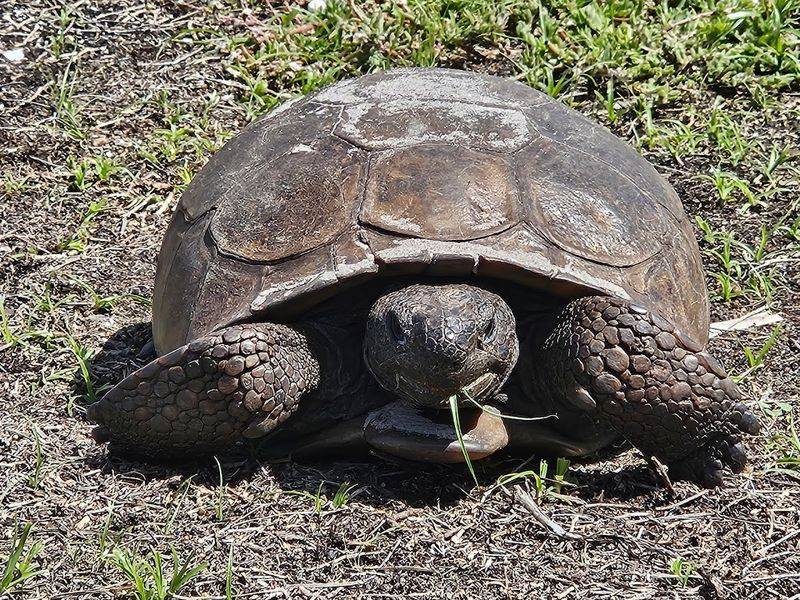
Today Egmont Key functions as a National Wildlife Refuge, and the animals seem completely unbothered by the human structures scattered across their territory. Gopher tortoises dig burrows right next to crumbling walls, creating a strange blend of natural and manmade landscapes.
Seabirds nest in the upper levels of ruined buildings where soldiers once slept, and their calls echo through empty hallways. You’ll spot brown pelicans, laughing gulls, and royal terns using the fort’s highest points as lookout perches, much like the military personnel who came before them.
The island’s protected status means these creatures thrive without human interference except for the occasional ferry load of tourists.
Watching a tortoise slowly cross what used to be a parade ground reminds you that nature always reclaims what humans abandon. The wildlife doesn’t care about the fort’s history or its ghostly reputation; they’ve simply adapted the ruins into their ecosystem with remarkable efficiency.
The Ferry Ride That Feels Like Time Travel
Getting to Fort Dade requires booking passage on one of the few ferries that make the trip, and the journey itself becomes part of the adventure. The boat cuts through Tampa Bay’s blue-green waters for about an hour, putting distance between you and the modern mainland.
As the St. Petersburg skyline shrinks behind you, anticipation builds about what you’ll find on this isolated island that most locals have never visited. Dolphins sometimes swim alongside the ferry, and pelicans glide overhead as if escorting you to the past.
The captain usually shares stories about the island’s history during the crossing, building excitement and a bit of nervous energy about exploring an abandoned military fort.
When the island finally comes into view, you see the lighthouse first, then the ruins scattered along the shore like broken teeth. That moment when you step off the ferry onto the sandy beach feels like crossing a threshold into another era entirely.
The Famous Walking Tree That Defies Logic
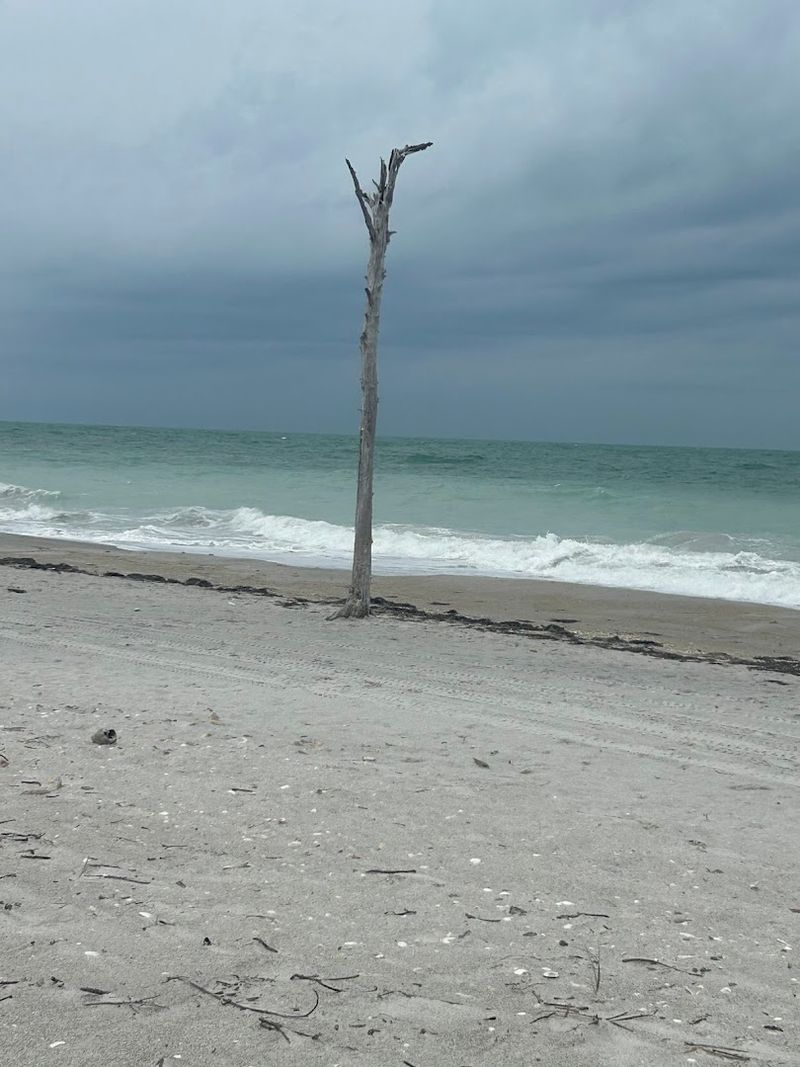
One of the most photographed sights on Egmont Key isn’t actually part of the fort at all, but rather a tree that has become a symbol of persistence against impossible odds. Erosion washed away the sand around its roots years ago, yet somehow this tree continues standing and even growing with its entire root system exposed.
Visitors make pilgrimages to see this botanical wonder, often stopping to snap photos before heading to the fort ruins. The tree leans at an angle that seems to defy physics, held in place only by roots that grip like fingers into what little sand remains beneath it.
Hurricanes have battered it, storms have tried to topple it, and time keeps testing its strength, but the Walking Tree refuses to surrender.
Standing next to it, you can’t help but see a metaphor for the fort itself, both stubbornly resisting the forces trying to erase them completely from this small island’s landscape.
Sand So Hot It Burns Through Your Shoes
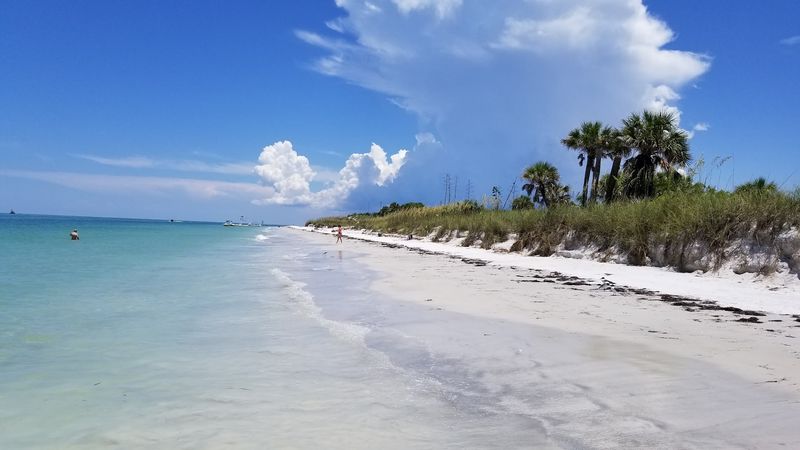
Visitors quickly learn that Egmont Key’s sugar-white sand becomes almost unbearably hot during summer months, sometimes reaching temperatures that can literally burn exposed skin. The ten-minute walk from the ferry drop-off point to the fort structures feels much longer when you’re dancing across sand that feels like a stovetop.
Smart explorers bring water shoes or sandals with thick soles because regular flip-flops offer little protection against the scorching surface. You’ll see people hopping quickly between patches of shade, seeking relief under the few trees that line the path to the ruins.
The heat radiating up from the ground creates wavy mirages in the distance, adding to the surreal atmosphere of approaching an abandoned fort in the middle of nowhere.
This uncomfortable detail rarely appears in promotional materials, but it’s an unforgettable part of the experience that tests your commitment to reaching those mysterious brick walls waiting ahead.
Graffiti That Spans Decades Of Trespassers
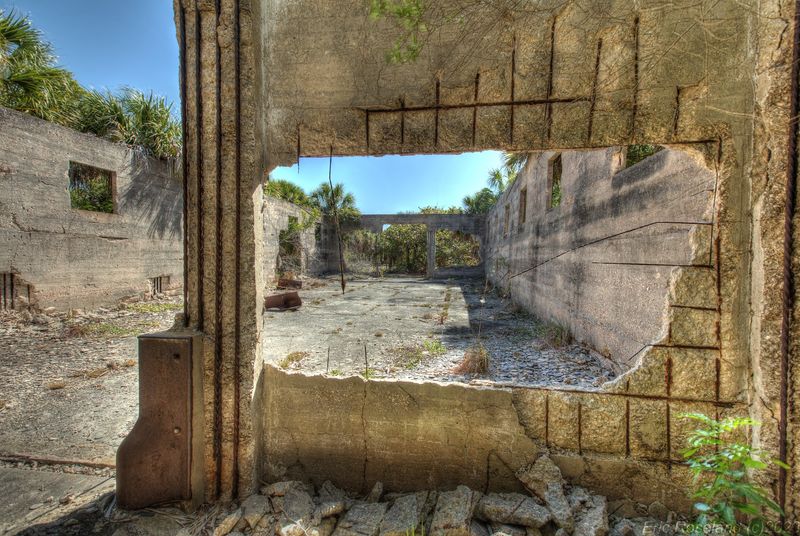
Every surface inside Fort Dade tells a story through the layers of graffiti left by generations of visitors who felt compelled to leave their mark. Some dates back to the 1950s and 60s, faded names and messages barely visible beneath more recent spray paint and carvings.
While vandalism damages the historical integrity of the site, it also creates an unintentional timeline of who has visited this forgotten place over the decades. You’ll find everything from simple initials to elaborate murals, romantic declarations to crude jokes, all competing for space on walls that once held military importance.
Reading through these messages feels like eavesdropping on conversations spanning seventy years.
Some visitors express frustration at the disrespect shown to the historic site, while others see the graffiti itself as a form of modern history being written in real time. Either way, the colorful chaos covering the walls adds another strange layer to Fort Dade’s identity as a place caught between preservation and decay.
The Best Shell Hunting In Tampa Bay
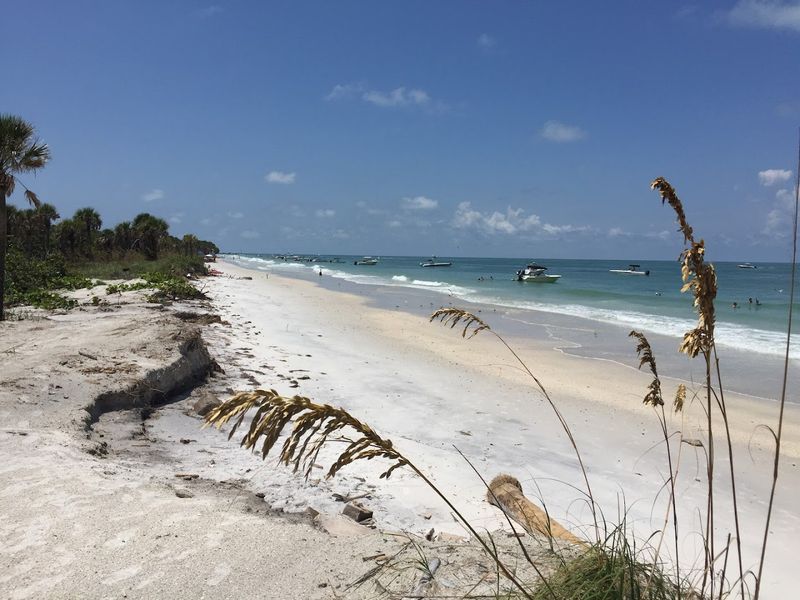
Beyond the historical ruins, Egmont Key offers some of the finest shell collecting opportunities in the entire Tampa Bay area, especially after storms wash new treasures onto the beaches. Early morning visitors who arrive on the first ferry often find the most impressive specimens before other collectors arrive.
The island’s position at the mouth of the bay creates ideal conditions for shells to accumulate along its shores, with currents depositing varieties you won’t find on mainland beaches. You’ll discover lightning whelks, sand dollars, colorful scallop shells, and if you’re extremely lucky, the occasional rare specimen that makes the ferry ride worthwhile all by itself.
Combining history exploration with shell hunting gives your visit multiple purposes and appeals to different interests within your group.
Many visitors spend half their time at the fort and half combing the beaches, returning home with both photographs of ruins and bags full of natural souvenirs that capture the island’s dual identity as both historical site and natural paradise.