
This Tiny Florida Town Feels Like 1975 With Pie, River Views, And Front Porch Chats
Florida moves fast these days.
This place does not.
Instead of crowds and constant noise, there is a town where everything slows down without effort. No rush.
No pressure. Just a rhythm that feels like it belongs to another time.
At first, it feels simple.
Then you notice what makes it different.
Porches where people still sit and talk. Streets lined with trees instead of traffic.
Shops that feel personal, not polished.
It does not try to impress you.
That is why it works.
You wander a little longer than planned. Stop for something homemade.
And suddenly, the day feels quieter than it did before.
This is not the version of Florida most people expect.
It is older. Slower.
And harder to leave than you would think.
Places like this are easy to overlook across Florida.
Until you find one.
And once you do, you start looking for ways to come back.
Walking Through Living History
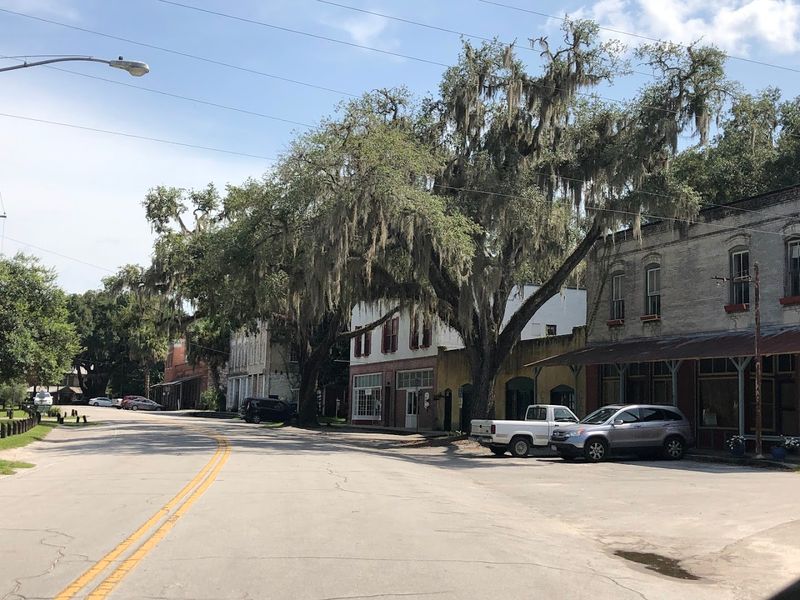
Micanopy earned its title as Florida’s oldest continuously inhabited inland town, and every weathered brick seems determined to prove it. The main drag, Cholokka Boulevard, stretches just a few blocks but packs in more character than entire shopping districts in modern cities.
I watched locals greet each other by first names as they passed storefronts that have stood since before air conditioning became standard. The buildings lean slightly, their wooden porches sagging just enough to show their age without losing their dignity.
Spanish moss drapes from massive live oaks that were already mature when your grandparents were kids. Walking beneath those branches feels like stepping under nature’s own cathedral ceiling, filtering sunlight into dappled patterns on the sidewalk.
No parking meters interrupt the curb, and no chain stores break the visual rhythm of independently owned shops. I noticed how the pace here forces you to slow down, how your shoulders relax without conscious effort.
This town never rushed into the future, and now that patience looks like wisdom rather than stubbornness.
Antique Treasures Around Every Corner
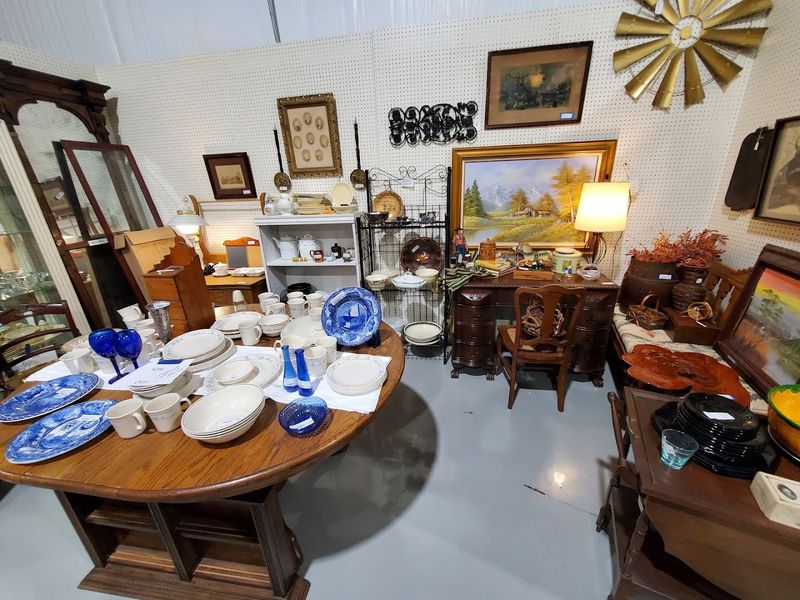
Antique hunting in Micanopy isn’t just shopping; it’s archaeological exploration with price tags attached. The town has built its reputation on shops crammed with everything from Victorian furniture to vintage Coca-Cola signs that still smell faintly of rust and nostalgia.
I spent an entire afternoon in one store, getting lost between aisles of Depression glass and mid-century lamps. The shop owners actually know the stories behind their pieces, not just the asking prices.
One dealer told me about a collection of old postcards from the 1920s, each one a tiny window into Florida before Disney changed everything. Another showed me kitchen gadgets my grandmother would recognize instantly but I couldn’t name if my life depended on it.
The thrill comes from never knowing what you’ll find tucked behind a stack of old records or hidden in a wooden crate. I watched a couple debate the merits of a 1960s coffee table for twenty minutes, the kind of leisurely decision-making that modern life rarely permits.
These shops preserve more than objects; they keep entire eras breathing.
Homemade Pie That Stops Time
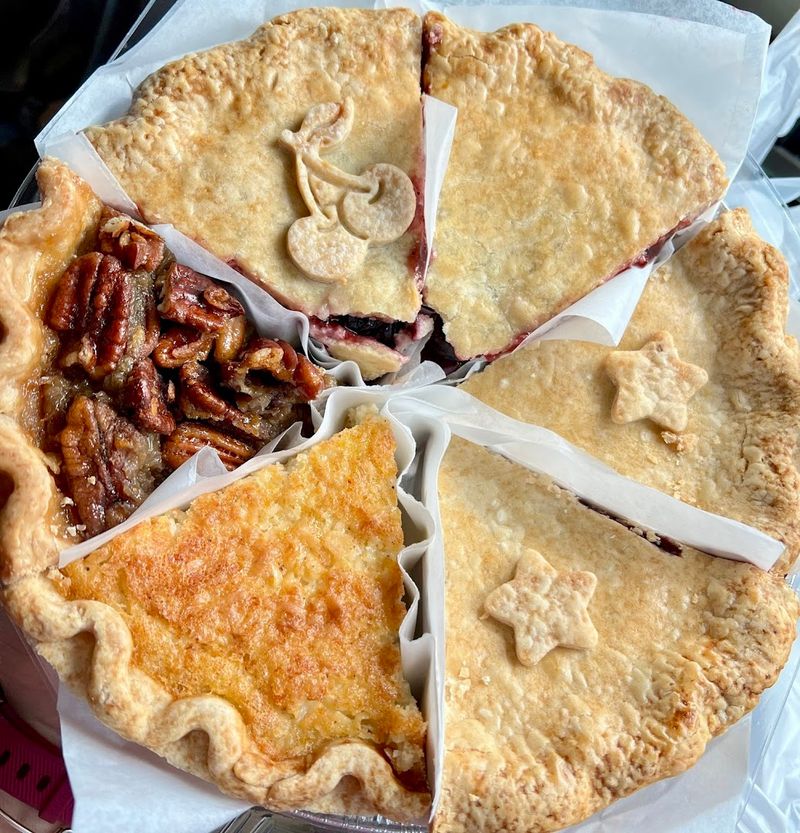
Pearl Country Store serves pie that makes you understand why people write poems about food. I ordered a slice of their key lime on my first visit, and the tartness hit my tongue like a wake-up call wrapped in sweetness.
The crust crumbled exactly right, neither too flaky nor too dense, achieving that perfect texture bakers spend years trying to master. The filling tasted like actual limes, not the neon-green sugar bombs that pass for key lime in tourist traps.
I sat at a worn wooden table while locals wandered in, ordering their usual slices without needing to check the chalkboard menu. The woman behind the counter knew everyone’s name and their preferred pie variety, calling out greetings while sliding plates across the counter.
Pecan pie arrived at the next table, its surface glistening with caramelized pecans that looked almost too pretty to disturb. The man eating it closed his eyes with the first bite, a silent testimonial more convincing than any five-star review.
This isn’t fancy pastry; it’s the kind of pie your grandmother would approve of, made by people who still believe in real butter.
Paynes Prairie Stretches to the Horizon
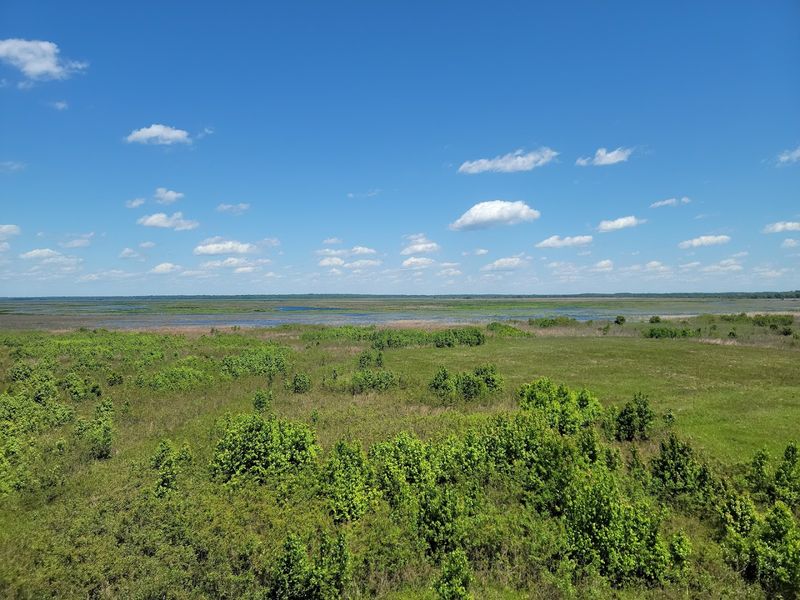
Just beyond Micanopy’s town limits, Paynes Prairie Preserve State Park unfolds like Florida forgot to develop it. I stood at the observation tower watching the prairie grass ripple in waves, the landscape so flat and enormous it made the sky look even bigger.
Bison actually roam out there, reintroduced to land they once claimed centuries ago. I spotted a small herd in the distance, dark shapes moving slowly through the golden grass like living punctuation marks on nature’s longest sentence.
The preserve covers over 21,000 acres of wetlands, prairie, and hammock, giving wildlife more room than most Florida towns give their human residents. Birds I couldn’t name circled overhead, their calls carrying across the open space without buildings to muffle the sound.
I watched the light change as afternoon shifted toward evening, the entire prairie transforming from green-gold to amber to something close to bronze. A great blue heron stood motionless in the shallow water, practicing the kind of patience modern humans have completely forgotten.
This view connects you to Florida before highways carved it into manageable chunks, when wild meant truly wild.
Front Porches Built for Conversation
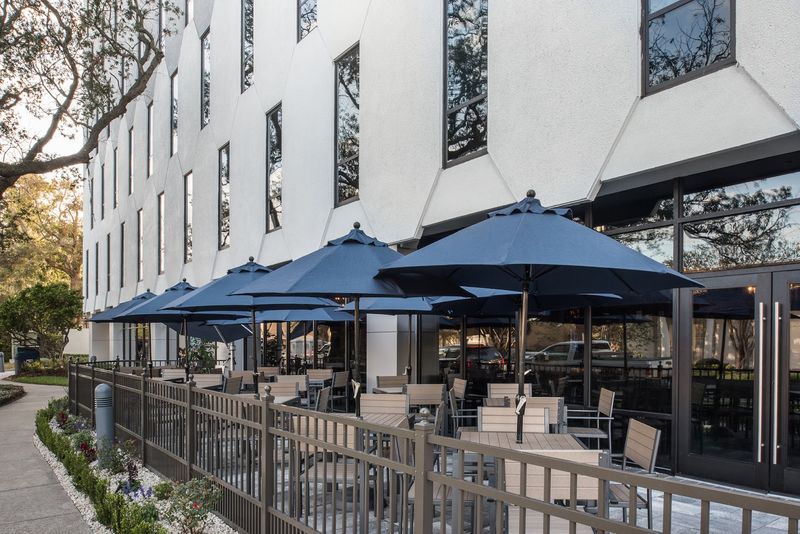
Porches in Micanopy aren’t decorative; they’re functional social infrastructure where community actually happens. I noticed them immediately, deep and shaded, equipped with rocking chairs that showed wear patterns from decades of use.
One evening I watched neighbors call greetings to each other from their respective porches, conversations floating across yards without anyone needing to raise their voice. No one seemed in a hurry to go inside where the air conditioning waited.
The porches wrap around many of the older homes, creating outdoor rooms that catch whatever breeze manages to stir the humid air. I saw one family eating dinner outside, plates balanced on their laps, talking and laughing while fireflies began their evening performance.
Hanging ferns and potted plants crowd the railings, cared for by people who still believe in keeping things alive just because they’re pretty. A cat dozed on one porch swing, completely unbothered by the occasional passerby.
These spaces remind you that before screens dominated our attention, people entertained themselves by actually talking to each other, and somehow civilization survived just fine.
Shops That Know Your Name
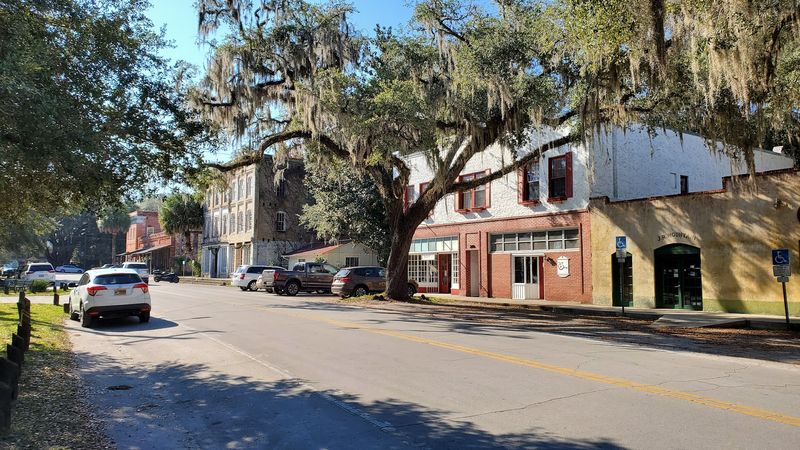
Shopping in Micanopy means entering stores where the owners remember you after one visit and your preferences after two. I walked into a bookshop and the woman behind the counter immediately started recommending titles based on the book I was holding, not because she’d been trained in sales techniques but because she genuinely loved books.
The shops operate on what I’d call relationship economics, where repeat customers matter more than quarterly profits. One antique dealer spent thirty minutes telling me the history of a vintage typewriter, never once pressuring me to buy it, just happy to share knowledge with someone who showed interest.
I noticed how shop owners stepped outside to chat with passing neighbors, sometimes leaving their stores unattended for a few minutes because trust still functions as currency here. A woman in a gift shop asked about my family after I mentioned where I was from, then recommended a restaurant in my hometown she’d visited twenty years ago.
These interactions feel inefficient by modern standards, but they create something money can’t buy: actual human connection that makes you want to return even when you don’t need anything.
Streets Made for Strolling, Not Rushing
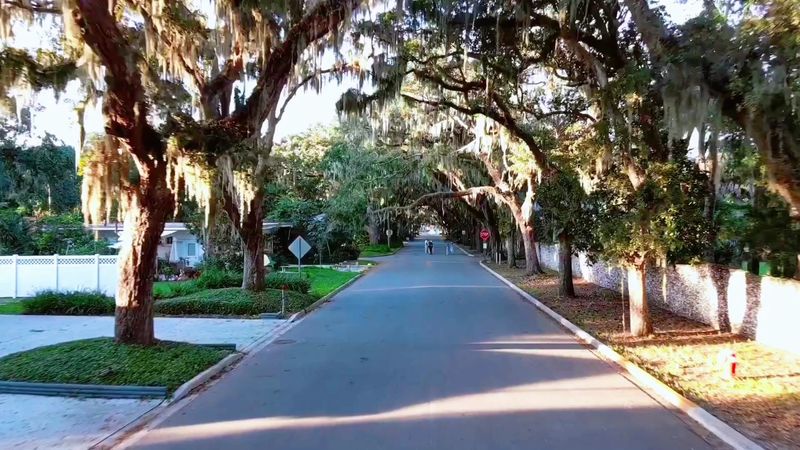
Micanopy’s layout encourages wandering rather than purposeful striding toward specific destinations. The sidewalks meander slightly, following property lines established before anyone worried about perfect right angles.
I found myself walking slower without consciously deciding to change pace, my body responding to the town’s unspoken rhythm. No one rushed past me, and I never felt that urban pressure to keep moving or get out of someone’s way.
The canopy of live oaks creates natural shade that makes walking pleasant even when Florida’s heat tries to convince you otherwise. I paused under one massive tree, its branches spreading so wide they covered half the street, and just stood there breathing air that smelled like earth and growing things.
Cars pass infrequently enough that you notice each one, and they move at speeds that suggest their drivers aren’t trying to get anywhere fast. I watched a dog amble across the road, completely unconcerned, while the truck behind it simply waited without honking.
Walking here becomes meditation, your mind finally getting permission to stop planning the next seventeen things and just exist in the current moment.
Where Everybody Really Does Know Your Name
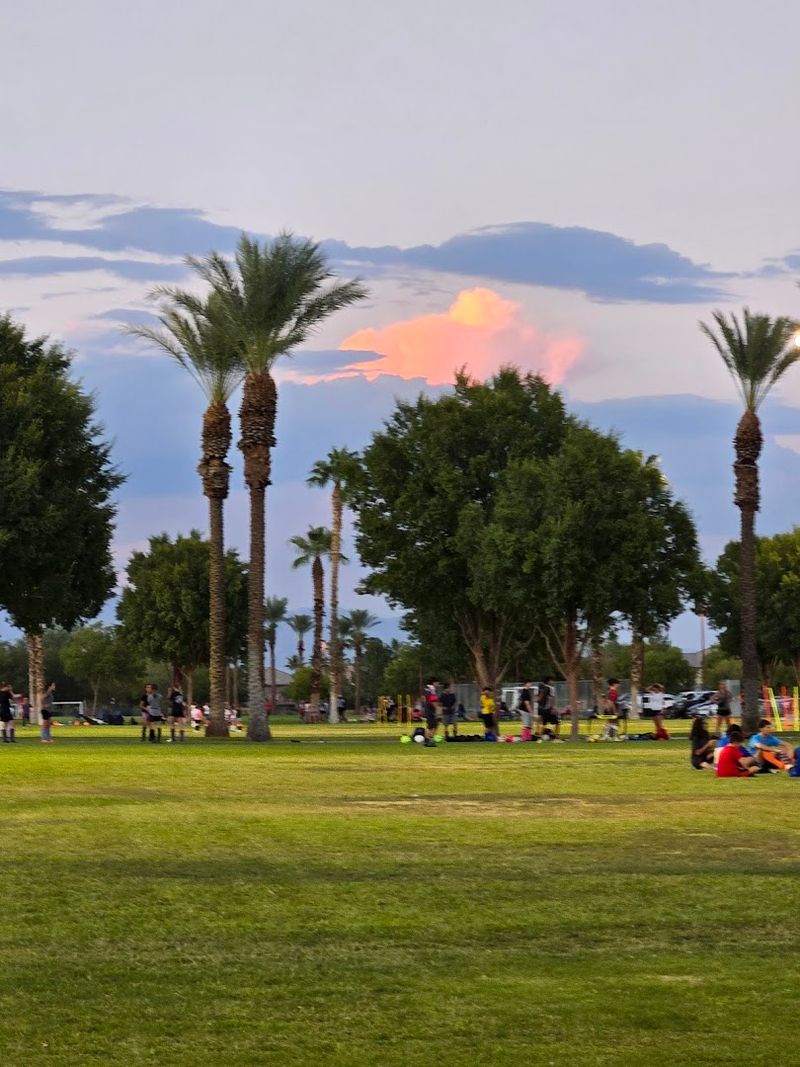
Population 648 means privacy becomes optional and community becomes inevitable. I sat on a bench watching the town function like an extended family that actually gets along most of the time.
A woman pushing a stroller stopped to chat with an elderly man on his porch, their conversation suggesting years of accumulated shared history. They discussed someone’s new grandchild and someone else’s recent surgery with the casual intimacy of people who’ve witnessed each other’s entire lives.
The postal worker delivered mail while exchanging updates about local events, turning a routine task into a social call. I overheard plans being made for a potluck, coordinated verbally without group texts or digital calendars, just people trusting each other to remember and show up.
When I asked for directions at a shop, three different people offered their opinions, then debated the merits of different routes as if my navigation choices genuinely mattered to them. A teenager helped an older woman carry groceries to her car without being asked, the kind of automatic helpfulness that comes from being raised in a place where everyone watches out for everyone.
This interconnectedness might feel claustrophobic to some, but it creates safety nets that big cities can’t replicate.
Historic Buildings Still in Daily Use
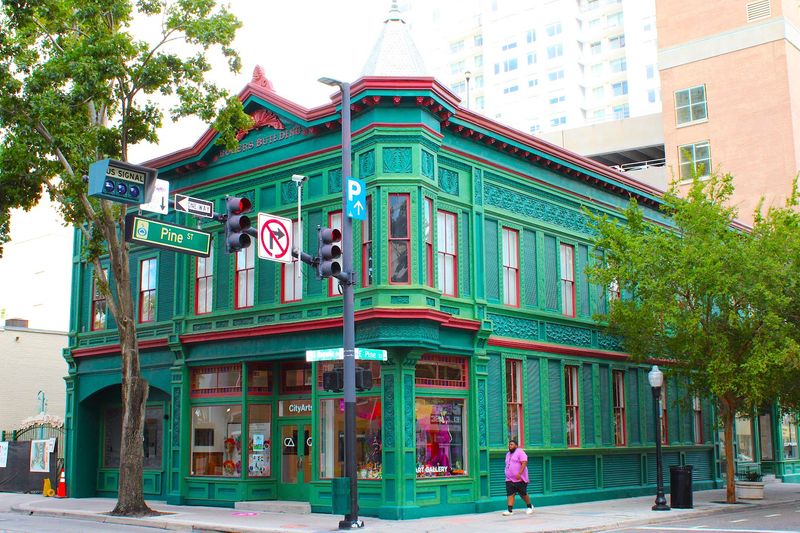
Micanopy’s historic structures haven’t been turned into museums; they’re still working buildings housing actual businesses and homes. The Thrasher Warehouse, built in 1890, still stands on Cholokka Boulevard, its weathered wood telling stories of turpentine and timber trades that once drove the local economy.
I touched the worn bricks of buildings that predated the Civil War, their mortar crumbling slightly but their bones still solid. These structures survived because people kept using them, kept repairing them, kept believing they had value beyond their age.
One building housed a shop on the ground floor and apartments above, the same mixed-use design that modern urban planners now praise as innovative but that small towns never stopped using. I noticed how the windows sat slightly crooked in their frames, the way old buildings settle into themselves over decades.
No historical plaques interrupt the facades; the buildings simply exist as functional parts of daily life rather than attractions to be photographed and forgotten. A woman swept the wooden porch of a structure that had seen over a century of sweeping, continuing an unbroken chain of ordinary maintenance that preserves history better than any restoration project.
Sunsets That Deserve Your Undivided Attention
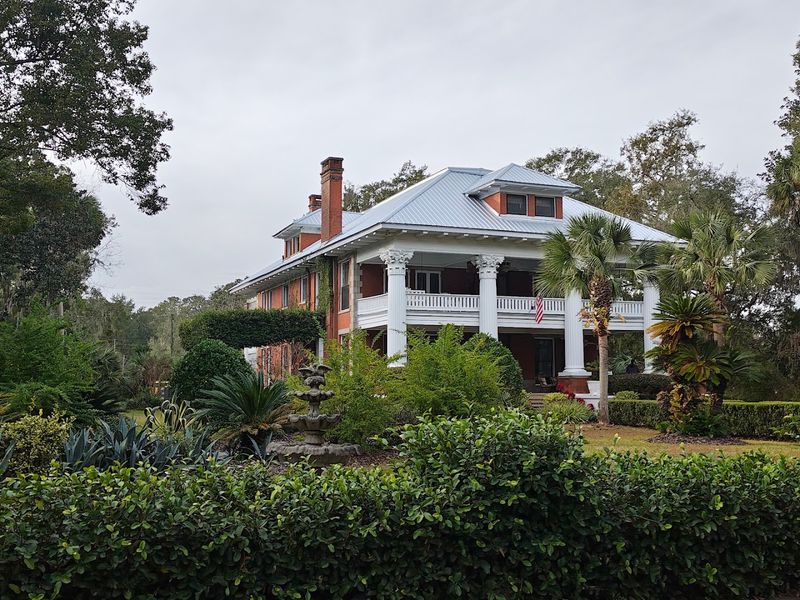
Sunsets in Micanopy command attention because nothing blocks the view and nobody’s in too much of a hurry to notice. I watched one evening as the sky turned colors that seemed too vivid to be real, like someone had cranked up nature’s saturation settings.
The flat prairie landscape means the sun gets a clear run at the horizon, painting the entire western sky in layers of orange, pink, and purple that shift by the minute. I stood still, watching the light change, while other people around me did the same, all of us participating in this free nightly show.
Spanish moss hanging from the oaks caught the golden light, glowing like Christmas tinsel made from shadows and air. The temperature dropped slightly as the sun disappeared, and I heard crickets tune up for their evening concert.
No one pulled out their phone to photograph it, or if they did, they put it away quickly, as if they understood that some experiences lose something in translation to screens. An older couple sat on their porch swing, rocking gently, watching the day end the way people have watched days end in this spot for generations.
These sunsets remind you that spectacular doesn’t require expensive tickets or exclusive access, just willingness to look up.