
This Tiny Arizona Town Offers Stargazing, Rare Birds, And A Chance To Completely Unplug
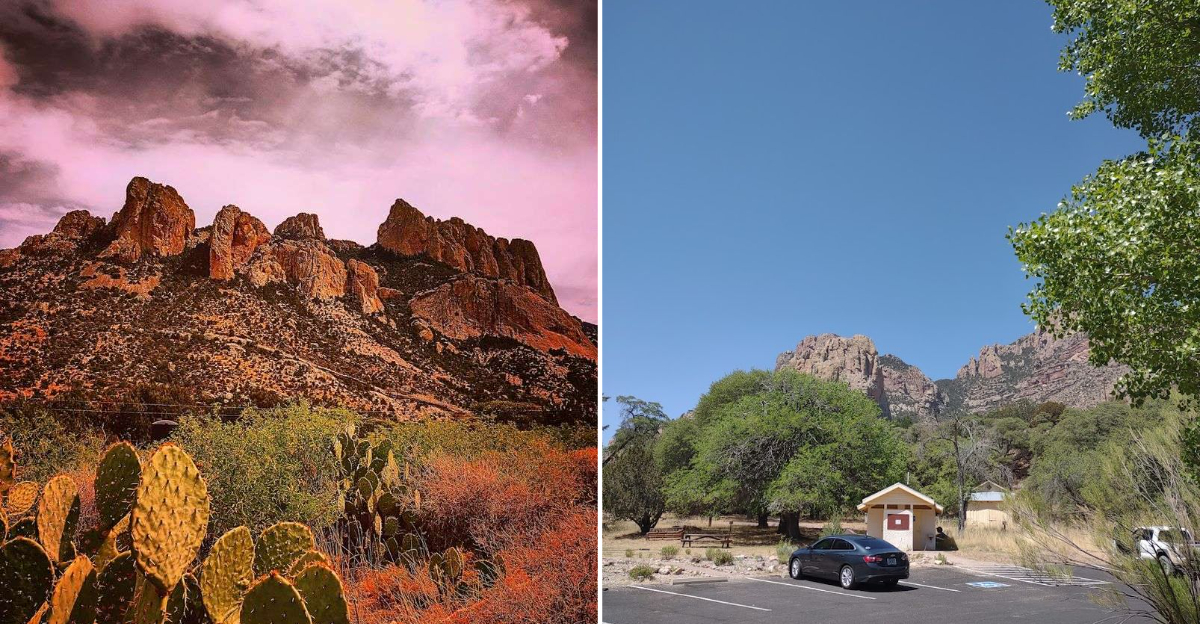
Have you ever looked up at a night sky and realized you couldn’t see half the stars because of light pollution? That shocking realization hit me during a recent road trip through the southeastern corner of our state, where Arizona revealed a secret I never knew existed.
In a quiet corner of the Chiricahua Mountains, this unassuming desert haven has become my accidental sanctuary from the modern world.
The skies here aren’t just dark-they’re impossibly, absurdly full of celestial wonder. Astronomers actually travel from around the globe to set up telescopes in this remote spot, and after experiencing just one evening under those glittering heavens, I completely understood why.
Between the extraordinary bird-watching opportunities and the pure, uninterrupted silence, this tiny town proves that sometimes the best destinations are the ones nobody thinks to visit.
With skies so dark they seem almost unreal, birds that fly in from Mexico just to show off, and a quietness that feels almost radical in today’s world, this town delivers a travel experience that is genuinely hard to find anywhere else.
The Remote Magic Of Portal’s Location
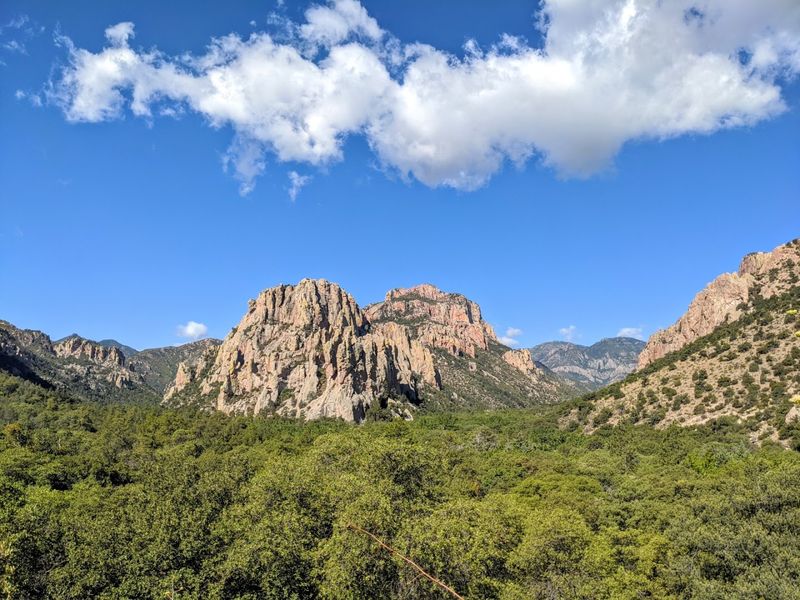
Sitting at roughly 5,000 feet above sea level, Portal feels like the world quietly forgot to tell anyone it was here. That is not a complaint.
Right against the mouth of Cave Creek Canyon in the Chiricahua Mountains, this small unincorporated community sits about 2.5 hours southeast of Tucson, putting it firmly in that sweet spot between accessible and genuinely remote.
The Coronado National Forest wraps around it like a green hug, and the New Mexico border is practically a stone’s throw away.
Getting there involves long stretches of open road through grasslands and scrubby desert, which only adds to the sense of arrival when the canyon walls finally close in around you.
Most visitors come here on purpose, not by accident. There are no highway billboards advertising Portal, no tourist traps at the exit ramp.
What you find instead is a place that rewards the curious traveler who did their homework and decided that quiet, wild, and real was exactly what they needed.
Cave Creek Canyon: The Heart Of The Experience
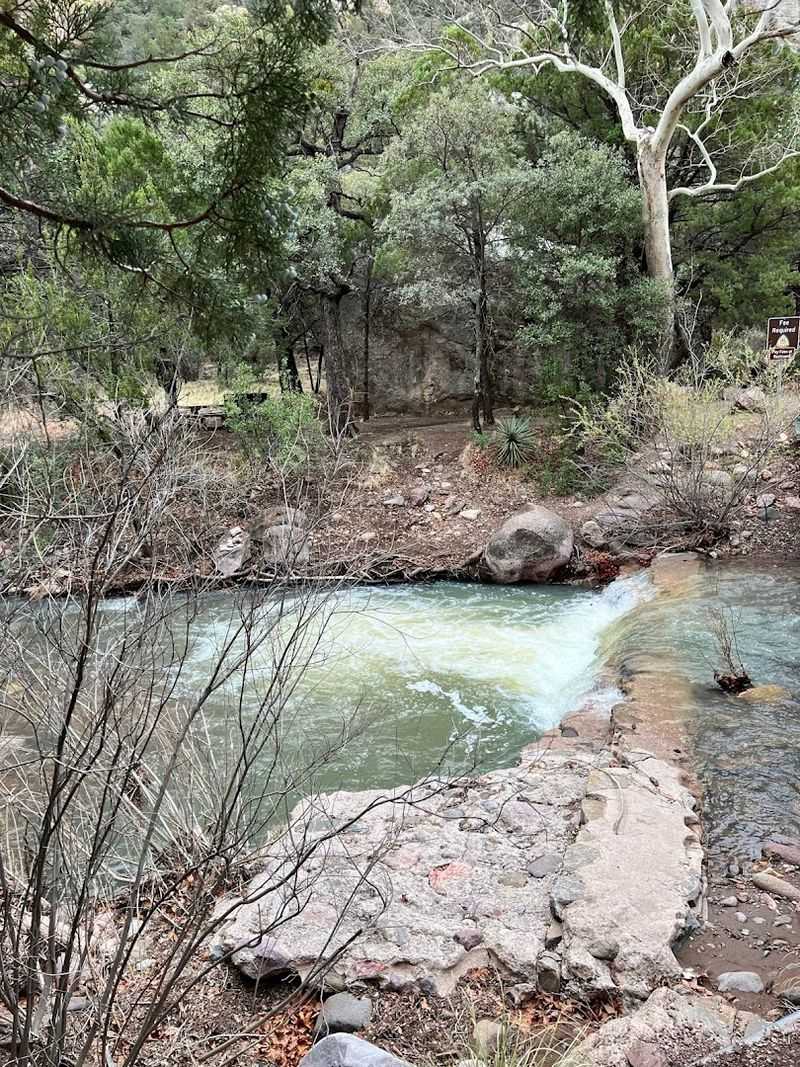
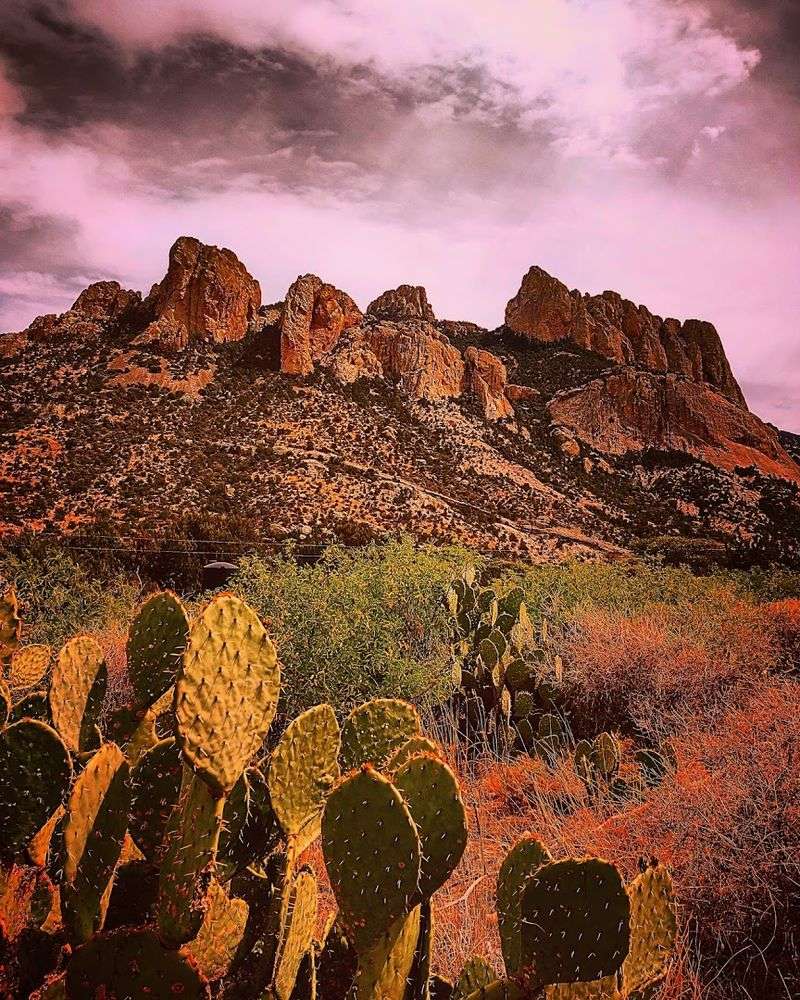
Cave Creek Canyon is the main event, and it does not disappoint. The canyon cuts through the Chiricahua Mountains like nature decided to show off, with walls of volcanic rock rising dramatically on both sides and a creek threading through the bottom that keeps the whole place surprisingly lush and cool.
Walking the canyon trails feels nothing like hiking in the flat Sonoran Desert. The elevation and the shade from canyon walls drop the temperature noticeably, and the mix of desert scrub, sycamore groves, and pine-oak forest gives the landscape a layered, almost storybook quality.
I spent an afternoon just sitting beside the creek, listening to water move over rocks and birds call from the canopy above.
The South Fork Zoological and Botanical Area, located within the canyon, is a protected zone worth every step of the trail. Seasonal restrictions on taped bird calls and recording equipment during nesting season show just how seriously this community takes protecting what makes Cave Creek Canyon so extraordinary.
Stargazing Under Some Of North America’s Darkest Skies
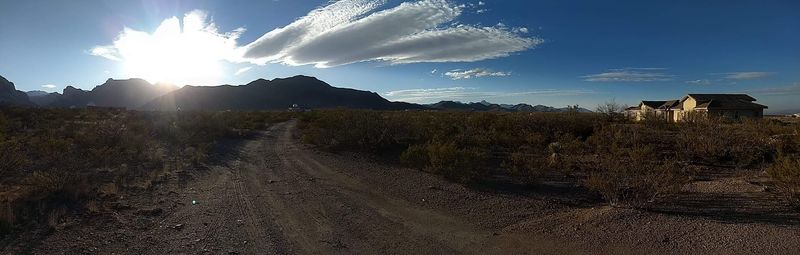
On my first night in Portal, I walked outside and looked up, and I genuinely had to sit down. The sky was so thick with stars it looked almost textured.
Portal sits within one of the darkest sky regions on the continent, and the Arizona Sky Village nearby is regularly cited as having deep-sky conditions only slightly brighter than the most remote places on Earth.
The combination of high elevation, dry desert air, and strict light regulations in local developments creates conditions that serious astronomers travel thousands of miles to experience.
Planets appear sharp and detailed even at high magnification, and on a clear night, the Milky Way stretches from horizon to horizon in a way that feels almost overwhelming.
You do not need a telescope to enjoy this. A blanket, a reclining chair, and about twenty minutes of dark adaptation are all it takes to have one of the most humbling sky-watching experiences of your life. Portal does not just offer good stargazing; it redefines what you thought was possible with your own two eyes.
World-Class Birdwatching In A Sky Island Sanctuary
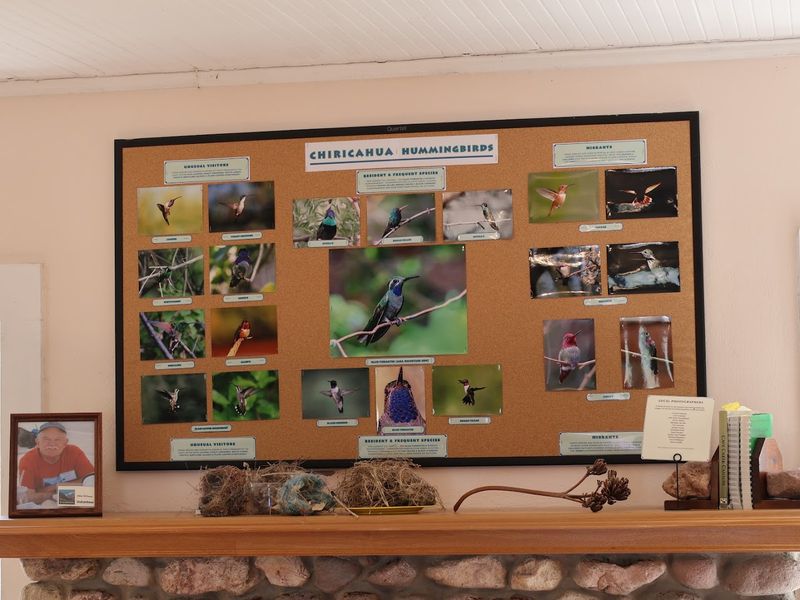
Birders talk about Portal the way food lovers talk about a restaurant that only seats twelve people. You have to know about it to find it, and once you do, you tell everyone.
The Chiricahua Mountains are classified as a sky island range, meaning they rise sharply from the surrounding desert and trap a completely different ecosystem at their peaks, and that unique geography pulls in an astonishing variety of bird species.
Nearly half of all North American bird species have been spotted in this area. That number still catches me off guard every time I say it out loud.
The Elegant Trogon, with its brilliant green and red plumage, is the crown jewel for most visiting birders, but the Mexican Chickadee, Yellow-eyed Junco, Sulphur-bellied Flycatcher, and Zone-tailed Hawk all make appearances that will have you reaching for your field guide in a hurry.
Some local residents generously open their backyard feeding stations to visitors. Stopping by the Portal Store or the ranger station for current sighting reports is a smart first move that will save you time and point you toward the right trails on any given day.
The Art Of Truly Unplugging In A Wild Place
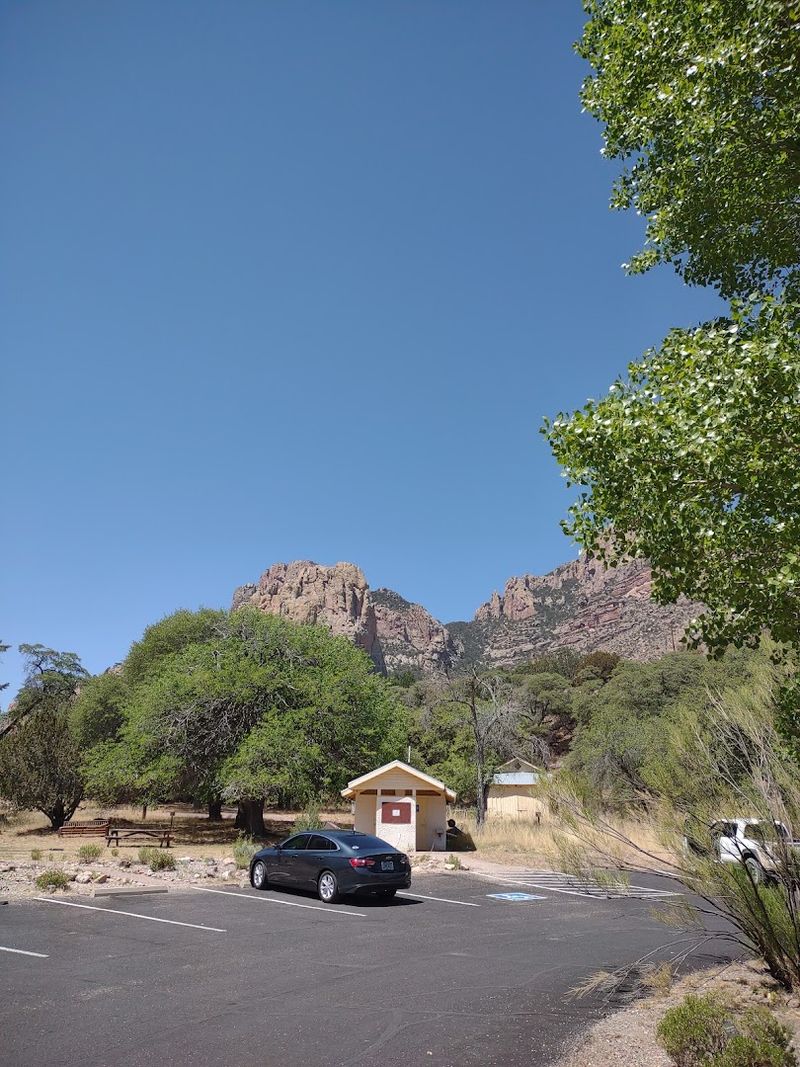
There is a particular kind of silence you find in Portal that is hard to describe until you have heard it.
No traffic hum, no notification sounds, no background noise of a city pretending to rest. Just wind through canyon oaks, water over creek stones, and the occasional bird call bouncing off rock walls that have been standing for millions of years.
Cell service in Portal is essentially nonexistent, and the internet is minimal at best. Rather than being a drawback, this felt like a gift I had not known I needed. My brain, which had been running at full speed for months, genuinely slowed down by the second afternoon.
I started noticing things I had been too distracted to see for years, like the way afternoon light changes the color of canyon rock, or how cool the air feels right before sunset at elevation.
Portal is not trying to entertain you in the conventional sense. It is simply offering you the chance to exist somewhere wild and unhurried, and that turns out to be one of the most restorative things a person can do.
The Diverse Habitats That Make Portal So Special
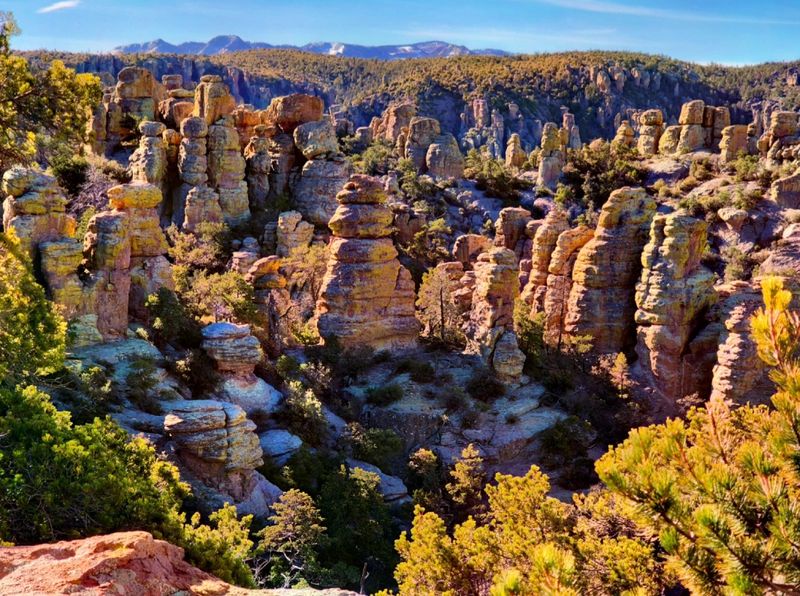
One of the reasons Portal packs so much biological richness into a relatively small area is the dramatic range of habitats stacked within just a few miles.
Starting from the canyon mouth, you move through desert scrub and open grasslands, then into riparian zones shaded by Arizona sycamore and velvet ash, then up into pine-oak forest, and finally into fir-spruce woodland near the higher peaks.
Each zone has its own cast of characters, both feathered and otherwise. Coatimundis trot across trails with their tails held high like furry antennas. White-tailed deer appear at dusk at the forest edge.
Black bears are present in the mountains, so trail awareness is always a good habit to practice. This layered habitat structure is what makes Portal a destination that keeps rewarding you the longer you stay.
A morning walk at canyon level feels completely different from an afternoon hike up into the pines, and the shift in sights, sounds, and smells between those zones is one of the quiet pleasures that keeps bringing people back year after year.
Chiricahua National Monument
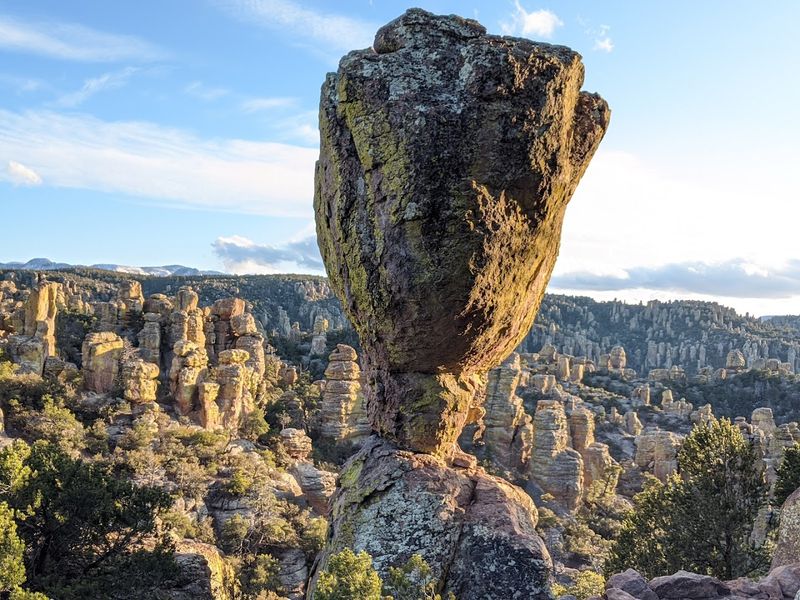
About 45 minutes from Portal sits one of the most visually striking landscapes in the American Southwest, and somehow it still does not get the crowds it deserves.
Chiricahua National Monument preserves a surreal collection of volcanic rock columns, balanced boulders, and spire formations that look like something a sculptor dreamed up after a very long and creative afternoon.
The formations were created by a massive volcanic eruption roughly 27 million years ago, followed by millions of years of erosion that carved the rock into its current otherworldly shapes. The monument sits at elevations up to 7,500 feet, which means cooler temperatures, forest trails, and panoramic views that stretch into New Mexico on clear days.
I hiked the Echo Canyon Loop, which winds through a maze of rock formations so close together you sometimes have to turn sideways to pass between them. It is one of those trails that keeps delivering surprises around every bend.
Pairing a morning at the monument with an afternoon back in Cave Creek Canyon makes for a nearly perfect day in southeastern Arizona.
Practical Tips For Visiting Portal, Arizona
Planning ahead makes a real difference in Portal because the town’s infrastructure is intentionally minimal.
The Portal Store serves as the social hub, general store, and information center all in one, and the staff there can point you toward recent bird sightings, trail conditions, and any seasonal considerations worth knowing before you head out.
Lodging options are limited but charming. The Portal Peak Lodge and a handful of cabins and guest houses offer comfortable stays without pretense.
Booking ahead is strongly recommended, especially during spring migration season from April through June, which is widely considered the best time to visit for birding. Fall migration in September and October runs a close second.
Bring your own snacks and supplies beyond the basics, since the nearest large grocery store is a significant drive away. A good pair of binoculars, a star chart or sky app, and sturdy walking shoes will serve you far better than any luxury item.
Portal rewards visitors who come prepared to slow down, pay attention, and let the place work on them at its own pace.