
This Illinois Museum Lets Visitors Discover Science And Meet Fascinating Animals
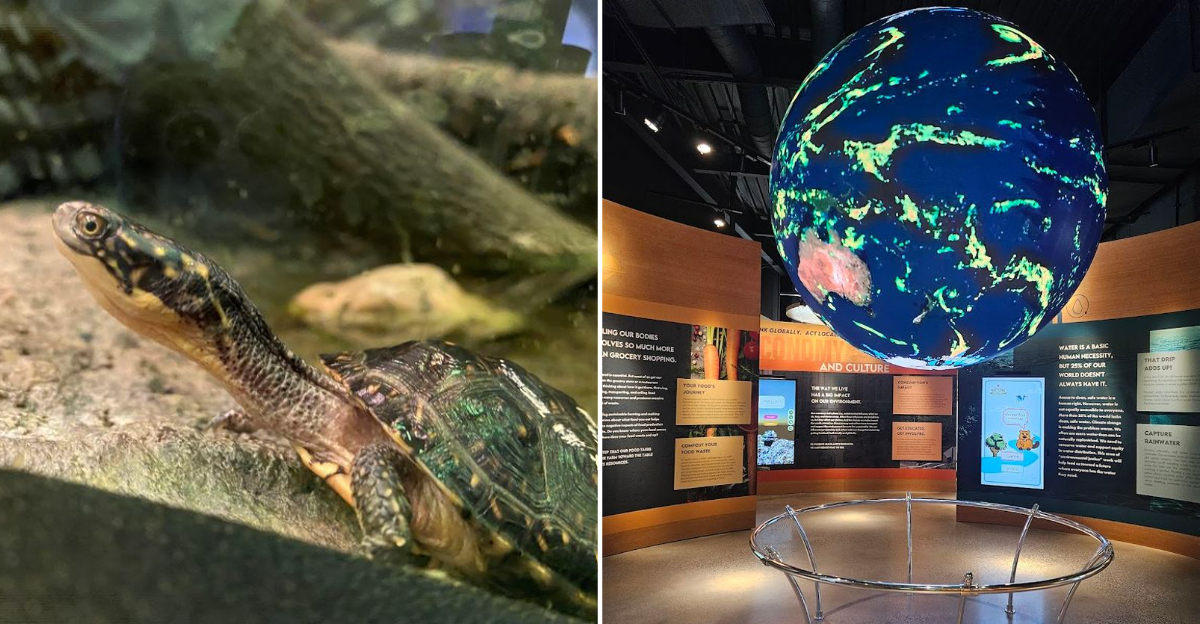
A butterfly landing nearby can change the whole mood of a room in seconds. I went into this Chicago nature museum expecting a quiet little afternoon, but I left still talking about the butterflies, turtles, water exhibits, and all the unexpected pockets of wildness tucked into Lincoln Park.
It is one of those Illinois spots that works for almost everyone. Kids get to splash, climb, explore, and press their faces close to animal habitats.
Adults get the kind of place that feels calm, interesting, and surprisingly alive. There are warm greenhouse paths, native plants, hands-on exhibits, and enough real wildlife moments to make the visit feel more like stepping into a small urban ecosystem than walking through a traditional museum.
Inside The Butterfly Cloud
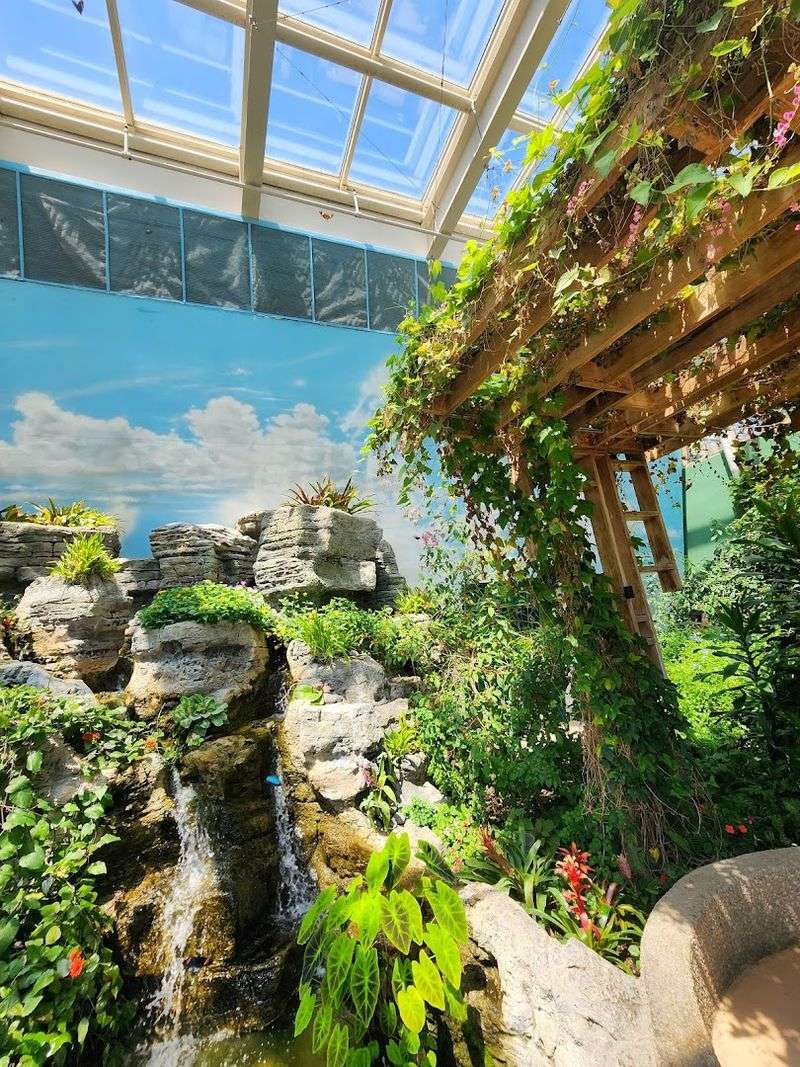
Few things in life prepare you for the moment a bright blue morpho butterfly lands on your shoulder inside a warm, humid greenhouse in the middle of a Chicago winter.
The Judy Istock Butterfly Haven at the Peggy Notebaert Nature Museum is home to more than 1,000 butterflies from over 40 species, all fluttering freely around visitors in a lush, plant-filled space that feels like stepping into a tropical forest.
Every single day at 2 PM, staff members conduct a butterfly release, where newly hatched butterflies are introduced to the habitat right in front of your eyes. You can watch the wings unfurl and catch that first magical flutter.
It is one of those moments that genuinely stops a room full of people in their tracks.
The greenhouse also houses quails, which many visitors spot wandering quietly through the undergrowth. Spotting a quail for the very first time in person is a surprisingly moving little bonus to an already spectacular experience.
Interactive Water Play
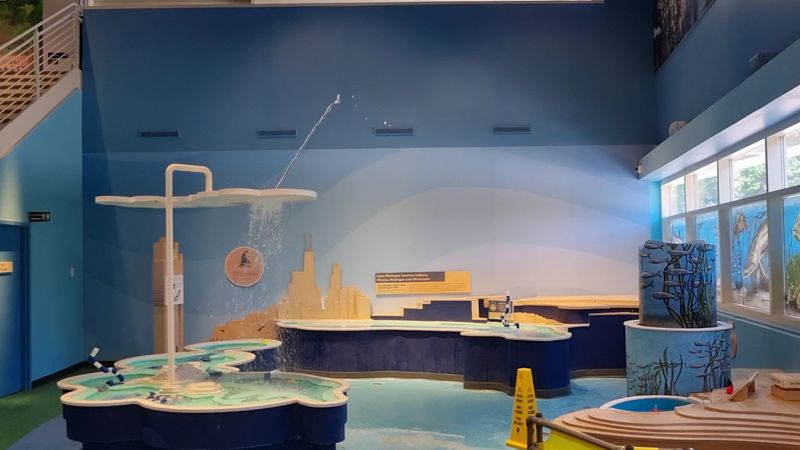
Water has a way of making science feel completely irresistible, and the museum knows this better than almost anyone.
The floodplain and dam water play exhibit on the lower level lets kids manipulate water flow, build barriers, and watch how urban water systems actually function. It is hands-on learning at its most satisfying.
There are actually two separate water play areas throughout the museum, which means the fun does not stop after just one soggy session.
Parents often appreciate having a change of clothes on hand, because the enthusiasm level at these stations tends to run high. The exhibit cleverly connects real environmental science concepts to the tactile joy of splashing around.
What makes this exhibit stand out beyond just being a fun activity is how naturally it teaches kids about ecosystems, irrigation, and conservation without ever feeling like a lecture. The Peggy Notebaert Nature Museum has a real gift for wrapping big science ideas inside genuinely playful experiences.
Meet The Local Wild Ones
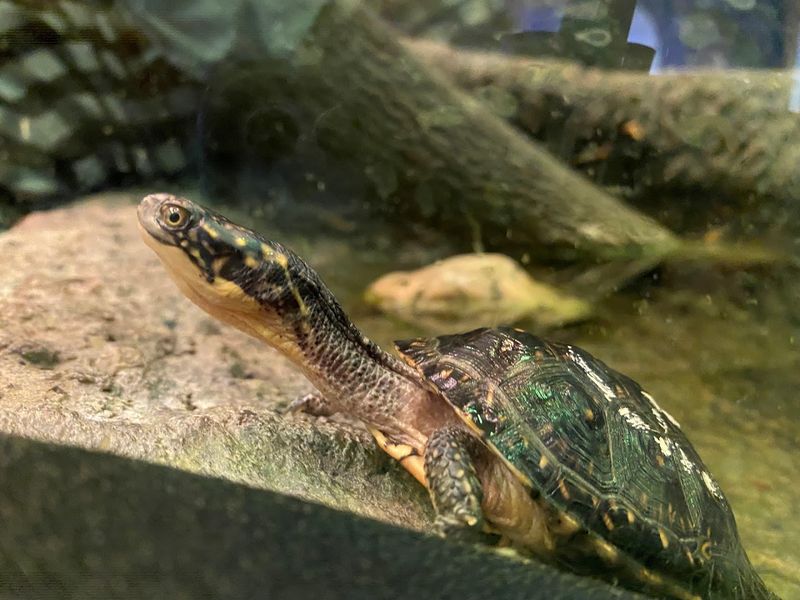
Not every museum can say it has live turtles, frogs, and snakes on display, but the Peggy Notebaert Nature Museum absolutely can.
The lower level reptile and amphibian displays are a consistent crowd-pleaser, drawing in curious kids and wide-eyed adults alike. The enclosures are thoughtfully designed to mimic natural habitats, giving the animals space to behave as they would in the wild.
Watching a painted turtle bask under a heat lamp or spotting a frog perched motionless on a mossy log is oddly calming in the best possible way.
These are not exotic zoo animals from faraway continents but rather the native Illinois species that share the same waterways and woodlands as the city itself. That local focus makes the whole experience feel more personal and connected.
For children who have never seen these animals up close, the encounter can spark a genuine curiosity about the natural world right outside their own front door, which is exactly what this museum sets out to do.
The Working Specimen Lab
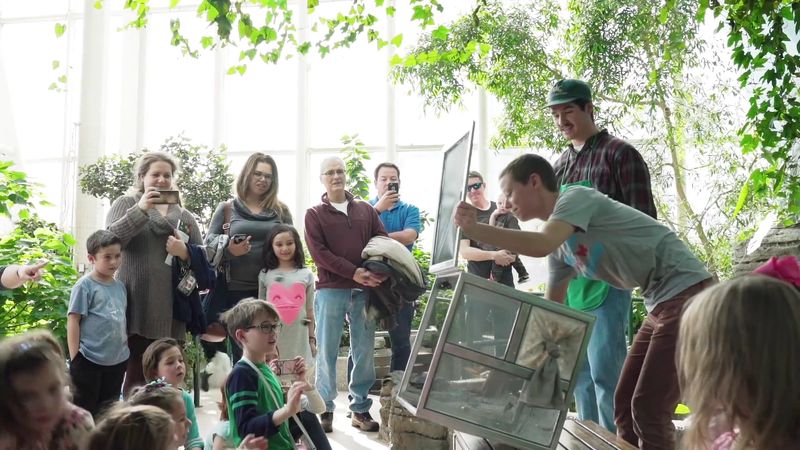
Here is something you do not see every day: a working taxidermy station where visitors can actually watch a trained professional prepare animal specimens in real time.
The Peggy Notebaert Nature Museum keeps this process visible and open to questions, turning what might seem like an unusual craft into a fascinating window into natural science and preservation.
During one visit, a staff member was preparing a chipmunk specimen, and a small crowd had gathered to watch and ask questions.
The atmosphere felt more like a live science class than a museum exhibit. The practitioner answered every question with patience and enthusiasm, explaining how taxidermy helps researchers study animal anatomy and contributes to scientific collections.
Far from being unsettling, the experience tends to leave visitors with a deeper appreciation for the detail and care that goes into understanding wildlife.
It is one of those unexpected highlights that makes the Peggy Notebaert Nature Museum feel genuinely different from a standard natural history institution.
Mini Explorers Welcome
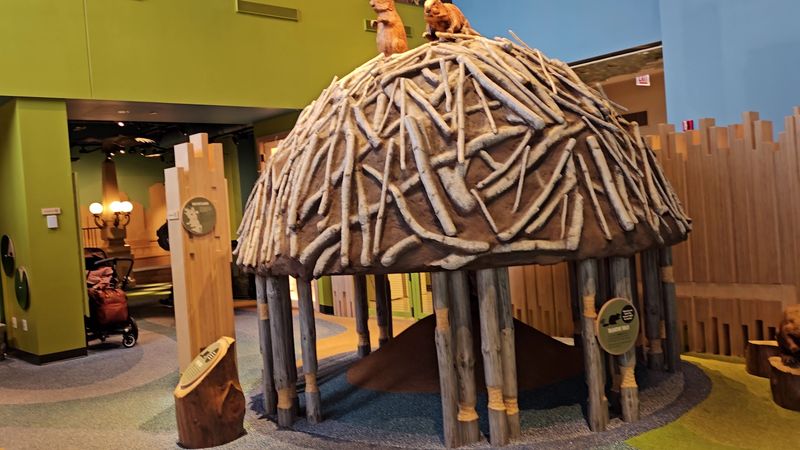
Families with toddlers and young children will find that the museum has thought carefully about their needs. There are several distinct play spaces spread across the building, including a dedicated toddler area specifically designed for children under two years old.
The spaces are beautifully crafted with natural textures, soft surfaces, and nature-inspired themes that feel imaginative rather than generic.
The Secret Forest play area is a particular favorite among the younger crowd, with its immersive woodland design and child-scaled features that encourage imaginative play.
Even when one area is reserved for a private event, there are always other spaces available so that no visit ever feels incomplete.
The museum does a thoughtful job of rotating and refreshing these areas so that returning families always find something new to discover.
Parents often comment on how the play areas strike a balance between pure fun and gentle learning. Kids think they are just playing, but they are quietly absorbing ideas about ecology, nature, and the living world around them the whole time.
A Rotating Gallery
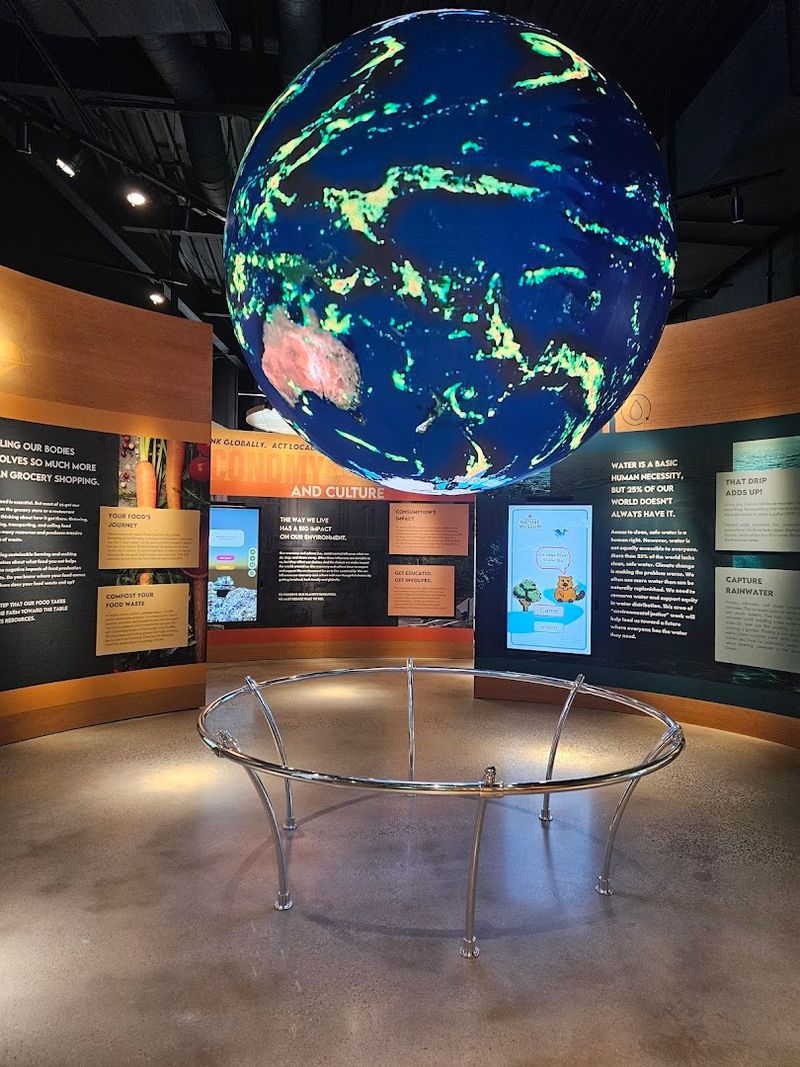
One of the quieter secrets of the Peggy Notebaert Nature Museum is that its temporary exhibits change periodically, which means repeat visits can feel fresh.
Sometimes the space fills with live animals for a special reptile exhibition. Other times it transforms into an art gallery celebrating natural themes, or an interactive science installation that merges technology with hands-on creativity.
A recent highlight featured a station where visitors could color their own butterfly on paper, scan the drawing, and then watch their personalized creation fly across a giant digital wall projection.
It sounds simple, but the combination of physical craft and digital magic genuinely delighted visitors of every age. That kind of creative layering is rare in a museum setting and speaks to how seriously the staff takes the visitor experience.
Checking the museum website before your visit is a smart move so you can catch whatever special programming or exhibit happens to be running during your trip to Chicago.
Native Plants And Wildlife

Long before you even step through the front door, the Peggy Notebaert Nature Museum starts making an impression. The building is surrounded by native Illinois plants, wildflowers, and natural landscaping that creates a genuine sense of being somewhere removed from the urban buzz of Chicago.
Outdoor walkways wind through the greenery, offering a chance to observe local wildlife in its natural setting.
The museum sits right beside North Pond in Lincoln Park, and a short stroll after your visit reveals a remarkable number of wild turtles sunning themselves along the water’s edge.
It is a lovely, unplanned bonus that extends the nature experience well beyond the museum’s walls. The whole area has a calm, unhurried quality that feels genuinely restorative.
The fact that native plants surround the building is not just decorative. It reflects the museum’s deeper commitment to environmental education and urban conservation, reminding visitors that meaningful wildlife habitat can exist right in the heart of a major American city.
The City’s Green Crew
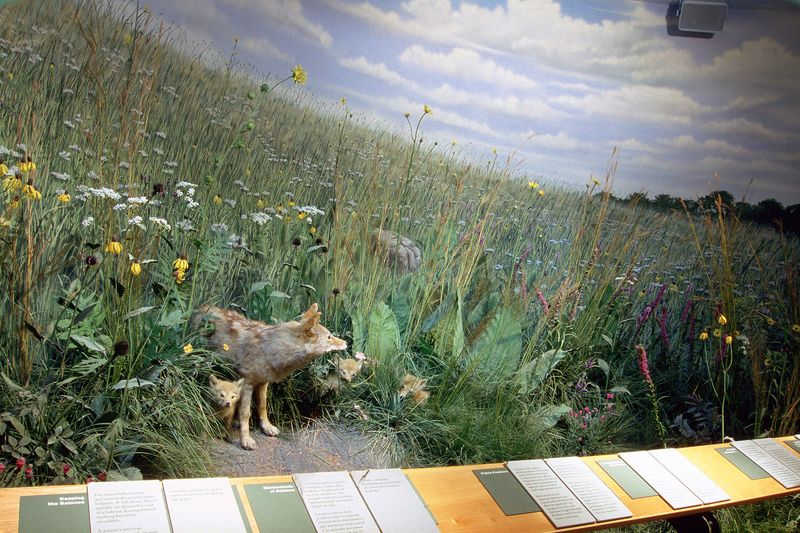
Beyond its exhibits and animal encounters, the Peggy Notebaert Nature Museum runs the Chicago Conservation Corps, a community program dedicated to connecting Chicago residents with local sustainability efforts.
It is a dimension of the museum that many casual visitors never realize exists, but it adds serious depth to what the building represents.
The Conservation Corps runs programs that train volunteers to take on environmental stewardship projects across the city, including work related to water, energy, green space, waste, and community sustainability.
For anyone interested in urban ecology or community science, learning about this program during a museum visit can be genuinely eye-opening.
The museum is not just a place to observe nature but a working hub for protecting it.
Classes, events, and educational programs run throughout the year for both children and adults, covering topics from local bird identification to sustainable gardening.
The Migration Balcony

Bird enthusiasts are in for a treat at the Peggy Notebaert Nature Museum, which features the Micole Birdwalk, a seasonal outdoor observation area open from April through November.
The walkway is designed to create optimal viewing conditions, with natural cover and food sources that bring birds in close enough for a genuinely rewarding look.
Chicago sits along one of North America’s most significant bird migration corridors, and the museum leverages that geography brilliantly.
During spring and fall migration seasons, the variety of species passing through the Lincoln Park area can be remarkable, and the bird walk gives visitors a quiet, purposeful place to observe the action. Even during slower seasons, resident species keep the experience worthwhile.
The outdoor setting also pairs beautifully with the indoor exhibits, creating a full-circle nature experience that moves seamlessly between the controlled environment inside and the living, breathing ecosystem just outside.
It is a thoughtful design choice that sets this museum apart from more traditional institutions.
Make The Most Of It
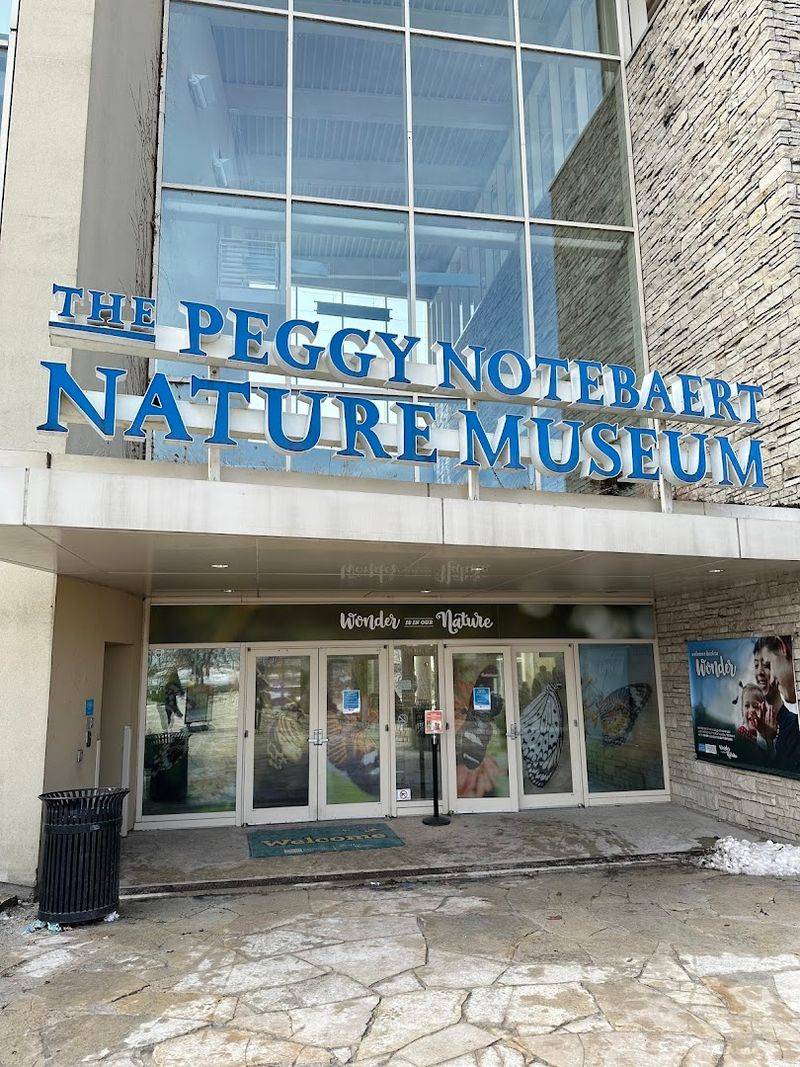
Planning a little ahead really helps here. This Lincoln Park museum, located at 2430 N.
Cannon Drive in Chicago, is generally open daily from 10 AM to 4 PM, and weekdays are usually the easier choice when you want a calmer visit with more space to wander.
Try arriving earlier in the day so you are not rushing through the exhibits, especially since the butterfly release usually happens at 2 PM. It is one of those little moments that is worth timing your visit around.
Parking can take some patience in this part of Chicago. There is limited street parking nearby, and busy days can make spots harder to find, so public transit is often the simpler option.
Several bus routes stop within walking distance.
For families planning more than one visit, membership may be worth a look because it includes unlimited admission and extra perks. Check the museum’s website or call ahead for the latest pricing, closures, and ticket details.