
This Virginia Hike Leads To A Sandstone Maze That Feels Hidden Above The Mountains
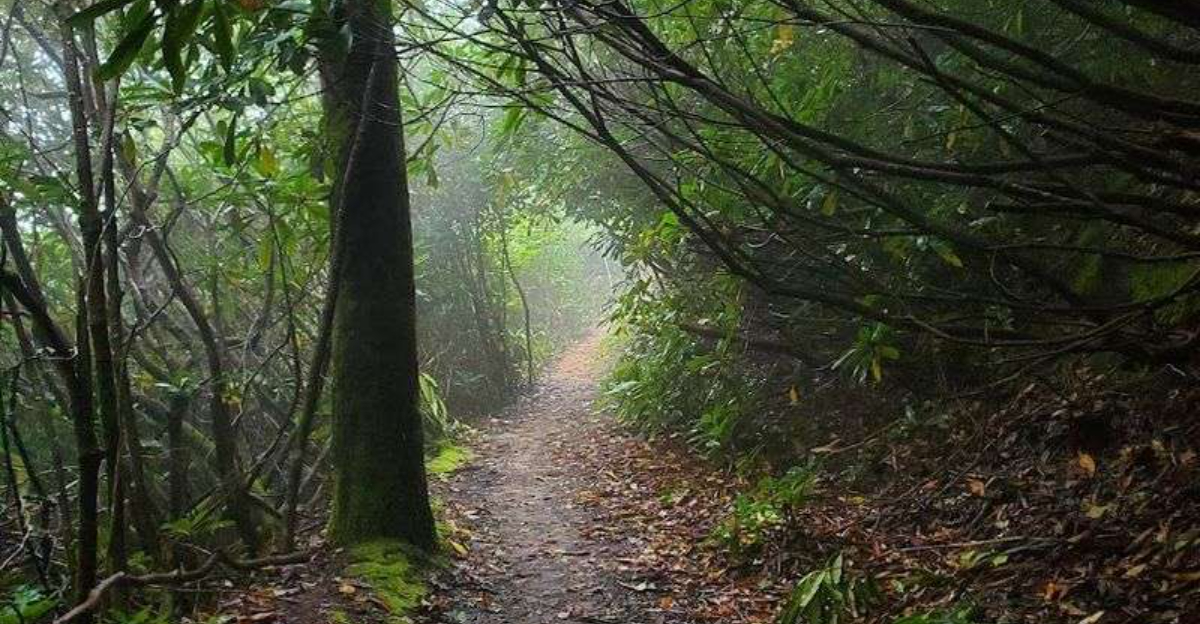
Virginia’s mountains are known for quiet forests and endless Appalachian views. But hidden above the ridgelines is a place that feels almost unreal.
The trail begins beneath thick woodland canopies and climbs steadily into the wilderness.
Then suddenly, the landscape changes. Massive sandstone walls rise from the mountaintop, forming a maze of narrow passageways, hidden corridors, and cool shadowy chambers.
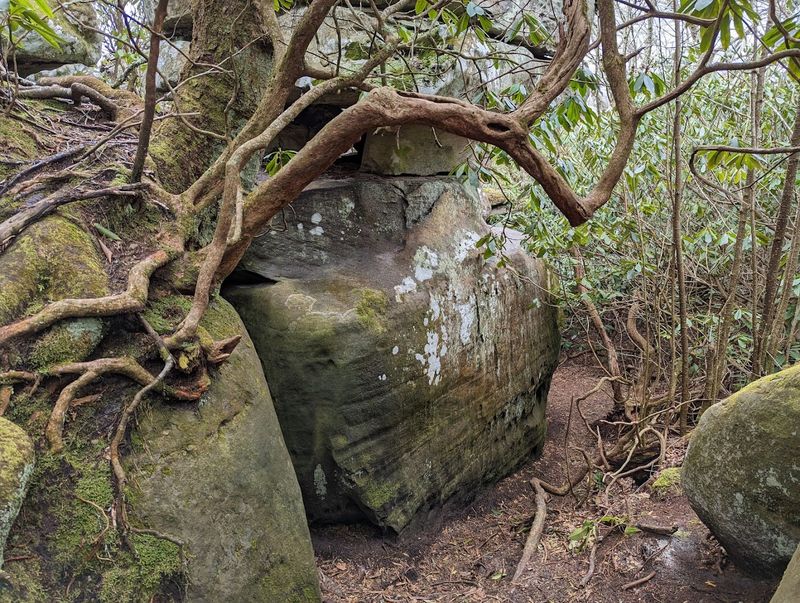
Sunlight cuts through cracks in the ancient rock while moss covers the stone like something from a forgotten world. It doesn’t feel like the East Coast at all.
In fact, the maze looks more like a secret canyon hidden far out West. Far away from Virginia’s busy tourist spots, this surreal natural wonder remains one of the state’s most unforgettable hidden adventures.
The Geological Marvel Behind The Maze
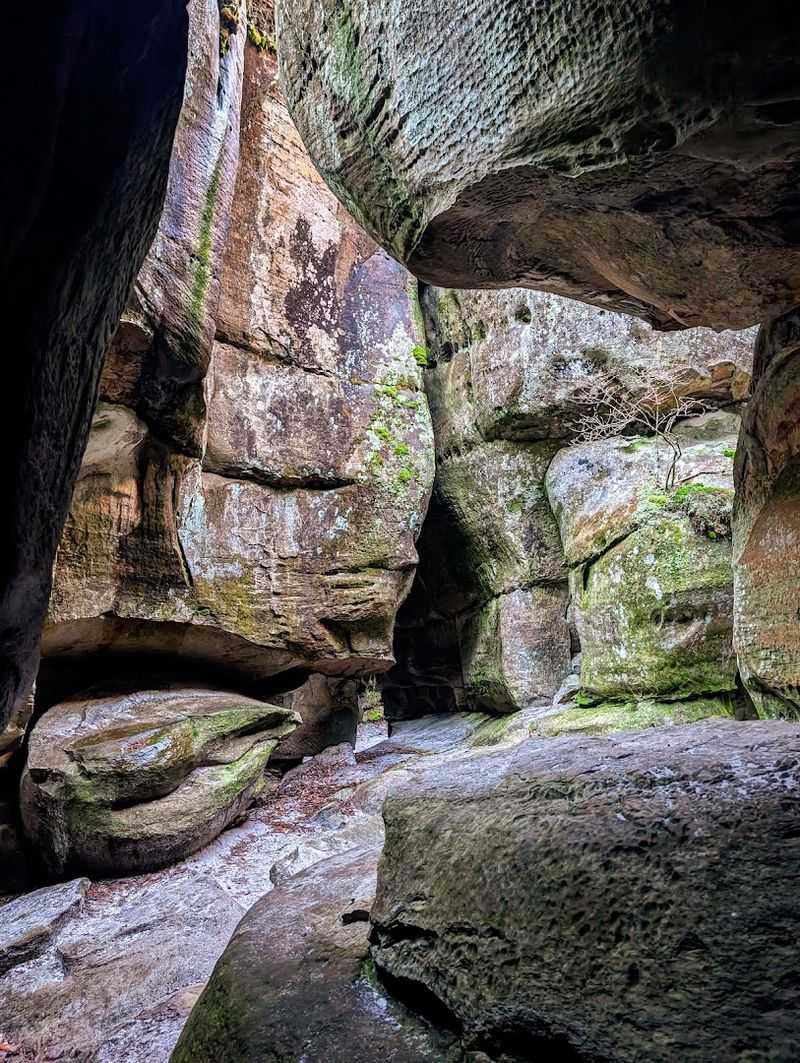
Four hundred million years is a long time to keep a secret, but these rocks have managed just fine. The Channels were formed from a single sandstone cap rock, slowly fractured and widened during the last ice age through a process called ice wedging and permafrost activity.
The result is a sprawling maze of slot-canyon-like passages that cover roughly 20 acres at the crest of Middle Knob on Clinch Mountain.
The crevices themselves can plunge anywhere from 20 to 40 feet deep, creating narrow passages draped in moss and shadow.
Geologists consider this formation genuinely rare on the East Coast. Most slot canyon landscapes like this exist out west, so finding one tucked into the Virginia highlands feels almost impossible to believe until you are standing right inside it.
The sandstone walls carry a texture that looks almost hand-sculpted, every crack and curve shaped by centuries of freeze-thaw cycles.
Running your hand along the surface feels like touching deep time itself. This is not just a pretty hike destination, it is a living geology lesson written in rock.
The Channels remind you that the earth has been doing extraordinary things long before any of us showed up to take photos of it.
The Brumley Mountain Trail Breakdown
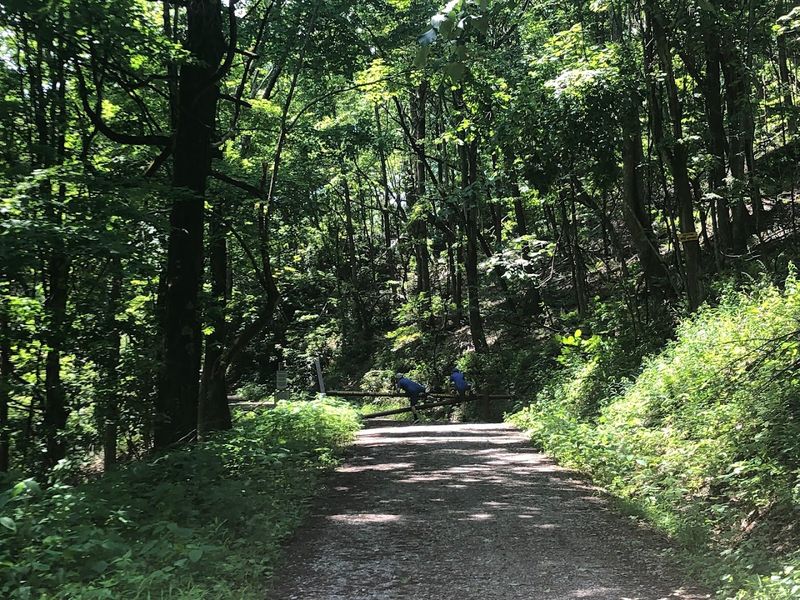
The most popular way to reach the Channels is via the Brumley Mountain Trail, starting from the trailhead at 4250 Hayters Gap Road, Saltville, Virginia 24370. This out-and-back route clocks in at about 6.6 miles total with roughly 1,200 to 1,338 feet of elevation gain.
It is rated moderate, which feels accurate as long as you pace yourself and bring enough water.
The first mile follows a gravel road, which is not exactly thrilling, but it warms up your legs nicely before the real trail begins.
Once you leave the road behind, the path becomes a well-maintained forest trail that winds steadily uphill through beautiful Appalachian woodland.
Around the 2.7-mile mark, a trail junction appears, and you will want to take the Channels Spur Trail to the left to reach the maze.
Just past the old fire tower, the landscape shifts and the sandstone formations begin to appear. The parking area fits only 10 vehicles and fills up fast on weekends, so arriving early on a weekday is genuinely the smartest move you can make.
Plan for a three to five hour round trip depending on how much time you spend exploring inside the Channels themselves.
What It Actually Feels Like Inside The Channels
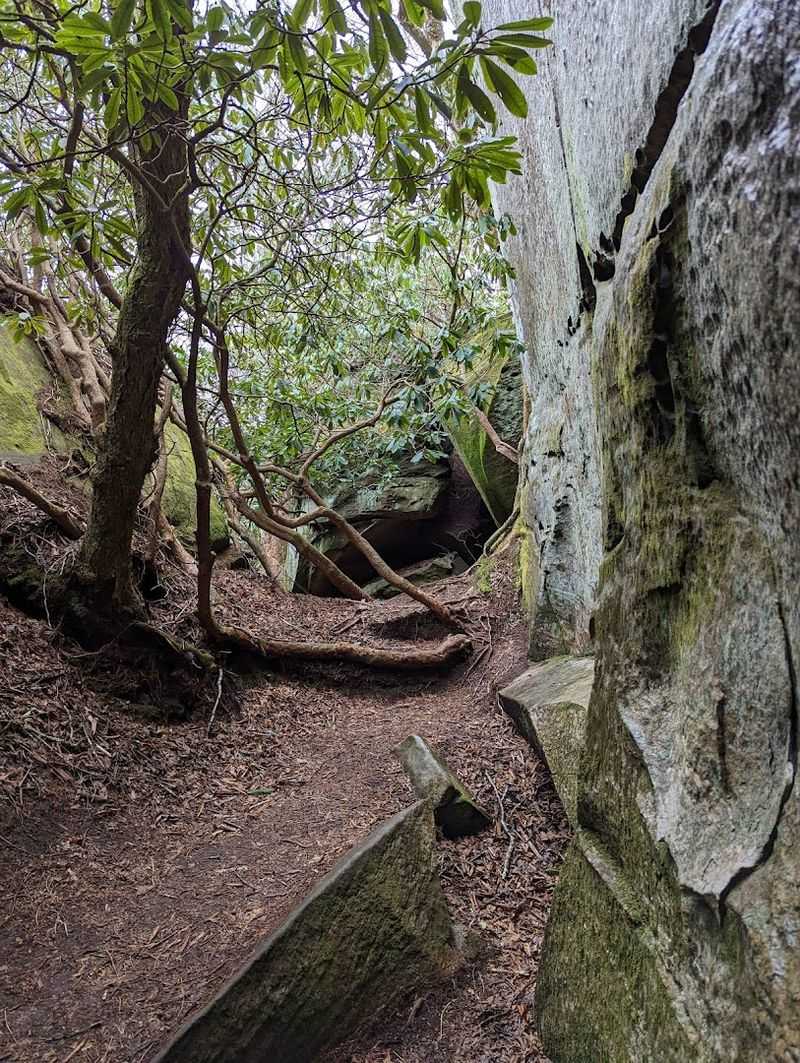
Walking into the Channels for the first time feels genuinely disorienting in the best possible way. One moment you are on a mountain summit with open sky above you, and the next you are squeezing through passages so narrow your shoulders brush both walls.
The scale shift is immediate and almost theatrical, like the mountain swallowed you whole and forgot to mention it.
The walls rise 20 to 40 feet on either side, coated in thick green moss that muffles sound and softens the light. Everything inside feels cooler, quieter, and somehow older.
On hot summer days, the shaded crevices offer a natural air-conditioning effect that makes the whole maze feel like a reward for the climb up.
Navigating the passages requires some light scrambling over rocks and occasional ducking under low overhangs. It is not technical climbing, but comfortable footwear with solid grip makes a real difference.
The maze covers about 20 acres, so there is genuine exploring to be done.
You can wander for 30 minutes or spend a full hour finding new passages and hidden corners. Every turn feels like a small discovery, and that sense of exploration never really wears off the entire time you are inside.
The Summit Views That Stop You Cold
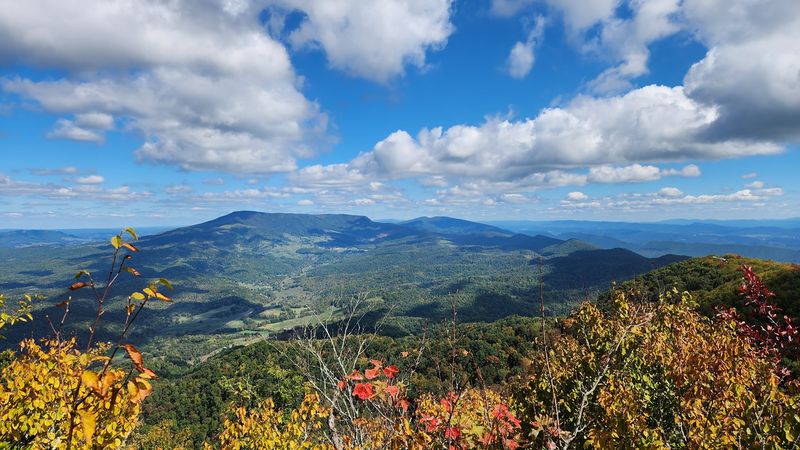
Reaching the top of Middle Knob at 4,208 feet feels like unlocking a reward screen you did not know existed.
The summit offers sweeping 360-degree views across the Virginia highlands, and on a clear day the scenery stretches all the way to Mount Rogers and Whitetop Mountain, the two highest peaks in the entire state. Some days you can even see into North Carolina from up here.
The ridgelines roll out in every direction like a green ocean frozen mid-wave.
The contrast between the open summit views and the enclosed maze passages just below creates a sensory experience that is hard to find anywhere else on a single trail. You get two completely different worlds within a few hundred feet of each other.
Sunrise and late afternoon light hit the sandstone and surrounding ridges with a warmth that makes the whole scene glow.
Photographers tend to linger up here longer than planned. Bringing a snack and sitting with the view for a few minutes before heading back down is a genuinely good idea.
The mountains do not rush you, and there is no reason to rush them either. Standing at this summit, the effort of the climb becomes completely irrelevant.
Wildlife And Wild Plants Along The Way
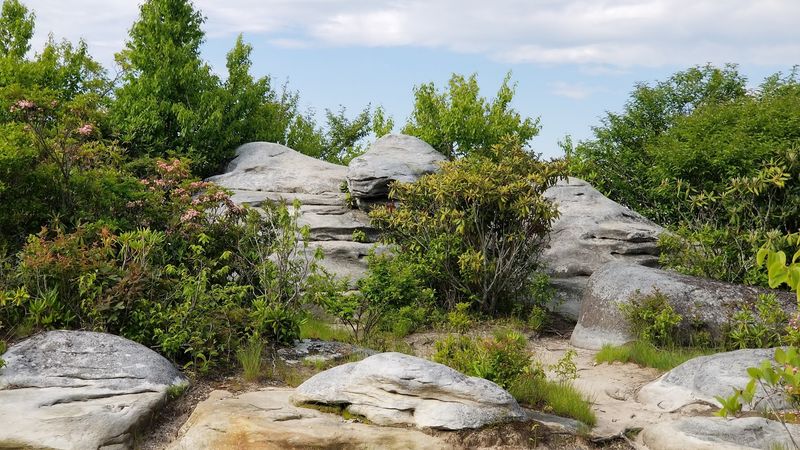
The trail up to the Channels passes through one of the more biologically rich corners of southwest Virginia. The Channels State Forest spans 4,836 acres of protected land, and the diversity of life here is genuinely impressive.
Black bears, red foxes, white-tailed deer, and bobcats all call this forest home, and patient hikers occasionally spot them near the trail edges.
Overhead, hawks circle the thermals rising off the ridgeline, and Bald Eagles have been spotted in the area as well.
The forest canopy shifts as you climb, transitioning from dense hardwoods lower down to more open heath environments near the summit. In late April and early May, sections of the trail pass through tunnels of flowering trees that turn the whole hike into something almost magical.
Rare plant communities like the Southern Appalachian Mixed Heath Bald are protected within the Natural Area Preserve, meaning some of what you see here cannot be found just anywhere.
Chipmunks are practically a constant trail companion, darting across the path with impressive confidence. The biodiversity here adds a layer of richness to the hike that pure geology alone cannot provide.
Every hundred feet of elevation seems to bring a slightly different forest, keeping the trail visually interesting from start to summit.
Practical Tips To Make Your Visit Smooth
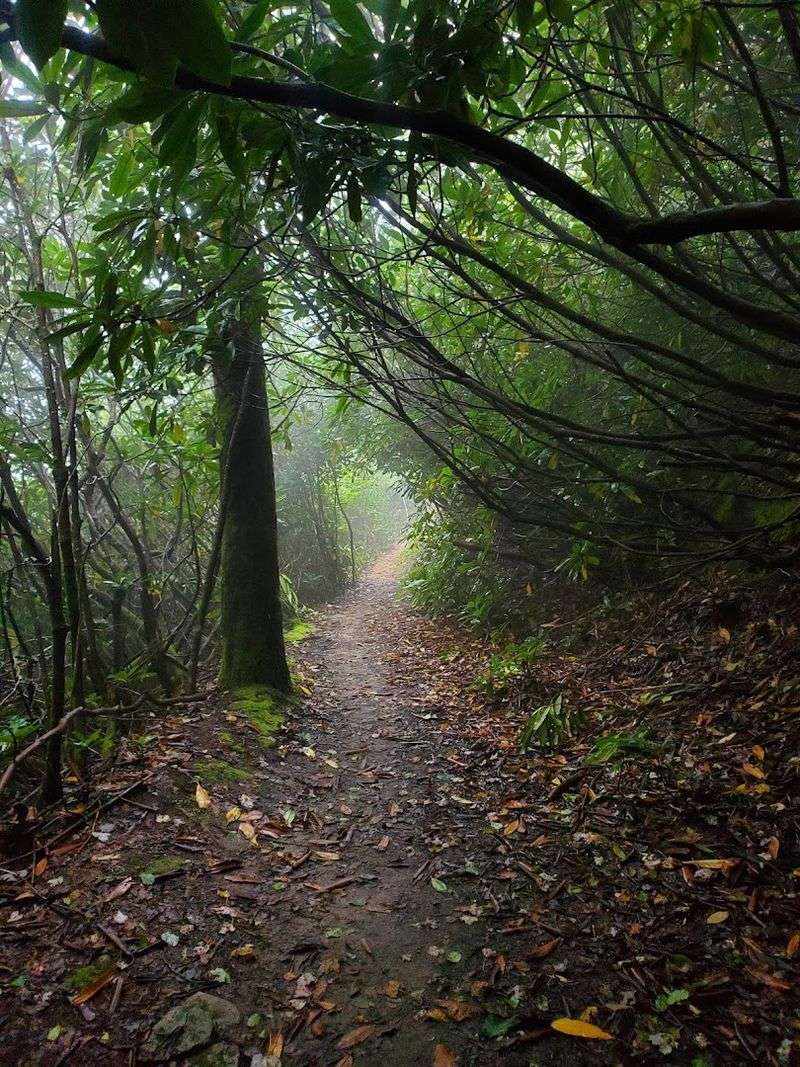
Showing up prepared here is not optional, it is the whole game. The preserve has zero restrooms, no trash cans, and no drinking water available anywhere on site.
Everything you need for the day has to come with you, and everything you bring has to leave with you. Leave No Trace principles are not just encouraged here, they are essential.
The parking area holds exactly 10 vehicles, and that limit is enforced consistently. Weekend mornings fill up fast, sometimes before 8 AM.
Visiting on a weekday, arriving at first light, or timing your arrival for mid-afternoon after early visitors have cleared out are all solid strategies.
Parking along Route 80 is prohibited and actively ticketed, so do not test that particular boundary.
Wear sturdy shoes with real grip since the trail mixes gravel, loose rocks, and natural terrain throughout. Bringing at least two liters of water per person is the minimum recommendation for this hike.
Layering your clothing makes sense given the temperature difference between the trailhead and the summit. The preserve is open daily from 6 AM to 5 PM, so planning your timeline around those hours keeps the day stress-free.
Carpooling with your group saves spots and reduces hassle significantly.
Best Seasons To Visit The Channels
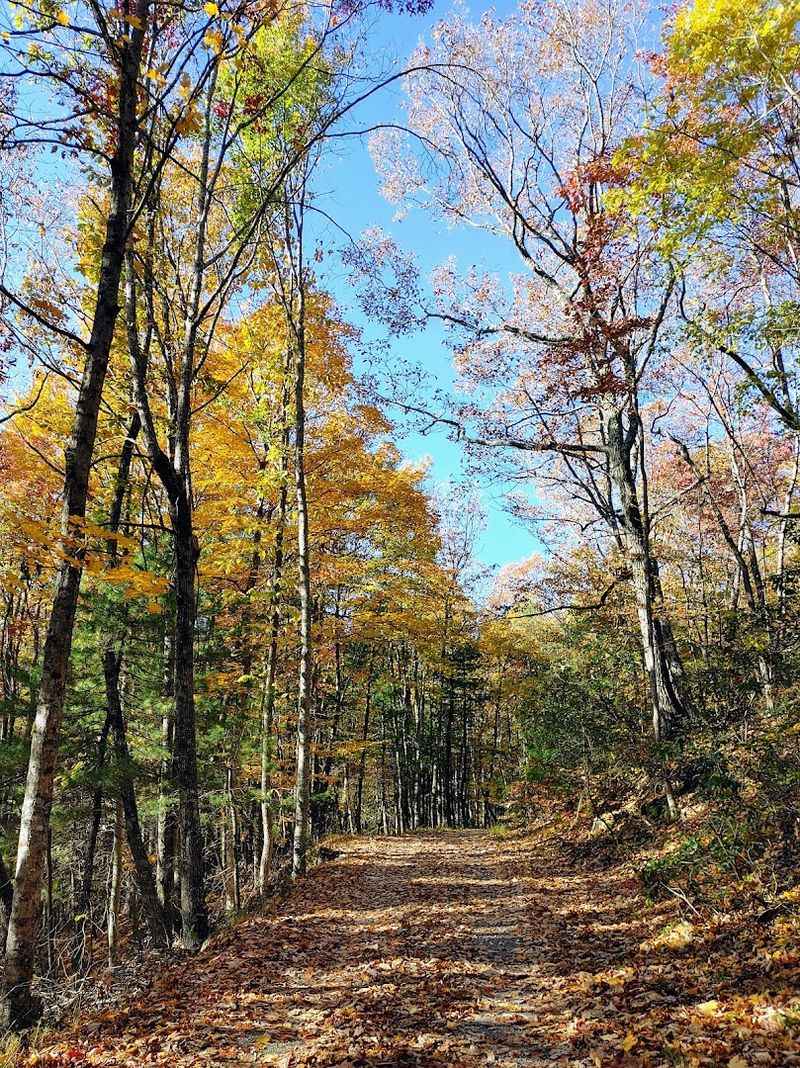
The Channels are technically accessible year-round, but each season brings a completely different energy to the experience.
Spring is a strong contender for the best time to visit, especially late April through May when wildflowers bloom across the forest floor and flowering tree tunnels line sections of the trail. The whole mountain feels like it is putting on a show.
Summer brings heat to the lower elevations, but the shaded crevices inside the Channels stay naturally cool and breezy. That temperature contrast between the exposed summit and the interior of the maze is one of summer’s hidden perks up here.
Fall turns the surrounding forest into a full color display, and the sandstone formations look especially striking surrounded by orange and red foliage.
Winter visits are possible but require extra preparation since trails can become icy and the elevation adds a serious chill factor. Snow actually makes the Channels look otherworldly, with white accumulation caught in the crevice edges against dark mossy walls.
Mid-week visits in any season tend to offer a quieter, more personal experience with the trail.
Checking conditions before you go and dressing appropriately for the summit elevation ensures the mountain stays enjoyable rather than challenging in the wrong ways.
Why The Channels Deserve A Spot On Your Hiking List
There are plenty of good hikes in Virginia, but the Channels sit in a different category entirely. This is one of those rare places where the destination genuinely matches and then exceeds the buildup.
The combination of ancient geology, sweeping summit views, and diverse forest wildlife creates an experience that covers more ground emotionally than its 6.6 miles suggest.
The fact that a slot canyon landscape this dramatic exists on the East Coast at all is remarkable. Most people associate this kind of terrain with Utah or Arizona, which makes stumbling into it on a Virginia mountain feel like finding a secret level in a video game you thought you already knew.
The preserved natural state of the area keeps it feeling untouched and genuinely wild.
The limited parking capacity actually works in the trail’s favor, keeping crowds manageable and the experience intimate.
You are unlikely to feel rushed or crowded inside the maze, which makes the exploration feel personal and unhurried. Every person who makes this hike tends to come back with the same look: slightly stunned and immediately wanting to tell everyone they know.
So if you have been sitting on this one, wondering whether it is worth the drive to Saltville, the answer is an enthusiastic and unambiguous yes.