
There’s A Hidden Washington City Buried Deep Beneath The Streets Of Downtown Seattle
Look, I’ll admit something: I’ve been lying to you. Every downtown walking tour I’ve led, every historic anecdote I’ve tossed out like candy-I’ve been holding back the good stuff.
Because how do you tell someone that fifteen feet beneath their feet, there’s a hidden Washington city that makes their carefully curated above-ground existence look positively boring?
You don’t. You write articles about it instead.
I first discovered these subterranean streets on a dare-sneaking into a utility entrance that locals had whispered about for decades.
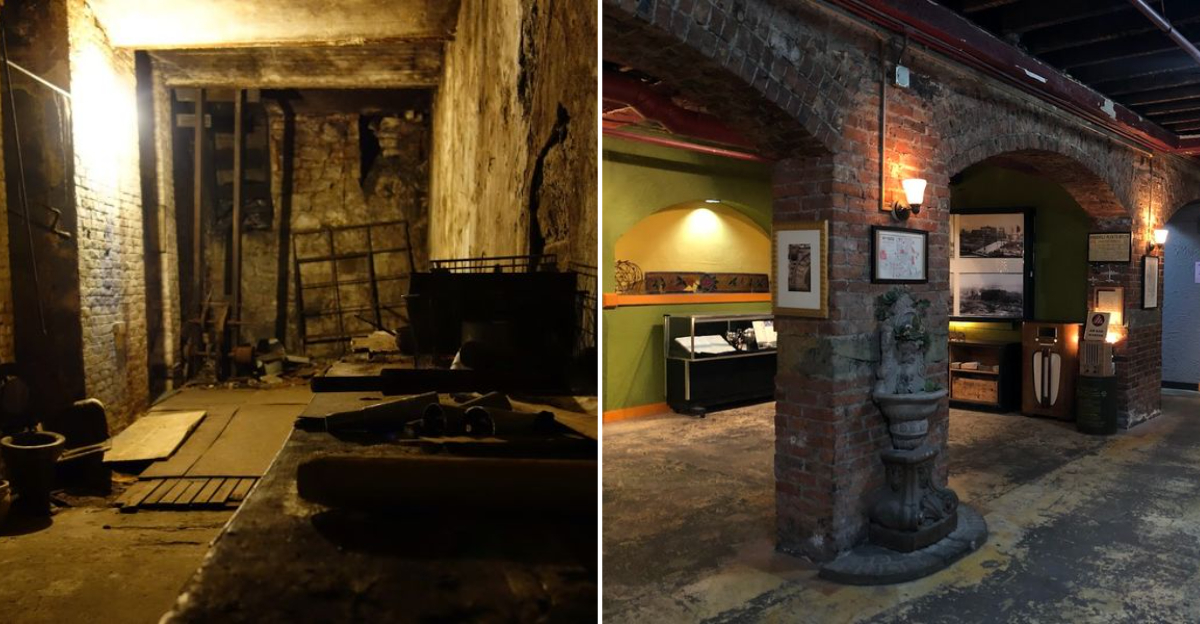
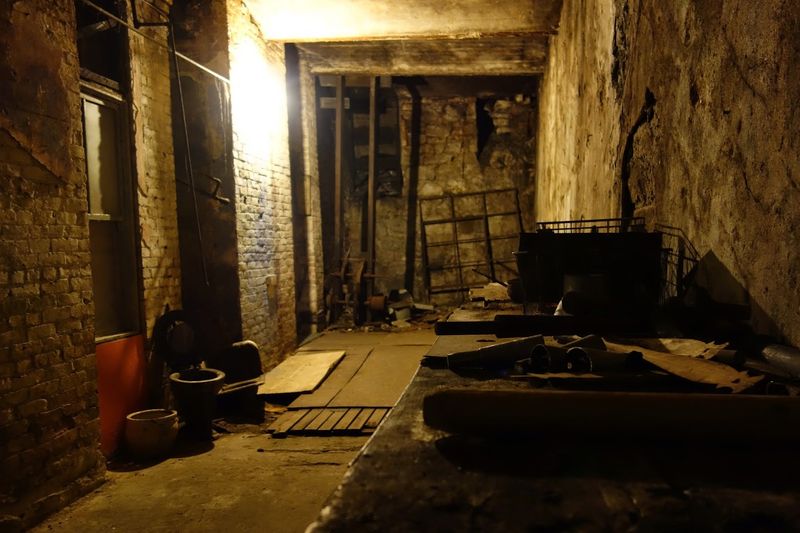
What I found wasn’t a cramped cave or some abandoned sewer. It was a hidden district, frozen in time, with architecture that would make your favorite Instagram hotspot weep with jealousy. I’ve been obsessed ever since.
The story of how this underground world came to be is one of the most fascinating chapters in American history, involving a massive fire, a flooding problem, and a bold decision to literally raise an entire city. If you have ever wondered what secrets a city can keep, Seattle’s underground is about to blow your mind.
The Great Seattle Fire That Started It All
On June 6, 1889, a cabinetmaker’s glue pot boiled over in a basement shop on Front Street, and within hours, nearly 25 to 33 blocks of downtown Seattle had burned to the ground. The city was built almost entirely of wood, so the fire spread fast and showed no mercy to anything in its path.
But here is the surprising part: the fire, as destructive as it was, became the spark that completely transformed Seattle’s future. City leaders saw it not as a tragedy but as a rare opportunity to fix the city’s many deep-rooted problems.
Before the fire, Seattle was a mess of flooding streets, broken sewage systems, and muddy tidelands. The fire wiped the slate clean and gave planners a chance to start fresh.
The decision made in the weeks following that fire would eventually create one of the most unusual underground attractions anywhere in the United States.
Why Seattle Had To Raise Its Streets
Before the fire, Seattle had a problem that no amount of elbow grease could fix: the city was built on filled-in tidelands, and every high tide turned the streets into a soggy, sewage-filled nightmare. The drainage system was so poorly designed that toilets would actually back up when the tide came in.
After the fire, city engineers came up with a bold plan. They decided to raise the street level by one to two stories, and in some spots, almost 30 feet higher than the original ground.
Workers built tall retaining walls along the old streets and filled in the space between them, creating entirely new elevated roads.
This engineering project was massive for its time and took years to complete. The result was a brand-new city built on top of the old one, leaving the original sidewalks, building entrances, and storefronts buried beneath the rising streets.
Those buried spaces became what we now call the Seattle Underground.
Businesses, Ladders, And Vault Lights
When the new streets were raised, the old ground-floor businesses did not simply vanish. Shop owners kept their doors open and continued serving customers, even though those entrances were now several feet below the new street level.
For a while, people used wooden ladders to climb up and down between the old sidewalks and the new streets above. Tiny glass panels called vault lights were installed in the new sidewalks above, allowing small amounts of natural light to filter down into the buried spaces.
You can still spot some of these purple-tinted glass circles embedded in modern Seattle sidewalks today. Eventually, most businesses moved up to the new street level, and the underground spaces were used for storage, then largely forgotten.
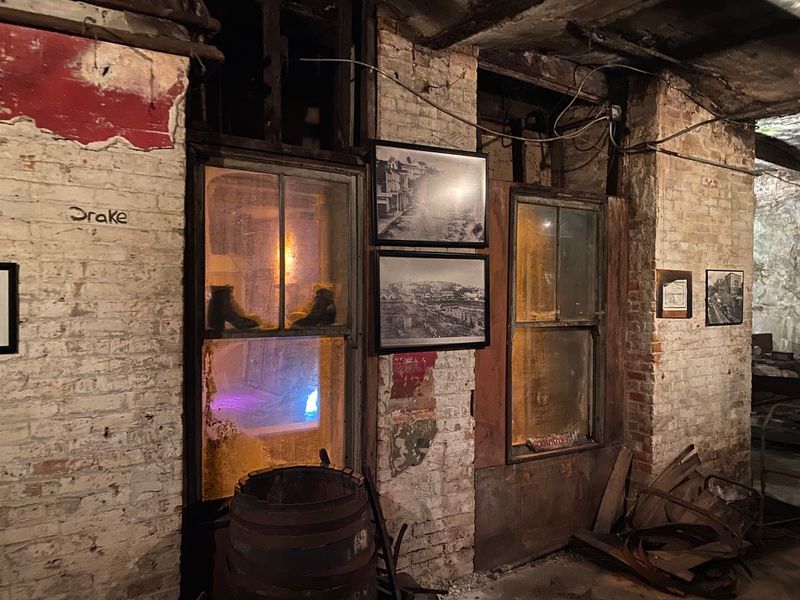
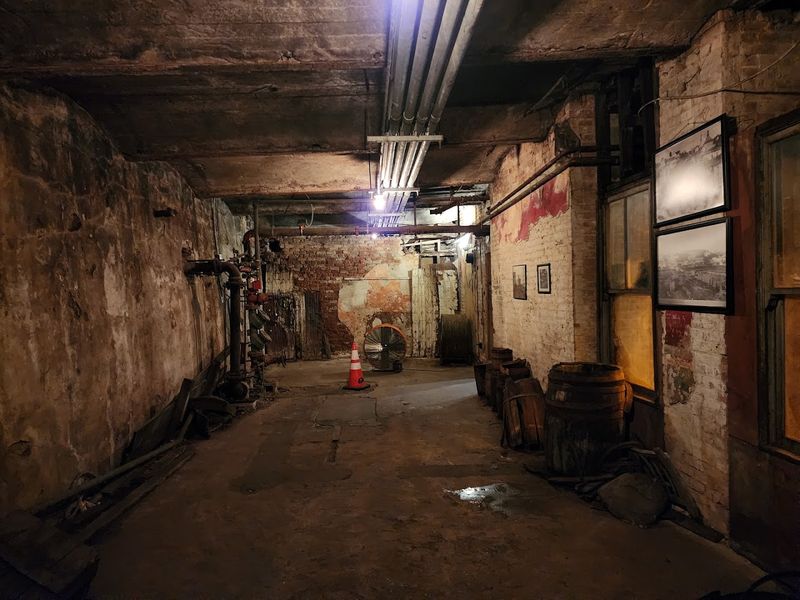
The preserved corridors that remain today still show original brick archways, timber framing, cobblestone street segments, and old display windows, giving visitors a genuinely vivid window into what daily life looked like in 1880s Seattle.
The Bubonic Plague Scare That Sealed The Underground
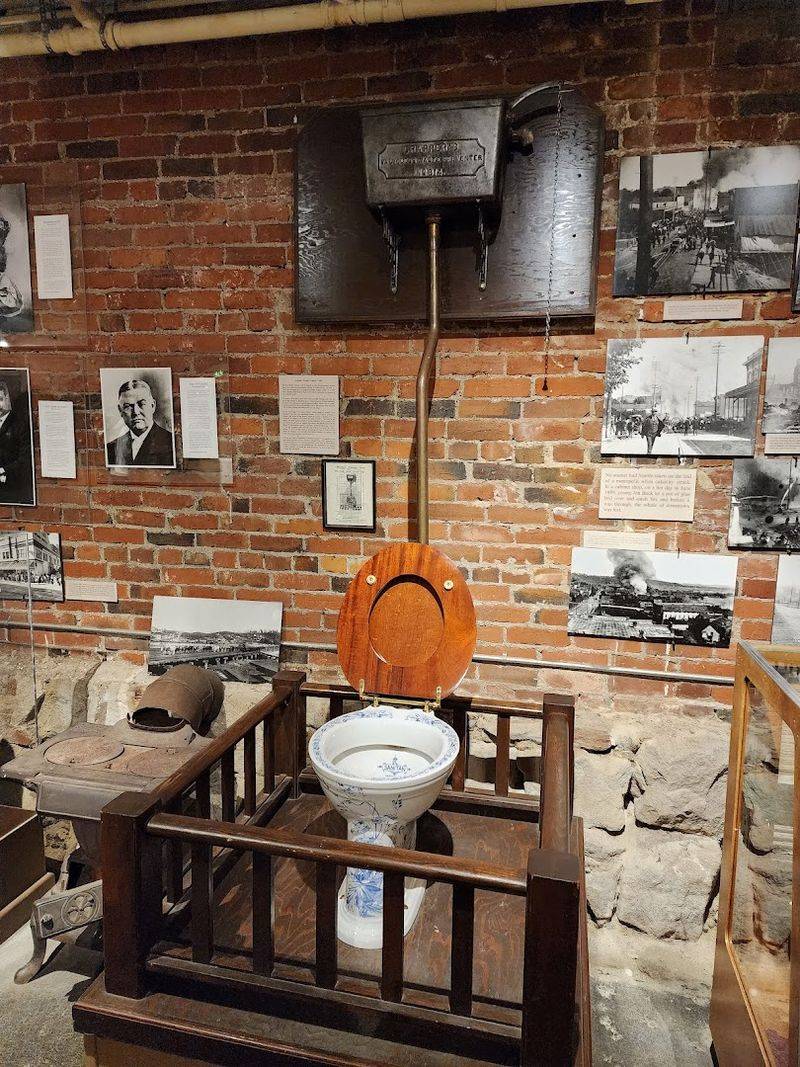
By the early 1900s, the underground spaces had taken on a shadowy reputation. With businesses gone and the tunnels growing darker and more neglected, the areas attracted rats, poor sanitation, and all kinds of questionable activity.
The city was not pleased.
In 1907, Seattle officially condemned the underground spaces, citing fears of the bubonic plague spreading through the rat-infested corridors. That decision effectively shut the door on the underground as a functioning part of city life.
The same dark, hidden quality that made them a public health concern also made them attractive to people looking to operate outside the law.
Those hidden chapters add a layer of gritty, colorful history that makes touring the underground feel like stepping into a completely different world beneath modern Seattle.
Bill Speidel’s Underground Tour: This Started It All
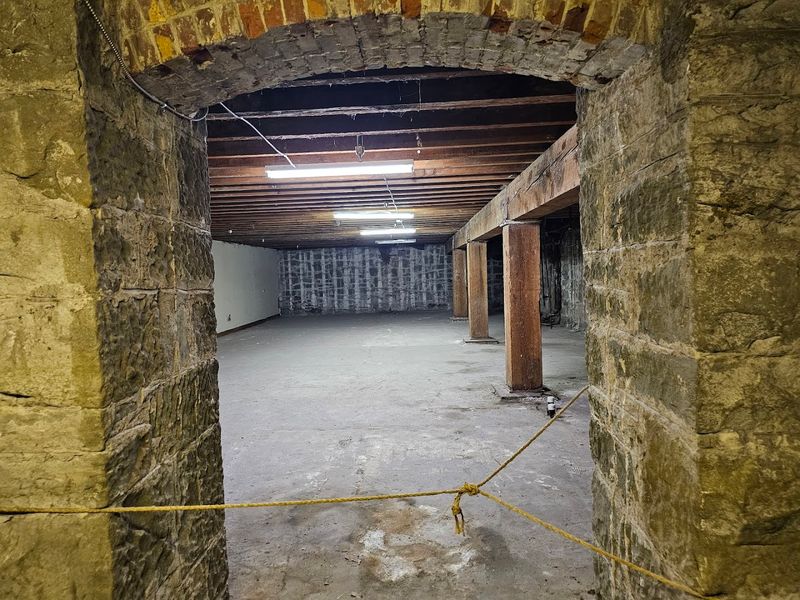
Credit for bringing the Seattle Underground back into public consciousness belongs largely to a local journalist and historian named Bill Speidel.
In 1965, Speidel launched what is now known as Bill Speidel’s Underground Tour, taking curious visitors through the preserved subterranean passageways beneath Pioneer Square.
The tour was not just about old tunnels. Speidel used the underground as a backdrop for telling Seattle’s full story, including the corruption, the chaos, and the colorful characters who shaped the early city.
His storytelling style was funny, irreverent, and deeply informative, and it turned the underground into a must-see Seattle attraction.
Today, the tour is still going strong and remains one of the most popular historical experiences in the Pacific Northwest.
Groups of visitors follow knowledgeable guides through original corridors, past preserved storefronts and antique fixtures, learning about the fire, the regrading project, and the fascinating lives of the people who once called this underground city home.
A Newer Way To Explore The Underground
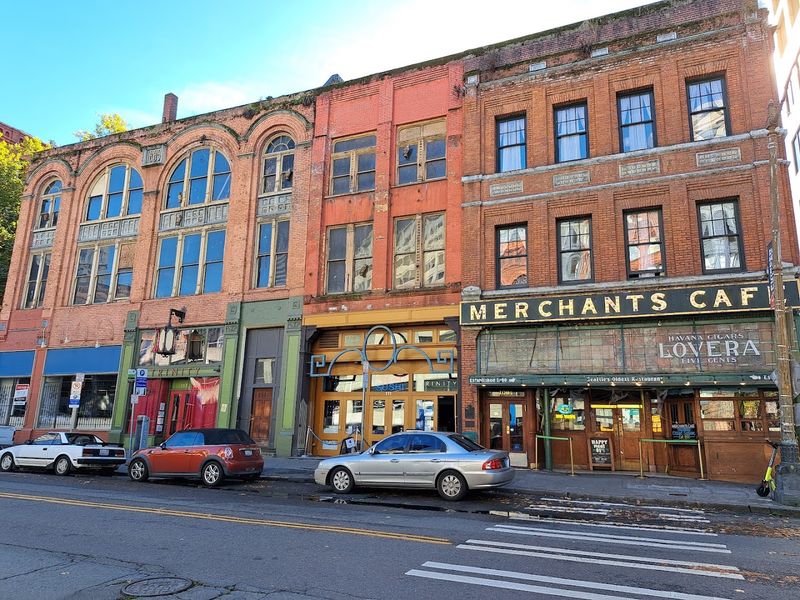
Founded in 2013, the Beneath the Streets tour offers another fantastic way to explore Seattle’s layered history.
Operating out of Pioneer Square, this tour takes visitors through a different section of the underground network and brings its own unique perspective to the story of how Seattle was literally rebuilt from the ground up.
What sets this tour apart is its focus on immersive storytelling combined with well-preserved physical spaces that feel genuinely untouched by time. The guides are passionate historians who know how to make 19th-century urban planning sound like the most gripping story you have ever heard.
Both the Beneath the Streets tour and Bill Speidel’s tour are family-friendly and run year-round, making them ideal for curious visitors of any age.
If you are planning a trip to Seattle, carving out time for one of these underground experiences is one of the smartest travel decisions you can make, because there is simply nothing else like it.
What You Can Still See Today In The Seattle Underground
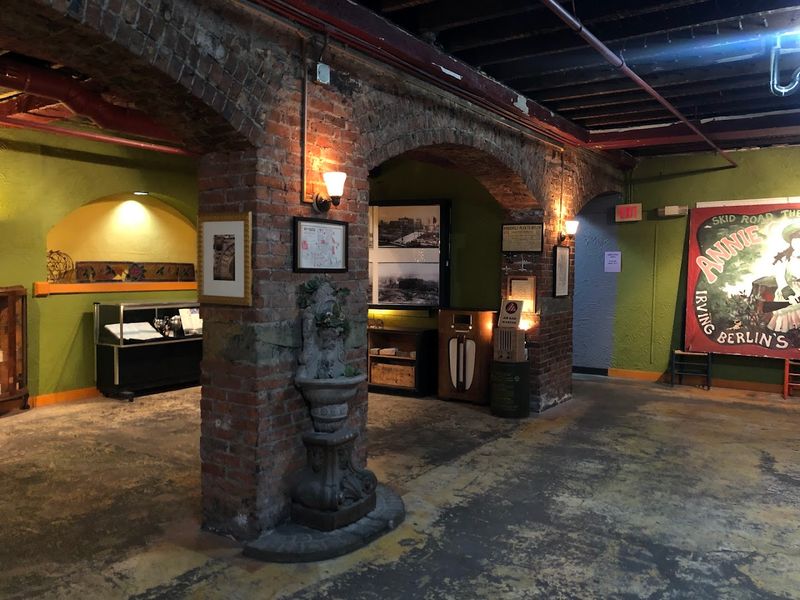
Walking through the Seattle Underground today feels like flipping through a photo album of a city that chose to bury its past rather than demolish it.
The preserved corridors hold original storefront facades, old display windows still set with artifacts, brick archways, and sections of the earliest cobblestone streets ever laid in Seattle.
Vault lights, those small glass panels set into the ceiling above, still cast faint glows into certain sections, giving the underground an almost dreamlike quality. The timber framing and masonry walls that have survived for well over a century feel surprisingly solid and real.
The underground sits primarily beneath the Pioneer Square Historic District, one of Seattle’s oldest and most architecturally rich neighborhoods, located at the south end of downtown.
The full address for the main tour entrance is 608 First Avenue, Seattle, Washington 98104. Whether history is your passion or you simply love a good story told in an unforgettable setting, the Seattle Underground delivers something truly one of a kind.
The Architecture And Engineering Behind Raising A City
Raising an entire city sounds like something out of a science fiction novel, but Seattle’s engineers actually pulled it off in the 1890s using surprisingly straightforward methods.
Massive retaining walls were constructed along the edges of each city block, creating a framework that could support the new, elevated street level above.
Dirt and fill material were packed in to bring the roadways up by as much as 22 feet in some areas. The original ground floors of buildings suddenly became basements overnight. It was one of the most ambitious urban engineering projects in American history, and almost nobody talks about it.
For a time, sidewalks and storefront entrances existed at two different heights, forcing pedestrians to navigate a city caught between its old level and its new one.
Eventually, the elevated streets became permanent, sealing portions of original Seattle beneath the busier city above. Those buried passages now reveal where doorways, windows, and sidewalks once met daily life at ground level.
Walking through them feels like stepping into the moment Seattle decided to rebuild itself upward instead of simply starting over.