
This Artsy Florida Village Is Your Next Quirky Getaway
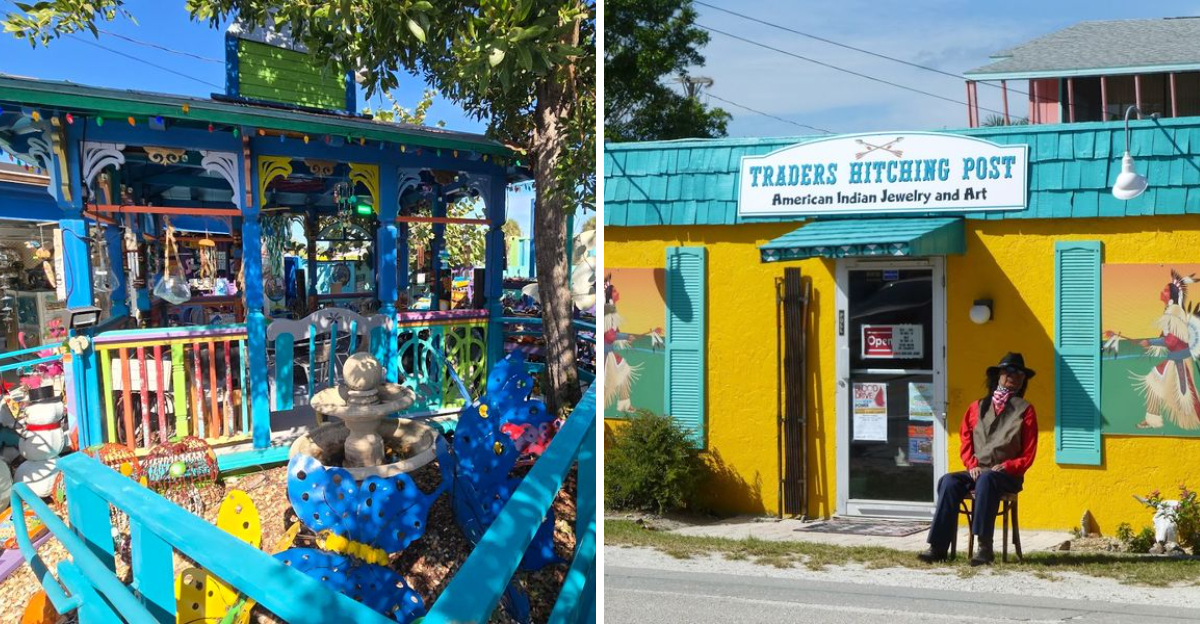
Bright pinks, electric blues, and sunny yellows cover nearly every building in Matlacha, Florida. The tiny waterfront village looks less like a real town and more like a painting brought to life.
Tucked between Pine Island and Cape Coral, Matlacha feels wonderfully different from Florida’s bigger tourist spots. Art galleries sit beside old fishing docks.
Kayaks drift through sparkling canals. Pelicans perch near colorful cottages while live music drifts through the air.
Everything here moves at a slower pace. People browse tiny art studios, chat with local artists, and spend hours watching boats glide across the water.
The atmosphere feels relaxed, creative, and completely unpolished in the best possible way.
Despite having fewer than 600 residents, this little fishing village somehow packs more personality than towns ten times its size.
For travelers craving a more authentic side of Florida, Matlacha feels like the kind of hidden coastal gem people almost want to keep secret.
A Village Painted In Pure Personality
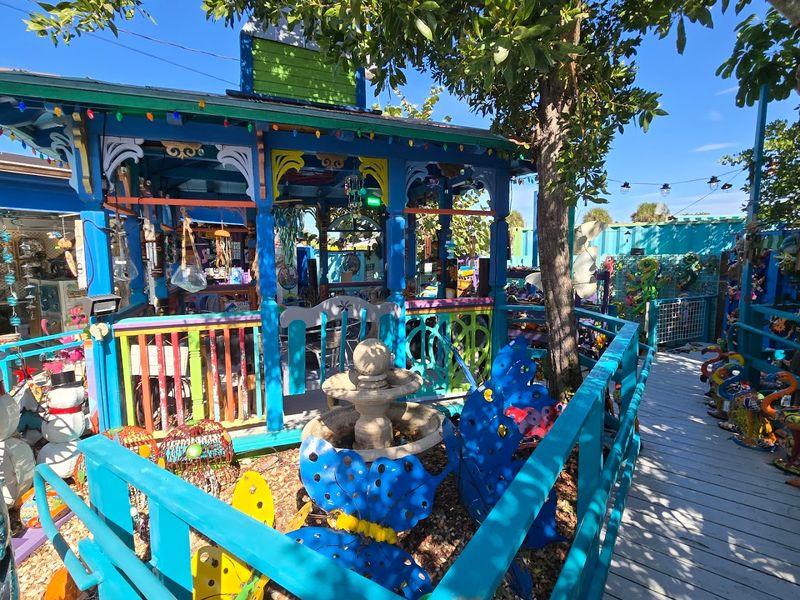
Walking into Matlacha for the first time feels like stepping inside someone’s very enthusiastic sketchbook.
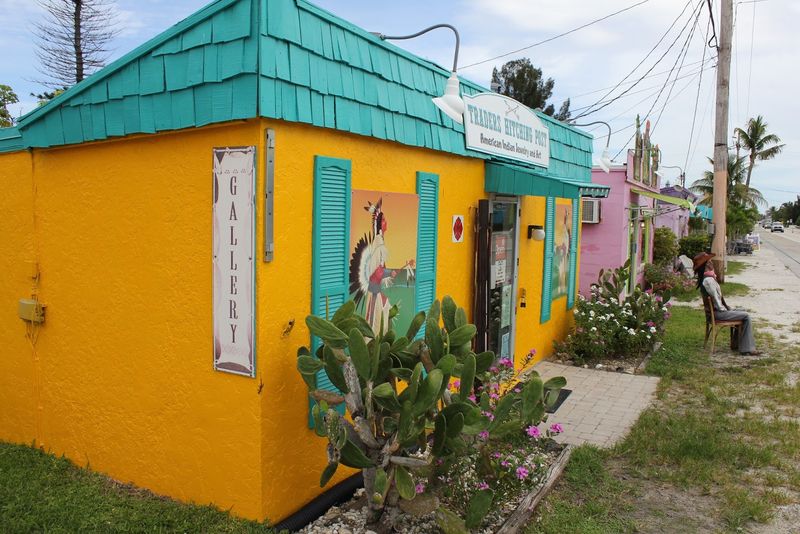
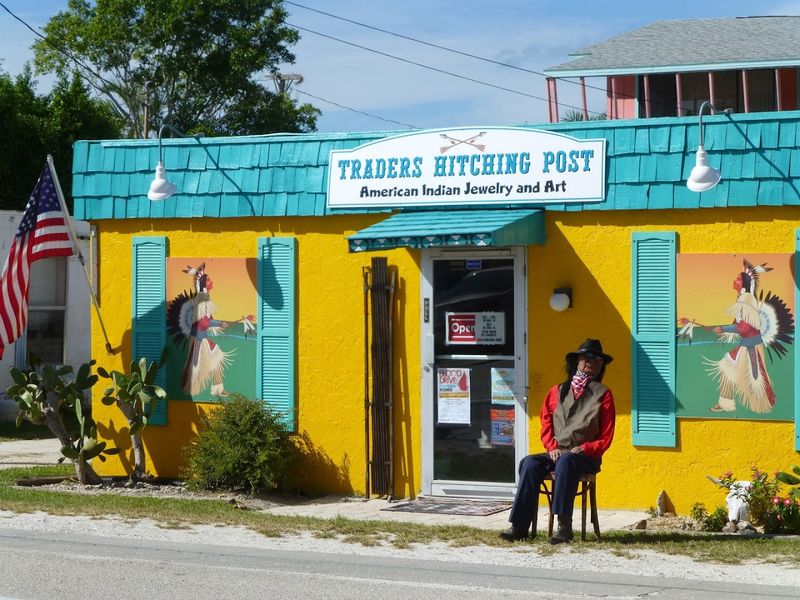
Every building along Pine Island Road seems to compete for the title of most eye-catching, with walls painted in shades of hot pink, electric teal, and sunshine yellow that would make even the most reserved traveler reach for a camera.
This is not accidental charm either. The village has cultivated its artistic identity over decades, attracting painters, sculptors, and craftspeople who recognized that the light here, bouncing off the surrounding water of Matlacha Pass, is genuinely extraordinary for creative work.
Local galleries sit shoulder to shoulder with bait shops and small cafes, creating a neighborhood vibe that feels completely unforced.
Visitors often say they planned to spend an hour here and stayed the entire afternoon without noticing where the time went.
Few places in Florida manage to feel this genuinely alive without trying too hard.
The Surprising History Behind This Tiny Spot
Long before the galleries arrived, Matlacha was a working fishing village where life moved at the rhythm of the tides rather than any calendar.
The name itself is believed to come from a Calusa or Spanish word, though historians still debate its exact origin, which somehow fits perfectly for a place that has always done things its own way.
Settlers came here in the late 1800s and early 1900s, drawn by the rich fishing grounds of Matlacha Pass and the relative isolation that the surrounding water naturally provided.
Commercial fishing dominated the local economy for generations, and you can still see echoes of that heritage in the weathered docks and old-school bait shops that hold their ground among the newer art studios.
The transition from fishing village to artist colony happened gradually, with creative people discovering the affordable waterfront spaces and extraordinary natural light.
That layered history gives every visit here a texture you cannot fake.
Fishing Culture That Never Left Town
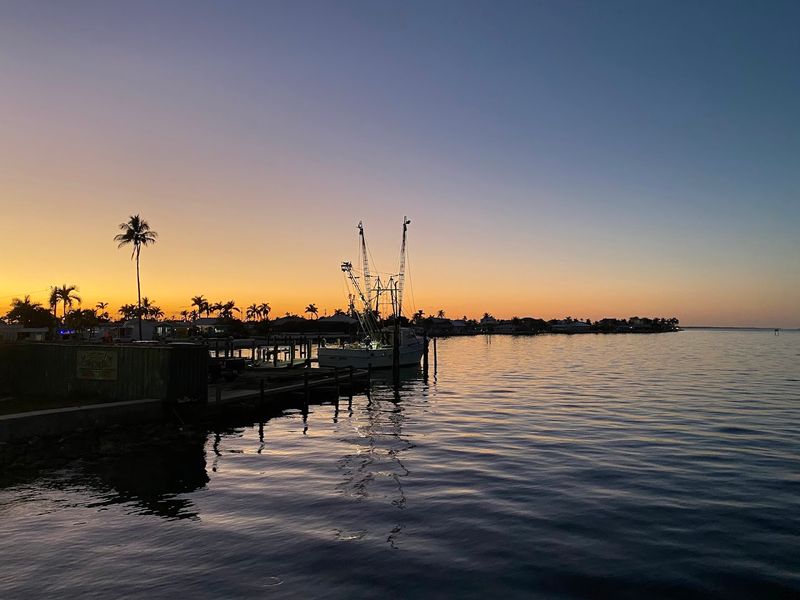
Even with all the art and color stealing the spotlight, fishing remains deeply woven into the fabric of daily life here.
The waters around Matlacha Pass are part of a protected aquatic preserve, which means the snook, redfish, and tarpon populations stay healthy enough to keep serious anglers coming back season after season.
Charter fishing guides operate out of Matlacha year-round, and they know these back-country waters with the kind of detail that only comes from spending entire lifetimes on the water.
Visitors who have never held a fishing rod in their lives regularly book half-day trips and return to the dock wearing the kind of grin that only a first catch can produce.
The bait shops scattered along the main road carry that particular smell of salt, live shrimp, and sun-warmed wood that immediately signals you are somewhere real.
Fishing here is less a sport and more a conversation with the landscape itself.
Art Galleries Worth Every Single Stop
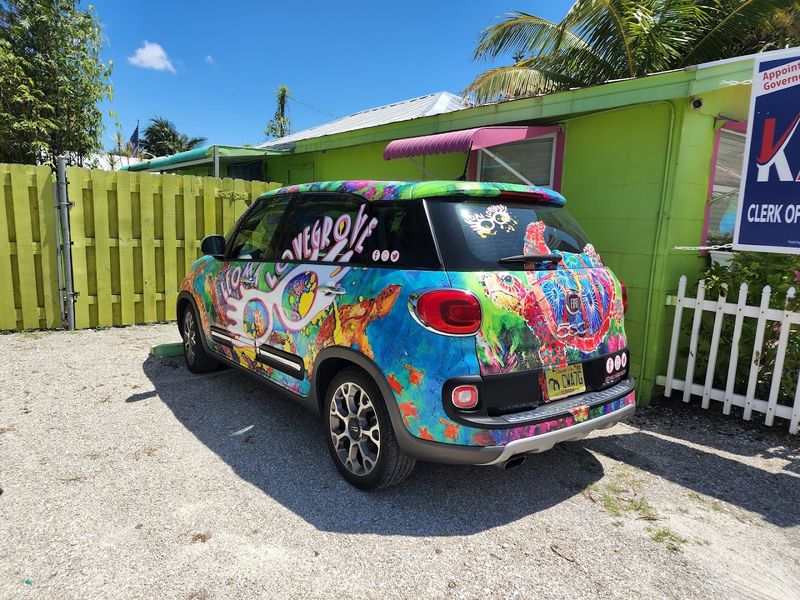
The gallery scene in Matlacha punches well above its weight for a village with fewer than 600 residents.
Leoma Lovegrove Gallery and Gardens is probably the most famous stop, where the artist’s bold, tropical, color-saturated canvases cover nearly every surface and the building itself feels like a living artwork rather than a conventional exhibition space.
Beyond the headline names, a rotating cast of smaller studios lines the main road, each one offering something different, from hand-thrown pottery to driftwood sculptures to photography that captures the local waterways in ways that feel almost painterly.
Most gallery owners are happy to chat about their work and their reasons for choosing Matlacha as their creative home, which adds a layer of personal connection you rarely get in bigger art districts.
Prices range from affordable prints to serious investment pieces, so there is genuinely something for every kind of collector.
Leaving empty-handed requires unusual willpower.
Matlacha Pass Aquatic Preserve and Its Wild Beauty
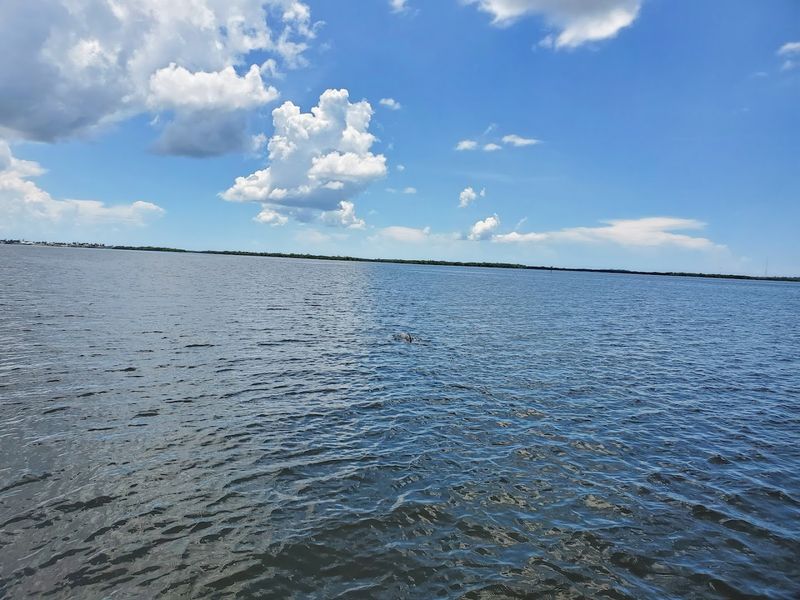
The water surrounding Matlacha is not just a pretty backdrop, it is a fully protected ecosystem teeming with wildlife that will stop you mid-sentence.
Matlacha Pass Aquatic Preserve covers thousands of acres of seagrass beds, mangrove islands, and shallow tidal flats that support an impressive range of species including bottlenose dolphins, manatees, roseate spoonbills, and ospreys.
Kayaking through the mangrove tunnels here is one of those experiences that genuinely resets your sense of scale, with the canopy closing overhead and the only sounds being paddle strokes and birdsong.
Guided eco-tours operate from several launch points near the village and are well worth booking if you want someone to identify what you are actually looking at out there.
The water clarity on calm days is remarkable, with grass beds visible several feet below the surface.
Spending a morning here makes every screen and notification feel wonderfully irrelevant.
The Drawbridge That Divides And Delights
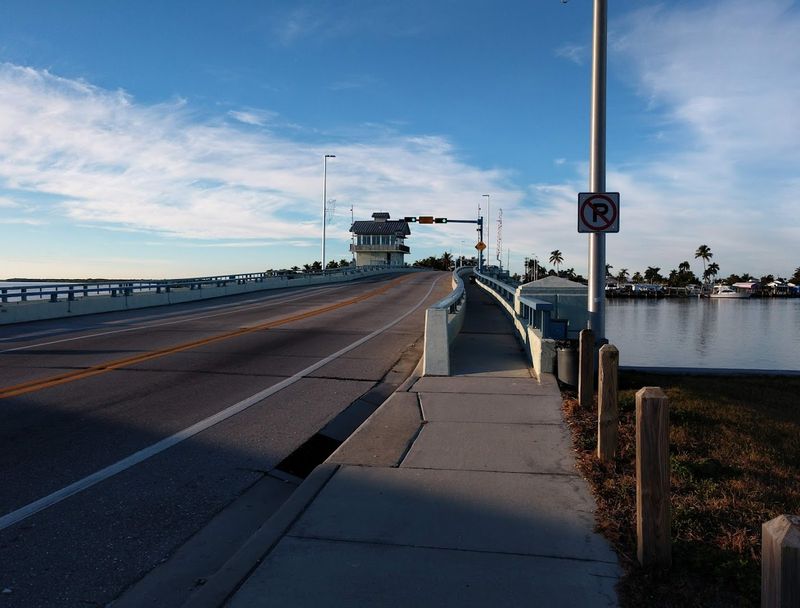
There is a small drawbridge in Matlacha that locals treat as both a landmark and a lifestyle feature, and it has a habit of stopping traffic at the most inconvenient possible moments.
The Matlacha Pass bridge is one of those old-school Florida drawbridges that opens regularly for boat traffic, creating brief but completely charming traffic pauses that force you to stop, look at the water, and remember that this is exactly the kind of place where rushing makes no sense.
Fishermen lean over the bridge railings at all hours, and the views from the bridge in either direction show you exactly why people choose to live here rather than in any of the larger cities nearby.
Sunrises from the bridge turn the pass into shades of orange and gold that no filter can improve.
Locals joke that the bridge has prevented more stress than any wellness retreat ever could.
Standing there even briefly, it is hard to disagree.
Local Dining With Serious Character
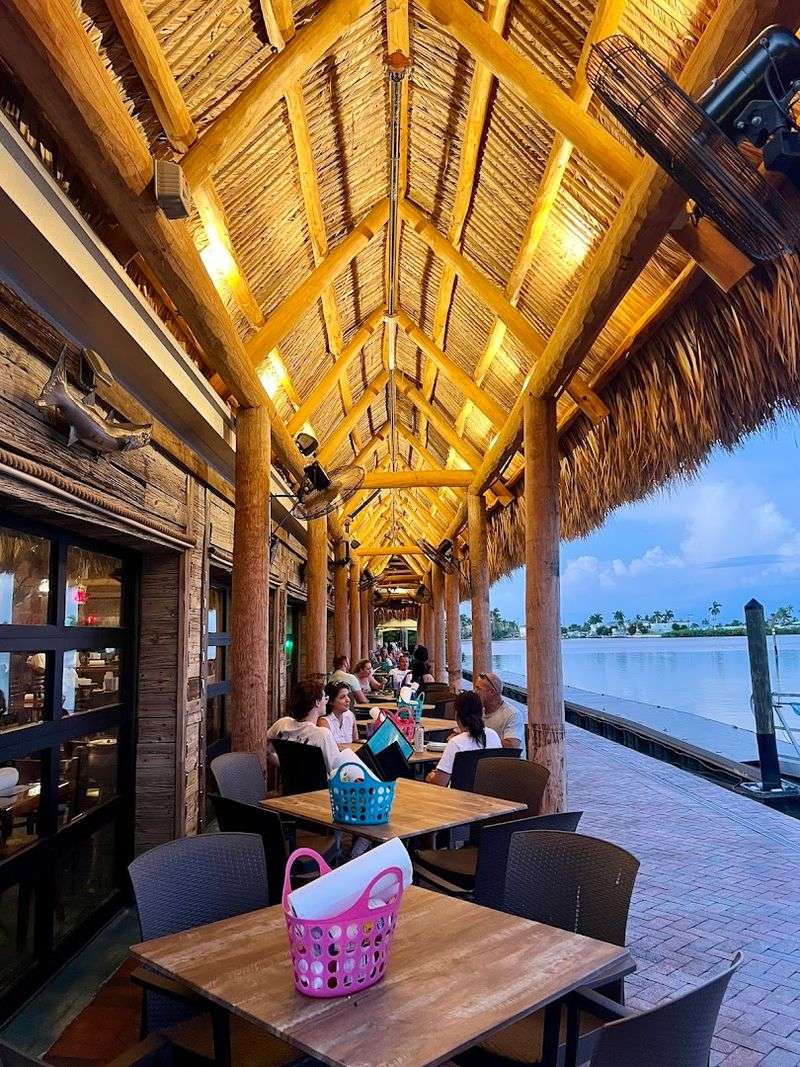
Eating in Matlacha is a casual, cheerful, and genuinely satisfying experience that reflects the village’s no-pretense personality.
The restaurants here are small and independently owned, which means the menus tend to feature whatever was fresh that morning rather than whatever corporate formula is trending elsewhere.
Grouper sandwiches appear on nearly every menu, and for good reason, because the quality of the local catch means even a simple preparation tastes exceptional when the fish was swimming that morning.
Several spots have outdoor seating directly over or beside the water, so you can watch pelicans perform their ungainly but effective diving routine while working through a plate of stone crab claws during season.
The service at most places has that unhurried, friendly rhythm that small waterfront communities seem to cultivate naturally.
Nobody is going to rush you out the door here, and that changes the entire experience of sitting down for a meal.
Best Times To Plan Your Visit
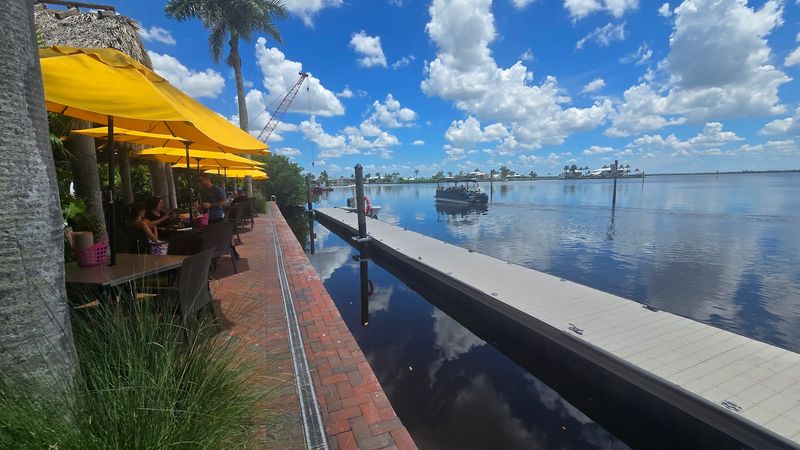
Florida’s seasonal rhythms matter a lot when planning a trip to a small village like Matlacha, where crowds can genuinely change the atmosphere.
The dry season, running roughly from November through April, brings cooler temperatures, lower humidity, and the kind of clear blue skies that make every photograph look professionally taken.
This is also peak tourist season, so weekends in February and March can feel noticeably busier than the village’s usual pace, though it never reaches the chaos of larger Florida destinations.
Summer visits come with heat, afternoon thunderstorms, and fewer crowds, which some travelers actually prefer because the village returns to a quieter, more local feel.
Fishing enthusiasts often target the fall months when tarpon and snook activity picks up in the surrounding waters.
Whatever time of year you choose, arriving on a weekday morning gives you the best chance of having gallery owners, dock regulars, and waterfront tables mostly to yourself.
Getting There And Finding Your Way Around
Matlacha sits along Pine Island Road, which is the main corridor connecting Cape Coral to Pine Island, and the drive itself serves as a pretty good preview of what awaits.
The closest major airports are Southwest Florida International Airport in Fort Myers, roughly 30 to 40 minutes away by car, and Punta Gorda Airport slightly further north, both of which offer regular service from major U.S. cities.
Once you arrive, the village is genuinely walkable, with the main stretch of galleries, restaurants, and docks covering a compact area that you can cover comfortably on foot in under an hour.
Parking is available along the road and in small lots near the main commercial strip, though spaces fill quickly on busy winter weekends.
Renting a kayak or canoe from one of the local outfitters is the single best way to extend your experience beyond the road itself.
The village rewards slow exploration far more than any hurried drive-through ever could.
Why This Village Stays With You Long After You Leave
Some places are easy to visit and equally easy to forget, but Matlacha has a way of lodging itself in the memory like a favorite song you cannot stop humming.
Part of it is the color, part of it is the water, and part of it is the particular combination of creative energy and old-Florida fishing culture that you simply do not find packaged together anywhere else in the state.
The people here seem genuinely happy to be where they are, which is more contagious than any marketing campaign.
Visitors regularly describe feeling a shift in pace that happens somewhere around the bridge, as if the village has its own atmospheric pressure that slows everything down to a manageable speed.
That feeling of being somewhere real, somewhere that exists for its residents rather than for its visitors, is increasingly rare in Florida travel.
Matlacha, Florida does not need to be louder or larger to make a lasting impression on anyone who takes the time to find it.