
This South Carolina Wilderness Looks Like A Hidden Grand Canyon
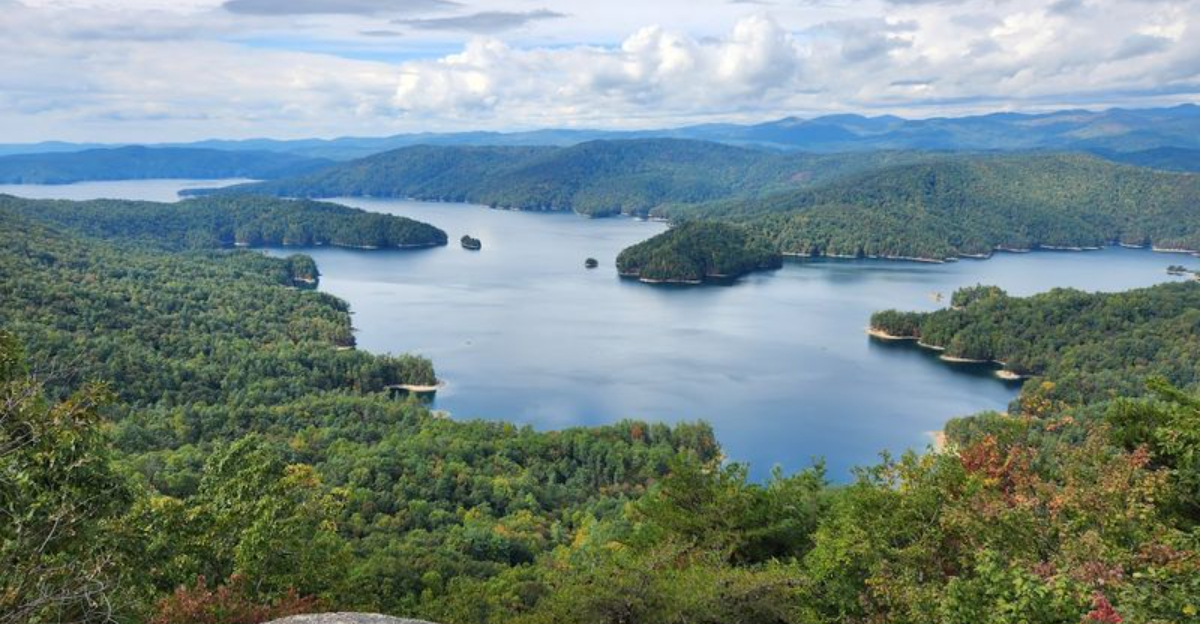
This South Carolina wilderness looks like it belongs somewhere out West.
Towering cliffs rise above deep valleys. Waterfalls crash through dense forests.
Mountain ridges stretch toward the horizon in every direction. The scenery feels so dramatic that first-time visitors often have trouble believing they are still in South Carolina.
That is the magic of Jocassee Gorges.
Hidden in the northwestern corner of the state, this vast wilderness feels wild, remote, and wonderfully untouched. Trails wind through ancient forests.
Rivers carve through rugged terrain. Every overlook seems to reveal another jaw-dropping view.
The scale is what surprises people most. Photos rarely capture just how massive the landscape feels in person.
One minute you are hiking beneath towering trees. The next you are standing above steep canyon walls that seem to disappear into the distance.
The crowds are often surprisingly light. The scenery is unforgettable.
And the sense of adventure starts almost immediately.
For hikers, photographers, and nature lovers, Jocassee Gorges delivers the kind of scenery most people never expect to find in South Carolina.
Sheer Cliffs That Rival Western Canyons
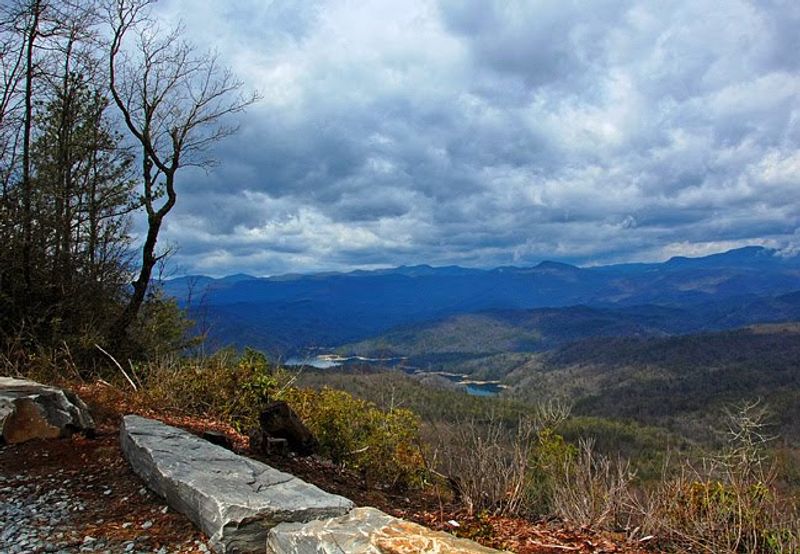
Standing at the edge of these gorges, I felt my perspective shift completely. The cliffs plunge hundreds of feet into narrow valleys, their layered rock faces glowing in shades of gray and rust when the afternoon sun hits just right.
Unlike the arid expanses out West, these canyon walls wear a coat of green, with hardy trees clinging to cracks and ledges in ways that seem to defy gravity.
The geological story here stretches back millions of years, carved by relentless water and weather into something that looks more Arizona than Appalachia. I’ve watched mist rise from the gorge floor on cool mornings, softening the hard edges and creating an almost mystical atmosphere.
Photographers arrive before dawn to catch the light playing across these vertical landscapes, and I completely understand why.
Every viewpoint offers a slightly different angle on this natural architecture, making it impossible to capture the full scale in a single frame.
Waterfalls Cascading Into Deep Gorges
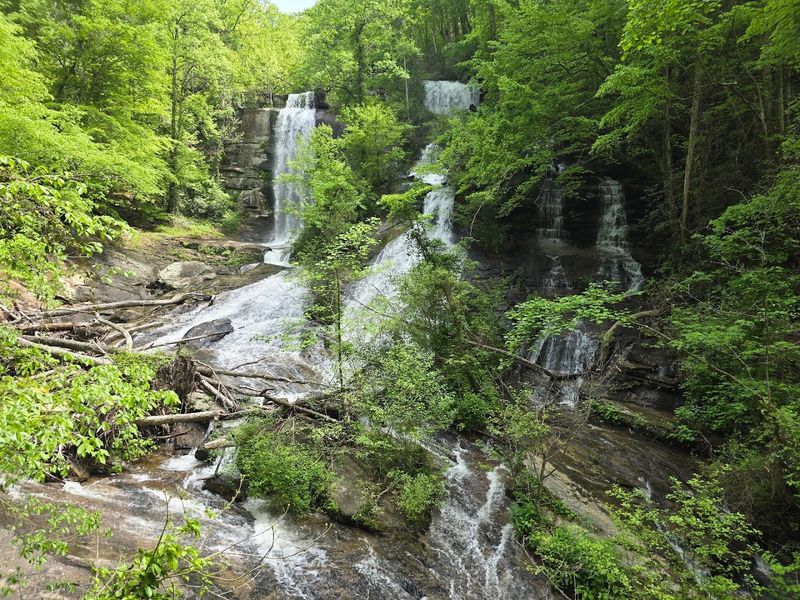
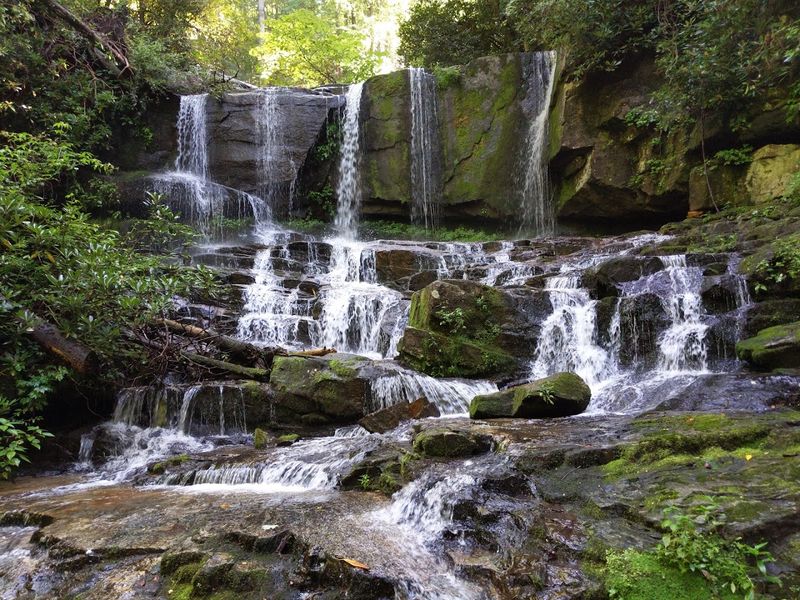
Waterfalls define the character of Jocassee Gorges in ways that surprised me on my first visit. These aren’t gentle woodland streams but powerful ribbons of white water that thunder down vertical rock faces, creating a soundtrack you can hear long before you see the falls themselves.
Some drop over 100 feet in a single leap, sending up clouds of mist that cool the air even on the hottest summer days.
Reaching these waterfalls often requires commitment, with trails that test your legs and your determination. I’ve scrambled over boulders and waded through shallow crossings to reach viewing spots that made every steep section worthwhile.
The water here runs clear and cold, fed by mountain springs and runoff that keeps the flow strong even during drier months.
Local hikers have their favorite falls, but I found myself drawn back to the ones tucked deepest into the gorges, where the sense of discovery felt most intense.
Ancient Rock Formations Tell Million-Year Stories
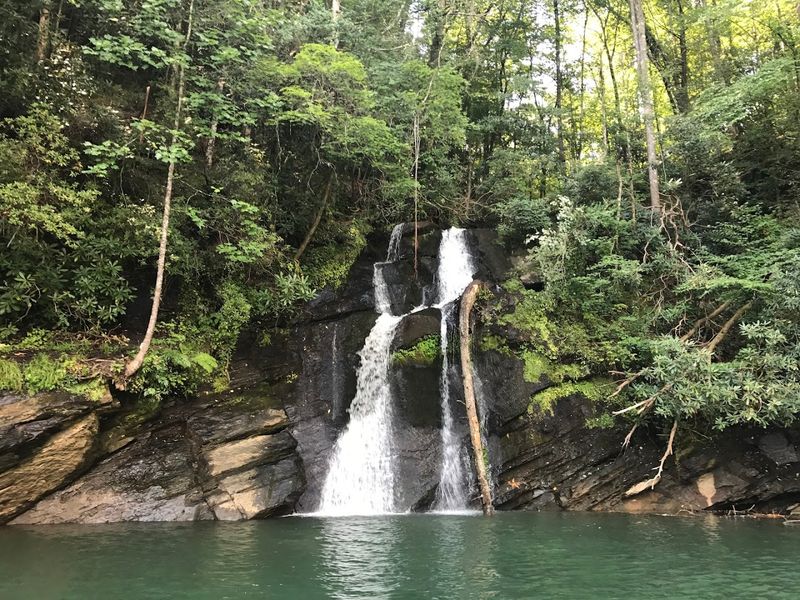
Running my hand across the rock faces here feels like touching deep time itself. The gorges expose metamorphic rocks that formed under immense heat and pressure, creating swirling patterns and color bands that geologists study to understand the region’s tumultuous past.
I’ve spotted formations where the rock seems to fold like fabric, frozen mid-motion by forces we can barely comprehend.
These ancient stones predate the Appalachian Mountains themselves, making them some of the oldest exposed rock on the East Coast. The way water has sculpted them over millennia creates natural artwork, with smooth pockets and sharp edges existing side by side.
I once spent an entire afternoon just examining a single cliff face, finding new details with each shift in light.
The geology here connects to larger mountain-building events that shaped the entire eastern seaboard, making this spot significant beyond its visual drama.
Trails That Challenge Even Experienced Hikers
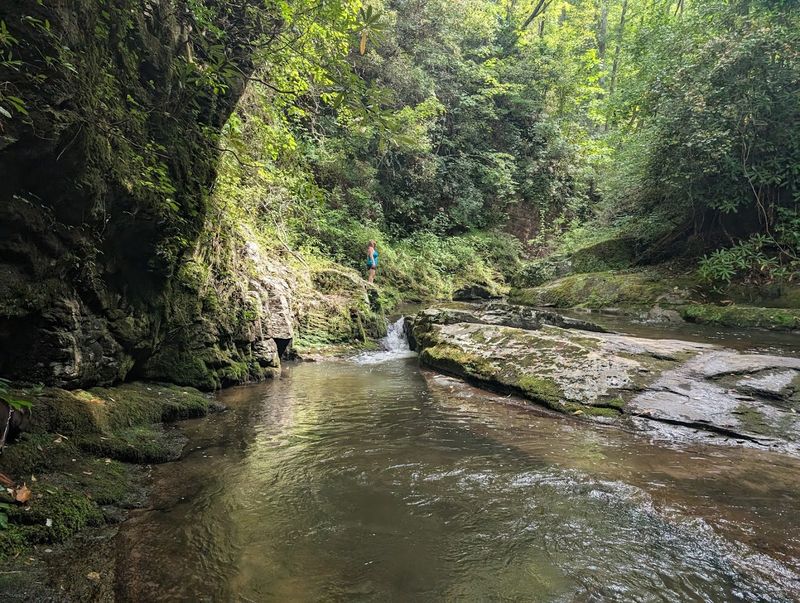
The trails cutting through Jocassee Gorges don’t apologize for their difficulty. I’ve tackled routes here that gain over 1,000 feet in elevation within a couple of miles, with sections so steep I found myself using my hands as much as my feet.
The terrain shifts constantly, from smooth forest paths to boulder fields that require careful navigation and strong ankles.
What makes these trails special isn’t just the physical challenge but the rewards waiting along the way. I’ve rounded switchbacks to discover sudden viewpoints overlooking the entire gorge system, with Lake Jocassee glittering in the distance.
The trails range from moderate day hikes to backcountry routes that take you deep into areas few people ever see.
Trail markers can be sparse in some sections, so I’ve learned to bring good maps and pay attention to landmarks, treating each hike as a genuine wilderness experience.
Wildlife Thrives In Remote Mountain Habitat
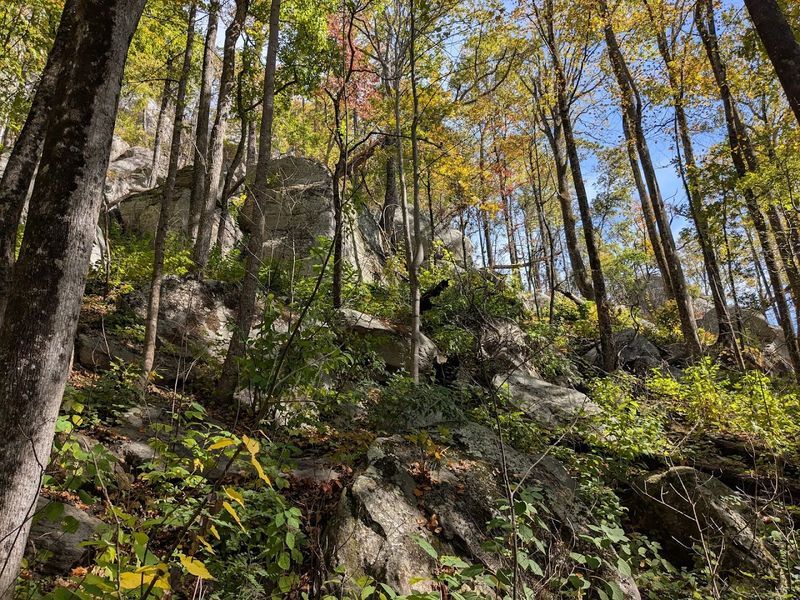
Wildlife encounters in Jocassee Gorges remind you that humans are visitors in a landscape that belongs to something wilder. I’ve spotted black bears foraging on hillsides, their dark shapes moving through the understory with surprising grace for their size.
White-tailed deer appear at dawn and dusk, and I once watched a family of wild turkeys cross a trail single-file like they owned the place.
Bird species here include rare finds that draw ornithologists from across the region, with warblers, vireos, and raptors all making use of the varied habitat. The remoteness and rugged terrain create perfect conditions for animals that need space away from human development.
I’ve learned to move quietly and watch carefully, knowing that most wildlife will detect me long before I spot them.
The ecosystem here represents one of the most biodiverse areas in the Southeast, with species that have adapted to these specific mountain conditions over thousands of years.
Four-Wheel-Drive Roads Create Adventure Routes
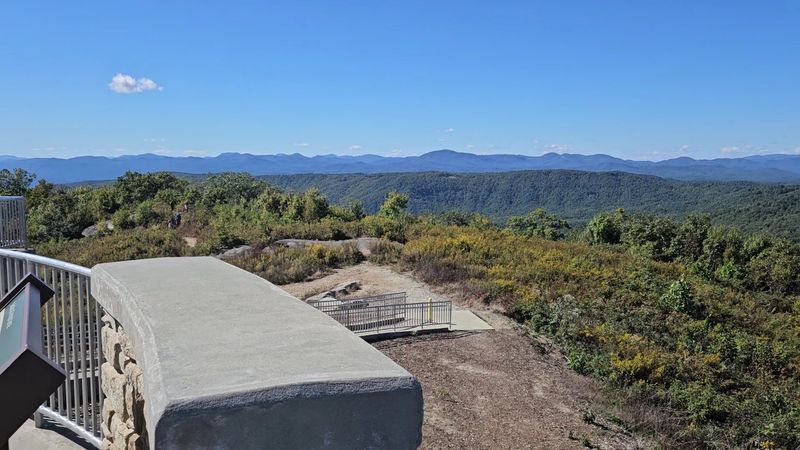
Driving the backcountry roads here feels like piloting a small ship through rocky seas. The main access routes require high clearance at minimum, with sections that made me grateful for four-wheel-drive and good ground clearance.
I’ve navigated washouts, loose gravel, and stream crossings that turn routine travel into genuine adventure, with stunning mountain views as the reward for mechanical bravery.
These roads open up the gorges to off-road enthusiasts who arrive with ATVs, dirt bikes, and modified trucks ready to tackle terrain that would stop a regular vehicle cold. I’ve passed through sections where the road clings to hillsides, offering views that make you forget about the bouncing and jostling.
The network of routes here creates options for multi-day overlanding trips, with primitive campsites scattered throughout the area.
Locals warn newcomers to check conditions before heading in, especially after heavy rain when some sections become temporarily impassable.
Crystal-Clear Mountain Streams For Fly Fishing
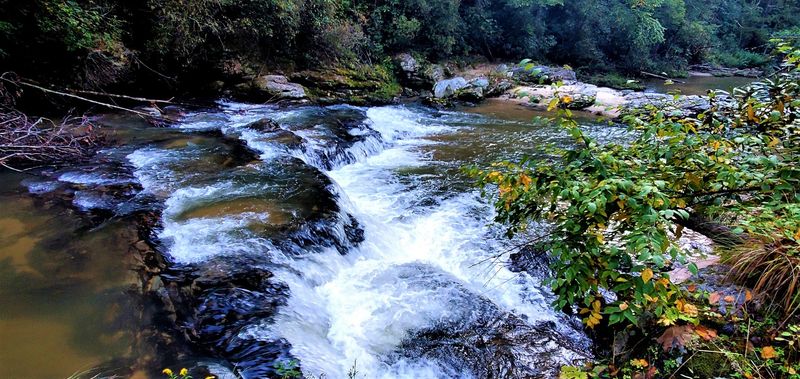
Fly fishing in Jocassee Gorges connects you to water that runs cold and pure straight from mountain springs. I’ve waded into streams where the clarity lets you watch trout holding in current, their bodies swaying in rhythm with the flow as they wait for insects to drift past.
The delayed harvest regulations in certain sections mean healthy populations of rainbow and brown trout that provide excellent sport fishing opportunities.
The technique required here leans toward precision rather than power, with tight casts under overhanging branches and careful presentations that don’t spook fish in the clear water. I’ve spent entire mornings working a single pool, reading the water and adjusting my approach based on how the trout respond.
The streams here flow through gorges and over bedrock shelves, creating pocket water and plunge pools that hold fish in predictable spots.
Local fly shops in nearby towns can provide current hatch information and recommend specific patterns that work best during different seasons.
Primitive Camping In True Backcountry Settings
Camping in Jocassee Gorges means leaving modern conveniences behind and embracing genuine wilderness experience. The primitive sites scattered throughout the area offer nothing but a flat spot to pitch your tent, with no water, no facilities, and no other campers within shouting distance.
I’ve set up camp on ridgetops where the only sounds after dark came from owls and the wind moving through the trees.
The lack of light pollution here creates night skies that rival anywhere in the eastern United States, with the Milky Way stretching overhead in a dense band of stars. I’ve learned to pack everything I need because the nearest store sits miles away down rough roads.
Morning coffee tastes different when you’ve filtered the water yourself from a nearby stream and boiled it over a camp stove.
The self-sufficiency required for camping here appeals to people who want to test their outdoor skills in an environment that demands respect and preparation.
Lake Jocassee Views From Mountain Overlooks
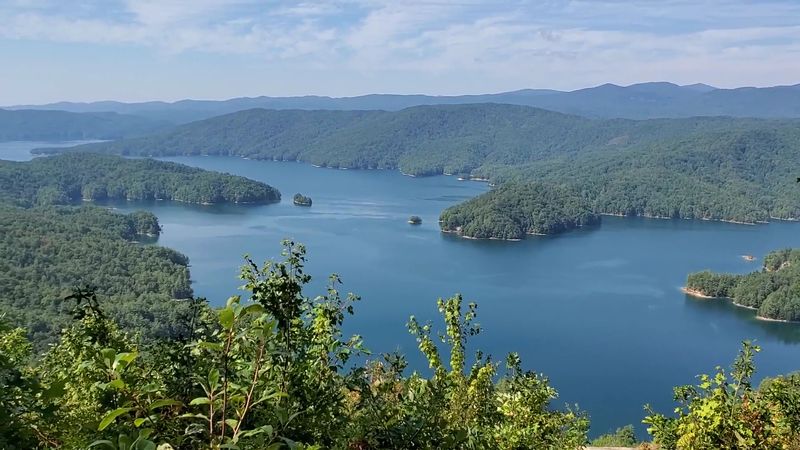
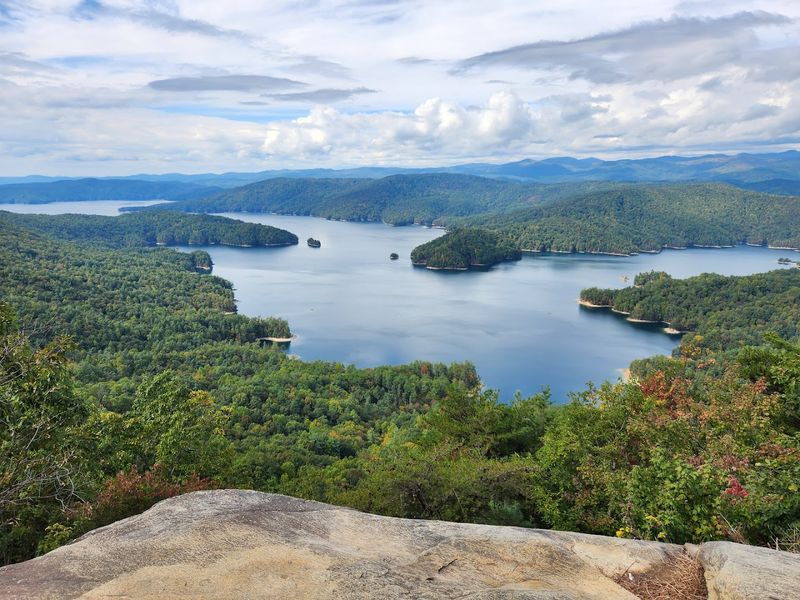
Looking down at Lake Jocassee from the gorge ridges creates moments that stop you mid-hike. The lake stretches out below in shades of blue and green that shift with the light and weather, its fingers reaching into mountain valleys that were once separate streams and hollows.
I’ve stood at overlooks where the elevation gain makes the boats on the water look like toys, their wakes creating tiny white lines across the surface.
The lake formed when Duke Energy dammed the Jocassee Valley in the 1970s, but the result blends so naturally with the surrounding mountains that it feels timeless. From above, you can trace the old valley systems now filled with water, imagining what the landscape looked like before the dam.
I’ve watched weather systems move across the lake from these vantage points, with rain curtains sweeping across the water while I stood in sunshine.
Photographers time their visits to catch the lake at its most photogenic, usually during the golden hours when the light turns everything warm.
Biodiversity Hotspot With Rare Plant Species
Botanists consider Jocassee Gorges one of the most important biodiversity areas in the Southeast, and walking these trails shows you why. I’ve spotted wildflowers here that exist nowhere else in South Carolina, their blooms adding splashes of color to the forest floor during spring and summer.
The elevation changes and varied microclimates create conditions that support plant communities ranging from southern hardwoods to species more typical of mountains farther north.
Rare species like Oconee bells bloom here in early spring, drawing plant enthusiasts who time their visits to catch these delicate flowers at their peak. The gorges protect populations of plants that have survived ice ages and climate shifts, making this area a living laboratory for understanding ecological resilience.
I’ve joined guided nature walks where experts pointed out species I would have walked right past, each one playing a specific role in the ecosystem.
Conservation efforts here balance public access with protection of these irreplaceable plant communities that make the gorges scientifically significant beyond their scenic beauty.