
This Scenic South Carolina Byway Delivers Mountain Views At Every Turn
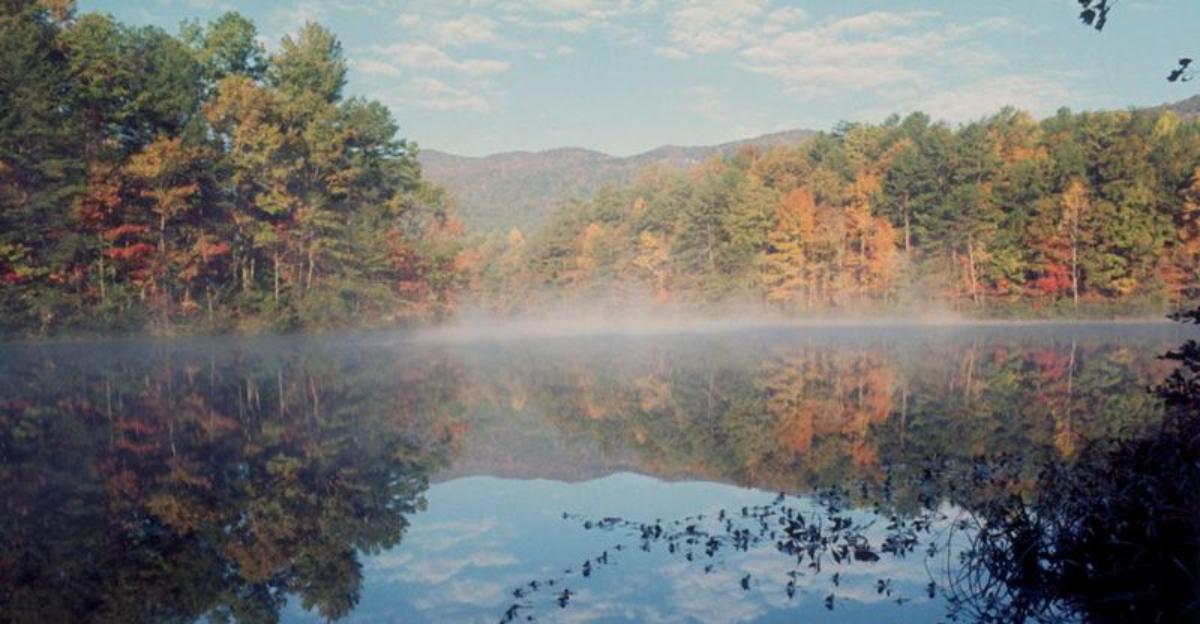
Some roads get you from one place to another. South Carolina’s Cherokee Foothills Scenic Highway makes you want to forget where you were going in the first place.
The moment the Blue Ridge Mountains appear on the horizon, the drive starts to feel different. Rolling pastures give way to mountain views.
Quiet country roads wind through landscapes that seem almost too perfect to be real.
Then another overlook appears.
And another.
And another.
Every few miles brings a new reason to slow down. Waterfalls hide just off the highway.
State parks sit around unexpected bends. Small towns appear beneath layers of blue ridgelines that stretch into the distance.
There is nothing flashy about SC-11. That is exactly why people love it.
The beauty unfolds gradually, one curve at a time, rewarding drivers who are willing to slow down and pay attention.
For road-trippers, photographers, and anyone craving a scenic escape, this South Carolina byway delivers the kind of views that make even the destination feel secondary.
Blue Ridge Foothills Frame Every Mile
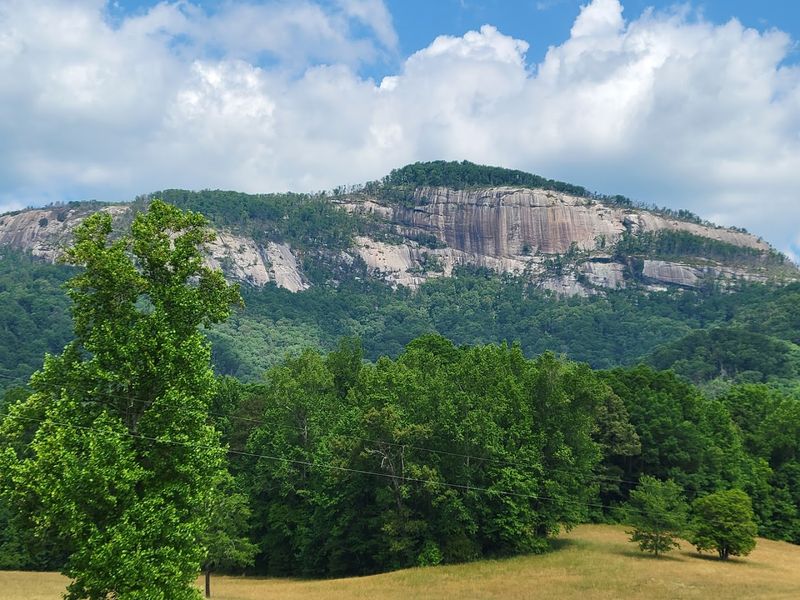
Driving SC-11 means sharing the road with the southern end of the Blue Ridge Mountains, where elevation climbs just enough to shift the air and sharpen the skyline. The foothills roll alongside you like a slow-motion wave, covered in hardwood forest that turns gold and crimson come October.
I have watched the ridges change color with the seasons, each visit offering a new palette. Spring brings dogwood blooms tucked into the tree line, while summer deepens the green until it almost hums.
Winter strips the leaves and reveals the bones of the landscape, all rock and shadow and quiet.
What strikes me most is how the mountains never overwhelm the view; they frame it instead, sitting just far enough back to let the valleys breathe. You do not need binoculars or a hiking permit to appreciate this scenery.
It unfolds right outside your windshield, mile after unhurried mile, proving that some of the best mountain views in the Southeast do not require leaving the asphalt.
Eleven State Parks Anchor the Route
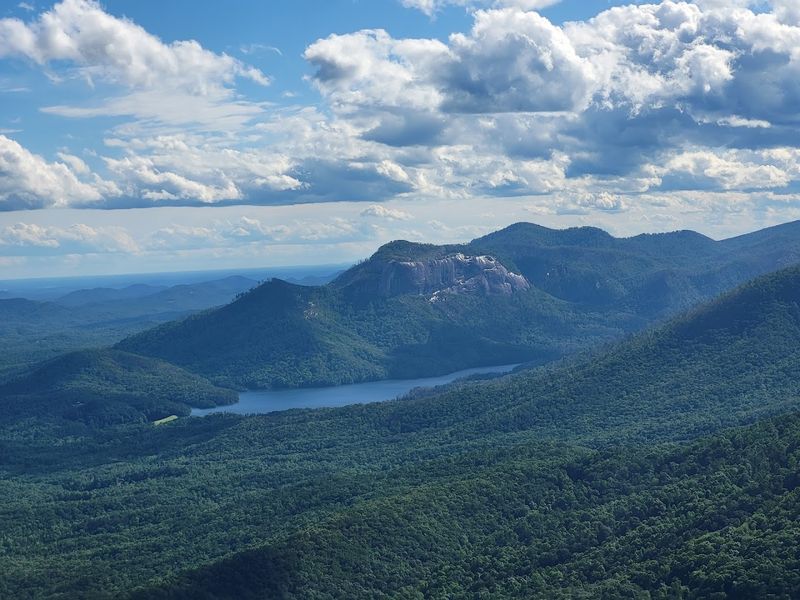
SC-11 threads through eleven state parks, each one offering a different slice of Upstate wilderness. I have stopped at Caesars Head for the overlook that drops 400 feet straight down, at Table Rock for trails that test your calves, and at Devils Fork just to stand at the edge of Lake Jocassee and wonder how water can look that blue.
These parks are not afterthoughts; they are the main event, spaced out like rest stops designed by nature itself. Some feature waterfalls you can hear before you see them, while others offer quiet lakeside picnic spots where the only soundtrack is wind through pine needles.
What I appreciate most is the variety. You can hike, fish, camp, or simply pull into a parking lot and stretch your legs beside a mountain stream.
The parks give the highway purpose beyond the drive itself, turning a scenic byway into a choose-your-own-adventure story written in trailheads and overlooks.
Table Rock Looms Over the Landscape
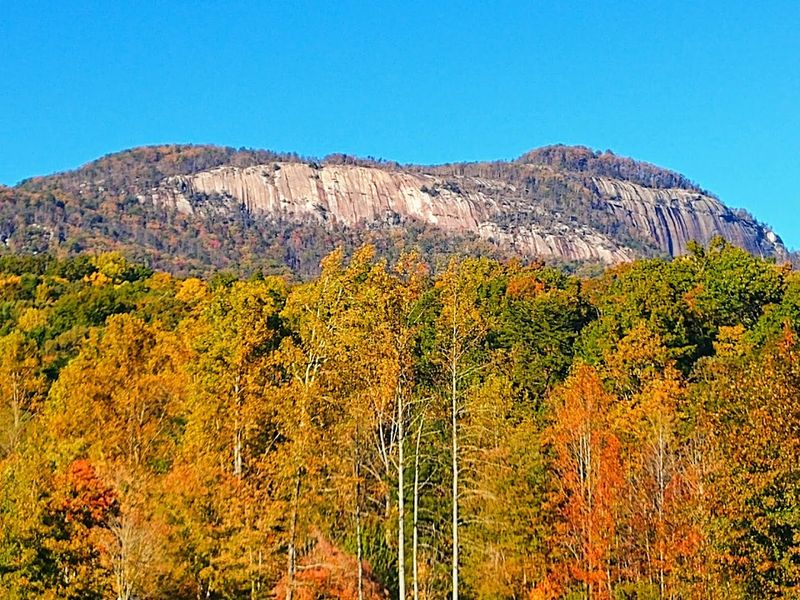
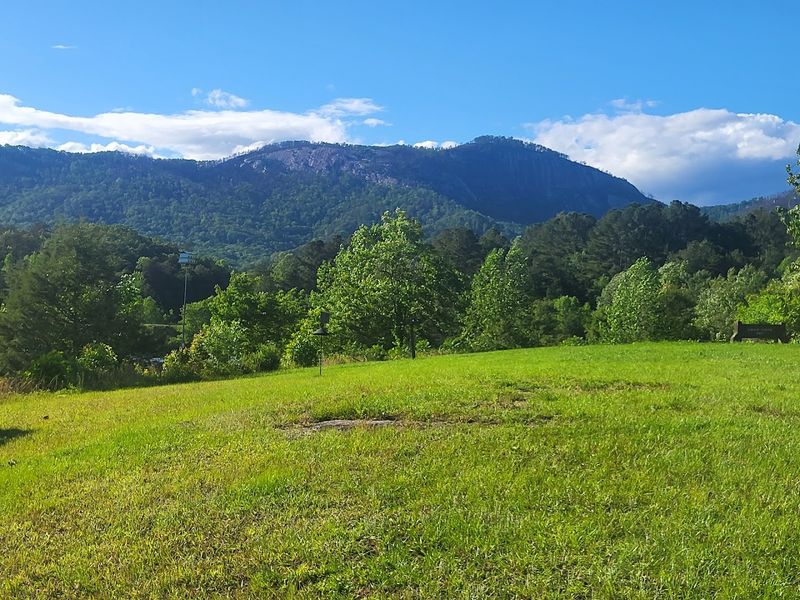
Table Rock State Park sits about midway along the route, and its namesake mountain dominates the western horizon like a natural monument. The flat-topped peak rises 3,124 feet, and I have yet to drive past without glancing up to check if clouds are hiding the summit.
The mountain earned its name honestly; from certain angles, it looks like someone sliced the top clean off with a level. Trails lead to the summit if you are up for a steep climb, but even from the parking lot, the view delivers.
I have watched sunrise light creep down its granite face, turning gray stone pink for a few perfect minutes.
What makes Table Rock special is how it anchors your sense of place. When you see that flat profile, you know exactly where you are on SC-11.
It becomes a landmark, a compass point, and a reminder that some mountains do not need to be the tallest to be the most memorable.
Waterfalls Hide Just Off the Pavement
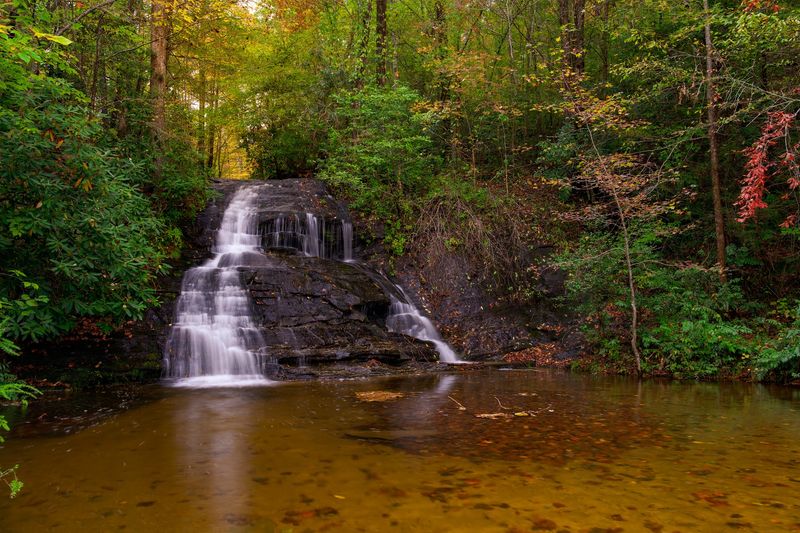
Pull off at the right spot, walk a quarter mile down a pine-needle path, and you will find waterfalls that sound like applause echoing off wet rock. Raven Cliff Falls, Brasstown Falls, Twin Falls—each one sits close enough to SC-11 that you can hear rushing water from the parking area.
I have learned to pack a light jacket even in summer because the spray near these falls can soak you in seconds. The trails leading to them are short, often less than a mile, but they transport you into a world of ferns, moss-covered boulders, and the kind of humidity that makes your camera lens fog up.
Some falls drop in a single plunge, while others cascade in steps, each tier offering a different vantage point.
What surprises me every time is how accessible these natural features are. You do not need technical gear or a guide, just decent shoes and a willingness to follow the sound of water downhill.
Small Towns Offer Unhurried Stops
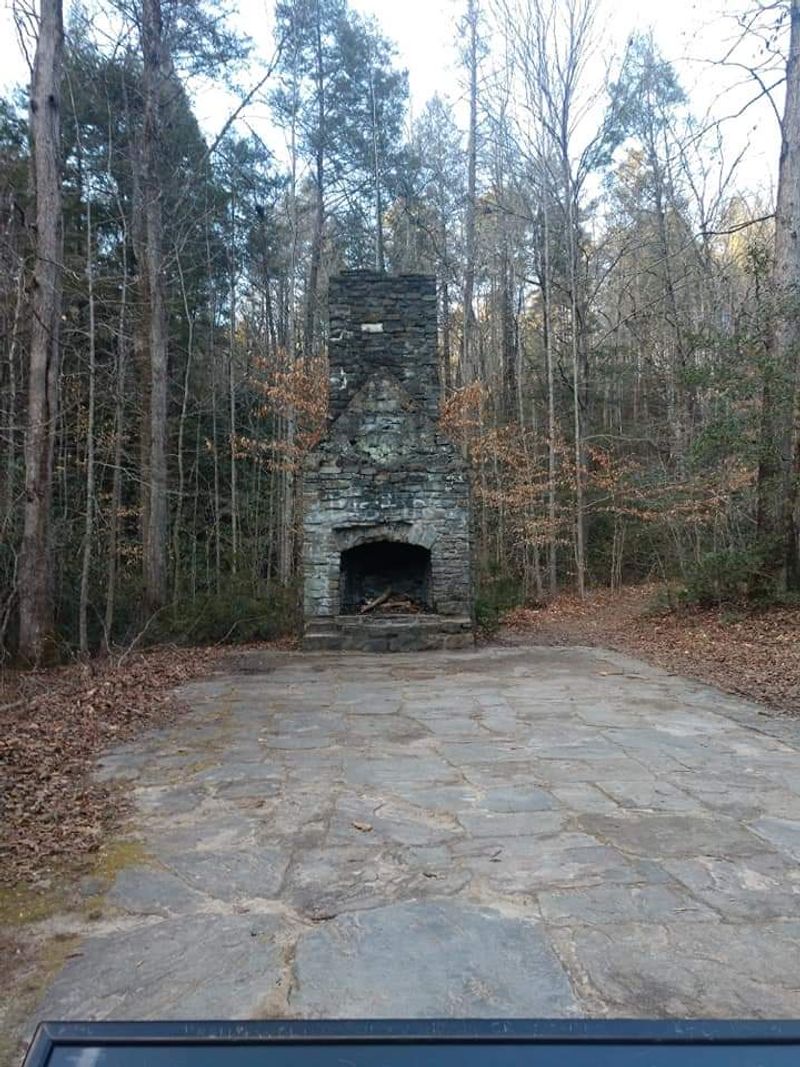
Towns like Pickens, Cleveland, and Salem appear along SC-11 like punctuation marks, each one small enough to cross in a few blocks but worth the detour. I have grabbed lunch at diners where the menu has not changed in decades, browsed antique shops that smell like old wood and newsprint, and chatted with locals who still measure distance in landmarks instead of mile markers.
These towns do not try to be tourist destinations; they just exist, steady and unhurried, serving the people who live here year-round. You will find hardware stores next to barbecue joints, churches with hand-painted signs, and sidewalks that empty out by mid-afternoon.
The pace feels deliberate, as if everyone agreed long ago that rushing was optional.
What I value most about these stops is the reminder that scenic highways are not just about views; they are about the people who call these mountains home. Stopping in a small town turns a drive into a conversation.
Peach Orchards Line the Lower Elevations
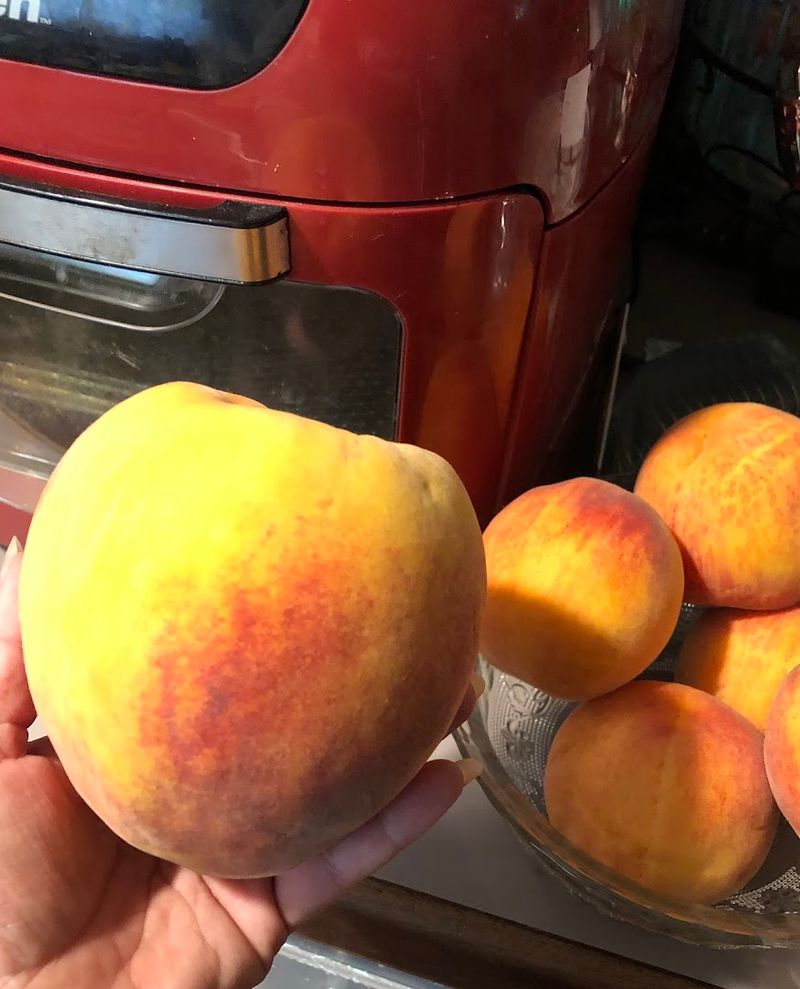
Drop below 1,500 feet on SC-11 and the landscape shifts from forest to farmland, where peach orchards stretch out in tidy rows that seem to go on forever. I have driven this section in late spring when the trees bloom pink and white, turning entire hillsides into pastel canvases.
By midsummer, the fruit weighs down the branches, and roadside stands pop up selling peaches so ripe they bruise if you look at them too hard. I have stopped at these stands more times than I care to admit, walking away with a paper bag that does not survive the drive home.
The orchards remind you that South Carolina’s peach reputation is not just marketing; it is geography and climate working together to grow fruit that tastes like sunshine.
What strikes me is the contrast: one minute you are surrounded by mountain views, the next you are cruising past orchards that could belong to the Piedmont. SC-11 does not pick a single landscape; it samples them all.
Overlooks Invite Spontaneous Pauses
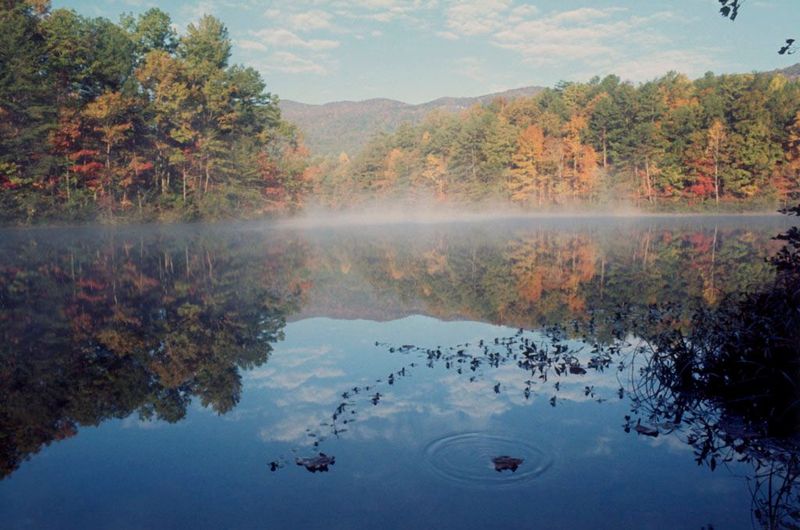
SC-11 scatters overlooks along its length like invitations you cannot refuse. Some are marked with signs and paved parking, while others are just wide spots in the shoulder where someone decided the view was too good to drive past.
I have pulled into these overlooks at dawn, at dusk, and in the middle of random Tuesday afternoons, and the experience never feels the same twice. Morning fog fills the valleys like spilled milk, while late-day sun turns the ridges into layers of purple and gold.
A few overlooks include interpretive signs that explain what you are looking at, but most just offer space to stand and stare.
What I love is the lack of pressure. There are no tickets, no tour guides, no suggested donation boxes.
You stop when the view grabs you, stay as long as you want, and leave when you are ready. It is road-tripping at its most democratic: the scenery belongs to anyone willing to slow down.
Fall Colors Peak in Mid-October
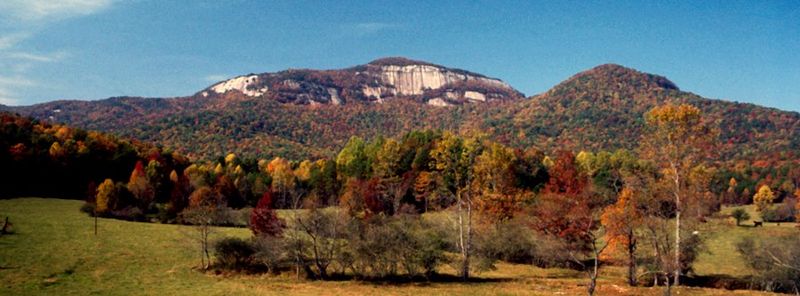
If you time your visit right, SC-11 in October becomes a 112-mile tunnel of color. Maples, oaks, and hickories compete for attention, each species contributing its own shade to a palette that shifts from yellow to orange to deep crimson.
I have chased fall foliage in Vermont and North Carolina, but the Upstate holds its own, especially along the higher elevations near Caesars Head and Table Rock. The colors seem to glow from the inside, lit by afternoon sun filtering through the canopy.
Some years the peak arrives early, other years it lingers into November, but mid-October usually hits the sweet spot.
What makes this drive special during leaf season is the variety. You are not just looking at trees; you are watching entire mountainsides transform, with valleys staying green a little longer while the ridgetops turn first.
The overlooks that feel pleasant in summer become absolutely essential in fall, each one offering a new angle on the same spectacular show.
Trout Streams Cross Under the Road
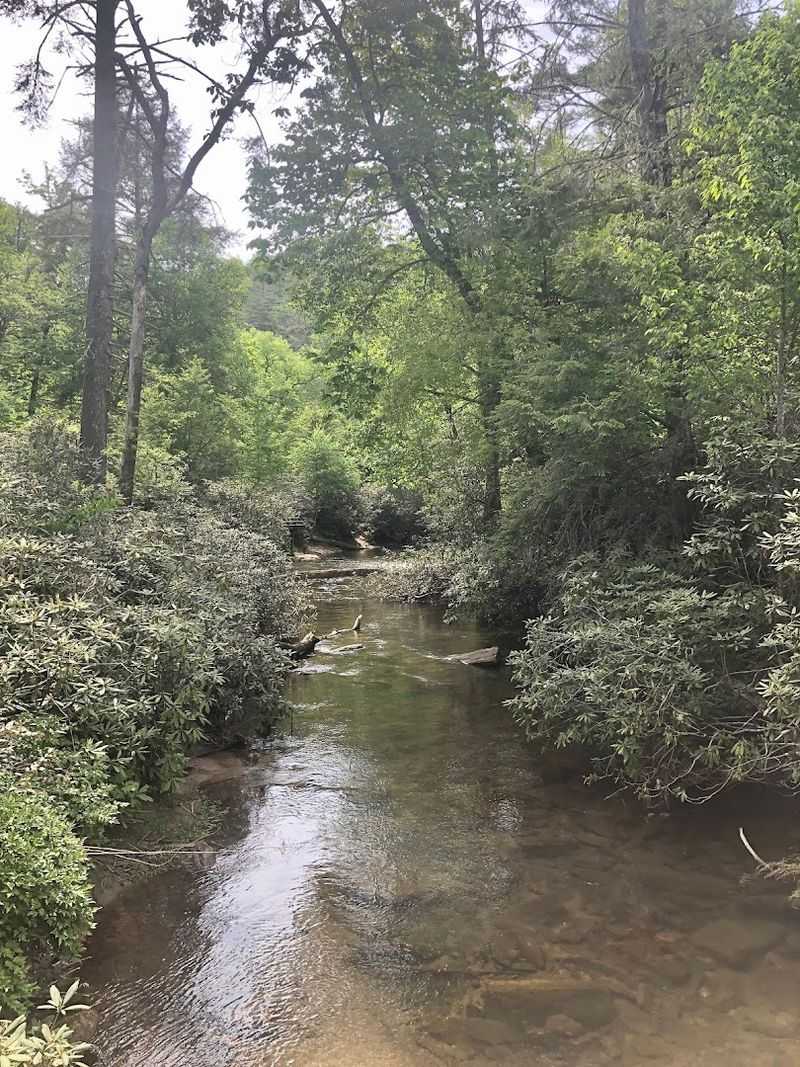
Cold, clear streams tumble down from the mountains and cross under SC-11 in a dozen places, most of them holding trout that locals guard like state secrets. I have seen anglers wading knee-deep in water so transparent you can count rocks on the bottom, casting flies toward shaded pools where brown trout wait in the current.
The streams have names like Eastatoe Creek and Toxaway River, and they feed into larger waterways that eventually find their way to the Atlantic. Some crossings are marked with fishing access signs, while others require local knowledge and a willingness to scramble down a bank.
The water stays cold year-round, fed by mountain springs that never warm up, even in August.
What I appreciate is how these streams add another layer to the drive. They remind you that the landscape is not just visual; it is alive, moving, and full of ecosystems that thrive whether anyone is watching or not.
Two-Lane Freedom Beats Interstate Efficiency
SC-11 runs parallel to I-85 for much of its length, and the contrast could not be sharper. The interstate gets you there faster; the scenic highway gets you there better.
I have driven both routes more times than I can count, and I choose SC-11 whenever time allows.
The two-lane road curves with the land instead of bulldozing through it, following ridgelines and creek beds in a way that feels cooperative rather than confrontational. Speed limits hover around 45 to 55 mph, which sounds slow until you realize that rushing would mean missing half the reason you came.
There are no billboards, no chain restaurants visible from the road, and no sense that you are just another vehicle in a stream of anonymous traffic.
What SC-11 offers is control over your own experience. You can stop, turn around, take a side road, or pull into a state park without fighting six lanes of impatient drivers.
It is the difference between transportation and exploration.