
The South Carolina Tradition That Keeps Spirits Away From The Porch
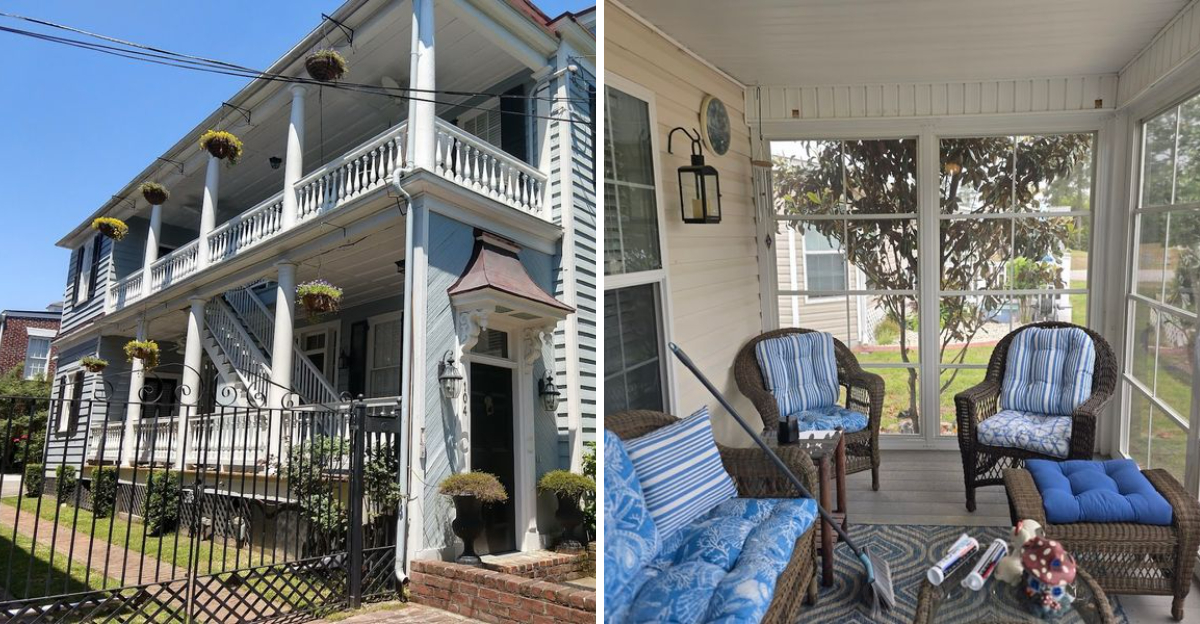
At first glance, it just looks like paint.
Then you start noticing it everywhere.
Across South Carolina, porch ceilings glow in soft shades of blue. Some are pale and airy.
Others resemble the color of a clear summer sky. Once you spot the pattern, it becomes impossible to ignore.
The tradition stretches back generations and remains one of the South’s most fascinating architectural quirks. Ask a local why those ceilings are blue, and chances are you’ll hear more than one answer.
Some say the color was believed to keep spirits away. Others insist it helped discourage insects from nesting overhead.
Many families continue the tradition simply because it feels like home.
Whatever the reason, the practice has become woven into the identity of South Carolina’s historic neighborhoods. It is part folklore, part history, and part Southern charm.
Few design choices carry so much story in a single coat of paint, which helps explain why these blue porch ceilings continue to capture attention century after century.
The Gullah Geechee Origins
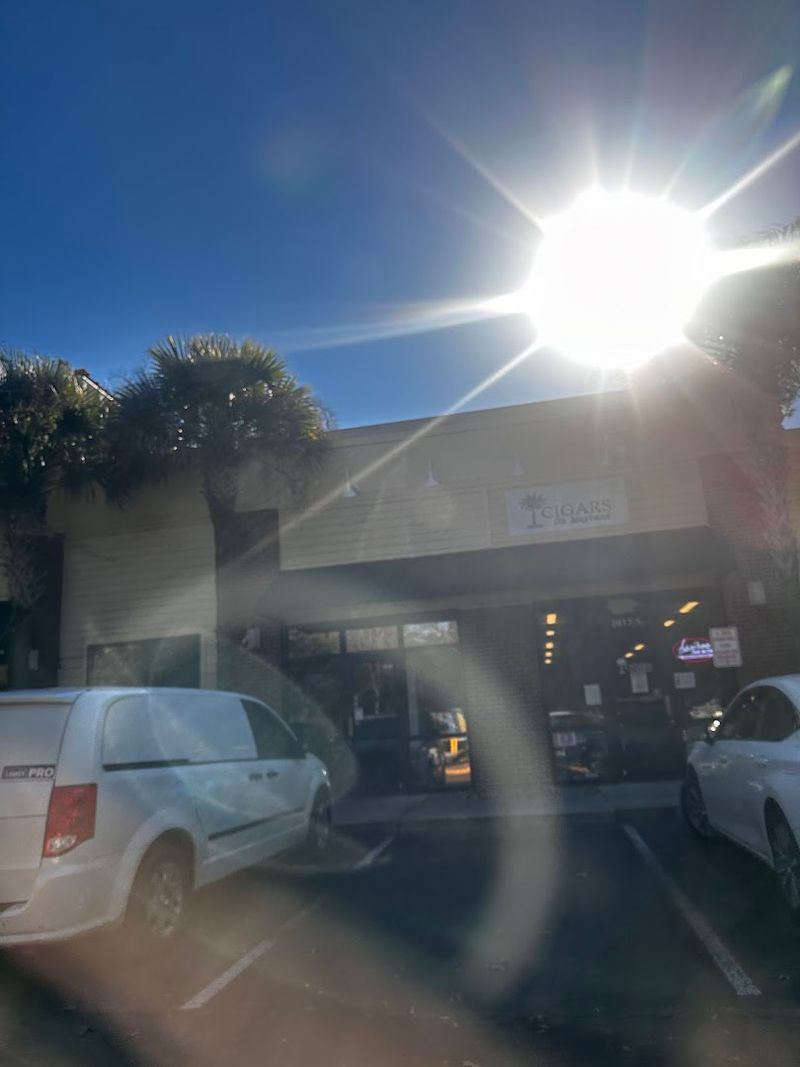
Gullah Geechee communities along the South Carolina coast brought this tradition across the Atlantic centuries ago. Descendants of enslaved West Africans preserved their cultural practices through paint and prayer, creating a shield against malevolent spirits they called “haints.”
Water held sacred meaning in their spiritual traditions, and these restless spirits supposedly could not cross it. The blue color mimicked water or sky, tricking haints into thinking they had reached an impassable barrier.
Coastal communities from Charleston to Beaufort still honor this practice today. The tradition spread inland as families moved and shared their customs with neighbors of all backgrounds.
Modern homeowners often choose haint blue without knowing its full history. Yet every brushstroke connects them to resilient ancestors who transformed fear into beautiful, lasting protection.
The color became more than superstition, evolving into a proud cultural marker that celebrates Gullah Geechee heritage throughout the Lowcountry.
The Chemistry Behind The Color
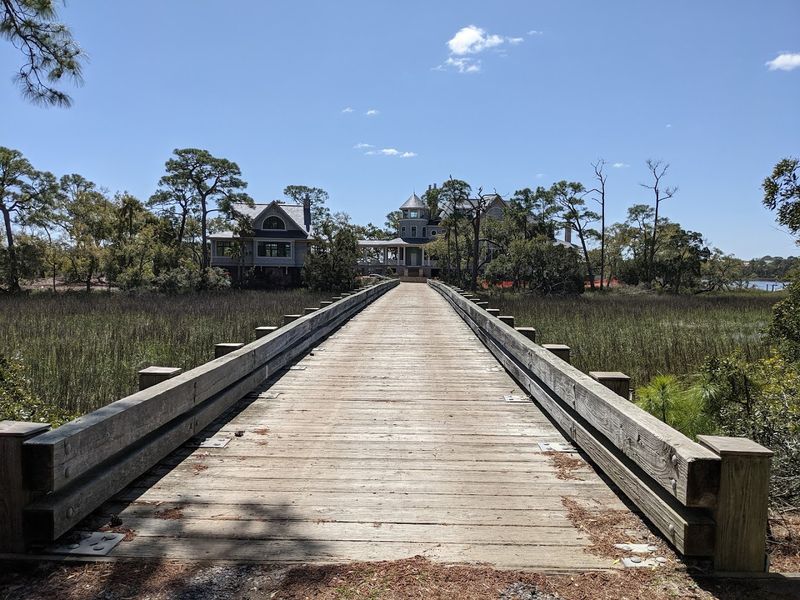
Original haint blue recipes contained more than just pigment and good intentions. Milk paint mixed with lime created the distinctive blue-green shade that became standard across Southern porches.
Lime acted as a natural insect repellent, keeping wasps and other pests from building nests overhead. Homeowners got spiritual protection and practical pest control in one affordable solution.
The blue copper sulfate sometimes added to the mix enhanced both color and insect-deterring properties. Spiders particularly disliked the chemical composition, making porches more pleasant gathering spaces.
Before modern paint formulations, families mixed their own batches using whatever blue pigments they could access. This created slight variations in shade from house to house, though the underlying hue remained consistent.
Today’s haint blue paints skip the lime but replicate that soft, ethereal color perfectly. Paint companies now offer dozens of “porch ceiling blue” options, though purists argue only certain shades carry authentic protective power.
Architectural Cooling Benefits
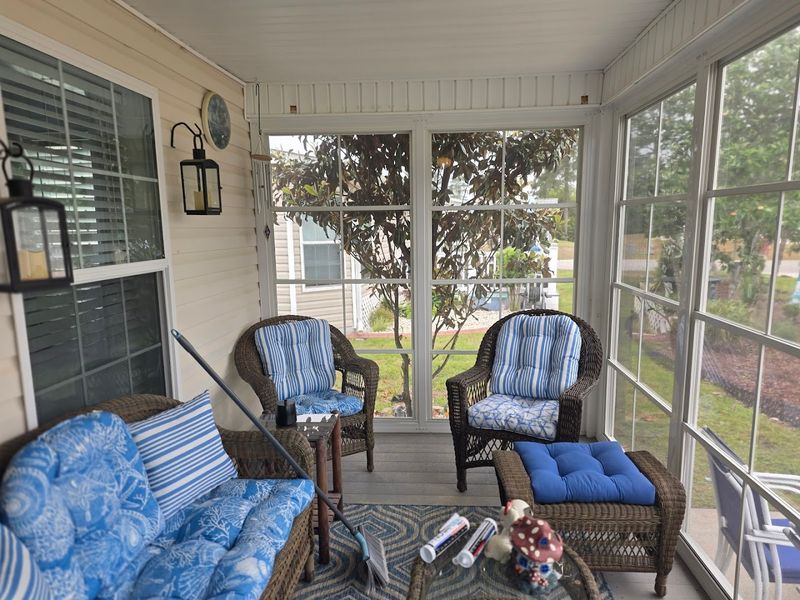
Beyond folklore, haint blue delivers measurable temperature benefits that Southerners have appreciated for generations. Light blue reflects sunlight differently than white or darker colors, creating a cooler environment underneath.
The specific wavelength of blue light bounces heat away rather than absorbing it. Sitting on a porch beneath a blue ceiling feels noticeably more comfortable during brutal summer afternoons.
This cooling effect matters tremendously in South Carolina’s humid climate where porches serve as outdoor living rooms. Families spend countless hours in these shaded spaces, and every degree of temperature reduction counts.
The blue also creates the illusion of open sky, making covered porches feel more spacious and airy. Psychological comfort combines with physical cooling to enhance the overall experience.
Modern energy studies confirm what generations knew instinctively about strategic color choices. The tradition persists partly because it genuinely works, delivering comfort along with its supernatural promises.
Regional Shade Variations
Charleston’s haint blue looks slightly different from the version you might find in Beaufort or Columbia. Regional preferences developed based on available pigments, local traditions, and individual family recipes passed down through generations.
Coastal areas tend toward lighter, more turquoise shades that echo the nearby ocean. Inland communities sometimes prefer deeper, more saturated blues with stronger green undertones.
Some families guard their specific haint blue formula like a treasured recipe. They mix custom colors that match their grandmother’s porch exactly, maintaining continuity across decades.
Paint manufacturers now offer names like “Waterscape,” “Rainwashed,” and “Sea Salt” to capture these subtle differences. Hardware stores in South Carolina stock entire displays dedicated to porch ceiling blues.
The lack of standardization actually strengthens the tradition rather than weakening it. Each slightly different shade tells a story about the family who chose it and the community they belong to.
The Wasp Deterrent Theory
Wasps apparently mistake haint blue for sky and refuse to build nests on surfaces painted that color. Generations of homeowners swear by this effect, claiming they never find paper nests on blue-painted surfaces.
Scientific evidence remains mixed, though anecdotal support runs strong throughout the South. Some entomologists suggest the lime in traditional paint formulas deserves credit rather than the color itself.
Modern haint blue paints without lime still seem to discourage wasp activity according to many homeowners. Perhaps the insects genuinely avoid the color, or perhaps people simply notice nests more readily against white or natural wood.
The practical benefit matters more than the mechanism to most folks. Whether through chemistry, color, or coincidence, blue porch ceilings correlate with fewer stinging insects overhead.
This dual-purpose protection against both spirits and wasps makes haint blue doubly appealing. You might not believe in haints, but you definitely want to avoid wasp nests during summer gatherings.
Historic Preservation Standards
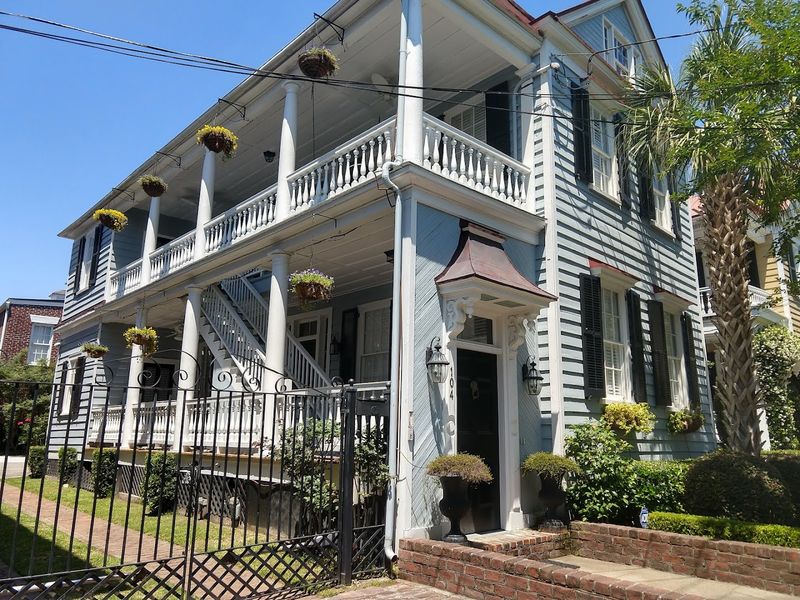
Historic districts across South Carolina take porch ceiling colors seriously when approving renovation projects. Preservation boards often require homeowners to use historically accurate haint blue shades rather than modern alternatives.
Charleston’s Board of Architectural Review maintains specific color guidelines for homes in historic neighborhoods. These standards help maintain the visual cohesion that makes these areas so distinctive and valuable.
Paint analysis of historic homes reveals the exact pigments used in earlier centuries. Preservationists can now recreate authentic colors using modern, more durable formulations that match original appearances.
Some homeowners initially resist the blue ceiling requirement, preferring white or natural wood. After living with haint blue for a season, most come to appreciate both its appearance and practical benefits.
The preservation movement has actually strengthened the tradition by documenting and protecting it. What might have faded away as old-fashioned instead gained recognition as culturally significant architectural heritage worth maintaining.
Modern Interior Design Trends
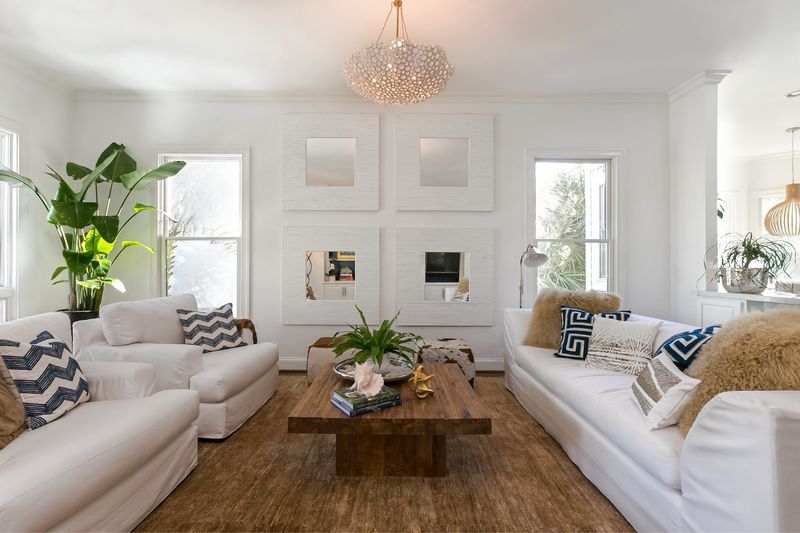
Interior designers now bring haint blue inside, applying the traditional porch color to bedroom ceilings, bathrooms, and kitchen nooks. The calming shade works beautifully in spaces where you want to create tranquility and visual interest overhead.
Southern Living and other design publications regularly feature haint blue in room makeovers. The color bridges traditional and contemporary aesthetics, feeling both fresh and rooted in history.
Nurseries particularly benefit from soft blue ceilings that soothe babies and create a dreamy atmosphere. Parents appreciate connecting their children to regional traditions while designing peaceful sleep environments.
The trend extends beyond South Carolina as people across the country adopt this distinctly Southern touch. Home improvement shows spread the practice nationwide, though purists argue it belongs specifically on Southern porches.
Paint companies report steady increases in haint blue sales for interior applications. What started as spirit protection on exterior porches now enhances interior spaces with its gentle, timeless appeal.
Tourism And Cultural Identity
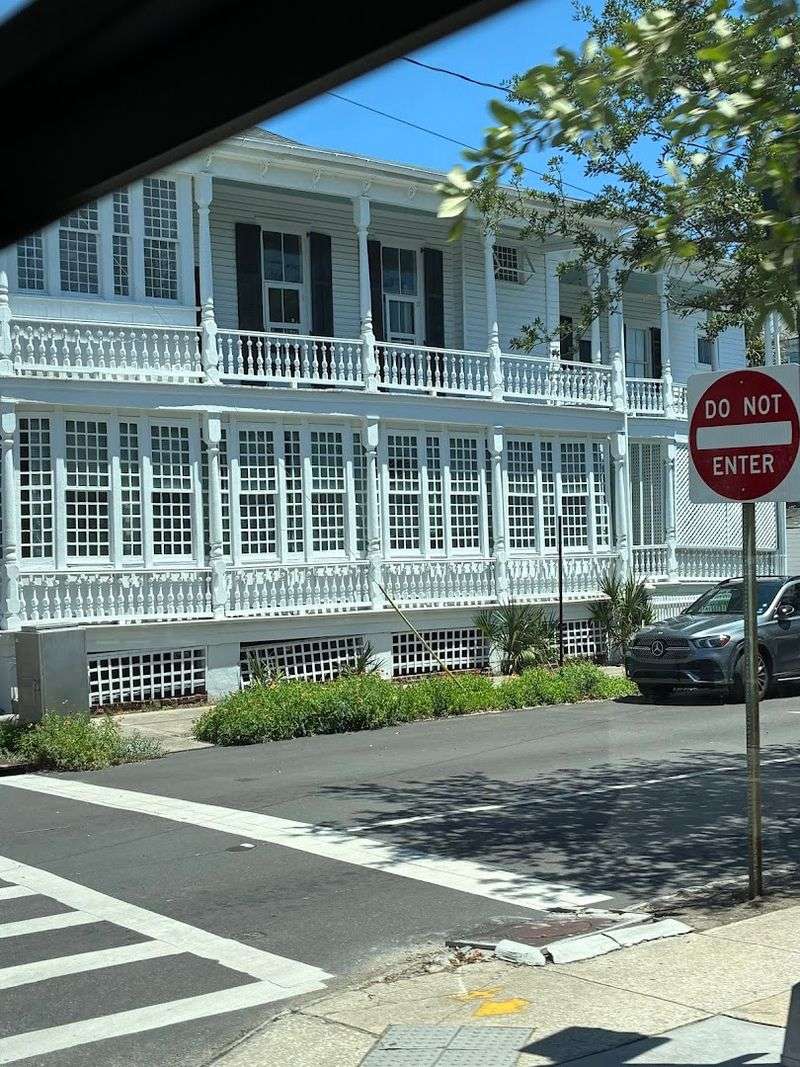
Tour guides in Charleston, Savannah, and Beaufort always point out haint blue ceilings while sharing the folklore behind them. Visitors love the blend of supernatural storytelling and practical architecture that defines Southern culture.
The tradition has become a recognizable symbol of Lowcountry identity, appearing in tourism marketing materials and travel articles. Photographers seek out the perfect blue porch ceiling shot to capture authentic Southern atmosphere.
Gift shops sell haint blue paint samples, ornaments, and artwork celebrating the tradition. Tourists take home small containers of the distinctive color as souvenirs of their Southern experience.
Social media amplified interest as visitors share porch ceiling photos with captions about spirit protection. These posts introduce the tradition to new audiences and spark curiosity about Gullah Geechee culture.
Local economies benefit as the tradition draws heritage tourists interested in authentic cultural experiences. Haint blue represents the kind of distinctive regional practice that makes destinations memorable and worth revisiting.
DIY Application Tips
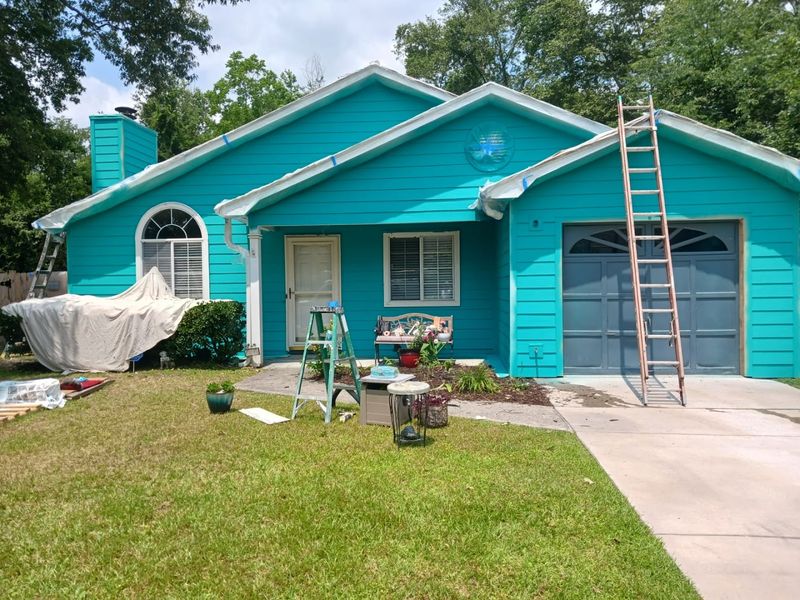
Painting a porch ceiling requires specific techniques to achieve that perfect haint blue finish. Start with proper surface preparation, cleaning away dirt, cobwebs, and any loose paint from previous applications.
Use a high-quality exterior paint formulated for porch ceilings rather than standard wall paint. These products resist moisture, mildew, and temperature fluctuations better than interior formulas.
Apply paint with a roller on an extension pole to avoid neck strain from overhead work. Work in sections, maintaining a wet edge to prevent visible lap marks in the finished surface.
Two coats typically provide the best coverage and color saturation. Allow proper drying time between coats, especially in humid South Carolina weather that slows the curing process.
Consider the existing light conditions when selecting your specific shade of haint blue. Colors appear different under a porch roof than on a paint chip in bright sunlight, so test samples before committing.
Contemporary Architectural Applications
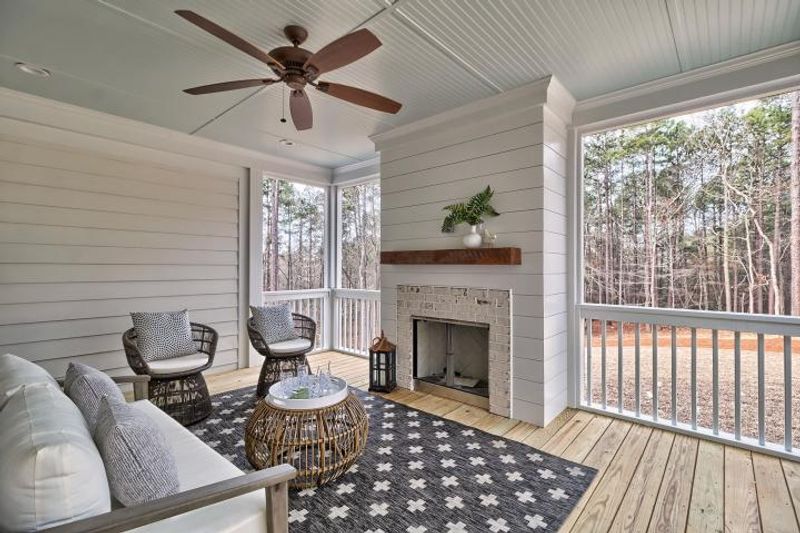
Architects designing new homes in South Carolina frequently incorporate haint blue ceilings into contemporary plans. The traditional element grounds modern designs in regional context and cultural continuity.
Coastal developments particularly embrace the practice, using haint blue to connect new construction with historic Lowcountry aesthetics. Homebuyers specifically request the feature, viewing it as an essential Southern architectural element.
The color appears on screened porches, covered patios, and outdoor living spaces of all styles. Even minimalist modern homes adopt the tradition, proving its versatility across architectural vocabularies.
Commercial buildings including restaurants, shops, and hotels use haint blue to establish Southern authenticity and charm. The instant recognition factor helps businesses communicate their regional character to customers.
Landscape architects coordinate outdoor structures like pergolas and gazebos with haint blue accents. The tradition evolves while maintaining its essential connection to protection, comfort, and cultural identity that has sustained it for generations.