
This Charming Small Town In Arizona Is One Of The Southwest’s Best-Kept Gems
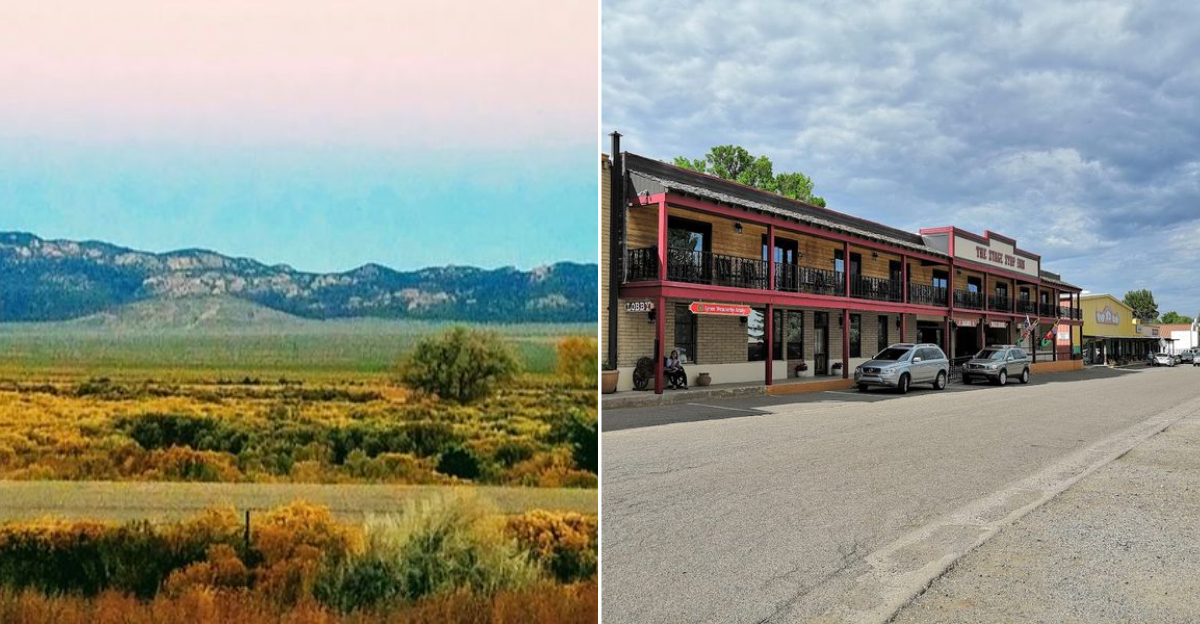
Sunset painted the desert in shades of amber and magenta, and I pulled off the road to catch the moment before night took over. The air was cool, and Arizona, the desert’s storyteller, whispered lullabies of sand dunes and cacti beneath a sky that seemed to glitter with infinite possibilities.
I followed an inviting glow from a lantern‑lit porch where locals shared folk tales over fresh lemonade, their laughter echoing through the quiet streets.
A small garden courtyard burst with vibrant wildflowers, and a wandering musician strummed a soft melody that seemed to blend with the distant hoot of an owl. Each step felt like unwrapping a hidden gift, and I couldn’t help but smile at the unexpected magic of this charming small town.
The streets feel unhurried, the air smells like pine and grassland, and the locals greet strangers like old friends passing through.
This little town packs an extraordinary amount of soul into just a few square miles. Stick around, because what Patagonia has to offer will genuinely surprise you.
A Living Time Capsule Of The American Old West
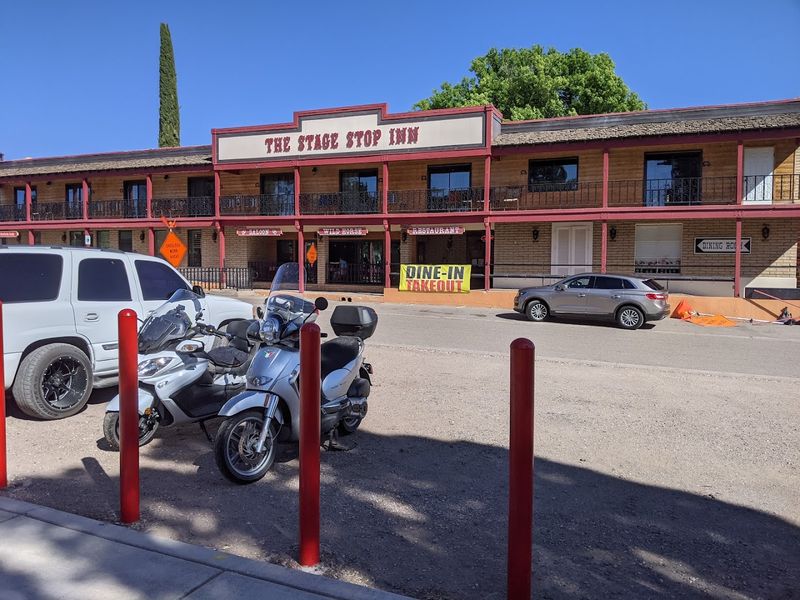
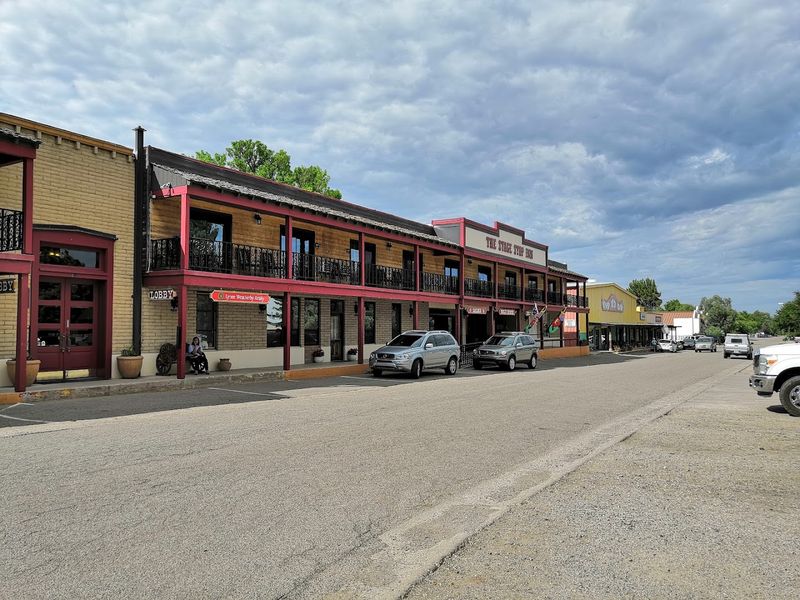
The main street feels like stepping into a photograph from a century ago. The storefronts have been carefully restored to reflect their original character, giving the whole town the feel of a living museum rather than a staged tourist attraction.
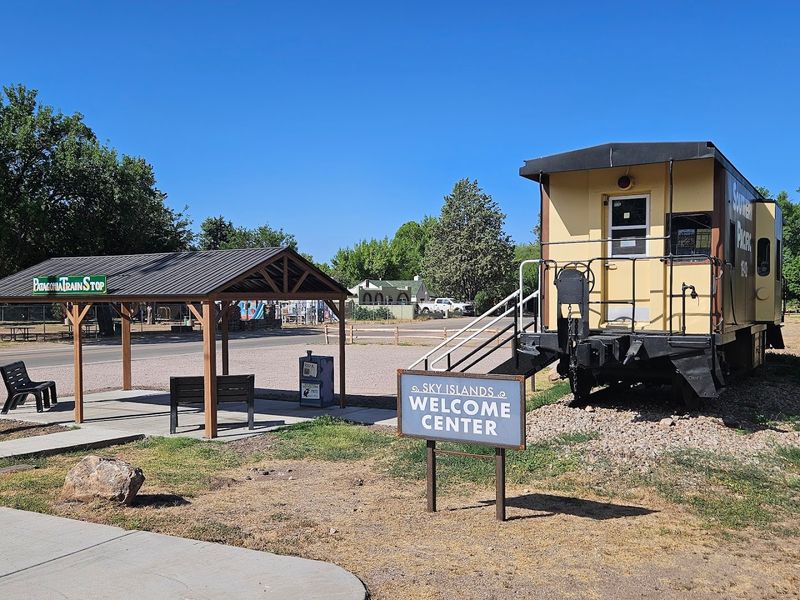
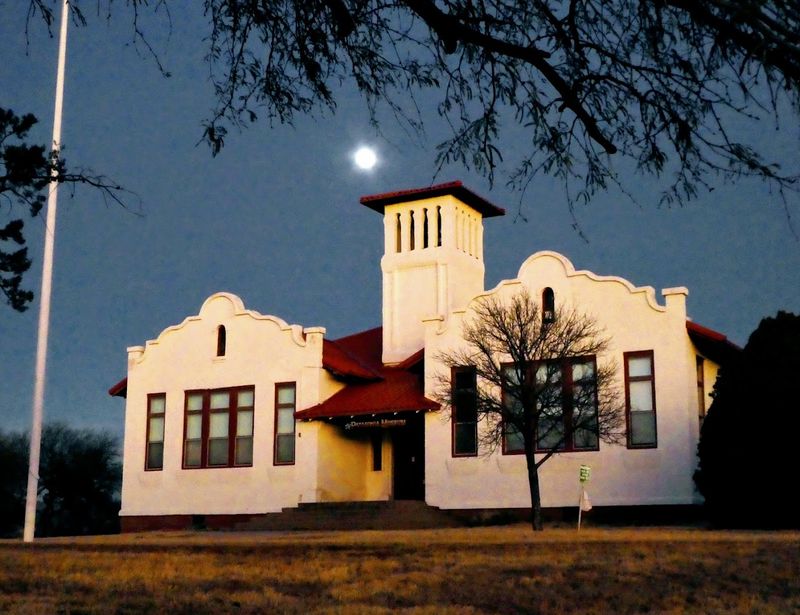
Even the municipal offices operate out of the old train station built in the early 1900s. The Patagonia Museum, housed in a 1914 schoolhouse, preserves the town’s rich history of ranching, silver mining, and railroading.
I spent a solid hour inside reading about the New Mexico and Arizona Railroad, which connected this valley to Mexico back in 1882 and transformed the local economy almost overnight.
What makes this place feel genuinely authentic is that people actually live and work here among the history. Nothing feels staged or overly polished.
The past and the present share the same sidewalk in Patagonia, and that rare quality is something you just cannot manufacture anywhere else.
The Sky Islands Setting That Makes Everything Look Magical
Sitting at over 4,000 feet between the Santa Rita Mountains and the Patagonia Mountains, the town occupies one of the most visually striking positions in the entire Southwest.
The Sky Islands region is a geological wonder where isolated mountain ranges rise dramatically from surrounding desert grasslands, creating entirely unique ecosystems in the process.
I remember pulling off the highway on my first morning and just staring at the ridgeline. The light at that elevation has a clarity that lower desert towns simply do not get. The air is noticeably cooler in summer, making outdoor exploration genuinely comfortable even in July and August.
Winters here are milder than most of the country, which means Patagonia attracts visitors year-round without ever feeling overwhelmed by tourist crowds. The landscape shifts beautifully with each season, from golden grasslands in fall to wildflower-covered slopes in spring.
Nature put a lot of thought into this particular corner of Arizona.
Bird Watching That Draws Enthusiasts
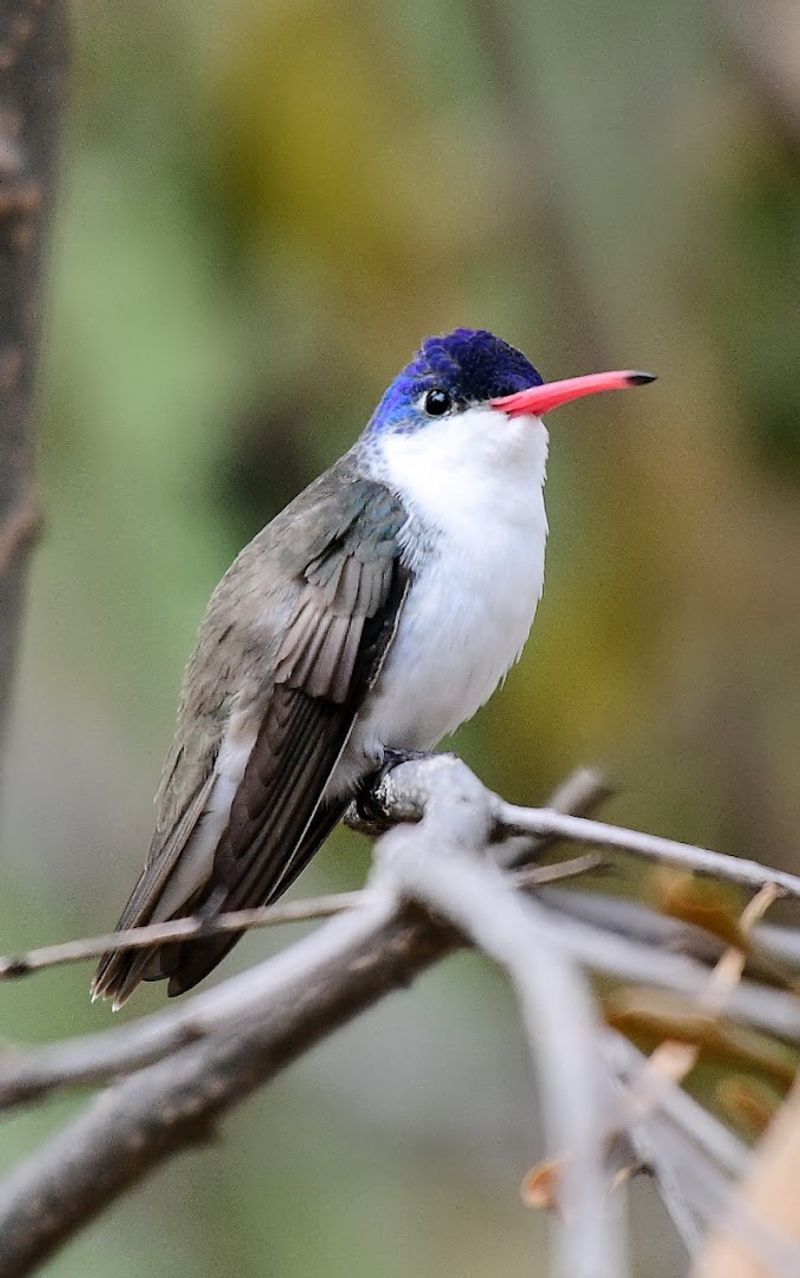
Patagonia is not just good for bird watching. It is internationally recognized as one of the finest birding destinations in North America, and that reputation is fully earned.
With over 300 bird species recorded in the surrounding area and 11 Audubon Important Bird Areas nearby, this valley is a serious hotspot for anyone who has ever picked up a pair of binoculars.
The Paton Center for Hummingbirds, run by the Tucson Audubon Society, is an absolute must. I sat in a simple garden chair for about forty minutes watching at least five different hummingbird species hovering inches from my face.
It is one of those quietly thrilling experiences that stays with you long after you leave.
The Patagonia-Sonoita Creek Preserve adds even more opportunities, protecting a rare riparian corridor where warblers, flycatchers, and raptors thrive in dense cottonwood and willow forest. Birders of every skill level will find something extraordinary waiting here.
Patagonia Lake State Park And Its Outdoor Playground
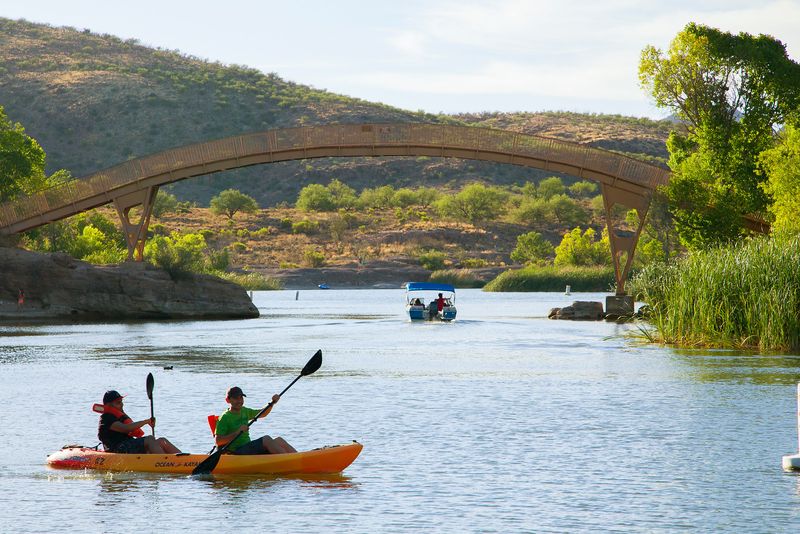
Established in 1975, Patagonia Lake State Park sits just a few miles south of town and delivers a surprisingly full menu of outdoor recreation.
The reservoir is popular for fishing, water skiing, kayaking, and camping, and on weekends you will find families setting up picnic blankets along the shoreline while kids splash in the shallows.
I rented a kayak one morning and paddled to the quieter eastern end of the lake, where the water reflects the surrounding hills so perfectly it feels almost unreal.
The park also has excellent birding trails along the creek inlet, which connects to the Sonoita Creek State Natural Area for those who want a longer hike.
Camping here is genuinely lovely, with sites that offer both shade and lake views depending on your preference.
Reservations fill up quickly on holiday weekends, so planning ahead is a smart move. Whether you come for a single afternoon or a full week, this park delivers consistent outdoor satisfaction.
The Patagonia-Sonoita Creek Preserve And Its Riparian Magic
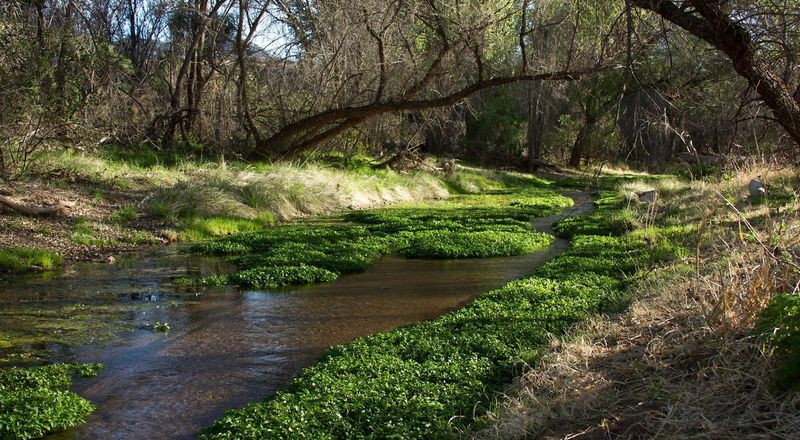
Not many places in the Southwest can offer you a shaded walk beneath towering cottonwood trees while a vermilion flycatcher darts through the branches overhead. The Patagonia-Sonoita Creek Preserve makes that experience completely ordinary, and I mean that as the highest compliment possible.
Managed to protect one of Arizona’s rarest riparian habitats, the preserve supports an astonishing variety of wildlife including deer, javelinas, coatis, and hundreds of bird species.
The hiking trails are well-maintained and accessible, winding alongside Sonoita Creek through corridors of dense, cooling vegetation that feel worlds away from the surrounding desert.
Horseback riding is also permitted in certain areas, which adds a classic southwestern flavor to the visit. I went in late spring when the cottonwoods were releasing their fluffy seeds into the air like a slow-motion snowstorm.
The whole scene was so peaceful and alive that I almost forgot to take photos.
Almost.
A Thriving Arts Scene Hidden In A Tiny Town
After the mining industry faded, Patagonia quietly reinvented itself as an artists’ community, and the creative energy that followed has never really left.
Galleries and boutiques line the main streets, selling everything from hand-thrown pottery and oil paintings to jewelry made from locally sourced turquoise. The quality is genuinely impressive for such a small town.
The Tin Shed Theater and the Benderly-Kendall Opera House both host live performances throughout the year, ranging from folk concerts to theatrical productions.
I caught a small acoustic show at the Tin Shed on a Friday evening and ended up staying for the entire set, charmed by the intimate atmosphere and the obvious enthusiasm of the local crowd.
Patagonia’s central park adds to the cultural calendar with outdoor festivals, seasonal barbecues, and community concerts centered around its gazebo and butterfly garden.
The whole arts scene here feels organic and community-driven rather than designed for visitors, which makes every encounter with it feel like a genuine discovery.
Local Food And Coffee Spots Worth Seeking Out
Patagonia punches well above its weight when it comes to food, and the Velvet Elvis Pizza Company is the most talked-about proof of that.
The gourmet pies come loaded with creative toppings and the decor is wildly eclectic, with art covering nearly every surface in a way that somehow feels curated rather than chaotic. I ordered a roasted garlic and fresh basil pizza and it was genuinely one of the better slices I have had anywhere in Arizona.
Gathering Grounds is the town’s go-to spot for morning coffee and a relaxed breakfast or lunch. The espresso is strong, the staff are friendly, and the outdoor seating area catches just enough morning sun to make the whole experience feel like a reward for waking up early.
These two spots alone would be worth a visit, but smaller local options pop up at markets and festivals throughout the year as well. Eating in Patagonia always feels like supporting something real and community-rooted rather than just grabbing a meal.
Cycling Routes, And The Arizona National Scenic Trail
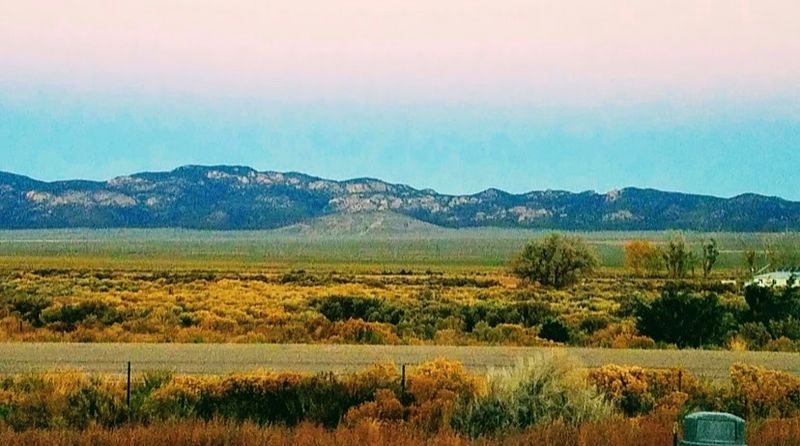
Patagonia holds the official designation as a Gravel Cycling Gateway to Santa Cruz County, and the surrounding terrain earns that title without any argument. The routes wind through mountain passes, open grassland plains, and quiet ranch roads that see almost no vehicle traffic.
I spent a full morning on a gravel loop south of town and barely saw another soul for three hours. Hikers and horseback riders have their own reasons to celebrate, since Patagonia serves as an official Gateway Community for the Arizona National Scenic Trail.
This long-distance route passes through some of the most dramatic scenery in the region, offering day hikes or multi-day backpacking options depending on your ambition and available time.
Four-wheel driving is another popular option for exploring the more remote corners of the surrounding mountains.
The region supports more than 7,000 species of plants and animals across its varied habitats, so no matter which trail you choose, the natural world has a way of making itself impossible to ignore.