
This Tiny Colorado Town Feels Like A Mini Las Vegas Hidden In The Mountains
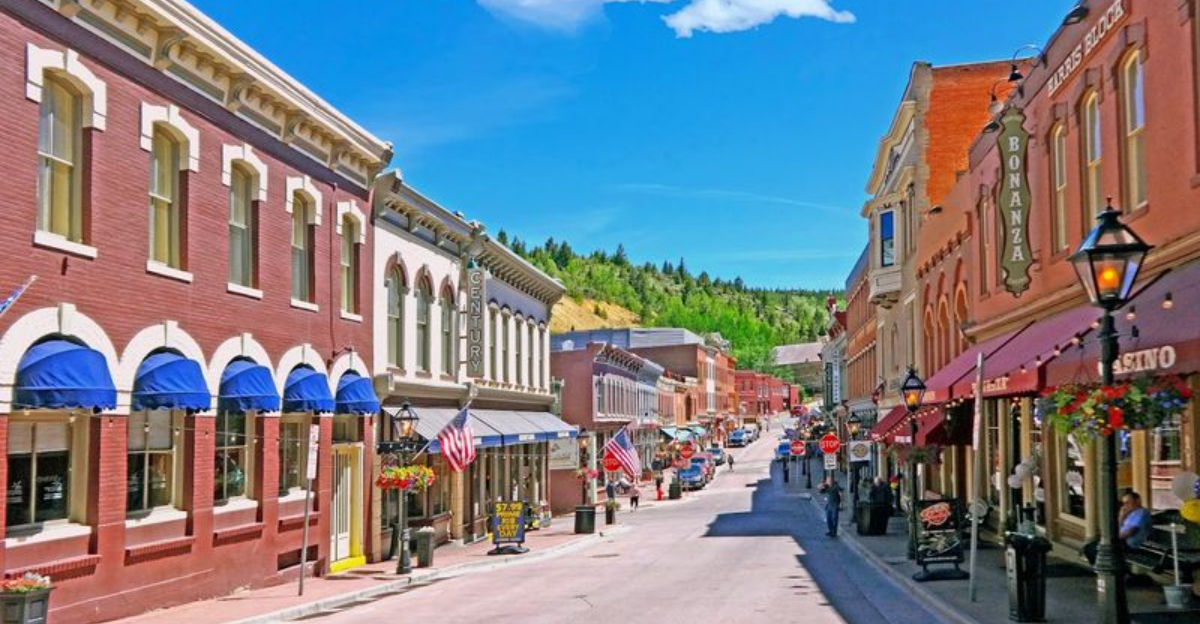
A mountain road should not turn into neon, casinos, Victorian storefronts, and Gold Rush drama this suddenly, but that is the thrill. In Colorado, this tiny canyon town feels like someone hid a full getaway inside the Rockies, then let the road reveal it all at once.
The drive alone sets the mood, with pine-covered slopes, tight curves, rugged scenery, and that rising sense that something unusual is waiting around the bend.
Then the town appears, compact but impossible to ignore, mixing historic buildings, bright lights, gaming floors, live entertainment, old mining lore, and mountain views into one strange little package.
It is not the sleepy alpine stop people might expect. Colorado’s high country rarely feels this theatrical.
Come for the scenery, stay for the surprise, then leave wondering how a place this small managed to feel so wildly memorable.
A Gold Rush Town That Never Stopped Shining
Most towns that struck gold in the 1800s eventually went quiet. This Colorado town had other plans.
Perched at roughly 8,500 feet above sea level in Gilpin County, this former mining boomtown has been defying expectations since gold was first discovered here in 1859, kicking off one of the most dramatic rushes in American history.
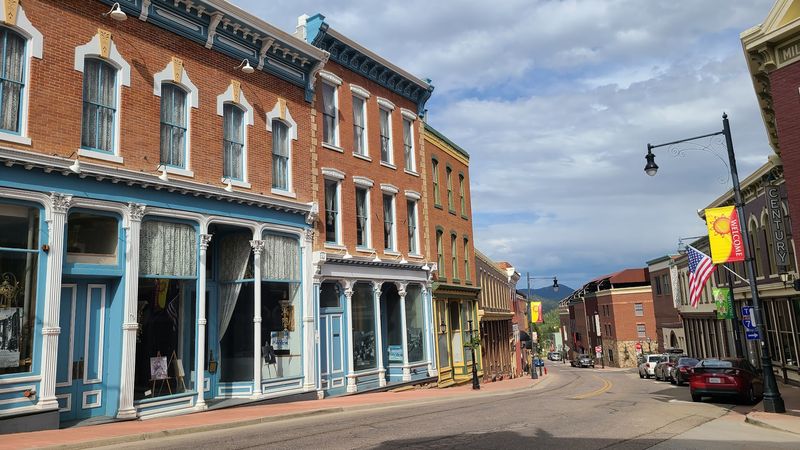
The streets still follow the same crooked, canyon-hugging layout miners navigated on foot. Buildings from the Victorian era line the main drag with a confidence that says they have seen booms, busts, and everything in between.
What makes it genuinely fascinating is how little it pretends to be something it is not. The history is baked into the brickwork.
The narrow streets were not designed for modern traffic, and that is exactly the point. Walking through downtown feels like stepping into a time capsule that someone quietly wired for electricity and filled with slot machines.
Quick Tip: Start your visit on Main Street to get the full sweep of the town’s character before heading inside any of the casinos. The architecture alone is worth a slow stroll.
The Casino Scene That Earns Every Bit Of The Las Vegas Comparison
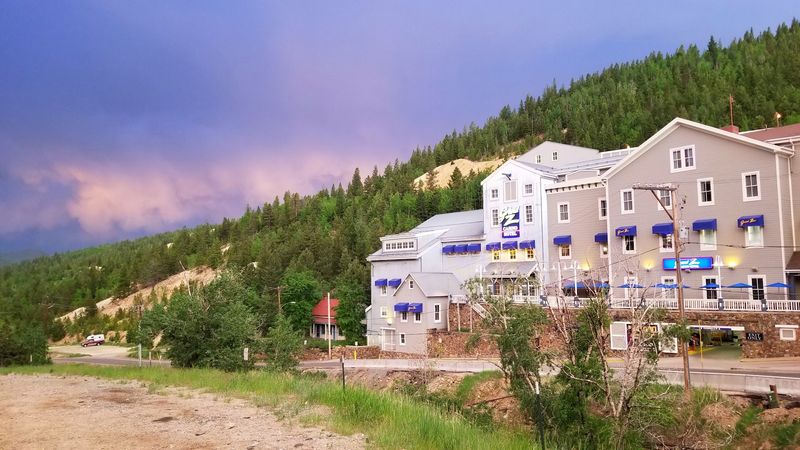
Colorado legalized limited-stakes gambling in Central City back in 1991, and the town has leaned into that identity with full commitment. The result is a stretch of casinos that, given the surrounding mountain scenery, feels genuinely surreal in the best possible way.
You can park your car, walk a short distance, and find yourself inside a fully operational casino with table games, slot machines, poker rooms, and live entertainment.
The scale is noticeably more human than anything in Las Vegas. There are no sprawling mega-resorts here.
What you get instead are casinos tucked into historic buildings, some of which date back well over a century.
Visitors often describe the experience as unexpectedly fun precisely because of that contrast. The mountains are right outside the window, and the casino floor is right in front of you.
It is a combination that does not exist anywhere else quite like this.
Best For: Couples and adult friend groups looking for a low-pressure gaming experience without the full-scale sensory overload of a major casino destination. Central City keeps things accessible and easy to navigate on foot.
Victorian Architecture That Stops You Mid-Sentence
There is a specific kind of double-take that happens when you turn a corner in Central City and realize the building in front of you has been standing since the 1870s. The Teller House, built in 1872, is one of the most celebrated examples.
It hosted President Ulysses S. Grant during its early years and still operates today as part of the local casino landscape.
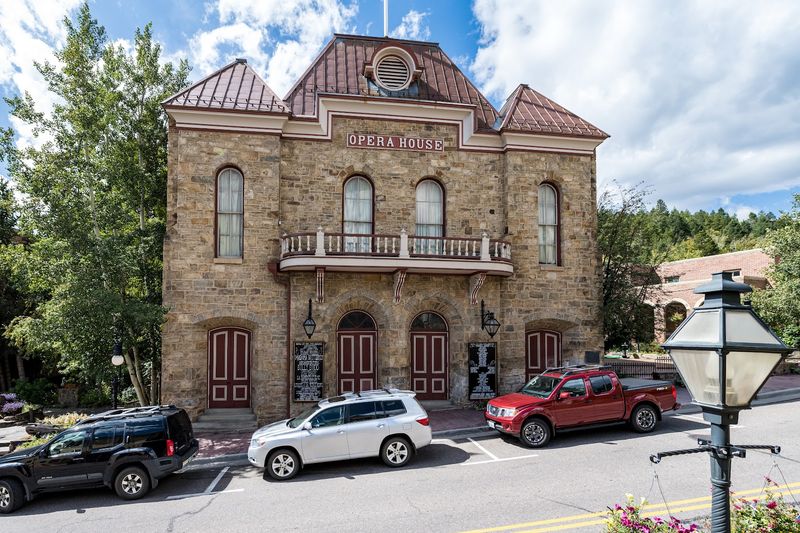
The Central City Opera House, opened in 1878, is another landmark that commands attention. It has hosted performances continuously and remains one of the oldest opera venues in the American West.
The exterior stonework alone is worth the uphill walk.
What strikes most visitors is how intact the streetscape remains. Unlike many historic towns that lost their original buildings to fire or redevelopment, Central City preserved a remarkable amount of its 19th-century fabric.
Walking the blocks between casinos, you are genuinely surrounded by American history that has not been polished into a theme park version of itself.
Insider Tip: Look up while you walk. The upper floors and rooflines of the buildings reveal architectural details that most people miss entirely while looking at ground-level storefronts.
The Drive Up That Earns You A Story Before You Even Arrive
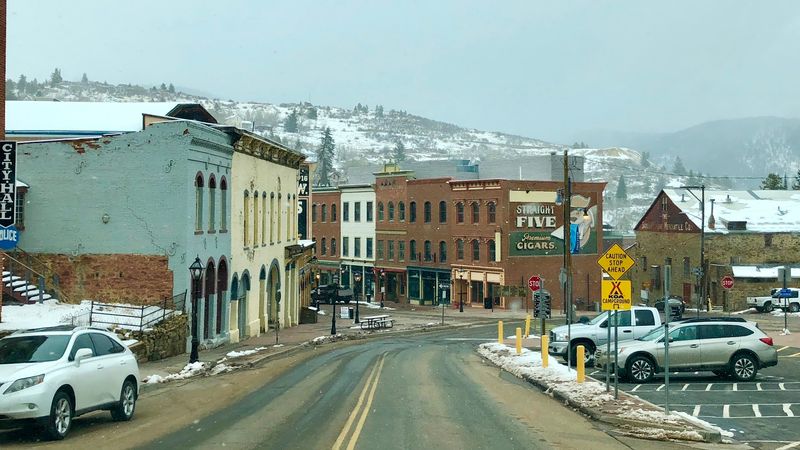
Getting to Central City is half the experience, whether you realize it going in or not. The most common approach is via Highway 119 through Black Hawk, a route that threads through Clear Creek Canyon with the kind of dramatic scenery that makes passengers forget they were supposed to be navigating.
The road climbs sharply, the canyon walls close in, and then the town appears almost without warning.
From Denver, the drive runs roughly 35 miles west and takes about 45 minutes under normal conditions. That is close enough for a day trip but far enough to feel like you genuinely went somewhere.
The elevation gain is real and noticeable, especially in winter when the roads require extra patience and a set of decent tires.
The approach through the mountains gives Central City a sense of earned arrival that flat-road destinations simply cannot replicate. By the time you find parking and step onto the main street, you already have a story forming in the back of your mind.
Planning Advice: Check road conditions before heading up in winter or early spring. The canyon route can get icy quickly, and a little preparation turns a potential headache into a smooth mountain run.
Live Entertainment In A Setting That Does Not Make Sense (In A Great Way)
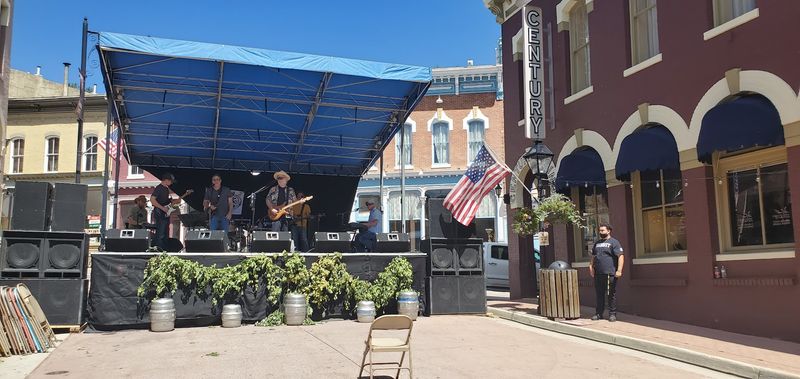
One of the genuinely unexpected pleasures of Central City is stumbling into live entertainment that you did not plan for. Several of the casino venues regularly host concerts, comedy acts, and live music performances inside spaces that carry the bones of 19th-century buildings.
The combination of old-world architecture and stage lighting is the kind of thing that makes you want to describe it to someone who was not there.
The Central City Opera deserves its own mention here. Running a summer season that draws serious opera fans from across the country, it performs in the original 1878 opera house with a capacity of just a few hundred seats.
That intimacy changes the experience entirely compared to seeing a performance in a large urban venue.
For visitors who are not opera regulars, the Opera House alone is worth a look from the outside. The building has a presence that most modern performance venues spend millions trying to manufacture artificially.
Who This Is For: Music lovers, history buffs, and anyone who enjoys the pleasant surprise of finding world-class entertainment in an unlikely zip code. Central City rewards visitors who arrive with an open schedule and flexible expectations.
Black Hawk Next Door And Why The Two Towns Work As A Pair
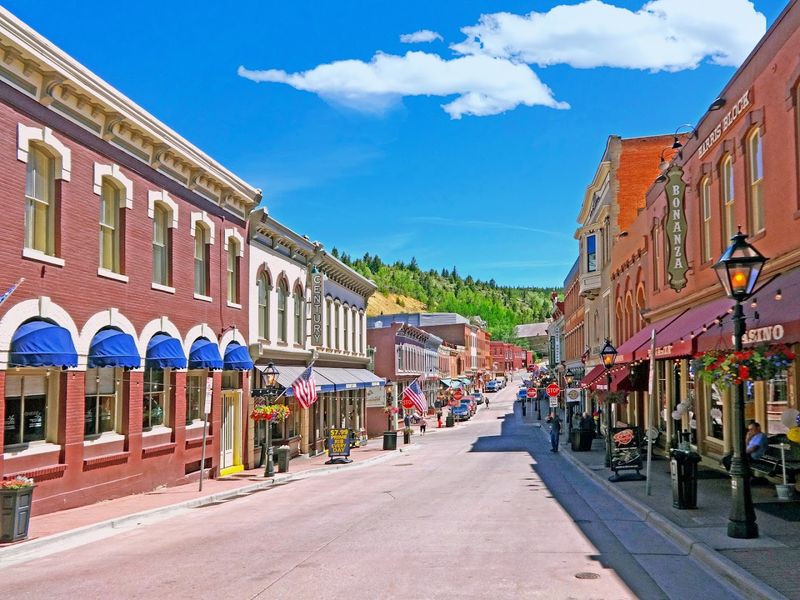
Central City and Black Hawk sit so close together that most visitors treat them as a single destination without fully registering that they are two separate towns. Black Hawk, sitting just downhill, holds a larger concentration of casino resorts and is often the first stop for visitors coming up from Denver through the canyon.
Central City picks up where Black Hawk leaves off, with a more historic character and a slightly quieter pace.
The practical upside of their proximity is that a single trip covers a lot of ground without requiring extra driving. You can start in Black Hawk, work your way up to Central City, and cover the full range of what this unusual mountain corridor offers in one afternoon.
Together, the two towns represent a genuinely rare setup in American travel: a fully operational gaming and entertainment district sitting at high elevation inside a historic mining landscape. Nothing about that combination should work as well as it does, but somehow it holds together with a logic all its own.
Best Strategy: Park centrally and walk between venues rather than moving your car repeatedly. The two towns are compact enough that foot traffic is the most efficient and most scenic way to explore both.
Why Central City Sticks With You Long After You Have Left The Mountains
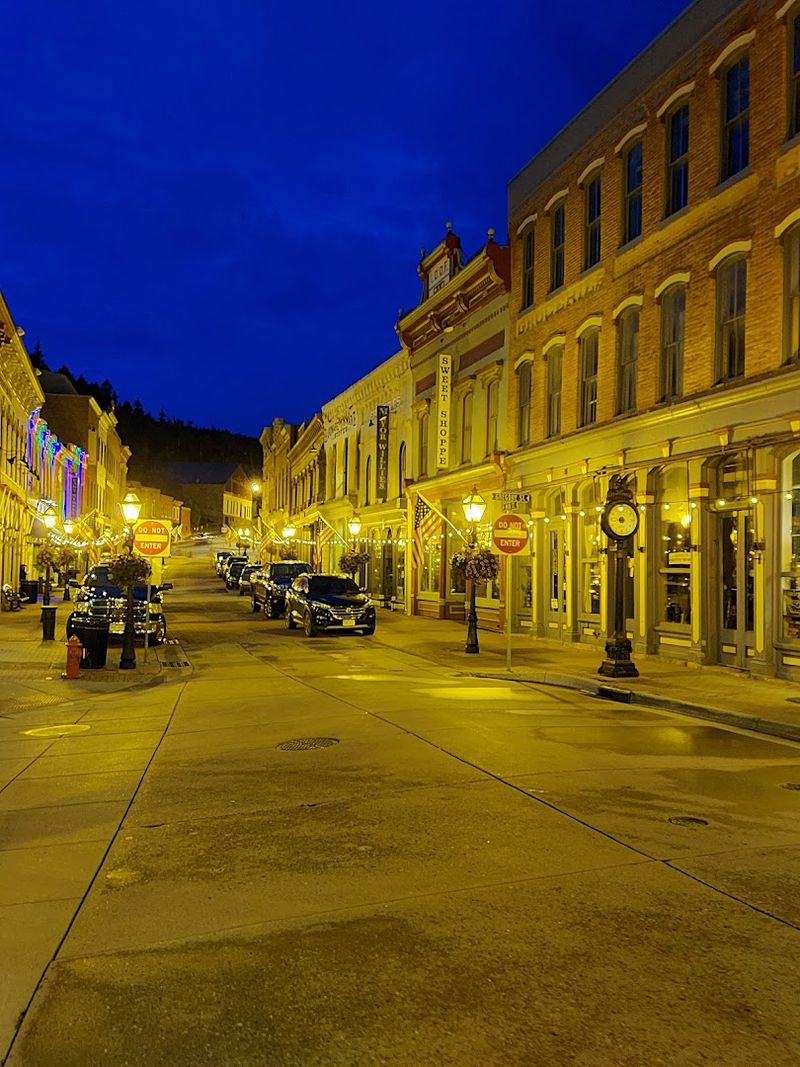
There is a particular kind of place that refuses to settle neatly into a single category, and Central City is exactly that. It is too historic to feel like a pure casino town, too lively to feel like a ghost town, and too small to feel like anything approaching a city despite what the name suggests.
That resistance to easy labeling is precisely what makes it memorable.
Visitors who make the trip tend to come back, not because they won big at the tables, but because the place itself has a personality that is genuinely hard to find. The mountains are right there.
The history is right there. The casinos are right there.
And somehow all three coexist without canceling each other out.
For a weekend planner looking for something that delivers a real story rather than just a checklist of activities, Central City delivers without requiring much effort on your part. You show up, the town does the rest.
Quick Verdict: If you are within driving distance of Denver and have never made the trip up to Central City, Colorado, consider this your sign. It is the kind of place a friend describes over dinner and you think they are exaggerating, right up until you see it for yourself.