
10 Lesser-Known Coastal Towns In Maine That Are Worth Visiting
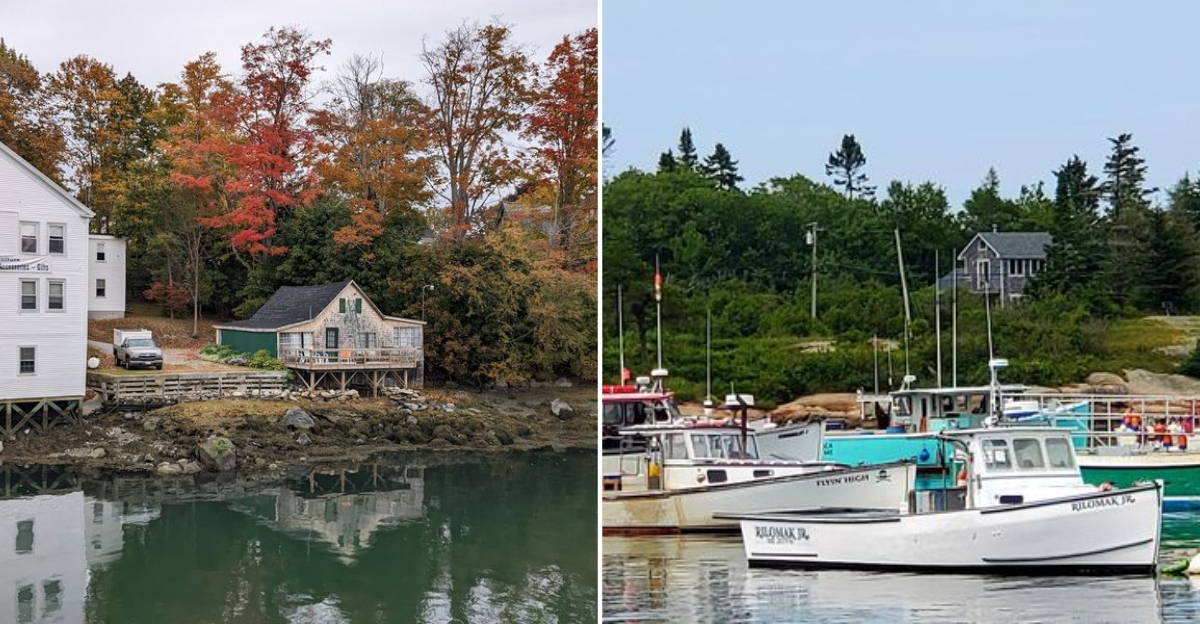
Some of Maine’s best coastal towns seem to disappear the moment you stop looking for them. Maine’s coastline runs for nearly 3,500 miles, yet many travelers barely get beyond Portland and Bar Harbor.
That leaves long stretches of working harbors and villages where lobster boats still outnumber souvenir shops. These are the places with tide-worn docks, quiet main streets, old lighthouses, and views that feel almost too good to share.
After years spent wandering Maine’s back roads and rocky shores, I’ve found that the state’s real magic often waits in the towns people almost miss. These ten coastal spots trade crowds for character, giving travelers a deeper look at Maine’s salt-air beauty, maritime history, and wonderfully unhurried pace.
Lubec, Maine
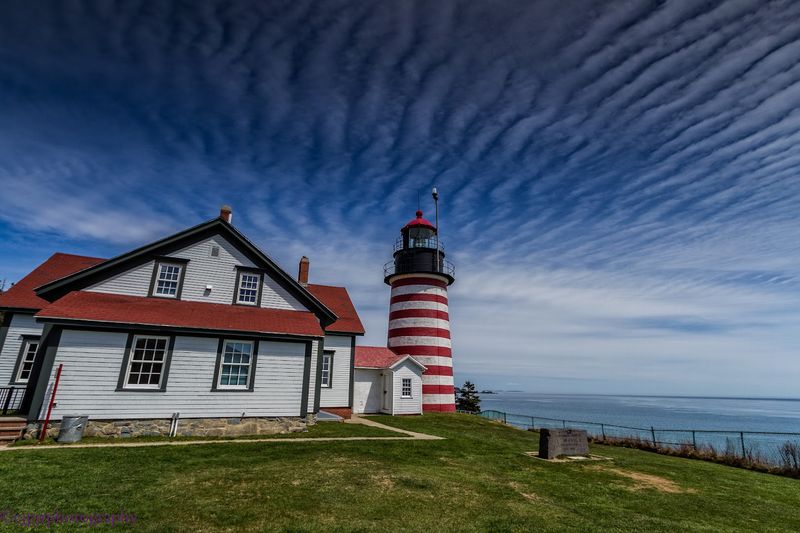
At the far eastern edge of the contiguous United States, Lubec is often described as the easternmost town in the Lower 48, which means you can watch the sunrise before almost anyone else in the continental U.S. That alone is worth the drive up Route 189.
The town sits right across from Campobello Island in Canada, and the international bridge connecting the two feels almost surreal to cross.
The West Quoddy Head Lighthouse, with its distinctive red and white candy-stripe pattern, is one of the most photographed landmarks in Maine, and it stands at the edge of Quoddy Head State Park.
The park offers hiking trails that wind along dramatic cliffs above the Bay of Fundy, where tidal swings can reach nearly 20 feet. Birdwatchers come from across the country to spot shorebirds and migratory species here.
The town itself is small and unhurried, with a handful of local shops, smoked salmon producers, and welcoming bed-and-breakfasts.
Summer is the best time to visit, though the shoulder seasons bring a moody, atmospheric beauty that photographers absolutely love. Lubec rewards slow travelers who take time to simply sit by the water and breathe.
Castine, Maine
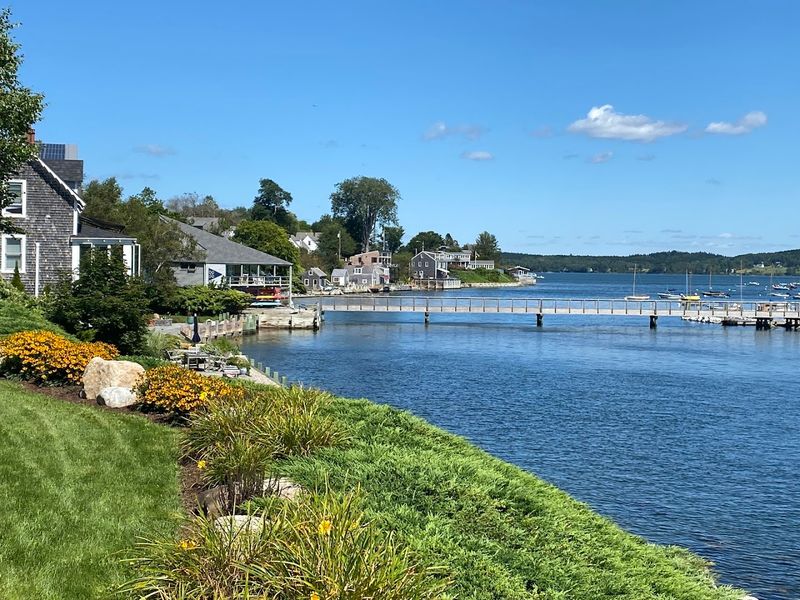
Few towns in New England carry as much layered history as Castine, a small peninsula community on the western shore of Penobscot Bay.
It has been claimed at various points by the French, Dutch, British, and Americans, and that complicated past has left behind an extraordinary collection of historic architecture and quiet civic pride. Walking its elm-shaded streets feels like stepping into a living history lesson.
Today, Castine is home to Maine Maritime Academy, which gives the town a slightly collegiate energy alongside its colonial charm. You can often spot the academy’s training ship, the State of Maine, docked in the harbor.
The town also has a small but excellent historical society museum worth an hour of your time. The harbor is calm and picturesque, popular with sailors who anchor here during summer cruises along the Maine coast.
Several hiking trails lead through the surrounding woods and down to the water’s edge, offering peaceful views of the bay. The restaurants in Castine are few but genuinely good, leaning heavily on local seafood.
This is the kind of town where you arrive planning to stay one night and end up booking three more.
Stonington, Maine
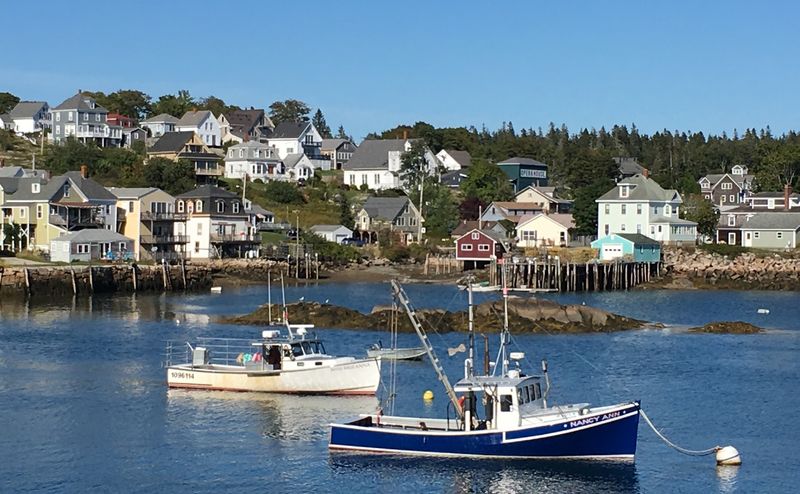
At the southern tip of Deer Isle, connected to the mainland by a graceful suspension bridge, Stonington is one of the most authentically working fishing villages left on the Maine coast. This is not a town that has dressed itself up for tourists.
The docks are busy with lobstermen, the air smells of salt and engine fuel, and the whole place feels genuinely alive in a way that more polished destinations do not.
Stonington also has a surprisingly vibrant arts scene. The Haystack Mountain School of Crafts, located nearby, draws artists and craftspeople from around the world, and their influence has quietly shaped the galleries and studios you find tucked between the fish houses.
The Opera House Arts center hosts concerts, films, and performances throughout the summer season. The surrounding waters are dotted with small islands, and sea kayaking here is exceptional.
Isle au Haut, part of Acadia National Park, is accessible by mail boat from Stonington and offers a truly remote hiking experience with far fewer crowds than the main park entrance. Stonington is the rare coastal town that feels like it belongs to the people who actually live there, and that makes all the difference.
Damariscotta, Maine
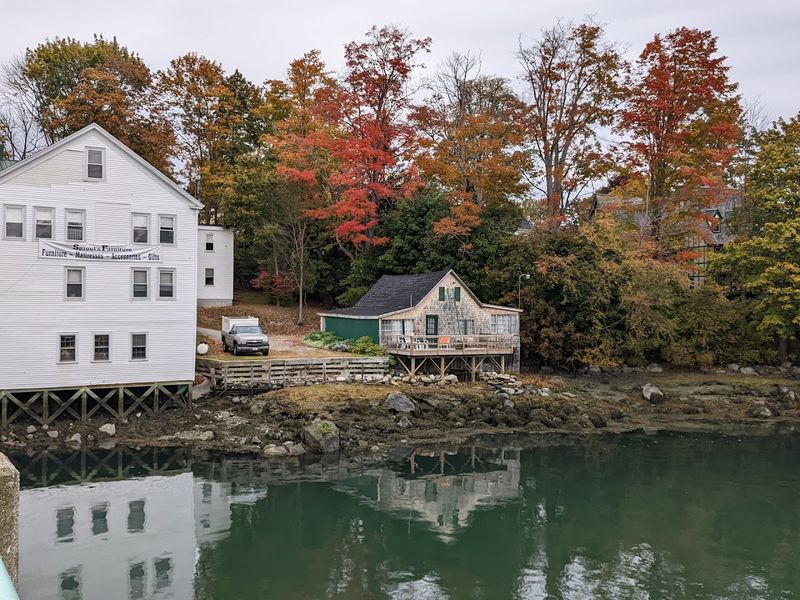
Damariscotta sits at the head of a tidal river that has been feeding people for thousands of years. The massive shell middens left by the Abenaki people near the riverbanks are among the largest in North America, and they speak to just how rich this estuary has always been.
Today, the river is famous for producing some of the finest oysters in the world, and the annual Damariscotta Pumpkinfest and Regatta, held each October, draws crowds for its giant pumpkin weigh-off and pumpkin boat races.
The downtown area is genuinely lovely, with well-preserved brick buildings housing independent bookstores, art galleries, and restaurants that take their local sourcing seriously.
The town has a creative, community-minded energy that feels earned rather than manufactured. It is the kind of place where the farmers market actually matters to people who live there.
Pemaquid Point, just a short drive away, offers one of the most dramatic lighthouse settings in all of New England.
The flat, wave-worn granite ledges there are perfect for a picnic while watching the Atlantic roll in. Whether you come for the oysters, the history, or the scenery, Damariscotta consistently delivers more than visitors expect from such a small town.
Harpswell, Maine
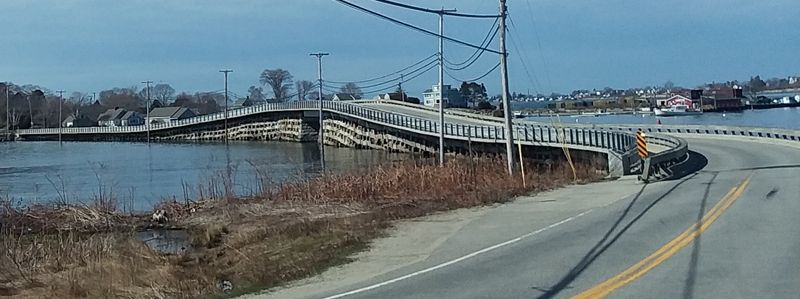
Harpswell is actually three peninsulas and several islands that together form one of the most intricate and beautiful coastlines in all of Maine.
The town stretches south from Brunswick into Casco Bay, and driving its roads feels like a constant game of catching glimpses of water between the trees.
Cribstone Bridge, a historic stone-and-timber causeway connecting Bailey Island to Orr’s Island, is one of the most photographed structures in the state.
The fishing heritage here runs deep. Bailey Island, at the tip of one peninsula, has a small cluster of seafood shacks and restaurants where you can eat a lobster roll with your feet practically hanging over the water.
The sunsets from the western shores of Harpswell are legitimately spectacular, painting Casco Bay in shades of orange and pink on clear evenings.
There are no big attractions here and no resort hotels, and that is precisely the point. Harpswell rewards people who want to kayak through quiet coves, find a rocky ledge to read a book on, or simply watch the tides move in and out.
It is an honest, unhurried corner of Maine that feels far removed from the tourist circuit, even though Brunswick and Portland are not far away.
Blue Hill, Maine
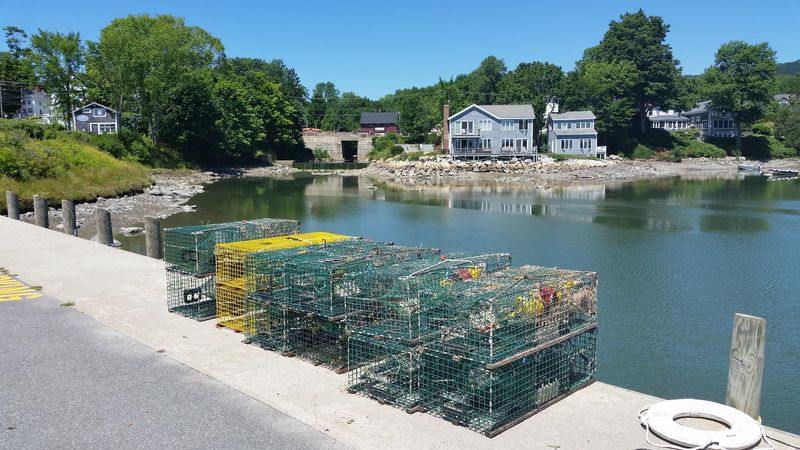
The name comes from the rounded hill that rises gently above the village and turns a distinctive hazy blue when seen from across the bay.
Blue Hill has long attracted artists, writers, and musicians, and that creative current runs through nearly everything about the town.
The Kneisel Hall Chamber Music Festival, held every summer, brings world-class musicians to perform in an intimate setting that feels completely at odds with the rural surroundings, in the best possible way.
The village itself is small but carefully curated. You will find excellent pottery studios, because Blue Hill has a particularly strong tradition in that craft, as well as bookshops and galleries that feel like they belong to real people with real opinions.
The local food scene punches well above its weight for a community of this size.
Hikers can climb Blue Hill Mountain for sweeping views of the surrounding bay and islands, a trail that takes less than two hours round-trip but rewards you with a panorama that feels enormous.
The town also sits near the entrance to the Blue Hill Peninsula, one of the quieter and more scenic drives in mid-coast Maine. Blue Hill is the kind of place that people discover and then quietly tell only their closest friends about.
Rockport, Maine
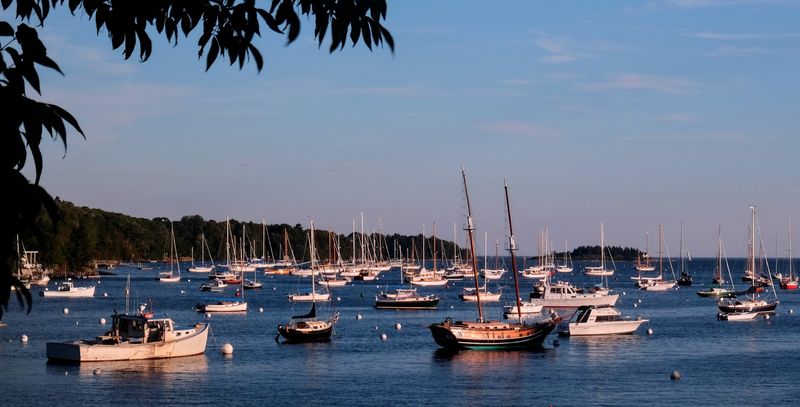
Just a mile or two up the road from its more famous neighbor Camden, Rockport often gets skipped entirely, and that is a genuine mistake.
The harbor here is smaller and more intimate than Camden’s, framed by the ruins of historic lime kilns that date back to the 19th century when Rockport was a major producer of lime for construction across the eastern seaboard.
Those stone kilns sitting right at the water’s edge give the harbor a character that is completely unique.
Rockport is also home to the Maine Media Workshops and College, which draws photographers, filmmakers, and writers from around the world for intensive courses throughout the year.
That community gives the town a creative, intellectual undercurrent that you can feel in the galleries and conversations you encounter.
The Marine Park at the harbor is a lovely spot to sit and watch the boats, and the surrounding hills offer hiking trails with views out over Penobscot Bay.
Andre the Seal, a beloved harbor seal who reportedly returned to Rockport every spring for years, has become part of local legend and even inspired a children’s book. Rockport is proof that the best travel discoveries are often the ones you almost drove past without stopping.
Corea, Maine
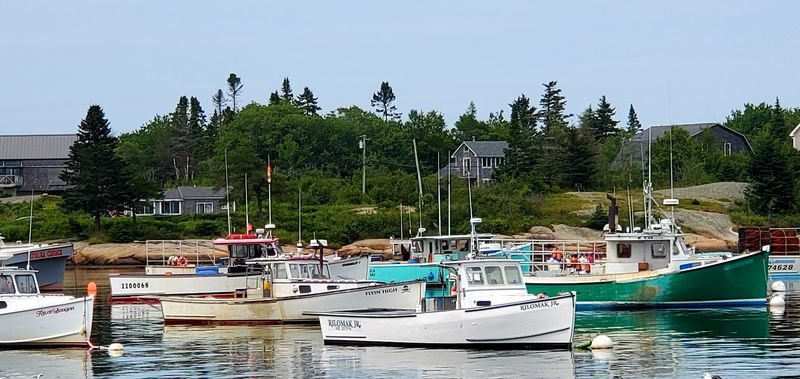
Corea is the kind of place that makes you wonder if you took a wrong turn somewhere, and then makes you deeply glad that you did. This tiny lobstering village in Gouldsboro, Hancock County, near the Schoodic Peninsula, is about as far from a tourist trap as you can get on the Maine coast.
There are no resort hotels or rows of gift shops. What there is, however, is one of the most visually stunning working harbors in the entire state.
The lobster boats, the weathered shacks, the stacked traps, and the granite ledges all come together here in a composition that has drawn painters and photographers for generations.
Andrew Wyeth country is not far away, and you can feel that same spare, luminous quality in the landscape around Corea.
The light here in the early morning and late afternoon is something special.
The nearby Schoodic Peninsula section of Acadia National Park is just a short drive away and offers dramatic ocean views with a fraction of the crowds found on Mount Desert Island. Corea itself is best experienced slowly, on foot, with a camera or a sketchbook.
It is a place that asks nothing of you except that you pay attention, and that quiet invitation is exactly what makes it so memorable.
Southport Island, Maine
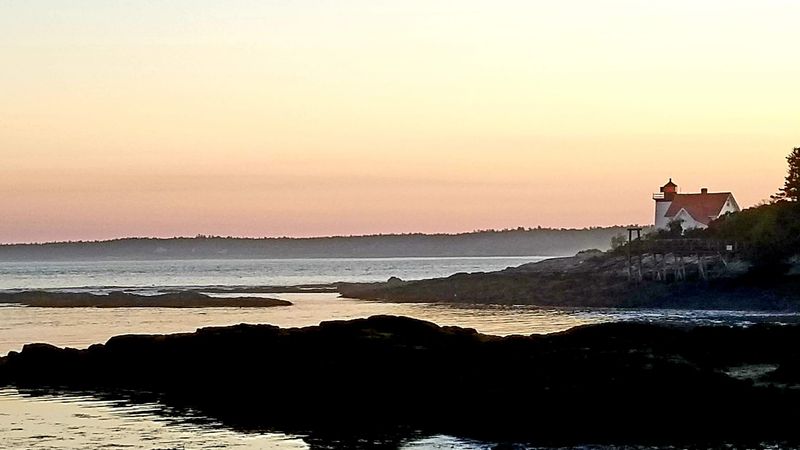
Connected to Boothbay Harbor by a small bridge, Southport Island is the quieter, leafier, and considerably less crowded alternative to its busy neighbor.
While Boothbay draws summer crowds with its shops and whale-watching boats, Southport stays beautifully calm, occupied mostly by summer residents, a few year-round locals, and the kind of travelers who prefer pine-shaded roads to parking lots.
The island has a covered bridge, one of the few remaining in Maine, which crosses a tidal inlet and looks like something out of a 19th-century painting.
Hendricks Head Lighthouse, one of Maine’s more modest and charming lighthouses, sits at the southwestern tip of the island where the Sheepscot River meets the sea. The views from that point stretch across open water in a way that feels genuinely freeing.
Swimming near Hendricks Head Beach, a small sandy spot on the island, is a summer tradition for families who have been coming here for generations.
The water is cold in the way that only Maine ocean water can be, bracingly so, but that seems to be part of the appeal. Southport Island is a reminder that sometimes the best place to be is the one right next to the place everyone else is going.
Cape Elizabeth, Maine
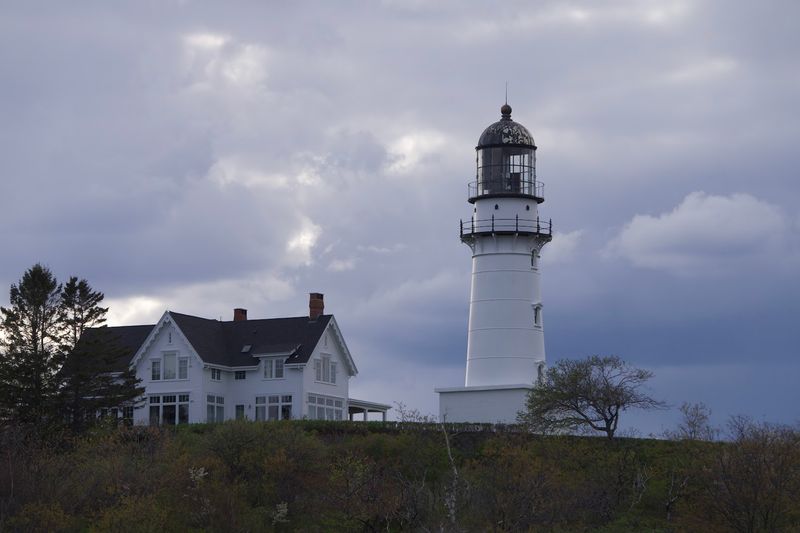
Cape Elizabeth sits just south of Portland, close enough to the city that you can be there in twenty minutes, yet far enough in spirit that it feels like a completely different world.
The town is best known for Two Lights State Park, named for the two lighthouses that stand side by side on a rocky headland above the open Atlantic.
Edward Hopper made studies of the Cape Elizabeth lights after summering in Maine in 1927, and his later painting The Lighthouse at Two Lights became one of his best-known coastal works.
The coastline here is raw and dramatic, with wave-carved rocks, tide pools full of sea life, and views that stretch uninterrupted to the horizon.
Crescent Beach State Park, just down the road, offers one of the sandier stretches of shoreline in the region, which is not something Maine’s coast gives you very often. Both parks are worth visiting in the same day.
Fort Williams Park, also in Cape Elizabeth, surrounds the famous Portland Head Light, which is arguably the most photographed lighthouse in the country.
The grounds of the fort are free to walk, and the lighthouse museum is genuinely interesting for anyone curious about maritime history. Cape Elizabeth proves that you do not always have to travel far from a city to find something that takes your breath away.