
This Arizona Air And Space Museum Turns Fighter Jets Into A Full-Day Adventure
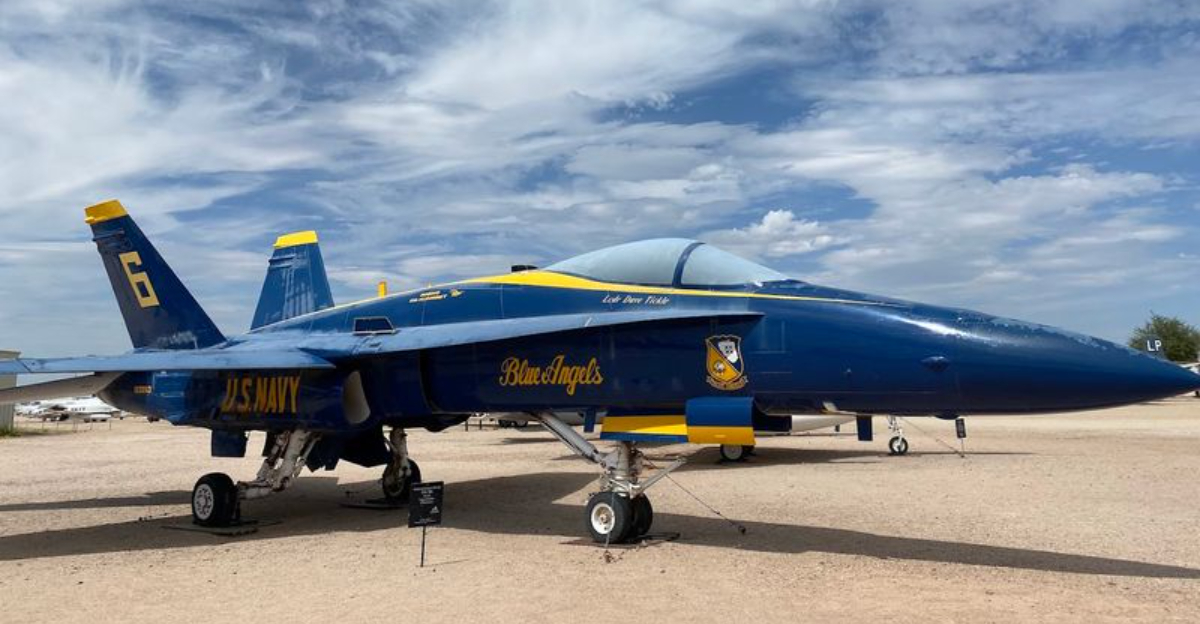
Nothing makes a person feel small quite like standing beside an aircraft built to cross oceans, carry crews, or move through the sky faster than common sense.
That is the fun of this place. It turns a simple museum visit into a slow parade of giant machines, strange designs, and aviation history that refuses to stay politely in the background.
Arizona gives the whole experience a perfect stage, with wide-open desert light making every aircraft look even bigger, sharper, and more dramatic. I thought I would browse for a little while and move on. That plan failed almost instantly.
Every row pulled me farther in, from fighter jets to massive planes that seemed too large to belong on the ground. If your inner kid still points at planes, consider this your warning. You may be here longer than planned.
It is one of the largest non-government funded aviation and space museums in the entire world, sprawling across 80 acres with more than 400 historical aircraft on display. I spent a full day here and still felt like I had only scratched the surface.
The Main Hangar: Where Aviation Icons Live
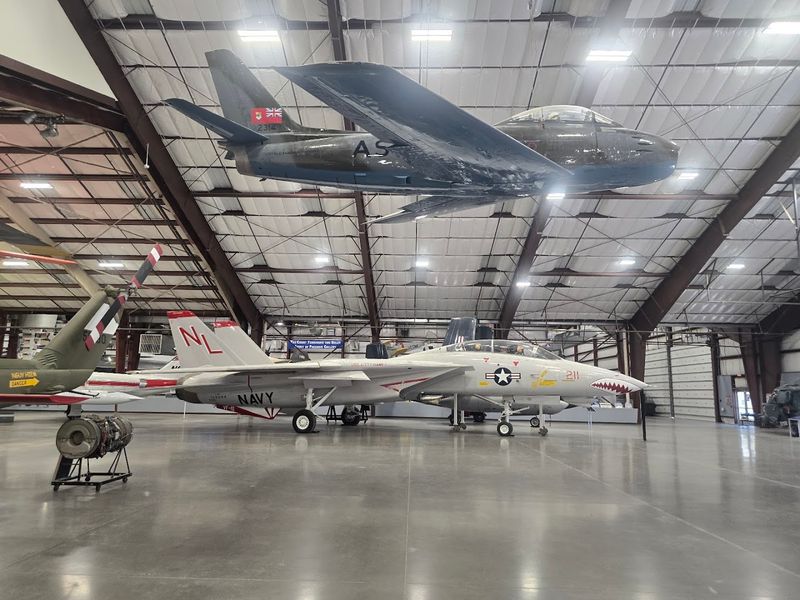
Some buildings hold history quietly. The Main Hangar at Pima Air and Space Museum holds it loudly, with wings spread wide and noses pointed skyward. The moment you walk through the doors, the SR-71 Blackbird commands your attention from across the room.
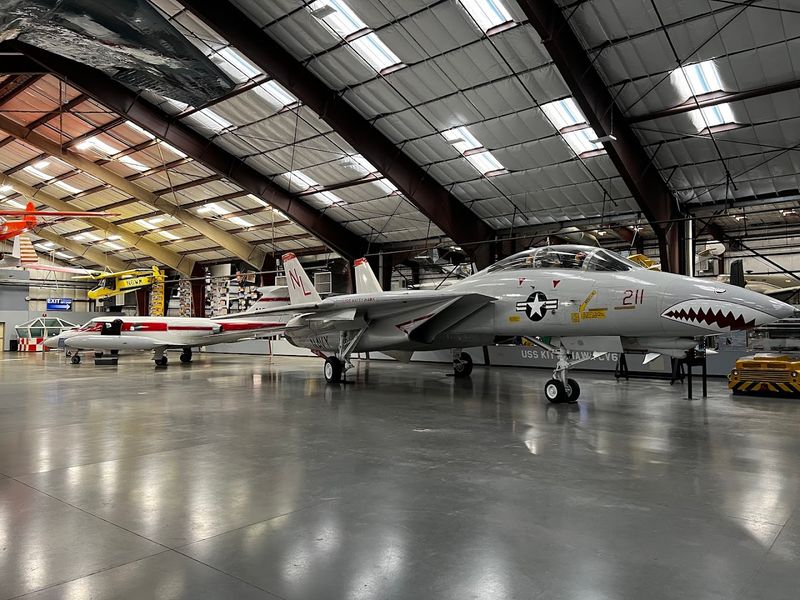
This legendary reconnaissance aircraft flew faster than a speeding bullet and still looks like it belongs in a science fiction film. Sharing the floor are an F-14 Tomcat and a Thunderbirds F-4E Phantom II, each one a chapter in American aviation history.
Reading the placards next to each plane gives you a real sense of the pilots and missions behind these machines. The sheer variety packed into one hangar is genuinely staggering.
Visitors often say they could spend an entire day in just this one building, and honestly, that tracks. Every corner reveals something new, whether it is a cockpit detail, a historical photo, or a piece of equipment you have never seen before.
Plan to linger here longer than you expect.
Six Hangars, Three Dedicated To World War II
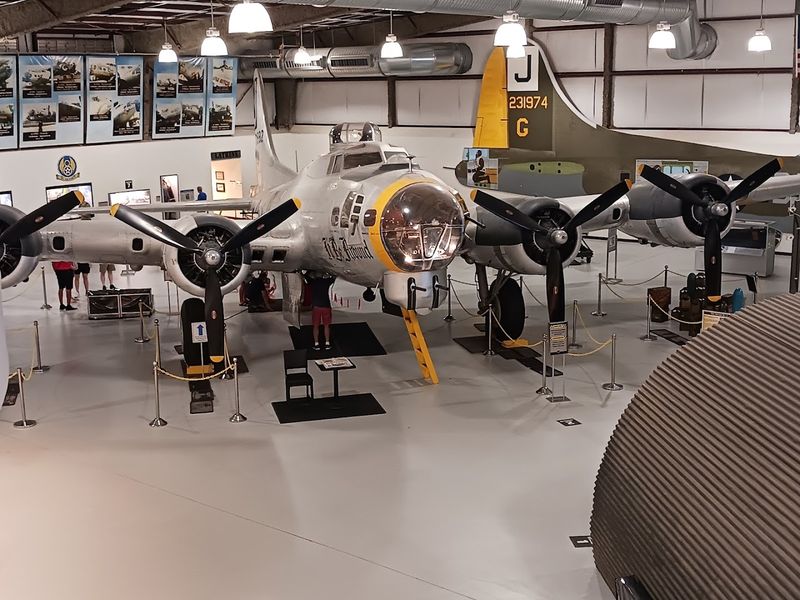
World War II aviation history gets serious attention at Pima, with three of the museum’s six indoor hangars devoted entirely to aircraft and stories from that era. Walking through them feels like a slow, respectful journey through one of the most consequential periods in human history.
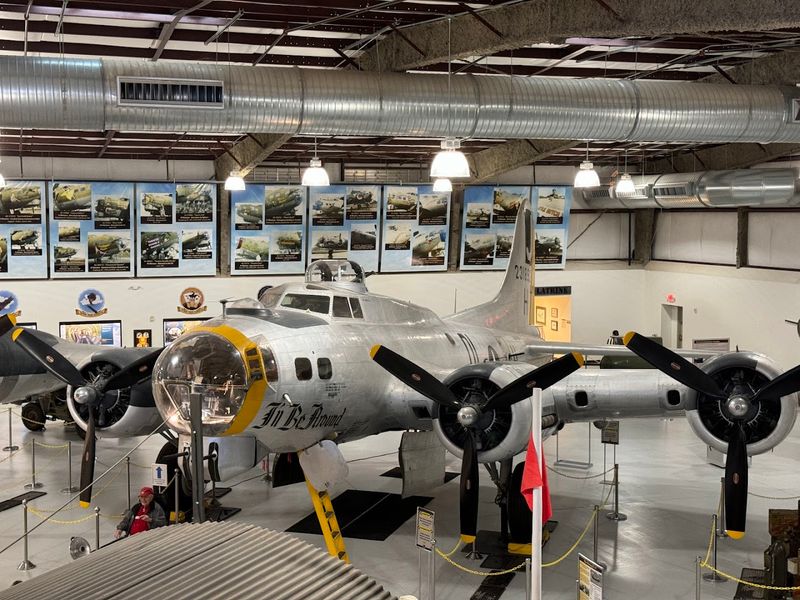
The planes here are not replicas. They are the real thing, preserved with care and displayed with context. The 390th Memorial Museum, located on-site, is dedicated to the 390th Bomb Group and houses a B-17 Flying Fortress that will make your jaw drop.
Learning about the crews who flew these missions adds emotional weight to what might otherwise feel like a mechanical exhibit. Personal stories and photographs line the walls, grounding the hardware in human experience.
Each hangar has its own personality and focus, so moving between them never feels repetitive. The curators clearly put thought into how the story unfolds from one space to the next. History teachers, veterans, and curious kids alike find something meaningful here.
The Narrated Tram Tour Across 80 Acres
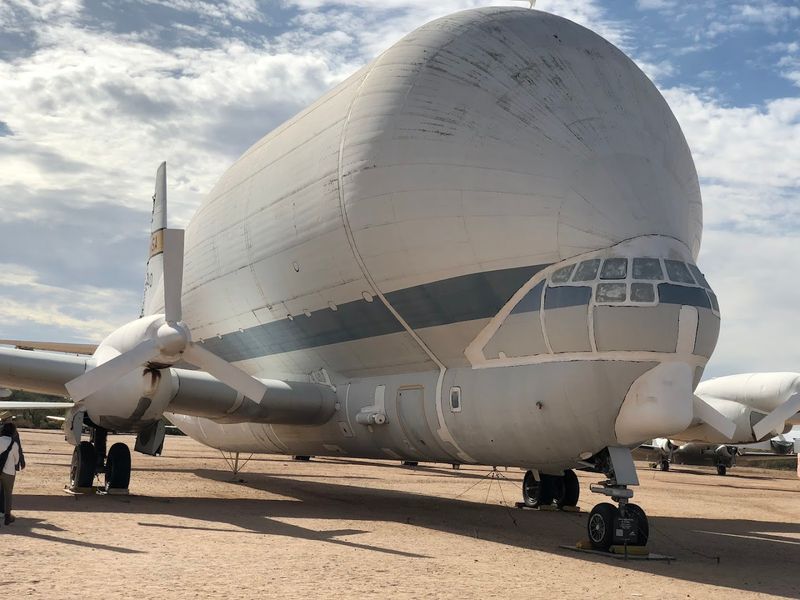
Roughly 200 aircraft are parked outside across the museum’s 80-acre grounds, and the best way to take them all in without wearing out your feet is the 45-minute narrated tram tour.
For a small additional fee, you climb aboard and let a knowledgeable guide do the talking while the Arizona sun glints off dozens of historic planes lined up in formation. It is equal parts educational and cinematic.
The guide points out aircraft you might not recognize by sight, explaining their roles, their eras, and the stories behind why they ended up here in Tucson.
The dry desert climate is actually a major reason this museum exists where it does. Low humidity helps preserve metal and rubber far better than wetter climates ever could. Even if you consider yourself a casual visitor rather than an aviation enthusiast, the tram tour reframes the outdoor collection in a way that makes everything more interesting.
It is one of those experiences where you arrive knowing little and leave feeling genuinely informed. Book your spot early in the day since seats fill up.
Space Race Exhibits And A Real Moon Rock
Not everything at Pima involves wings and jet fuel. The Space Race exhibit brings a different kind of wonder, pulling visitors into the cold war competition that launched humans beyond Earth’s atmosphere.
One of the most talked-about features is an actual moon rock on display, which is the kind of thing that sounds ordinary until you are standing two feet away from a piece of another world.
The exhibit also features a capsule connected to the filming of the Apollo 13 movie, which adds a fun pop culture layer to the serious science on display. Artifacts, photographs, and interactive panels trace the arc of space exploration from early satellites to the missions that defined a generation.
Kids tend to gravitate toward this section with wide eyes and rapid-fire questions.
The Space Race exhibit sits comfortably alongside the aviation collection, reminding visitors that the same human drive that built fighter jets also pointed rockets at the stars. It rounds out the museum’s story in a satisfying way. Budget at least 30 minutes here.
X-Planes, Drones, And Cutting-Edge Technology
Aviation history at Pima does not stop at vintage warbirds. The X-Planes exhibit spotlights the experimental aircraft that pushed the boundaries of speed, altitude, and aerodynamics, often in ways that seemed impossible at the time.
These are the planes that engineers built to answer questions nobody had figured out how to ask yet, and their stories are genuinely fascinating. Right alongside that exhibit sits a collection dedicated to Drone Technology, which feels almost jarring in the best possible way.
You go from propeller-driven biplanes to remotely piloted systems in just a few steps, and the contrast highlights how rapidly aviation has evolved. The drone section covers both military applications and the broader technological shifts that unmanned aircraft have brought to modern life.
Together, these exhibits show that Pima is not just preserving the past but also tracking where aviation is heading. The curators do a solid job of connecting the dots between early experimental flights and today’s cutting-edge systems.
Tech enthusiasts will find plenty to keep them occupied in this corner of the museum.
The Flight Grill And Practical Visitor Tips

Covering 80 acres takes real energy, and the museum’s on-site restaurant, the Flight Grill, is a genuinely welcome pit stop.
The menu covers chili, sandwiches, salads, and Southwest-inspired dishes, which means there is something for picky eaters and adventurous ones alike. Outdoor seating lets you eat with a view of parked aircraft, which is a lunch experience you are unlikely to find anywhere else.
A few practical notes worth knowing before you visit: regular hours run from 9 AM to 5 PM daily between October and May, with last admission at 3 PM. Summer hours from June through September shift to 9 AM to 3 PM, with last admission at 1:30 PM.
The museum closes on Thanksgiving and Christmas Day, so plan accordingly. Free parking is available for cars and RVs, and audio tours are offered for those who prefer exploring at their own pace.
The gift shop is well-stocked with aviation-themed souvenirs. Arriving early gives you the best chance to catch the tram tour and still have time for all six hangars.
New Additions
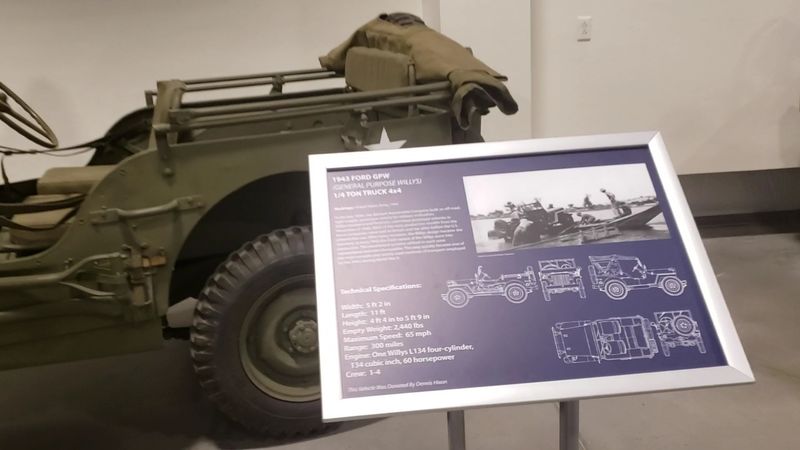
Pima keeps growing, and the newest additions make a strong case for returning even if you have visited before. In April 2025, the Tucson Military Vehicle Museum opened on the museum grounds, featuring more than 65 military vehicles ranging across different eras and conflicts.
Tanks, trucks, and armored vehicles now share the grounds with aircraft, giving the site an even broader scope than it had before. Also arriving in May 2025 was a disassembled Martin Mars aircraft, one of the largest flying boats ever built.
The museum is in the process of reassembling it for permanent display, which means future visitors will get to see an aircraft that very few people have ever encountered up close. Watching a restoration project of this scale unfold in real time adds an extra layer of excitement to any visit.
These developments show that Pima Air and Space Museum is not resting on its considerable history. The team behind it clearly has ambitions that match the size of the collection.
Checking the museum’s website before your trip is always a smart move to catch the latest updates.
Hundreds Of Jets Under The Arizona Sun
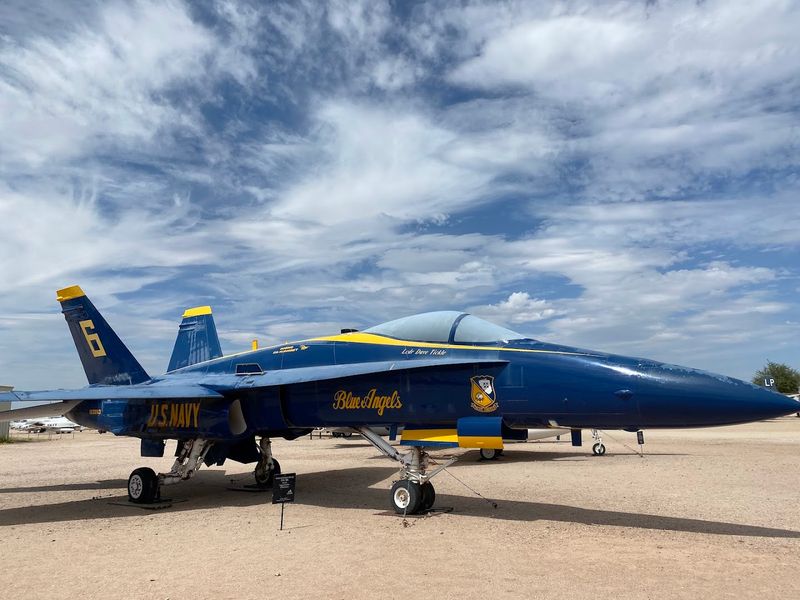
Over 200 aircraft sit in neat rows across the sun-baked Arizona ground, from Cold War-era bombers to retired commercial airliners. The sheer variety stops you mid-step as you realize just how many shapes, sizes, and purposes aircraft have taken over the decades.
Reading the plaques beside each plane gives surprising context. A fighter jet that once flew combat missions now stands quietly beside a cargo hauler that crossed oceans.
Wear comfortable shoes, bring water, and give yourself plenty of time because this outdoor yard alone easily fills an hour or two. Over 200 aircraft fill this Arizona museum with bombers, jets, airliners, and aviation history under the desert sun.
This Arizona air museum lets visitors explore rows of historic aircraft, from fighter jets to massive retired airliners.
A massive Arizona aircraft yard brings aviation history to life with Cold War bombers, cargo planes, and fighter jets. Explore more than 200 aircraft at this Arizona museum, where desert rows reveal decades of aviation history.
This Arizona museum packs its outdoor yard with historic planes, military aircraft, and sky-high stories worth seeing.