
This Hidden Arkansas Cave Feels Like Another World and Deserves a Spot on Your 2026 Bucket List
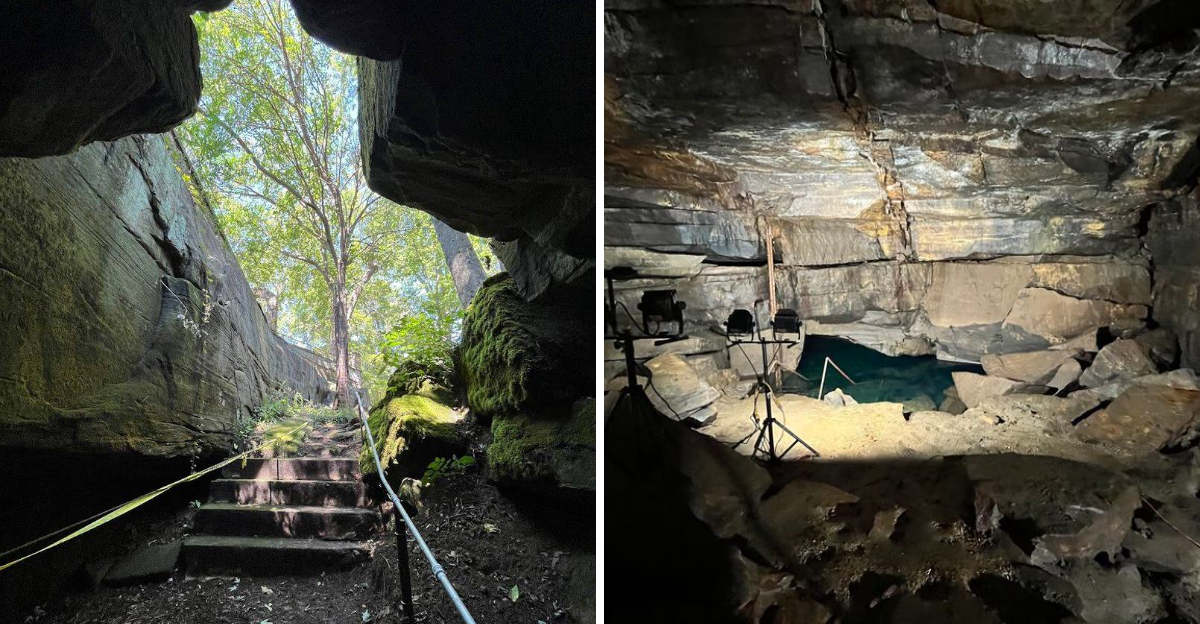
Sometimes you pull in for a few minutes and leave with a story you keep telling later. That was me at this place in Arkansas.
The cave is the part that stays with you. Beneath the stone walls and sandstone floors, an underground river once gave people fresh water and helped keep food safe when daily life depended on the land in a very real way.
Then you step back outside and notice the old motor court cabins. They were built by hand, with crystal and geode details that make the whole place feel even more unusual.
I like spots like this because they make you slow down without forcing it.
No big performance. No overdone travel hype.
Just a stretch of Ozark history hiding in plain sight, waiting for someone to pay attention.
Save it for your 2026 list.
Stone Walls With Roadside Charm
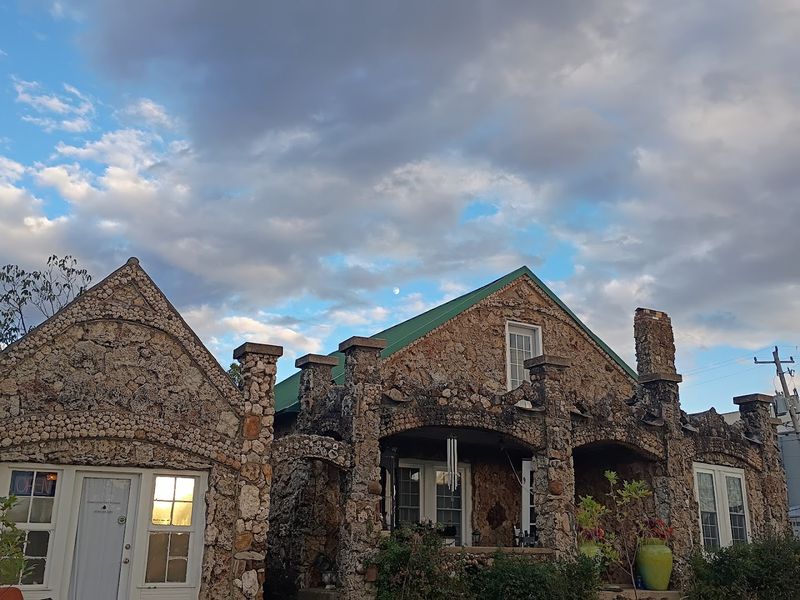
I had to stop and stare for a moment when I first pulled up to the motor court, before I even thought about reaching for my camera.
The stone buildings that line the property are not your average roadside structures, and that becomes obvious before you even step out of your car.
Hubert Clarence Carpenter and stonemason Prince Matlock built these cabins back in the 1930s, and they pressed quartz crystals, geodes, petrified wood, and Native American relics right into the exterior walls as decorative elements.
Every square foot of stonework tells a different story, and you could spend a solid half hour just walking slowly along the walls, spotting new embedded treasures with each step.
The craftsmanship feels personal in a way that modern construction rarely achieves, like someone poured genuine affection into every stone placement.
Recognized as the oldest motor court of its kind in Arkansas, the property was added to the National Register of Historic Places on June 6, 1991. Crystal River Cave and Courts at 206 N Main St, Cave City, AR 72521 proudly carries that distinction today.
A Cave Entrance Wrapped In History
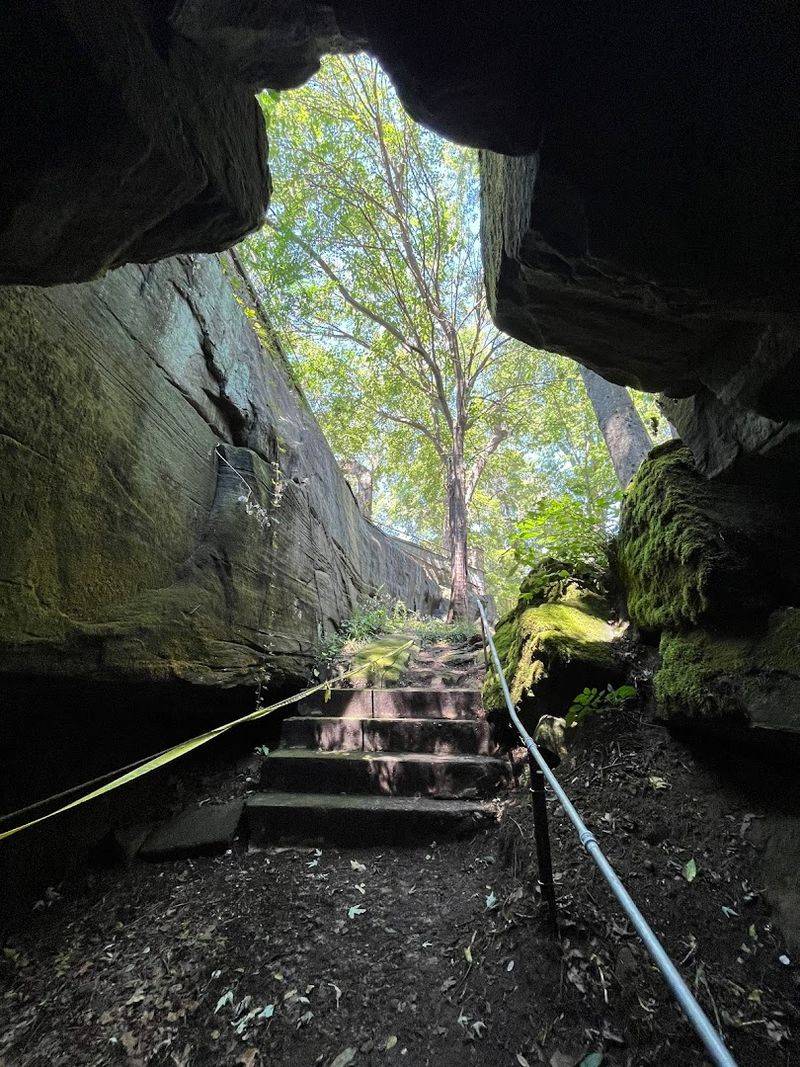
Long before the motor court cabins existed, the cave itself was already meaningful to generations of people who understood its value far better than any modern tourist brochure could explain.
The Osage are believed to have used this cave through the 1700s as shelter and a water source, leaving behind artifacts that local history connects to their presence in the area and the stories still attached to it.
Standing at the entrance, you feel the cool air rolling out like a quiet greeting, steady at around 58 degrees Fahrenheit no matter what season you visit.
That consistent temperature is part of what made this cave so valuable to the early Cave City community, who used it as a natural refrigerator for storing perishable goods before home refrigerators became common.
The entrance area itself has a weathered, honest look to it, nothing polished or overly staged, which somehow makes the experience feel more respectful of the long history held inside.
Knowing that people have walked through this same opening for hundreds of years gives the first step inside a weight that I did not expect but absolutely appreciated.
Underground Passages With Quiet Wonder
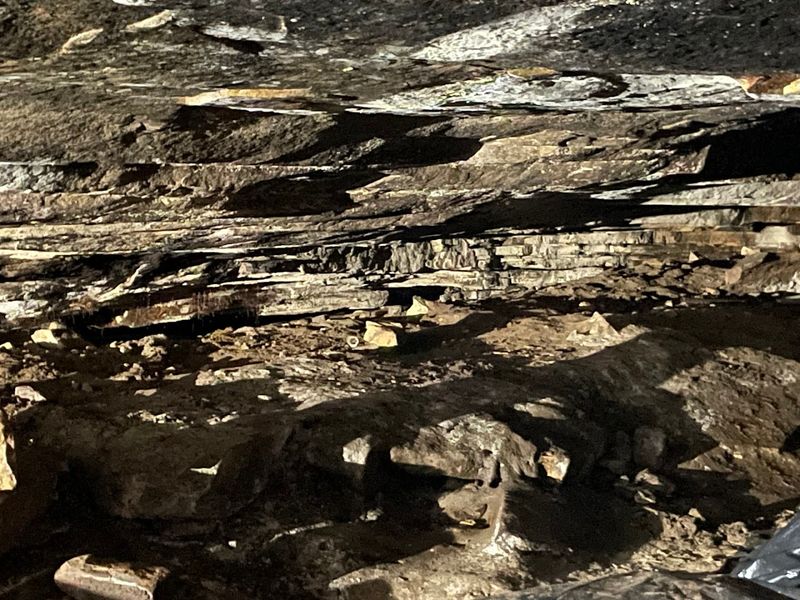
Most caves I have visited rely on dramatic stalactites and towering formations to impress visitors, but this one operates on a completely different kind of magic.
Crystal River Cave is a sandstone cave, which means the walls are smooth and layered rather than spiked with mineral growths, and that creates an atmosphere that feels almost meditative rather than theatrical.
The cave has at least five main chambers spread across three levels, with the main chamber large enough to fit a semi-truck turned sideways, which gives you a real sense of just how much space exists underground here.
Guided tours run about one hour and cover accessible areas of the cave along with the history of the motor court above, so you get a satisfying combination of geology and storytelling in a single visit.
Tours can vary with cave conditions, which means guides focus on the areas that are open and share details that do not make it into any pamphlet.
Reservations are highly recommended, especially during popular weekends like the Cave City Watermelon Festival, so planning ahead is genuinely worth the small effort it takes.
Vintage Motor Court Details
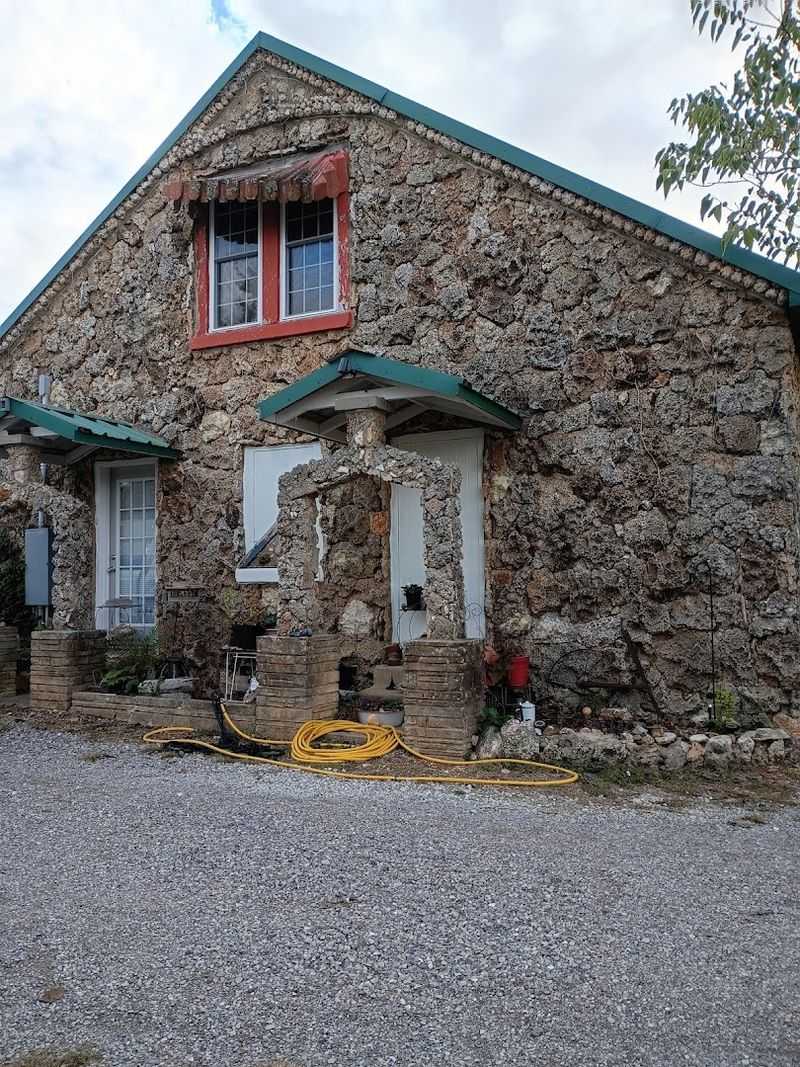
There is something deeply satisfying about a place that has aged without losing its personality, and the motor court at this property hits that balance beautifully.
The individual court houses, as visitors often call them, carry the handmade character of the 1930s in every joint and surface, and no two units look exactly alike because the stonemason worked with whatever natural materials were available at the time.
Crystals catch the light in unexpected ways depending on the time of day, so an afternoon visit looks noticeably different from a morning walk around the same buildings.
One reviewer described the carriage court houses and main house as beautiful and unique, and after seeing them in person, that reaction makes complete sense because photographs honestly do not capture the full tactile richness of the walls.
The family that currently owns and operates the property is actively working on improvements while preserving the original character, and that balance between restoration and respect for history shows in the details.
For anyone who appreciates architecture with a story attached, these motor court cabins reward slow, careful attention in a way that flashier destinations rarely manage to pull off.
Fieldstone Textures Beneath The Trees
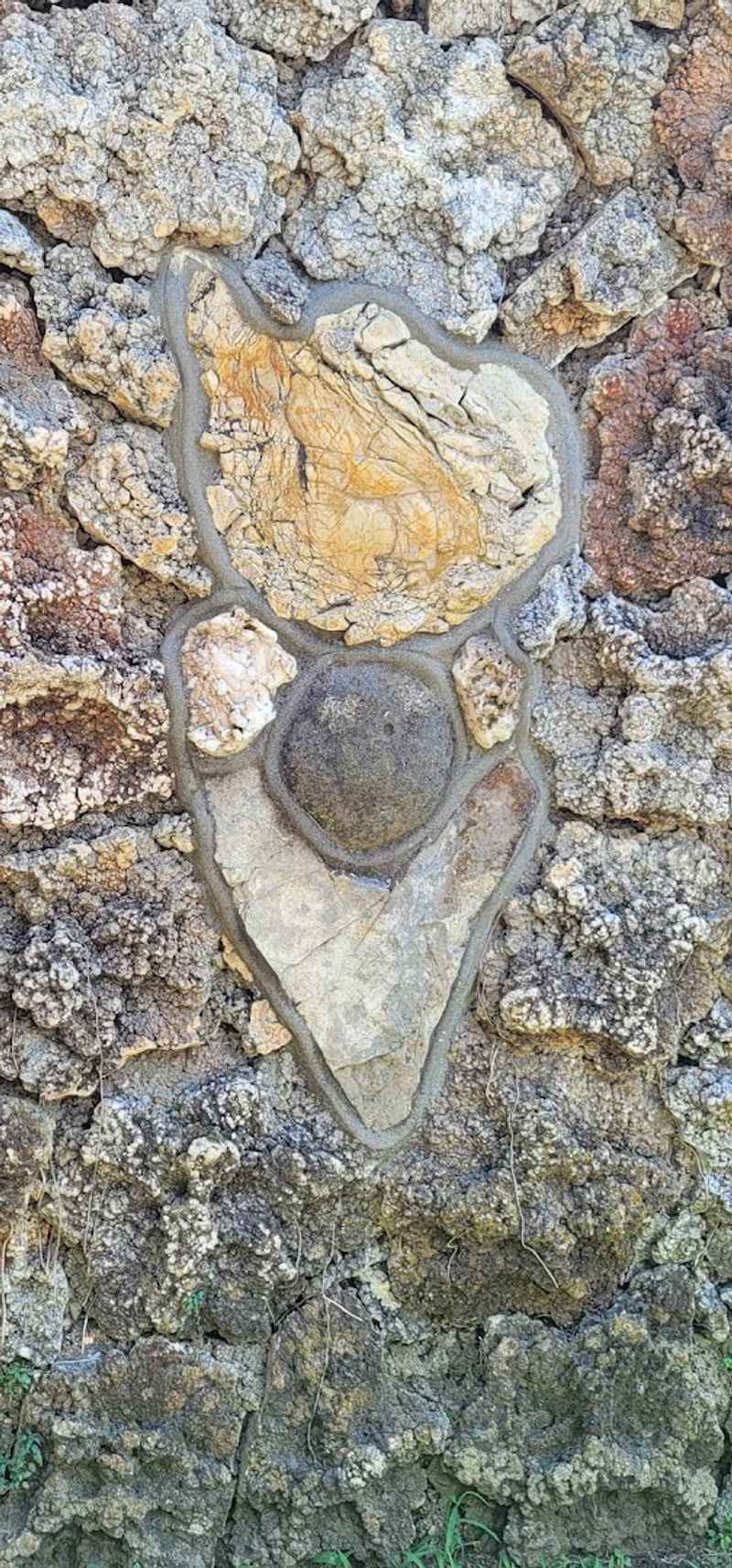
On a shaded afternoon, I walked the grounds and kept finding new surprises pressed into the fieldstone surface at every turn.
Chunks of petrified wood sit alongside clusters of quartz and rough geode halves, all arranged by a craftsman who clearly had an eye for natural beauty as much as structural integrity.
The trees surrounding the property add another layer to the experience, filtering the light in ways that make the embedded minerals in the walls shimmer at certain angles and go quiet at others.
That interplay between the natural landscape and the handbuilt structures gives the grounds a character that feels genuinely rooted in its Arkansas Ozark setting rather than imported from somewhere else.
Visitors who take time to explore the exterior before heading into the cave often say they were surprised by how much there was to see above ground, and I count myself firmly in that group.
The fieldstone textures alone could hold your attention for a full visit, and the cave waiting underneath makes the whole stop feel like two completely separate experiences layered into one address.
A Hidden River Below Main Street
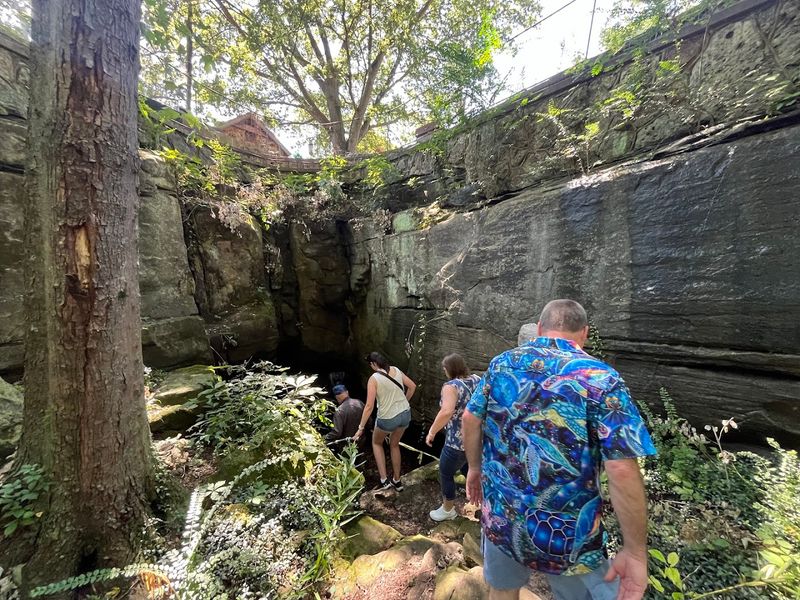
Somewhere beneath the streets of Cave City, a river is flowing right now, and nobody on earth knows exactly where it starts or where it ends up.
The Crystal River runs through the lower levels of the cave, and its water is described as remarkably clear, the kind of clarity that makes you want to reach in and touch it just to confirm it is real.
What makes this underground waterway genuinely fascinating is that its water levels reportedly rise and fall in sync with the Mississippi River, which sits roughly 150 miles away, a connection that has never been fully explained.
Before the 1970s, this hidden river served as a major drinking water source for Cave City, which means the town grew around what flowed beneath the ground in a very practical way.
Standing at the edge of the river inside the cave, with the cool air and the perfectly still water in front of you, the silence feels earned rather than empty.
A river with no confirmed source and a mysterious link to one of America’s great waterways is exactly the kind of detail that stays with you long after you have driven home from a place like this.
Old Ozark Craftsmanship Up Close
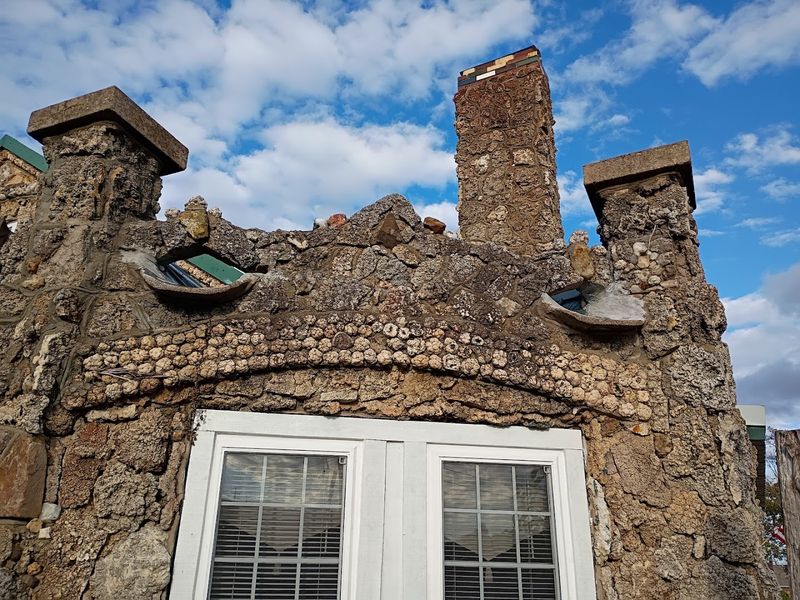
Prince Matlock was not a stonemason who worked from a catalog, and the buildings he constructed with Hubert Clarence Carpenter prove that point with every surface they present.
Native American relics were incorporated directly into the stone walls alongside crystals and geodes, which means the construction process was as much an act of curation as it was one of building.
That level of intentionality is rare in any era, but in the 1930s Ozarks, when materials were sourced locally and labor was deeply personal, it reflects a regional craftsmanship tradition that deserves far more attention than it typically receives.
Tour guides at the property walk visitors through the history of how the buildings came to be, and those explanations add real depth to what might otherwise look like decorative stonework.
Knowing that the relics in the walls came from the same land the cave sits on connects the architecture to the geology and the history in a single continuous thread.
Old Ozark craftsmanship is easy to talk about in general terms, but standing in front of these buildings gives you a specific, tangible example that no amount of reading about it can fully replicate.
Mysterious Chambers Beneath The Surface
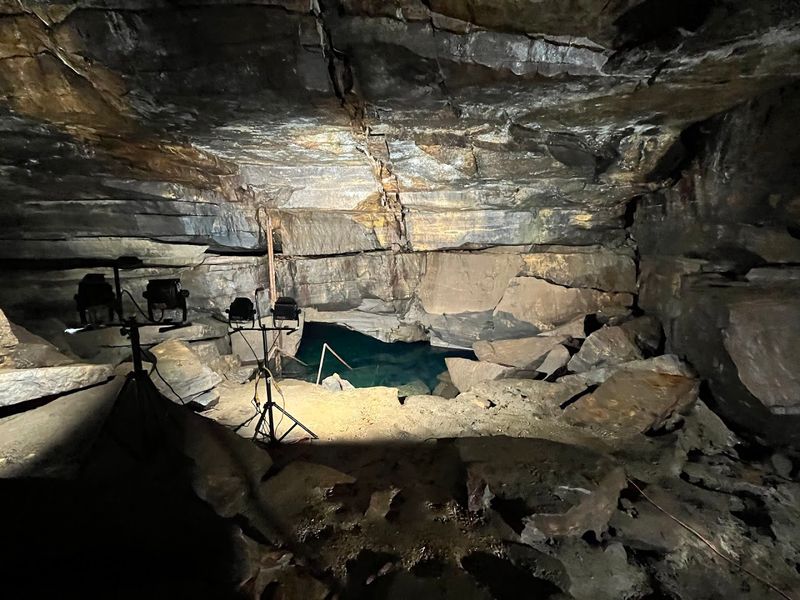
After being closed to the public for over 20 years, Crystal River Cave reopened for guided tours in 2023, then reopened again after storm damage and high water affected access in 2025 for visitors.
Five main chambers spread through the cave’s three levels, and each one carries its own atmosphere, from wide open spaces that echo to tighter passages where the stone walls press close enough to feel the temperature shift.
Possible Osage-era burial history has been treated as part of the cave’s story, and the guides approach those areas with appropriate seriousness, making sure visitors understand the significance of what they are standing near.
That combination of geological wonder and human history layered into the same underground space is what separates this cave from the more commercially developed options you find elsewhere in the region.
The experience works best when the cave is presented with care rather than spectacle, because the quiet passages and hidden water already give the visit enough mystery to feel worthwhile in person.
Some places reward you for the effort of finding them, and after an hour underground with a river you cannot explain and chambers that have held human stories for centuries, this one absolutely earns that reward for a curious traveler.