
11 Ohio Heritage Farm Visits That Feel Perfect For A June Visit
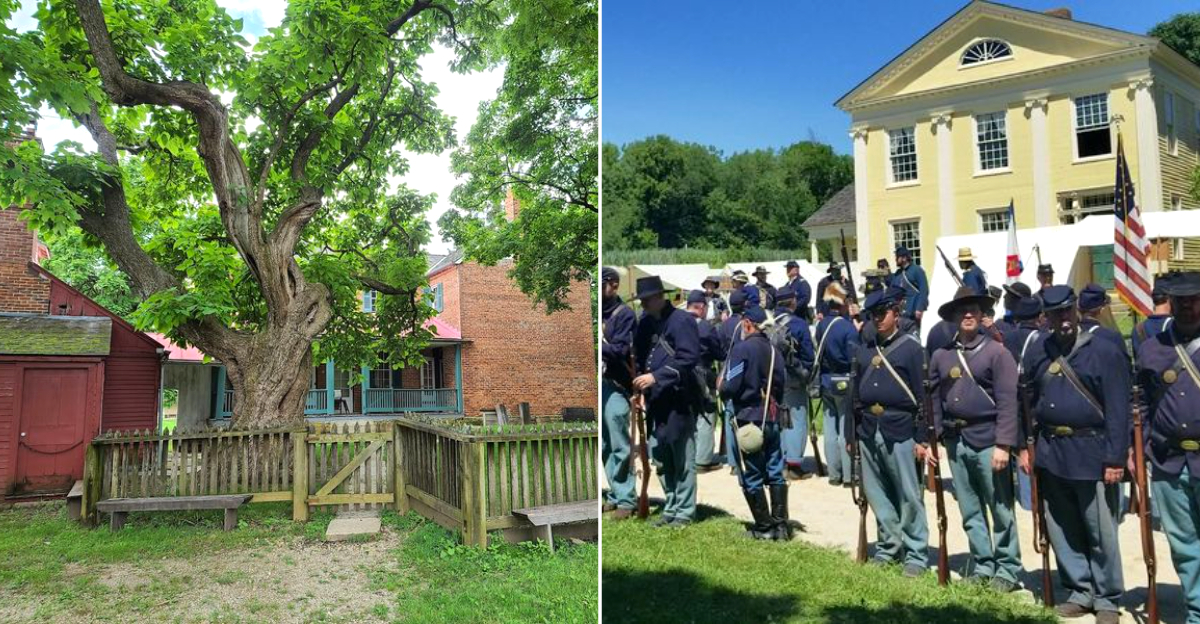
June is when Ohio farm country starts doing its best work. Barn doors open, gardens wake up, animals get noisy in the sunshine, and even a dirt lane can feel like it deserves its own postcard.
Heritage farms make that feeling even better. They do not just show you old buildings and call it history.
They let the past move around a little, through hands-on work, creaking barns, quiet fields, and people who still know what a blacksmith’s hammer should sound like.
The 11 Ohio farm visits below are made for slow wandering and easy curiosity. Bring comfortable shoes, leave room for a few surprises, and let June remind you that simple days can still be the ones that stick.
1. Sauder Village, Archbold
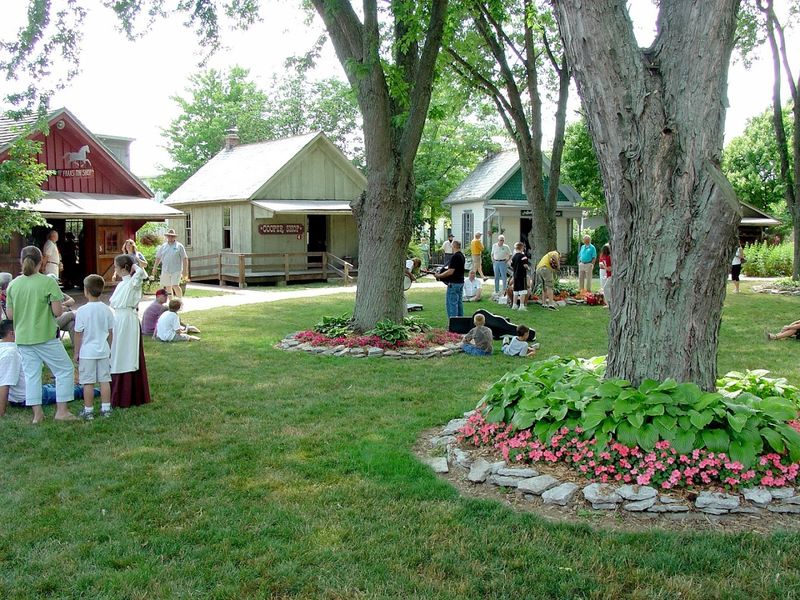
Step back to the 1800s the moment you pass through the gates of Sauder Village, tucked into the northwest corner of Ohio in Archbold.
This is Ohio’s largest living history destination, spreading across a 235-acre complex of beautifully maintained grounds.
Costumed interpreters bring the past to life here, demonstrating trades like glassblowing, weaving, and blacksmithing with genuine skill and enthusiasm.
June is a fantastic month to visit because the gardens are in full bloom and the Historic Village is open for its summer season.
Kids absolutely love watching craftspeople work, and the hands-on activities keep younger visitors engaged without any screens required.
The village also features historic buildings, farm animals, working craft areas, and immersive experiences that feel both educational and genuinely fun.
Plan to spend at least half a day here because there is far more to explore than most people expect on their first visit.
A small-town feel wraps around the whole experience, making it feel personal rather than overwhelming.
Sauder Village sits at 22611 State Route 2 and is easy to reach from Toledo or Fort Wayne, making it a natural anchor for a longer Northwest Ohio road trip.
2. Hale Farm & Village, Bath
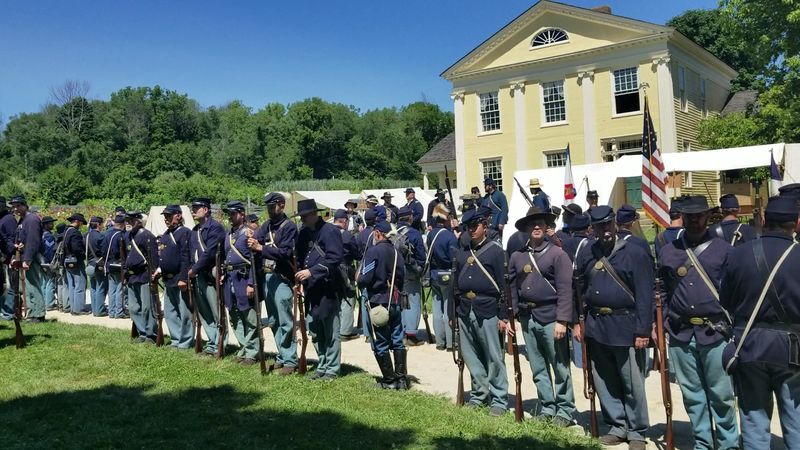
Hale Farm and Village in Bath, Ohio, has a way of making you forget what century you are in, and that is entirely the point.
Operated by the Western Reserve Historical Society, this living history site recreates life in the Western Reserve region during the mid-1800s.
The farm features a collection of historic structures moved from across Northeast Ohio, including homes, barns, and craft shops that have been carefully restored.
Glassblowing demonstrations are a standout attraction here, with skilled artisans shaping molten glass in a way that is mesmerizing to watch regardless of your age.
June brings warm temperatures and vibrant greenery that make the farm’s pastoral setting look like something straight off a vintage postcard.
Farm animals roam the property, and the heirloom gardens are planted with varieties that would have been common in the 1800s.
The surrounding Cuyahoga Valley National Park adds an extra layer of natural beauty to the visit, and many guests combine a farm tour with a hike on nearby trails.
Located at 2686 Oak Hill Road, Hale Farm and Village is a short drive from both Akron and Cleveland.
Arriving early on a weekday gives you the most relaxed experience and the best chance to chat with the interpreters one-on-one.
3. Slate Run Living Historical Farm, Canal Winchester
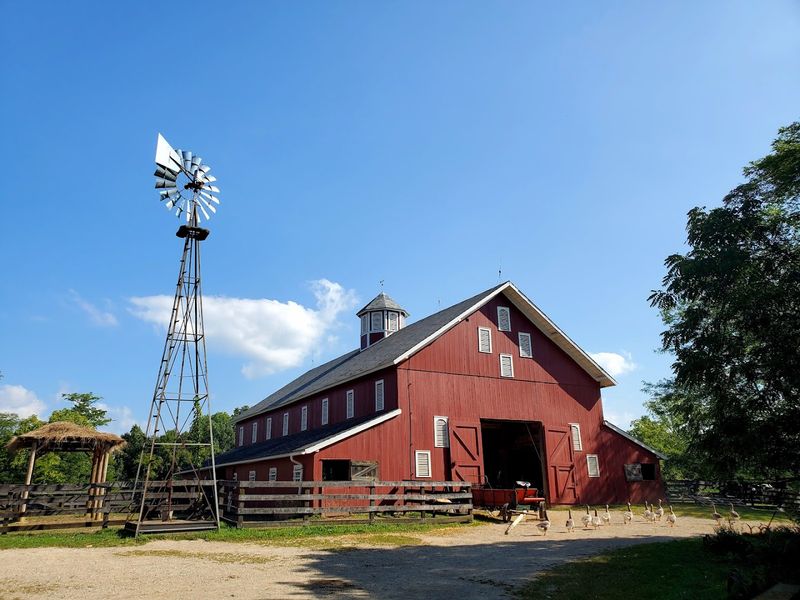
There is something quietly powerful about a place that refuses to modernize, and Slate Run Living Historical Farm in Canal Winchester does exactly that with pride.
The farm portrays life on a central Ohio family farm during the 1880s, complete with heritage breed livestock, period tools, and staff dressed in authentic clothing of the era.
Located at 1375 OH-674, this site sits within Slate Run Metro Park and blends seamlessly with the surrounding natural landscape.
June is an especially rewarding time to visit because the crops are actively growing and many of the farm’s seasonal chores are in full swing.
Visitors can watch staff and volunteers handle period farm tasks such as gardening, cooking, animal care, and other daily chores, with occasional hands-on programs depending on the day’s schedule.
The pace here is deliberately unhurried, which is part of the charm. You are not rushing through exhibits but actually observing a rhythm of life.
Children tend to be fascinated by the draft horses and the hands-on nature of the experience, while adults appreciate the historical accuracy throughout.
The surrounding metro park trails offer a wonderful way to extend your visit with a nature walk after exploring the farm.
Admission is free, which makes this one of the most accessible heritage farm experiences in central Ohio.
4. Malabar Farm State Park, Lucas
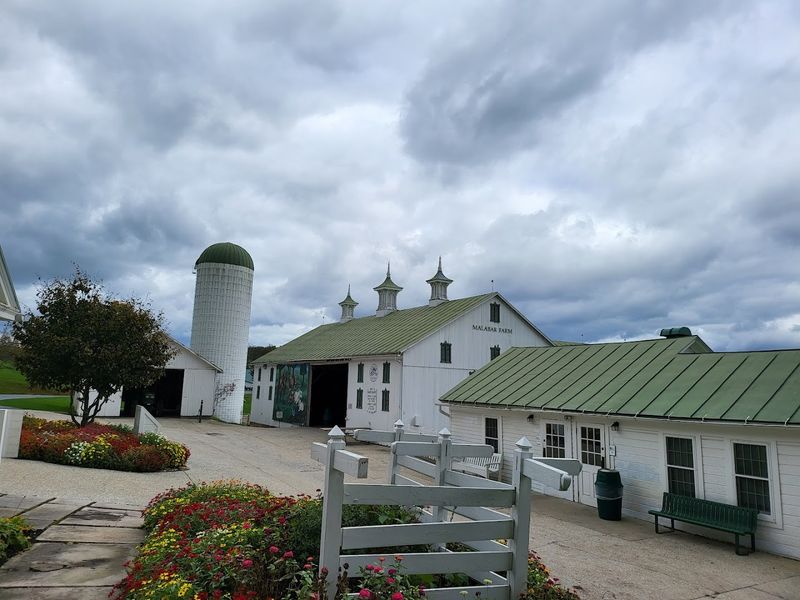
Famous author and conservationist Louis Bromfield built Malabar Farm in the 1930s, and his vision for sustainable agriculture still shapes the land around Lucas, Ohio today.
The farm became a gathering place for celebrities, writers, and thinkers of Bromfield’s era, and that sense of intellectual energy still lingers in the air somehow.
Malabar Farm State Park at 4050 Bromfield Road offers guided tours of the Big House, a 32-room mansion that feels like walking through a history book with very good furniture.
The working farm continues to operate using sustainable practices, which makes it both a heritage site and a forward-thinking agricultural model.
June is ideal for visiting because the fields are lush and the farm’s educational programs run at full capacity during the summer season.
Wagon rides across the property offer a relaxed way to take in the sweeping countryside views that Bromfield himself found so inspiring.
Hiking trails wind through the surrounding hills and forests, adding outdoor adventure to the cultural experience of the farm itself.
Birdwatchers will find the property particularly rewarding in June, when migratory and resident species are both active.
Malabar is located in Richland County, making it a natural stop on any trip through north-central Ohio, and the combination of history, nature, and working farm life is genuinely hard to beat.
5. Johnston Farm & Indian Agency, Piqua
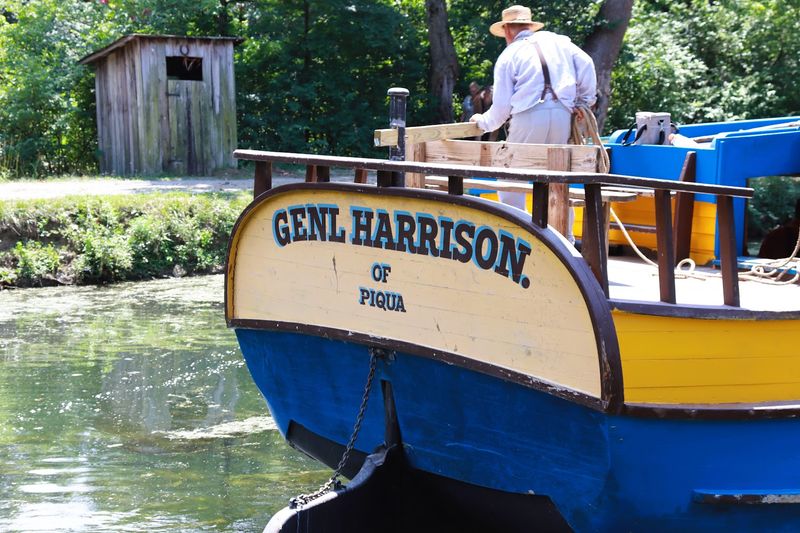
At Johnston Farm and Indian Agency in Piqua, Ohio, history runs deep in multiple directions at once, and that layered storytelling is what sets this place apart.
The site preserves the farm and home of John Johnston, a U.S. Indian agent who played a significant role in relations between the U.S. government and Native American nations in the early 1800s.
Located at 9845 North Hardin Road, the property also includes a restored section of the Miami and Erie Canal, complete with a working canal boat that visitors can actually ride when tours are operating and weather allows.
That canal boat ride is a genuine highlight, offering a slow, peaceful float that connects you physically to the transportation network that once powered Ohio’s economy.
June weather makes the boat ride especially pleasant, and the farm’s grounds are at their greenest and most photogenic during this time of year.
Costumed interpreters explain daily life from multiple perspectives, including farming, trade, and Indigenous history, giving the site a richness that single-focus museums often lack.
The restored Federal-style farmhouse and outbuildings are open for guided or self-guided tours during public visiting hours.
Families with school-age children will find the interpretive programming both engaging and genuinely educational in ways that go beyond typical museum displays.
Plan at least two to three hours to do the site full justice.
6. Lake Metroparks Farmpark, Kirtland
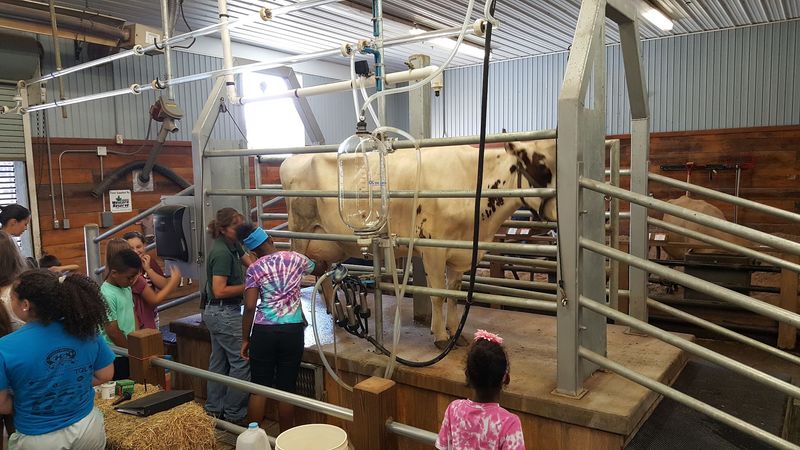
Lake Metroparks Farmpark in Kirtland, Ohio, is the kind of place where a city kid can finally understand where food actually comes from, and that revelation is worth every mile of the drive.
Spread across 235 acres at 8800 Euclid Chardon Road, the farm features live demonstrations, farm animals, gardens, and hands-on activities designed to connect visitors of all ages with agricultural life.
You can watch a cow being milked, see a farrier shoe a horse, or learn how maple syrup is made, all in a single visit.
June is one of the best months to visit because the gardens are thriving, the animals are active, and the full lineup of daily programs is running strong.
The Plant Science Building offers a fascinating look at how crops grow, with displays that make botany feel genuinely exciting rather than textbook dry.
Draft horse demonstrations are a crowd favorite, and watching those massive, gentle animals work alongside handlers is both impressive and unexpectedly moving.
The farm also hosts seasonal events in June that often include planting activities and educational talks geared toward families.
Lake County’s rolling landscape surrounds the property, making the setting feel both rural and accessible, even though Cleveland is less than 30 miles away.
Budget a full morning or afternoon here because there is always more to see than you initially expect.
7. Gorman Heritage Farm, Evendale
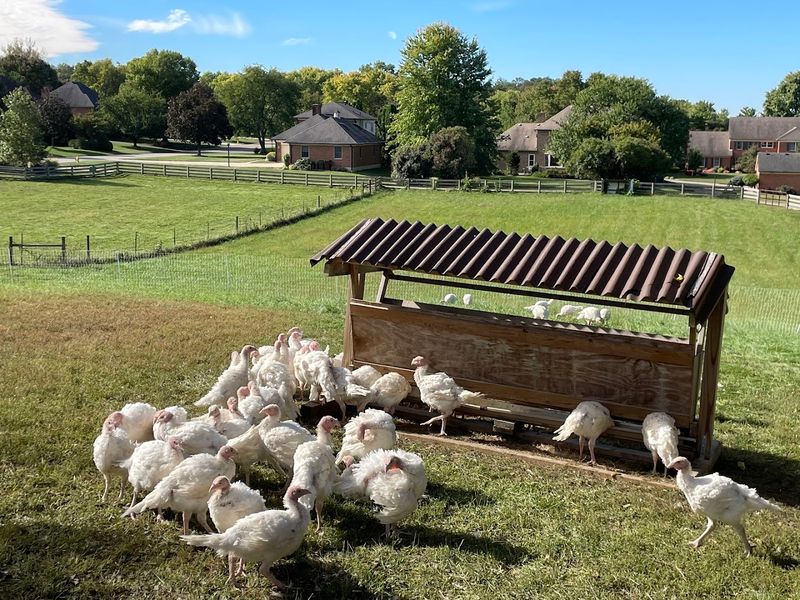
Nestled in the northern Cincinnati suburb of Evendale, Gorman Heritage Farm is a working nonprofit farm that takes its educational mission as seriously as its crop rotation.
Located at 10052 Reading Road, the farm sits on 122 acres of preserved agricultural land that feels refreshingly out of place given the suburban neighborhoods surrounding it.
Heritage breed animals are a cornerstone of the experience here, and the farm maintains breeds like Tamworth pigs, Milking Shorthorn cattle, and Narragansett turkeys that you simply will not encounter at a typical petting zoo.
June is a wonderful time to visit because the market garden is in full production, the animals are outdoors, and the farm’s weekly programming is at its most active.
The on-site farmers market operates on select days and offers fresh produce, eggs, and other farm goods that make for a great addition to your visit.
Walking the grounds feels genuinely peaceful, with birdsong, open fields, and the occasional goat wandering nearby to keep things entertaining.
Educational programs for children run throughout the summer and cover topics from soil health to animal husbandry in ways that are accessible and memorable.
Gorman Heritage Farm charges admission for general visits, while members and Evendale residents receive free entry.
It is a hidden treasure in Greater Cincinnati that deserves far more attention than it typically receives.
8. Carriage Hill MetroPark, Huber Heights
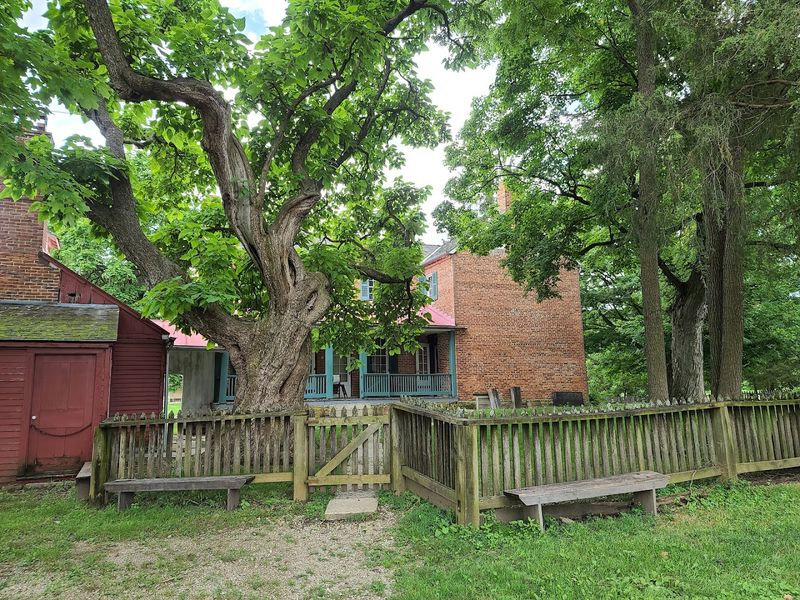
Carriage Hill MetroPark in Huber Heights, Ohio, delivers the full 1880s farm experience without requiring a history degree to enjoy it.
The centerpiece of the park is a restored farmstead that portrays rural life in the Miami Valley during the late 19th century, complete with interpreters who cook, garden, and tend animals using period-accurate methods.
Located at 7800 Shull Road, the farm is part of the Five Rivers MetroParks system and benefits from excellent maintenance and programming.
June visitors get to see the farm operating at a particularly lively pace, with planting, animal care, and outdoor cooking all happening simultaneously.
The farm’s heritage garden is a highlight, featuring heirloom vegetables and herbs that were common in Ohio households more than a century ago.
Beyond the farmstead, Carriage Hill offers miles of trails through meadows and woodlands, making it easy to combine a farm visit with a proper outdoor walk.
The trail system is well-marked and family-friendly, with options ranging from short loops to longer routes that take you deep into the park’s natural areas.
Photography enthusiasts will find the farm particularly rewarding in June, when golden morning light hits the white farmhouse and the surrounding fields glow with new growth.
Admission to the park and farmstead is free, which makes it an easy choice for a spontaneous June outing near Dayton.
9. Carter Historic Farm, Bowling Green
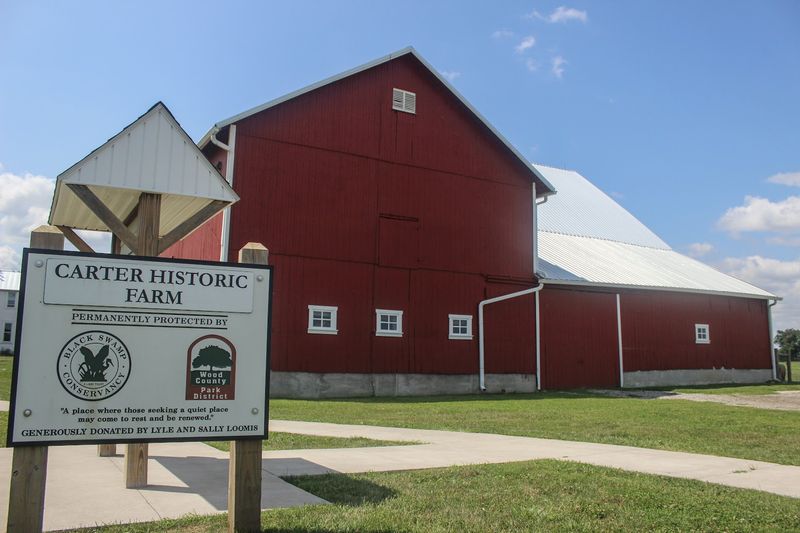
Carter Historic Farm in Bowling Green, Ohio, is one of those places that feels genuinely off the beaten path, and that is a big part of its appeal.
Located at 18331 Carter Road in Wood County, the farm preserves and interprets the agricultural heritage of Northwest Ohio with a focus on the early to mid-20th century.
Unlike many heritage sites that focus exclusively on the 1800s, Carter Farm gives visitors a window into how farming evolved through the era of early mechanization, which adds a different kind of historical texture.
The property includes a collection of historic farm buildings, vintage equipment, and demonstration areas that show how technology began to reshape rural life in Ohio.
June is a great month to visit because the grounds are green and open, the air is warm, and the farm feels fully alive rather than dormant.
The surrounding Wood County landscape is flat and expansive, which gives the farm a wide-open, honest quality that feels true to its agricultural roots.
Visiting with older children or teenagers works particularly well here because the 20th-century context feels more relatable and tangible than distant colonial history.
The farm is less crowded than some larger heritage sites, which means you can take your time, ask questions, and really absorb the details without feeling rushed.
It rewards the curious visitor who slows down long enough to look closely.
10. MetroParks Farm, Canfield
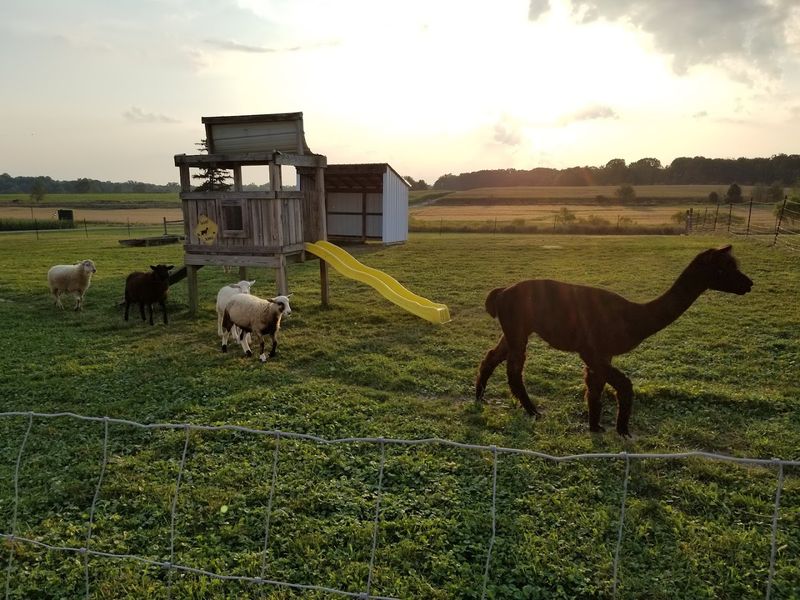
MetroParks Farm in Canfield, Ohio, brings the working farm experience to Mahoning County with a warmth and accessibility that makes it feel welcoming from the moment you arrive.
Operated by Mill Creek MetroParks, the farm at 7574 Columbiana-Canfield Road covers a broad range of agricultural themes, from animal husbandry to crop production and environmental stewardship.
The property features a classic red barn, pastures, gardens, and a lineup of animals that includes horses, cows, pigs, sheep, and chickens, all well-cared-for and visitor-friendly.
June is a prime time to visit because the farm’s educational programming ramps up significantly during the summer months, with events and demonstrations scheduled regularly.
Younger visitors tend to gravitate toward the animal areas immediately, and the farm staff are genuinely enthusiastic about answering questions and encouraging curiosity.
The gardens are another draw in June, with seasonal vegetables and flowers that show visitors the connection between soil, seed, and table in a very direct way.
Walking the farm’s grounds takes a relaxed hour or two, and the pace feels easy and enjoyable rather than rushed or overwhelming.
The surrounding Mill Creek MetroParks system offers additional trails and natural areas nearby, making it simple to extend your outing into a full day of outdoor exploration.
Northeast Ohio families have a genuine treasure in this farm, and June is the perfect excuse to finally make the trip.
11. Young’s Jersey Dairy, Yellow Springs
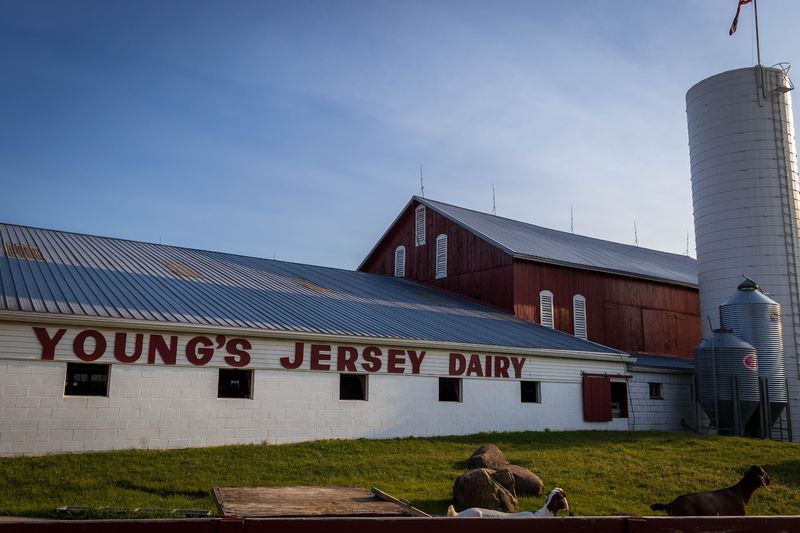
Young’s Jersey Dairy in Yellow Springs, Ohio, is the farm visit that comes with a scoop of ice cream, and honestly that alone should be enough to get you in the car.
Located at 6880 Springfield-Xenia Road, this family farm traces its story to 1869, when relatives of the Young family built the red barn that still helps define the property’s identity.
The dairy tradition grew after the Young family bought the farm following World War II and later began selling Jersey milk directly to the public in 1958.
June is a particularly joyful time to visit because the weather is warm, the cows can be seen around the farm area, and the ice cream tastes even better when you can eat it outside on a sunny afternoon.
Beyond the dairy operation, Young’s offers a petting zoo, mini golf, and seasonal outdoor activities that make it a full family destination rather than just a quick stop.
The dairy store and farmstead cheese marketplace offer ice cream, food, cheese, and other farm-inspired items, making it easy to bring a little of the visit home with you.
Yellow Springs itself is a charming, artsy village worth exploring before or after your farm visit.
Young’s manages to be both a genuine farm-rooted destination and a beloved community gathering spot, and that combination is rarer and more special than it might seem.