
The Quirky Hidden Town In Florida That’s Full Of History
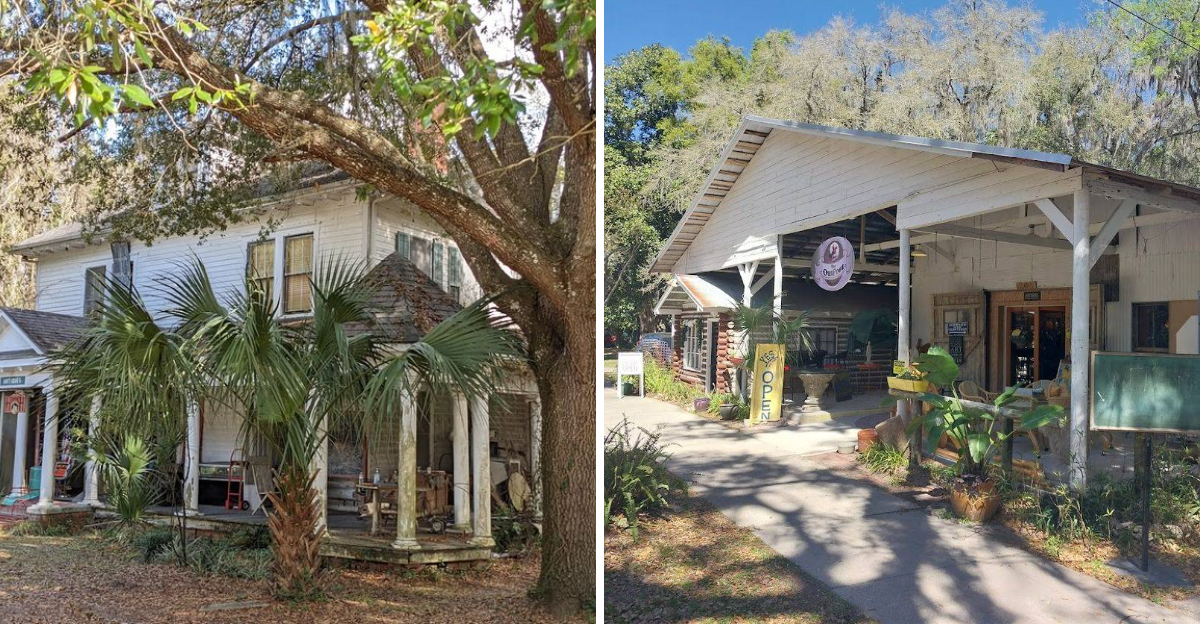
Florida is not supposed to feel this old.
That is the first surprise.
For many visitors, the state is defined by beaches, theme parks, and constant growth. Then they arrive in Micanopy and discover a place where towering oaks shade historic streets, antique shops occupy century-old buildings, and time seems to move at a completely different pace.
The contrast is remarkable.
Modern Florida races forward.
Micanopy quietly holds on.
That is exactly what makes it so special.
Every storefront, front porch, and brick-lined corner feels connected to a story. The atmosphere invites visitors to slow down, wander without a plan, and appreciate a version of Florida that has become increasingly rare.
There are no towering attractions competing for attention.
No rush to get anywhere.
Just history, charm, and the kind of authenticity that cannot be manufactured.
For anyone searching for Old Florida, this tiny town may be one of the most rewarding discoveries in the entire state.
Florida’s Oldest Inland Town
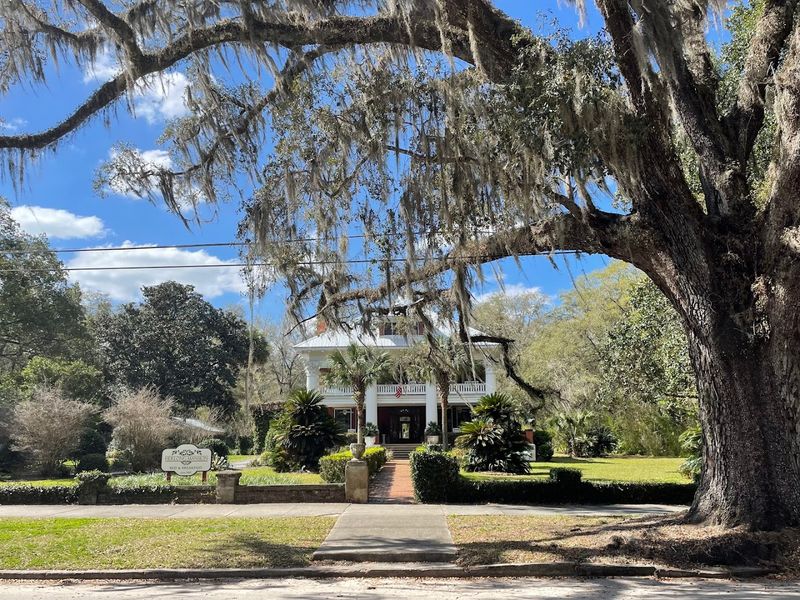
Walking down Cholokka Boulevard, I could practically feel centuries of footsteps beneath my own.
Micanopy earned its title as Florida’s oldest continuously inhabited inland community, with roots stretching back long before the United States even existed. The Timucuan people called this area home first, followed by Seminole settlements, and eventually European colonizers who recognized the strategic importance of this spot.
Unlike coastal towns that popped up with each wave of explorers, Micanopy’s interior location made it a crossroads for trade routes and cultural exchange.
The town incorporated in 1821, the same year Florida became a U.S. territory, though human activity here predates that by thousands of years. Standing on these streets, I noticed how the buildings themselves seem to lean into each other like old friends sharing secrets.
The preservation efforts have kept modern development at bay, allowing visitors to experience what Florida looked like before theme parks and high-rises.
Every corner reveals another layer of history, making it impossible to rush through this remarkable place.
The Herlong Mansion’s Victorian Elegance
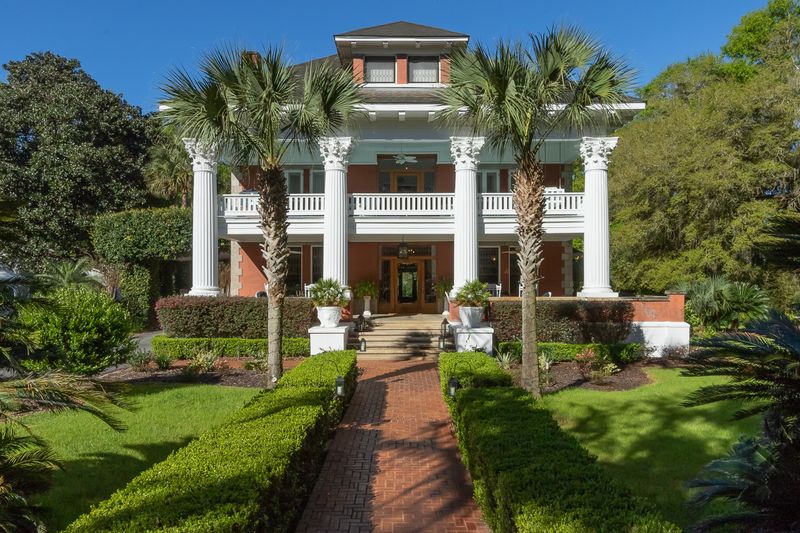
Approaching the Herlong Mansion on Cholokka Boulevard, I felt like I’d wandered onto a movie set designed for Southern Gothic romance.
This stunning structure was built in the 1840s as a simple two-room house before lumber baron Zetty Herlong transformed it into the four-story masterpiece that dominates the town’s skyline today. The mansion showcases classic Greek Revival architecture with its towering Corinthian columns, intricate woodwork, and wraparound verandas that practically beg you to sit with a good book.
I spent an afternoon admiring the leaded glass windows and mahogany inlaid floors, each detail revealing the craftsmanship of a bygone era.
Now operating as a bed and breakfast, the mansion lets visitors sleep surrounded by antique furnishings and original fixtures that the Herlong family once enjoyed. The building survived wars, economic depressions, and Florida’s notorious hurricanes, standing as proof of quality construction and community dedication to preservation.
Even if you don’t stay overnight, the mansion’s exterior alone justifies a slow stroll past its manicured grounds and grand facade.
Antique Shopping Paradise
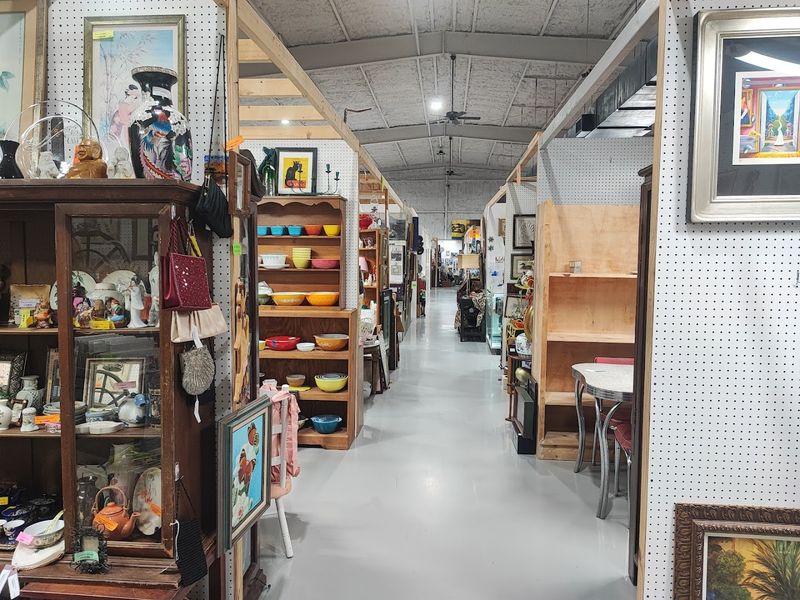
My wallet started sweating the moment I realized just how many antique shops pack into Micanopy’s few blocks.
This tiny town somehow supports more than a dozen antique stores, each one bursting with treasures ranging from Victorian furniture to mid-century modern kitchenware. I wandered into O’Brisky Books and found first editions I’d only seen in library catalogs, while the Micanopy Trading Post yielded a collection of vintage postcards that documented the town’s evolution through decades.
What strikes me most about shopping here is the knowledge of the dealers, many of whom can trace the provenance of their items back through multiple owners.
Unlike impersonal chain stores or online marketplaces, these shops encourage conversation, haggling, and the kind of leisurely browsing that’s become rare in modern retail. I watched a dealer spend twenty minutes explaining the history of a Depression-era glass pattern to a curious customer, never once checking a phone or rushing the interaction.
Whether you’re a serious collector or just enjoy touching pieces of the past, Micanopy’s antique scene offers hours of discovery.
Paynes Prairie State Park Connection
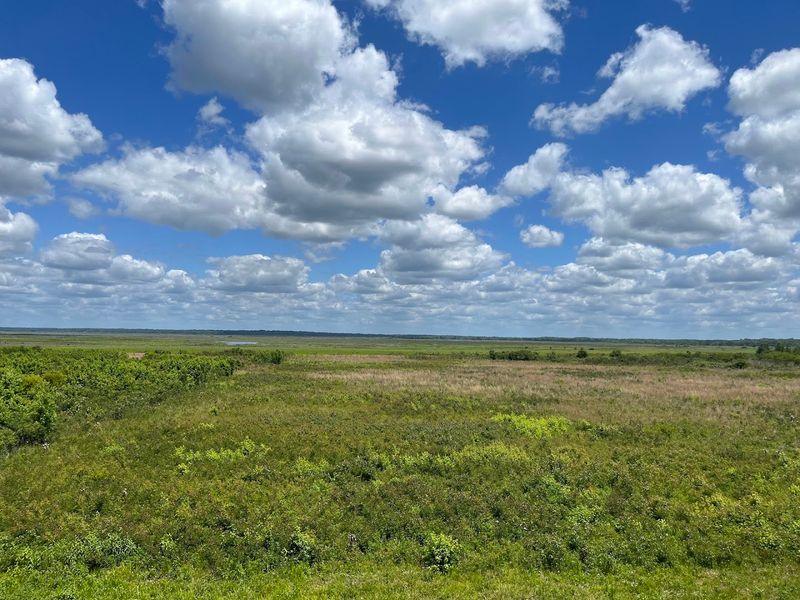
Just south of town, the landscape opens into a breathtaking expanse that seems transplanted from the Great Plains rather than peninsular Florida.
Paynes Prairie Preserve State Park sprawls across 21,000 acres of wetlands, prairies, and hardwood hammocks that have supported wildlife for millennia. I’ve hiked the trails here multiple times, each visit revealing different residents, from alligators sunning themselves near the observation tower to wild horses galloping across the grasslands in small herds.
The park’s proximity to Micanopy made it a vital resource for early settlers, providing hunting grounds, grazing land, and a natural barrier against potential threats.
Naturalist William Bartram documented this prairie in the 1770s, describing the abundance of wildlife and the dramatic landscape that still captivates visitors today. The Gainesville-Hawthorne State Trail runs along the prairie’s edge, offering cyclists and hikers easy access to this ecological treasure.
I recommend timing your visit for early morning when mist rises from the wetlands and birds fill the air with their dawn chorus, creating an almost primordial atmosphere.
Movie Fame And Hollywood Connections
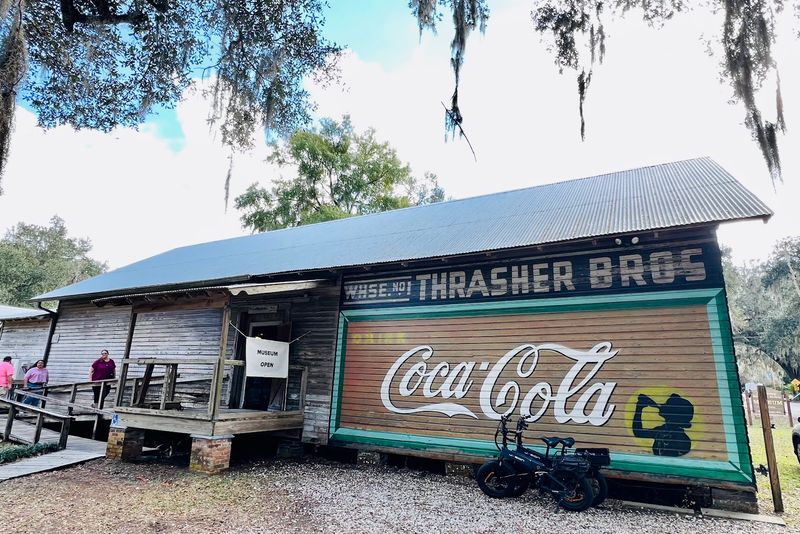
Film buffs might recognize Micanopy’s streets from the 1991 thriller “Doc Hollywood,” which used the town as a stand-in for a fictional South Carolina community.
Hollywood scouts chose Micanopy specifically because its authentic historic character couldn’t be replicated on a studio backlot, and the town’s residents embraced their moment in the spotlight. I spoke with several locals who remember the production, their eyes lighting up as they pointed out which storefronts appeared in key scenes.
The town’s cinematic appeal extends beyond that single film, as photographers and location scouts regularly visit to capture its unspoiled 19th-century aesthetic.
What makes Micanopy camera-ready isn’t just the old buildings, but the absence of modern intrusions like power lines cluttering the sky or chain restaurants breaking the visual continuity. Walking these streets, I understood why directors seek out places like this, where every angle offers a glimpse into America’s past without requiring CGI or elaborate set dressing.
The town wears its movie credentials lightly, with no garish signs advertising its Hollywood connection, just quiet pride in being photogenic enough to fool audiences.
Seminole Wars Historical Significance
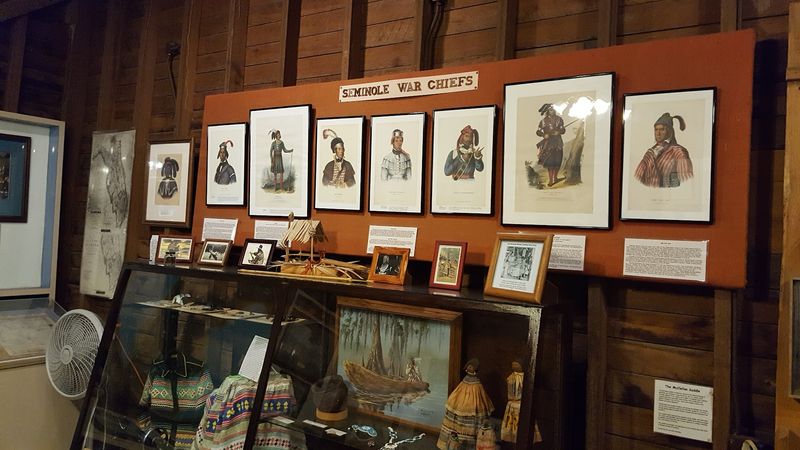
Blood and conflict soaked into this soil long before Micanopy became the peaceful retreat I experienced during my visits.
The town sits in the heart of territory fiercely contested during the Second Seminole War, one of the longest and costliest conflicts in American military history. Fort Defiance once stood near present-day Micanopy, serving as a military outpost during the 1830s campaigns to forcibly remove Seminole people from Florida.
I found a historical marker near the old fort site, its weathered bronze plaque describing battles and skirmishes that raged through these oak hammocks.
The conflict shaped Micanopy’s early development, as settlers sought protection near military installations while simultaneously pushing into lands that indigenous peoples had occupied for generations. Understanding this difficult history adds depth to any visit, reminding us that these charming streets witnessed trauma alongside triumph.
Local historians have worked to present a more complete narrative that acknowledges both settler experiences and Seminole resistance, though much of the indigenous perspective remains underrepresented in official accounts.
This complex past deserves contemplation alongside appreciation for the town’s preserved beauty.
The Annual Harvest Festival Tradition
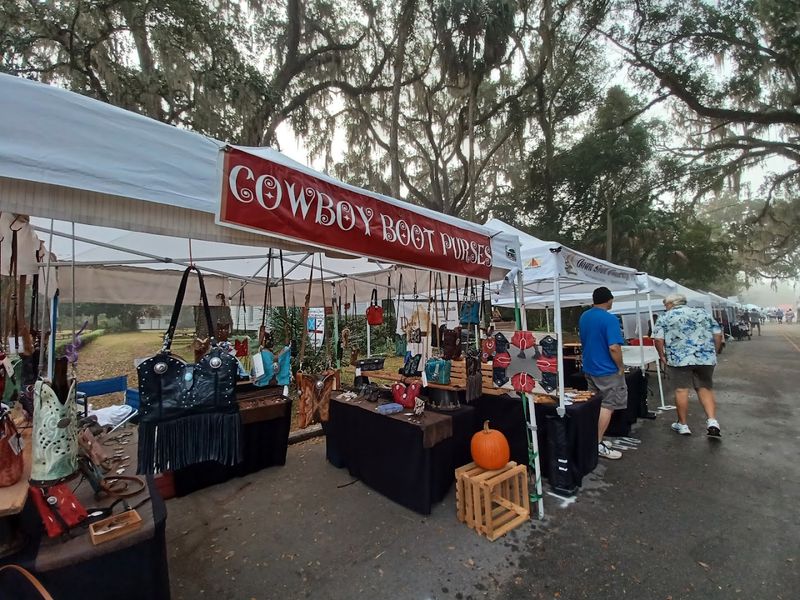
Every October, Micanopy’s population temporarily explodes as thousands descend for the Fall Harvest Festival, transforming the sleepy town into a bustling marketplace.
I attended one year and found myself shoulder-to-shoulder with craft enthusiasts, antique hunters, and families enjoying the perfect Florida fall weather that finally breaks summer’s oppressive heat. The festival stretches along Cholokka Boulevard and spills into side streets, with vendors offering everything from handmade quilts to locally produced honey.
What impressed me most was the quality of the craftsmanship on display, with artists demonstrating traditional techniques like blacksmithing, weaving, and woodcarving.
The event began decades ago as a small community gathering and has grown into one of North Florida’s premier autumn celebrations, yet it maintains an intimate, small-town feel that larger festivals often lose. I watched children participate in old-fashioned games while their parents browsed pottery and paintings, the whole scene feeling like a Norman Rockwell illustration come to life.
Food vendors serve up regional specialties, and the antique shops stay open late, making it the perfect time to experience Micanopy’s commercial heart at full throttle.
Cholokka Boulevard’s Architectural Timeline
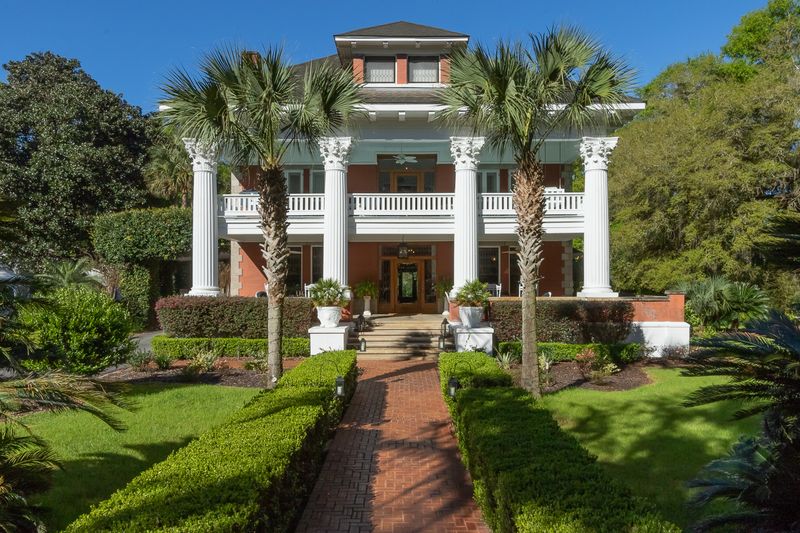
Architecture enthusiasts could spend days studying the buildings lining Cholokka Boulevard, each structure representing a different chapter in Florida’s development.
I started at the northern end and worked my way south, notebook in hand, cataloging the progression from frontier simplicity to Victorian excess to early 20th-century commercial design. The oldest structures feature the thick tabby walls and simple lines of frontier construction, built when materials had to be hauled by wagon over rough trails.
Later buildings show the influence of railroad access, with ornate details and imported materials that earlier settlers couldn’t afford.
What fascinates me is how these different styles coexist without clashing, creating a visual history lesson that requires no museum placards to appreciate. Several buildings retain their original storefronts, complete with recessed doorways and large display windows designed for an era when pedestrians moved slowly enough to window-shop.
The town’s strict preservation ordinances have prevented inappropriate modifications, meaning you won’t find aluminum siding covering historic wood or modern additions that disrespect the original architecture.
This architectural integrity makes Micanopy invaluable for understanding Florida’s built environment evolution.
The Literary Legacy Of Marjorie Kinnan Rawlings
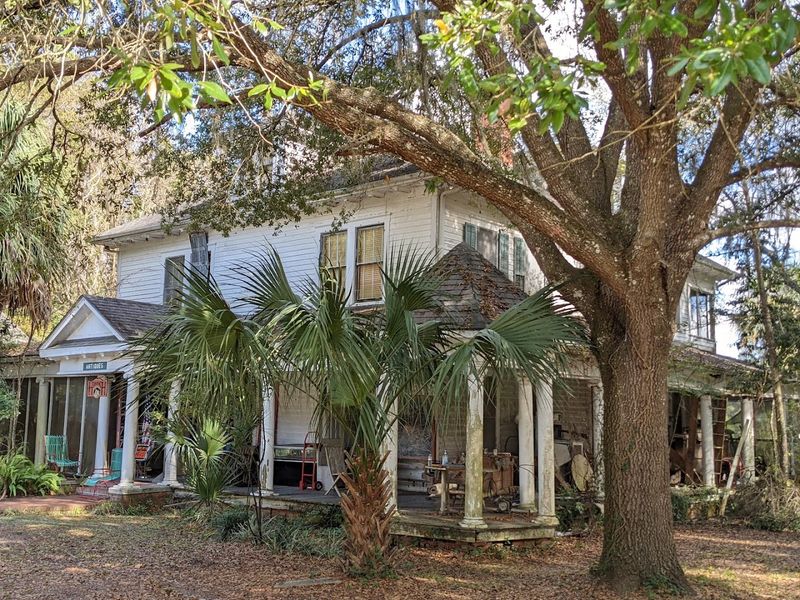
Pulitzer Prize-winning author Marjorie Kinnan Rawlings lived just a short drive from Micanopy at Cross Creek, and the town appears in her vivid descriptions of Old Florida life.
Her most famous work, “The Yearling,” draws heavily on the landscape, people, and culture of this region, capturing a way of life that was already fading when she wrote in the 1930s. I visited her preserved homestead after exploring Micanopy and immediately recognized settings she’d described in her essays and novels.
The connection between Rawlings and Micanopy runs deep, as she shopped in the town’s stores, knew many residents personally, and absorbed the vernacular speech patterns that make her dialogue so authentic.
Reading her work before visiting adds tremendous depth to the experience, as you can match her literary descriptions to actual places and understand the cultural context she documented. Her writing preserves voices and perspectives that might otherwise be lost, offering insight into Depression-era rural Florida that history books often overlook.
The town honors her legacy quietly, without commercializing the connection, trusting that literary pilgrims will find their way here regardless.
Live Oak Canopy And Natural Beauty
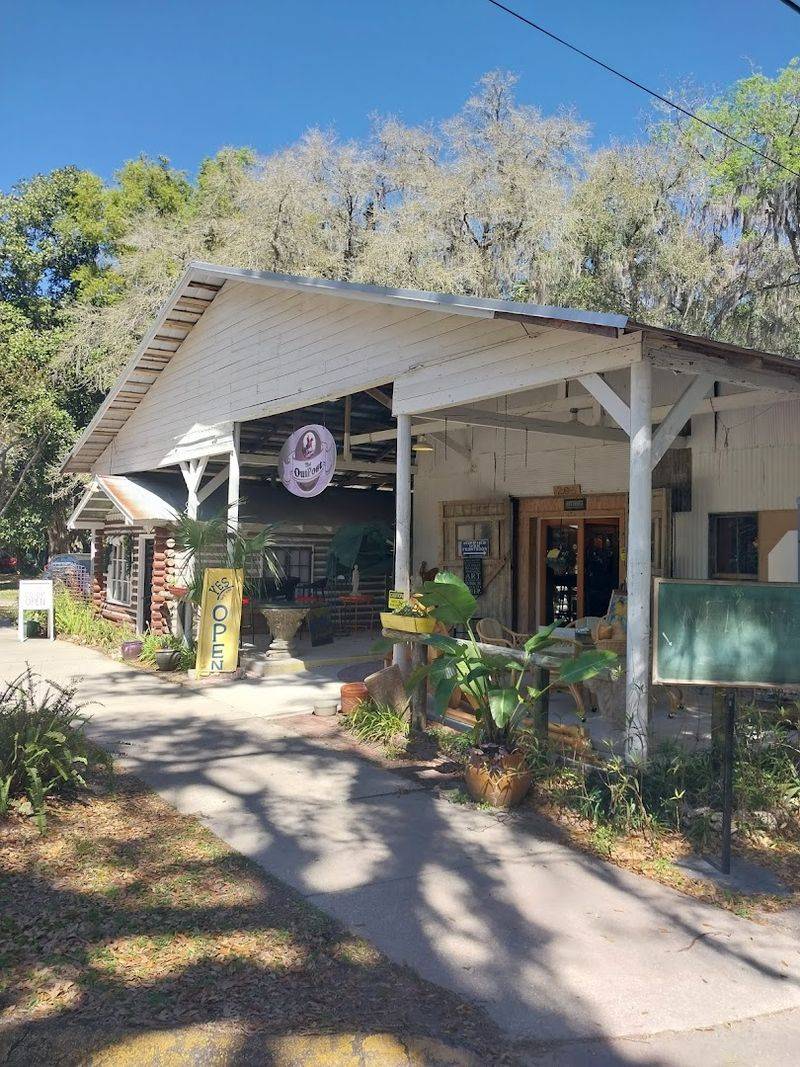
These ancient trees, some estimated at over 200 years old, create a natural tunnel that filters sunlight into dancing patterns on the pavement below. Spanish moss drapes from every limb, swaying in breezes that carry the scent of magnolia and pine.
I’ve photographed these trees in every season and lighting condition, yet they never look quite the same twice, shifting with the sun’s angle and the weather’s mood.
The town has protected these oaks through ordinances that recognize them as irreplaceable community assets, understanding that chainsaws can remove in minutes what nature took centuries to create. Sitting beneath their shade on a humid afternoon, I felt connected to everyone who’d sought the same relief over the past two centuries, from Seminole families to frontier settlers to modern visitors.
These trees aren’t just scenery; they’re living monuments that witnessed every triumph and tragedy in Micanopy’s long history, silent guardians that will hopefully stand for centuries more.