
The Charming Small Town In South Carolina That Feels Straight Out Of A Hallmark Movie
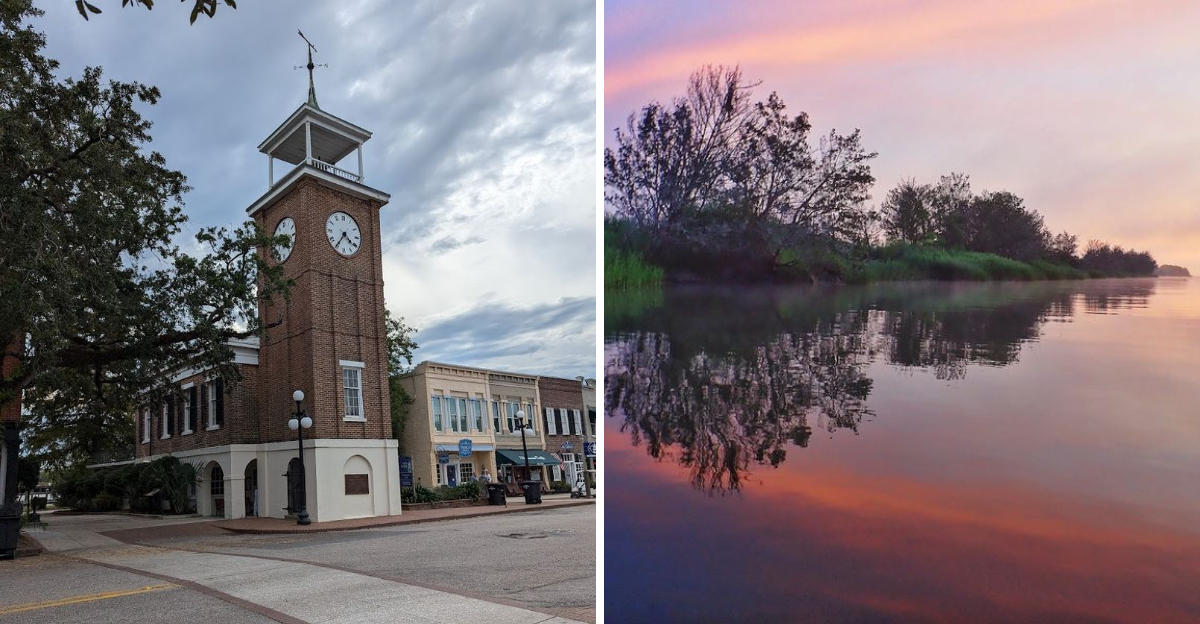
If South Carolina were casting a Hallmark movie, Georgetown would probably get the lead role.
It has all the ingredients.
Historic streets shaded by centuries-old trees. A picturesque waterfront lined with boats.
Charming shops where owners still greet customers with a smile. And the kind of small-town atmosphere that makes visitors slow down without even realizing it.
That is the magic of Georgetown.
The city feels timeless in a way that few places still do. Around every corner, there is another beautifully preserved building, another glimpse into South Carolina’s past, and another reason to linger a little longer than planned.
The contrast is what makes it so memorable.
Rich history.
Relaxed coastal charm.
And a downtown that feels like it was designed specifically for wandering.
Many visitors arrive expecting a pleasant day trip.
What often surprises them is how difficult it becomes to leave.
Georgetown has a way of turning quick visits into weekend getaways and first-time guests into lifelong fans.
A Town That History Actually Built
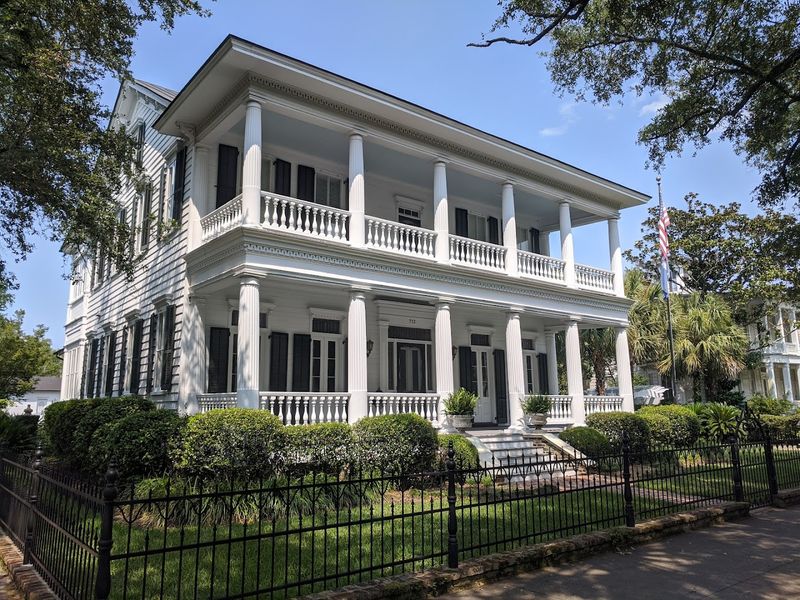
Some places wear their history lightly, but Georgetown, South Carolina, carries its past with the kind of confident charm that stops you mid-stride.
Founded in 1729, Georgetown is the third-oldest city in South Carolina, making it one of the oldest continuously inhabited settlements in the entire Southeast.
The city sits at the confluence of five rivers, which made it a critical trading hub during the colonial and antebellum eras.
At its peak in the early 1800s, the Georgetown district was reportedly producing nearly half of the entire United States rice crop, a staggering fact that shaped the region’s landscape and culture forever.
Walking through the downtown streets today, you pass antebellum homes, wrought-iron fences, and live oak canopies that have witnessed centuries of American life unfold beneath their branches.
Roughly 60 buildings in the historic district are listed on the National Register of Historic Places, which gives the whole town an unmistakable sense of permanence.
No other small town in South Carolina quite matches that layered depth of story packed into such a walkable, friendly space.
Front Street’s Postcard-Perfect Downtown
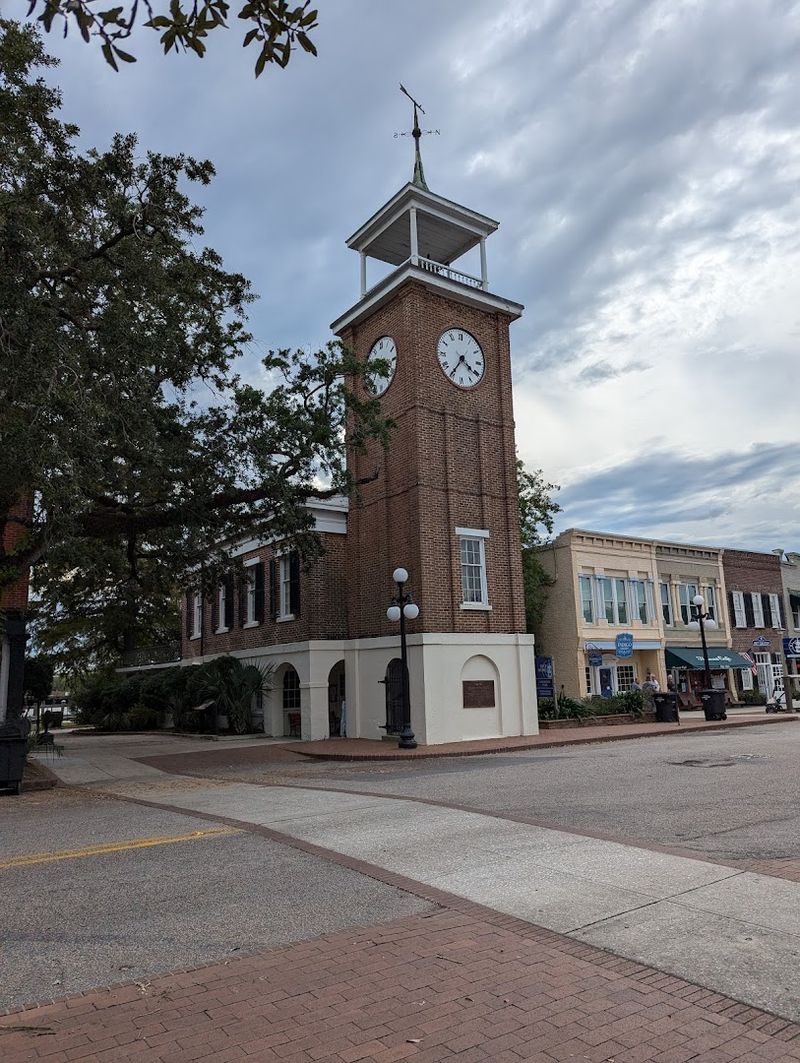
Front Street in Georgetown might just be the most satisfying street to stroll in all of South Carolina, and I say that having walked quite a few.
Lined with 19th-century brick storefronts, independent boutiques, art galleries, and cozy cafes, the street has that rare quality of feeling genuinely curated rather than artificially designed.
The entire stretch runs parallel to the Sampit River, so you get water views sneaking between buildings while you browse window displays.
Painted signs, flowering window boxes, and wide sidewalks invite you to slow down, which is exactly what this town is asking of you anyway.
I spent an entire morning drifting in and out of shops without buying a single thing, simply because the atmosphere itself felt like enough.
Local business owners tend to wave from their doorways, and more than once a shopkeeper started a conversation that turned into a twenty-minute local history lesson.
Front Street rewards slow exploration more than any other part of Georgetown, and it never feels like it is performing for tourists.
The Harborwalk’s Quiet Magic
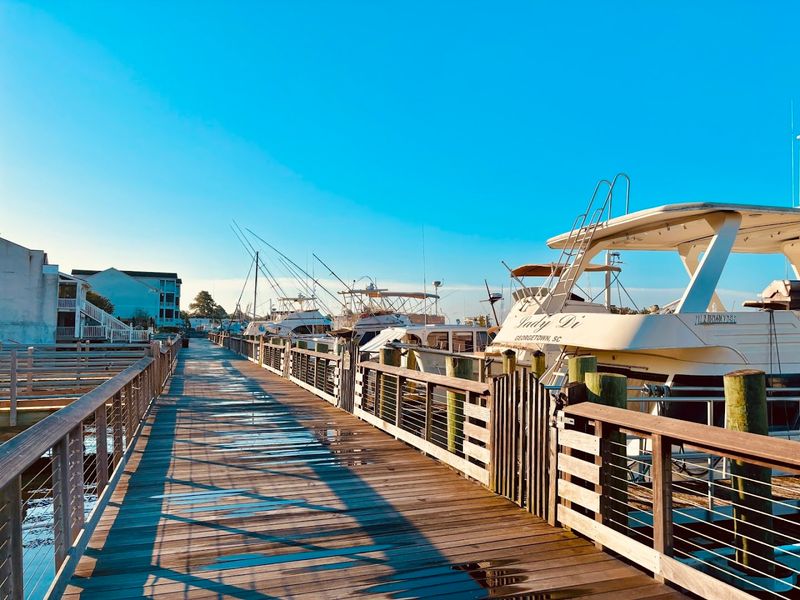
Right at the edge of downtown, the Georgetown Harborwalk traces the curve of the Sampit River in a way that makes the whole world feel a little softer.
Stretching along the waterfront, this boardwalk-style promenade offers uninterrupted views of the river, shrimp boats easing past, and the kind of golden-hour light that photographers chase specifically for scenes like this.
I arrived one evening as the sun was dipping low, and the sky turned colors that seemed almost theatrical in their beauty.
The Harborwalk connects several of Georgetown’s key attractions, making it a natural corridor for visitors who prefer to explore on foot rather than by car.
Benches dot the path at regular intervals, and on weekday mornings, locals use the route for their daily walks, offering a friendly nod as they pass.
Pelicans cruise overhead, and the salt-tinged breeze carries just enough Lowcountry warmth to remind you exactly where you are.
Spending time on the Harborwalk is one of those Georgetown experiences that feels completely free yet somehow deeply luxurious.
The Rice Museum And A Surprising Agricultural Legacy
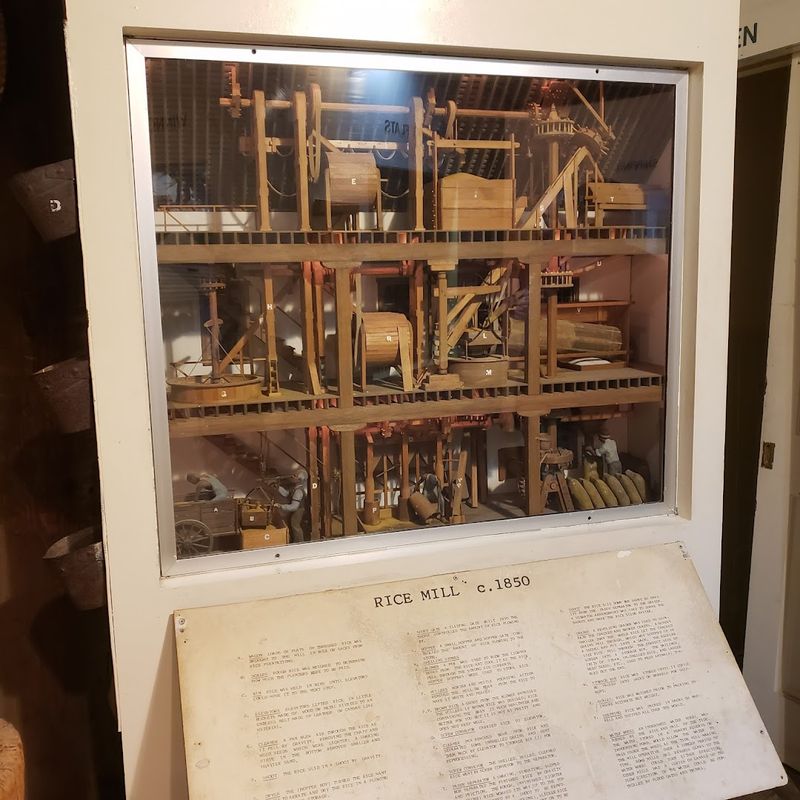
Long before Georgetown was a Lowcountry postcard destination, it was the rice capital of colonial America, and the Rice Museum tells that complicated, fascinating story with admirable depth.
Located in the historic Old Market Building on Front Street, the museum walks visitors through the full arc of rice cultivation in the region, from its origins with enslaved African labor to its peak production years in the 1800s.
The exhibition includes detailed scale models of the plantation canal systems that once crisscrossed the surrounding wetlands, which I found genuinely impressive in their complexity.
Handcrafted tools, vintage maps, and carefully preserved documents give the displays a tangible weight that photographs alone could never achieve.
The museum is small enough to tour in under two hours, but the information it holds is dense and lingers with you long after you leave.
The staff are passionate and quick to answer questions.
For anyone wanting to understand why Georgetown feels the way it does today, this museum is the single best starting point in the city.
The Kaminski House Museum
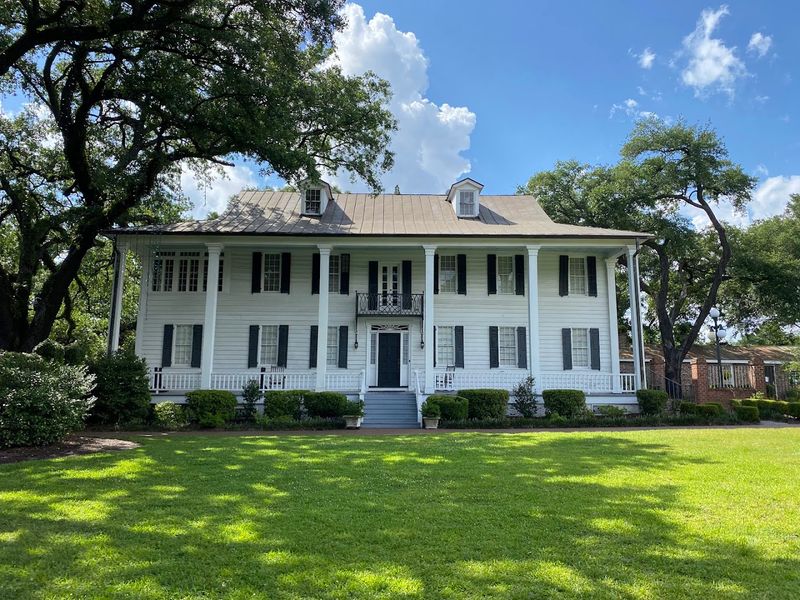
Built around 1769, the Kaminski House stands on Front Street as one of the most beautifully preserved colonial-era homes in all of South Carolina.
Now operating as a museum, the property gives visitors an up-close look at 18th and 19th-century Lowcountry domestic life through its extraordinary collection of antique furniture, silverware, and decorative arts.
Harold Kaminski, the home’s last private owner, assembled much of the collection over decades, and his eye for quality shows in every room.
I was particularly struck by the collection of 17th-century Flemish tapestries hanging in the formal parlor, which felt almost surreal in a small-town South Carolina setting.
The house tour takes about an hour, led by guides who balance scholarly detail with storytelling that keeps even younger visitors engaged.
The rear garden overlooks the Sampit River and offers one of the most quietly beautiful views in the entire historic district.
Visiting the Kaminski House feels less like touring a museum and more like being invited into an elegant old home where the stories greet you at the door.
Georgetown County Museum
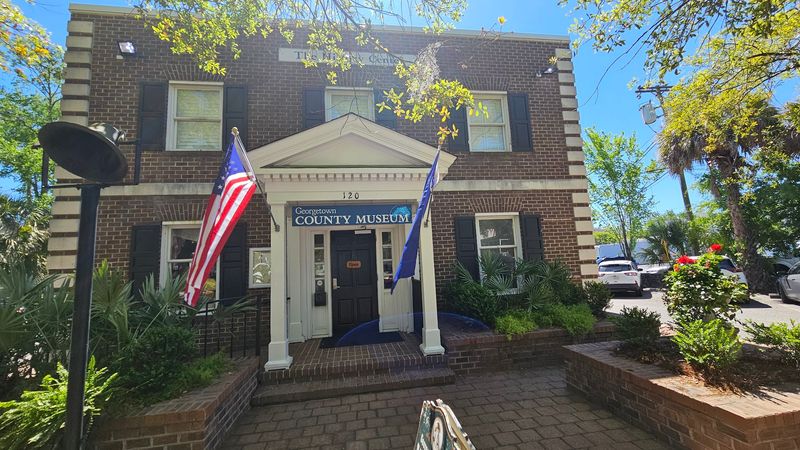
Tucked just off Front Street, the Georgetown County Museum offers a broader sweep of local history than any single landmark can provide on its own.
The collection spans everything from Native American artifacts to colonial-era documents, Civil War memorabilia, and photographs documenting everyday life in the region across multiple centuries.
One display I particularly appreciated traced Georgetown’s evolution from a rice and indigo economy into the timber and paper mill industry of the 20th century, showing just how adaptable this community has always been.
The museum is small, housed in a historic building, and easy to explore in about ninety minutes without feeling rushed.
Admission prices are very reasonable, making it accessible for families traveling on a budget who still want to experience the local story.
Volunteers and staff are enthusiastic and will happily point out their favorite pieces or share context that the exhibit labels alone cannot fully capture.
Leaving this museum, I felt I understood Georgetown in a way that no amount of street-level wandering could have given me on its own.
The Annual Wooden Boat Show
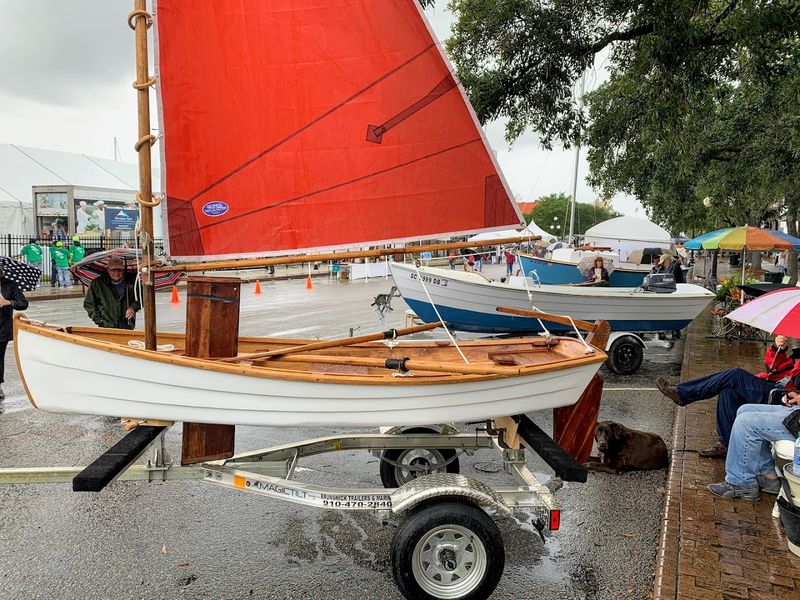
Every fall, something magical floats into Georgetown, quite literally, when the Annual Wooden Boat Show takes over the Harborwalk and surrounding waterfront.
Dozens of hand-crafted wooden vessels, from small skiffs to elegant sloops, line the waterfront for a celebration drawing boat enthusiasts and craftspeople from across the Southeast.
The event is a rare chance to see traditional boatbuilding craftsmanship up close and to speak with the builders themselves, who are almost always eager to talk about their work.
I wandered the docks for hours one year, running my hand along hull after polished hull and marveling at the patience these builds require.
Live music, vendors, and food stalls fill the area, turning the waterfront into a festive, nautical-themed block party.
The event is family-friendly and free to attend, which makes it one of the most accessible celebrations Georgetown puts on all year.
If your visit happens to coincide with the Wooden Boat Show, consider that your bonus, because it adds a whole extra layer of life to an already lively town.
Winyah Bay And The Surrounding Waterways
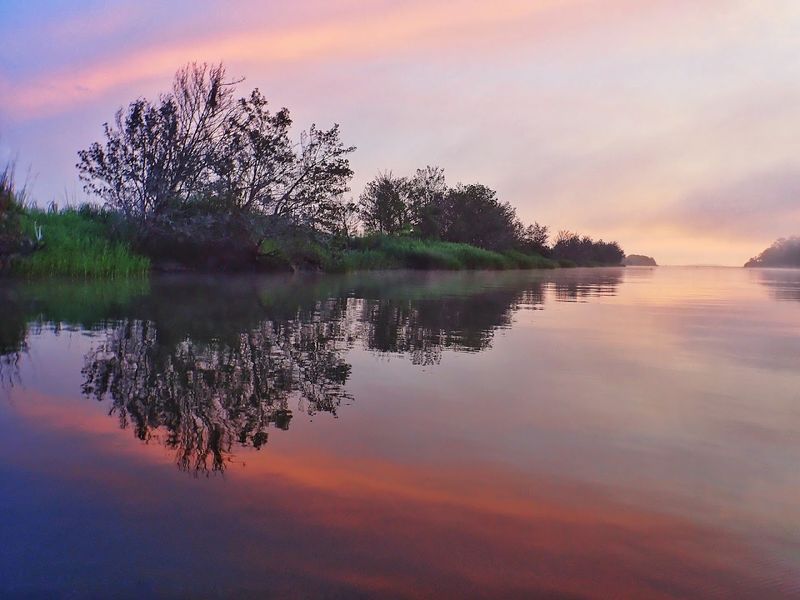
Georgetown sits where five rivers, the Black, Great Pee Dee, Waccamaw, Sampit, and Lynches, converge before emptying into Winyah Bay and the Atlantic.
That geography creates an extraordinary water-based playground for visitors who enjoy kayaking, fishing, boating, or simply watching wildlife from a shoreline perch.
I rented a kayak one morning and paddled out into the bay as herons stood motionless in the shallows and ospreys circled overhead with the calm authority of seasoned lifeguards.
The waterways around Georgetown are rich with bottlenose dolphins, particularly in the warmer months, and spotting one is less of a lucky surprise and more of a reliable treat.
Several outfitters in town offer guided tours of the marshes and tidal creeks, which are excellent options for first-time visitors who want local expertise on their side.
Sunset cruises on Winyah Bay are particularly popular, and for good reason.
The colors that gather over the water at dusk in this part of the Lowcountry feel almost too vivid to be real, like a painting someone forgot to tone down.
The North Island Lighthouse
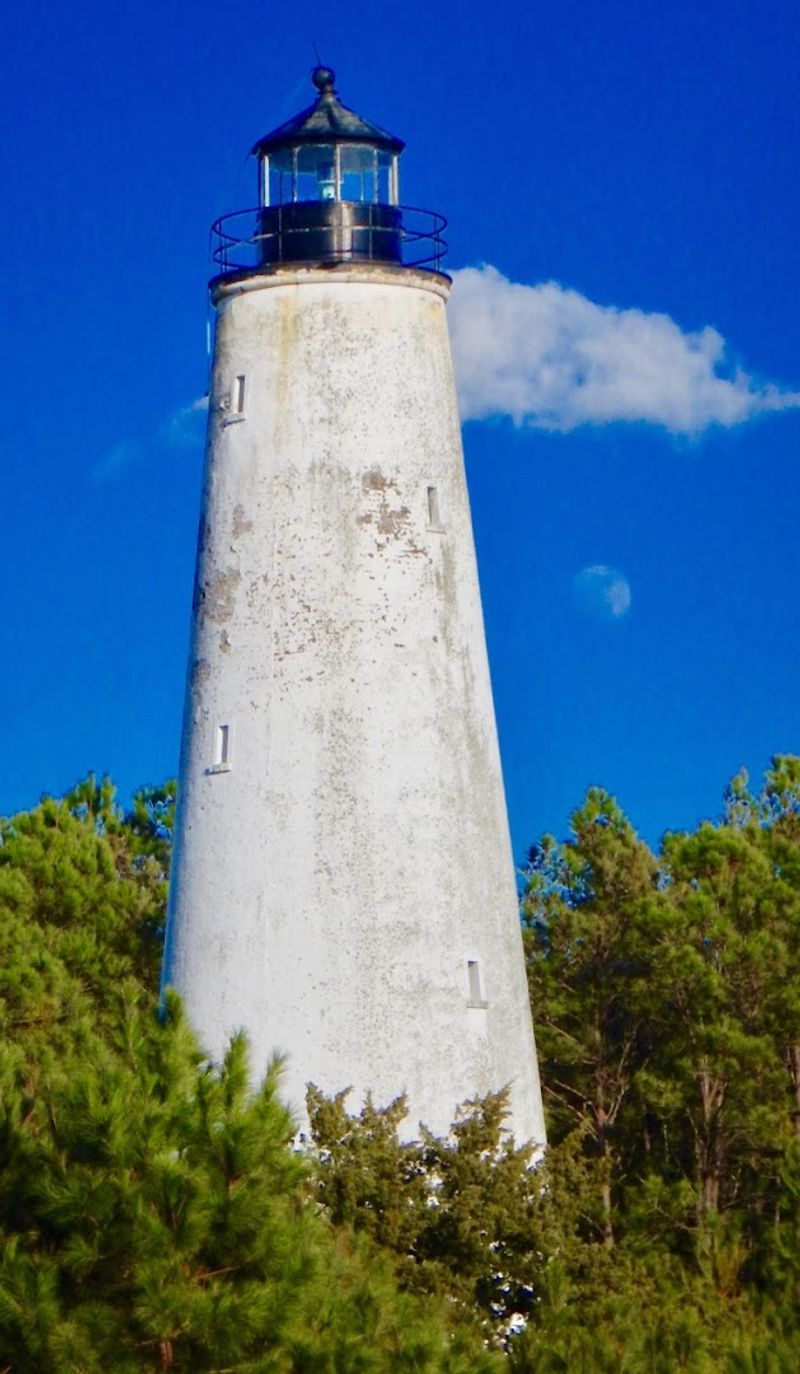
Perched at the tip of North Island, just offshore from Georgetown, stands one of South Carolina’s most storied and least-visited lighthouses.
The North Island Lighthouse has guided mariners along this section of coastline since 1812, making it one of the oldest working lighthouses.