
This Tiny Arkansas Park Hides The Legendary Spring That Started An Entire Town
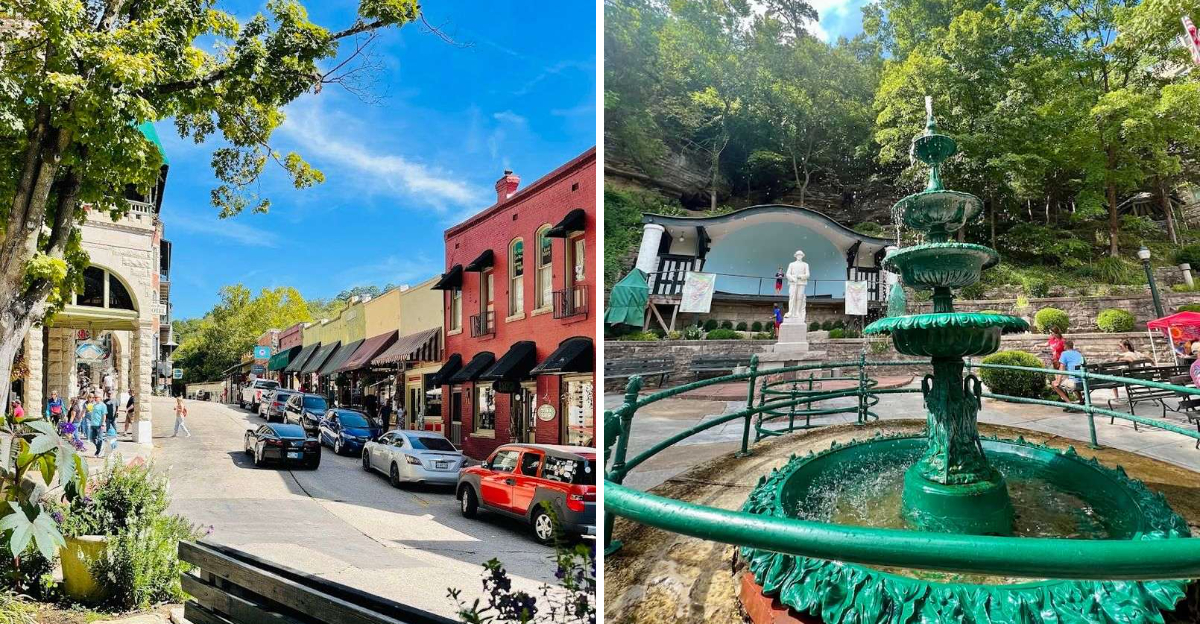
This is the kind of stop that makes you say, wait, what exactly am I looking at? One minute, you are walking through downtown, thinking about lunch or the next shop window.
The next, you are staring at old stonework wrapped around a spring that helped start everything around it. That is not a small detail.
People once traveled here with wild hope, convinced the water could change their lives. The town grew because of that belief, and the park still carries the echo of it without making a big show.
You hear the water first. Then the walls start to feel less like scenery and more like clues.
People slow down as they pass. It feels casual, but the story underneath is anything but.
Give it a few minutes, because this little square can turn a simple downtown stroll into a full-on history detour before you realize it fully.
Where Stone Walls Frame A Legendary Spring
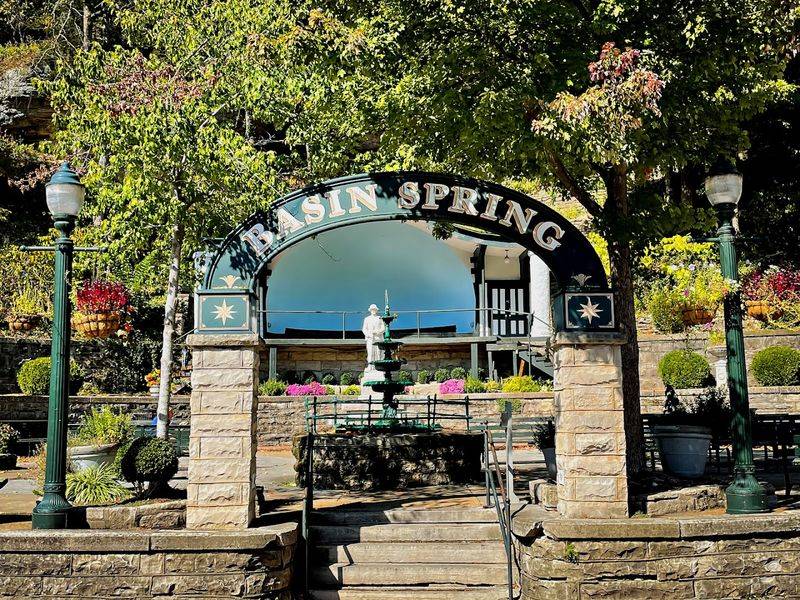
My first impression of this park had nothing to do with its size and everything to do with its texture.
Rough-cut limestone walls rise in tiers around the central fountain, giving the whole space a feeling that is part garden, part ruin, and entirely captivating.
The stone retaining walls were part of the original 1890 construction, and they have held their ground through more than a century of Ozark winters and humid summers.
Water still flows from the spring into a circular limestone basin, and watching it move feels oddly calming, like the park itself is breathing.
Long before the town existed, Indigenous people traveled through this region, and the spring became part of the local stories later tied to the town’s founding.
That history sits quietly in the stone, easy to miss if you are just passing through.
A short trail leads upward through the rock work to where the spring emerges, and the climb rewards you with a closer look at the source of everything.
You can find this layered, living piece of history at Basin Spring Park, located at 4 Spring St, Eureka Springs, AR 72632.
A Quiet Fountain Beneath Historic Downtown Streets
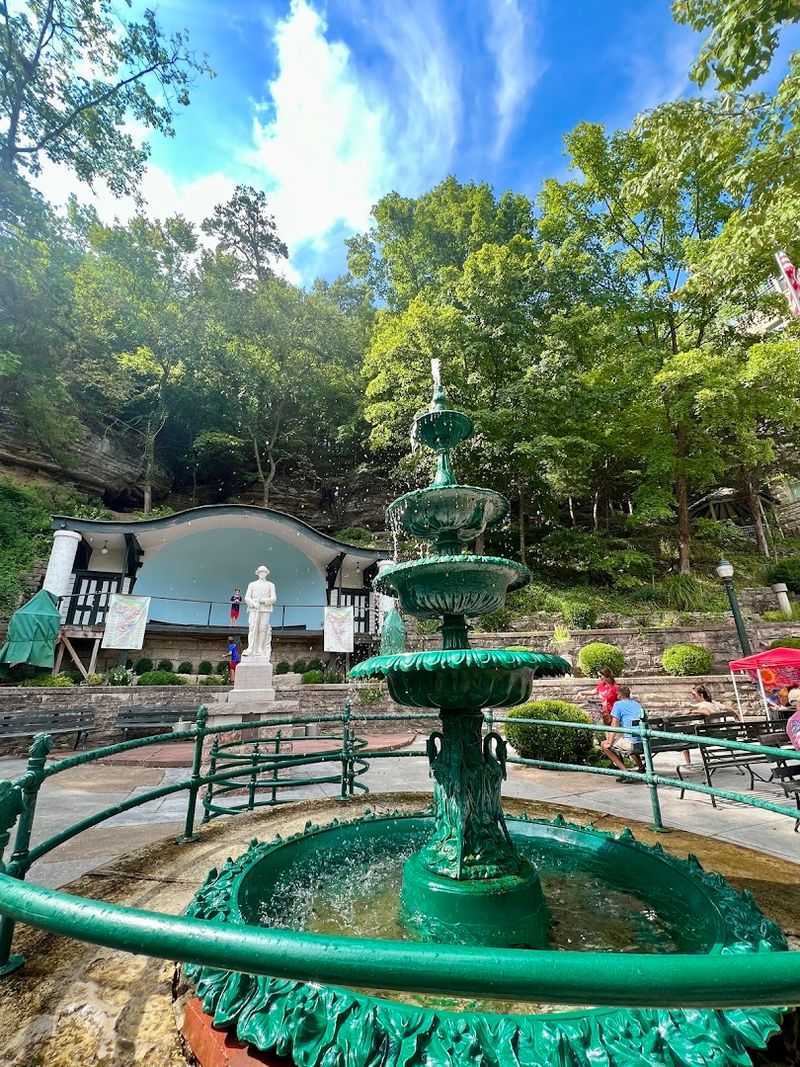
Right in the middle of a busy downtown corridor, the fountain at Basin Spring Park manages to feel surprisingly peaceful.
Water moves through the circular limestone basin with a steady rhythm that cuts right through the background noise of passing visitors and distant traffic.
Dr. Alvah Jackson is credited as the first white settler to document the spring back in 1856, claiming its waters healed his son’s eye condition and later using it to treat Civil War combatants under the name “Dr. Jackson’s Eye Water.”
That detail always stops me cold, because this gentle fountain fed a trade that shaped regional medicine and local legend simultaneously.
The basin sits at a lower level than the surrounding streets, so you look down into it from the sidewalk above, which gives the whole scene a slightly theatrical quality.
Benches nearby invite you to sit and actually absorb the moment rather than just photograph it.
The fountain is not just decorative, it is a direct connection to the underground spring that made this town possible, still active, still flowing, still quietly doing its thing after all these years.
The Little Town Square With A Story Underfoot
Few town squares in the United States sit on top of such a genuinely dramatic founding story.
In 1879, Judge L.B. Saunders reportedly arrived at the spring on a stretcher and walked away claiming a full recovery from a crippling disease.
Word spread fast, and within months the surrounding wilderness transformed into a booming city, with people flooding in from across the country to seek the same kind of relief.
That frantic energy eventually settled into the compact, walkable downtown that exists today, and Basin Spring Park became its beating heart.
When I stood in the middle of the park and looked outward, I could see Victorian storefronts stacked along the hillside in every direction, a visual reminder of just how quickly this place was built.
The park functions as a natural gathering point, the spot where walking tours begin, where locals pause between errands, and where visitors realize they have stumbled into something genuinely old.
Signage throughout the park explains the founding history clearly, so even a quick ten-minute visit leaves you with context that makes the rest of the town make sense.
Limestone Details And Old-Soul Charm
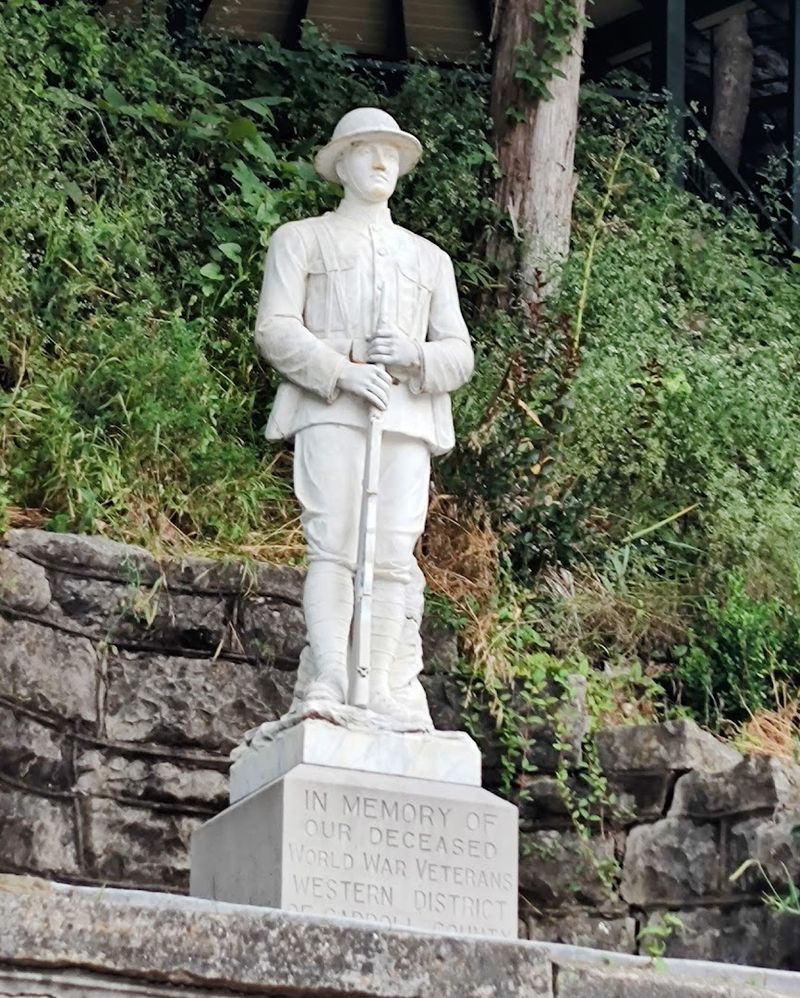
There is a kind of craftsmanship baked into this park that modern construction rarely bothers with anymore.
Every retaining wall, every carved stone edge, and every step in the tiered layout was built with intention, and that care shows in how well it has all held together since 1890.
The limestone used throughout the park comes from the same Ozark geology that defines this entire corner of Arkansas, so the park does not just sit in its landscape, it grows out of it.
I kept running my hand along the walls as I walked through, feeling the rough grain and the occasional smooth patch worn down by decades of the same gesture from thousands of other visitors.
A wishing well adds a small touch of whimsy to the otherwise serious historical setting, and it felt like a deliberate choice to balance the weight of the place with something lighthearted.
Unique sculptures are scattered across the park at different elevations, each one surprising you at a new turn in the path.
The layered design means that no single viewpoint shows you everything, which keeps the experience of moving through the park genuinely interesting from start to finish.
A Peaceful Corner In The Heart Of Downtown
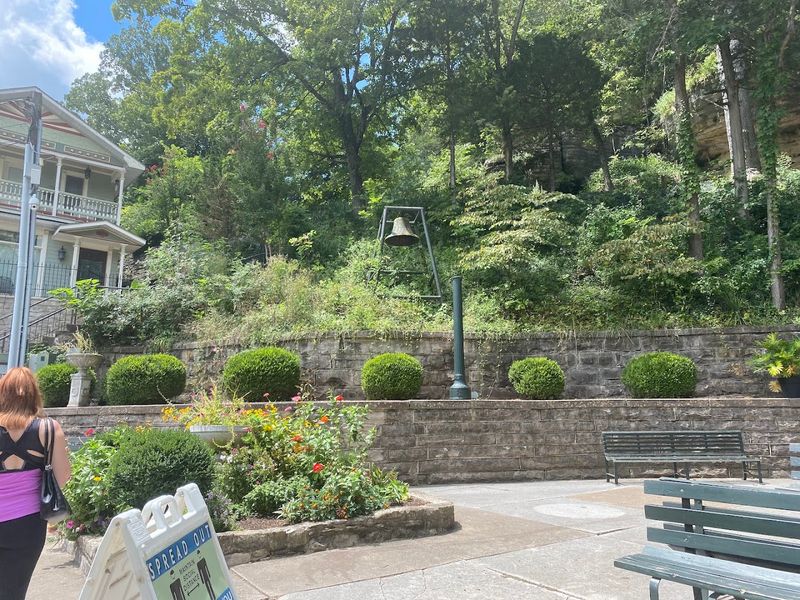
After a long morning of walking the steep, winding streets of downtown, Basin Spring Park felt like it was placed there specifically to rescue tired legs.
Benches are spread across multiple levels of the park, so you can choose your preferred elevation and sightline depending on whether you want to watch the fountain, face the street, or look up at the hillside architecture above.
The park is open twenty-four hours a day, every day of the week, which means early risers can catch it in a rare moment of quiet before the downtown crowd arrives.
I went back on my second morning just before eight, and the whole space had a completely different personality, soft light on the stone walls, no music, no crowds, just the sound of water.
That kind of flexibility makes it easy to fold the park into whatever kind of visit you are planning, whether that means a five-minute breather or a thirty-minute sit-down.
The surrounding blocks are packed with shops and eateries, so the park works naturally as a reset point between activities.
It earns its place as a genuine anchor in the daily rhythm of this downtown.
Where Music And Histoy Meet
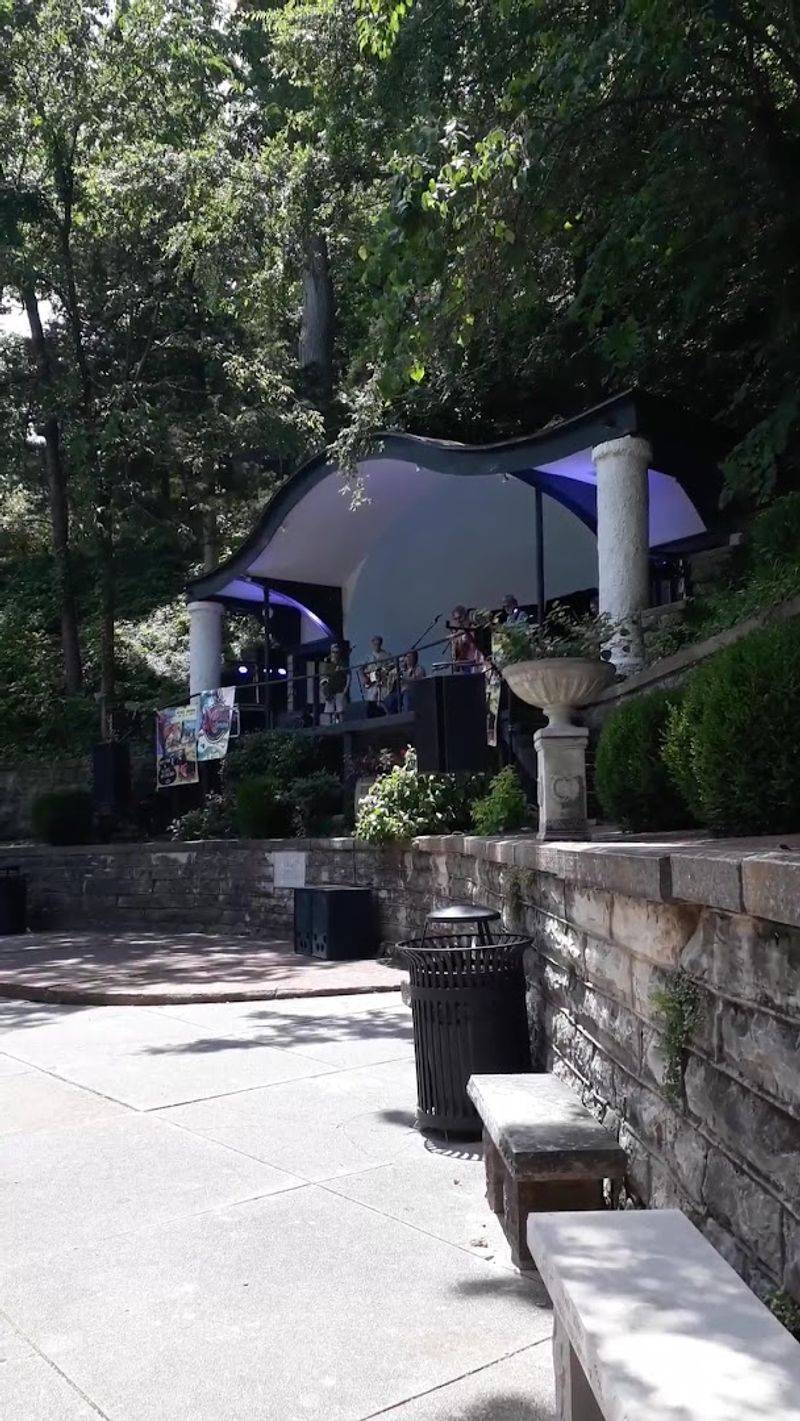
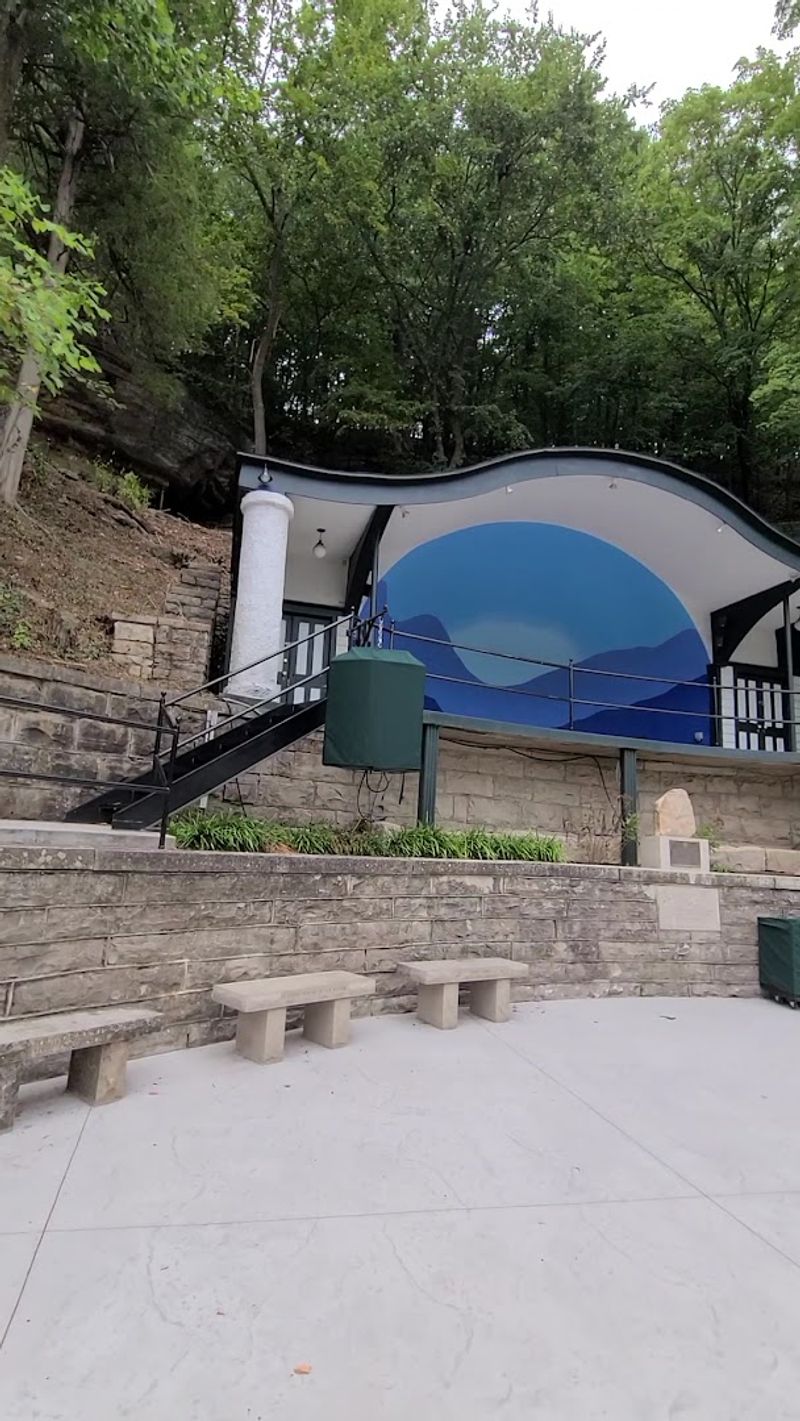
A band shell added to the park in 1921 changed the character of this space in a way that still echoes today.
Live music now fills the park on a regular basis, with free performances drawing locals and visitors into the same shaded gathering spot that has been hosting community events for over a century.
The acoustic setup works surprisingly well for an outdoor space, with the stone walls helping to contain and direct sound in a way that feels almost deliberate.
I caught a performance during my visit and ended up staying far longer than I planned, which seems to be a common experience based on the way other visitors kept drifting in and settling onto benches.
The combination of live sound, historic surroundings, and natural shade from the trees overhead creates an atmosphere that is hard to manufacture and impossible to fake.
Events range from casual weekend performances to more organized community gatherings, and checking the local calendar before your visit is a smart move.
The park’s website at eurekaparks.com keeps event listings updated, and the phone number on file is 1-479-253-2866 if you want to ask directly.
A Small Park With A Big Beginning
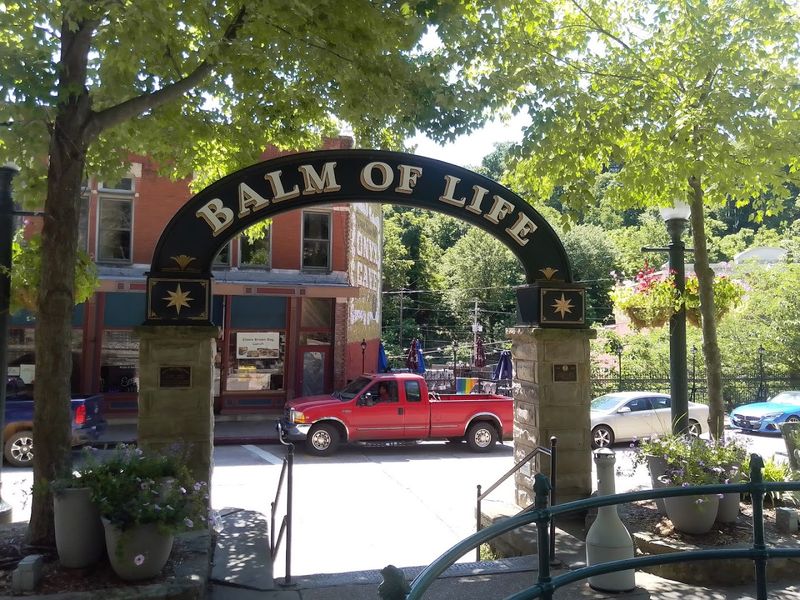
Formally established in 1890, Basin Spring Park carries a founding date that feels almost modest given how central it is to the city’s entire identity.
The town of Eureka Springs did not grow around the park as an afterthought, the park exists because the spring existed first, and everything else followed.
That sequence matters because it makes this small patch of land the actual origin point of a city, not a later addition meant to beautify an already developed neighborhood.
The 1905 Basin Park Hotel stands just steps away, built beside the very spring that triggered the town’s explosive growth, and its presence adds to the sense that this corner of downtown has been important for a very long time.
Walking through the park with that timeline in mind shifts the experience from sightseeing to something closer to reading a chapter of living history.
Two unique sculptures anchor different sections of the park and give it an artistic dimension that sits comfortably alongside the historical one.
For a place that measures its footprint in feet rather than acres, Basin Spring Park carries a legacy that punches well above its weight class in Arkansas history.
Vintage Streets Wrapped Around A Hidden Spring
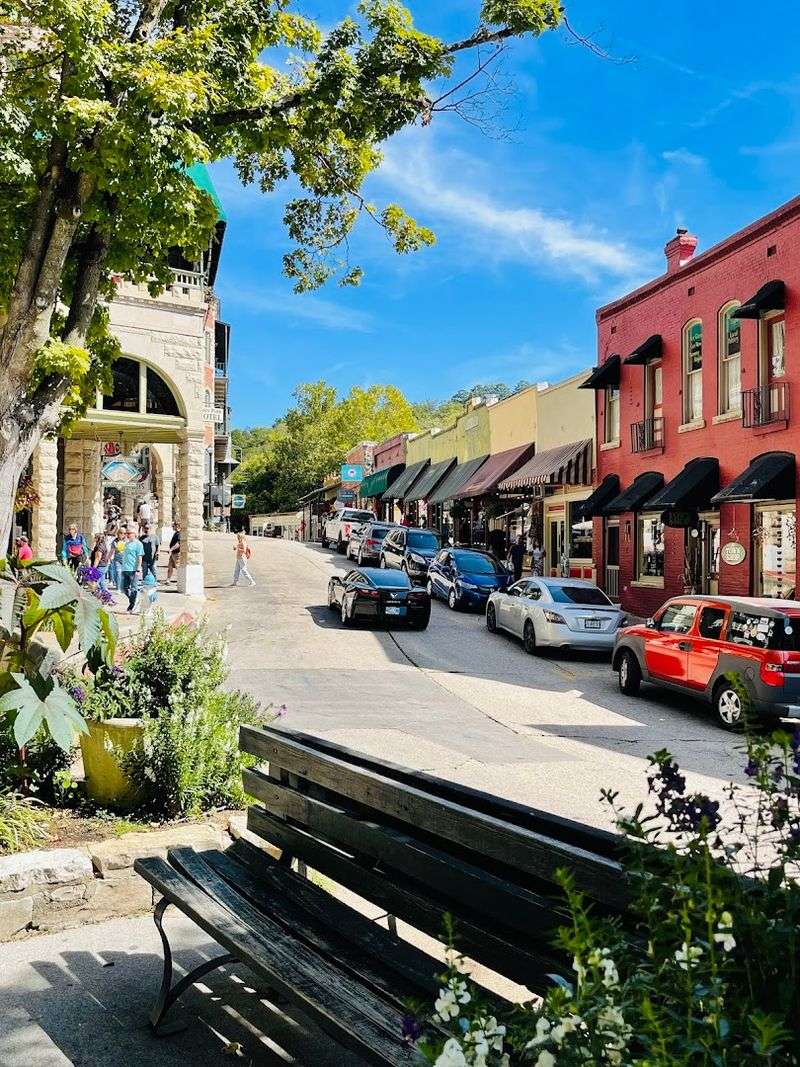
Downtown Eureka Springs is the kind of place where the streets curve and climb in ways that a grid planner would never approve, and Basin Spring Park sits right at the center of that beautiful chaos.
Spring Street wraps around the park with the easy confidence of a road that was laid down to follow the land rather than dominate it.
Victorian storefronts lean in from multiple directions, their facades preserved in a way that makes the whole district feel less like a museum and more like a neighborhood that simply never stopped caring about its own appearance.
The park anchors this streetscape without overwhelming it, a quiet focal point that earns attention through age and authenticity rather than scale.
Walking tours of the area often begin at the park, using it as a natural starting point from which the rest of the town’s story unfolds block by block.
The spring beneath the park is the reason these streets exist at all, and that underground connection gives every cobblestone and carved facade a kind of borrowed significance.
Basin Spring Park is where Arkansas history and everyday street life share the same small, extraordinary square of ground.