
Inside The Arizona Restaurant Where Every Pasta Plate Is Handmade (And Every Bite Feels Like Italy)
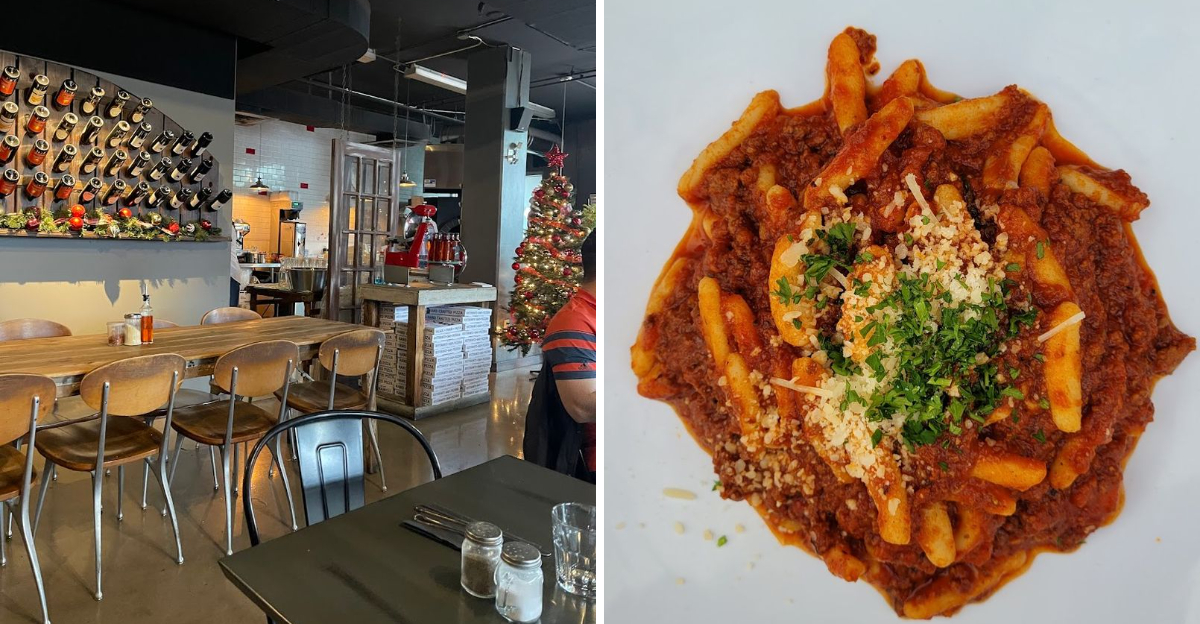
Admitting that I have a problem with pasta is the first step, right? If that’s the case, then this place is definitely my favorite enabler. In Arizona, this restaurant is proof that you don’t need a passport to experience the soul of Italy.
You just need a very large appetite and a disregard for portion control. Watching the staff hand-roll each noodle is almost hypnotic, though I’ll admit my attention span vanishes the moment that steaming plate hits the table.
There is an undeniable magic in the way they blend traditional techniques with a local flair, making every mouthful feel like a warm, buttery hug.
Forget the fancy travel plans, sometimes the best vacation is just a bowl of perfectly al dente pasta.
The Story Behind The Name
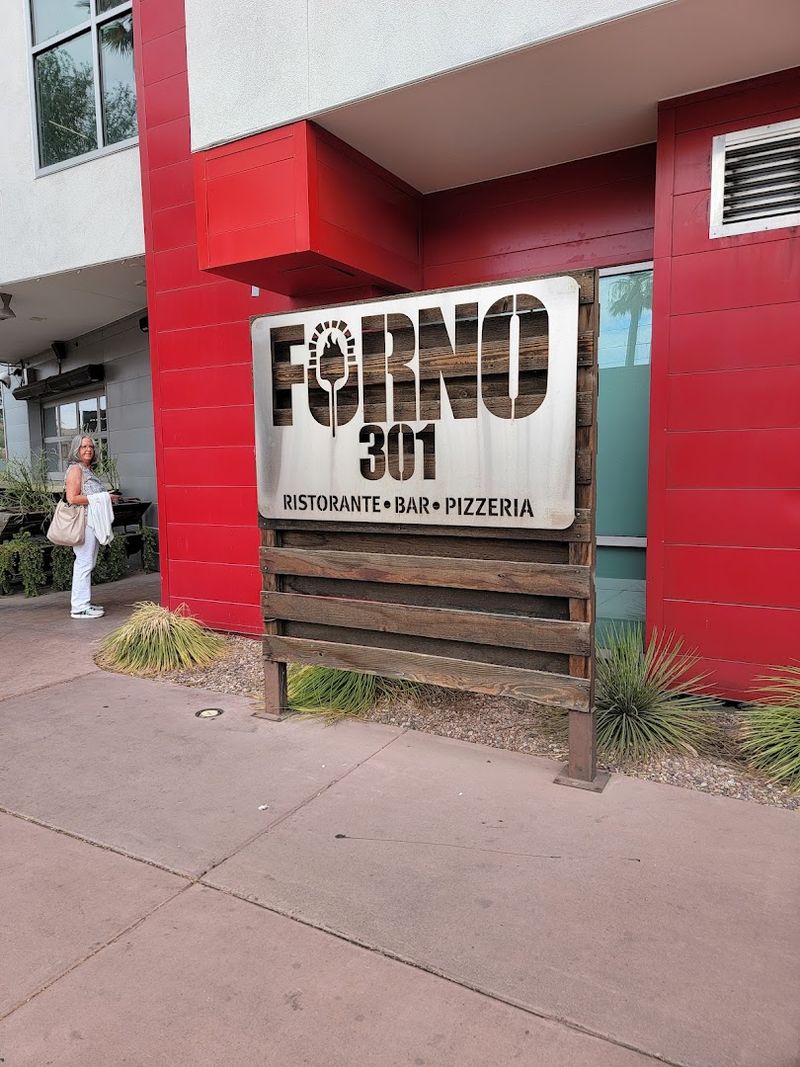
Not every restaurant name carries a real address in its title, but Forno 301 wears its origins proudly. The name comes directly from the original location at 301 West Roosevelt Street in Phoenix, Arizona, which is where the whole story began for the Gagliano family.
Forno means oven in Italian, and that single word tells you almost everything you need to know about the kitchen philosophy here.
The family behind the restaurant is Italian, and they brought their culinary roots straight from Italy to the Arizona desert. That heritage is not just a marketing angle; it shapes every decision made in the kitchen, from the imported olive oil to the pasta-making techniques passed through generations.
The name Forno 301 feels like a handshake that says: we know where we come from, and we are proud of it.
Today the restaurant has grown to two locations, one in Phoenix and one in Scottsdale, but the original address still lives in the name like a little piece of family history.
Walking Through The Door Feels Different
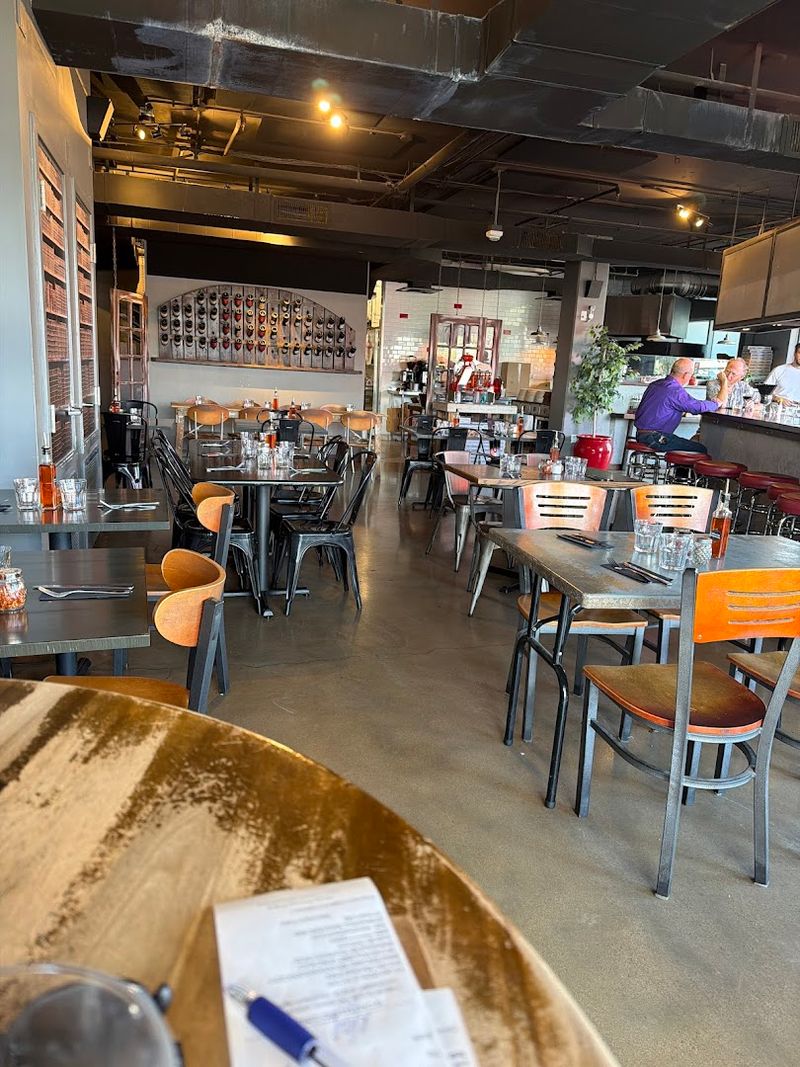
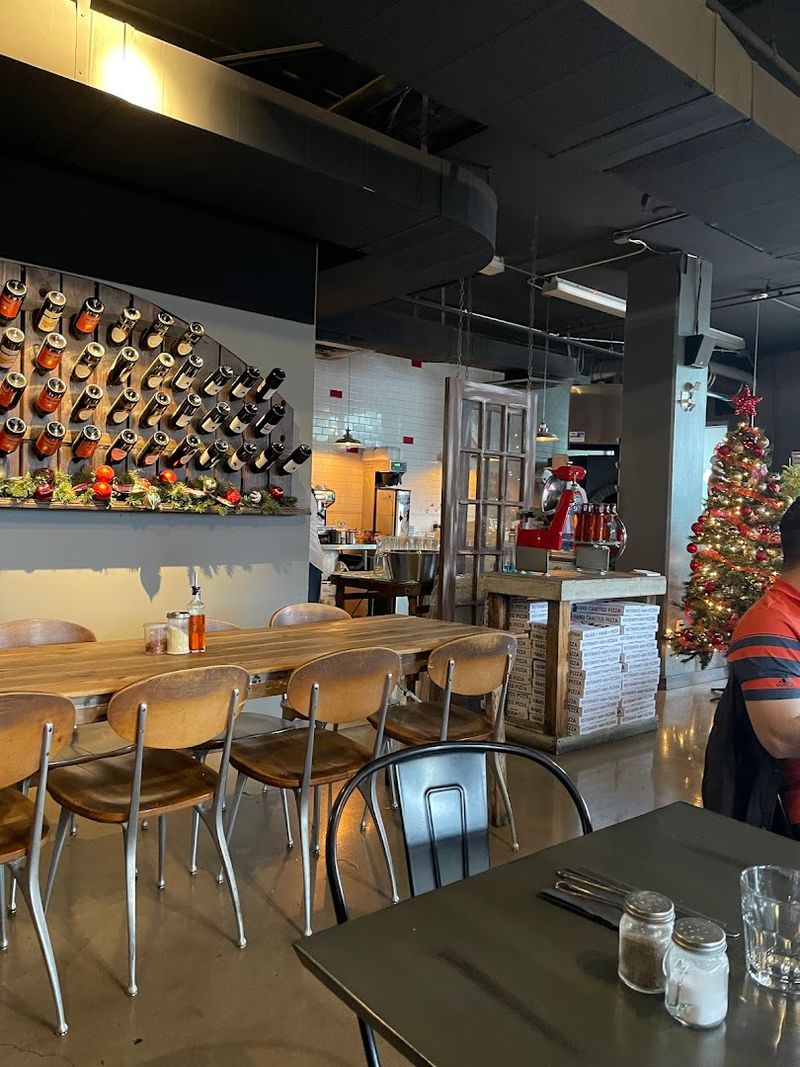
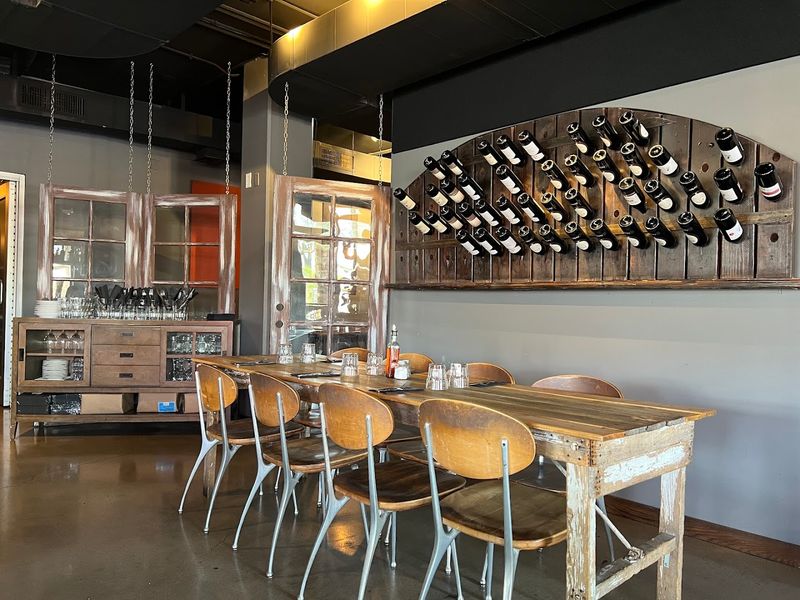
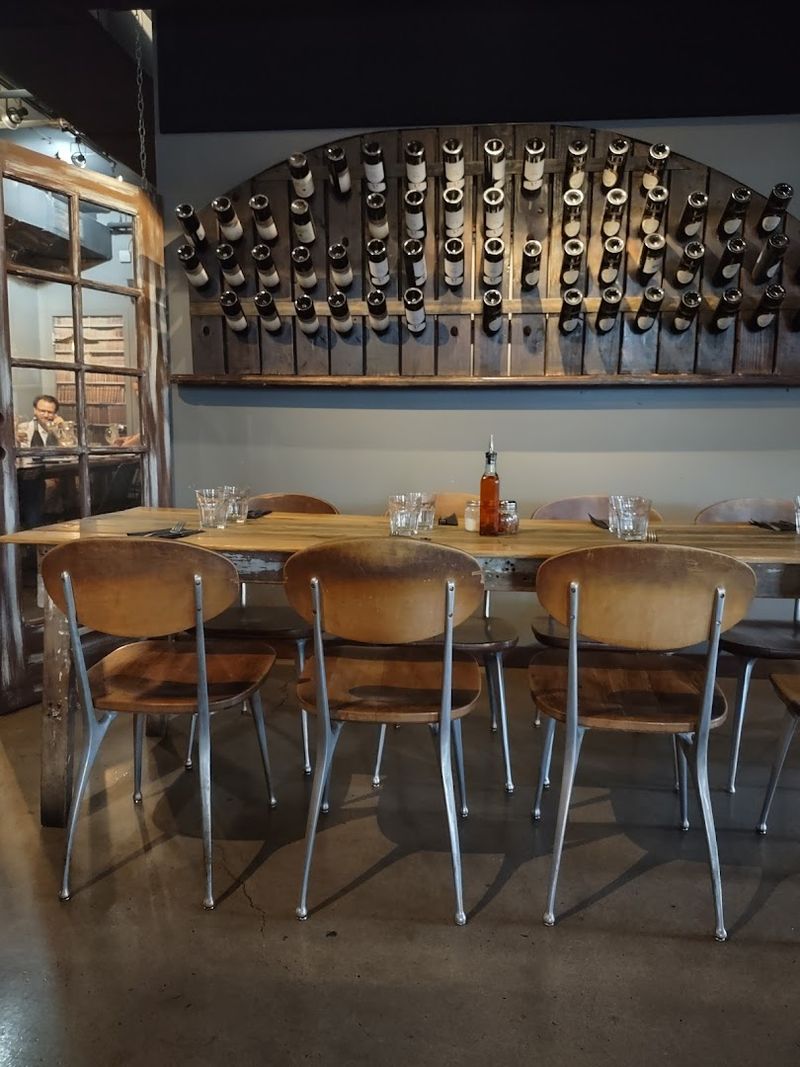
The moment you step inside Forno 301, something shifts. The Phoenix dining room greets you with concrete floors, exposed ducts overhead, and stacks of real wood piled near the pizza oven, giving the whole space a raw, honest energy that feels refreshingly unpretentious.
It is the kind of room that says come as you are.
I remember walking in on a Tuesday evening and immediately slowing my pace, just to take in the warmth of the place. The wood stacks alone made the room feel alive, like something was always about to be cooked. That is a rare quality in a restaurant, and it is not something you can fake with decoration alone.
The ambiance draws comparisons to simple neighborhood cafes found throughout Italy, and those comparisons are earned.
Nothing about the space feels over-designed or performative. It is casual, warm, and genuinely inviting in a way that makes you want to stay for dessert even before you have ordered your first course.
Handmade Pasta Is The Whole Point
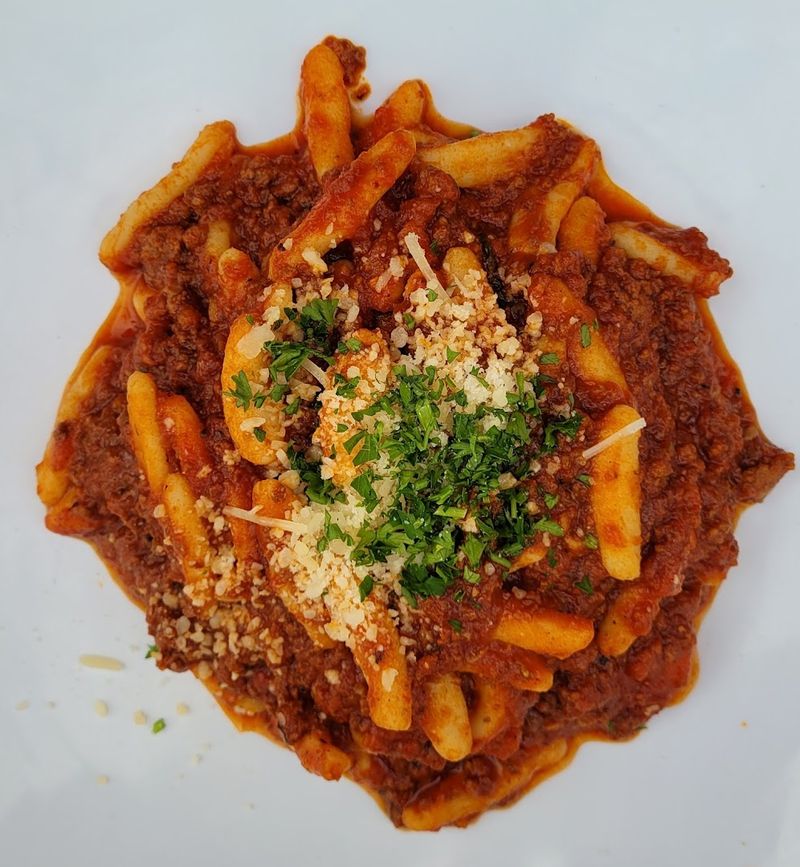
Handmade pasta is not a menu footnote at Forno 301; it is the entire foundation of what the kitchen does. Every noodle, every sheet, every dumpling shape is crafted by hand on the premises before it ever reaches your plate.
That kind of commitment to process is rare, especially when machine-made pasta is so much faster and cheaper to produce. The difference shows up immediately in texture.
Fresh handmade pasta has a bite that feels alive, almost springy, and it holds sauce in a way that dried pasta simply cannot replicate. Once you have tasted it side by side, there is no going back, and Forno 301 knows this well.
The pasta menu rotates with a daily special alongside the regular lineup, so returning visitors always have something new to look forward to.
Ravioli With Butter And Sage
Some dishes prove that restraint is a form of skill, and the ravioli at Forno 301 makes that case beautifully. Plump handmade ravioli tossed in butter and sage is one of those preparations that looks almost too simple on paper, yet lands on the table tasting like something a Roman grandmother spent all morning perfecting. The filling is generous, the pasta shell is thin enough to let the filling shine, and the butter sauce coats every fold without overwhelming anything.
Butter and sage is a classic Italian pairing for good reason. The nuttiness of browned butter and the herbal earthiness of sage create a combination that is quietly complex without trying to impress you. It just works, every single time.
Dishes like this one remind you why Italian cooking has endured for centuries without needing constant reinvention. Forno 301 understands that honoring a tradition is not the same as being boring, and this ravioli is living proof of that philosophy served warm on a plate.
The Wood-Fired Oven Changes Everything
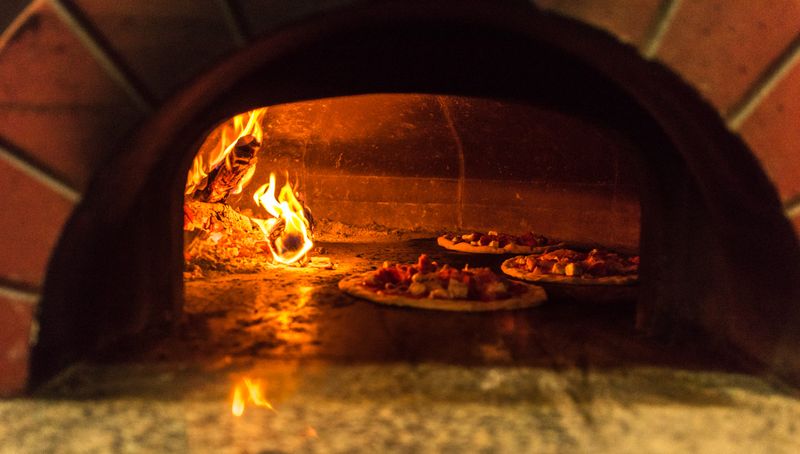
A wood-fired oven is not just a cooking tool at Forno 301; it is practically the heartbeat of the entire restaurant. The stacks of wood you notice when you walk in are not decorative.
They are fuel for an oven that operates at extreme temperatures and produces pizzas with that unmistakable char, chew, and smoky depth that a conventional oven simply cannot replicate.
Neapolitan pizza has strict traditions, and Forno 301 respects them fully. The dough is stretched by hand, the toppings are applied with measured restraint, and the whole thing spends just the right amount of time in the fire.
What comes out is a pizza with a blistered crust, a tender center, and edges that have genuine character.
For a restaurant that leads with handmade pasta, the pizza here holds its own with complete confidence. The two offerings complement each other rather than compete, giving the menu a satisfying range that makes it genuinely difficult to decide what to order first on any given visit.
Starters That Actually Deserve Your Attention
Appetizers at many restaurants feel like filler, something to keep you occupied while the kitchen catches up. At Forno 301, the starters feel like deliberate choices that set the tone for everything that follows.
The Caprese salad is a good example: simple ingredients, quality execution, and imported Italian olive oil that gives the whole plate a grassy, peppery finish worth paying attention to.
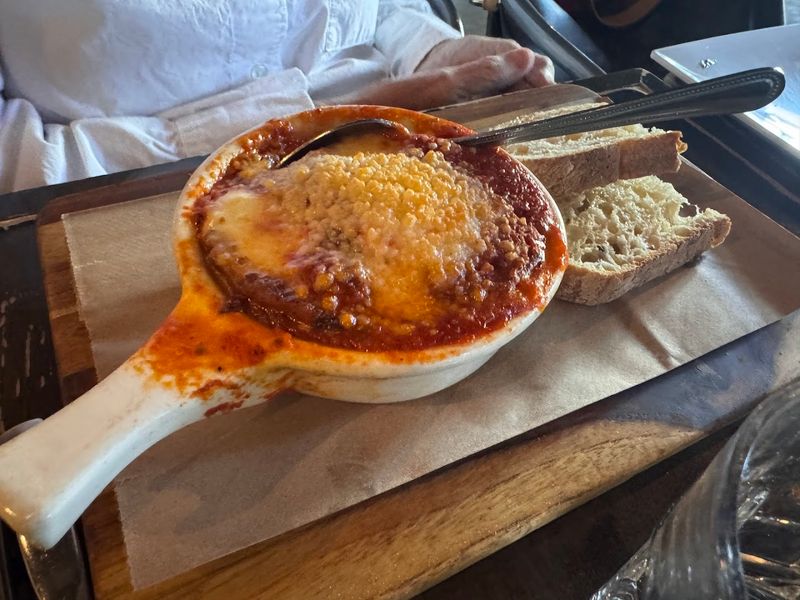
The Woodfired Eggplant Parmigiana is another standout from the starter section. Cooking eggplant in the wood-fired oven adds a subtle smokiness that lifts the dish well beyond the standard baked version most people are familiar with.
It is hearty enough to satisfy but light enough to leave room for what comes next. Starting a meal thoughtfully is an underrated skill in restaurant cooking, and Forno 301 treats its appetizers as a genuine part of the dining experience rather than an afterthought.
These dishes signal early on that the kitchen takes every course seriously, which builds a pleasant kind of anticipation for the pasta and pizza to come.
Desserts Worth Saving Room For
Skipping dessert at Forno 301 would be a decision you would regret approximately ten minutes after leaving the parking lot.
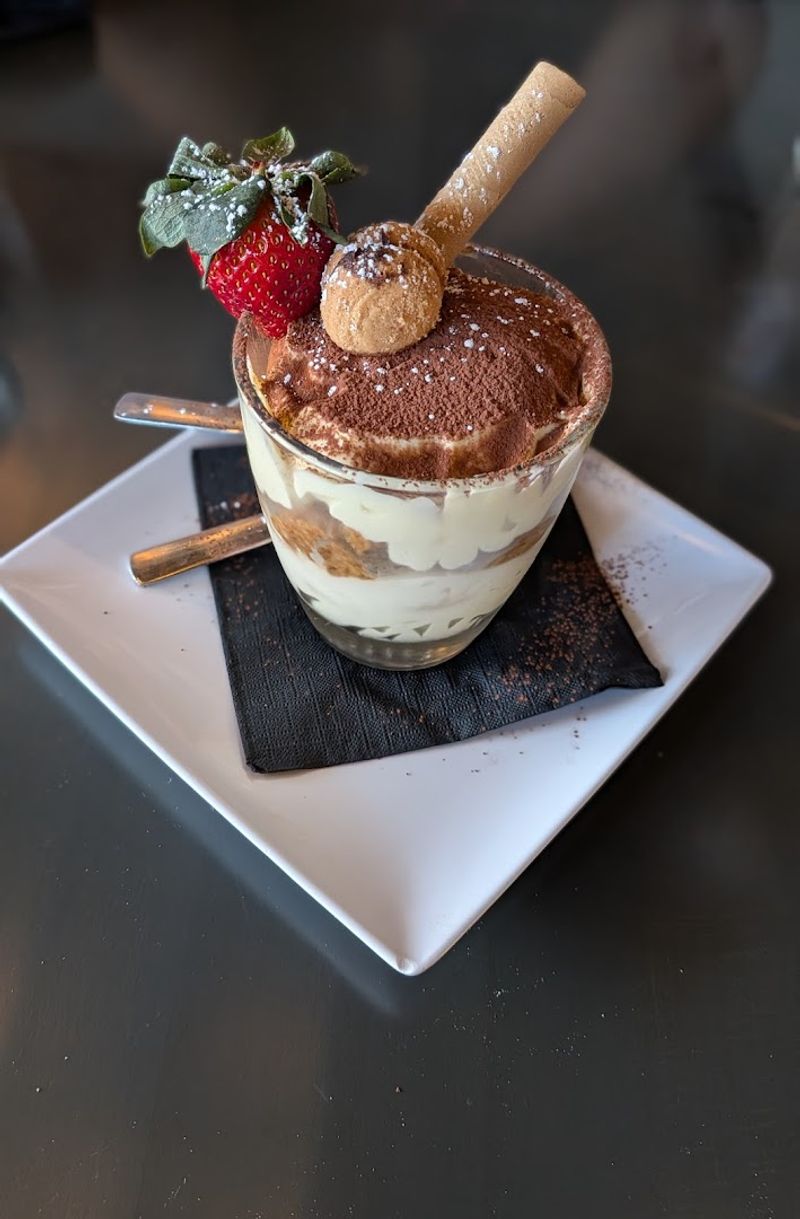
The dessert menu features classic Italian sweets executed with the same care applied to every other part of the meal. Tiramisu, Panna Cotta, and Bomboloni donuts are the highlights, and each one earns its place at the end of the meal.
The Tiramisu here has the right balance of espresso-soaked layers and creamy mascarpone, without being so sweet that it erases everything you tasted before it. Panna Cotta arrives silky and delicate, with just enough wobble to confirm it was made properly.
The Bomboloni, Italian-style filled donuts, are the playful wildcard of the three and are genuinely hard to share.
I made the mistake of ordering just one Bomboloni on my first visit, fully intending to be responsible about dessert. Reader, I ordered a second. Forno 301 makes finishing strong feel completely natural, and the dessert menu is a satisfying final chapter to a very good Italian meal.
Italian Ingredients Imported For A Reason
There is a meaningful difference between cooking Italian food and cooking food the Italian way, and one of the clearest signals of that distinction is where the ingredients come from. Forno 301 imports olive oil directly from Italy, and that choice reflects a broader kitchen philosophy that prioritizes authenticity over convenience or cost-cutting.
Imported Italian olive oil has a flavor profile that differs noticeably from generic supermarket varieties. It tends to be more peppery, more grassy, and more complex, which means it adds something real to every dish it touches rather than just acting as a neutral cooking fat.
When you taste it on the Caprese or drizzled over fresh pasta, you notice the difference even if you cannot immediately name it.
Using imported ingredients is a commitment that quietly raises the quality ceiling of every dish on the menu. Forno 301 treats sourcing as part of the craft, not as a box to check on a marketing sheet. That mindset is part of what separates this restaurant from others that claim Italian identity without fully earning it.
Two Locations, One Consistent Soul
Expanding a restaurant to a second location is a test that many beloved spots fail, because the qualities that made the original special often get diluted when spread across more square footage and more staff.
Forno 301 passes that test with the Phoenix location at 1616 N Central Ave and the Scottsdale spot at 7111 East Thomas Road both carrying the same warmth and culinary integrity as the original concept.
The consistency across both locations comes from the Gagliano family keeping a close hand on how the restaurants operate. When ownership stays genuinely invested, it shows in the food and the atmosphere in ways that are hard to manufacture.
Both dining rooms feel like places where the people running the kitchen actually care about what lands on your table.
Whether you are closer to Central Phoenix or Scottsdale, the experience of eating at Forno 301 feels like a reliable escape into something genuinely Italian. Knowing that two locations exist also means you have fewer excuses to delay your first visit, which is really just good news for everyone involved.