
11 Campgrounds In Arizona Where You Can See Wildlife Every Single Morning
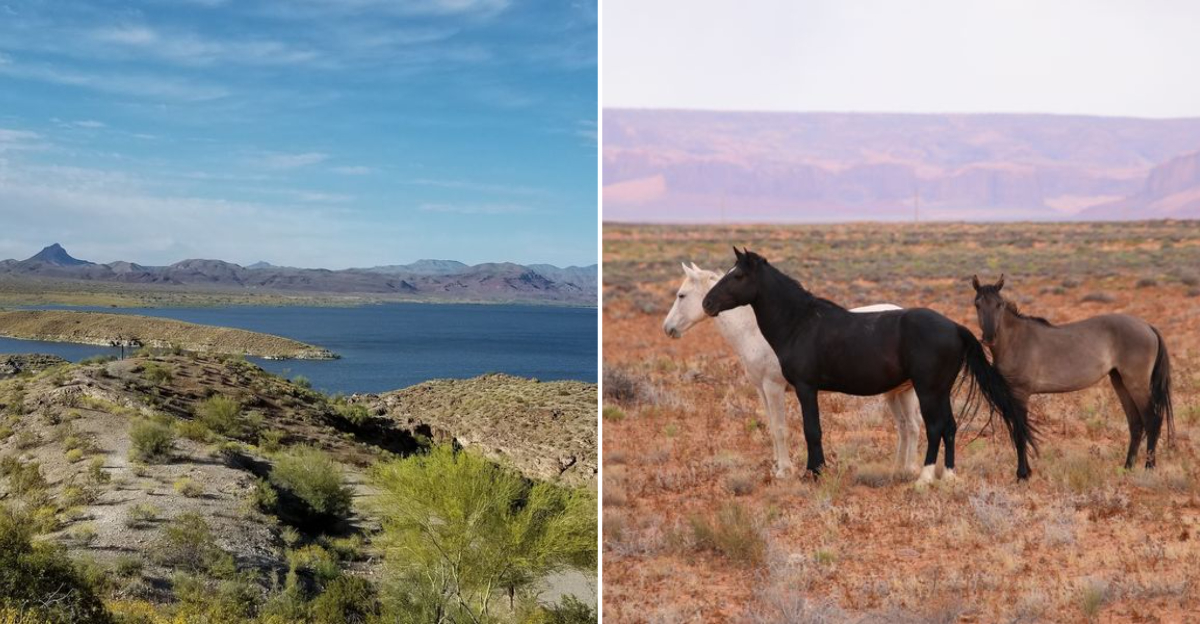
My idea of a five-star hotel is a patch of dirt in Arizona that offers a decent sunrise and zero cell service. But let’s be honest: the guests at these establishments are infinitely more interesting than the ones at a fancy resort.
I’ve lost count of how many mornings I’ve spent wrapped in a sleeping bag, silently watching a family of deer graze just a few feet from my rainfly.
It’s a wild, humbling, and occasionally chaotic way to start the day. If you’re craving a front-row seat to nature’s morning show, I’ve curated 11 campgrounds where the local inhabitants are the real stars of the show.
I put together this list of 11 campgrounds where wildlife sightings are not a lucky bonus but a reliable part of every single morning routine, so you can plan your next Arizona trip with wild expectations and actually have them met.
1. Catalina State Park Campground, Oro Valley
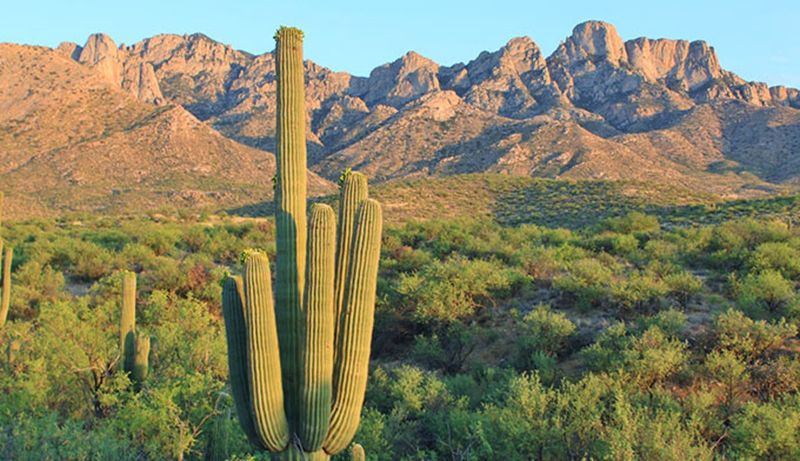
Mornings at Catalina State Park feel like someone quietly turned on a nature documentary while you were still sipping your coffee.
Located in Oro Valley just north of Tucson, this campground sits right at the base of the Santa Catalina Mountains, and the desert here is genuinely alive from the moment the sun clears the ridgeline.
The park officially documents more than 150 bird species, so birders will want a good pair of binoculars and a lot of memory on their camera. Canyon towhees, Gambel’s quail, and cactus wrens show up constantly, and raptors circle the rocky slopes throughout the morning hours.
Beyond birds, the saguaro-studded terrain draws mule deer and javelinas into camp with surprising regularity. The trails that push into the canyon edges give you even better odds of spotting wildlife before the heat of the day settles in.
This spot rewards early risers every time. By the time camp starts stirring, the desert has already put on half the show.
2. Lost Dutchman State Park Campground, Apache Junction
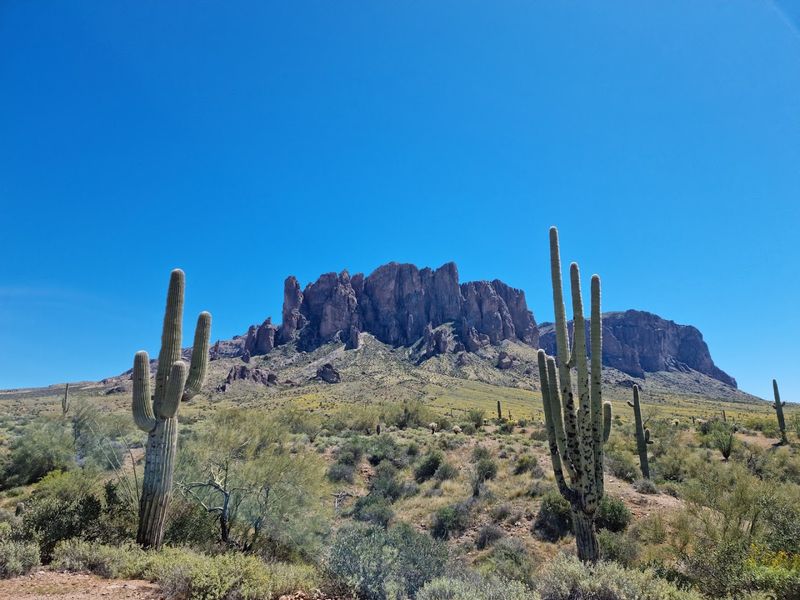
Few campgrounds in Arizona deliver a backdrop quite as dramatic as this one. Lost Dutchman State Park sits right at the foot of the Superstition Mountains near Apache Junction, and the rugged terrain creates a natural wildlife corridor that stays active well into the morning hours.
Mule deer often wander through the campsite area before breakfast, and coyotes are so comfortable here that they sometimes trot past in broad daylight without breaking stride. Javelinas and jackrabbits are also regular visitors, and the bird activity around the desert scrub picks up significantly at first light.
The park sits squarely in the Sonoran Desert, which means temperatures climb fast once the sun gets going, making those early morning hours the sweet spot for both wildlife and hiking.
If you set your alarm even thirty minutes before sunrise, you will likely see something worth remembering before your coffee finishes brewing. The Superstitions do not ease you into the morning here, they make the whole campground feel awake before the day officially starts.
3. Patagonia Lake State Park Campground, Patagonia
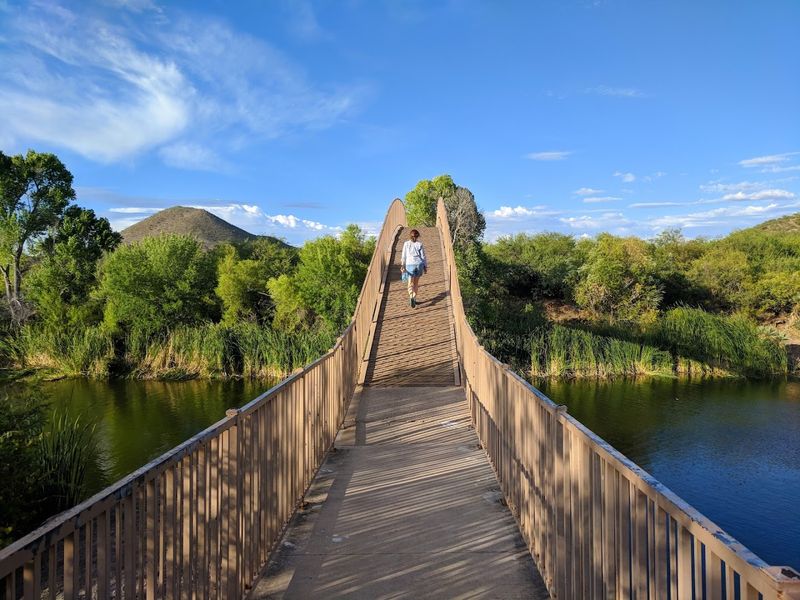
Patagonia Lake State Park is one of those places that earns the word “exceptional” without any exaggeration.
Tucked into the rolling hills of southern Arizona near the small town of Patagonia, this campground wraps around a reservoir that draws an astonishing variety of wildlife to its shores every single morning.
The official park pages read like a field guide highlight reel: whitetail deer, great blue herons, bobcats, coatimundi, javelina, coyotes, and a long list of reptiles all make regular appearances.
Birders especially love this spot because the mix of lake, riparian corridor, and grassland habitat pulls in species you simply will not find at most Arizona campgrounds.
Camping right on the lake means you can watch herons fish from your chair while deer graze the opposite bank. The coatimundi sightings alone make this campground worth the drive south. Plan to stay at least two nights because one morning will not be enough.
The whole place feels like nature arranged a morning roll call and invited every interesting desert creature to show up.
4. Alamo Lake State Park Campground, Wenden
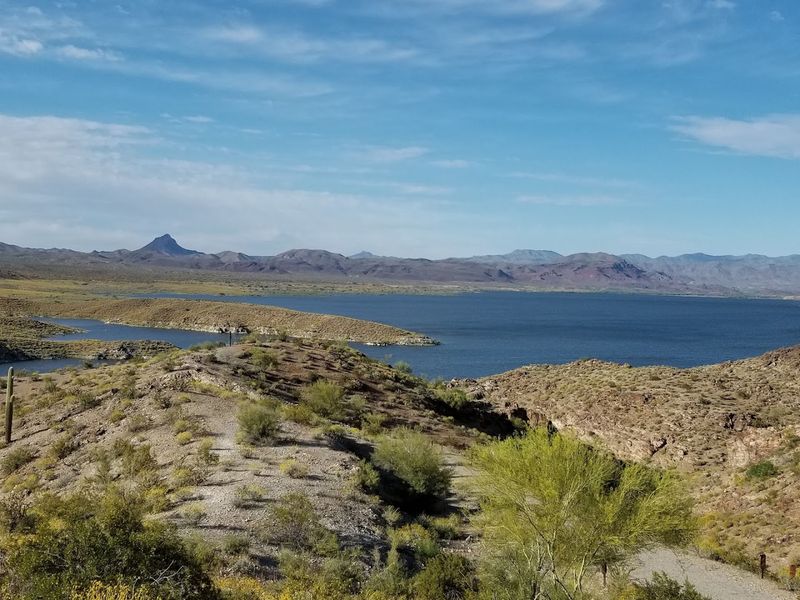
Getting to Alamo Lake State Park requires a commitment to dusty roads and open desert, and every mile of that drive is absolutely worth it. Located near the small community of Wenden in western Arizona, this campground sits beside a reservoir that functions as a magnet for wildlife from fall through spring.
Wild burros are the star attraction here, and they wander the shoreline with a casual confidence that makes them look like they own the place, which in some ways they do. Bald eagles, pelicans, great blue herons, and osprey all use the lake, and coyotes work the edges of camp regularly after sunrise.
Because this park sits well off the main tourist routes, the wildlife here seems noticeably less skittish than at more visited spots. Mornings feel genuinely remote and quiet.
If you want a wildlife-watching experience that feels like a discovery rather than a scheduled event, Alamo Lake is your answer.
5. Dead Horse Ranch State Park Campground, Cottonwood
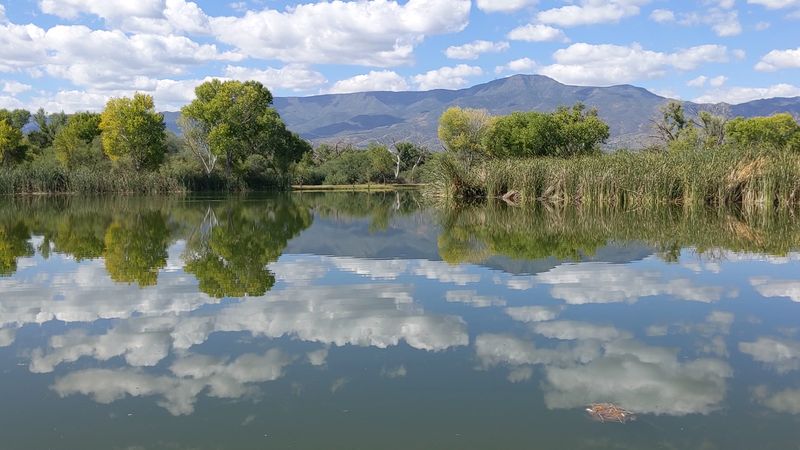
The name is a conversation starter, but the wildlife is the real story at Dead Horse Ranch State Park.
Set along the Verde River in Cottonwood, this Verde Valley campground sits within one of Arizona’s most productive riparian habitats, and mornings here have a completely different energy than a typical desert camp.
The lagoons that run through the park attract an impressive range of aquatic birds, and the cottonwood gallery forest along the river is a birding hotspot known statewide.
Gray foxes, coyotes, rabbits, and javelinas move through camp with regularity, and the park has documented nesting bald eagles, which is a detail that makes every morning walk feel a little more electric.
The combination of river, lagoon, and upland habitat in a single campground is rare in Arizona. Bring a field guide, set up your camp chair near the water before sunrise, and prepare to lose track of time watching the Verde River wake up.
6. Roper Lake State Park Campground, Safford
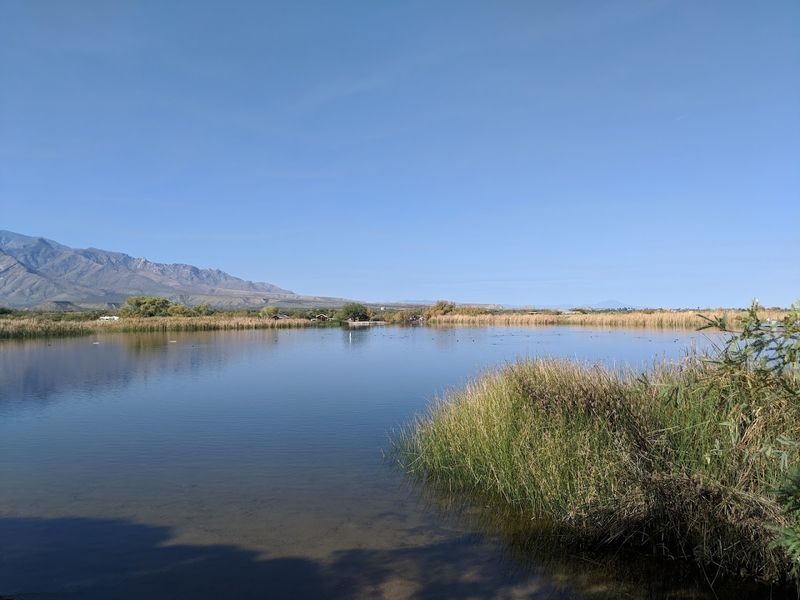
Roper Lake State Park sits quietly in the Gila Valley near Safford in southeastern Arizona, and it tends to fly under the radar compared to flashier parks in the state. That lower profile is actually one of its greatest assets, because the wildlife here moves through camp with very little caution.
The lake habitat supports a healthy mix of birds, from herons and egrets to ducks and shorebirds depending on the season. Bobcats, raccoons, cottontail rabbits, and ground squirrels are documented regulars, and coyotes make their presence known most mornings through sound if not always sight.
The park also has a natural hot spring for soaking, which makes it a genuinely relaxing basecamp for exploring the surrounding Graham County area.
Mornings start cool here even in summer thanks to the elevation, giving you a comfortable window to walk the lake trail and see what is moving before the day heats up. This spot is a quiet reward.
7. River Island State Park Campground, Parker
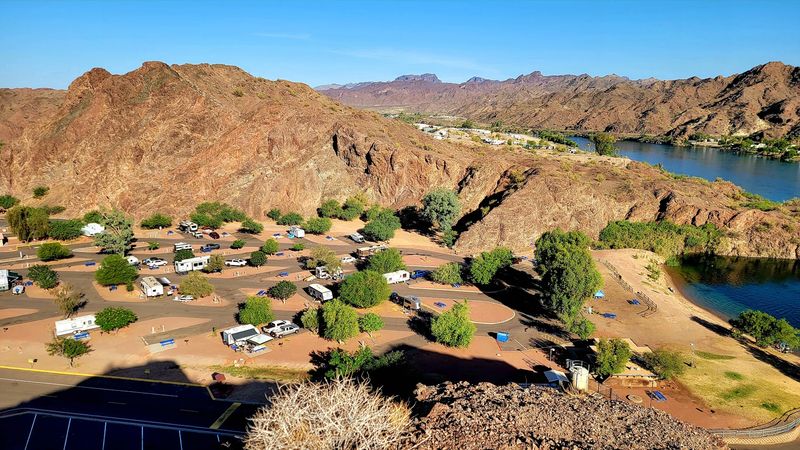
Bighorn sheep on canyon walls above a turquoise river is not a scene most people associate with a campground, but River Island State Park near Parker delivers exactly that.
Perched along the Colorado River in western Arizona, this campground gives you direct access to one of the most visually dramatic wildlife corridors in the region.
Desert bighorn sheep navigate the rocky ridges above camp with an ease that seems to defy gravity, and mornings are the best time to spot them working their way down toward water. Desert mule deer, coyotes, and bobcats are also part of the regular rotation, while river birds including great blue herons and cormorants patrol the shoreline throughout the day.
Reptile lovers will appreciate how active lizards and snakes become once the rocks warm up in the morning sun. The Colorado River setting adds a completely different dimension to the Arizona camping experience. Bring a kayak if you can, because the wildlife viewing from the water is exceptional.
8. Picacho Peak State Park Campground, Picacho
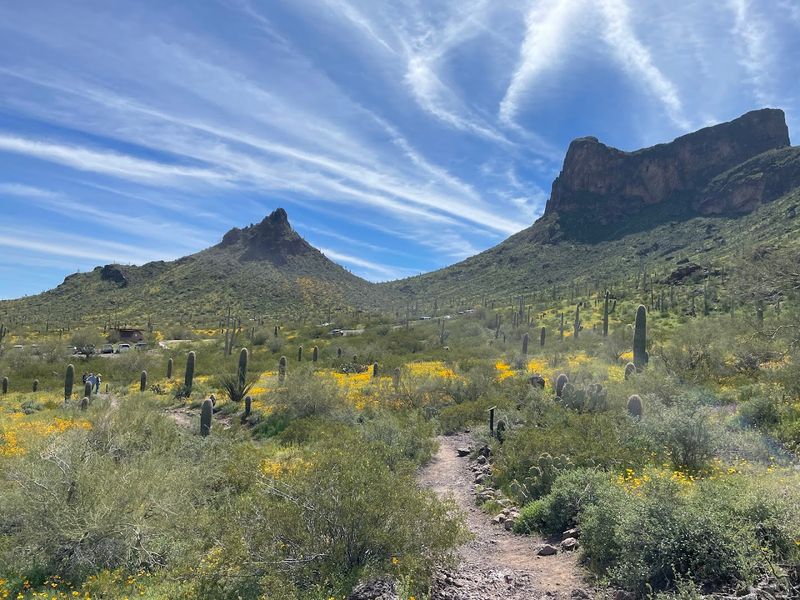
Picacho Peak is hard to miss from Interstate 10 because that dramatic volcanic spire rises out of the flat desert floor between Phoenix and Tucson like something from a landscape painting.
What many road-trippers do not realize is that the campground at its base is a legitimately good wildlife stop, not just a quick night’s rest.
Desert mule deer, javelinas, and foxes move through the campground area regularly, especially in the cooler morning hours when the heat has not yet pushed everything into shade. The park also sits along a major bird migration corridor, so the species list shifts with the seasons in interesting ways.
The hiking trails that climb toward the peak offer even better wildlife sightings, with resident birds of prey using the thermals that build off the rocky slopes each morning. If you are making the Phoenix-to-Tucson drive and need a reason to stop and actually get out of the car, Picacho Peak is it.
9. Mather Campground, Grand Canyon South Rim
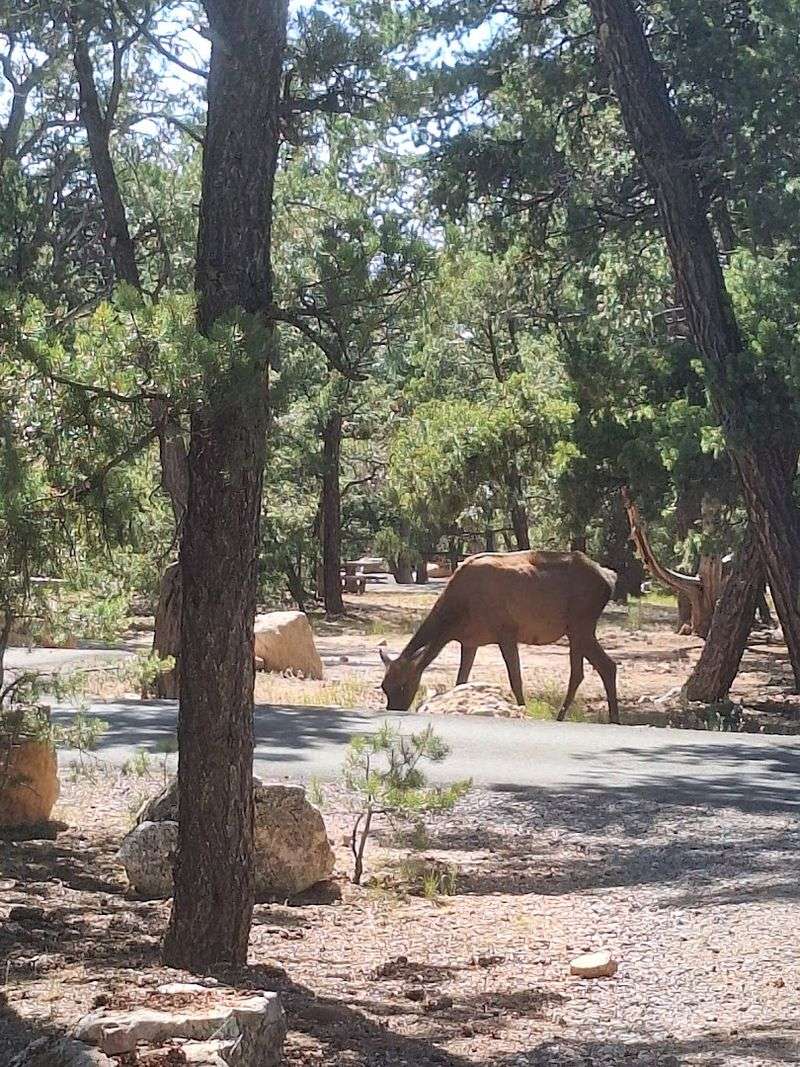
Camping at the Grand Canyon South Rim means you are already in one of the most iconic landscapes on the planet, but the wildlife that shares that landscape often surprises first-time visitors with how close it gets.
Mather Campground sits in a ponderosa pine forest on the South Rim, and mornings here have a crisp, high-elevation energy that feels completely different from the desert floor below.
Elk and mule deer wander through the campground with a calm regularity that the park’s own guidance flags as something campers should expect and respect.
Abert’s squirrels, ravens, and California condors are also part of the daily scene, and the Grand Canyon wildlife-safety information specifically notes the presence of mountain lions in the broader park ecosystem.
The combination of canyon-edge habitat and dense forest creates conditions that support a genuinely wide range of species. Set your alarm, walk to the rim at sunrise, and you may well share that view with a deer standing at the edge as the canyon lights up below.
10. Aspen Campground, Apache-Sitgreaves National Forest
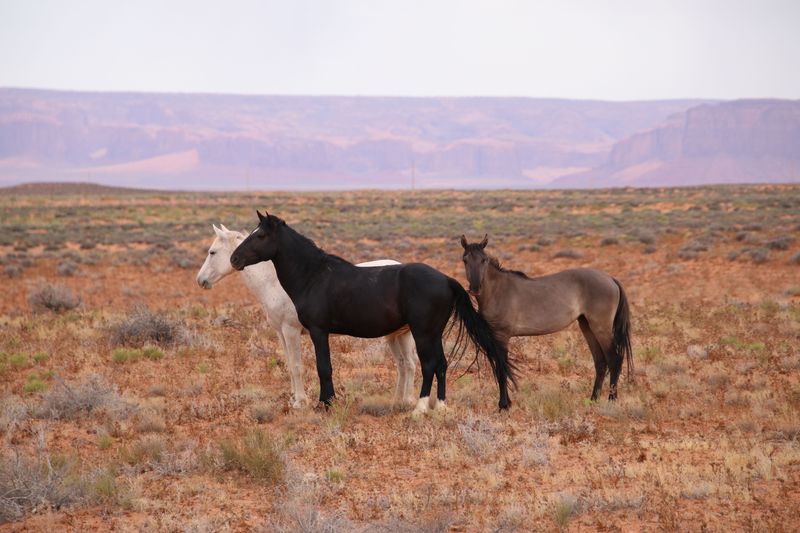
High-country camping in Arizona hits differently, and Aspen Campground in the Apache-Sitgreaves National Forest is one of the best examples of why.
Situated near Woods Canyon Lake in the White Mountains region, this campground trades saguaros for tall ponderosa pines and trades scorching heat for genuinely cool summer mornings.
The Forest Service page for this area, updated as recently as May 2026, specifically lists wildlife viewing as a campground highlight, with birds, squirrels, deer, elk, skunks, and bears all documented as common visitors.
That bear mention is not just a legal disclaimer: the area has an active black bear population, and morning sightings near the lake and forest edges are a real possibility.
Elk are particularly active at dawn, moving through the meadow clearings that border the forest. The lake itself draws waterfowl and osprey throughout the day.
This is the campground for Arizona visitors who want a completely different side of the state, cool, forested, and full of mountain wildlife.
11. White Horse Lake Campground, Kaibab National Forest
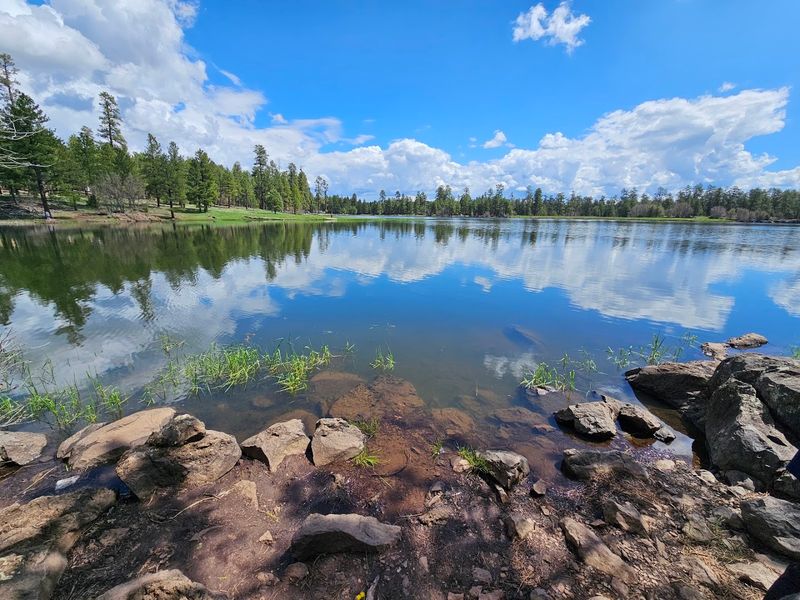
Not far from the Route 66 town of Williams in northern Arizona, White Horse Lake sits inside the Kaibab National Forest at an elevation that keeps things pleasantly cool even when the lowland desert is baking.
The campground wraps around a small lake that serves as a natural gathering point for the surrounding forest wildlife every single morning.
The Forest Service page for this campground highlights excellent wildlife watching as one of its main draws, and the combination of lake, meadow, and dense ponderosa forest creates ideal conditions for mule deer, elk, wild turkeys, and a strong variety of forest birds.
Pronghorn have also been spotted in the open meadows near the lake in the early hours.
Because this campground sits within the Kaibab National Forest, it benefits from the broader protected landscape that surrounds it, meaning the wildlife here has room to roam and does so freely. Mornings at White Horse Lake feel unhurried, quiet, and genuinely wild in the best possible way.