
This Michigan Bistro Brings Handmade Pasta And Modern Romanian Cooking To Hazel Park
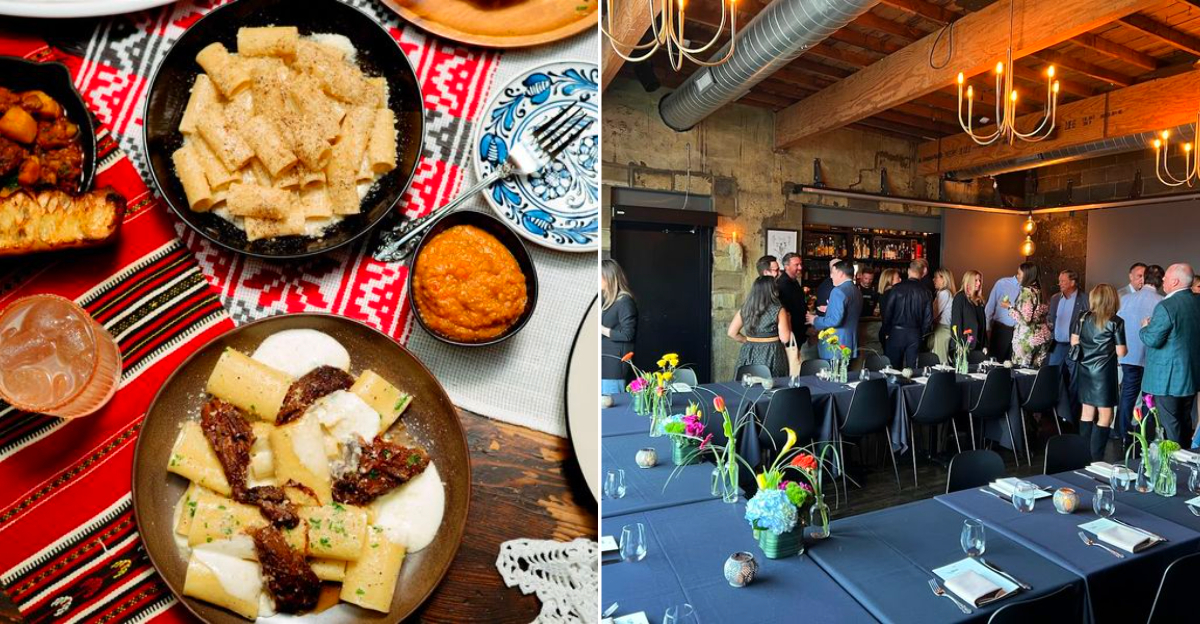
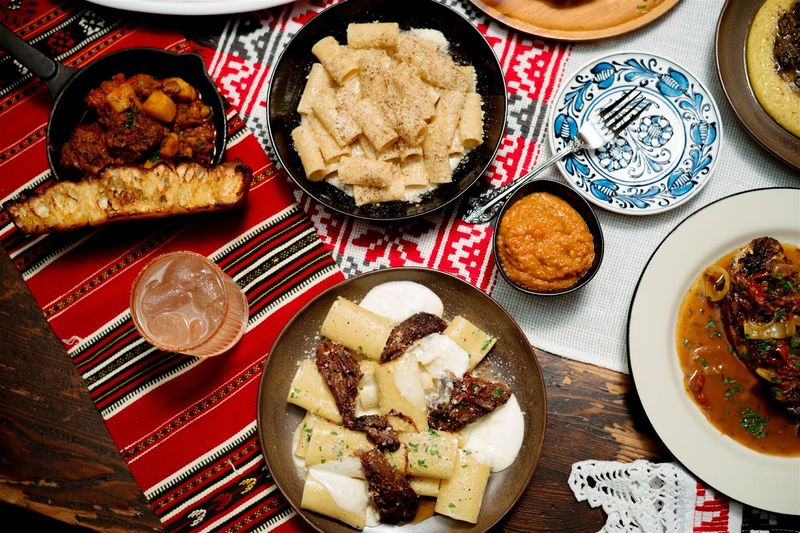
Hazel Park has a habit of hiding ambitious restaurants behind modest storefronts, and this bistro fits that pattern perfectly. Step inside, and handmade pasta meets modern Romanian cooking in a menu that feels both rooted in tradition and eager to move beyond it.
Familiar ingredients appear in unexpected combinations: slow-cooked meats, tangy dairy, seasonal vegetables, and delicate ribbons of pasta shaped by hand. The result is not a frozen picture of old-country cuisine, but something warmer and more alive.
Each plate feels personal, thoughtful, and quietly adventurous without becoming difficult or overly formal. The room stays relaxed, the service keeps the evening moving, and dinner unfolds with the feeling that you have stumbled onto something rare.
For anyone curious about where Michigan dining is heading next, this small Hazel Park bistro offers an answer built from memory, craft, and a willingness to make tradition feel new again for every guest.
Know The Restaurant Is The Point
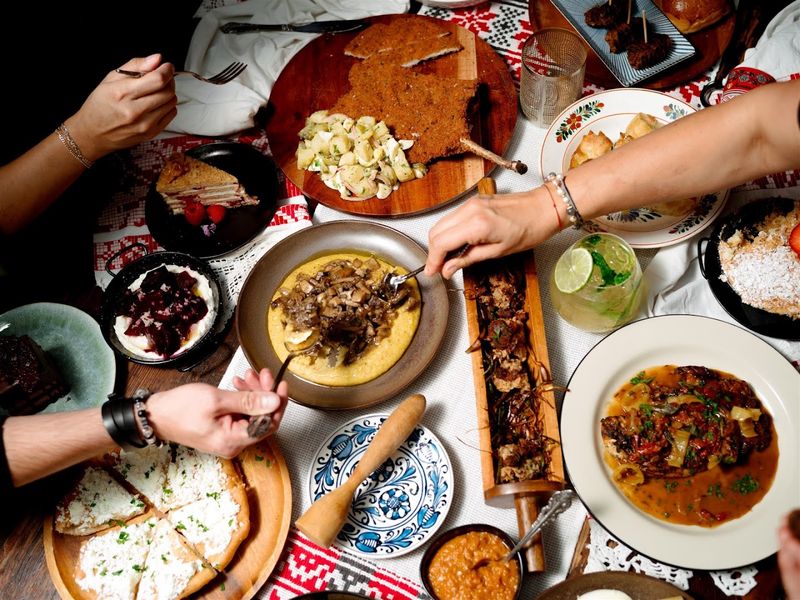
The first useful thing to understand is that this is a permanent, chef-driven bistro with its own identity, regular dinner service, and evolving à la carte menu.
The experience centers on Romanian cooking as interpreted by husband-and-wife chefs Gabriel and Gabriela Botezan.
Gabriel leads the savory side of the kitchen, while Gabriela oversees breads and desserts, creating a natural movement from substantial opening plates to pastries worth saving room for.
Dinner is not organized around a visiting chef or one temporary theme. Guests can return for recognizable dishes while still encountering seasonal changes, rotating pastas, and new interpretations of Romanian flavors.
That balance gives the restaurant stability without making it predictable. A favorite preparation may return, but the menu has enough freedom to respond to local produce and the chefs’ current ideas.
Approach it as a complete restaurant rather than an event space. The food, room, service, and personal history behind the menu are designed to function together every evening.
The Giant BAR Sign Means You Can Stop Second-Guessing GPS
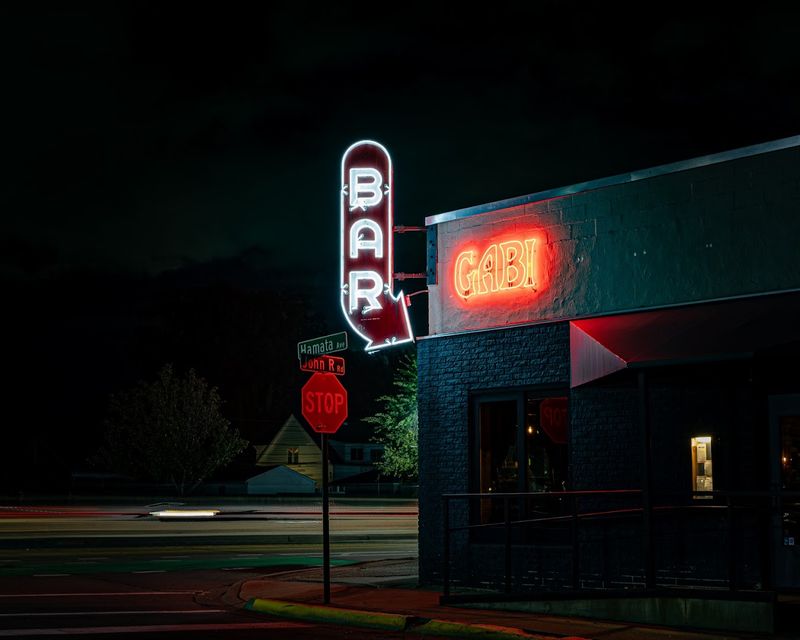
Bar Gabi sits at 23839 John R Road in Hazel Park, Michigan. From Detroit, follow John R Road north beyond Eight Mile Road and continue into the city’s compact restaurant district.
Travelers arriving from the northern suburbs can head south on John R Road toward central Hazel Park. The route stays straightforward, but watch the street numbers closely because the low corner building arrives without much warning.
Look for the tall vintage BAR sign rising above the roofline. Turn beside the building toward the rear parking area, then walk around to the entrance facing John R Road.
Read The Menu Through A Romanian Lens
Many dishes will feel familiar in individual parts, but the combinations make more sense when viewed through Romania’s geography and history.
The country’s cooking carries influences from Central Europe, the Balkans, the Ottoman world, Greece, Austria, Hungary, Italy, and surrounding Slavic cultures. That helps explain why pork, cabbage, sour cream, cheese, peppers, garlic, grilled meats, pastry, and slow braises can appear together without the menu feeling scattered.
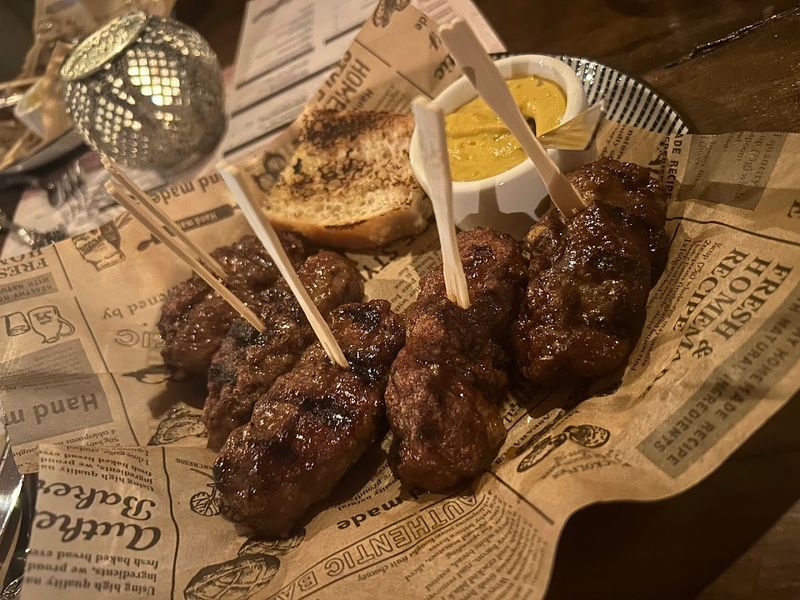
Dishes have included sarmale, made with pork and rice wrapped in pickled cabbage, and mititei, Romanian skinless sausages served with the bold seasoning expected from a street-food staple.
Transylvanian goulash draws on the heavier, warming side of the cuisine, while langos arrives as crisp fried dough finished with cheese, sour cream, and a forceful garlic sauce.
Nothing requires previous knowledge of Romanian food. Still, recognizing those regional connections makes the menu more interesting.
It becomes a culinary map rather than a collection of unfamiliar names, with each plate revealing another part of the country’s complicated cultural neighborhood.
Read The Menu Through A Romanian Lens
Frame is best approached as an experience with pacing, not a quick stop for dinner. Its Frame Dinners are multi-course, reservation-only meals, so the rhythm of the night is part of the design.
Courses arrive in sequence, and the evening tends to unfold more like a performance than a casual drop-in meal.
That pacing changes how you should plan your time. It helps to arrive unhurried, resist stacking other commitments too closely around the reservation, and settle into the expectation that the meal may build gradually.
The structure rewards patience because the chefs and team are usually guiding guests through a complete idea.
People who rush through a meal often miss what makes Frame distinct. Give the night room to breathe, and the changes in tone, flavor, and presentation become part of the pleasure rather than background logistics.
Follow The Chefs As Much As The Address
The menu becomes more personal once you know that the two chefs were born in different parts of Romania and brought distinct food memories to the same Michigan kitchen.
Gabriela grew up in Transylvania, while Gabriel comes from Bucharest. Both remember cooking as part of ordinary family life rather than an activity separated from the rest of the household.
Those experiences influence the emphasis on food made from scratch, generous hospitality, and ingredients sourced with enough care to stand on their own. Produce and meats arrive through suppliers connected to Detroit’s Eastern Market, while eggs for the pasta come from a local farmer.
Their later training in Italian kitchens sharpened those instincts rather than replacing them. The resulting food is neither a rigid recreation of childhood recipes nor an arbitrary fusion concept.
It carries Romanian memory, Italian discipline, and the directness of a Detroit-area restaurant run by two people who have spent years cooking beside one another. Following their story helps explain why the savory and sweet sides of the menu feel so closely connected.
Save Room For Gabriela’s Desserts
Dessert is not an optional final flourish here. It represents half of the restaurant’s creative partnership and some of the most direct connections to Romanian culinary tradition.
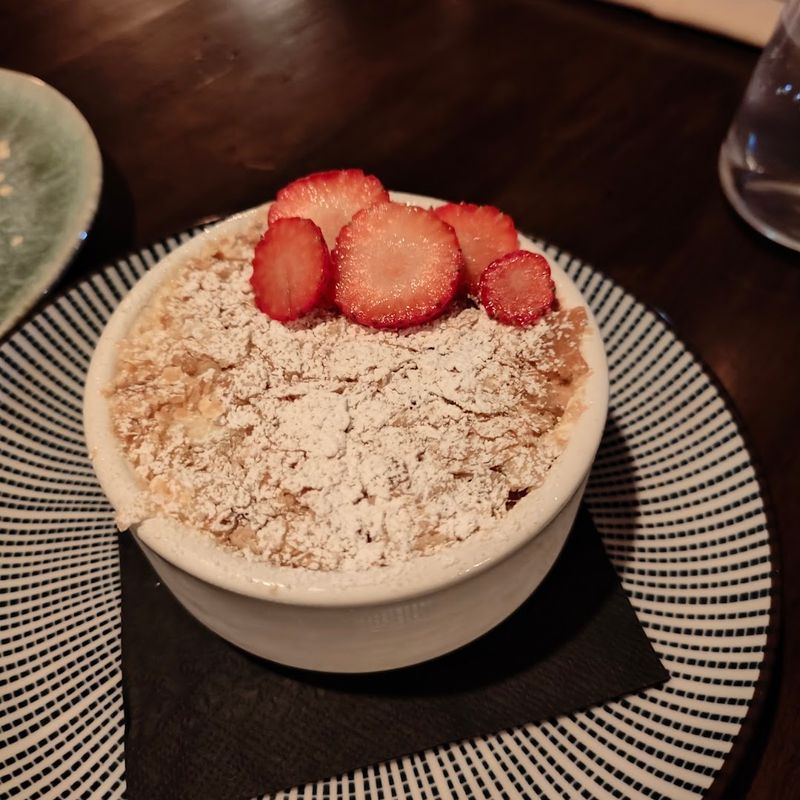
Gabriela’s pastry work has included cremes, a delicate layered pastry filled with vanilla cream, and amandina, a Romanian chocolate cake known for its rum-scented sponge and rich glaze.
Albinita layers honey cake with tangy cream and additional honeyed elements, producing sweetness balanced by acidity and texture.
Tiramisu also appears naturally within the program, reflecting the chefs’ years in Italian restaurants as much as the rest of the menu reflects their Romanian upbringing.
The selection may rotate, so ordering dessert based solely on one remembered photograph can mean overlooking what the pastry kitchen is doing that evening. Ask what is currently available before becoming attached to a specific choice.
Sharing may seem sensible after several savory courses, but one dessert can disappear faster than expected. The better strategy is often to order two contrasting options and let the table compare flaky, creamy, chocolate, and honeyed textures.
Know How Walk-Ins Work
Reservations remain the safest choice, especially on Friday and Saturday evenings, but an unplanned visit is not automatically impossible.
The central bar is reserved for walk-in guests and operates on a first-come, first-served basis. Diners seated there can order from the full menu, making it a genuine alternative to a dining-room table rather than a reduced bar experience.
Space throughout the restaurant is limited, so adding extra guests to an existing reservation at the door is rarely practical. Larger parties should contact the restaurant ahead of time instead of booking several separate tables and expecting them to be combined later.
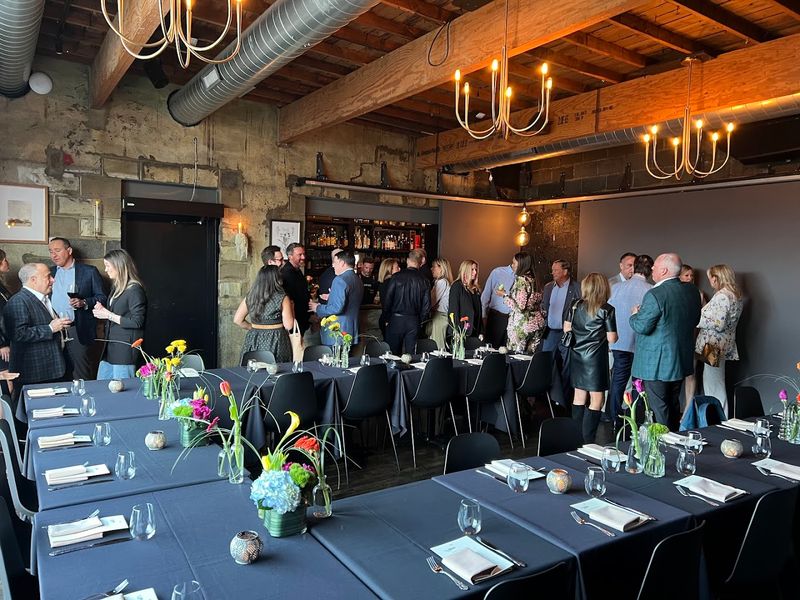
The room is designed primarily for adults and becomes lively during peak hours. Music, conversation, and the central bar produce a noticeably energetic atmosphere rather than the hushed tone of a formal dining room.
Well-behaved children are welcome, but there are no high chairs or separate children’s menu. Earlier reservations may be more comfortable for families, while later weekend seatings suit diners who want the room at its busiest and most animated.
Expect The Menu To Change With The Season
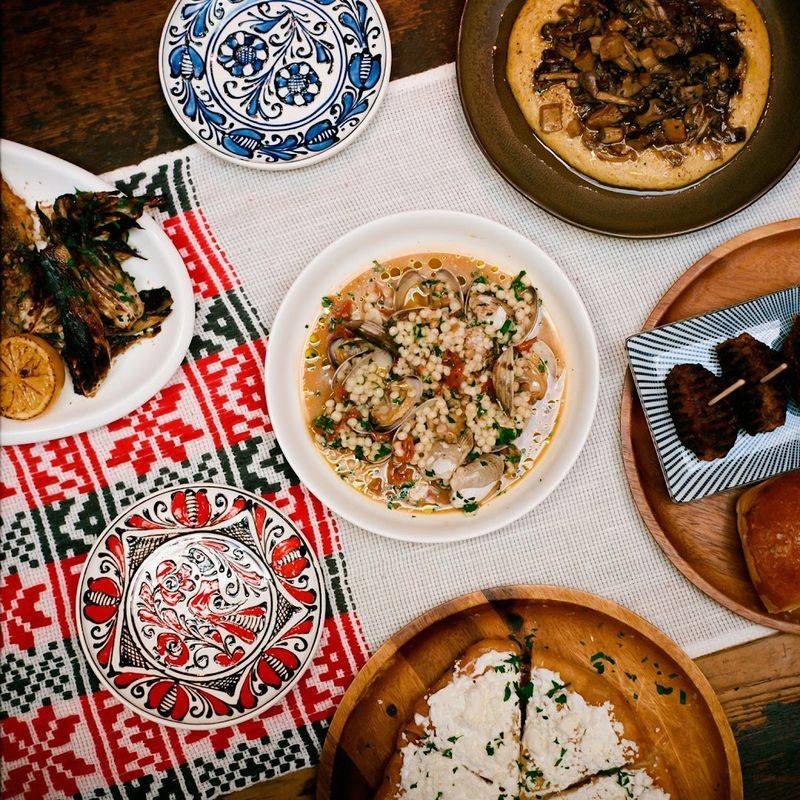
Returning does not mean repeating exactly the same dinner. The menu was designed to respond to changing produce, weather, and the chefs’ evolving ideas.
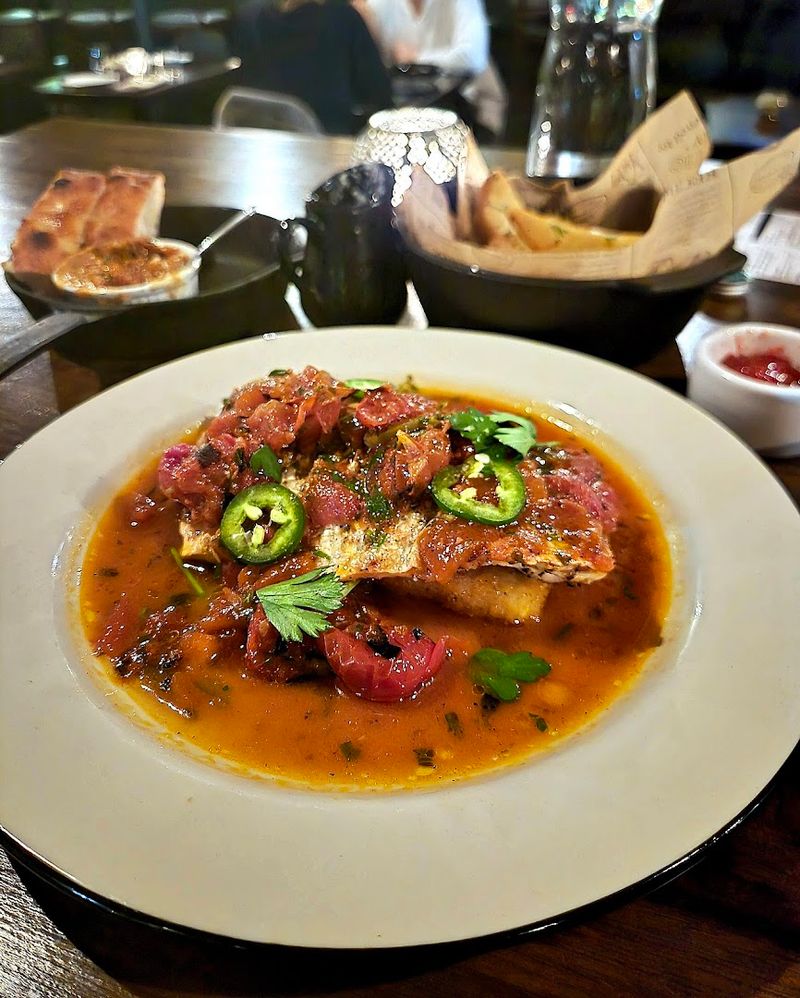
Heavier preparations make sense during a Michigan winter, when braised beef, potatoes, cabbage, pork, and rich sauces match the temperature outside. Spring and summer create room for lighter vegetables, seafood, fresh herbs, and pastas that rely less on slow-cooked weight.
Some foundational flavors remain recognizable even when the specific plates change. Garlic, cultured dairy, peppers, grilled meat, pastry, and carefully sourced local ingredients provide continuity while the compositions shift around them.
This seasonal flexibility also explains why menu photographs should be treated as examples rather than promises. A dish that defined one visit may disappear temporarily, return in another form, or be replaced by something better suited to the ingredients currently available.
The strongest way to order is to combine one preparation that sounds comfortingly familiar with another that requires a little more curiosity. That balance mirrors the restaurant itself: rooted enough to feel coherent, but restless enough to avoid becoming static.
Check The Calendar For Special Nights
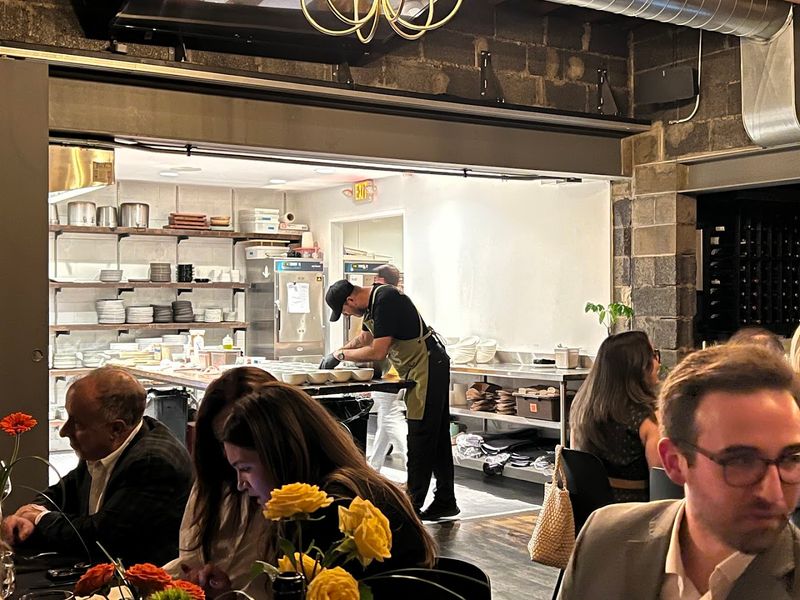
Frame’s calendar can include dinners, workshops, and pop-ups, so it helps to confirm exactly what kind of event you are reserving. The venue’s strength is its variety, but that same variety means not every listing promises the same structure or expectations.
A little clarity beforehand prevents the wrong kind of surprise.
A Frame Dinner generally signals a multi-course, reservation-only meal built around a theme and a chef’s point of view. A workshop may be more participatory and instructional.
A pop-up can carry its own rhythm, menu format, or service style depending on who is running the night and how the event has been designed.
That distinction matters when planning everything from timing to appetite. Once you know whether the evening is primarily educational, immersive, or dinner-focused, the whole experience becomes easier to enjoy on its own intended terms.
Pay Attention To The Room
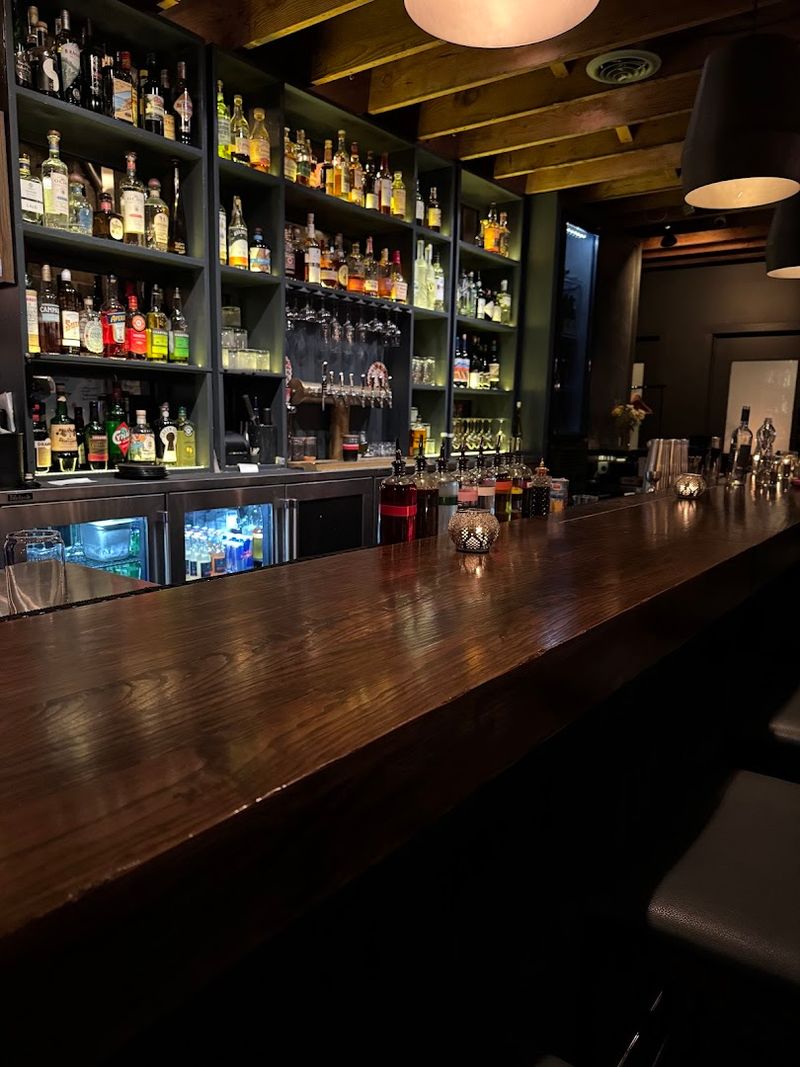
Dark color, candlelight, folk objects, and a bustling bar create an atmosphere that supports the food without reducing Romanian culture to decoration.
Red, black, and white embroidered hemp textiles made by Gabriela’s grandmother and great-grandmother connect the dining room directly to her family. Hand-painted blue plates add another domestic detail, while the Dacian Draco symbol on the menu draws from an ancient emblem combining the forms of a wolf and dragon.
These elements give the interior emotional weight because they were not gathered merely to make the restaurant look vaguely Eastern European. They belong to the personal world from which the menu emerged.
At the same time, the room has a contemporary edge. Music can be loud, the dining room remains active, and the overall effect feels closer to modern Bucharest nightlife than a nostalgic village dining room.
A separate private space called The Cave can host birthdays, showers, business gatherings, and small celebrations. The main room, however, provides the fullest expression of the restaurant’s dark, energetic personality.
Go For The Tradition And The Reinvention
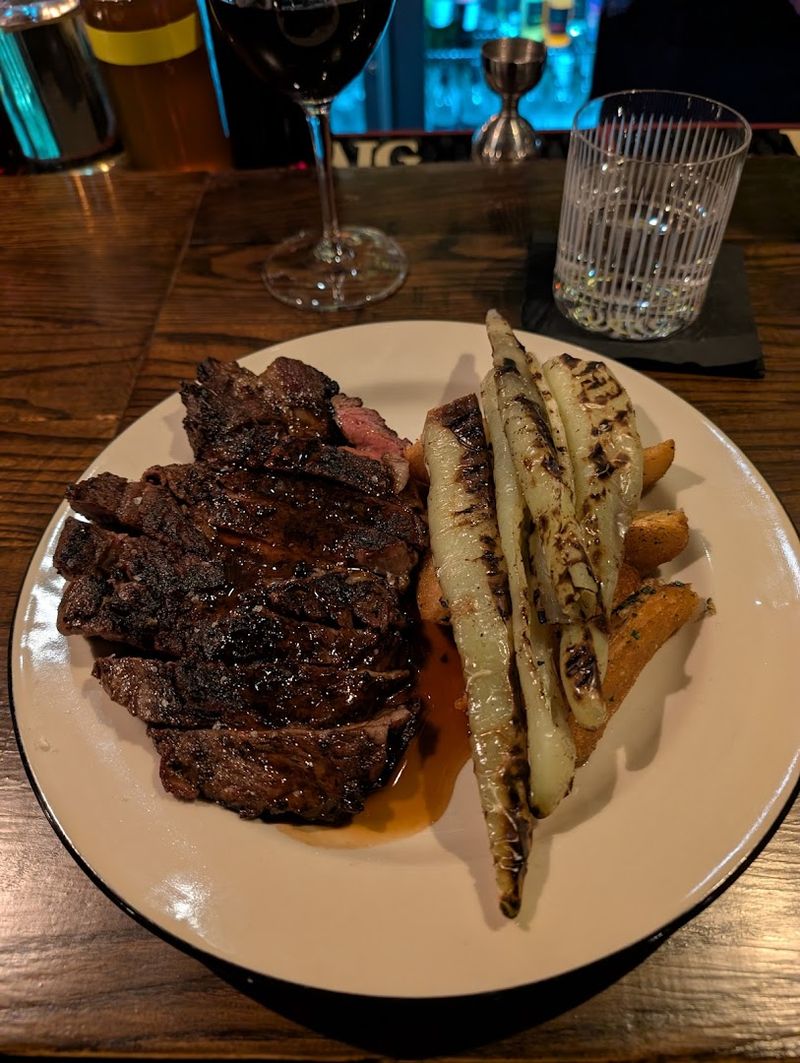
The most rewarding way to approach dinner is to stop searching for a strict dividing line between authentic and modern.
The chefs are not trying to preserve Romanian food beneath glass. They are cooking from within the tradition while allowing professional training, Michigan ingredients, Italian technique, and contemporary taste to change how that tradition reaches the plate.
A stuffed cabbage dish can carry deep family associations while still receiving a more precise restaurant presentation. A tomahawk pork chop can borrow the logic of schnitzel without pretending to be an unchanged village recipe.
Fresh pasta can sit beside mititei and goulash because all three belong to the chefs’ actual culinary lives.
That approach gives the bistro its strongest identity. It does not apologize for unfamiliar dishes, but it also does not demand that guests arrive with specialist knowledge.
Order with curiosity, include something from the pastry kitchen, and allow the meal to move between comfort and surprise. That openness is where the best version of this Hazel Park restaurant begins.