
Skip The Flight To Peru And Discover This Incredible Ancient Wonder In Pennsylvania Instead
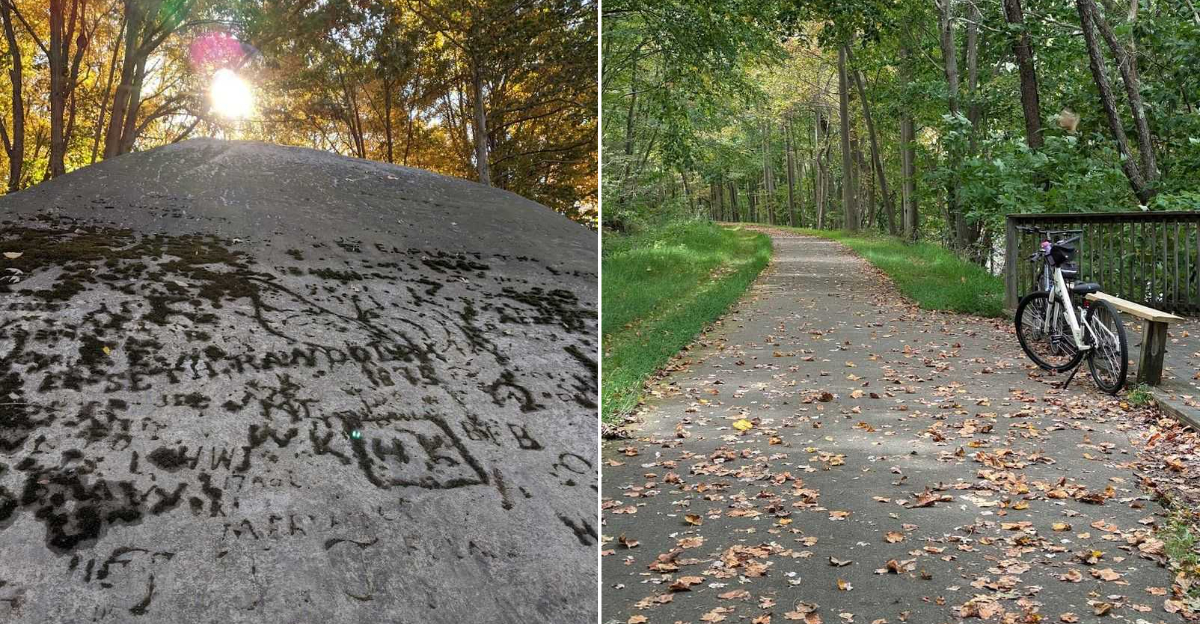
Not every ancient wonder requires a passport, a long flight, or a carefully packed suitcase.
Pennsylvania has a remarkable piece of history that brings mystery much closer to home, giving visitors a chance to stand near something far older than the usual weekend attraction.
The pull is not about grand spectacle. It is about the quiet shock of realizing that meaningful traces of the past can still be found in unexpected places, carved into stone and waiting in plain sight.
A stop like this turns curiosity into a real outing, especially for anyone who likes history with a little mystery attached.
I am always intrigued by places that make the past feel physical, because once you are standing in front of something ancient, the distance between then and now suddenly feels much smaller.
A Boulder With A Story Older Than The Nation
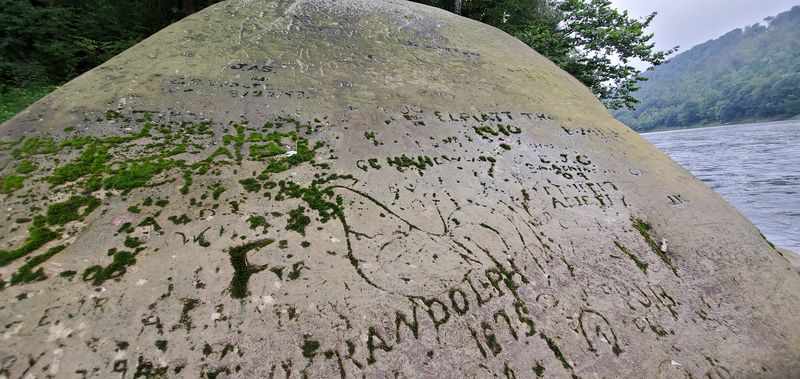
Long before the United States existed as a country, someone stood at the edge of the Allegheny River and carved symbols into a massive sandstone boulder.
That boulder is Indian God Rock, located in Rockland Township, Venango County, Pennsylvania, and it remains one of the most important Native American rock art sites in the Commonwealth today.
The carvings are generally dated between about 1200 and 1750 A.D., though Pennsylvania petroglyphs can be difficult to date precisely.
They include human figures, animal shapes, and abstract symbols whose exact meanings remain a subject of ongoing study and respectful debate among historians and archaeologists.
Standing near these carvings puts time into a perspective that no textbook quite manages.
Ohio may have its own ancient earthworks, but Pennsylvania punches well above its weight with this riverside marvel that quietly waits for curious travelers to find it for themselves right here.
Where Exactly You Will Find This Ancient Rock
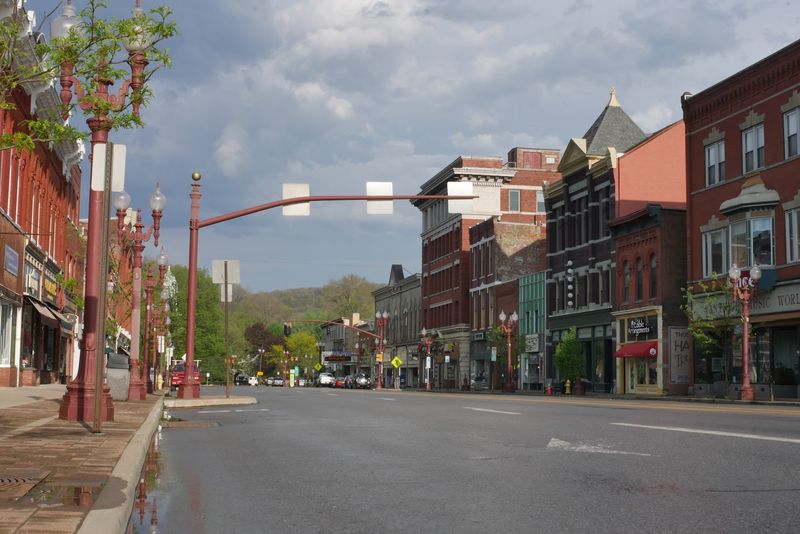
Indian God Rock sits along the Allegheny River Trail in Rockland Township, PA 16374, near the city of Franklin in Venango County, Pennsylvania.
The site is accessible via the Allegheny River Trail, a well-maintained paved path that follows the river through some genuinely beautiful countryside.
Franklin itself is a charming small city, and Venango County has a relaxed, rural character that makes the drive out there feel like a proper escape.
The rock rests close to the riverbank, which means water levels can affect how much of it you can see at any given time.
Visiting during late summer or early fall, when river levels tend to drop, gives you the best view of the full surface of the petroglyphs.
Ohio visitors making a short cross-state trip will find the journey from the border surprisingly quick, making this an easy weekend destination worth adding to any itinerary.
The Petroglyphs Themselves Are Genuinely Stunning
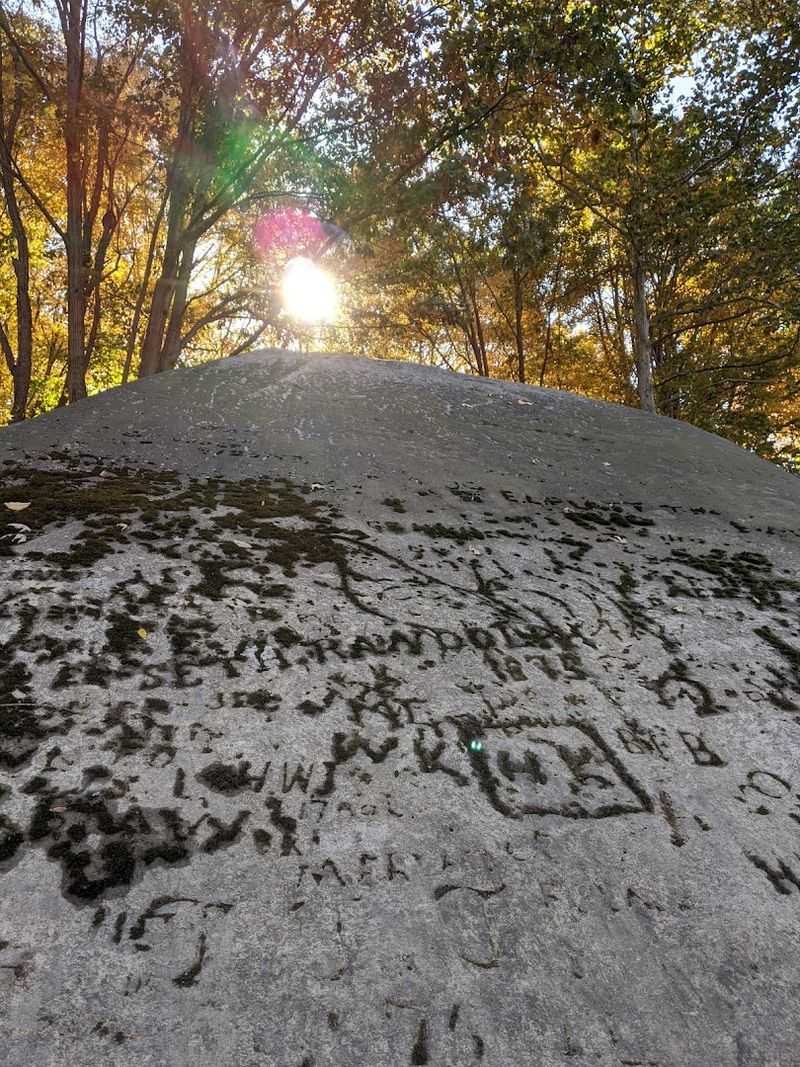
Up close, the carvings on Indian God Rock are meaningful in a way that photographs do not fully capture.
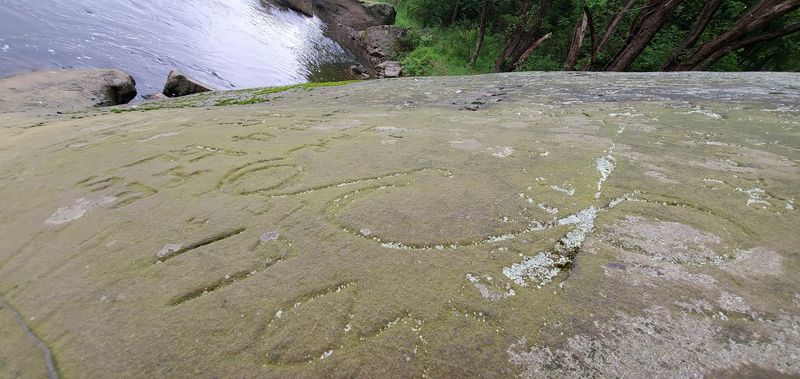
Etched directly into the surface of the sandstone, the petroglyphs show a range of figures, including human forms, animals, geometric patterns, and supernatural-looking designs that archaeologists believe held ceremonial or communicative significance for the people who made them.
The sheer scale of the rock adds to the drama. This is not a small pebble with a few scratches on it.
It is a large, imposing boulder that commands attention from the moment you approach it along the trail.
Unfortunately, later visitor inscriptions, vandalism, floodwaters, and ice have obscured portions of the original Indigenous artwork over time.
It is a frustrating layer of history, and the petroglyphs can be difficult to see clearly, but the site still carries a powerful presence along the Allegheny River today for visitors.
Getting There On The Allegheny River Trail
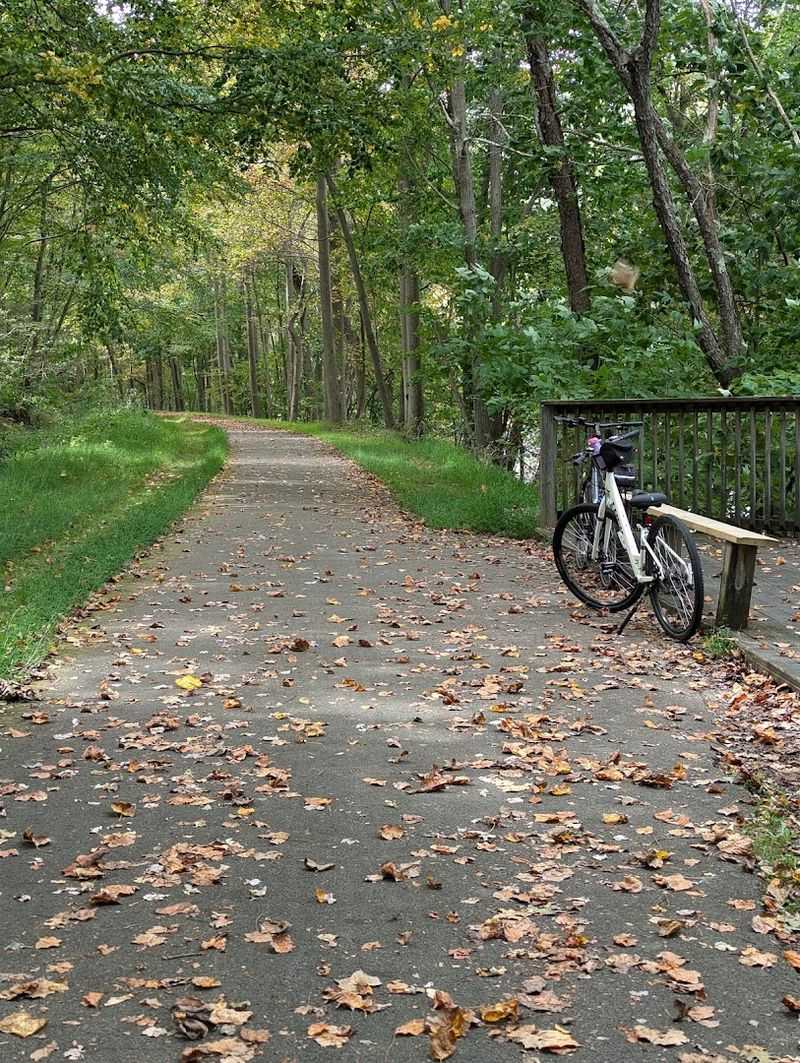
One of the most enjoyable ways to reach Indian God Rock is by riding the Allegheny River Trail, a paved multi-use path that runs along the river through Venango County.
The trail is smooth and well-maintained, making it accessible for cyclists of skill levels, including families.
The rock can be viewed from an observation deck along the trail, so there is no complicated navigation involved. You ride, spot the marker, and stop.
Simple as that, and the riverside scenery along the way makes every pedal stroke feel worthwhile.
For those coming from Ohio or other neighboring states, the trail offers a genuinely scenic introduction to this part of Pennsylvania.
Hikers are equally welcome, and the flat terrain keeps the walk comfortable even for those who are not regular trail enthusiasts.
Use established trailhead parking nearby, making access straightforward whether you arrive by bike or on foot.
Why Water Levels Matter More Than You Think
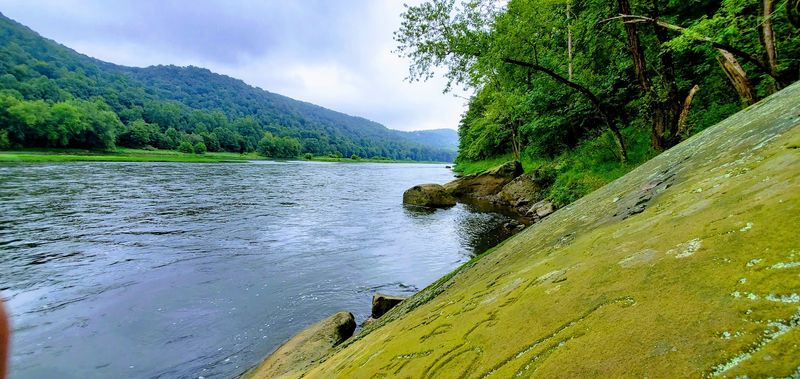
Here is a practical tip that can make or break your experience at Indian God Rock: the Allegheny River water level has a direct impact on how much of the rock you can actually see.
During spring and early summer, snowmelt and rainfall push the river higher, sometimes covering significant portions of the boulder and its carvings.
Late summer through early fall is generally the sweet spot for visiting. Lower water levels expose more of the rock surface, giving you a much clearer view of the petroglyphs in all their carved detail.
Checking local river gauge data before making the trip is a genuinely good idea. Visitors from Ohio who plan a day trip should factor this into their timing.
A little research beforehand can be the difference between seeing a half-submerged rock and standing in front of the full, awe-inspiring expanse of one of Pennsylvania’s most underrated ancient sites.
The Native American History Behind The Carvings
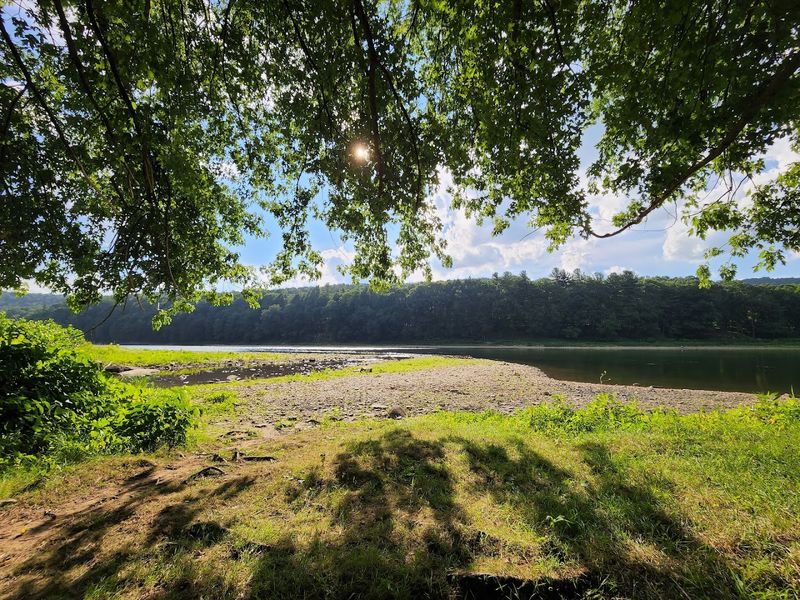
The people responsible for the carvings at Indian God Rock are believed to have belonged to Indigenous groups who inhabited the Allegheny River valley long before European contact.
Scholars have linked the style of the petroglyphs to Algonquian-speaking peoples, though the full cultural context of the site remains an area of active research and respectful discussion among historians and Native American communities.
The rock likely served as a significant ceremonial or communicative landmark along the river, a kind of ancient message board placed at a location where river travelers would have naturally stopped or passed by.
The Allegheny River was a major route for Indigenous peoples across the region, connecting communities from what is now Ohio all the way through Pennsylvania.
Understanding this broader geographic context makes the site feel even more meaningful.
Indian God Rock was not just a local curiosity but a node in a much larger network of Indigenous life and movement across the landscape.
How This Site Compares To Other Ancient Wonders
People often assume that ancient wonders require international travel, but Indian God Rock challenges that assumption in a very direct way.
While sites like the Nazca Lines in Peru or the standing stones of the British Isles get the bulk of the attention, this Pennsylvania boulder quietly holds its own as a genuinely remarkable piece of ancient human expression.
The carvings at Indian God Rock represent a form of artistic and cultural communication that is just as sophisticated and historically significant as anything you would find at a more famous tourist destination.
The difference is the crowd size, which at Indian God Rock is refreshingly small.
Ohio has its own celebrated ancient sites, including the famous Newark Earthworks, and the broader region of the northeastern United States is far richer in ancient history than most people realize.
Indian God Rock is proof that extraordinary things are often hiding in plain sight, right along a quiet river trail.
The Controversy Over Later Carvings On The Rock
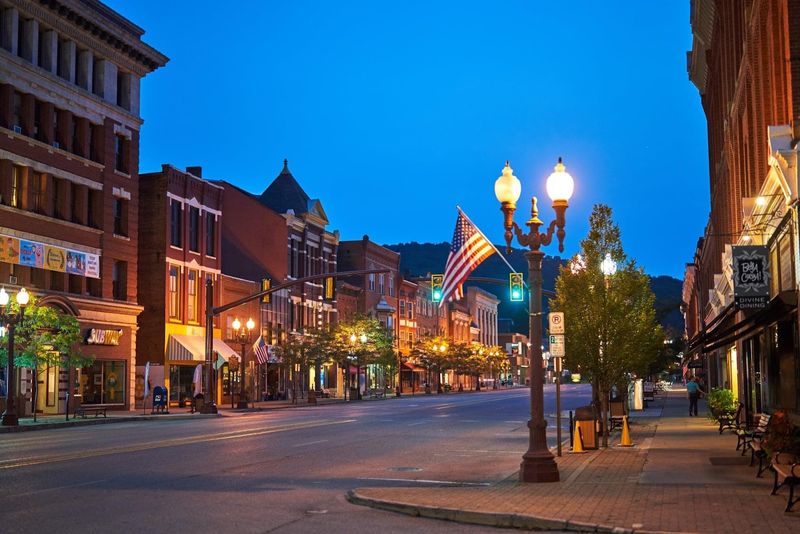
Not everything carved into Indian God Rock was put there by Indigenous people.
Over the centuries, later visitors left their marks on the boulder, especially boatmen and passersby who cut names, initials, symbols, and dates into the same surface that holds the ancient petroglyphs.
This layering of carvings is genuinely frustrating from a preservation standpoint.
Some of the original Indigenous artwork has been partially obscured or damaged by these later additions, making it harder to study and appreciate the full scope of what was originally there.
Conservationists and historians have long debated how best to manage and protect the site going forward.
The situation at Indian God Rock is unfortunately not unique, as many ancient rock art sites across North America, including some in Ohio, face similar challenges from both intentional and accidental human interference.
Still, enough of the original setting and carvings survive to make the site worth experiencing respectfully in person.
What The Surrounding Landscape Adds To The Experience
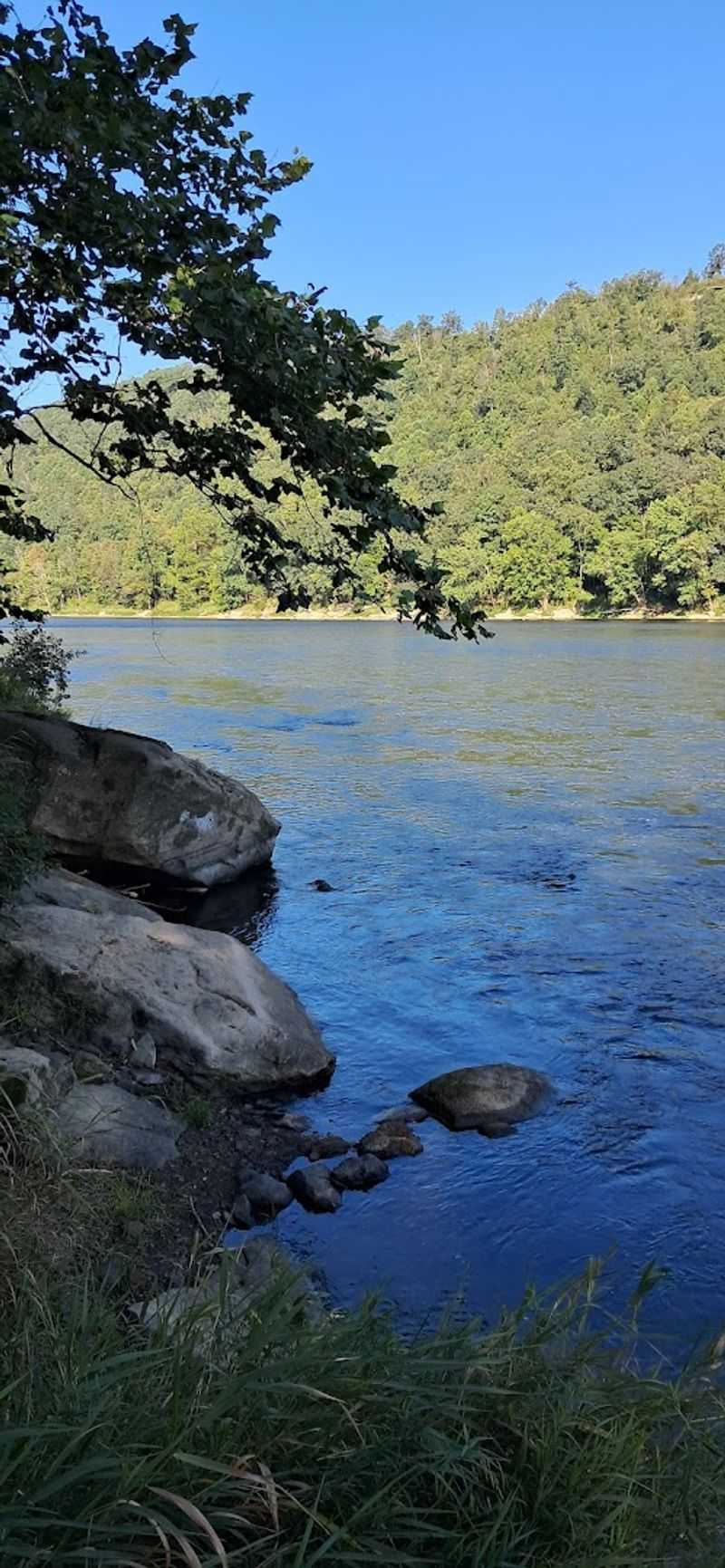
The setting around Indian God Rock is every bit as rewarding as the rock itself. The Allegheny River rolls quietly past, framed by wooded hillsides that turn spectacular shades of orange and red in the fall.
Even in summer, the greenery along the riverbank creates a lush, peaceful atmosphere that makes the visit feel like a genuine escape.
Venango County has a largely rural, unhurried character that suits this kind of historically minded exploration perfectly.
There are no loud crowds, no overpriced souvenir shops, and no long lines. Just the river, the trail, the trees, and the rock.
The contrast between the ancient carvings and the living landscape surrounding them creates an experience that is quietly moving in a way that is hard to put into words.
Ohio travelers crossing the state line for this site will find that the natural beauty of northwestern Pennsylvania is a very welcome bonus they did not quite expect.
Practical Tips For Planning Your Visit
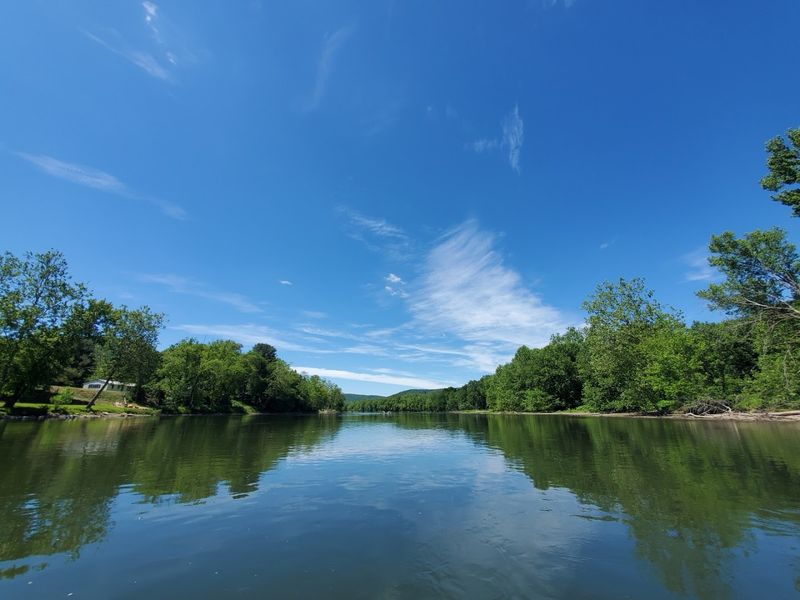
Planning a trip to Indian God Rock does not require much logistical heavy lifting, but a few smart moves will make the experience much more enjoyable.
First, check the Allegheny River water level before you go, since low water means more of the rock is visible.
Late summer and early fall are generally the best windows for this.
Bring comfortable shoes suitable for a trail walk, and plan to look carefully because Pennsylvania petroglyphs are shallow and can be hard to see.
A camera is useful, and early or late-day light tends to bring out the texture of the carved surfaces particularly well.
The site can be viewed from the Allegheny River Valley trail system, making it a budget-friendly day trip from Franklin or even from across the Ohio border.
Use established trail access, stay respectful, and avoid touching, chalking, painting, or walking on any petroglyph surface. There are no formal reservations required for the trail viewing experience today.