
This Fairytale-Like South Carolina Castle Looks Like It Was Washed Ashore By The Sea
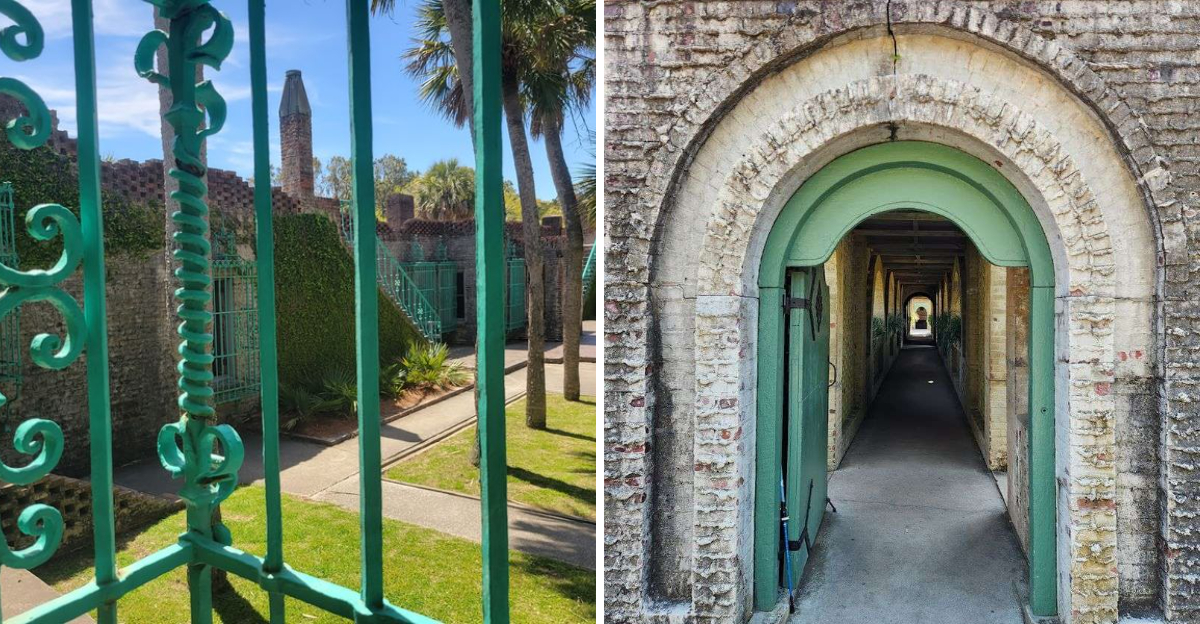
A castle is probably the last thing you expect to find beside a South Carolina beach.
That is exactly why this place feels so unforgettable.
Most visitors arrive expecting sandy trails, ocean views, and coastal wildlife. Instead, they find soaring towers, peaceful courtyards, and architecture that looks as though it belongs somewhere along the Mediterranean instead of the Atlantic coast.
The surprise is immediate. And it only grows stronger as you explore.
That is the magic of this remarkable landmark.
South Carolina is filled with beautiful beaches, but very few hide a place with a story quite like this one. Every brick reflects history.
Every courtyard sparks curiosity. And every visit feels like stepping into another century without ever leaving the shoreline.
Some attractions impress you because they are famous.
Others leave a lasting impression because they are completely unexpected.
This hidden South Carolina treasure manages to do both, making it one of the most fascinating places you’ll visit along the coast.
The Huntingtons Built Their Dream Retreat During Hard Times
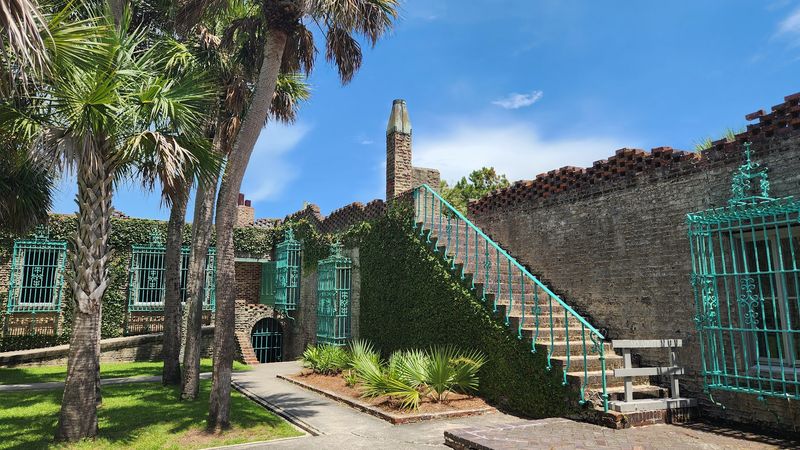
Construction started in 1931 when most Americans were tightening their belts, yet Archer and Anna Hyatt Huntington decided to build something magnificent.
The couple hired local workers who desperately needed employment, turning what could have been pure luxury into a community lifeline. Archer, a scholar and philanthropist, partnered with his wife Anna, a celebrated sculptor, to create a space that served both as home and creative studio.
The castle took two years to complete, with materials chosen for their ability to withstand salt air and coastal storms.
Walking through the rooms today, I can still sense the purpose behind every design choice. The thick walls kept interiors cool without modern air conditioning, while the open courtyard invited ocean breezes to circulate freely.
Anna needed large spaces for sculpting her monumental animal figures, so rooms were built with soaring ceilings and wide doorways. The Huntingtons proved that even during economic collapse, beauty and practicality could coexist.
Their timing created jobs when jobs were scarce, making Atalaya more than just a winter escape.
Moorish Architecture Creates An Unexpected Coastal Wonderland
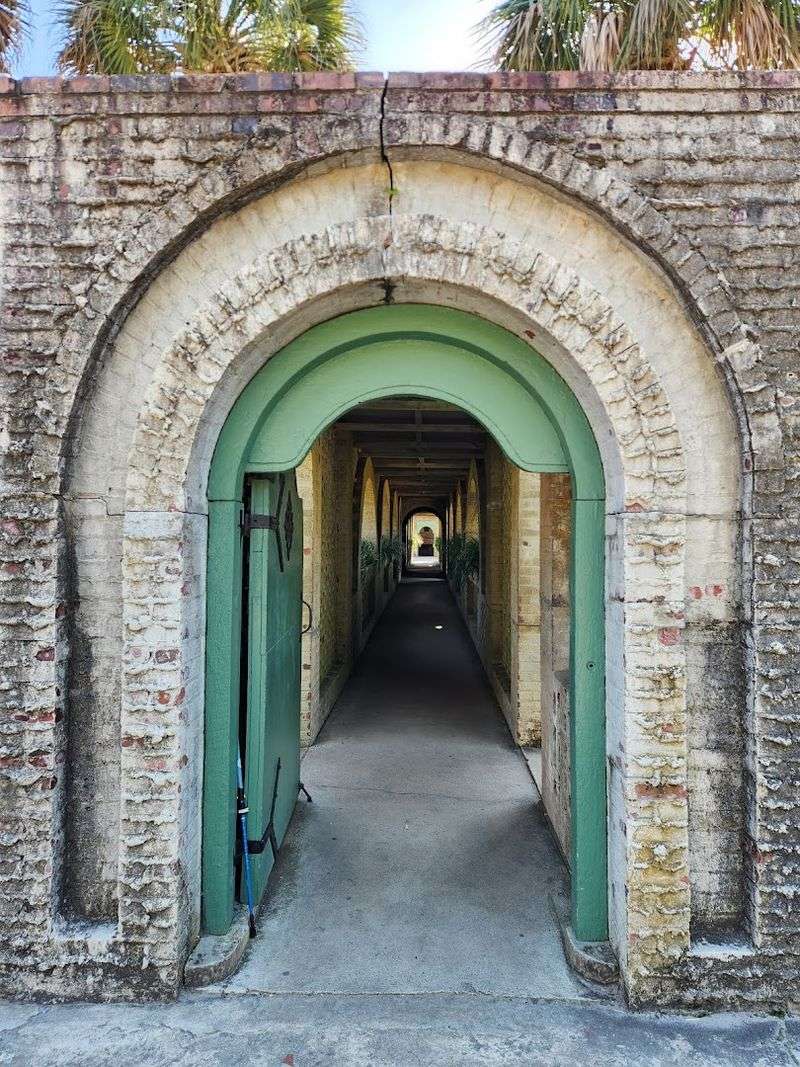
The first time I rounded the corner and saw those crenellated towers, I actually laughed out loud because nothing about this place belongs on a South Carolina beach.
Atalaya borrows heavily from Spanish and Moorish traditions, with a central courtyard that feels transplanted from Andalusia. The flat rooflines, thick stucco walls, and geometric patterns echo North African design principles adapted for coastal living.
Arched doorways frame views of the Atlantic, creating unexpected sightlines that shift as you move through the structure. The castle sprawls low and wide rather than tall, hugging the ground like it’s bracing against hurricane winds.
I love how the courtyard becomes the heart of everything, with rooms radiating outward in a square formation. This layout provided natural ventilation and created private outdoor space protected from beach winds.
The Huntingtons chose this style deliberately, having traveled extensively through Spain and fallen for its architectural traditions.
Today, visitors wander through rooms where Islamic-inspired details meet practical American craftsmanship, producing something utterly unique along the Grand Strand.
Anna Hyatt Huntington Sculpted Masterpieces Within These Walls
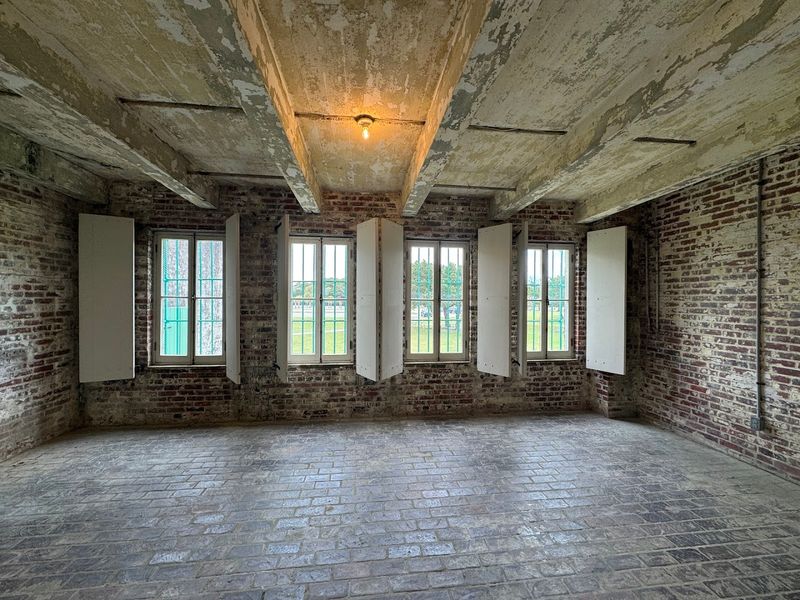
Anna didn’t just live at Atalaya; she transformed it into one of America’s most productive sculpture studios.
Her specialty was large-scale animal figures, and she needed massive workspace to accommodate bears, jaguars, and horses cast in bronze. Several rooms at Atalaya featured oversized doors specifically designed to move completed sculptures outdoors for final inspection in natural light.
Anna often worked with live animal models, and the castle grounds occasionally housed exotic creatures serving as references for her art. I’ve stood in her studio space imagining the controlled chaos of clay, plaster, and creative energy that once filled these now-empty rooms.
Her most famous works include equestrian statues and wildlife pieces now displayed in museums worldwide, but many were conceived right here overlooking the Atlantic. The combination of coastal tranquility and spacious work areas gave Anna ideal conditions for her craft.
She continued creating well into her eighties, with Atalaya serving as her winter base for decades.
Visitors today can still see the studio spaces where artistic magic happened, though the sculptures themselves have long since moved to galleries and public squares across the country.
The Castle Cost Only Two Dollars To Tour Today
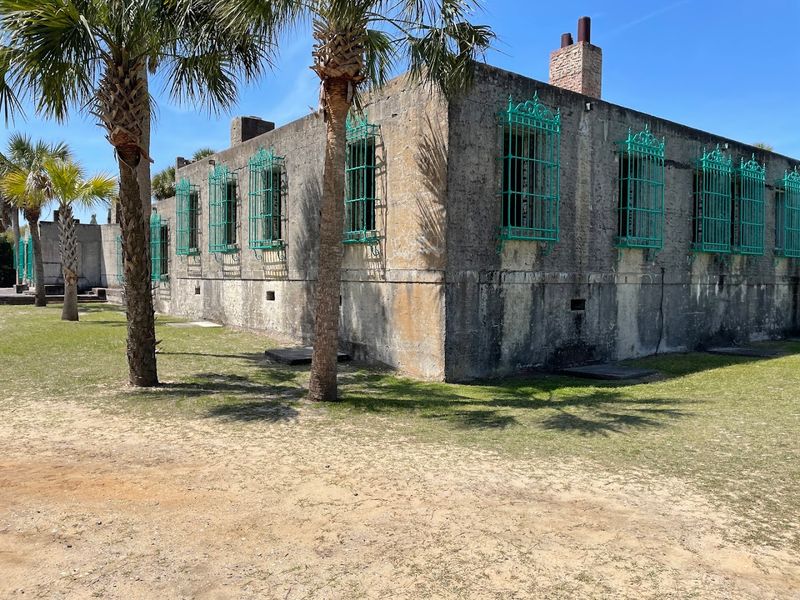
I’ve visited plenty of historic sites that charge admission prices resembling mortgage payments, so Atalaya’s two-dollar entry fee feels almost fictional.
That bargain price grants access to self-guided exploration of the entire castle, with interpretive signs explaining each room’s original purpose. The affordability makes this attraction accessible to families, students, and budget-conscious travelers who might skip pricier destinations.
You’ll pay the small state park entrance fee to access Huntington Beach State Park itself, but once inside, Atalaya won’t empty your wallet. The modest admission helps fund preservation efforts while keeping the castle open to everyone.
I always tell friends this might be the best value on the entire Grand Strand, especially considering you’re walking through a National Historic Landmark. The self-guided format means you can linger in favorite rooms or breeze through quickly depending on your schedule.
Staff members at the small gift shop can answer questions and provide historical context beyond what the signs offer.
Compared to commercial attractions charging twenty or thirty dollars for far less history, Atalaya delivers incredible bang for your buck while supporting ongoing conservation work.
Every Room Tells A Story Through Detailed Signage
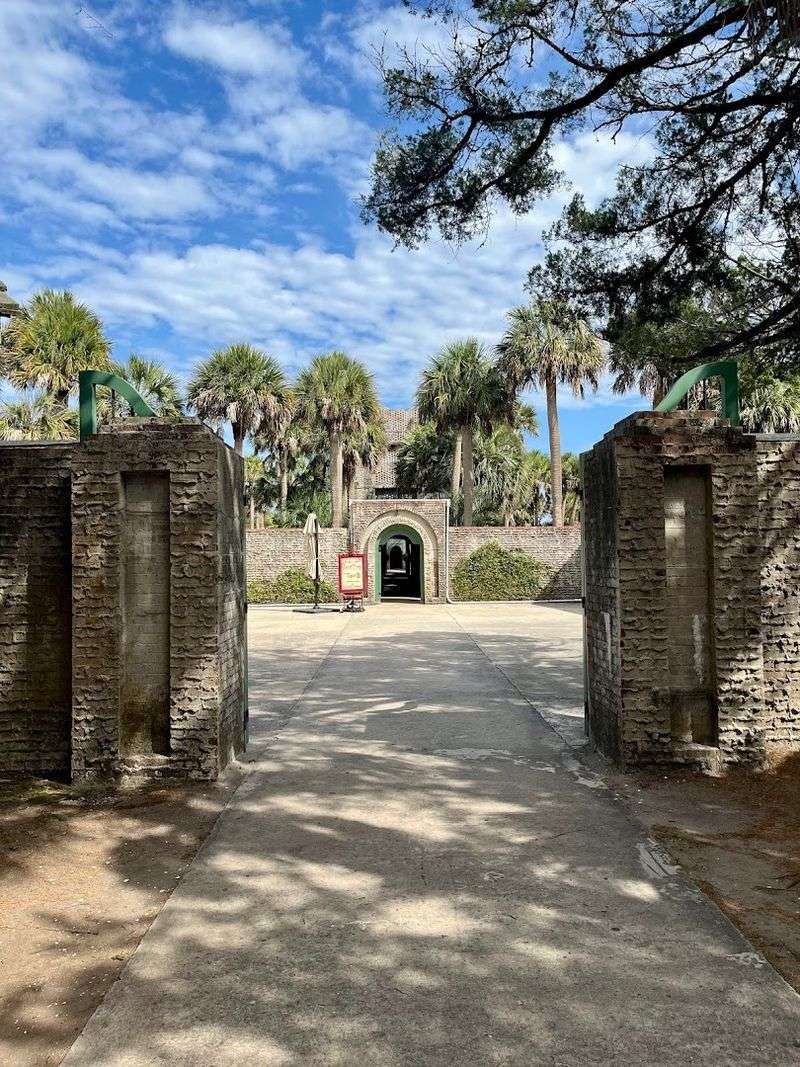
Wandering Atalaya without a guide might sound intimidating, but the interpretive signs scattered throughout make you feel like you’ve got a historian whispering in your ear.
Each room features plaques explaining its original function, architectural details, and stories about the people who lived and worked there. I’ve learned more from these signs than from many paid guided tours at other sites, thanks to their perfect balance of facts and engaging narrative.
The text describes everything from servants’ quarters to Anna’s studio spaces, painting vivid pictures of daily life during the castle’s heyday. You’ll discover which rooms housed exotic animals, where meals were prepared, and how the Huntingtons entertained guests.
The signage also points out architectural features you might otherwise overlook, like ventilation systems and water collection methods. I appreciate how the information never talks down to visitors but assumes genuine curiosity about history and design.
Families with kids find the signs helpful for keeping young ones engaged and learning.
The castle essentially becomes its own museum, with walls and rooms serving as exhibits that require no ropes or glass cases to appreciate fully.
The Servants And Staff Had Their Own Comfortable Quarters
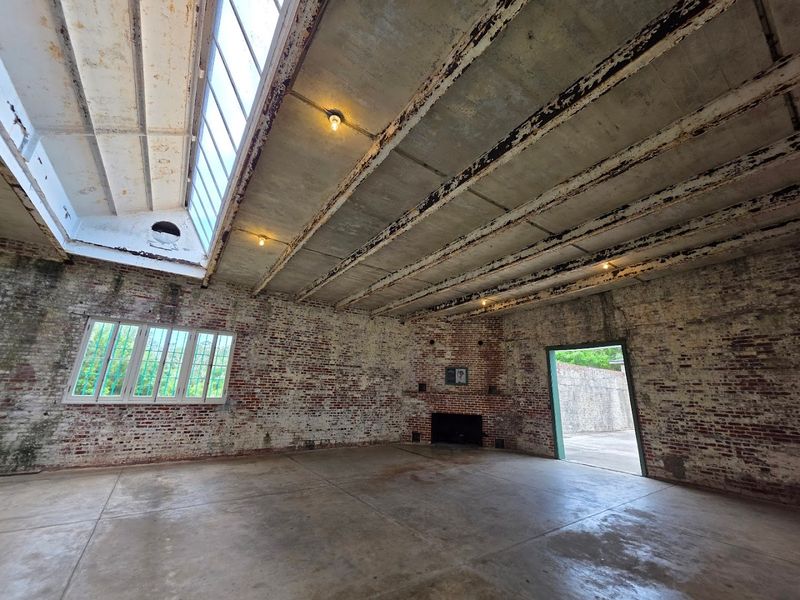
One detail that surprised me during my first visit was discovering how well the Huntingtons treated their household staff, at least by 1930s standards.
The servants’ quarters weren’t luxurious, but they offered private rooms with decent ventilation and proximity to the ocean breezes that cooled the entire structure. These spaces occupy sections of the castle that feel integrated rather than hidden away in basement corners or attic crawl spaces.
Staff members had access to the same architectural benefits as their employers, including the Moorish design elements that made Atalaya comfortable year-round. I’ve toured plenty of historic estates where servants clearly ranked as afterthoughts, crammed into whatever leftover space existed.
At Atalaya, the quarters suggest a household that valued the people keeping it running smoothly. The rooms remain empty today, but signs describe who lived where and what their daily responsibilities included.
Groundskeepers, housekeepers, and others essential to maintaining the estate occupied these spaces during winter seasons. Learning about their lives adds dimension to the Huntington story, reminding visitors that castles require teams of people to function.
The respect shown through decent accommodations speaks volumes about the couple who built this place.
Wildlife Still Roams The Grounds Just Like In Anna’s Day
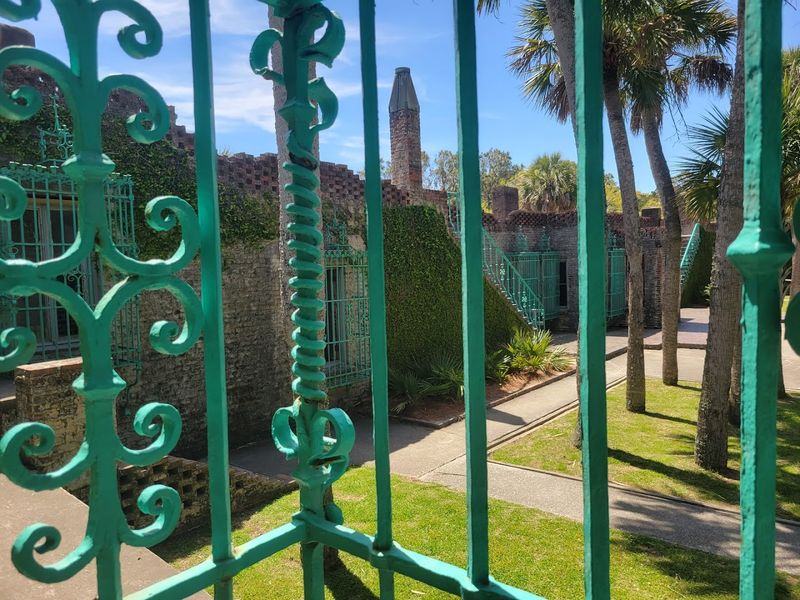
Anna kept exotic animals on the property as models for her sculptures, but today’s wildlife arrives without invitation and provides its own brand of entertainment.
Alligators glide through the freshwater ponds and marshes surrounding Atalaya, occasionally sunning themselves where visitors can safely observe from designated paths. The state park even offers free alligator tours that enhance your castle visit with up-close looks at these prehistoric residents.
I’ve spotted herons, egrets, and countless other bird species during walks around the property, creating a living gallery that complements the historic architecture. The combination of coastal habitat and protected parkland makes this area a wildlife magnet.
During Anna’s time, she studied bears, big cats, and horses that temporarily resided here while she captured their forms in clay and plaster. Today’s creatures are wild rather than captive, but they add authentic atmosphere to your exploration.
The castle sits within a 2,500-acre park that preserves the natural landscape the Huntingtons cherished.
I always budget extra time to wander the grounds and see what’s prowling, swimming, or flying past on any given day, turning history lessons into nature adventures.
Beach Access Sits Steps Away From The Castle Entrance
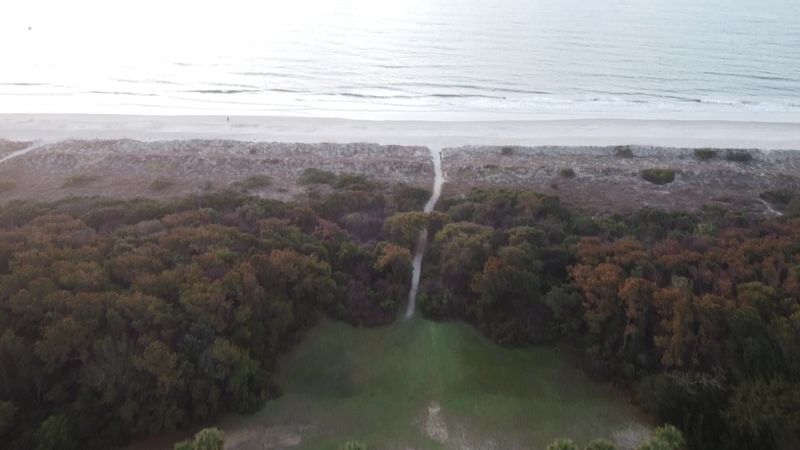
After touring the castle, I can walk straight to the Atlantic Ocean in about five minutes, which perfectly explains why the Huntingtons chose this location.
The beach access behind Atalaya delivers pristine shoreline without the crowds that pack Myrtle Beach’s commercial strips. Soft sand stretches in both directions, backed by dunes and sea oats that look much as they did when Anna and Archer strolled here during winter retreats.
The proximity makes it easy to split your visit between cultural exploration and simple beach relaxation. I’ve watched kids sprint from the castle to the waves, burning off energy after behaving during the indoor portions of their visit.
The Huntingtons deliberately positioned their winter home close enough to hear surf while working and relaxing. That same convenience benefits modern visitors who want both history and recreation in a single stop.
The beach here feels less developed than nearby tourist zones, maintaining a natural character that matches the castle’s era. I typically pack a cooler and make a full day of it, alternating between exploring rooms and soaking up sun.
Few historic sites offer this kind of immediate access to such beautiful coastal landscape.
Craft Festivals Transform The Courtyard Into An Artisan Marketplace
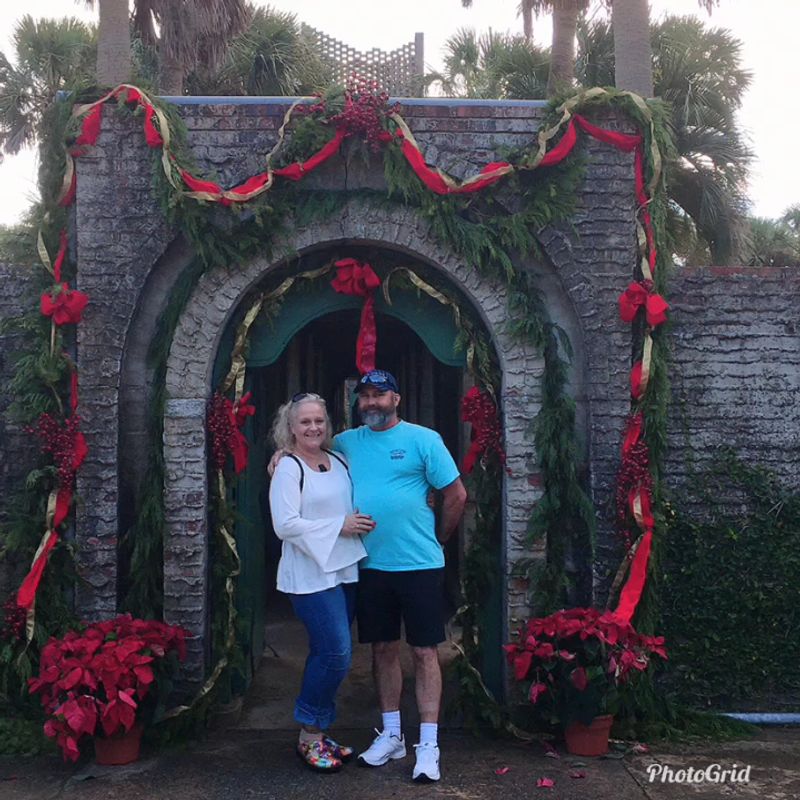
Twice yearly, Atalaya hosts the Atalaya Arts and Crafts Festival, and the castle courtyard becomes exactly what Anna might have envisioned: a celebration of creativity.
Hundreds of artisans set up booths displaying handmade jewelry, pottery, paintings, textiles, and sculptures that honor the artistic legacy Anna established here. The festival typically runs in late September and early March, attracting thousands of visitors who browse while surrounded by Moorish architecture.
I’ve attended several times and always leave with unique pieces I can’t find anywhere else, plus a renewed appreciation for handcrafted work. The courtyard layout creates natural vendor spaces, with artists arranged around the perimeter while visitors circulate through the center.
Live demonstrations show glassblowing, woodturning, and other techniques that connect modern makers to historical craft traditions. The festivals also feature food vendors, live music, and activities that turn the castle grounds into a community gathering space.
Admission remains affordable, and proceeds support castle preservation efforts. I love how these events activate Atalaya in ways that honor its creative origins while introducing new audiences to this architectural treasure.
The combination of art, history, and coastal setting makes festival days particularly magical.
National Historic Landmark Status Protects This Unique Treasure
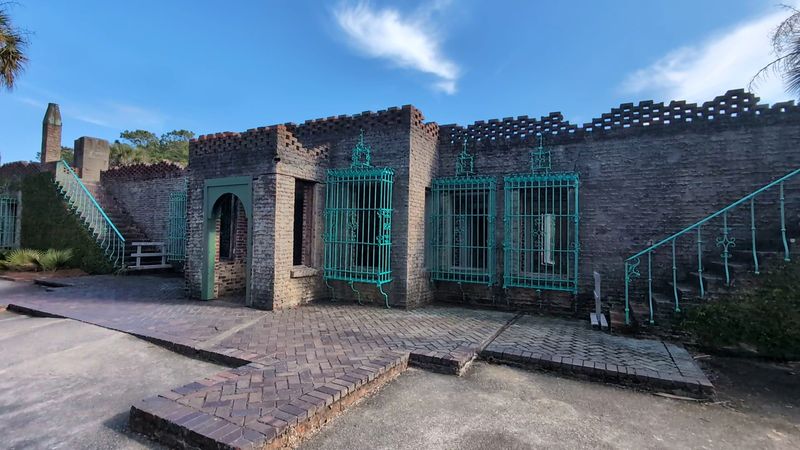
In 1992, Atalaya earned National Historic Landmark designation, joining an elite group of sites deemed exceptionally significant to American history.
This recognition provides federal protection and support for preservation efforts while acknowledging the castle’s architectural and cultural importance. The designation considers both the unique Moorish design and the property’s connection to Anna Hyatt Huntington’s artistic legacy.
I feel reassured knowing that bureaucratic safeguards exist to prevent this place from falling into disrepair or inappropriate development. The landmark status also attracts grants and funding that support ongoing restoration work visible throughout the structure.
Atalaya stands as one of the finest examples of Spanish Revival architecture in the Southeast, making its preservation vital for future generations. The combination of artistic history, architectural innovation, and Depression-era construction creates a story worth protecting at the highest levels.
Visitors today benefit from restoration projects funded partly through this landmark status, ensuring rooms remain accessible and safe. I’ve watched the castle improve with each visit as preservation work continues.
The National Historic Landmark designation guarantees that this fairytale castle will keep welcoming curious travelers for decades to come, maintaining its place as one of South Carolina’s most distinctive treasures.