
This Peaceful South Carolina Town Is Filled With Front Porches, Fresh Seafood, And Southern Charm
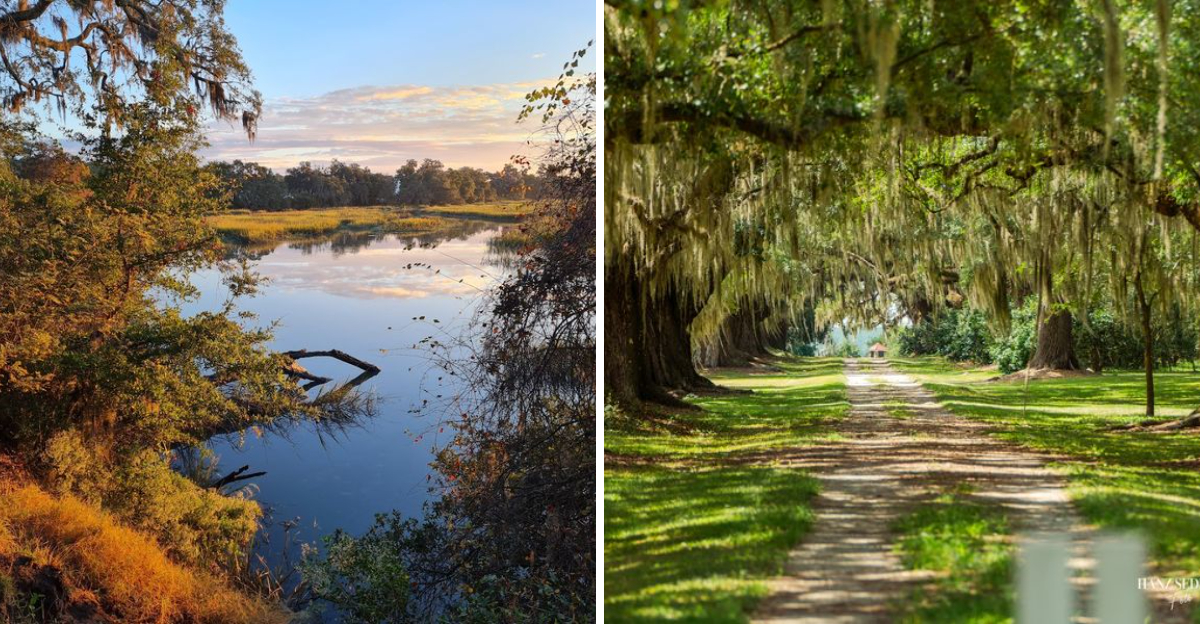
Not every small town changes your travel plans.
This one probably will.
At first glance, Beaufort looks like another quiet coastal stop in South Carolina. Spend a little time here, and that impression quickly disappears.
Moss-draped oak trees shade historic streets. Waterfront views seem to stretch forever.
Front porches invite you to slow down. And the entire town moves at a pace that feels wonderfully out of step with the modern world.
That is what makes Beaufort so unforgettable.
South Carolina has no shortage of beautiful destinations, but few combine history, coastal charm, and everyday life as effortlessly as this one. Fresh seafood arrives straight from nearby boats.
Sunset strolls become part of your routine. And every walk through town uncovers another reason to stay a little longer.
Some places are worth a quick visit.
Beaufort quietly convinces you to cancel your plans and spend another day.
That is the kind of place people remember long after they leave.
Antebellum Mansions Line Every Street
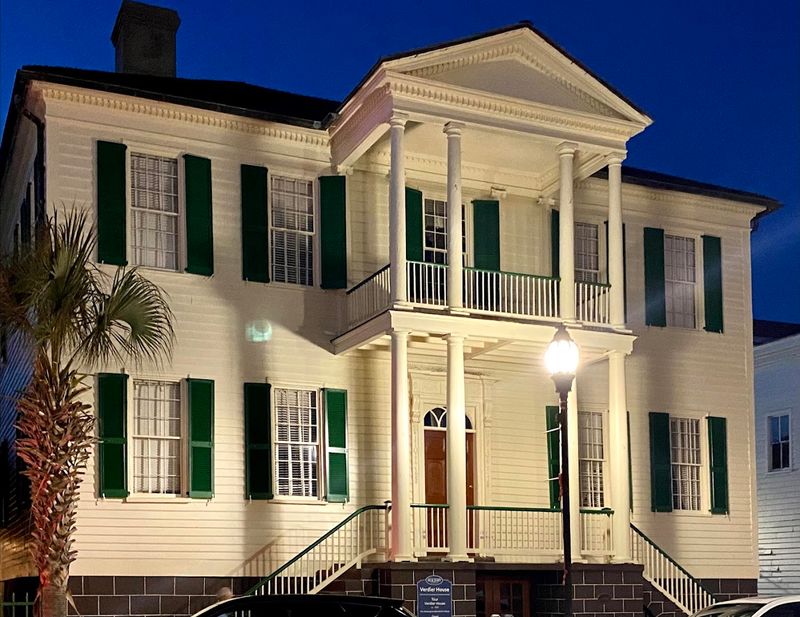
Walking through downtown Beaufort feels like stepping onto a movie set, except the mansions are real and the history runs bone-deep.
These grand homes date back to the early 1800s, when cotton and indigo money built estates that still command attention today. The John Mark Verdier House Museum at 801 Bay Street stands as one of the finest examples, a Federal-style beauty filled with period furniture that tells stories of merchants, planters, and a town that survived war and hurricanes.
I spent an afternoon just wandering Bay Street, gawking at columns, porticos, and ironwork that somehow escaped the wrecking ball. Each mansion wears its age differently, some pristine and museum-perfect, others a little weathered but no less dignified.
The architectural details, from hand-carved mantels to heart-pine floors, remind you that craftsmanship used to mean something permanent. Beaufort protected these structures fiercely, and now they form the backbone of a historic district that draws photographers, history buffs, and daydreamers year-round.
Every porch seems to whisper invitations to sit a spell and let the world slow down.
Waterfront Park Anchors The Town
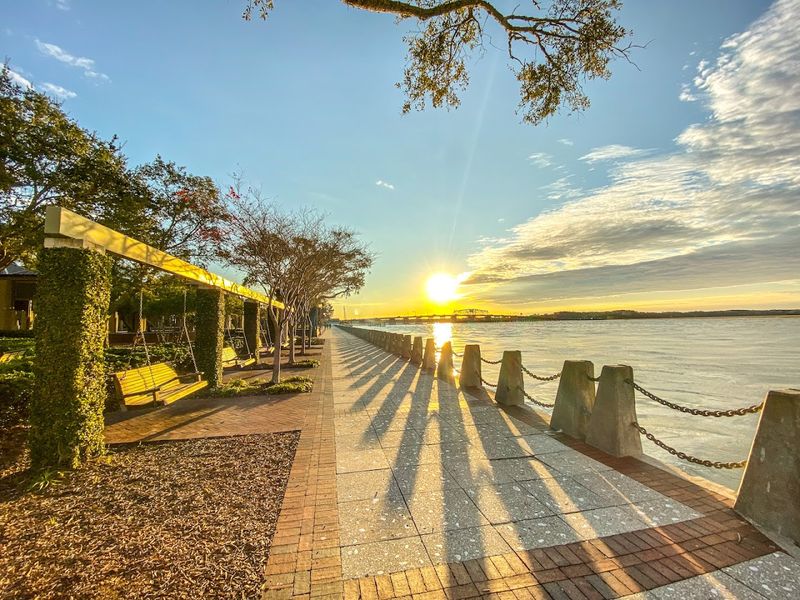
Henry C. Chambers Waterfront Park stretches along the Beaufort River like a front-row seat to the Lowcountry’s daily show.
I found myself there almost every evening, watching shrimp boats chug past while kids climbed on the playground and couples swayed gently on the riverside swings. The park wraps around the downtown edge, offering views of the Woods Memorial Bridge and marshlands that glow gold at sunset.
Spanish moss drapes from the live oaks, creating natural curtains that frame the water perfectly. Locals treat this park as their communal backyard, gathering for festivals, farmers markets, and impromptu picnics on blankets spread across the grass.
I saw more than one proposal happen on those swings, and I understood why. The setting feels timeless, romantic, and utterly unpretentious, a place where you can kick off your shoes and let the river breeze do its work.
Walking paths loop through the greenery, and benches appear exactly where you need them, inviting you to pause and soak in the scenery. The park connects the town to its waterfront heritage, reminding everyone that Beaufort’s soul lives somewhere between land and tide.
Shrimp Boats Deliver Daily Catches
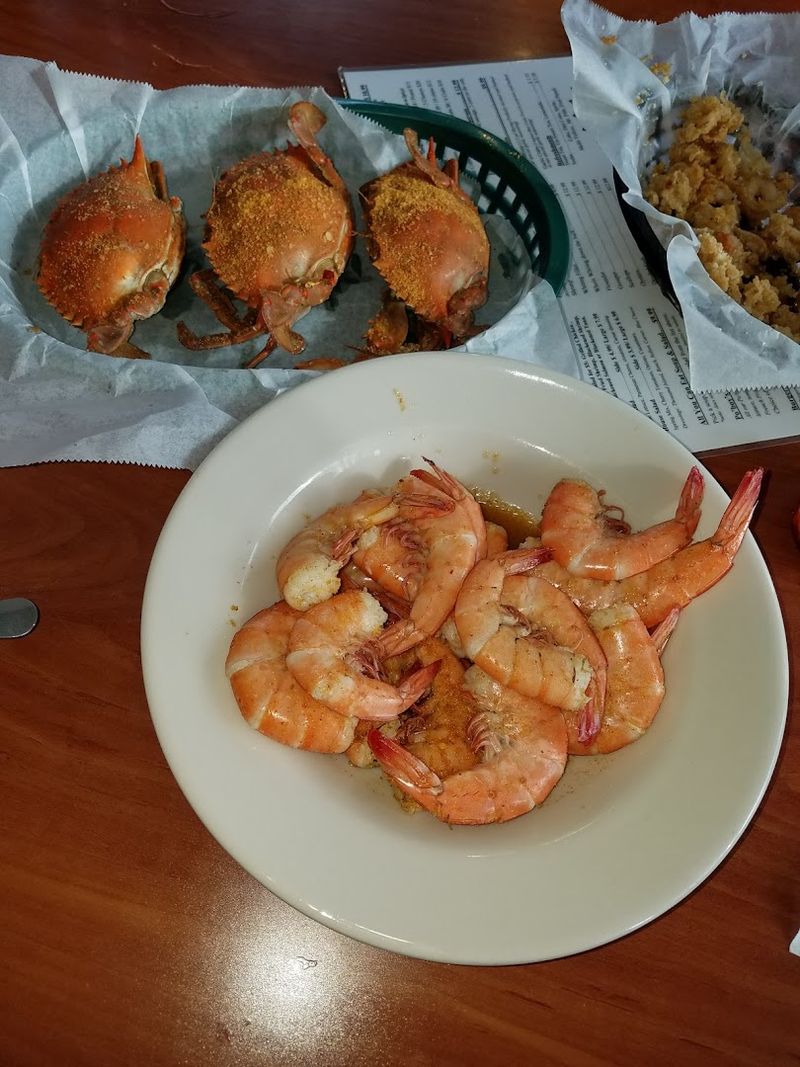
Shrimp season in Beaufort means the docks come alive with boats that smell like salt, diesel, and the day’s haul.
I watched crews unload baskets of fresh shrimp still twitching, destined for restaurant kitchens before most tourists even finish breakfast. The shrimping industry here isn’t just a tourist attraction; it’s a working tradition that feeds the local economy and keeps menus stocked with seafood so fresh it practically swims onto your plate.
Captains who’ve worked these waters for decades know every sandbar, current, and secret spot where the shrimp run thick. Their boats, weathered and functional, tie up along the waterfront, creating a scene that could have been plucked from fifty years ago.
I struck up a conversation with one captain who told me his grandfather taught him to read the tides before he could read a book. That kind of knowledge doesn’t come from a manual; it’s passed down through generations, along with the calluses and the early mornings.
Eating shrimp in Beaufort feels different because you know exactly where it came from, and that connection makes every bite taste a little sweeter.
Front Porches Define The Architecture
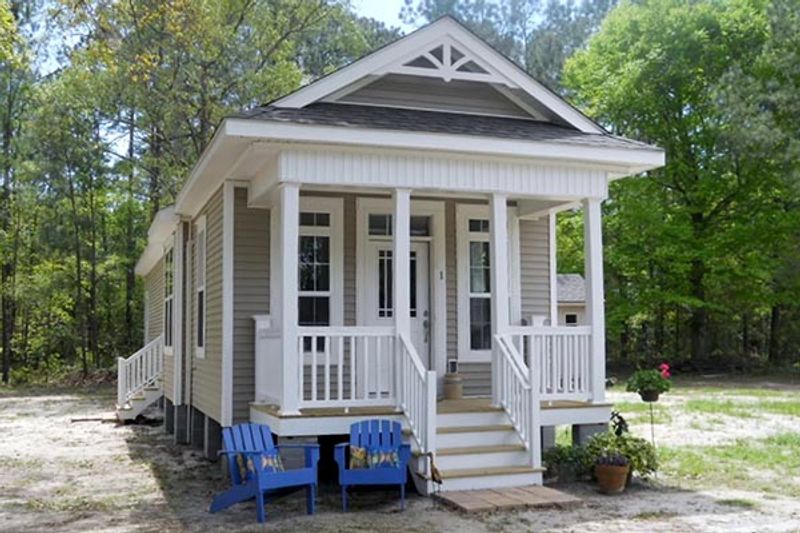
Porches in Beaufort aren’t just architectural features; they’re social institutions, outdoor living rooms where neighbors catch up and strangers become friends.
I noticed them immediately, these deep, shaded verandas that wrap around homes like welcoming arms, furnished with rocking chairs, porch swings, and hanging ferns that sway in the breeze. In the South, a porch serves as the threshold between private life and public hospitality, and Beaufort takes that tradition seriously.
Sitting on a porch here means you’re part of the rhythm of the street, waving to passersby, commenting on the weather, and letting time drift by without guilt. I spent one entire afternoon on a friend’s porch on Bay Street, iced tea in hand, watching tourists stroll past while we debated the merits of various local seafood joints.
The porch ceiling was painted haint blue, a Lowcountry custom meant to ward off evil spirits, though it mostly just looked beautiful against the afternoon sky. These porches encourage slowness, conversation, and the kind of ease that modern life usually squeezes out.
They remind you that some of the best moments happen when you’re doing absolutely nothing but being present.
Spanish Moss Drapes Every Oak
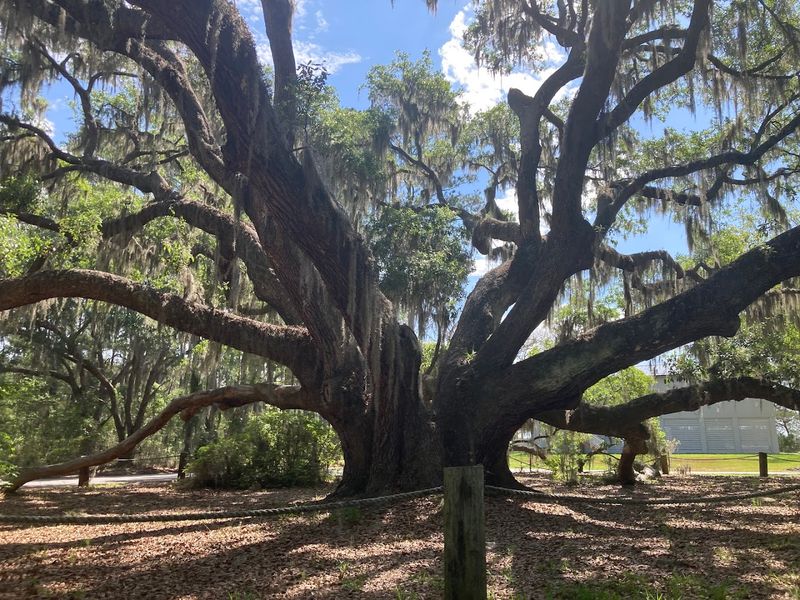
Spanish moss transforms ordinary trees into something out of a gothic novel, and Beaufort’s live oaks wear it like elegant scarves.
I couldn’t stop photographing these trees, their branches spreading horizontally in impossible angles, draped with silvery-gray moss that swayed with every hint of breeze. The moss isn’t actually Spanish, and it’s not even moss; it’s an epiphyte that survives on air and moisture, clinging to branches without harming the tree.
But science aside, the effect is pure Southern atmosphere, creating canopies that filter sunlight into soft, dappled patterns. I walked beneath these oaks along Bay Street and through the residential neighborhoods, feeling like I’d entered a different era.
The trees themselves can be centuries old, their trunks thick and gnarled, roots buckling sidewalks and reminding everyone that nature here holds seniority. Birds nest in the moss, and on humid mornings, the whole scene takes on a dreamlike quality, especially when fog rolls in from the river.
These trees and their mossy decorations define Beaufort’s visual identity as much as any building, grounding the town in a landscape that feels both ancient and alive.
Local Restaurants Serve Lowcountry Staples
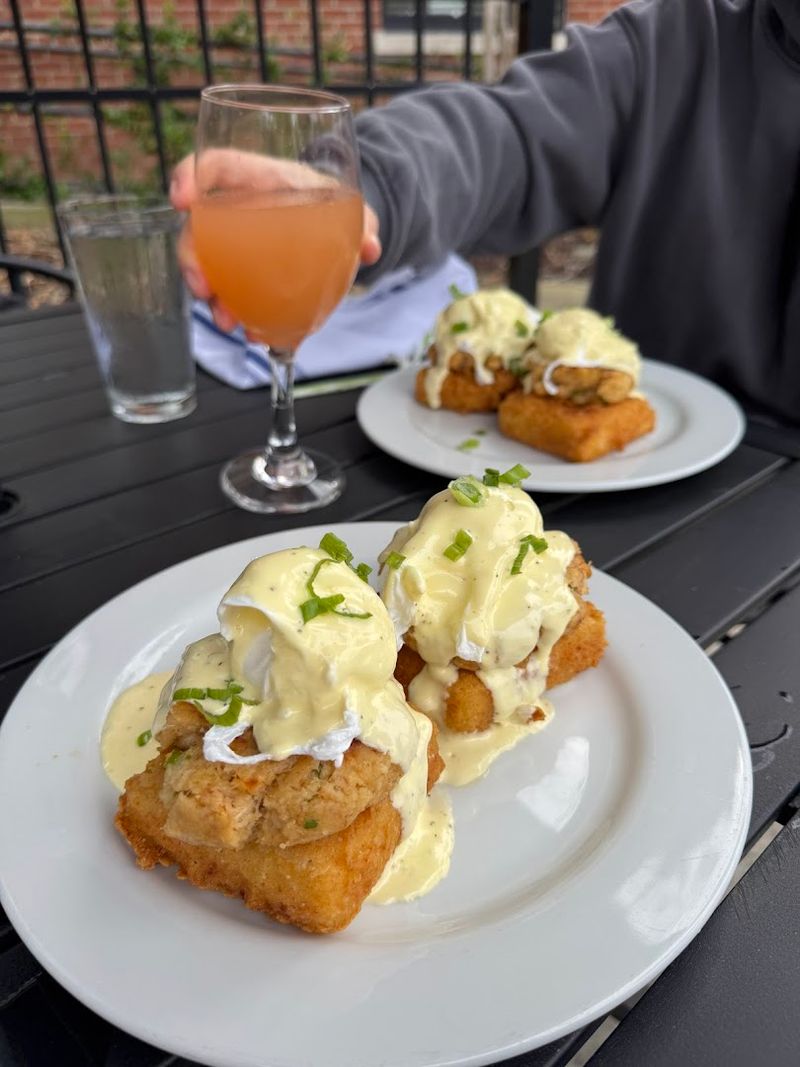
Eating in Beaufort means committing to shrimp and grits, she-crab soup, fried oysters, and flavors that have been perfected over generations.
I hit as many local spots as my stomach could handle, from casual waterfront joints to white-tablecloth establishments, and each one delivered something memorable. The shrimp always tasted like it had been swimming that morning, because it probably had, and the grits carried a creamy richness that only stone-ground corn can provide.
One chef told me that Lowcountry cooking isn’t about fancy techniques; it’s about respecting ingredients and letting the seafood speak for itself. I tasted that philosophy in every dish, whether it was a simple boil with Old Bay and corn or a more refined preparation with local okra and tomatoes.
The restaurants here don’t chase trends; they honor tradition while adding just enough creativity to keep things interesting. I found myself ordering the same dishes multiple times, not because I lacked imagination, but because each kitchen had its own take worth savoring.
Beaufort’s food scene feels authentic, unpretentious, and deeply connected to the waters and fields that surround the town, making every meal a small celebration of place.
Film Crews Love These Backdrops
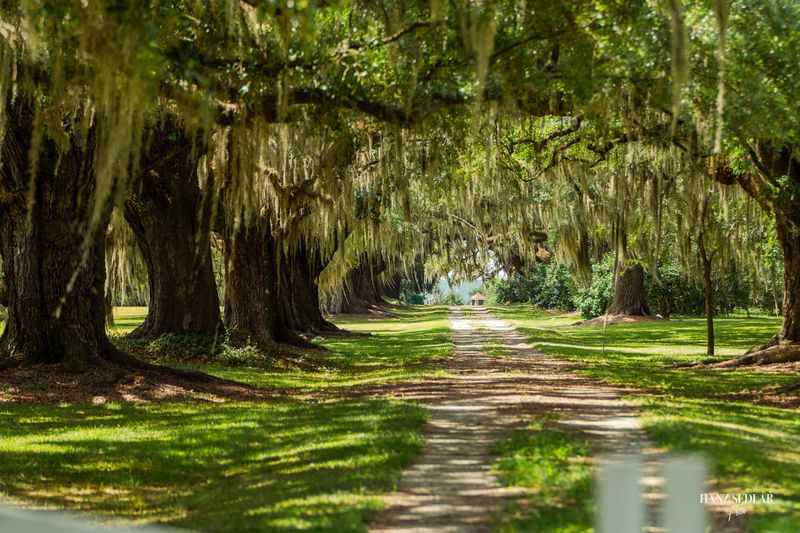
Hollywood discovered Beaufort decades ago, and the town has played starring roles in films ranging from Forrest Gump to The Big Chill.
I kept recognizing locations as I walked around, that bench where Forrest sat, the church from The Prince of Tides, and countless other scenes that made Beaufort a character in its own right. The town’s photogenic quality comes naturally, with architecture, landscapes, and light that require minimal set dressing to look cinematic.
Local businesses have embraced this identity, offering walking tours that point out famous filming spots and sharing behind-the-scenes stories. I took one of these tours and learned that crews love Beaufort not just for its looks but for its cooperative spirit and manageable size.
Residents seem genuinely proud that their town translates so beautifully to screen, though they also appreciate that life here continues at its own pace regardless of cameras. The film connection adds a layer of glamour without overwhelming the town’s authentic character.
Walking these streets, you feel like you’re inside a story, which makes sense because you are, both the ones Hollywood tells and the real narratives that unfold daily in this Lowcountry gem.
Gullah Culture Shapes Local Identity
Beaufort sits in the heart of Gullah Geechee territory, where descendants of enslaved Africans preserved language, traditions, and foodways that define the region’s soul.
I attended a Gullah heritage program and discovered a culture that survived through isolation on the Sea Islands, maintaining African roots more directly than almost anywhere else in America. The Gullah language, a Creole blend of English and West African dialects, still echoes in local speech patterns and place names.
Sweetgrass basket weaving, passed down through generations, creates functional art that you’ll find at markets and galleries throughout town. The craftsmanship is stunning, each basket requiring hours of work and knowledge that can’t be learned from books.
Gullah cuisine influenced what we now call Lowcountry cooking, contributing okra, rice dishes, and preparation methods that came directly from West Africa. I tasted this heritage in every pot of red rice and gumbo, flavors that tell migration stories through spice and technique.
Beaufort honors this culture through festivals, historical markers, and educational programs, though challenges remain in preserving traditions as development pressures increase. Understanding the Gullah influence deepens any visit here, revealing layers of history that shape everything you see, taste, and experience.
Marine Corps Air Station Adds Military Presence

Jets from the Marine Corps Air Station Beaufort roar overhead regularly, a reminder that this peaceful town also serves as home to serious military operations.
I got used to the sound quickly, that distinctive rumble of fighter aircraft practicing maneuvers over the Lowcountry, and locals barely glance up anymore. The air station, located just outside downtown, brings thousands of Marines and their families to the area, adding economic vitality and a distinct demographic to the community.
Military presence here dates back centuries, with Beaufort playing strategic roles in multiple conflicts, but the modern air station focuses on training pilots and maintaining readiness. I met several Marine families who’d been stationed elsewhere but requested Beaufort assignments because they’d fallen for the town during previous tours.
The relationship between military and civilian communities feels respectful and integrated, with Marines volunteering locally and townspeople supporting military events. Some visitors find the jet noise jarring, but I came to see it as part of Beaufort’s identity, a counterpoint to the historic mansions and sleepy waterfront.
The air station reminds you that this beautiful, peaceful place also carries weight in national defense, adding complexity to a town that might otherwise seem frozen in antebellum amber.
Island Setting Creates Unique Geography
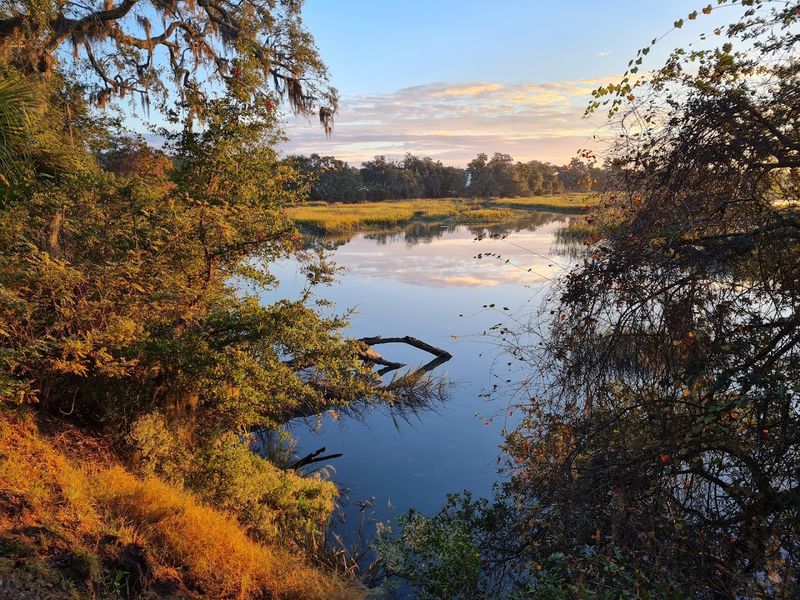
Beaufort occupies Port Royal Island, one of the Sea Islands that scatter along the South Carolina coast like emeralds on blue velvet.
This island geography shapes everything about the town, from its climate to its history to the way residents think about their relationship with water. I drove across the Woods Memorial Bridge dozens of times, always pausing to admire how the marshes stretched endlessly, grass waving in patterns that shifted with wind and tide.
Being surrounded by water means Beaufort enjoys cooling breezes even on brutal summer days, though it also means hurricane season requires respect and preparation. The island setting historically provided both protection and isolation, allowing distinct cultures to develop while keeping outside influences at arm’s length.
Today, bridges connect Beaufort to the mainland and neighboring islands, but that sense of apartness persists, a feeling that you’ve arrived somewhere special, somewhere slightly removed from ordinary geography. The marshlands that ring the island create their own ecosystem, supporting wildlife and offering scenery that changes hourly as tides flood and drain.
I never tired of watching this landscape shift, the way water and land negotiate their boundaries in an ancient, endless conversation that predates every human structure.