
These Tiny Arizona Towns Really Feel Like A Time Capsule
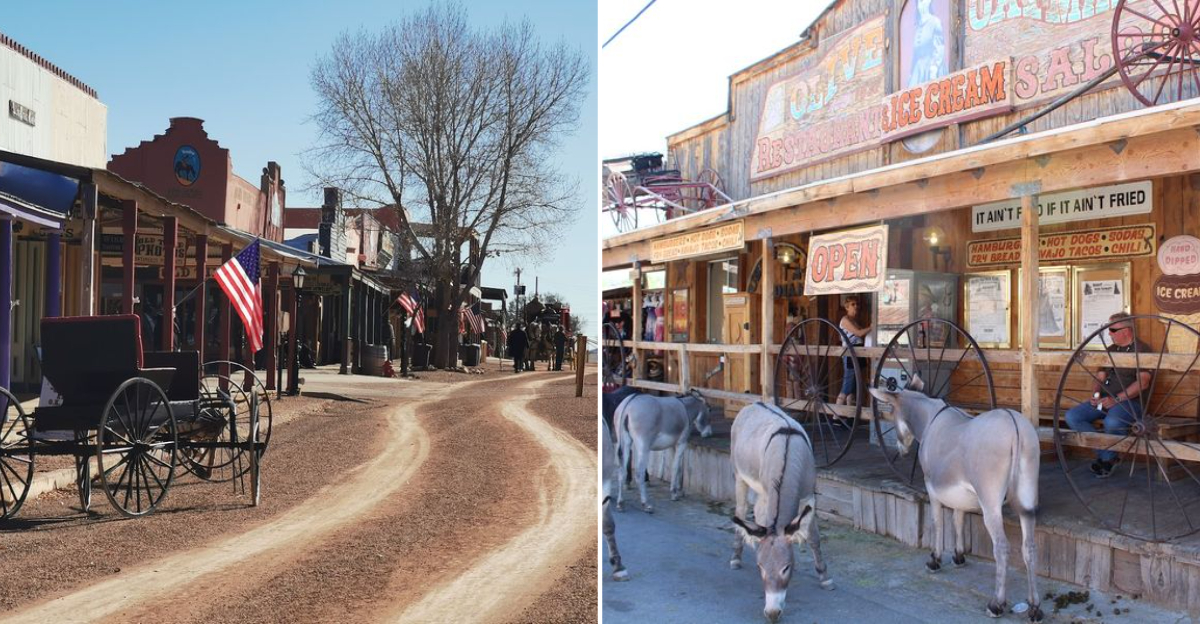
If my car had broken down in any of these tiny Arizona towns, I honestly wouldn’t have been surprised if the local mechanic asked for payment in gold bullion or a handful of cattle. There is something delightfully eerie about places that just refuse to move forward with the rest of the world.
Walking down their main streets feels less like a vacation and more like stumbling onto the set of a vintage western, minus the scary outlaws and plus a lot of charming creaky floorboards.
It’s the perfect escape for anyone who feels like modern life is just way too loud. Old wooden storefronts, dusty main streets, and hand-painted signs tell stories that no museum could fully capture.
So, let’s pack a bag and go explore these pockets of history where the clocks stopped ticking sometime back in the late 1800s..
1. Bisbee, Arizona
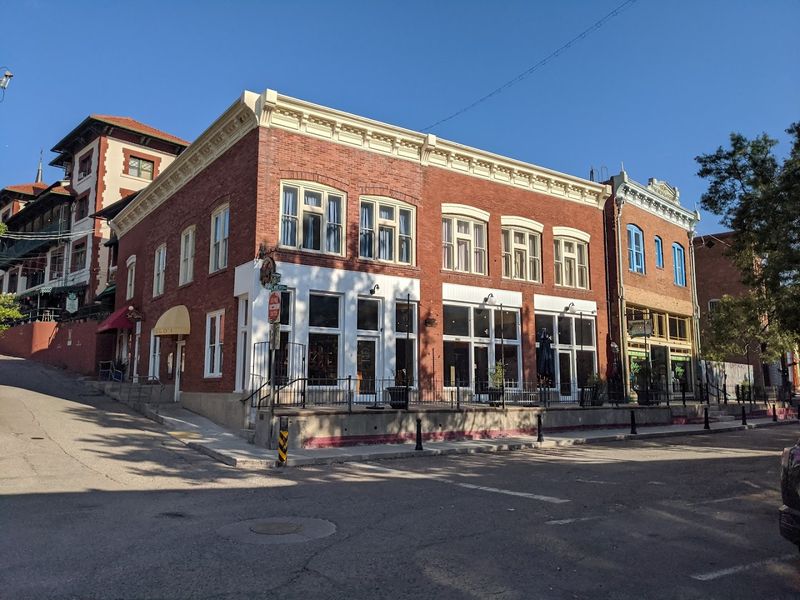
Clinging to the Mule Mountains in southeastern Arizona, Bisbee is the kind of town that makes you stop mid-sentence just to stare. Its streets climb steep hillsides in ways that seem to defy logic, lined with well-preserved brick buildings that date back to its copper mining heyday in the late 1800s.
The historic Copper Queen Hotel has been welcoming guests since 1902, and wandering past its facade feels genuinely cinematic. You can take a mine tour underground to understand what life was really like for the workers who built this town from the earth up.
Art galleries, quirky boutiques, and cozy cafes now fill the old storefronts, giving Bisbee a creative energy that layers beautifully over its industrial past. It is a town that rewards slow walkers and curious minds in equal measure.
Every staircase, mural, and narrow side street seems to add another layer to the feeling that Bisbee has kept its old soul fully intact.
2. Jerome, Arizona
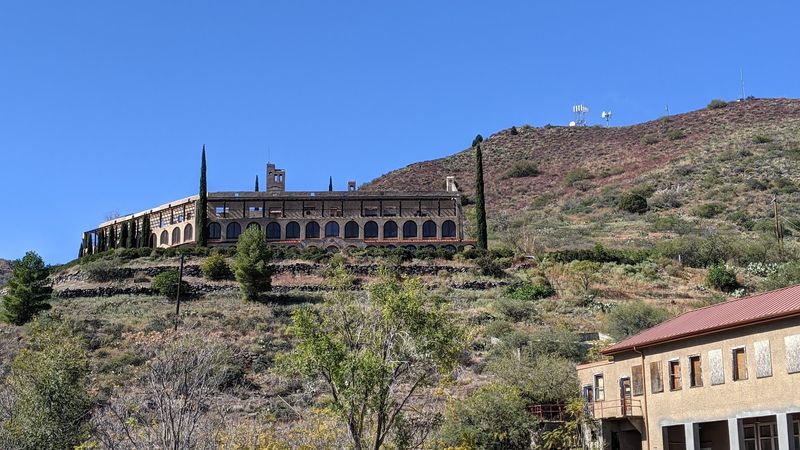
Perched dramatically on the side of Mingus Mountain, Jerome looks like someone built a town and then forgot to put it on flat ground. That frozen-on-the-mountain quality is exactly what draws visitors from across the country to this former copper mining hub in central Arizona.
At its peak in the early 1900s, Jerome was home to over 15,000 residents. Today, fewer than 500 people call it home, but the old buildings remain standing like proud sentinels of a wilder era. The views of the Verde Valley stretching out below are nothing short of spectacular.
Art shops, historical museums, and a genuinely spooky reputation for paranormal activity make Jerome endlessly entertaining. The Jerome State Historic Park sits inside the old Douglas Mansion and offers a fascinating window into copper mining history that shaped the entire region.
Every bend in the road reveals another weathered wall, balcony, or impossible view, making Jerome feel like a living postcard from Arizona’s mining past.
3. Oatman, Arizona
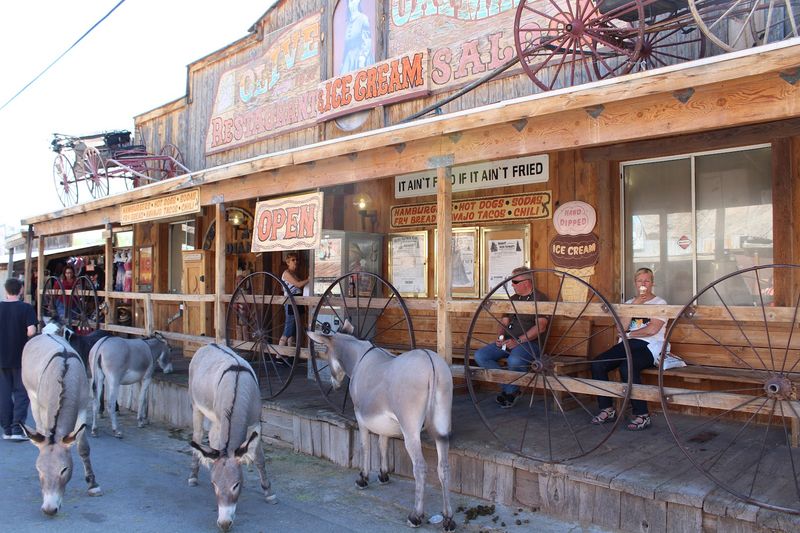
Few towns in America can say that wild burros casually wander their main street on any given afternoon, but Oatman is not most towns. Sitting along the original Route 66 corridor in western Arizona, this former gold mining settlement has kept its frontier personality fully intact.
The wooden sidewalks creak underfoot as you pass old storefronts and saloons that look straight out of a western movie set. History here runs deep, with gold first discovered in the area in 1863 and the town growing quickly around its mining operations in the early twentieth century.
The burros are descendants of animals left behind by miners, and they roam freely as a living piece of local history. Staged gunfight shows on weekends add a theatrical layer to the experience. Oatman is unapologetically old-fashioned, and that is precisely its greatest strength.
Between the burros, the dusty storefronts, and the preserved Route 66 charm, Oatman feels like a roadside scene that never agreed to leave the past behind.
Even a short stroll through town carries the charm of a place that has turned its mining past into a full-blown desert personality.
4. Seligman, Arizona
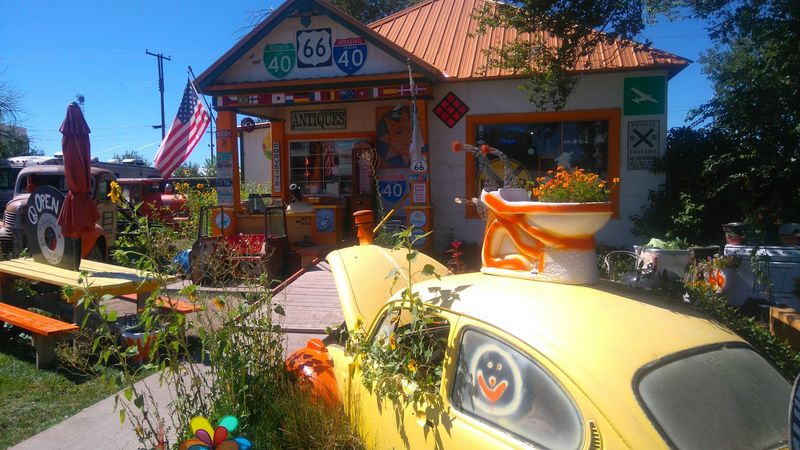
Known proudly as the Birthplace of Historic Route 66 in Arizona, Seligman wears its roadside heritage like a well-loved badge of honor. This small town in Yavapai County played a central role in the 1987 effort to preserve and commemorate the original Route 66 highway corridor.
Walking through Seligman feels like flipping through a vintage postcard collection. The Delgadillo Snow Cap Drive-In, opened in 1953 by Juan Delgadillo, remains a beloved landmark with its hand-painted signs and playful roadside humor that has charmed travelers for generations.
Classic cars frequently cruise through town, and the retro diners and gift shops celebrate a golden era of American road travel with genuine enthusiasm. If you are planning a Route 66 road trip, skipping Seligman would be a serious mistake.
The town practically radiates nostalgia from every painted curb and neon sign.
5. Tubac, Arizona
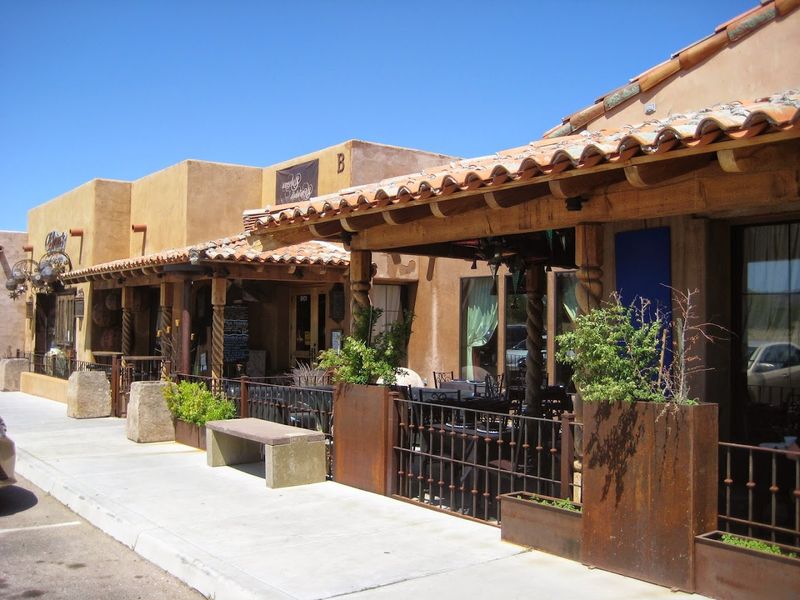
Long before Arizona was a state, Tubac was already making history. Founded in 1752 as a Spanish Presidio, it holds the distinction of being one of the oldest European settlements in what is now the United States.
That colonial-era foundation gives Tubac a sense of depth that few small towns can match.
Today the town has transformed into a thriving arts village, with over 100 galleries, studios, and shops filling its adobe-style buildings. Sculptors, painters, and jewelers call Tubac home, creating a creative community that feels rooted in something genuinely meaningful rather than manufactured.
Tubac Presidio State Historic Park preserves the original fort site with underground ruins and a well-curated museum. The Santa Cruz River runs nearby, and the surrounding Santa Cruz Valley offers beautiful birding and hiking opportunities.
Tubac proves that history and creativity make for a remarkably satisfying combination.
6. Tombstone, Arizona
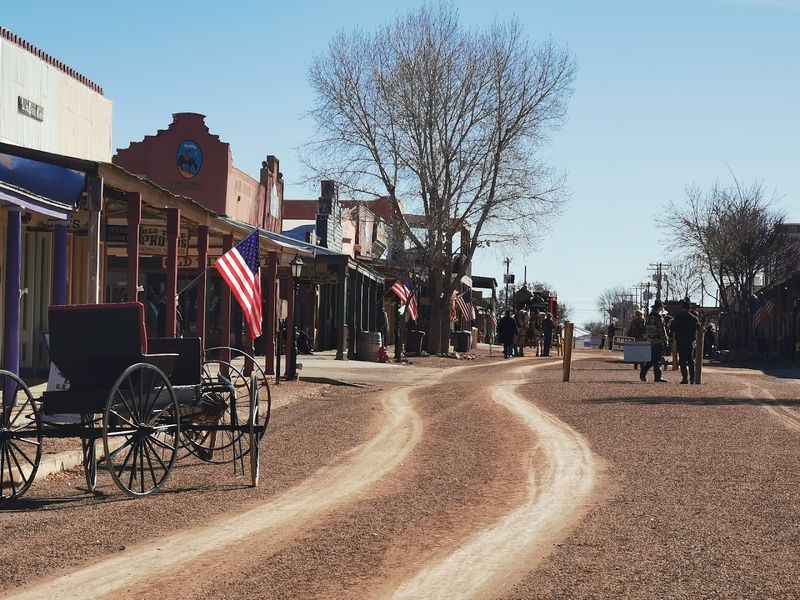
The town too tough to die, as the old saying goes, and Tombstone has certainly lived up to that reputation.
Located in Cochise County in southeastern Arizona, this legendary Old West settlement is most famous for the 1881 gunfight at the O.K. Corral, a thirty-second showdown that became permanently woven into American mythology.
Walking down Allen Street today feels remarkably close to stepping into 1880. The wooden boardwalks, period storefronts, and costumed performers create an immersive atmosphere that goes well beyond simple tourism.
Trolley tours roll through the historic district, and the Boot Hill Graveyard offers a genuinely sobering look at frontier-era life.
The Tombstone Courthouse State Historic Park and the Bird Cage Theatre are both worth extended visits. Tombstone manages to balance its theatrical showmanship with real, documented history in a way that keeps every type of visitor thoroughly engaged.
7. Patagonia, Arizona
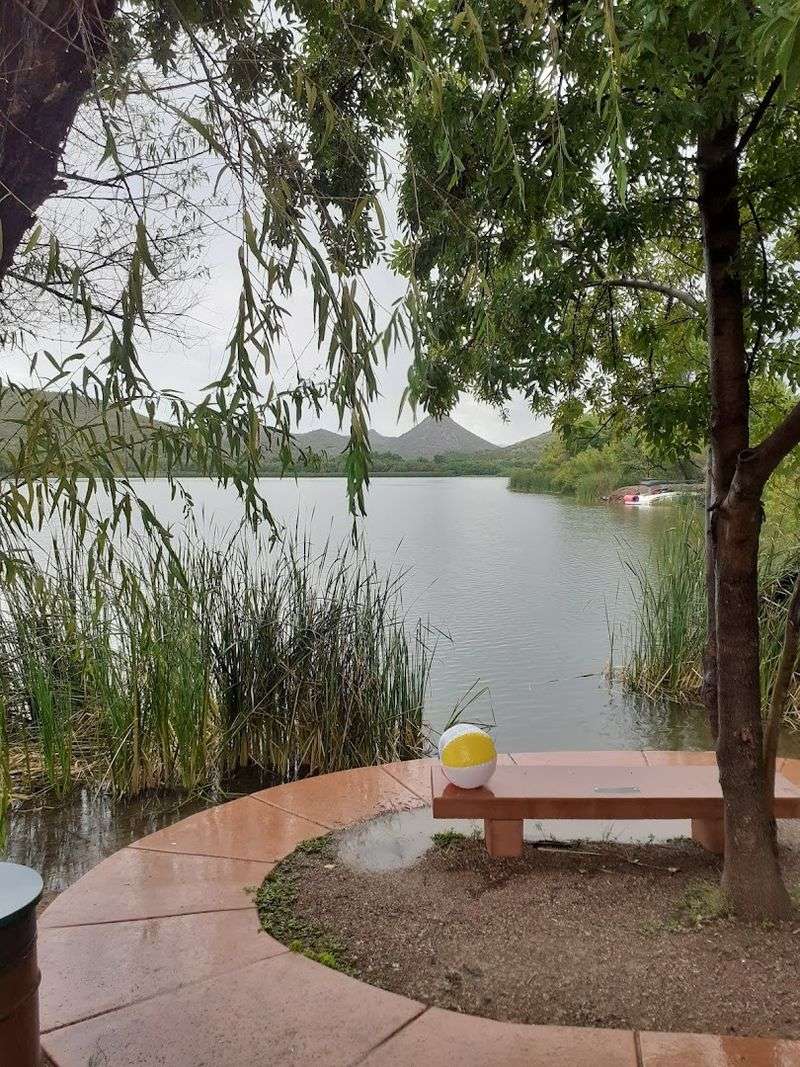
Tucked into the rolling grasslands of Santa Cruz County, Patagonia moves at a pace that feels almost deliberately unhurried. This tiny southern Arizona town was once a railroad hub, and that quiet, purposeful energy still lingers in its unhurried streets and shaded plazas.
Birdwatchers travel from across the country to visit Patagonia, drawn by the remarkable diversity of species found along Sonoita Creek and within the nearby Patagonia-Sonoita Creek Preserve.
Over 300 bird species have been recorded in the surrounding area, making it one of the premier birding destinations in the entire Southwest.
Patagonia Lake State Park, just a few miles outside of town, offers swimming, fishing, and camping in a beautiful high-desert reservoir setting.
The town itself has a handful of charming local shops and eateries that feel genuinely community-driven. Patagonia is the kind of place that slows your heartbeat in the best possible way.
8. Chloride, Arizona
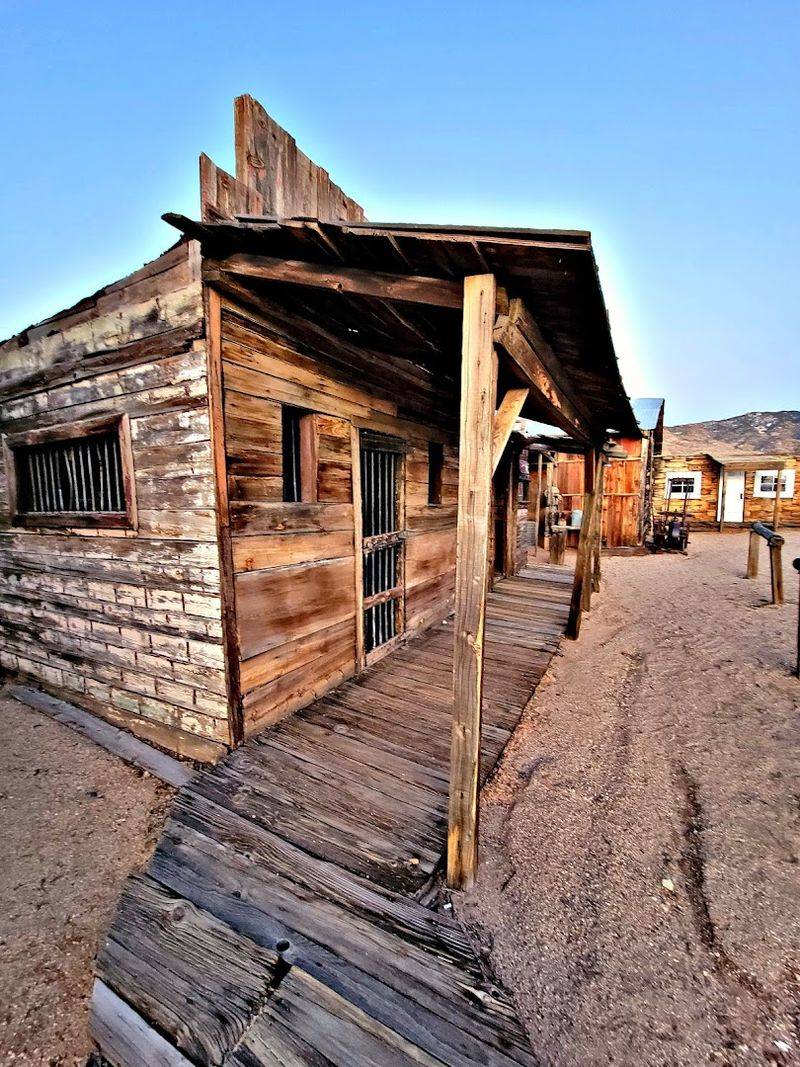
Arizona’s oldest continuously inhabited mining town sits quietly in the Cerbat Mountains near Kingman, and most people drive right past it without a second glance. That is genuinely their loss.
Chloride was founded in 1864 and named after the silver chloride ore deposits that brought miners flooding into the area during the late nineteenth century.
What makes Chloride truly memorable today is its collection of outdoor murals painted directly onto large desert boulders by artist Roy Purcell in 1975. These vivid, large-scale paintings feel surreal against the stark Mojave Desert backdrop and draw art lovers on a regular basis.
The town has a small but dedicated community that keeps its pioneer spirit alive through regular events and a handful of historic buildings. Wandering Chloride feels like finding a secret that the rest of Arizona has somehow managed to overlook for decades.
9. Crown King, Arizona
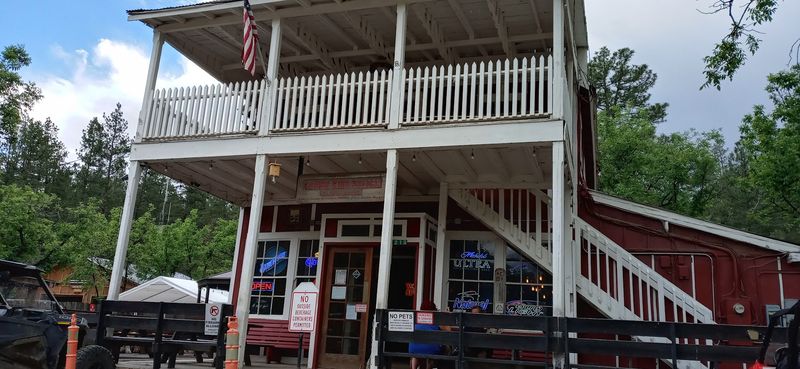
Getting to Crown King is half the adventure. Nestled deep in the Bradshaw Mountains south of Prescott, this remote community sits at roughly 6,000 feet elevation and requires navigating several miles of unpaved, rocky backroad to reach.
Most drivers consider that approach entirely worth the effort. Established in the late 1800s as a gold and silver mining settlement, Crown King retains a rugged, off-the-grid character that is increasingly rare in modern Arizona.
The Crown King Saloon, built in 1898 and relocated log by log from a nearby mining camp, serves as the social heart of this mountain community.
Pine-shaded trails, historic mining remnants, and cool mountain temperatures make Crown King a refreshing escape from the desert heat below. The town hosts an annual burro race that celebrates its mining heritage with genuine community enthusiasm.
Crown King rewards the adventurous traveler who is willing to earn the view.
10. Clifton, Arizona
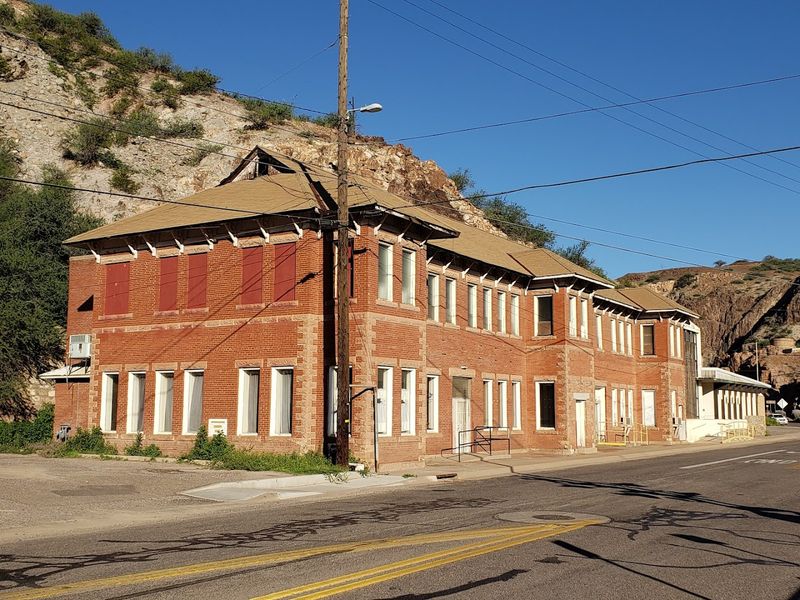
Carved into the walls of a dramatic river canyon in Greenlee County, Clifton is the kind of copper town that history seems to have wrapped its arms around and refused to let go.
The San Francisco River runs alongside old downtown streets where brick and stone buildings from the early 1900s still stand in quiet testimony to a once-booming mining economy.
Clifton served as a major copper production center for decades, and the surrounding landscape still carries visible traces of that industrial past.
The town’s visitor center does an excellent job of contextualizing the region’s layered history, from its indigenous roots through its copper boom years and into the present.
The nearby Morenci Mine, one of the largest open-pit copper mines in North America, offers a staggering sense of scale that puts Clifton’s industrial heritage into vivid perspective.
Clifton remains a place where the past feels palpably, almost physically present.
11. Ajo, Arizona
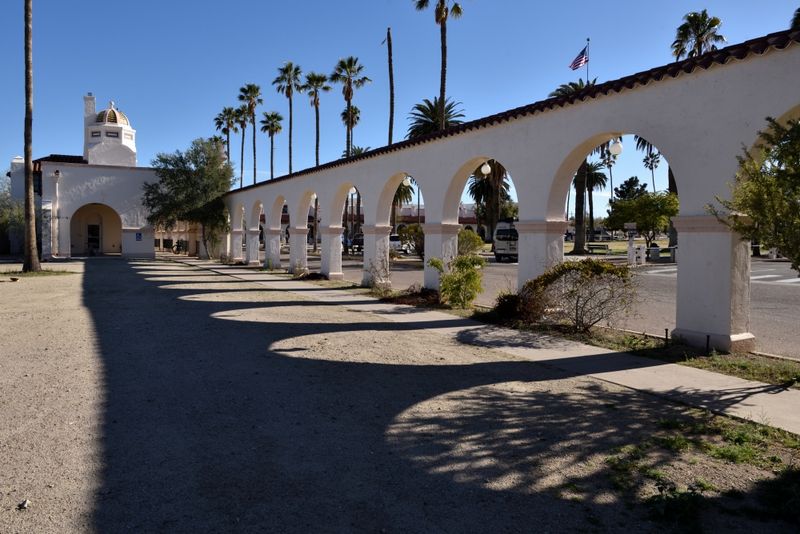
There is something quietly theatrical about arriving in Ajo. The town’s central plaza, built in the Spanish Colonial Revival style in 1917, greets visitors with gleaming white arched colonnades, a historic church, and a ring of palm trees that stand tall against the Sonoran Desert sky.
It looks like a movie set, but every inch of it is real. Ajo grew around copper mining operations run by the Calumet and Arizona Mining Company, and the New Cornelia Mine nearby once ranked among the most productive open-pit copper mines in the country.
The historic railway depot adds another layer of architectural elegance to the town center. Today, Ajo draws artists, retirees, and curious travelers who appreciate its unhurried pace and striking desert surroundings.
Organ Pipe Cactus National Monument sits just thirty miles to the south, making Ajo an ideal base for exploring one of Arizona’s most remote and remarkable natural landscapes.
12. Why These Tiny Arizona Towns Stay With You
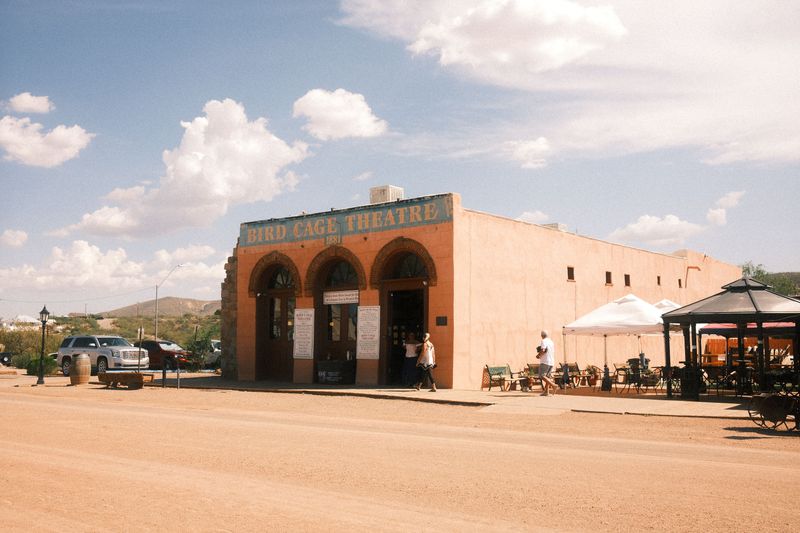
Arizona’s tiniest towns have a way of slowing the whole day down, especially when the main street still has old storefronts, weathered signs, family-run stops, and desert views that seem to hold onto every decade.
These are the places where a quick detour can turn into a full afternoon, because one mural leads to one museum, one cafe leads to one story, and one dusty road leads to a view you did not expect. That is the real magic of these time-capsule towns.
They do not need big attractions or shiny new corners to make a trip memorable. They offer the quieter pleasure of preserved history, local character, and scenery that reminds travelers how much personality still lives between Arizona’s larger cities.
Pack water, leave room in the schedule, and let the small-town rhythm do the rest with no rush required and no checklist needed. Sometimes the best summer stop is the one that still knows exactly who it is.