
This Washington Trail Takes You To A Mountain Ghost Town Hiding Deep In The Cascades
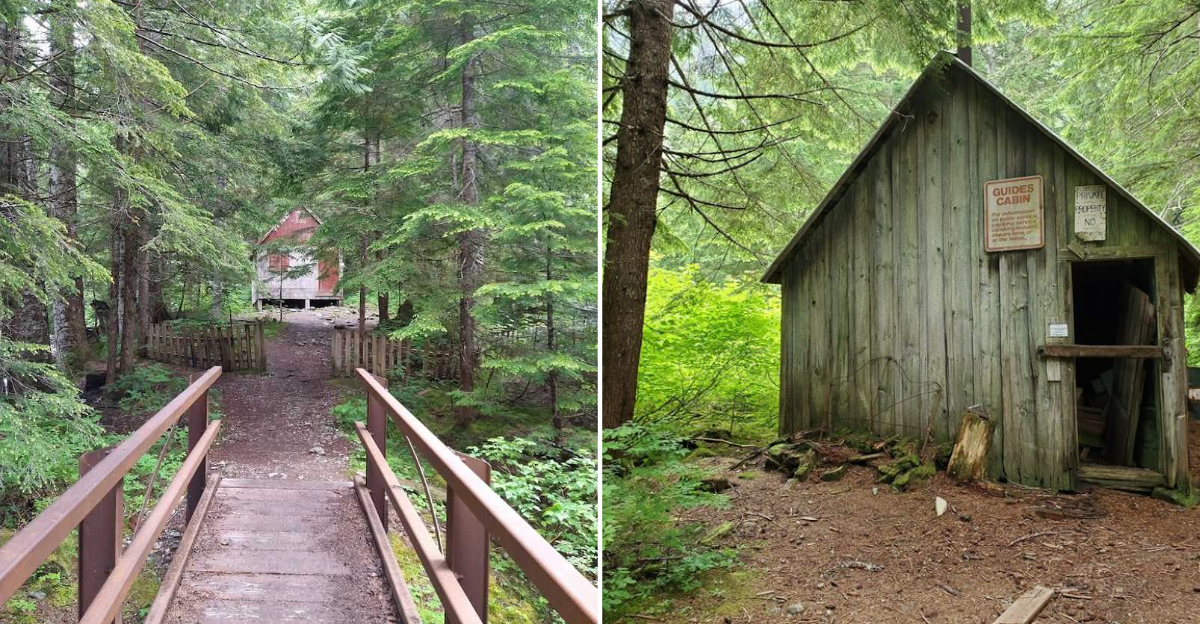
There is something undeniably haunting about finding a piece of history in the deep silence of the wilderness.
As I started my hike along this remote Washington trail, the modern world felt a thousand miles away. The path winds through dense evergreen forests and climbs steadily into the rugged heart of the Cascades, where the air grows thin and crisp.
Each step forward felt like a journey back in time, leading toward the remnants of a once-booming settlement that was eventually reclaimed by nature. It is a rare experience to stand among the weathered artifacts of a forgotten era, surrounded by nothing but towering peaks and ancient trees.
If you are looking for an adventure that combines challenging terrain with a heavy dose of mystery, this journey is waiting for you.
Once a booming silver and gold mining town in the late 1800s, it now sits quietly at the end of a four-mile trail, waiting for curious hikers to come find it.
The crumbling buildings, rusted machinery, and mountain backdrop make this one of those rare hikes where history and scenery collide in the best possible way.
The History Behind Monte Cristo Ghost Town
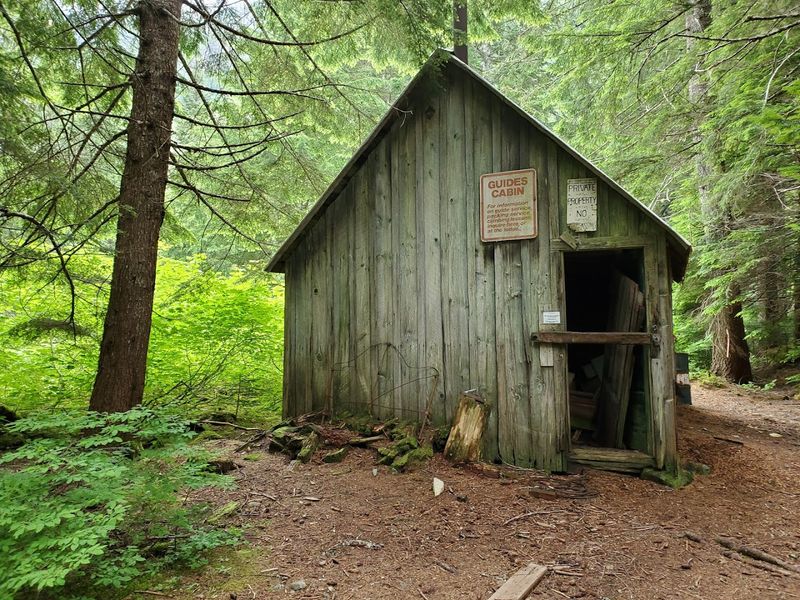
Back in 1889, prospectors struck silver and gold in the North Cascades, and Monte Cristo was practically born overnight.
The town grew fast, pulling in miners, railroad workers, and families hoping to cash in on the rush. At its peak, Monte Cristo had hotels, a post office, and hundreds of residents living at over 2,700 feet elevation.
But the mountains had other plans. Floods, avalanches, and falling ore prices repeatedly battered the settlement. By the early 1900s, most residents had packed up and left.
What remains today is a ghostly collection of collapsed structures and rusted relics that tell the story of a community that burned bright and faded fast. Knowing this backstory before you hike makes every crumbling wall feel more meaningful and every rusty bolt oddly personal.
Getting To The Trailhead And What To Expect
The Monte Cristo Ghost Town Trail begins at the end of Mountain Loop Highway, near Silverton in Snohomish County, Washington.
The trailhead parking area sits at the old townsite of Barlow Pass, and from there you follow a decommissioned road that doubles as the trail for about four miles each way.
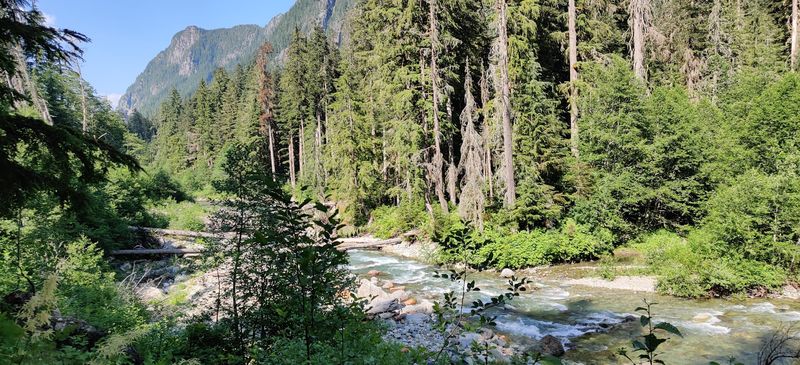
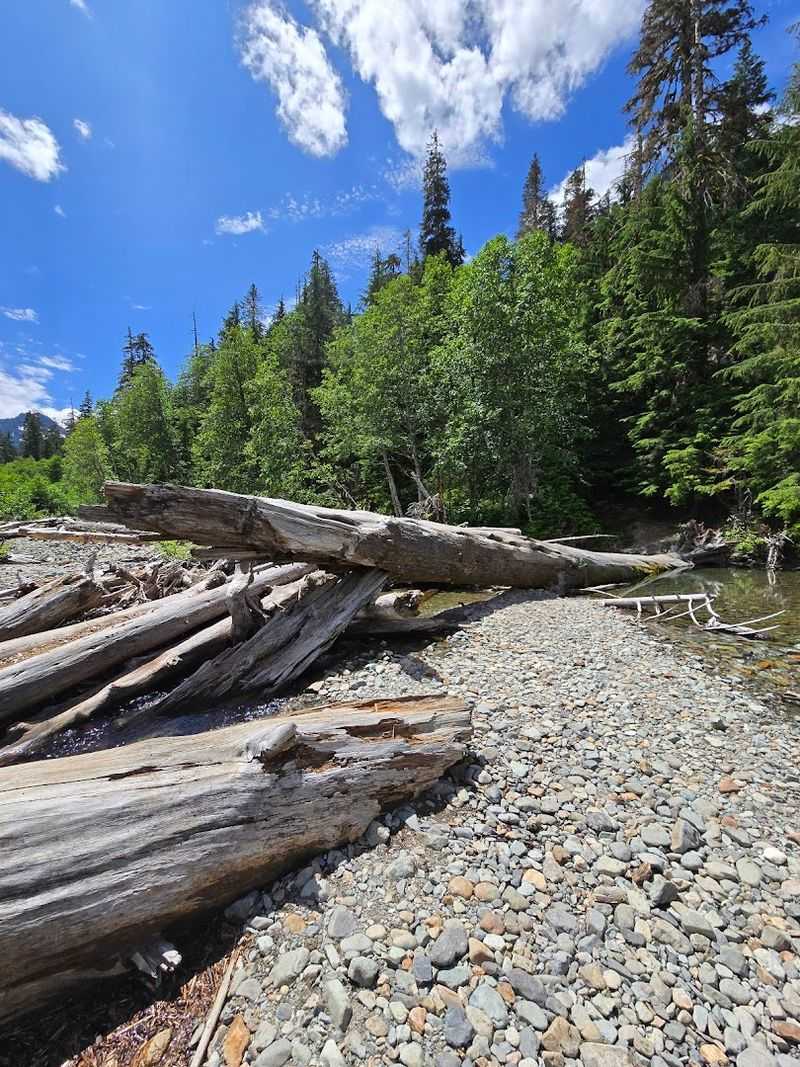
The road surface is mostly flat and follows the South Fork Sauk River the entire way, making it accessible for a wide range of hikers. You will cross several creek crossings, some of which can be tricky during spring snowmelt, so sturdy waterproof boots are a smart choice.
Plan for a full day if you want time to explore the ghost town properly. The round trip covers roughly eight miles total, with minimal elevation gain that keeps the hike manageable even for beginners with solid footwear.
The Trail Itself
Walking the trail to Monte Cristo feels like stepping into a nature documentary. The path hugs the South Fork Sauk River for most of its length, giving you constant background music from rushing water.
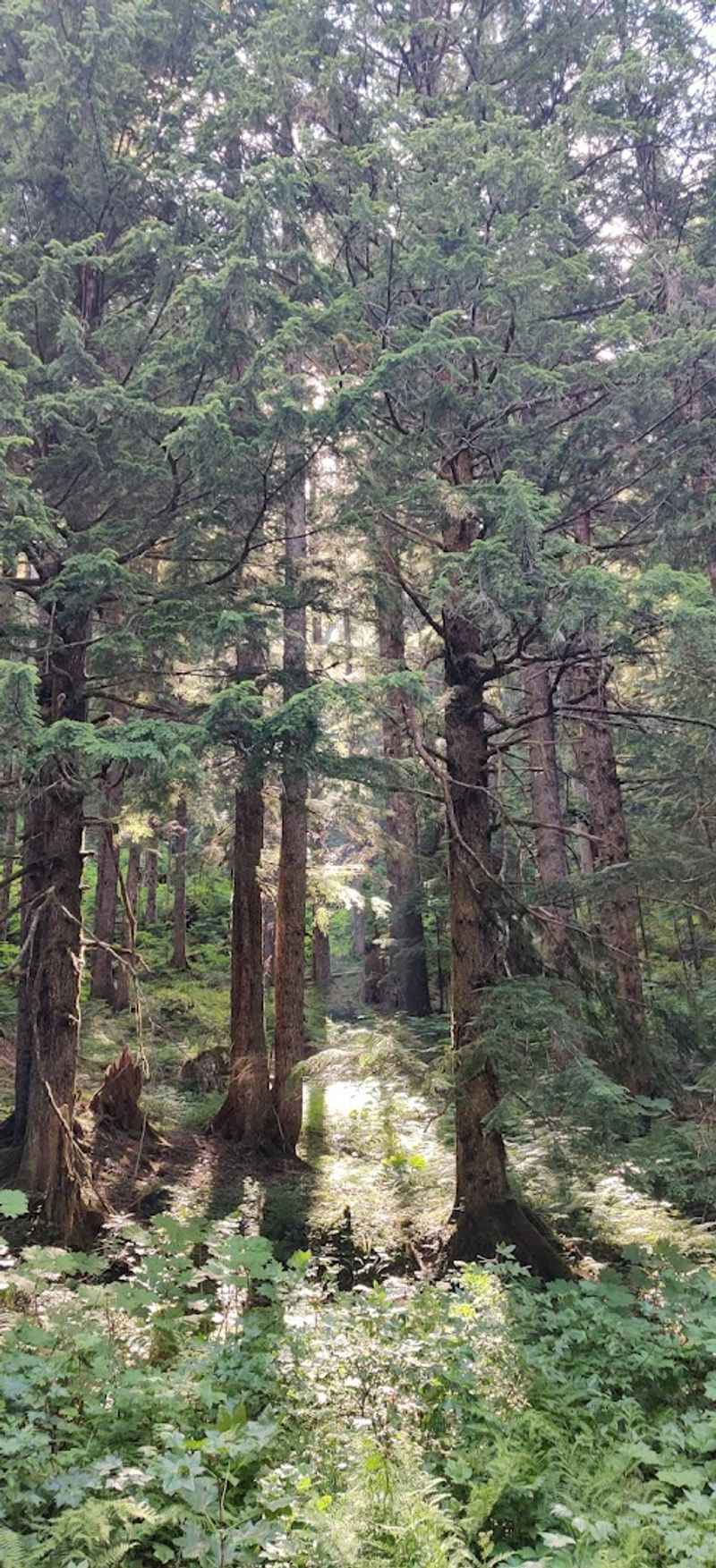
Towering Douglas firs and western red cedars create a canopy overhead that filters the light into something almost dreamlike on sunny days.
Wildlife sightings are common here. Deer, black bears, and various bird species call this corridor home, so keeping your eyes open and your voice calm is always a good idea. The trail also passes through patches of wildflowers in summer that add unexpected splashes of color to the green-heavy landscape.
Even before you reach the ghost town, the journey itself justifies the effort, and most hikers agree that the trail is one of the most scenic easy walks in the entire North Cascades region.
Arriving At The Monte Cristo Ghost Town Site
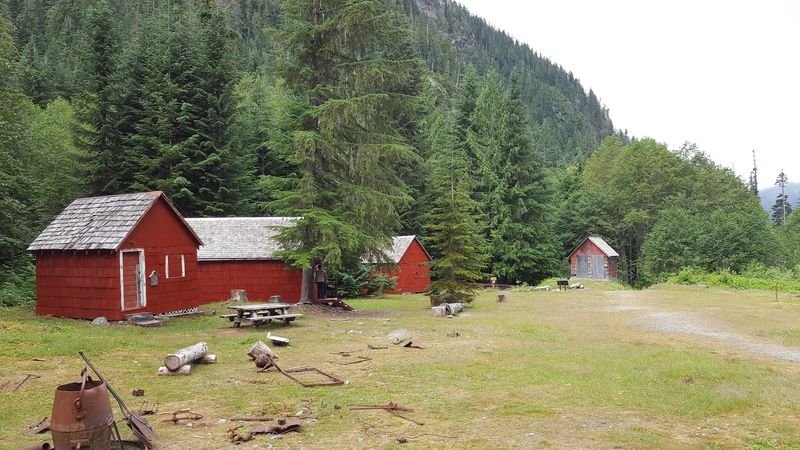
After four miles of riverside forest walking, the trees open up and you arrive at one of Washington’s most atmospheric destinations. The ghost town of Monte Cristo sits in a wide mountain valley ringed by peaks that feel almost theatrical in their height and drama.
The moment you step into that open space, the mood shifts completely. Scattered across the site are wooden building remnants, twisted metal equipment, and stone foundations slowly being reclaimed by moss and vegetation.
Interpretive signs placed around the area explain what each structure once was, turning your walk through the ruins into an informal history lesson.
The mountains surrounding the townsite, including Cadet Peak and Monte Cristo Peak, provide a stunning backdrop that photographers absolutely love. It is the kind of place that makes you stop mid-step just to take it all in before snapping a single photo.
The Mining Ruins And What Still Stands
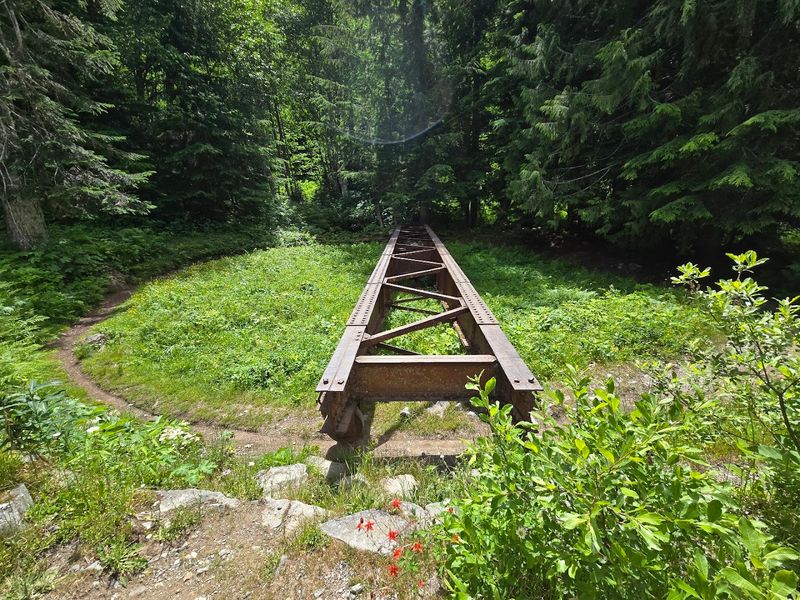
One of the most captivating parts of visiting Monte Cristo is getting up close to the actual mining equipment that was left behind. Large ore concentrators, cable systems, and structural ironwork still sit where workers abandoned them over a century ago.
The sheer scale of some pieces makes it clear that this was once a serious industrial operation. The remaining wooden structures, though heavily weathered, still hint at their original purposes.
Remnants of the old hotel and mining company buildings are among the most recognizable features on the site. Some walls lean at angles that suggest they are holding on mostly out of habit.
Touching the ruins is discouraged to preserve them for future visitors, but photographing them from every angle is practically encouraged. The combination of natural decay and mountain scenery creates a visual texture that no studio set could ever replicate.
Best Time Of Year To Hike To Monte Cristo
Timing your visit to Monte Cristo makes a significant difference in what kind of experience you have.
The trail is typically accessible from late June through October, depending on snowpack levels in any given year. Summer weekends can draw good crowds, so arriving early in the morning helps you enjoy the ghost town with fewer people around.
Late summer and early fall are widely considered the sweet spot for this hike. Wildflowers peak in July, fall foliage adds warm color in September and October, and the creek crossings are far less intimidating once snowmelt season has passed.
Spring visits are possible but require extra caution due to high water levels on the creek crossings along the trail. Always check current trail conditions through the Mount Baker-Snoqualmie National Forest website before heading out, especially earlier in the season.
Practical Tips For Hiking
A few smart preparations go a long way on this trail.
The round trip distance of about eight miles is manageable for most reasonably fit hikers, but comfortable footwear with ankle support and waterproofing is highly recommended given the creek crossings and sometimes muddy sections of the path.
Bring more water than you think you need, along with snacks or a packed lunch since there are no services anywhere along the trail or at the ghost town site. A basic first aid kit, rain layer, and navigation app or printed map are all worth tossing into your daypack before you leave the car.
A Northwest Forest Pass is required to park at the Barlow Pass trailhead, so picking one up in advance saves you the stress of scrambling for alternatives on the day of your hike.
Monte Cristo Ghost Town Trail Is Worth Every Step
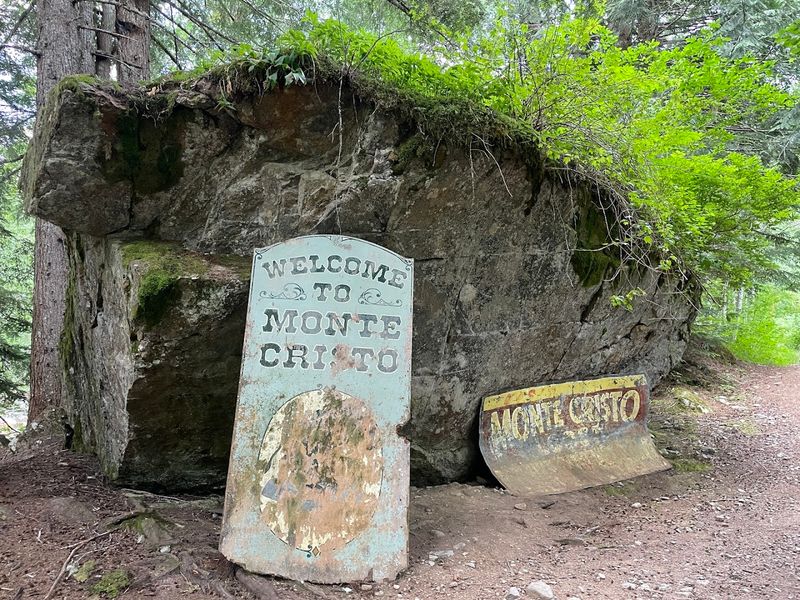
Not many hikes deliver this kind of combination. You get a beautiful river-side forest trail, genuine wildlife habitat, dramatic mountain scenery, and a fully preserved slice of Pacific Northwest history all packaged into a single out-and-back day hike. That is a rare lineup for one trail.
The ghost town element adds a layer of storytelling that most nature hikes simply cannot offer. Walking through a place where real people once lived, worked, and built entire lives gives the experience an emotional depth that lingers long after you have driven home and changed out of your muddy boots.
Monte Cristo is not just a trail. It is a reminder that the mountains hold stories as well as summits, and that some of the most rewarding destinations in Washington are the ones you have to earn with a few miles of honest walking.
Wildlife And Nature You Might Spot
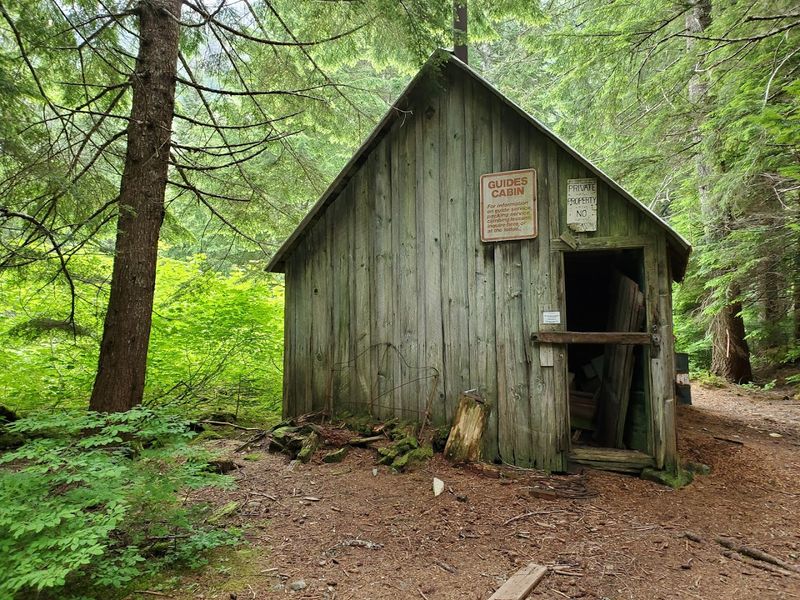
Somewhere between the trailhead and the ghost town, the forest has a way of reminding you that you are a guest here. Black-tailed deer often graze near the trail edges in the early morning hours, and if you move quietly, you might catch one just a few feet away.
Bald eagles have been spotted circling above the Sauk River valley, and the area is known for its rich bird life. Listen for the sharp call of Steller’s jays cutting through the trees.
Wildflowers carpet the meadows in summer, adding bursts of color to every step you take toward Monte Cristo. The quiet here feels earned, as if the forest has been holding it for anyone willing to slow down and notice.
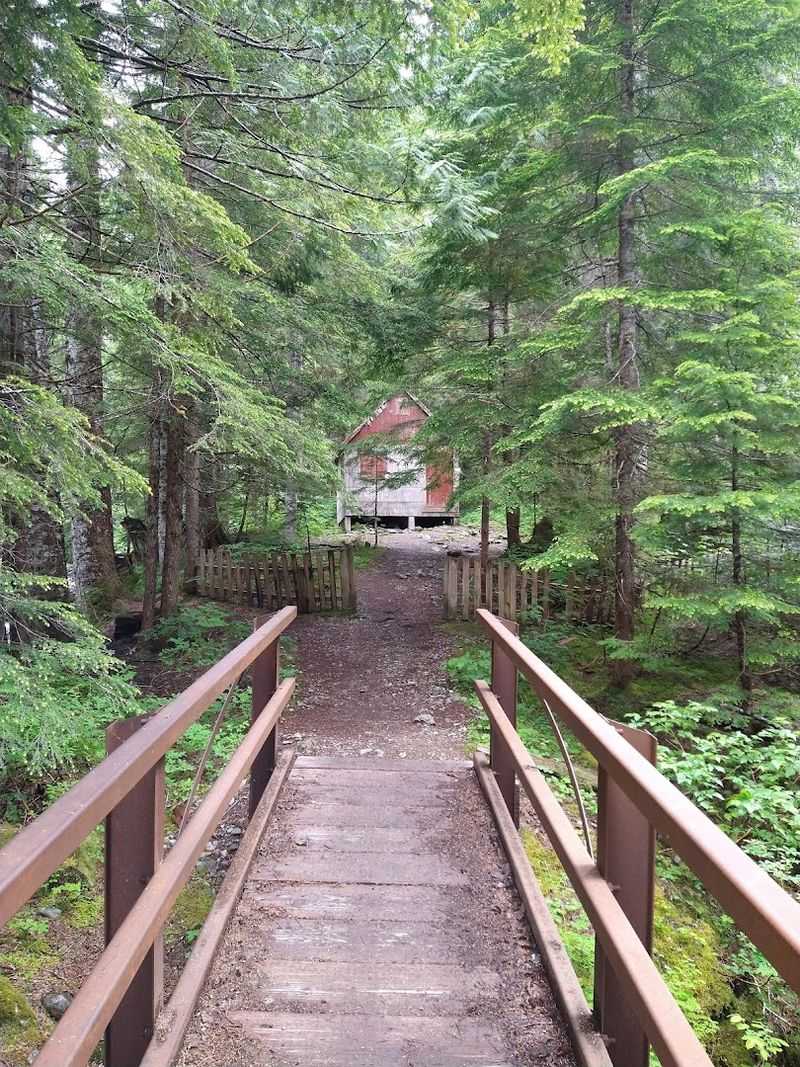
Even the empty cabins seem to listen, their weathered walls tucked into a landscape that never fully gives up its secrets. Every rustle makes the trail feel alive, whether it comes from a bird shifting above you or something small moving through the brush.
Monte Cristo feels wilder with every step, especially when the trees close in and the old mining road starts to feel far behind. The forest keeps its secrets close, but it offers just enough along the way to make you keep walking.