
A Northern Michigan Ghost Town Was Built From One Man’s Obsession With The Old West
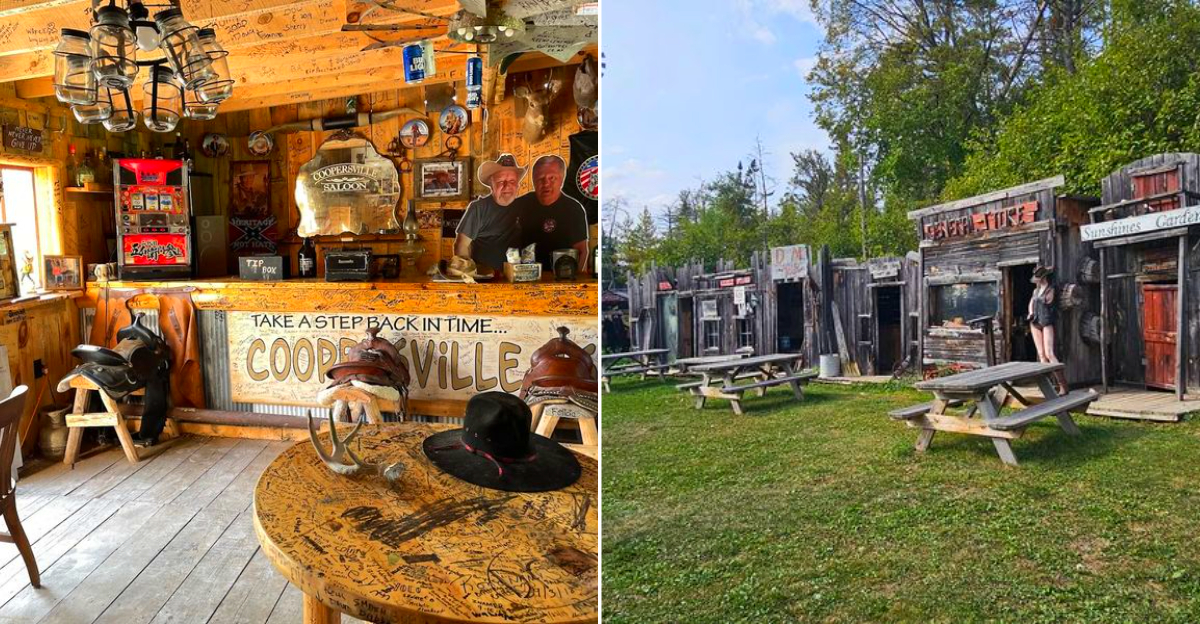
Somewhere in the northern Michigan woods, a man decided the Old West deserved a second life. What started as a personal project turned into a ghost town with saloon fronts, a boardwalk, a jail cell, plus enough handmade detail to suspend disbelief for an afternoon.
The buildings are wooden structures built by hand, each one with a story posted on the door, each one showing signs of weather plus years since they went up.
Visitors walk through at their own pace, reading plaques, peeking through windows, plus occasionally startled by how quiet it gets when the wind drops. No gift shop at the exit, no costumed interpreter following you around.
Just a town that was never a town, built by someone who loved the idea enough to build it for real. A Michigan ghost town built by hand from one person’s obsession with the Old West makes visitors forget what century they arrived in.
Start With The Story Behind The Town
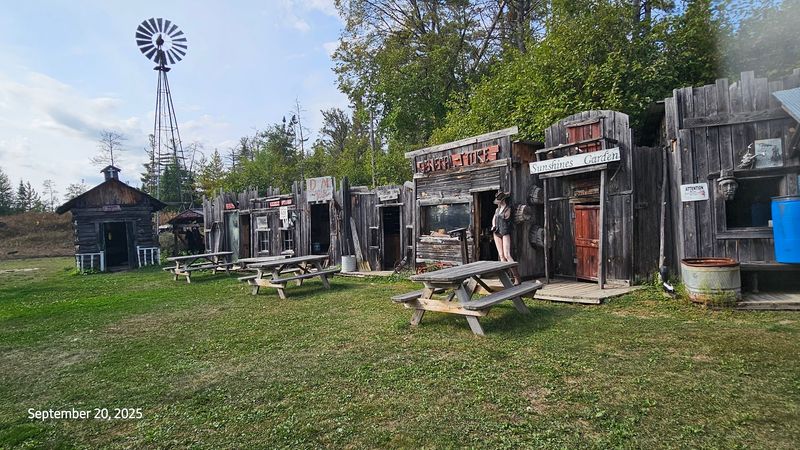
Before the saloon fronts and boardwalk details start working on you, understand the premise. This is not an abandoned nineteenth-century settlement or a preserved mining town.
It is a privately built Old West tribute created by Spike Cooper, who began turning his western-film enthusiasm into a physical place around 2013.
That distinction makes the visit stronger, not weaker. Instead of judging it as history in the strict museum sense, look at it as devotion made visible.
The town’s buildings, signs, props, and little story touches show how deeply Cooper cared about western imagery, especially the kind shaped by classic movies.
The address, 1860 Fire Tower Road, Lewiston, MI 49756, puts it in the northern Michigan woods rather than out on some desert plain. That contrast is part of the odd charm.
A western town in Michigan should not quite make sense, and that is why it holds attention.
The Dirt Road Starts Looking Like A Western Movie Set
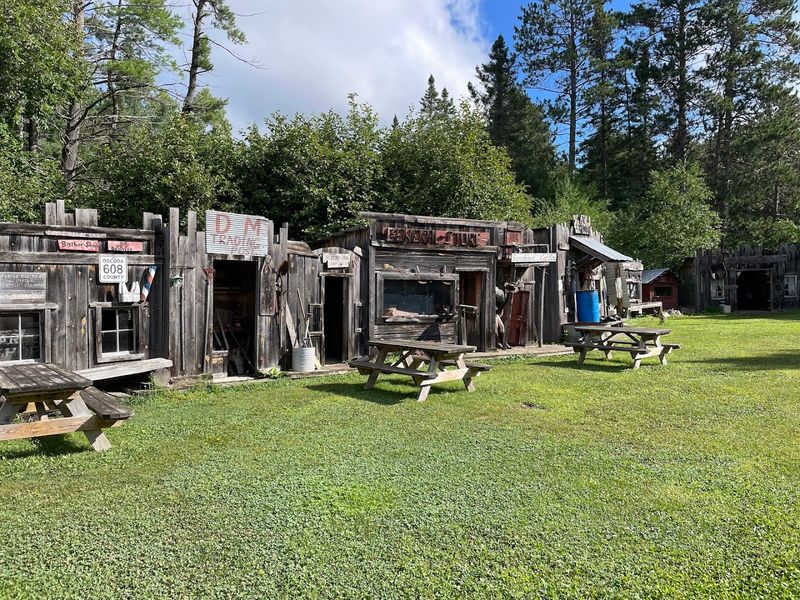
CoopersVille USA sits at 1860 Fire Tower Road in Lewiston, Michigan, though the location feels much farther out than the town name suggests. Aim for the Lewiston area first, then let navigation carry you south into the quieter back roads.
From Lewiston, follow the rural route toward Fire Tower Road and expect the drive to feel increasingly remote. The pavement gives way to a more wooded, middle-of-nowhere approach, so keep the map open and do not count on big attraction signs.
Slow down once you near the address and watch the west side of Fire Tower Road for the Old West-style buildings tucked among the trees. Pull in carefully, park where space is available, and let the false-front town announce itself.
Take Time To Read The Buildings As Characters
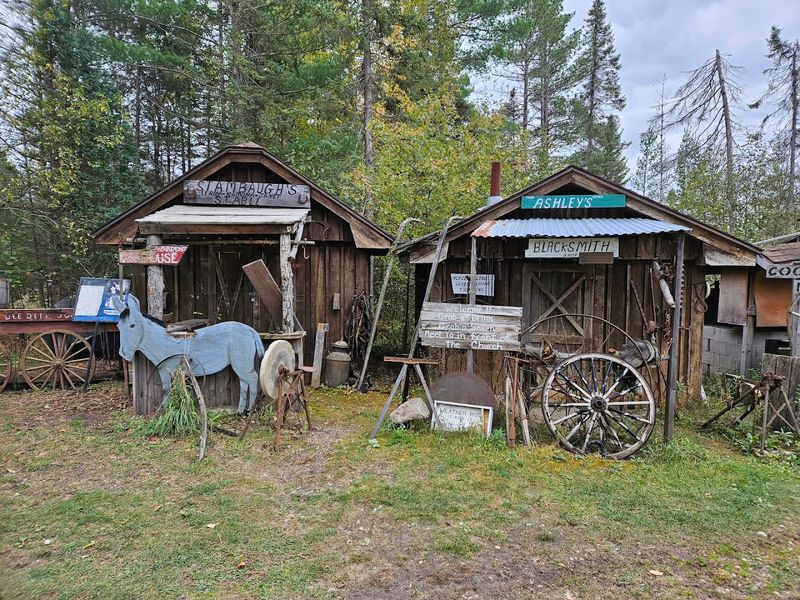
The structures work best when you stop treating them like a simple backdrop. A saloon, jail, schoolhouse, general store, livery, sheriff-style office, Boot Hill cemetery, and other western-style fronts create a loose cast of characters across the site.
Each one adds a different note to the larger fantasy. A quick photo loop will miss the better part of the experience. Slow down and notice how the buildings suggest stories without performing them for you.
Some details feel playful, others feel weathered, and a few carry that slightly eerie stillness that makes constructed ghost towns so appealing.
This is not about perfect frontier accuracy. It is about the way familiar Old West images collect in memory: wooden signs, dusty boardwalks, locked doors, rough paint, and names that sound pulled from a movie.
The pleasure comes from accumulation. By the time you have moved through several buildings, the place feels less like a prop set and more like one man’s private mythology.
Notice How Memory Lives In The Details
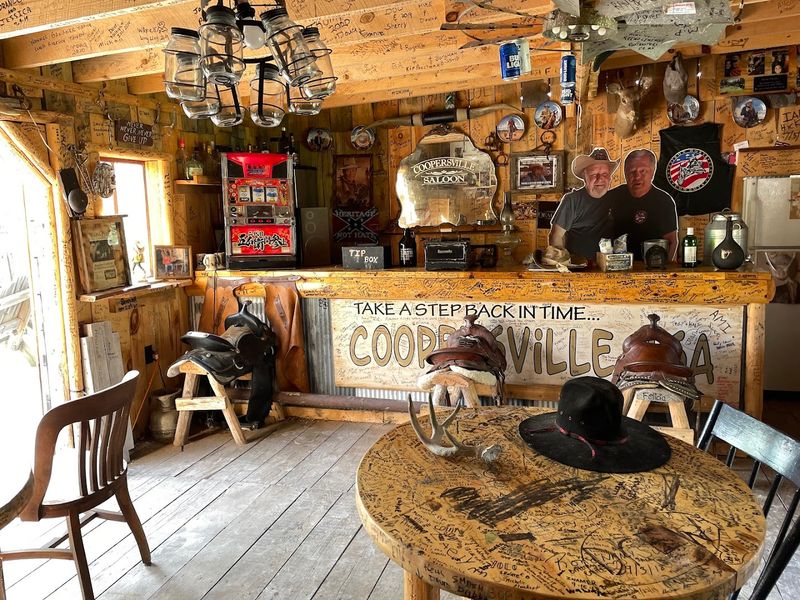
Objects give the town its texture. Antiques, old tools, posted signs, western memorabilia, and small decorative choices keep the buildings from feeling like empty shells.
The more carefully you look, the more the place shifts from roadside curiosity to personal archive. That is where the stop becomes interesting. Cooper was not only copying a generic western town.
He was collecting and arranging the version of the West that mattered to him, shaped by movies, heroes, nostalgia, and handmade patience. You can feel that in the worn surfaces and in the way certain items seem placed for discovery rather than display-case perfection.
Give your eyes time to adjust. Peer through windows where appropriate, read what is posted, and resist the urge to turn everything into a quick camera stop.
The details do not shout. They build slowly. A visitor who spends ten minutes here may see a novelty, but someone who lingers will see a memory system built out of wood, objects, and affection.
Go Slowly Because The Town Is Self Guided
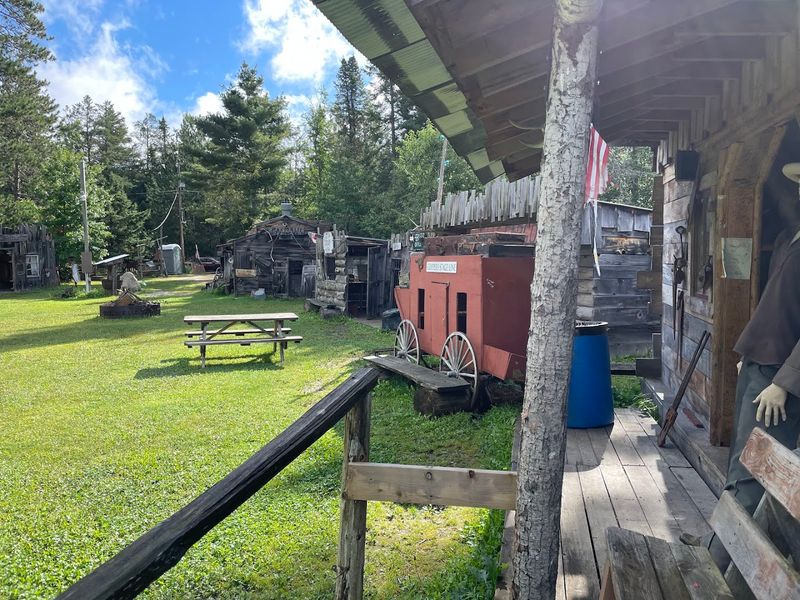
Nobody is likely to hurry you through a fixed route, and that freedom changes the experience. The site is generally described as a self-guided, free-to-explore attraction, which means the pace belongs to the visitor rather than a tour schedule.
Use that freedom well. Circle back to a building that caught your attention. Sit for a minute if the quiet feels useful. Read the signs instead of only photographing them. Let children notice what interests them, because a place like this can work differently for every age.
The absence of a formal tour can make the town feel rougher, but it also makes it more personal. You are not being told exactly what to feel or where to stand.
The handmade atmosphere has room to breathe. A flexible stop is better than a rushed detour. Even if the footprint is not huge, the experience becomes richer when you move slowly enough for the silence, weathering, and odd humor to register.
Understand The Ghost Town Label Correctly
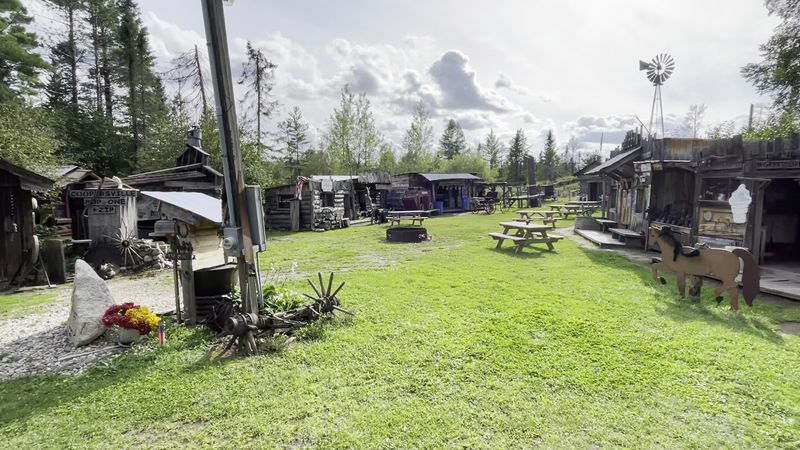
Calling it a ghost town is useful for mood, but not for strict history. The empty-street feeling, Old West fronts, cemetery-style details, and quiet rural setting all support the phrase.
Still, this was not once a working western settlement that later emptied out. It is a constructed tribute. That matters because the wrong expectation can flatten the visit. Anyone arriving for archaeological ruins or formal historic preservation may miss the real appeal.
The value lies in how carefully one person imagined a place, gathered materials, and kept adding until the fantasy had streets, doors, names, and weathered edges.
Think of it as a folk-built western village rather than a conventional museum. The distinction leaves more room for appreciation. It can be playful, sincere, odd, nostalgic, and slightly melancholy at the same time.
The “ghost” feeling comes from silence and setting, not from abandonment in the usual sense. Once that is clear, the town becomes easier to enjoy on its own terms.
Look For Signs Of Ongoing Care
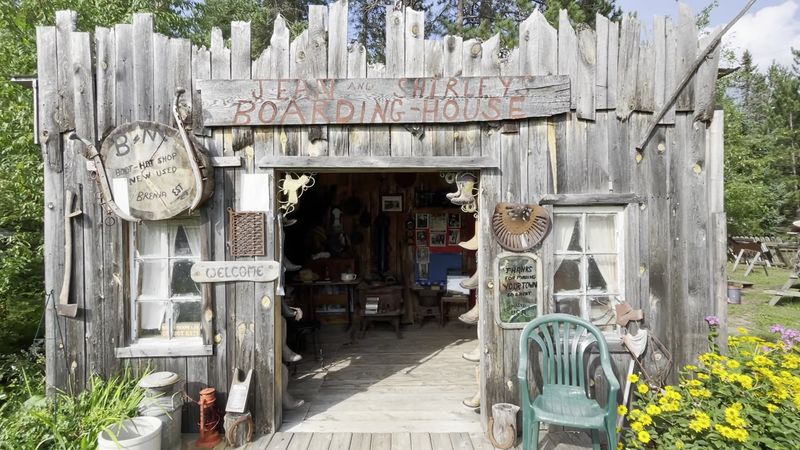
The town has outlived its founder, which gives the visit a different emotional weight. Spike Cooper died in 2020, and public accounts describe family and friends helping keep the place going afterward.
That background makes the remaining buildings feel less like a static attraction and more like a fragile local inheritance. Weather shows on wood. Rural Michigan seasons are not gentle on handmade structures.
A little wear does not ruin the place; it reminds you that keeping such a personal project visible requires effort after the original builder is gone.
Visitors should approach it with that in mind. Stay respectful, do not climb where you should not, avoid treating props or structures roughly, and leave the site cleaner than you found it.
Donations are commonly encouraged in public listings, and carrying cash is a thoughtful move. The charm depends on care. Small places like this survive because visitors understand that odd, handmade landmarks need gentler attention than big commercial attractions.
Mind The Small Logistics Before You Go
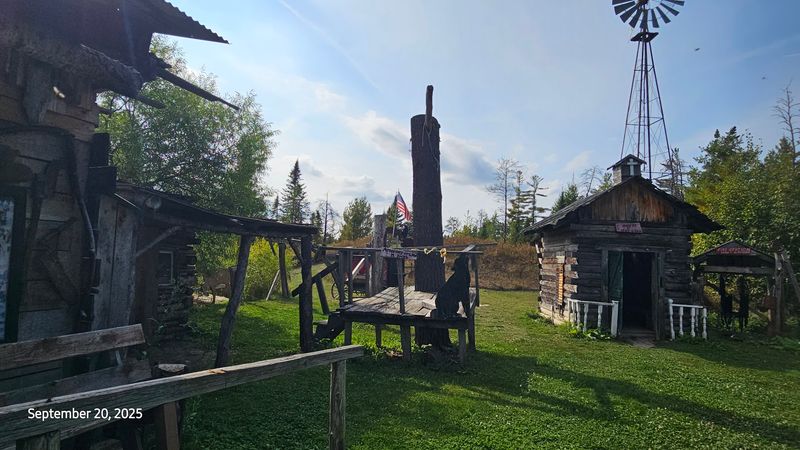
Practical expectations will make the visit easier. The address is 1860 Fire Tower Road, Lewiston, MI 49756, but this is not a large staffed attraction with a visitor center, food court, ticket counter, and polished pathways.
It is a rural, informal, museum-style stop in the woods. Daylight is your friend here. The buildings, signs, and objects are the whole point, and they are easier to appreciate when you are not rushing against fading light.
Comfortable shoes help too, especially if the ground is uneven or damp.
Because listings and visitor reports describe it as free with donations appreciated, bring cash and avoid assuming card-based convenience. Also check current conditions before making a long drive, since informal attractions can change more quietly than major tourist sites.
The best attitude is simple: arrive prepared, move carefully, and take the place as it is. That modesty is not a flaw.
It is part of why the stop feels so different from ordinary roadside entertainment.
Let The John Wayne Influence Frame The Visit
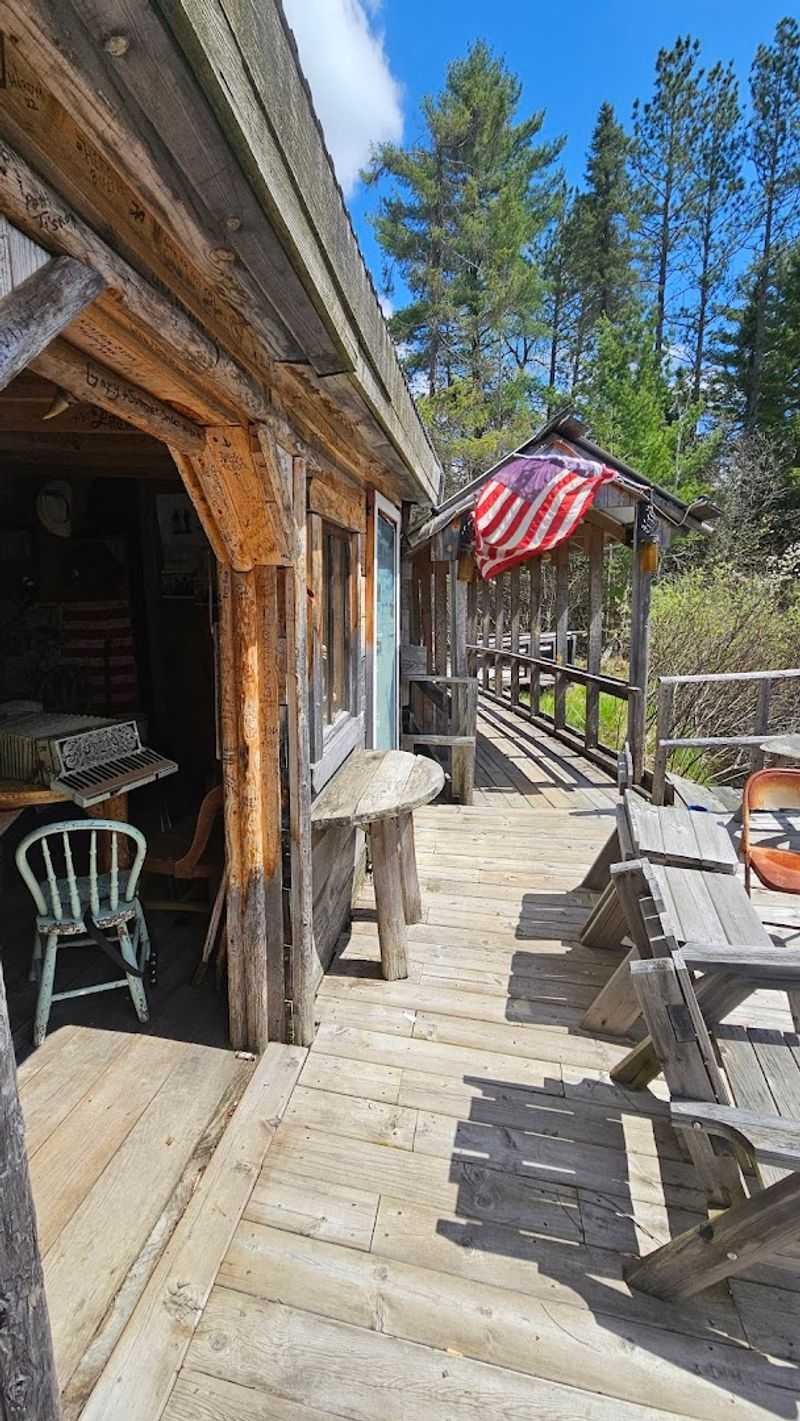
Classic western films are the key to the town’s visual language. Spike Cooper’s admiration for John Wayne and old western heroes helped shape the project, and that influence appears in the names, building types, signs, and overall mood.
That does not mean you need to be a film expert. It only means the site makes more sense when you see it as screen mythology translated into Michigan wood and weather.
The saloon, jail, schoolhouse, livery, and cemetery-style details are not neutral historic objects. They are pieces of the western story many Americans absorbed through movies and television.
That layer can make the visit more interesting. You are seeing not just a town, but a memory of a genre.
It is the Old West as imagined, loved, collected, and rebuilt far from the landscapes that originally inspired it.
Northern Michigan gives the fantasy a strange second life. Pines replace desert horizons, but the emotional vocabulary remains familiar.
Visit In A Reflective Rather Than Checklist Mood
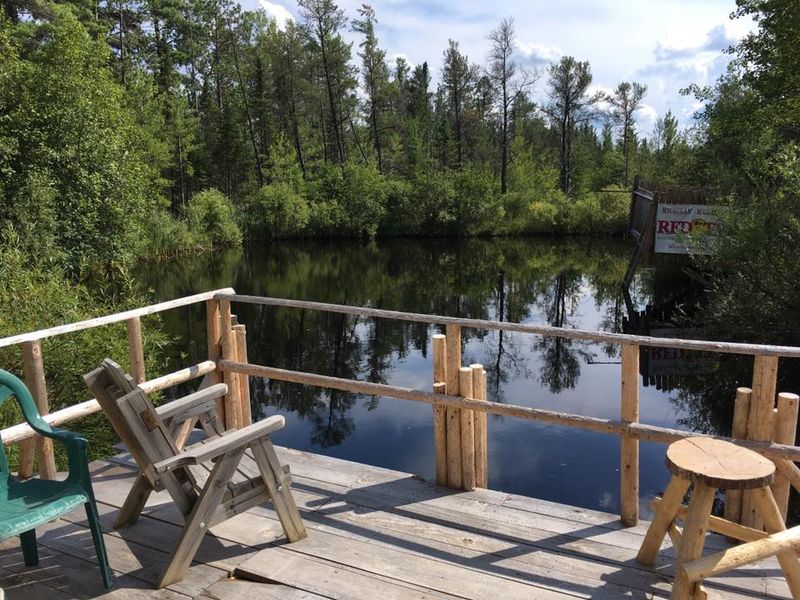
Some places reward a checklist. This one rewards attention. The town can seem small if you only count buildings, but it becomes more interesting when you notice silence, weathered wood, hand-painted signs, and the way the forest presses around the edges.
The mood shifts while you walk. One moment feels playful, almost like a backyard movie set. The next feels unexpectedly tender, because the handmade labor behind it becomes obvious. That tension is what makes the stop linger after larger attractions have already blurred together.
Do not overframe it as a polished must-see spectacle. It is rougher, quieter, and more personal than that. Its best quality is not perfection, but sincerity. A reflective visit gives the place room to work. Walk without rushing.
Let odd details interrupt you. Notice what has aged, what has been maintained, and what still feels carefully placed.
The experience is strongest when you meet it halfway instead of demanding that it behave like a conventional museum.
Treat It As A Michigan Original
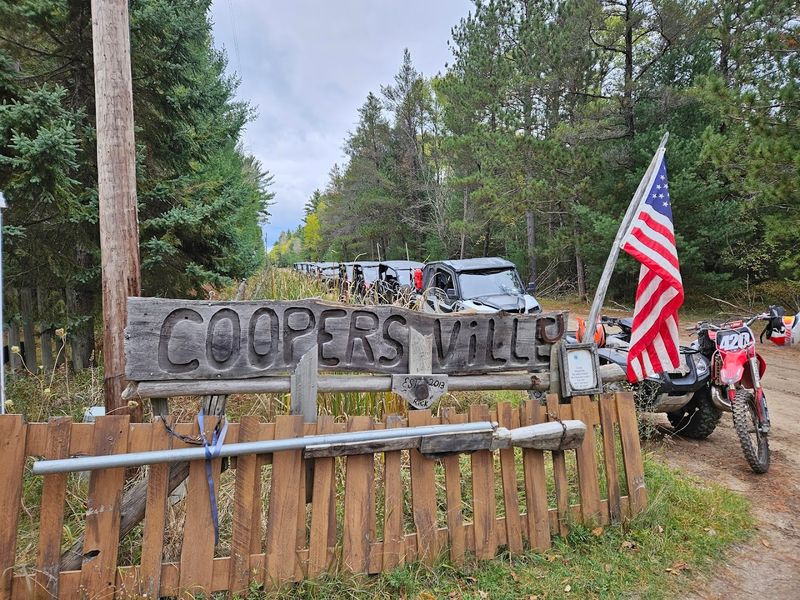
Northern Michigan already has lakes, trails, cabins, small towns, and roadside oddities. This western village adds something stranger to that map: a place that belongs to Michigan precisely because it does not seem to belong there at all.
The attraction at 1860 Fire Tower Road, Lewiston, MI 49756, is not trying to compete with historic forts, polished theme parks, or formal museums. Its value is more specific.
It shows what can happen when one person’s fascination becomes large enough to require buildings.
That kind of stubborn personal vision is harder to find than it sounds. Many travel stops are designed by committees, marketed into smoothness, and cleaned of their eccentricity. This one still feels individual.
Treat the visit as a local original rather than a substitute for a western trip out west. It is a Michigan-made homage, full of borrowed mythology but rooted in northern woods, weather, and community upkeep. That combination is exactly why it stays memorable.