
This Easy 4.4-Mile Trail In Washington Will Take You To A Jaw-Dropping 265-Foot Waterfall
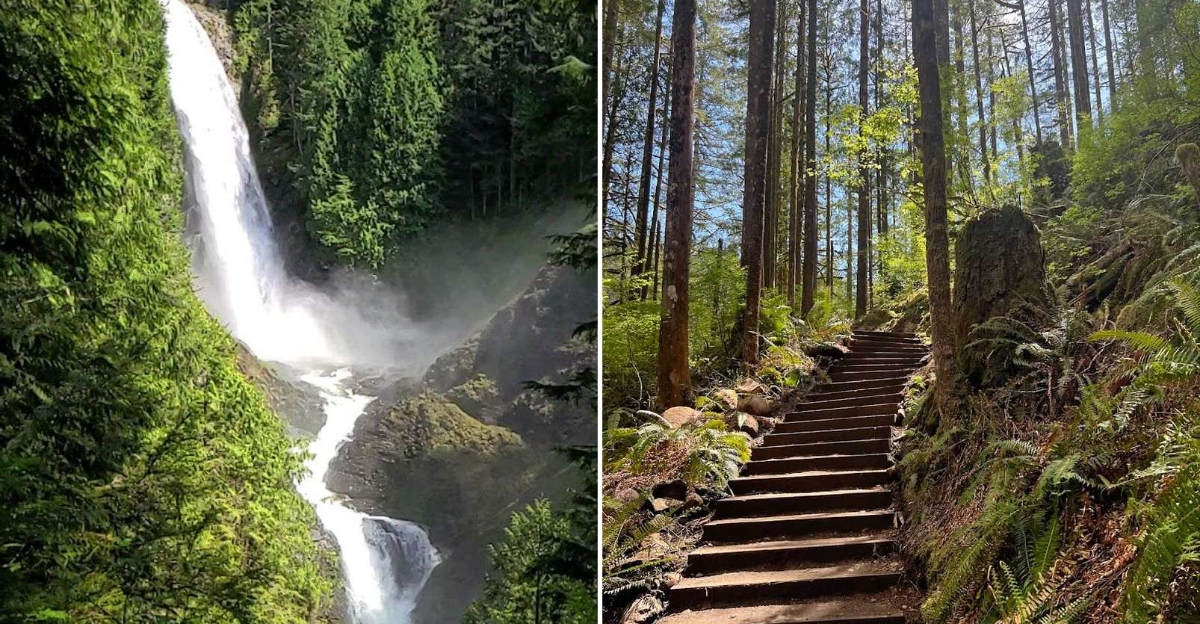
Nature has a funny way of making us feel small, especially when you’re standing at the base of a massive wall of cascading water.
There is something deeply satisfying about conquering a 4.4-mile trail that feels challenging enough to earn your lunch, but easy enough to actually enjoy the conversation along the way.
Deep in the lush forests of Washington, this particular trail is a local treasure for those who prefer their hiking with a side of dramatic, jaw-dropping views.
Forget about steep, soul-crushing switchbacks for a moment; this walk is all about the anticipation of that spectacular 265-foot drop. It’s the kind of place that reminds you why we put up with all those pesky mosquitoes and muddy boots in the first place.
The Woody Trail: Your Gateway To The Falls
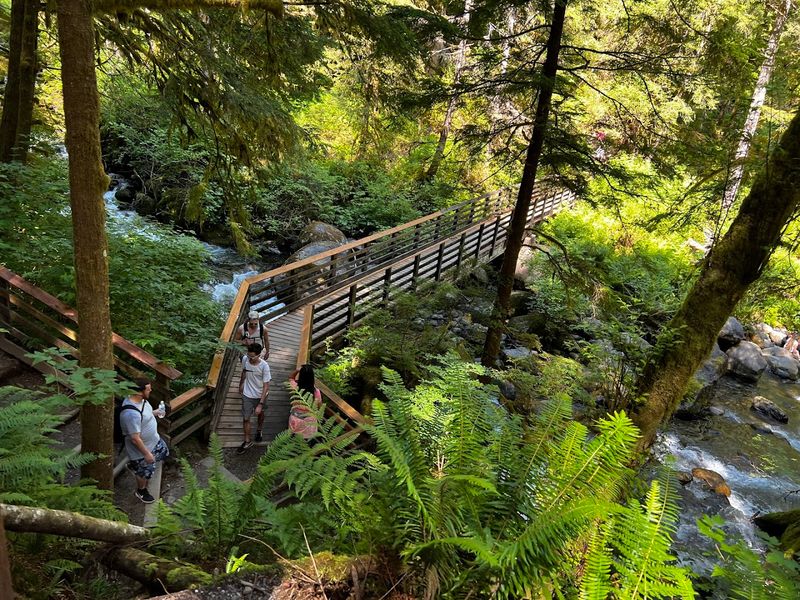
There is something immediately welcoming about the Woody Trail the moment you step onto it from the Wallace Falls trailhead, just one mile northeast of Gold Bar, Washington.
The path begins with a gentle grade that eases you into the forest without any dramatic warm-up required. Tall Douglas firs and red alders form a canopy overhead, and the sound of the Wallace River keeps you company almost from the very first step.
As you move deeper into the trail, the terrain shifts slightly. Roots and rocks begin to appear underfoot, and a few switchbacks remind you that the falls are not quite at sea level. The good news is that the scenery keeps getting better with every turn, so your brain barely registers the effort.
The Woody Trail is roughly 5 to 6 miles roundtrip when you visit all three falls. Sturdy trail shoes and a water bottle are your two most important companions on this hike. Start early on weekends to snag a parking spot.
Middle Wallace Falls: The Star Of The Show
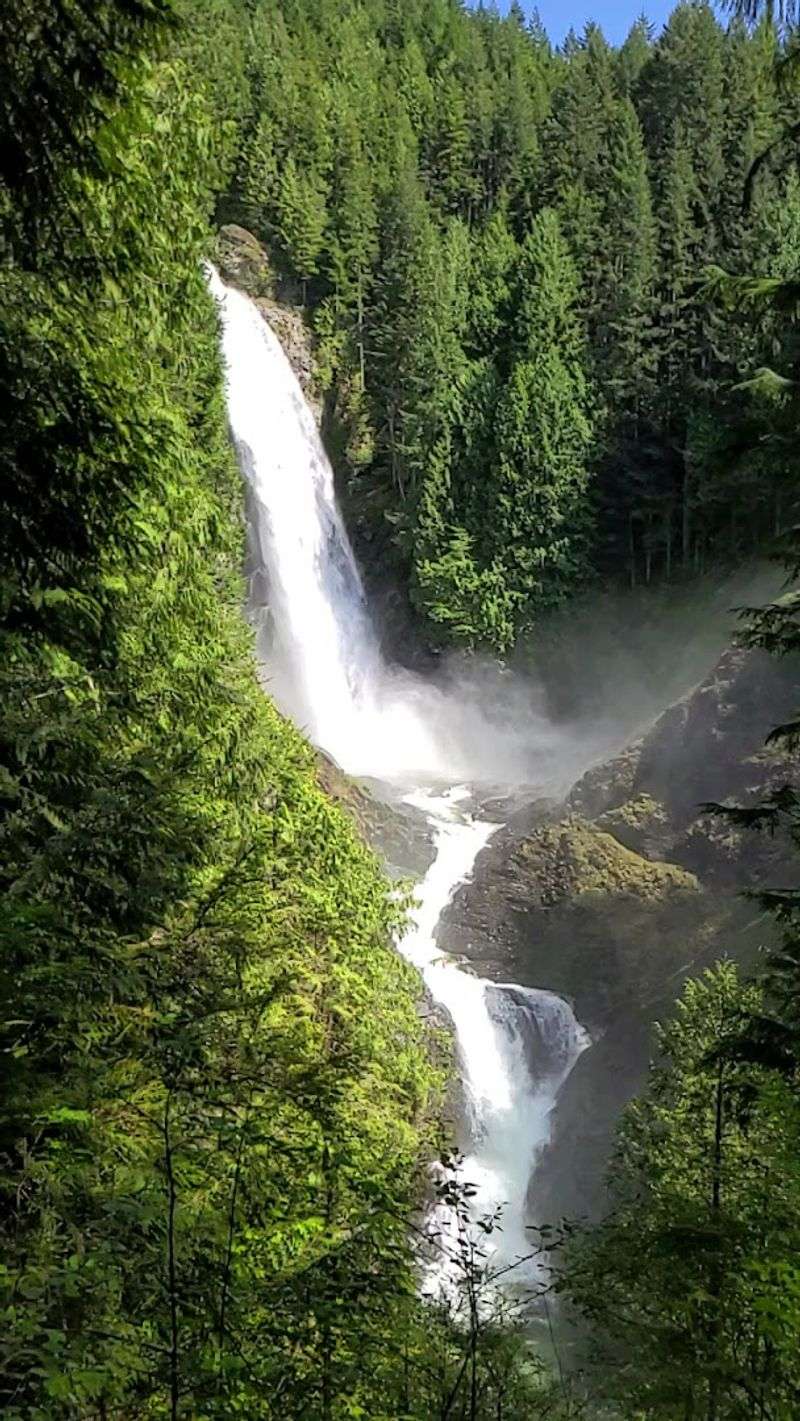
Standing at the Middle Wallace Falls viewpoint feels like the forest has been saving its best punchline for this exact moment.
The waterfall drops a jaw-dropping 265 feet, and the roar of the water hitting the rocks below is the kind of sound that makes every step of the hike feel completely worth it. This is the most photographed spot in the entire park, and for good reason.
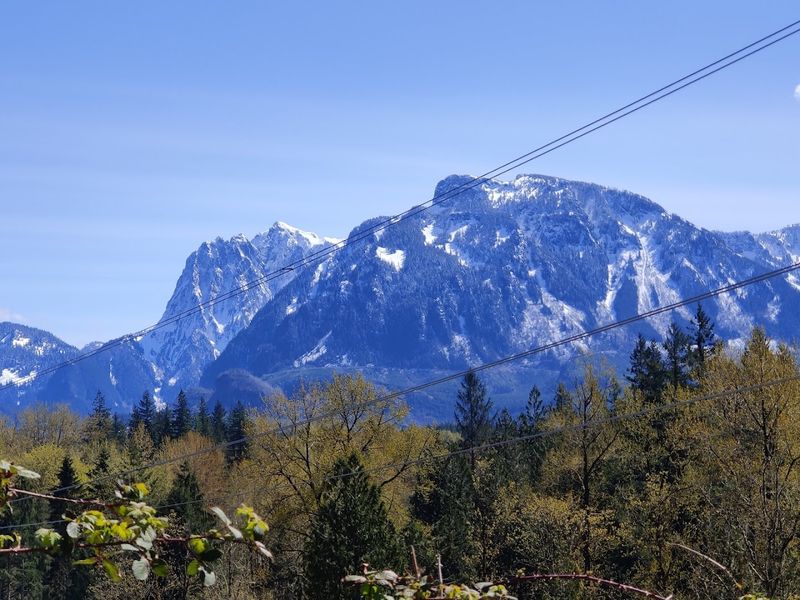
The viewpoint is positioned so you get a full, unobstructed look at the falls without needing to scramble down any dangerous slopes. From here, on a clear day, you can also take in sweeping views of the Skykomish Valley stretching out below.
The mist that drifts up from the base keeps things cool and refreshing, even on a warm summer afternoon.
Spring is the best season to catch Middle Wallace Falls at full power, typically from April through June, when snowmelt pushes the river into overdrive. Bring a light rain jacket since the mist can surprise you.
Upper And Lower Falls: The Supporting Cast Worth Seeing
Most hikers focus all their attention on the Middle Falls, but skipping the Upper and Lower Falls would be like leaving a concert before the opening acts. Lower Wallace Falls drops 212 feet across five tiers and greets you relatively early on the trail, offering a teaser of what is still ahead.
The sound alone is enough to make you pause and pull out your camera. Upper Wallace Falls is a different experience entirely. It tumbles approximately 240 feet through five separate tiers, but the dense forest makes it impossible to see the whole thing at once.
What you do see, though, is genuinely stunning, and the viewpoint gives you a framed glimpse that feels almost cinematic.
Visiting all three falls in a single roundtrip hike gives you a complete picture of just how water-rich this park really is. The elevation gain to reach the upper viewpoint is around 1,300 feet, so pace yourself and take breaks at each falls viewpoint to soak it all in.
The Railroad Grade Trail: A Smoother Alternative Route
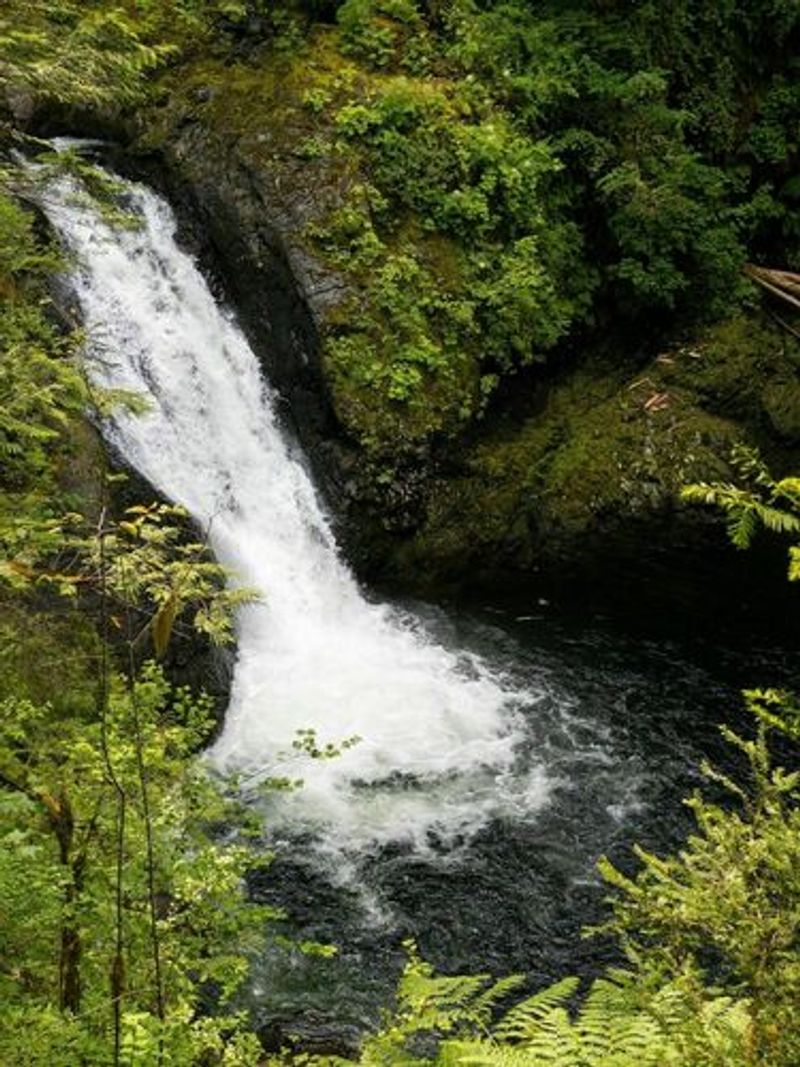
Not every hiker wants roots, rocks, and steep switchbacks on the menu, and the Railroad Grade Trail was practically built with that crowd in mind.
This alternative route to the falls follows a former railroad bed, which means the surface is wider, smoother, and significantly more gradual in its ascent compared to the Woody Trail. It is a fantastic option for hikers who prefer a steadier pace.
The tradeoff is that the Railroad Grade Trail does not hug the Wallace River as closely, so you lose some of those scenic riverside moments that make the Woody Trail so charming.
However, the forest views are still beautiful, and the easier footing lets you look around more freely without worrying about tripping over every root.
Combining both trails into a loop is actually a popular strategy among repeat visitors. You can take one route up and the other down, giving yourself the best of both experiences in a single outing. Dogs on leashes are welcome on either trail.
Wallace Lake And Jay Lake: The Bonus Adventure
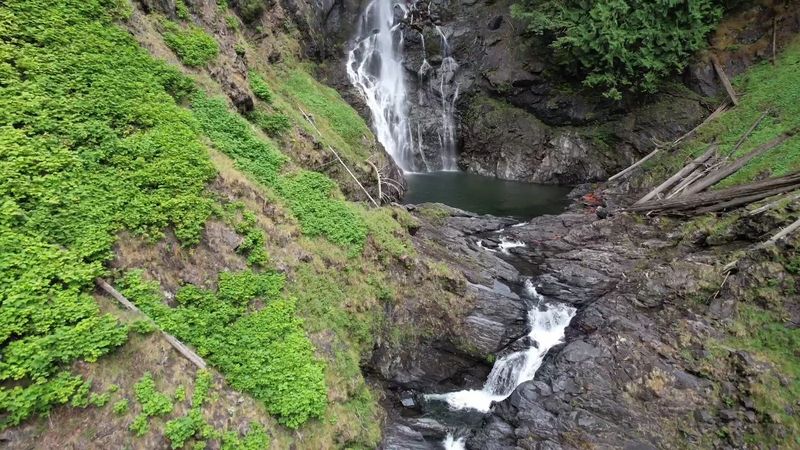
For hikers who finish the falls loop and still feel like their legs have more to give, Wallace Lake and Jay Lake are waiting just a little further up the trail.
Reaching Wallace Lake turns the outing into an 8 to 12 mile roundtrip depending on the exact route you choose, and it rewards the extra effort with a peaceful backcountry lake tucked into the forest like a well-kept secret.
Jay Lake sits just beyond Wallace Lake and is even quieter, attracting mostly seasoned hikers who are willing to put in the mileage. Both lakes are part of the three backcountry lakes within the 1,380-acre state park, alongside Shaw Lake.
Backcountry campsites are available at Wallace and Jay lakes, but you will need a permit to stay overnight.
Planning an overnight trip turns this park into a completely different kind of adventure. Watching the light fade over the lake at dusk, surrounded by nothing but forest and birdsong, is the sort of experience that makes you want to clear your entire calendar for the week.
Park Amenities And Practical Visitor Tips
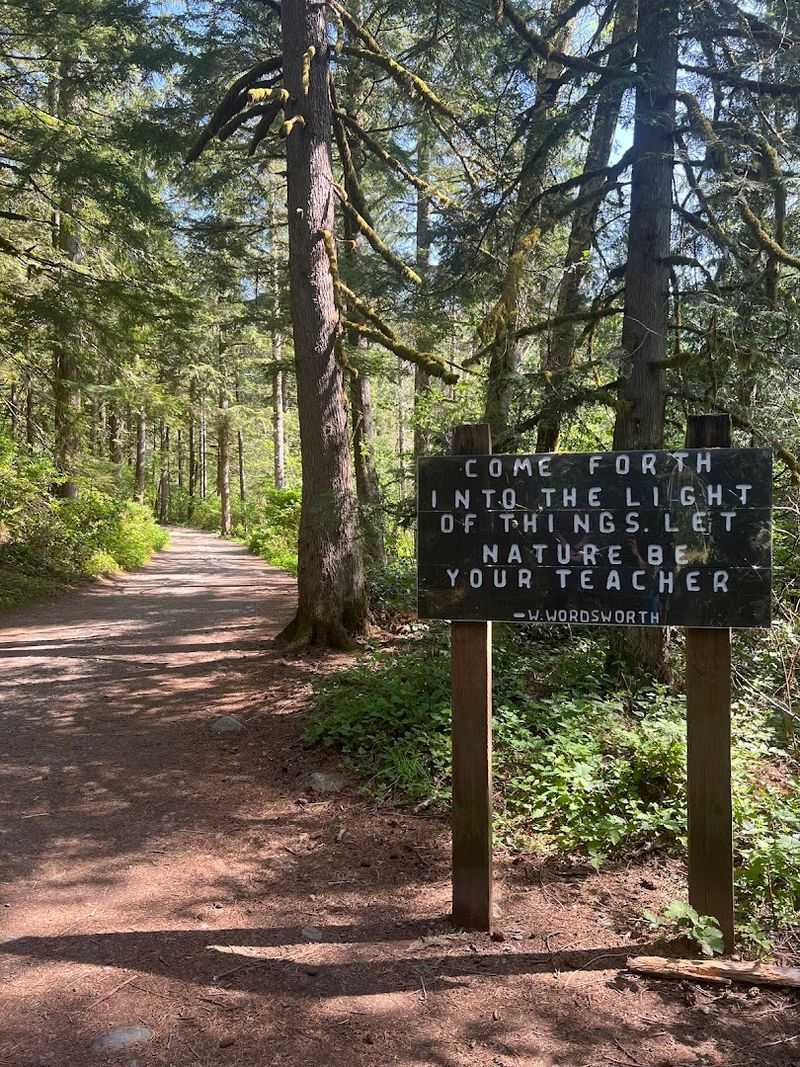
Showing up prepared is half the battle at any state park, and Wallace Falls has enough amenities to make your visit comfortable without being overly crowded with facilities. Restrooms are available near the trailhead, and picnic areas give you a lovely spot to refuel after the hike.
An interpretive trail near the entrance adds some educational flavor if you enjoy learning about the local ecosystem while you walk. Parking requires either a Washington State Discover Pass or a $10 day pass purchased on-site.
Weekends in summer fill up fast, so arriving before 9 a.m. is a smart move. The park also offers reservable cabins and walk-in campsites near the parking area for visitors who want to turn their day trip into an overnight stay.
Dogs are welcome throughout the park but must remain on a leash at all times. Bringing trekking poles is a genuinely helpful idea for the steeper sections leading up to the Middle and Upper Falls viewpoints, especially on wet days when the rocks get slippery.
What To Expect Each Season
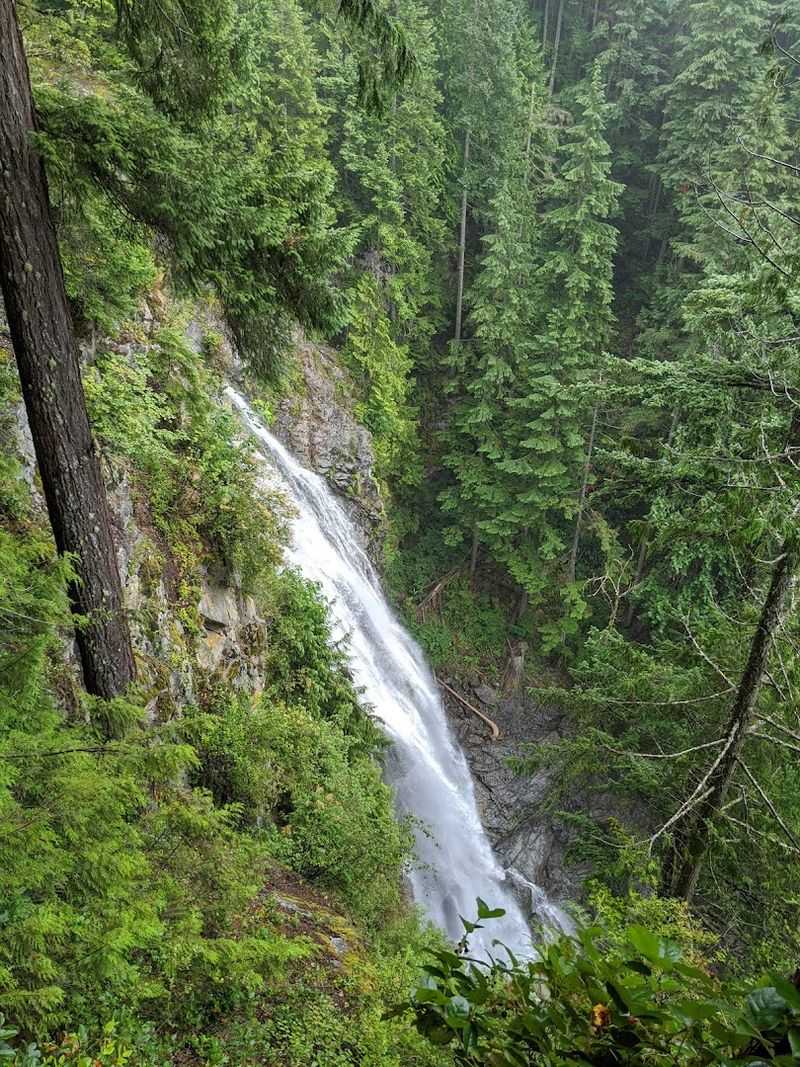
Timing your visit to Wallace Falls can make a real difference in what you experience on the trail. The waterfalls are at their most dramatic from April through June, when snowmelt from the Cascades pushes the Wallace River to full force.
The roar of the water during this period is something you feel in your chest, not just hear with your ears.
Summer brings drier conditions and more predictable weather, making it the most popular season for families and first-time visitors.
The forest stays lush and green well into August, and the falls remain impressive even if slightly less thunderous. Fall adds a warm layer of color to the canopy, and the trails thin out noticeably after Labor Day.
Winter hiking is possible but requires caution, as snow and ice can make the steeper sections genuinely tricky. The general hiking season runs from May through October for most visitors.
Whatever month you choose, layers and waterproof boots will serve you better than any amount of wishful thinking about dry weather in the Pacific Northwest.
Wildlife And Nature Spotting: The Hidden Wonders
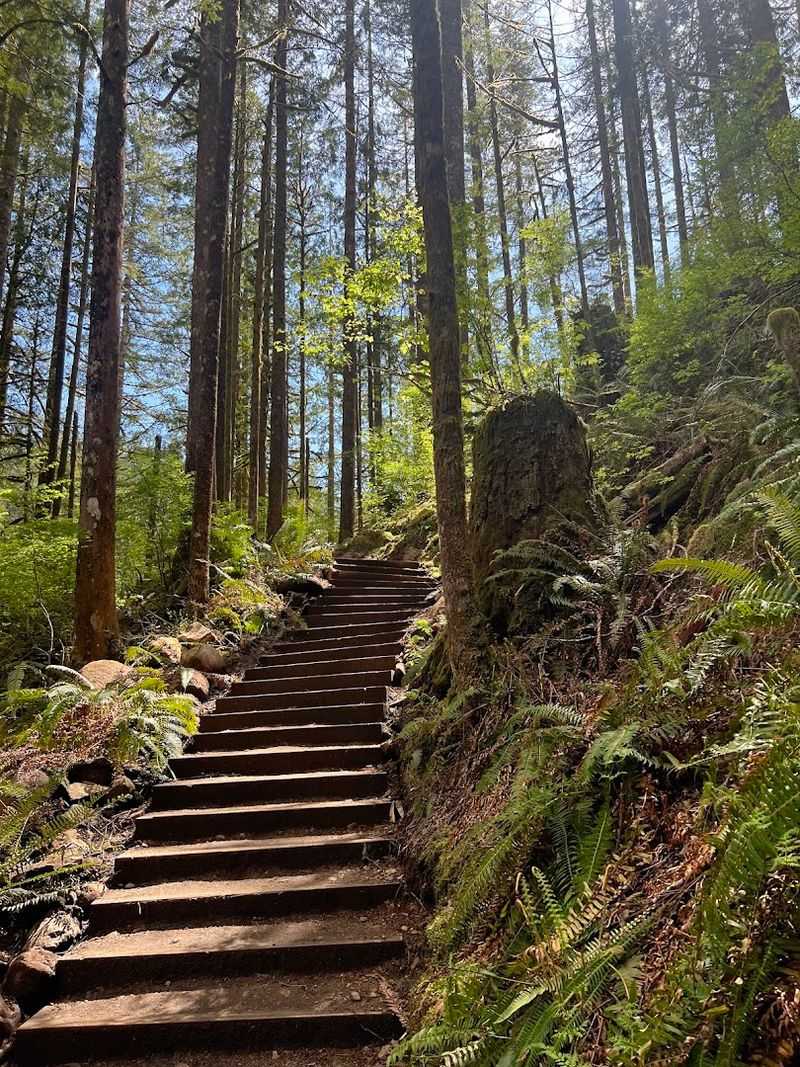
Few things make a hike more memorable than a surprise encounter with local wildlife. Along the Wallace Falls trail, keep your eyes open for black-tailed deer quietly grazing near the forest edge, and listen for the rapid drumming of woodpeckers echoing through the Douglas firs overhead.
Roosevelt elk occasionally pass through the area, especially during early morning hours when the trail is quietest. Bright Pacific banana slugs creep along mossy logs, adding a quirky charm to the forest floor.
Birdwatchers will especially enjoy spotting Steller’s jays and American dippers darting near the rushing water. Pack binoculars for the full experience.
The forest also rewards anyone who slows down for the smaller details. Fern fronds crowd the trail edges, while moss softens fallen branches into bright green shapes.
Near wetter stretches, the whole place seems to hum with tiny movement. Chipmunks may flash across the path before disappearing under roots and rocks.
Even the soundscape changes as the trail climbs, shifting from quiet woods to louder water. That gradual build makes the waterfall reveal feel even more exciting when it finally arrives.