
13 Arizona Waterfront Walks, Lake Piers, And Desert Shoreline Spots Worth Experiencing This Year
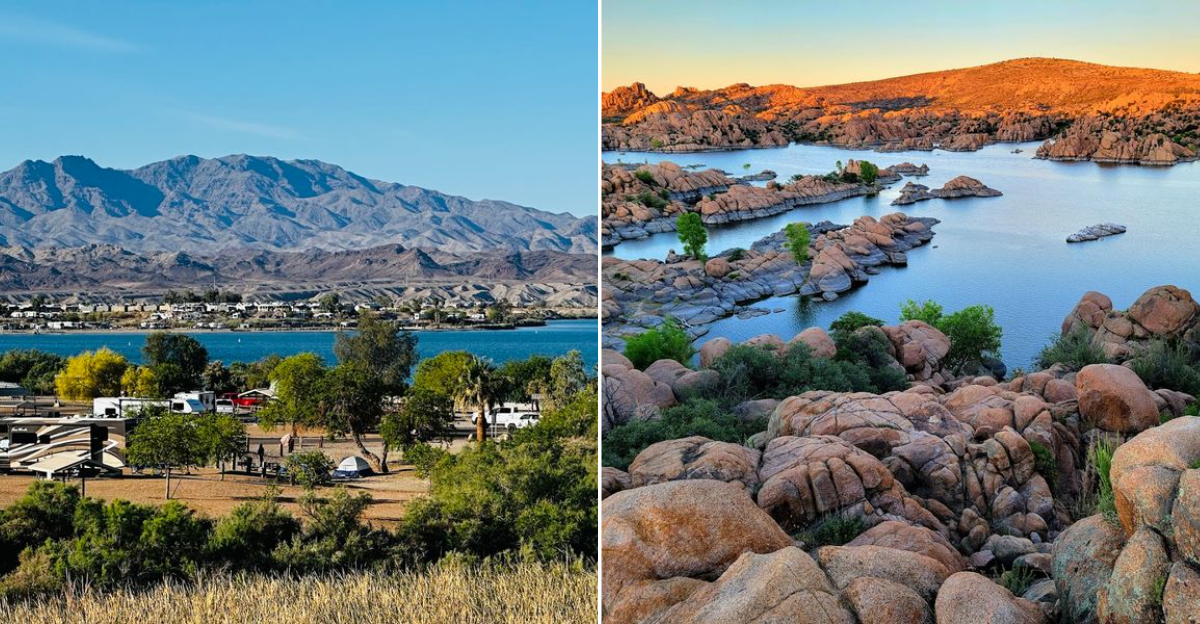
Water might not be the first thing that jumps to mind when you think of a cactus-filled landscape, but hold your horses. This state is hiding some serious aquatic charm.
Finding a patch of blue in the middle of a dusty horizon feels like discovering a secret level in a dusty, sun-baked video game. Arizona wears its shimmering lakes like a sparkling turquoise necklace draped elegantly across a rugged, sun-tanned chest.
Grab your sunglasses and a generous amount of sunscreen, because we are hitting the shore to prove that desert life definitely doesn’t mean staying dry all year long I have spent time at each of these spots, and every single one surprised me in a different way.
Pack your sunscreen, lace up your walking shoes, and get ready to see a side of Arizona that most visitors completely overlook.
1. Tempe Town Lake Paths, Tempe
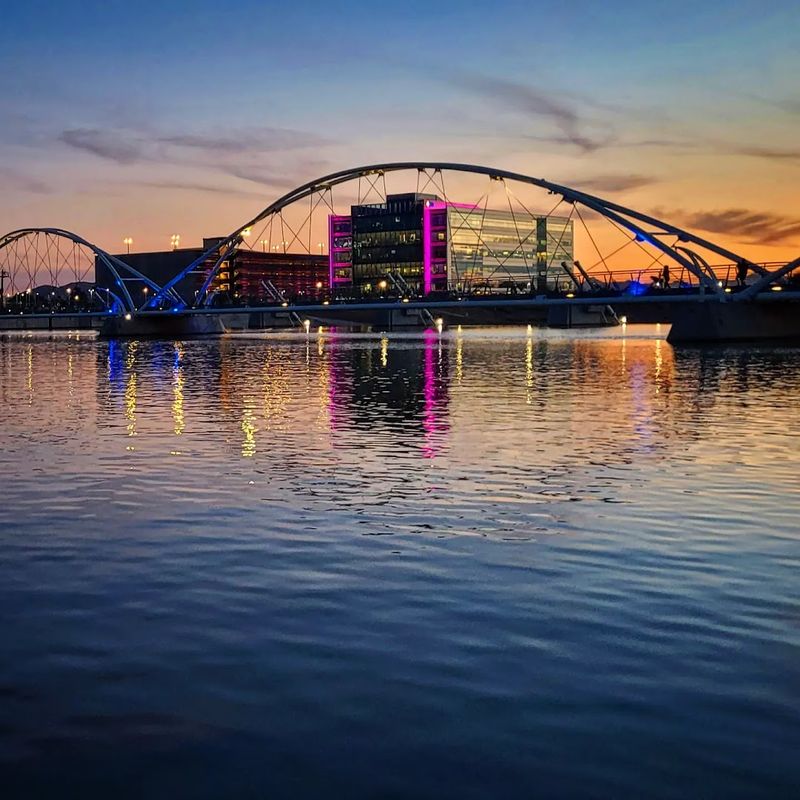
Few urban waterfronts in the entire Southwest pull off the city-meets-lake vibe quite like Tempe Town Lake. Stretching through the heart of Tempe, Arizona, this spot draws joggers, cyclists, families, and curious visitors every single day of the week.
The wide concrete paths run along both sides of the lake, so you can easily loop the whole thing without retracing your steps. Tempe Beach Park anchors the western end and stays open from 5 a.m. to midnight, giving early risers and evening strollers plenty of time to enjoy the water views.
The lakeside scenery includes the Mill Avenue Bridge, mountain backdrops, and paddleboats gliding across calm water. Weekend mornings feel especially lively, with local vendors and community events adding color to the whole experience.
Parking is available nearby, and the paths are flat and stroller-friendly, making this one of the most accessible waterfront walks in Arizona.
2. Lake Havasu City Shoreline Trail, Lake Havasu City
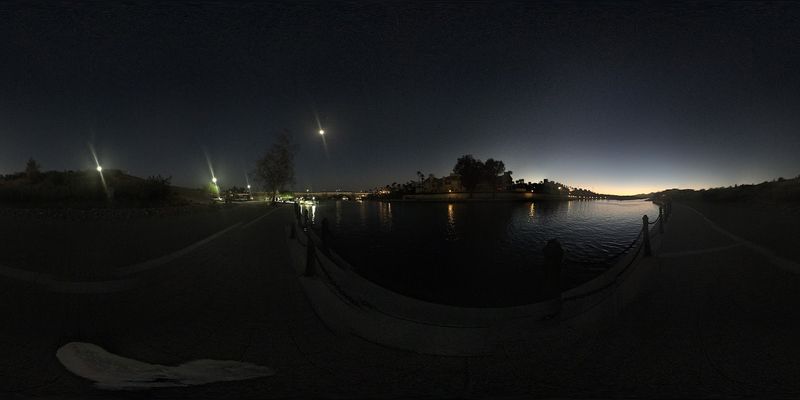
Standing on the Bridgewater Channel trail with London Bridge right in front of you is one of those moments that genuinely stops you mid-step.
Yes, that is the actual London Bridge, relocated brick by brick from England to Lake Havasu City, Arizona, back in 1971. It now anchors one of the most photogenic waterfront stretches in the entire state.
The paved sidewalk follows the channel through Rotary Park, offering clean sightlines across the water to the Chemehuevi Mountains beyond. The path is well-maintained and easy to navigate, with benches and shaded spots placed at thoughtful intervals.
Boat traffic on the channel adds a lively, nautical energy that keeps the walk from ever feeling dull.
Sunset here turns the water gold and the bridge a warm amber, making late afternoon the single best time to show up with a camera and comfortable shoes.
3. Lake Havasu State Park, Lake Havasu City
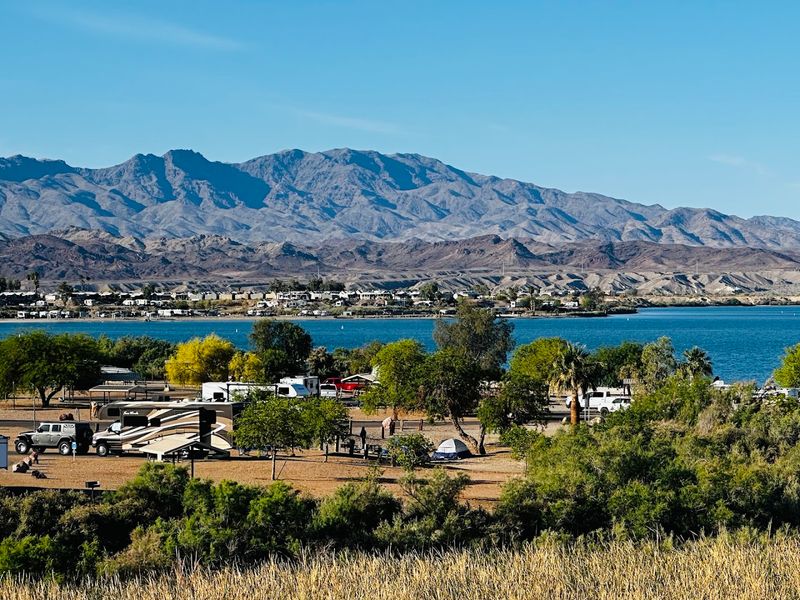
Just a short drive from the channel trail, Lake Havasu State Park opens up into something much wilder and quieter. Sandy beaches line the shoreline here, and the park includes boat ramps, nature trails, and a designated swimming area that families return to year after year.
It is the kind of place where you can spend a full day without running out of things to do. The standout feature for walkers is the 1.75-mile Mohave Sunset Trail, which hugs the shoreline and delivers consistently dramatic views of the lake and surrounding desert landscape.
The trail is rated easy, but the scenery earns a much higher score. Early mornings are particularly peaceful, with the water still and the light soft against the red and tan hillsides.
Camping is available on-site, so spending a night under desert stars after a full day of shoreline exploring is a very real and very tempting option.
4. Cattail Cove State Park, Lake Havasu
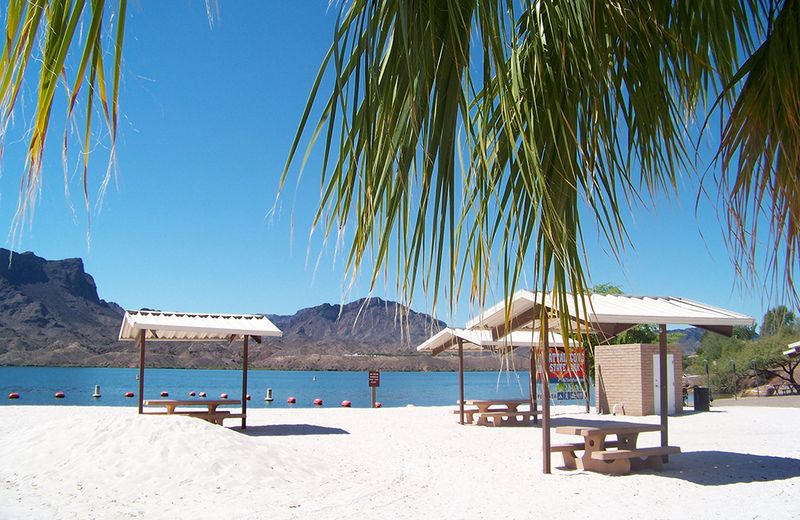
Cattail Cove has the kind of shoreline that makes you double-check whether you accidentally crossed into a beach vacation brochure. White sand meets brilliant blue water, and the surrounding desert hills frame the whole scene in a way that feels almost theatrical.
This park sits along the eastern shore of Lake Havasu, south of the main city, and rewards visitors who make the extra effort to reach it.
A designated swimming area keeps things safe for families, while the boat ramp draws anglers and water sports enthusiasts throughout the warmer months. Campsites sit close to the water, meaning you can fall asleep to the gentle sounds of the lake lapping at the shore.
The park also has shaded picnic spots for those who prefer a relaxed afternoon over an active one. Cattail Cove is one of Arizona’s most genuine desert-lake experiences, and it consistently surprises first-time visitors with just how beautiful it actually is.
5. Lake Pleasant Regional Park, Morristown
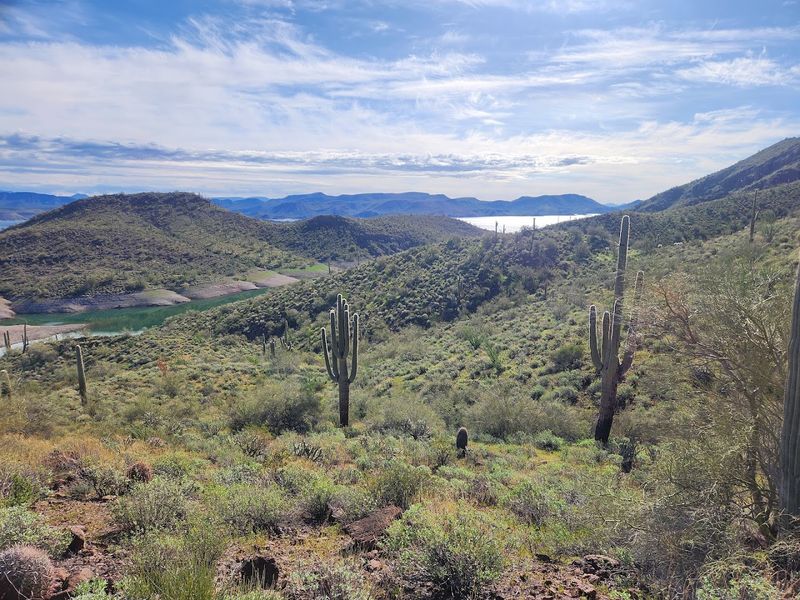
About 35 miles northwest of Phoenix, Lake Pleasant sits inside a regional park that packs an impressive range of activities into one desert destination.
Boating, swimming, hiking, fishing, picnicking, and wildlife viewing are all on the menu, which makes it one of the most versatile waterfront parks anywhere in the greater Phoenix area. The lake itself covers roughly 10,000 acres when full, so the scenery never feels cramped or crowded.
Saguaro cacti dot the surrounding hillsides, reminding you constantly that this is a desert lake, not a mountain one. Bald eagles and osprey have both been spotted here, especially during cooler months when the fishing is at its best.
Several trails wind along the shoreline and up into the surrounding hills, giving hikers a variety of routes to choose from.
Water levels at Lake Pleasant remain within normal historical ranges, so planning a visit this year comes with solid confidence that the full shoreline experience will be available.
6. Rattlesnake Cove Picnic Site, Bartlett Lake
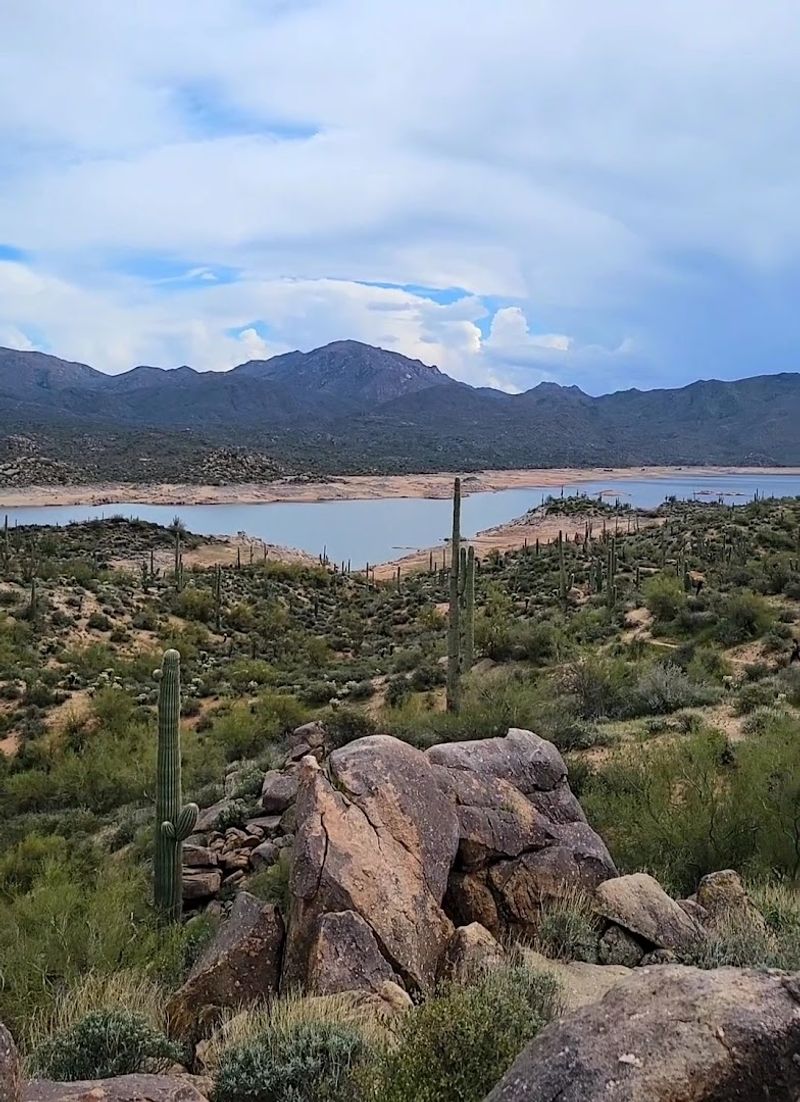
The name alone earns points for personality, but Rattlesnake Cove at Bartlett Lake delivers far more than just a memorable title.
Managed by the Tonto National Forest, this day-use site features staircases that lead directly down to the lake’s shoreline, giving visitors immediate and satisfying water access without a long hike. The cove itself is sheltered and calm, making it a favorite for anglers who know where to look.
Shaded picnic areas with grills make this a practical spot for a full day out, and the surrounding desert scenery is rugged and photogenic in equal measure.
Bartlett Lake sits about 65 miles northeast of Phoenix, tucked into the Verde River drainage area, and the drive in already starts to feel like an adventure.
The water here tends to be clear and inviting, especially in spring when temperatures are comfortable. Arriving early on weekends is a smart move, as the shaded picnic spots tend to fill up quickly once the day heats up.
7. Butcher Jones Day Use Area, Saguaro Lake
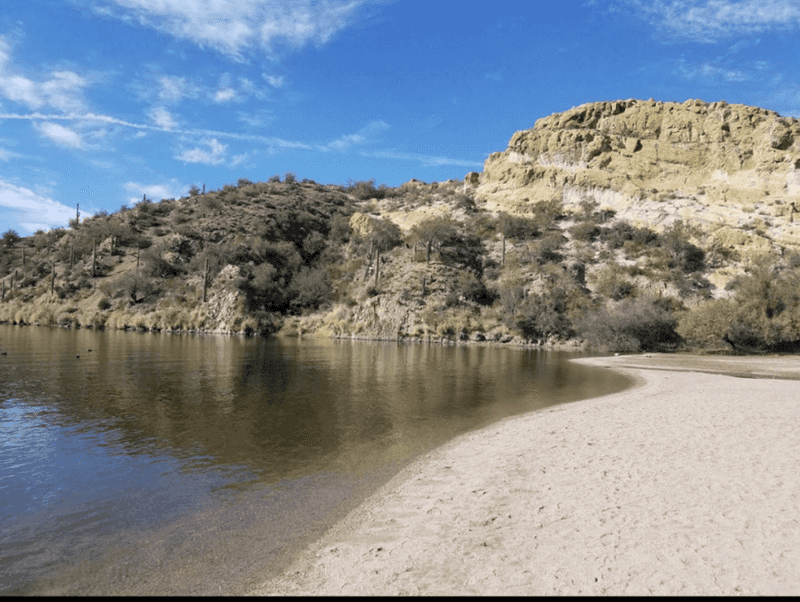
Saguaro Lake is one of those places that earns its reputation every single time someone visits for the first time. Butcher Jones Day Use Area serves as the main access point for walkers and beach lovers, offering a gently sloping sandy beach that eases right into the lake’s clear water.
The surrounding canyon walls, studded with saguaro cacti, create a backdrop that looks almost too dramatic to be real.
A nature trail winds along the shoreline from the day-use area, giving hikers a peaceful route with consistent lake views and plenty of spots to stop and take in the scenery. The trail is relatively flat near the water, making it accessible for most fitness levels.
Kayakers and paddleboarders frequently launch from the beach, adding movement and color to the scene. Located about 40 miles northeast of Phoenix in the Tonto National Forest, Butcher Jones is one of the most rewarding desert shoreline experiences in the entire state.
8. Canyon Lake Recreation Area, Tonto National Forest
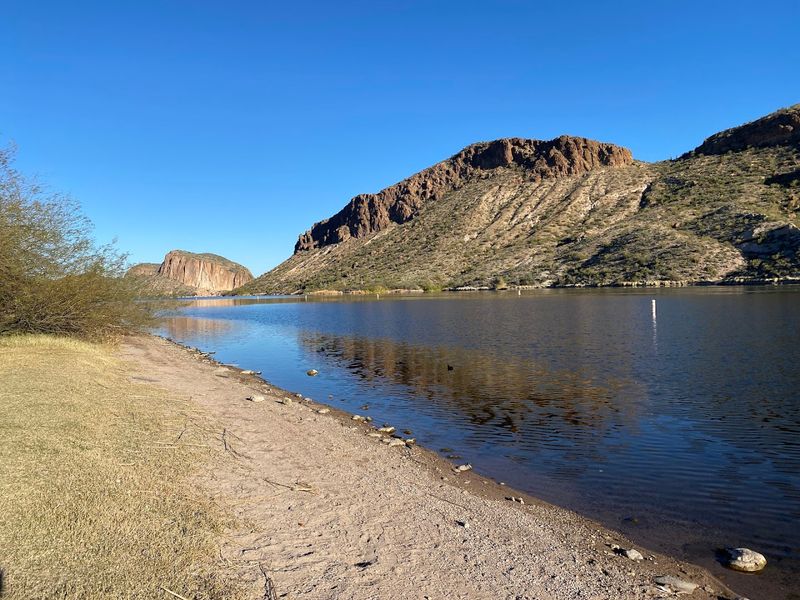
Canyon Lake sits at the end of one of Arizona’s most scenic drives, the Apache Trail, and the red-rock shoreline it reveals at journey’s end is absolutely worth the winding road it takes to get there.
Formed by Mormon Flat Dam on the Salt River, the lake is nestled between canyon walls that glow orange and red in afternoon light. The reflection of those cliffs in the water is something that sticks with you long after you leave.
Several day-use areas are scattered along the shoreline, each offering picnic tables, water access, and varying degrees of shade. The Boulder Recreation Site features a floating fishing pier, which is a genuine rarity in the desert Southwest and a big draw for anglers of all skill levels.
Boat tours also operate on the lake, giving non-hikers a relaxed way to take in the canyon scenery. Spring and fall are the sweet spots for visiting, when temperatures make the outdoor experience comfortable and the canyon colors are at their most vivid.
9. Watson Lake Park, Prescott
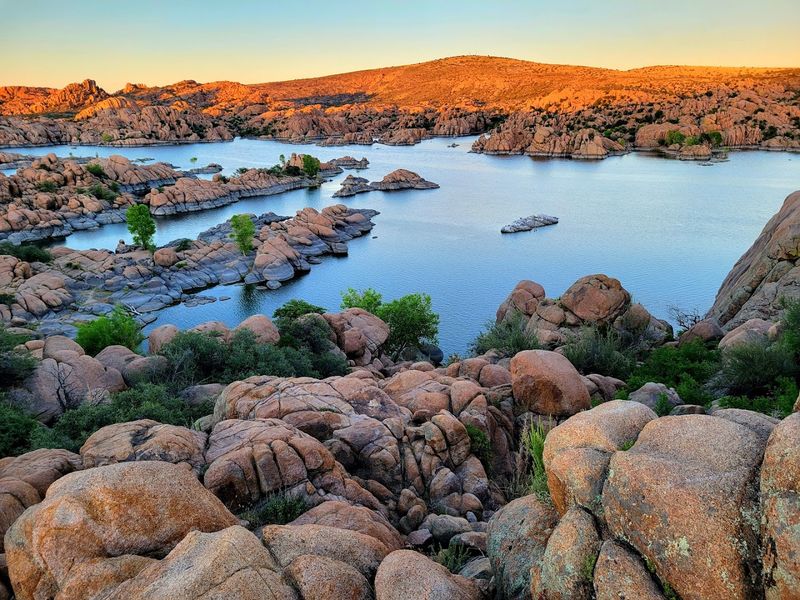
Watson Lake might be the most visually striking body of water in all of Arizona, and that is not a claim made lightly.
The Granite Dells, a collection of rounded granite boulders that look like they were stacked by some ancient giant, rise directly from the lake’s edge in Prescott, creating a shoreline unlike anything else in the state. Standing at the water’s edge here feels genuinely otherworldly.
The City of Prescott operates Watson Lake Park with a solid list of activities: kayaking, canoeing, hiking, fishing, and day picnicking are all available. Several trails wind through the boulders and along the water, rewarding hikers with constantly changing views of the lake and surrounding high-desert landscape.
The boulder scrambling opportunities are an unofficial but beloved bonus for more adventurous visitors. Prescott sits at about 5,400 feet elevation, meaning temperatures here stay noticeably cooler than the Phoenix area, making Watson Lake a particularly appealing summer destination.
10. Willow Lake Park, Prescott
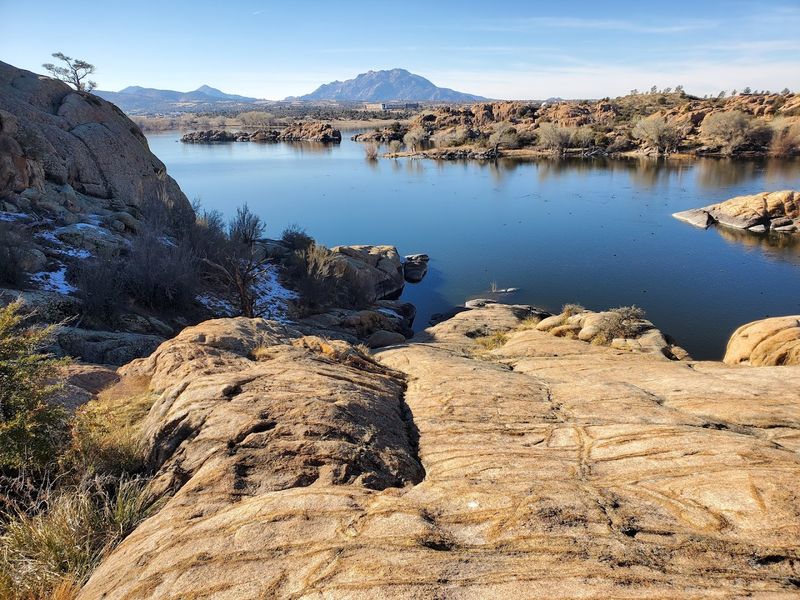
Just a couple of miles from Watson Lake, Willow Lake Park offers a quieter and more contemplative waterfront experience that feels like a well-kept local secret.
The multi-use trail circling the lake is popular with walkers, joggers, and cyclists who appreciate a route that delivers consistent water views without heavy crowds. Birding is a serious draw here, with a wide variety of species spotted throughout the year along the marshy shoreline edges.
A courtesy dock extends over the water, giving anglers and photographers a slightly elevated vantage point over the lake surface. Picnic ramadas are spread around the park and tend to stay comfortably shaded during morning hours.
Swimming is not permitted at Willow Lake, so the atmosphere skews peaceful and unhurried compared to some of the busier recreation spots nearby.
If Watson Lake is the dramatic headliner, Willow Lake is the thoughtful supporting act that many visitors end up liking just as much by the time they head home.
11. Lynx Lake Recreation Area, Prescott National Forest
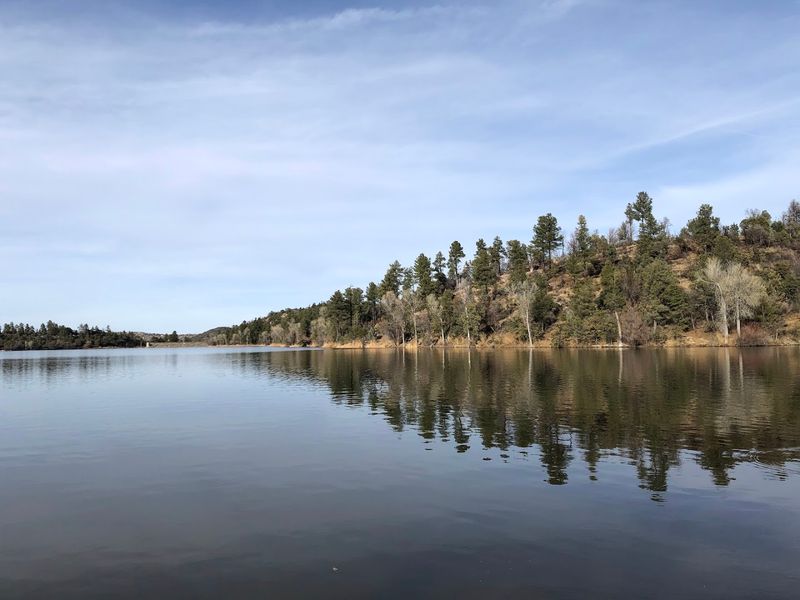
In the ponderosa pines of the Prescott National Forest at around 5,500 feet elevation, Lynx Lake feels like a completely different Arizona than the one most people imagine.
The cool, forested atmosphere here is a genuine relief during summer months, and the lake itself is small enough to feel intimate without ever feeling crowded. Local families and outdoor enthusiasts from Prescott treat this place like a neighborhood treasure.
Fishing, boating, hiking, and picnicking are all available, and shoreline camping options let visitors extend a day trip into a full overnight adventure. The trail system around the lake winds through tall pines and offers occasional water views that feel almost like something from the Pacific Northwest.
Boat rentals are available seasonally, making it easy to get out on the water without hauling your own gear. Lynx Lake is proof that Arizona’s high country can deliver a lush, peaceful lake experience that has nothing to do with desert heat or red rock scenery.
12. Patagonia Lake State Park, Patagonia
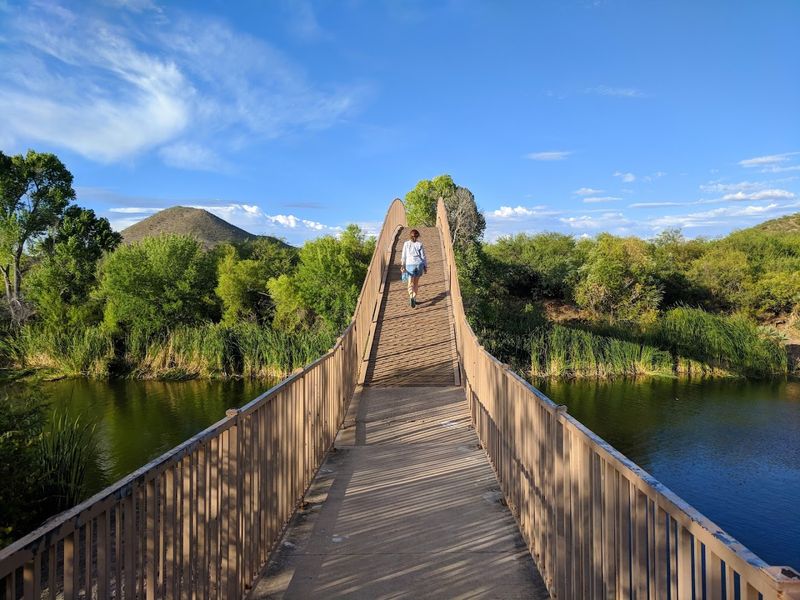
Way down in the southern corner of Arizona, not far from the Mexican border near Nogales, Patagonia Lake State Park sits in rolling grassland hills that look nothing like the rest of the state.
The lake stretches across about 265 surface acres and is fed by Sonoita Creek, which also provides one of the most rewarding birding creek trails in all of Arizona. This region is considered one of the top birding destinations in North America, and the park trail along the creek backs that reputation up completely.
A sandy beach, picnic area, boat ramps, and a marina round out the amenities, giving the park a laid-back resort feel at a state park price. Shoreline wildlife viewing is particularly rewarding here, with herons, kingfishers, and a rotating cast of migratory species making regular appearances.
Patagonia Lake is the kind of destination that inspires people to plan a return trip before they have even finished the first one.
13. Yuma Crossing Riverfront Trail System, Yuma
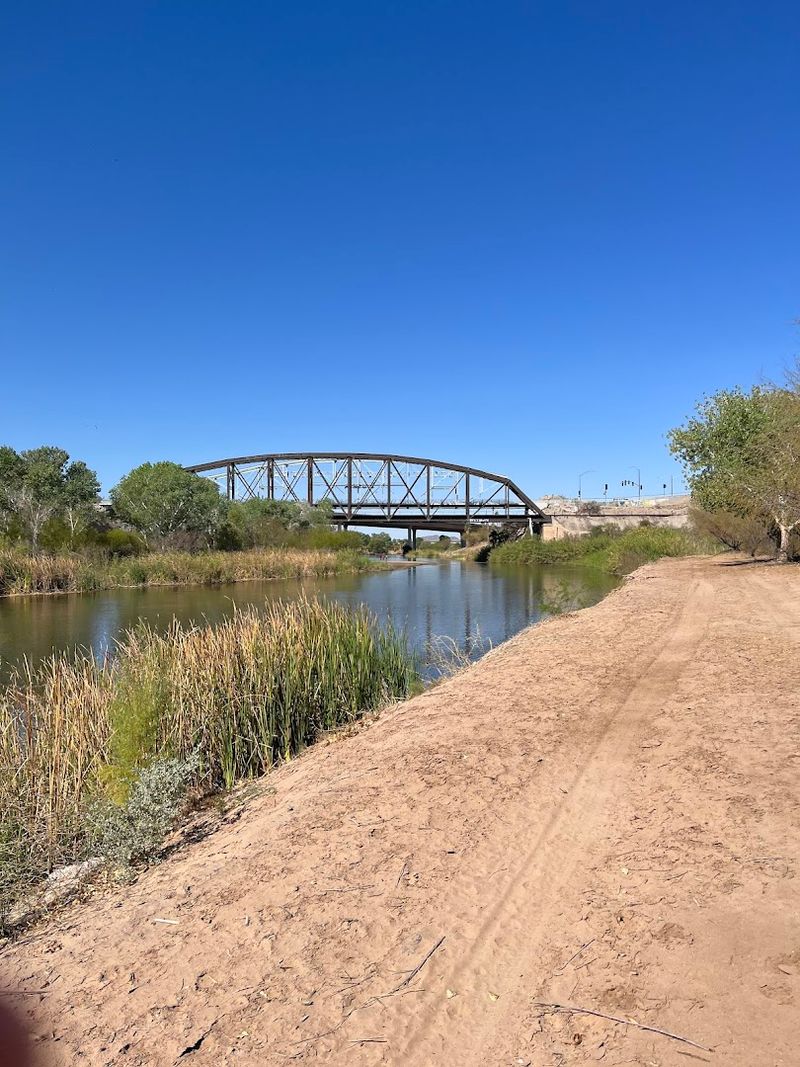
At the far southwestern corner of Arizona, where the Colorado River still moves with real purpose, the Yuma Crossing Riverfront Trail System brings together history, nature, and accessible outdoor recreation in a way that few other spots on this list can match.
The trails run through the Yuma Crossing National Heritage Area, a place where the river has shaped human settlement for thousands of years. Walking here means walking alongside that entire layered story.
Restored wetlands along the trail support a surprising amount of wildlife for such an arid region, with migratory birds using the riparian corridor as a critical stopover. The Colorado River adds a sense of scale and movement that feels energizing rather than overwhelming.
Interpretive signs along the route explain the area’s history as a critical crossing point during westward expansion.
Yuma averages over 300 sunny days a year, making the riverfront trail a genuinely year-round destination and a strong reason to finally put this often-overlooked city on your Arizona travel list.