
13 Ohio Glass, Pottery, And Craft Heritage Stops Worth Exploring In 2026
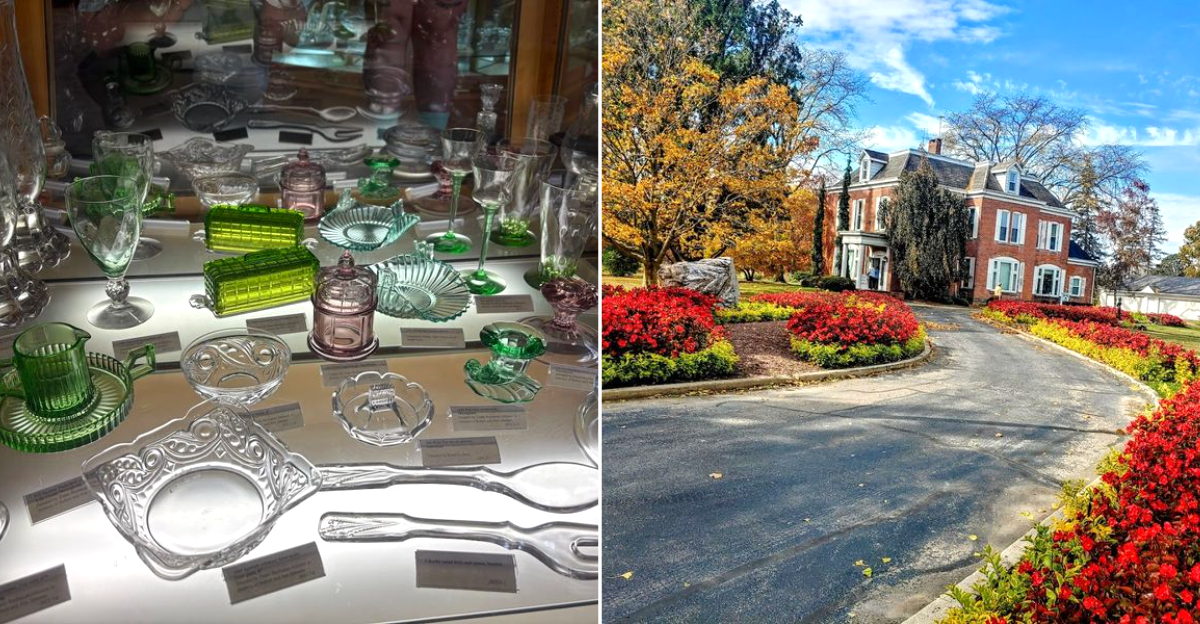
Ohio’s craft history has a way of sneaking up on you.
You stop somewhere thinking, “Sure, I’ll look at a few pretty pieces,” and five minutes later you are fully invested in glass furnaces, pottery patterns, and the dramatic inner life of a hand-painted plate.
Who knew clay and glass could have this much personality?
These 13 Ohio stops make the state’s creative heritage feel surprisingly alive, with enough color, skill, and handmade charm to turn a simple road trip into a very tasteful little treasure hunt.
1. Ohio Glass Museum And Glass Blowing Studio, Lancaster
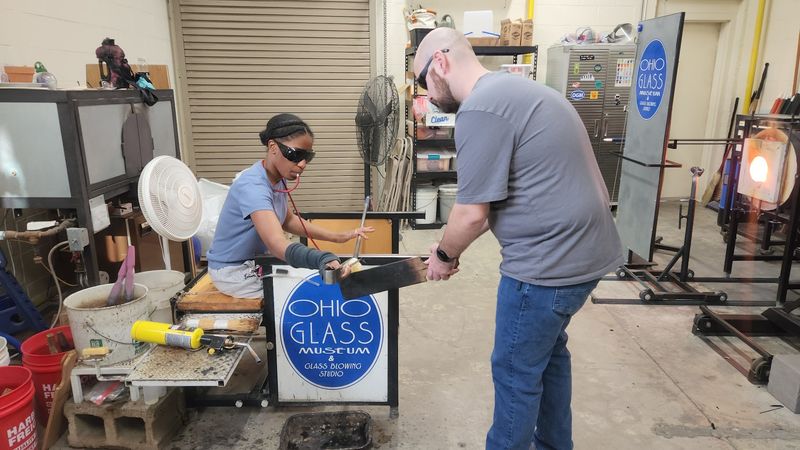
Few experiences match watching molten glass transform into something beautiful right before your eyes.
The Ohio Glass Museum and Glass Blowing Studio in Lancaster, Ohio, is one of those rare places where history and live craft come together in a way that feels genuinely exciting.
The museum side of the building traces Lancaster’s deep roots as a major American glass-producing city, with displays covering everything from early pressed glass to decorative art pieces.
But the real draw is the working studio, where you can watch skilled artisans shape glowing molten glass using traditional tools and techniques.
Demonstrations happen regularly, and the staff is happy to explain what each step involves, making it easy for first-timers to follow along.
If you want to go beyond watching, hands-on classes are available for beginners who want to try glassblowing themselves.
The gift shop carries original pieces made right on-site, so anything you bring home has a genuine story attached to it. Lancaster rewards curious visitors.
2. Museum Of Ceramics, East Liverpool
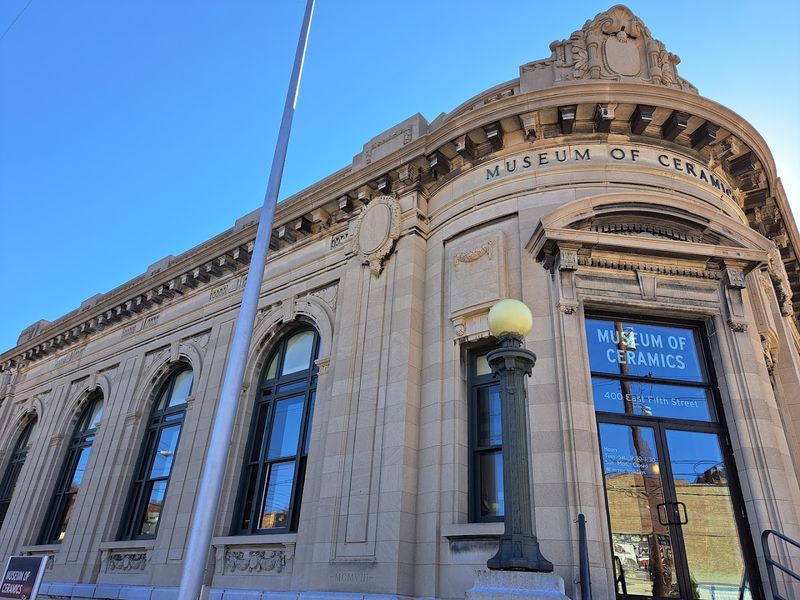
East Liverpool once produced more pottery than almost any other city in the United States. Exactly, the Museum of Ceramics exists to make sure that legacy is never forgotten.
Located at 400 E 5th St, the museum sits inside a beautifully preserved building that itself feels like a piece of history.
Inside, the collection covers the full arc of American ceramics production, from early utilitarian stoneware to the refined decorative pieces that made East Liverpool famous in the late 1800s and early 1900s.
Highlights include rare examples of Lotus Ware, a delicate porcelain that collectors genuinely treasure, along with detailed exhibits explaining how the local clay industry shaped the entire region’s economy and culture.
The curators have done a thoughtful job of presenting technical information in a way that feels approachable rather than overwhelming.
Plan at least ninety minutes here, because the depth of the collection tends to pull visitors in longer than expected.
East Liverpool’s ceramic story is one worth sitting with.
3. Ohio Craft Museum, Columbus
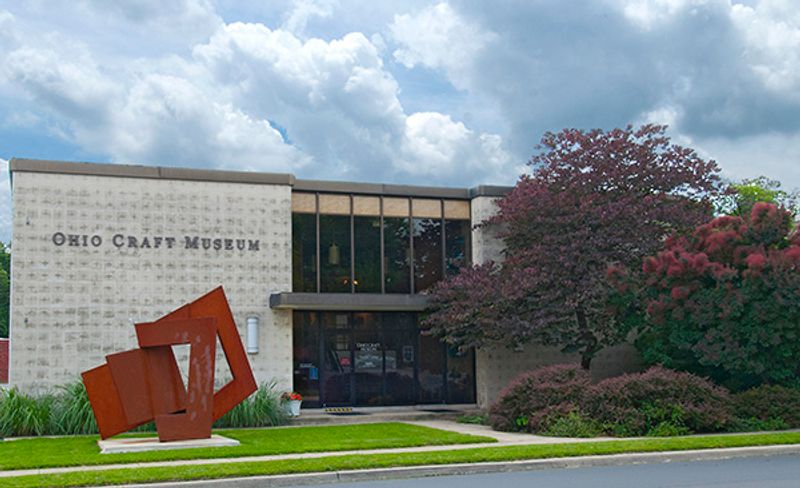
Columbus keeps a lot of creative surprises up its sleeve, and the Ohio Craft Museum at 1665 W 5th Ave is one of the best of them.
This museum focuses specifically on contemporary craft made by Ohio artists, covering media that range from fiber and wood to ceramics, glass, and mixed materials.
Unlike museums that lean heavily on historical artifacts, this space feels alive and current, with rotating exhibitions that regularly bring in fresh work.
The permanent collection showcases the impressive range of what Ohio craftspeople are producing today, and the quality consistently impresses even seasoned art lovers.
Programming throughout the year includes artist talks, workshops, and community events that make the museum feel like an active creative hub rather than just a display space.
If you are traveling with kids, the hands-on activity areas give younger visitors a chance to engage with the work in a tangible way.
Columbus is full of cultural stops, but this one earns its place near the top of the list.
4. Glass Heritage Gallery, Fostoria
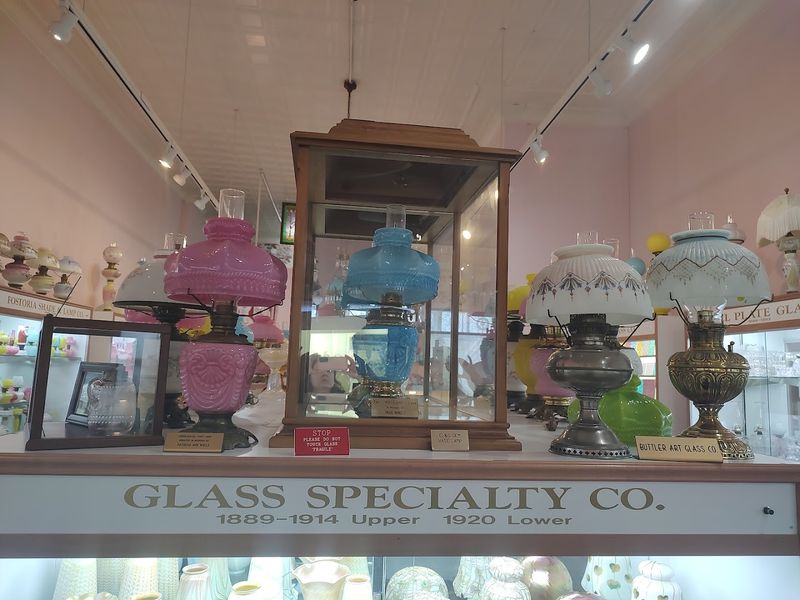
Fostoria, Ohio, may be a small town, but its connection to American glassmaking is anything but modest.
The Glass Heritage Gallery at 109 N Main St tells the story of Fostoria’s glass industry, preserving glass and lamps produced in the city by multiple companies from the late 1800s into the early 1900s.
The Fostoria Glass Company began in Fostoria in 1887 before moving to Moundsville, West Virginia, in 1891, but the name and reputation remained closely tied to the town where it started.
The collection here is genuinely impressive, featuring pieces that help visitors understand how important glassmaking once was to the local economy and identity.
What makes this gallery especially worthwhile is the level of detail in the exhibits, which explain not just what the glass looks like but how it was made and why certain patterns became so popular.
Fostoria glass has a devoted collector community, and if you fall into that category, this stop will feel like a pilgrimage.
Even casual visitors tend to leave with a new appreciation for the artistry involved in American glassware. Fostoria earns every mile of the drive.
5. The Clay Center Of Ohio, Roseville
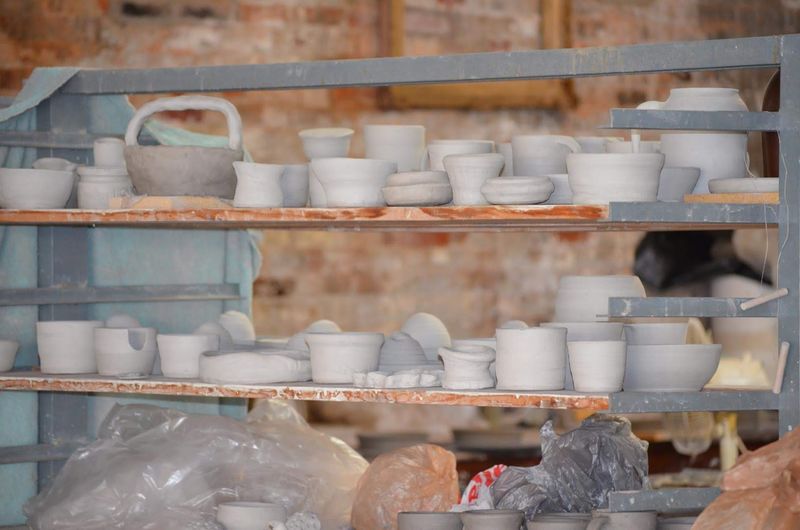
Roseville sits in the heart of Ohio’s historic pottery country, and The Clay Center of Ohio at 7327 Ceramic Road NE puts you right at the center of that tradition.
The facility functions as a museum and learning center, preserving the legacy of pottery made in the Crooksville and Roseville area and across southeastern Ohio.
Visitors can learn about the region’s clay heritage through exhibits that include early functional ware, art pottery, and more contemporary manufactured pieces.
The surrounding area, often tied to Ohio’s pottery heritage, adds an extra layer of context to the visit, since the landscape itself was shaped by the clay industry for well over a century.
Hours can vary and the pottery museum is generally best planned by calling ahead or arranging a visit in advance, so this is not the kind of stop to treat as a casual drop-in without checking first.
The staff and local supporters bring genuine passion to sharing the history and craft of Ohio pottery.
Roseville is the kind of place that quietly gets under your skin.
6. Decorative Arts Center Of Ohio, Lancaster
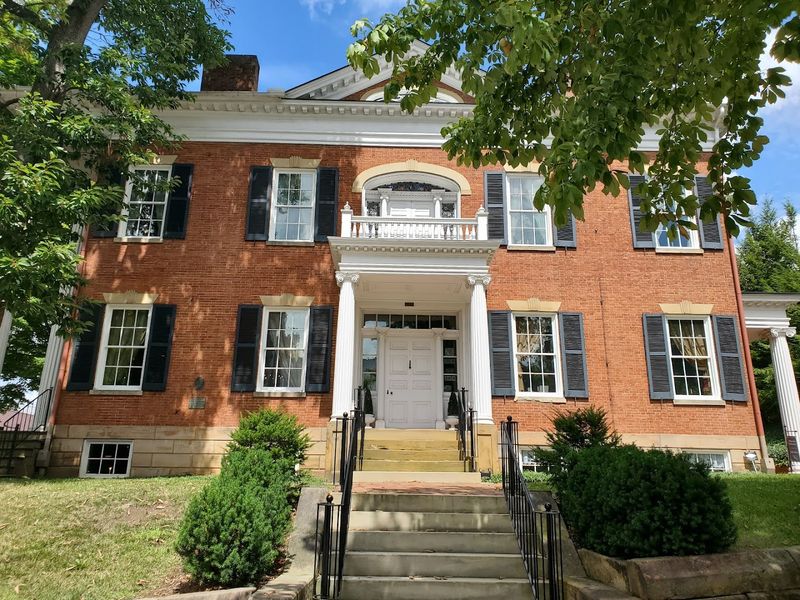
Lancaster, Ohio, is doing something genuinely special by housing two distinct craft destinations within the same city.
The Decorative Arts Center of Ohio at 145 E Main St is the second reason to spend a full day there.
The center is located inside a stunning historic mansion, and the building itself is worth seeing before you even look at a single exhibit.
Programming focuses on the decorative arts broadly, including ceramics, glass, textiles, furniture, and jewelry, presented through rotating exhibitions that draw from both historical and contemporary collections.
The curatorial approach here is thoughtful and educational without ever feeling dry, with exhibit labels that give genuine context without overwhelming the viewer.
Special events, lectures, and guided tours are offered throughout the year, giving repeat visitors a reason to come back regularly.
The center also maintains strong ties to the local arts community, which means the programming reflects what Ohio artists are actually doing right now.
Lancaster rewards those who linger.
7. National Heisey Glass Museum, Newark
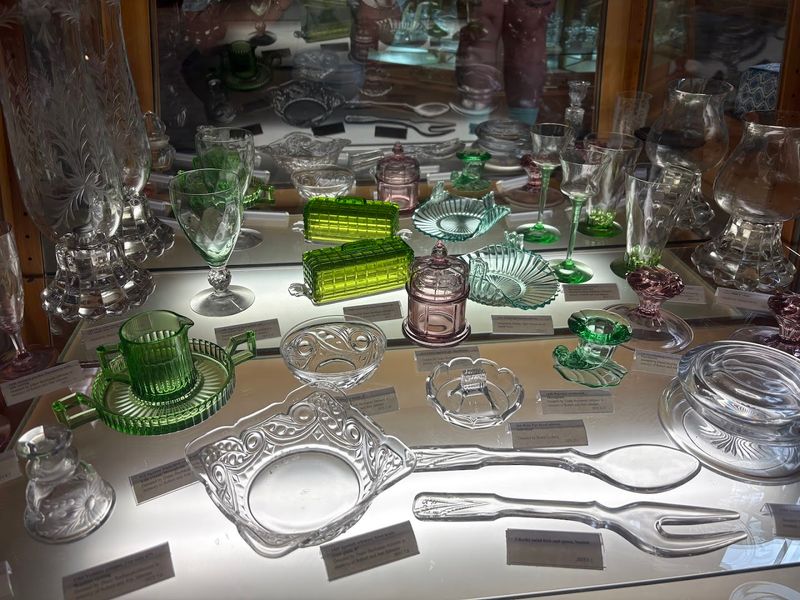
Newark, Ohio, holds a very specific kind of magic for glass lovers, and the National Heisey Glass Museum at 169 W Church St is the reason why.
The A.H. Heisey and Company operated in Newark from 1896 to 1957, producing hand-crafted crystal glass that became famous for its clarity, brilliance, and beautifully detailed patterns.
The museum preserves over five thousand pieces of Heisey glass, making it the most comprehensive collection of this particular manufacturer’s work anywhere in the world.
Standout pieces include the beloved Heisey animal figurines, which have developed a devoted collector following that stretches across the country.
The exhibits are organized clearly and accessibly, so even visitors who arrive knowing nothing about Heisey leave with a solid understanding of why the brand matters.
An annual Heisey Glass Show and Sale draws collectors from across the region each spring, turning Newark into a lively gathering point for enthusiasts.
This museum rewards both the seasoned collector and the genuinely curious newcomer equally well.
8. Museum Of American Porcelain Art, South Euclid
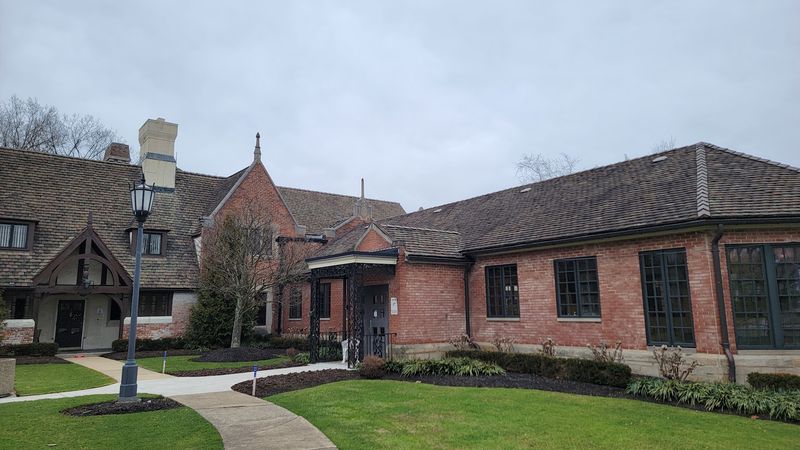
Not many people realize that American porcelain art has its own dedicated museum, but South Euclid, Ohio, is exactly where you will find it.
The Museum of American Porcelain Art at 4645 Mayfield Road focuses on American porcelain artists and studios, with special attention to makers such as Edward Marshall Boehm, Boleslaw Cybis, Laszlo Ispanky, Carl Irving Burgues, and the Bronn Studio.
The collection includes finely detailed porcelain pieces that show how the medium moved beyond everyday tableware into serious decorative and sculptural art.
The level of detail in many of the pieces is genuinely stunning, with figures, flowers, birds, and other subjects rendered with remarkable delicacy.
The museum also maintains educational materials related to the history of the craft, making it a valuable resource for researchers and serious collectors.
Visit times are limited, so checking ahead before you go is strongly recommended.
South Euclid offers a quietly extraordinary experience that most Ohio visitors completely miss.
9. Millersburg Glass Museum, Millersburg
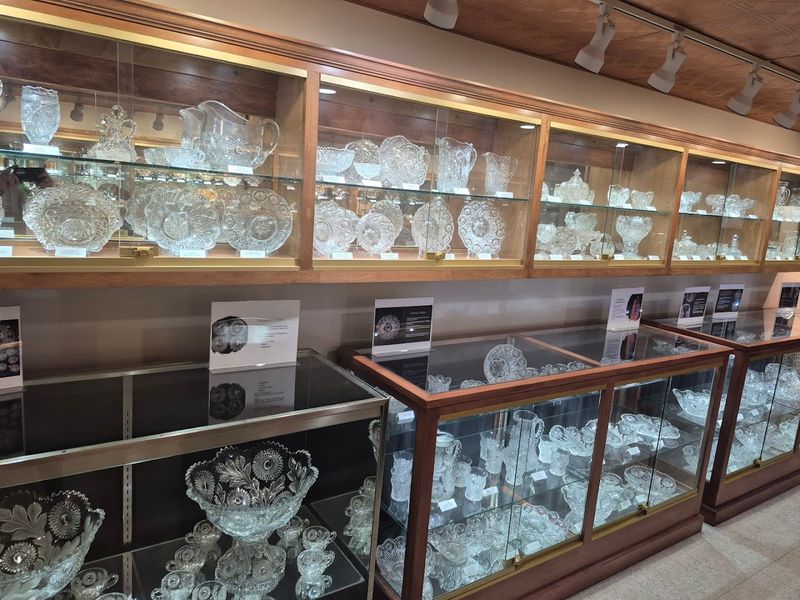
Carnival glass collectors have a special term for the iridescent pressed glass produced in Millersburg, Ohio, between 1909 and 1912, and that term is simply “the best.”
The Millersburg Glass Museum at 484 Wooster Road celebrates this short but brilliant chapter in American glass history with a collection that highlights Millersburg carnival and crystal glass from those few extraordinary years.
Millersburg glass is known for its exceptionally deep iridescence and its complex mold patterns, qualities that set it apart from other carnival glass manufacturers of the same era.
The museum does an excellent job of explaining why such a brief production period produced work of such lasting significance, and the exhibits are arranged to highlight the subtle differences between patterns and colors that collectors obsess over.
Historic displays and carefully lit cases add depth to the story, helping visitors understand why Millersburg glass continues to fascinate collectors.
For carnival glass enthusiasts, this stop is absolutely non-negotiable. Millersburg punches well above its small-town weight.
10. Packer Creek Pottery, Genoa
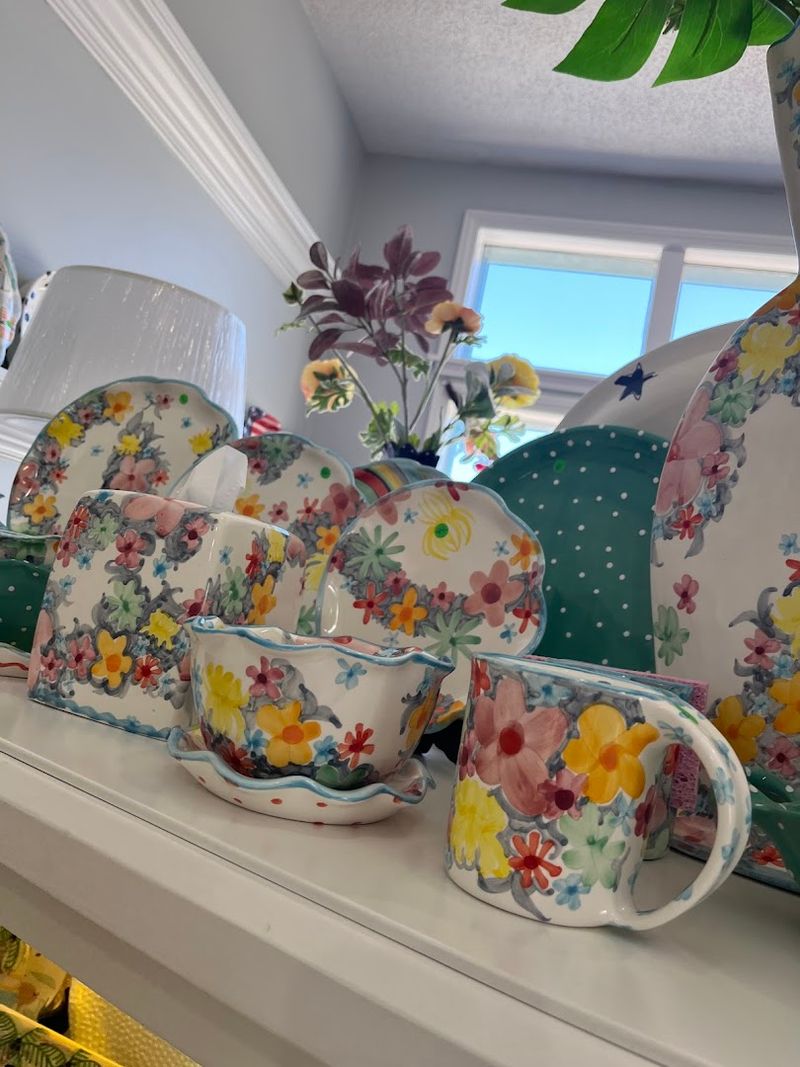
Genoa, Ohio, is not usually the first place people think of when they plan a craft heritage road trip. However, Packer Creek Pottery at 103 E 8th Street makes a strong case for adding it to the itinerary.
This working pottery studio combines a functional production space with a retail gallery where visitors can browse and purchase handmade stoneware directly from the makers.
The work produced here leans toward functional pieces, including mugs, bowls, plates, and vases, all made with a sensibility that balances everyday usability with genuine artistic quality.
Watching the potters work gives you a real appreciation for how much skill goes into producing consistent, beautiful results from raw clay.
The atmosphere is relaxed and welcoming, with staff who are genuinely happy to talk about their process and the choices behind each piece.
Purchasing directly from a working studio means your money supports the artists themselves, which adds a satisfying dimension to the shopping experience.
Packer Creek Pottery is a low-key stop with a high-quality payoff.
11. Blair Museum Of Lithophanes, Elmore
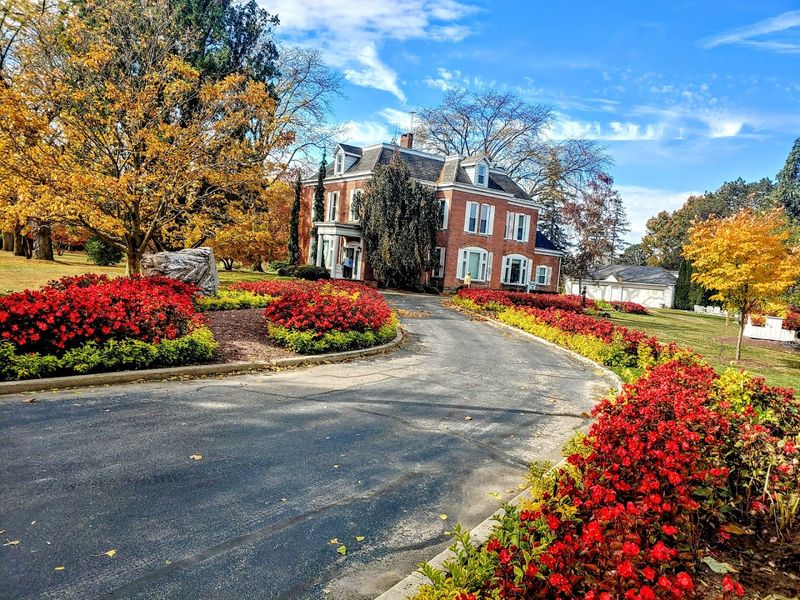
Lithophanes are one of those art forms that most people have never heard of. Then they see one backlit and immediately want to know everything about them.
The Blair Museum of Lithophanes at 19255 W Portage River South Road in Elmore, Ohio, holds one of the largest and most significant collections of these translucent porcelain panels in the world.
A lithophane is a piece of thin porcelain molded with varying thickness so that when light shines through it, a detailed image appears with remarkable depth and tonal range.
The collection includes more than 2,300 unique pieces, making it a genuinely world-class resource for anyone interested in this unusual medium.
The museum itself has a wonderfully intimate atmosphere, and the effect of seeing dozens of backlit lithophanes glowing in a darkened room is visually unforgettable.
The museum generally follows the seasonal hours of Schedel Arboretum & Gardens, so checking current dates and hours before making the trip is strongly recommended.
Elmore delivers one of the most genuinely unique craft experiences available anywhere in the Midwest.
12. The Works: Ohio Center For History, Art And Technology, Newark
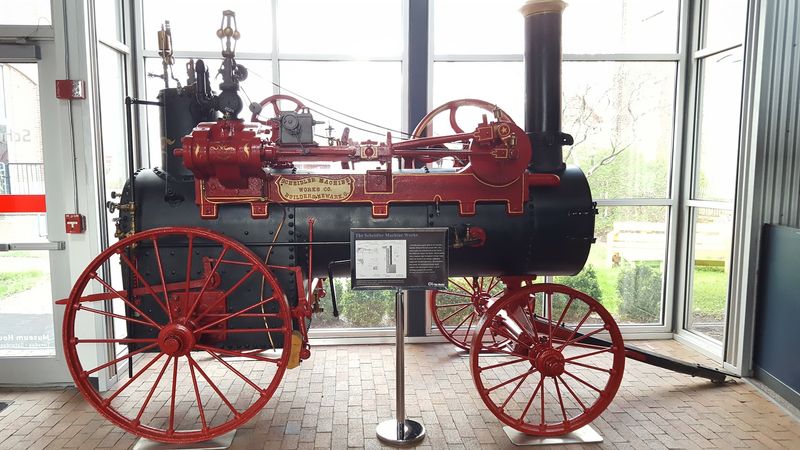
Newark, Ohio, earns a second spot on this list because The Works at 55 S 1st Street offers something genuinely different from any other stop on the itinerary.
This expansive center blends history, art, and hands-on science in a way that makes it a natural fit for families while still offering plenty of substance for adult visitors traveling solo or in groups.
The glass-related programming is a major highlight, with live glassblowing demonstrations that give visitors a front-row seat to the transformation of raw materials into finished art objects.
Beyond glass, the center covers Ohio’s broader industrial and cultural heritage through interactive exhibits that manage to be genuinely engaging rather than just educational in a dry textbook sense.
The facility is large and well-organized, with enough variety that different members of a travel group can each find something that holds their attention.
Special events and seasonal programming keep the calendar interesting throughout the year.
The Works earns its reputation as one of Newark’s most rewarding cultural destinations, full stop.
13. Zanesville Museum Of Art, Zanesville
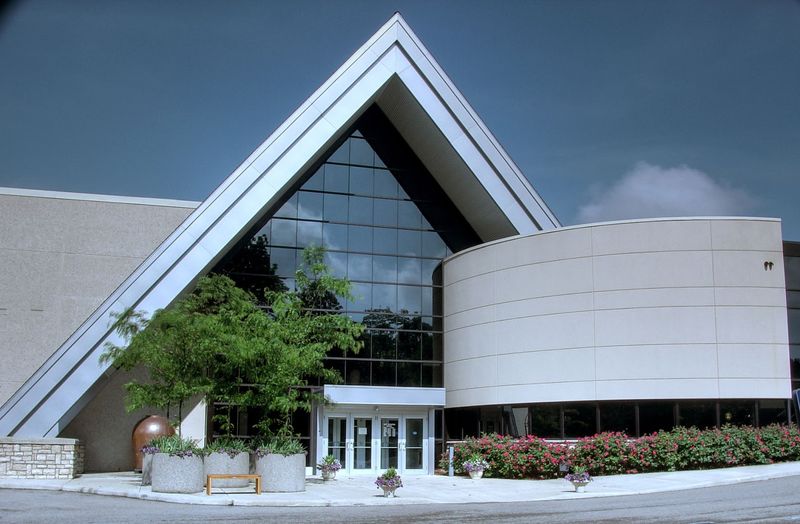
Zanesville has been connected to pottery and decorative arts for so long that the city itself became a regional shorthand for American ceramic heritage.
The Zanesville Museum of Art at 620 Military Road honors that identity with genuine depth.
The museum’s permanent collection includes an outstanding selection of Ohio-made pottery and decorative arts, with particular strength in pieces from the many potteries that once operated in and around the Zanesville area.
Weller, Roseville, and McCoy pottery all have roots in this region, and seeing representative examples in a well-curated museum context helps explain why these names still carry so much weight among collectors today.
The museum also maintains a strong fine art collection, which gives the decorative arts holdings an interesting broader context rather than presenting them in isolation.
Temporary exhibitions rotate regularly and often spotlight contemporary Ohio artists working in craft-based media.
The building itself is architecturally handsome, set in a pleasant part of the city that invites a leisurely stroll before or after your visit.
Zanesville rewards the curious traveler generously.