
13 Colorado Small Towns That Make Summer Weekends Feel Like Little Vacations
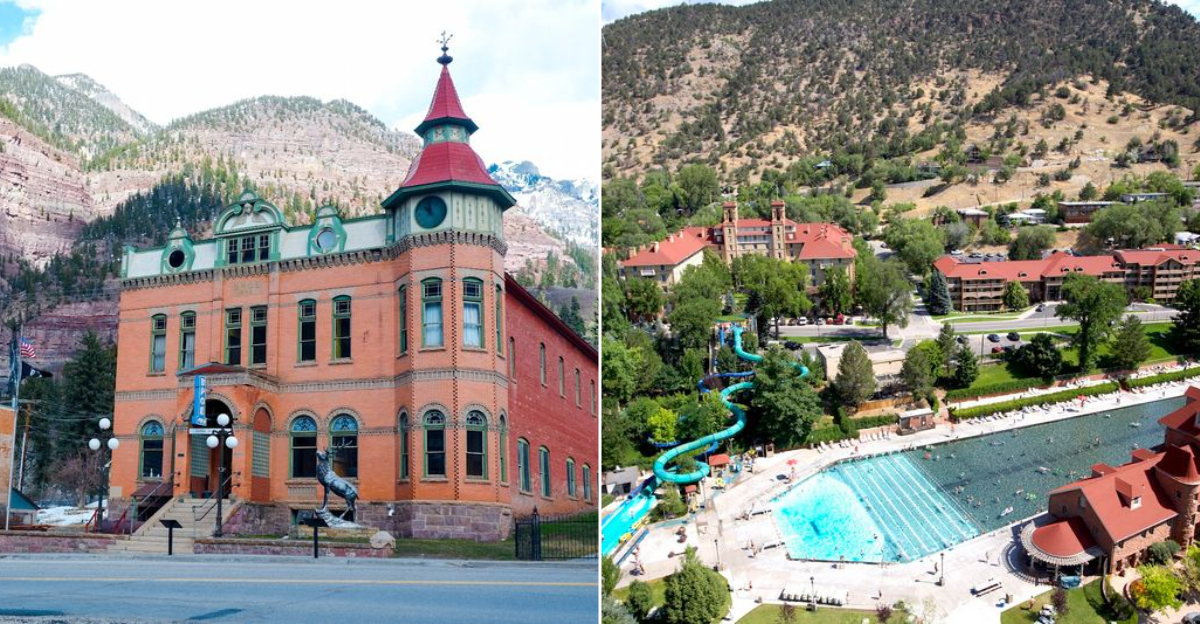
The best weekend reset is not always the one with the biggest itinerary. Sometimes it is the one where your phone loses its grip on you before your coffee even cools.
Across Colorado, the small-town escape works because it asks so little and gives back so much: slower sidewalks, mountain air, friendly storefronts, river sounds, and enough breathing room to remember what unhurried actually feels like. You do not need a full vacation to make it count.
A short drive, a flexible plan, and a town small enough to explore without checking a map can do more than another overpacked getaway. Maybe you browse a few local shops, linger over lunch, follow a quiet trail, or simply sit somewhere pretty and let the day loosen up.
By the time Colorado’s evening light settles over the roofs, the whole weekend feels like proof that rest does not need to be complicated.
1. Salida
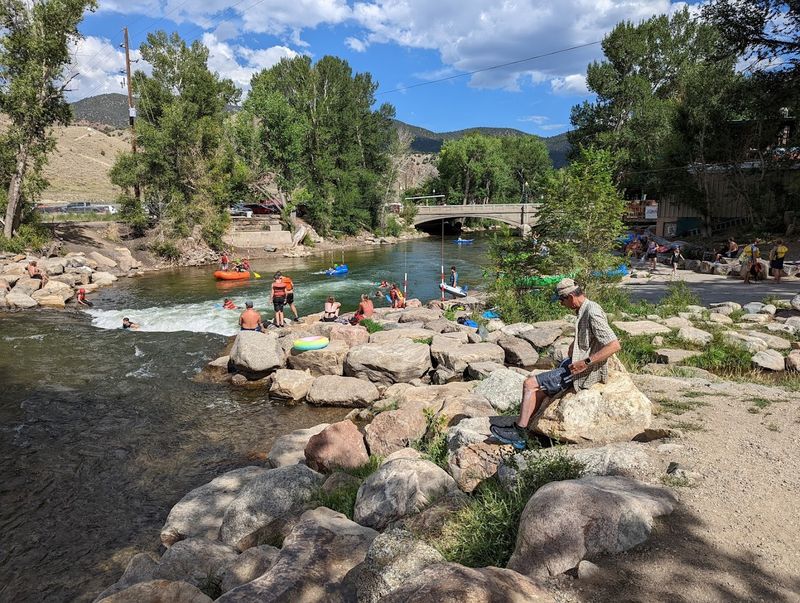
Salida earns its nickname, Heart of the Rockies, the moment you roll into town and spot the Arkansas River glittering alongside the main street. This is a place where the energy feels creative and unhurried at the same time, which is a rare combination.
Galleries, coffee shops, and boutiques line the historic downtown, and none of them feel like they’re trying too hard.
Summer here means the river is running strong, which makes it a magnet for kayakers and tubers who treat the whitewater park like a neighborhood pool. If you’d rather soak than splash, Salida Hot Springs Aquatic Center is one of the largest indoor hot springs pools in the country.
That’s not a detail most people expect from a town this size.
The surrounding mountains offer hiking trails that range from casual strolls to serious climbs, including access to several fourteeners. Pack a cooler, grab a local brew from one of the craft spots in town, and find a riverside pullout for the evening.
Salida has a way of making you feel like a local by the time Sunday rolls around, which is the highest compliment a weekend town can earn.
2. Buena Vista
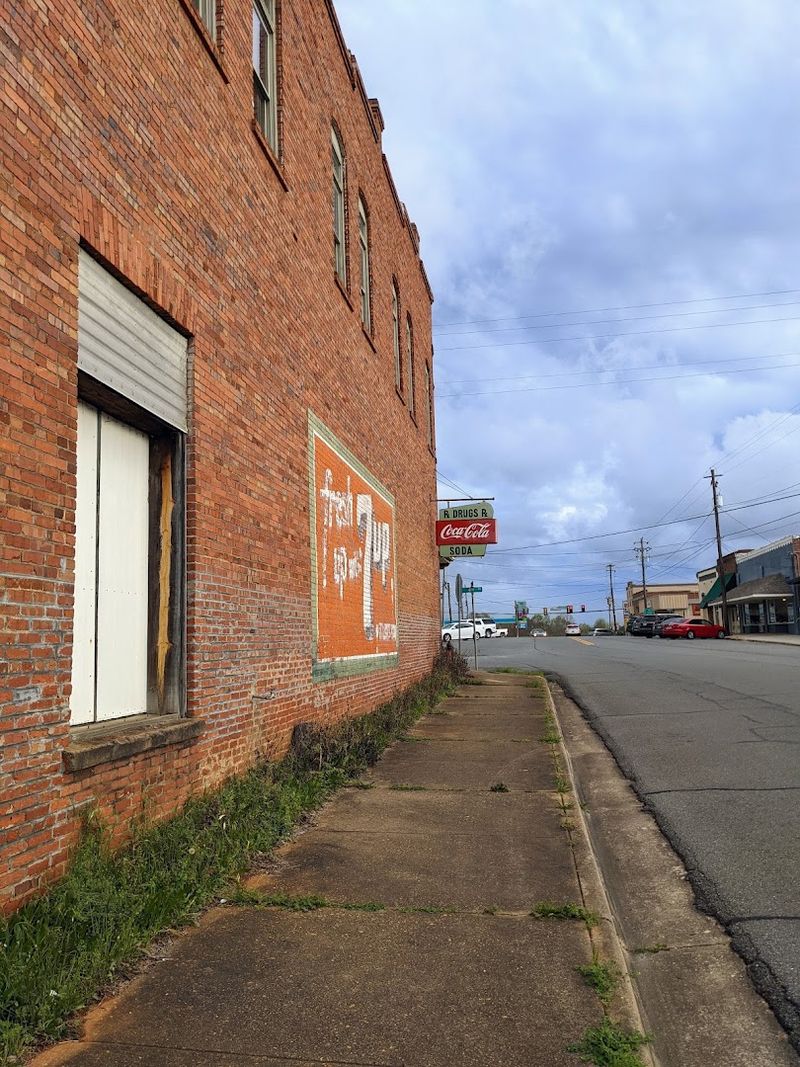
Standing in Buena Vista on a clear summer morning, with the Collegiate Peaks lined up like a postcard behind every building, you start to understand why people keep coming back. The town sits at around 8,000 feet, so the air has that clean, slightly thin quality that makes everything feel more vivid.
It’s the kind of place where a cup of coffee on a porch feels like an event.
Rafting on the Arkansas River is the signature summer activity here, and outfitters in town make it easy to book a trip even if you’ve never held a paddle. The Browns Canyon National Monument runs right through the area, giving casual hikers and serious adventurers plenty of options.
Trails fan out in every direction, and the scenery rewards every level of effort.
Downtown Buena Vista is compact and walkable, with good food, local shops, and a relaxed pace that encourages lingering. Weekend farmers markets add a neighborhood feel that bigger resort towns often lose.
My honest take: this is the Colorado mountain-town experience without the crowds or the inflated price tags. Bring the family, leave the agenda loose, and let the mountains do the heavy lifting.
3. Leadville
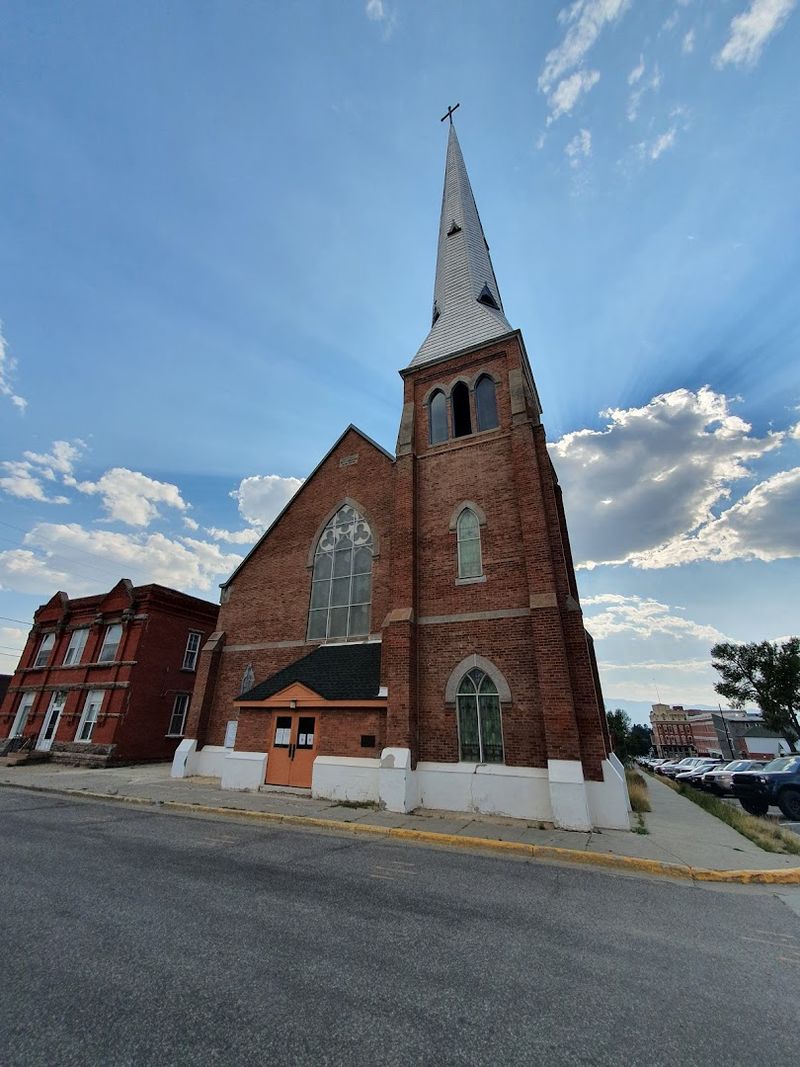
At 10,152 feet above sea level, Leadville holds the title of the highest incorporated city in the United States, and it wears that distinction with a kind of quiet swagger. The air is thinner up here, the sky looks impossibly blue, and the Victorian-era buildings along Harrison Avenue give the whole place a storybook quality.
History is not a backdrop in Leadville; it’s the main attraction.
Summer opens up access to Twin Lakes, a pair of glacially carved lakes framed by the dramatic Sawatch Range. The drive out there alone is worth the trip.
Paddleboarding, kayaking, and fishing are all popular, and the surrounding trails lead into genuinely wild country that rewards the curious traveler.
The Leadville Race Series brings athletes from around the world each summer, but the town itself remains unhurried and accessible for anyone not running a hundred miles. Mining history museums and the National Mining Hall of Fame give rainy afternoon visits a satisfying purpose.
I find Leadville oddly moving, like visiting a place that survived something hard and came out more interesting for it. Plan to spend a night if you can; the stars at this elevation are something else entirely.
4. Crested Butte
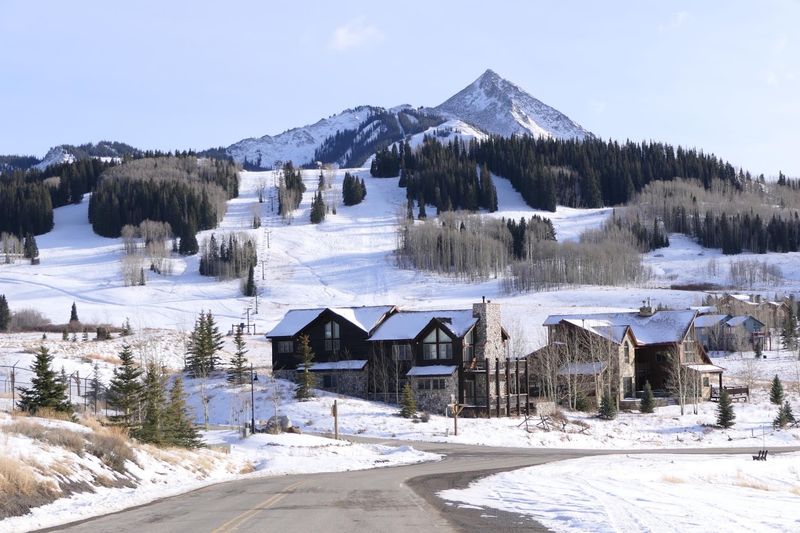
Few places in Colorado earn the title of Wildflower Capital of Colorado as honestly as Crested Butte does. Every summer, the meadows surrounding this remote mountain town explode with color in a way that feels almost theatrical.
Photographers and hikers plan entire trips around the bloom, which typically peaks in July and turns the hillsides into something that looks like a painting someone went slightly overboard on.
Elk Avenue, the main street, is a parade of painted Victorian buildings housing galleries, restaurants, and gear shops. Mountain biking trails here are legendary, drawing serious riders from across the country to trails that range from flowy beginner routes to technical descents that require full focus.
The town’s isolation, it’s a long drive from anywhere, only adds to the sense of reward when you finally arrive.
Summer festivals fill the calendar with music, art, and food events that give the weekends a festive energy without feeling overwhelming. The visitor center on Elk Avenue is a genuinely useful stop for trail maps and local recommendations.
My personal bias: Crested Butte is the kind of place that makes you reconsider your life choices in the best possible way. Go once and you’ll understand the devotion.
5. Ouray
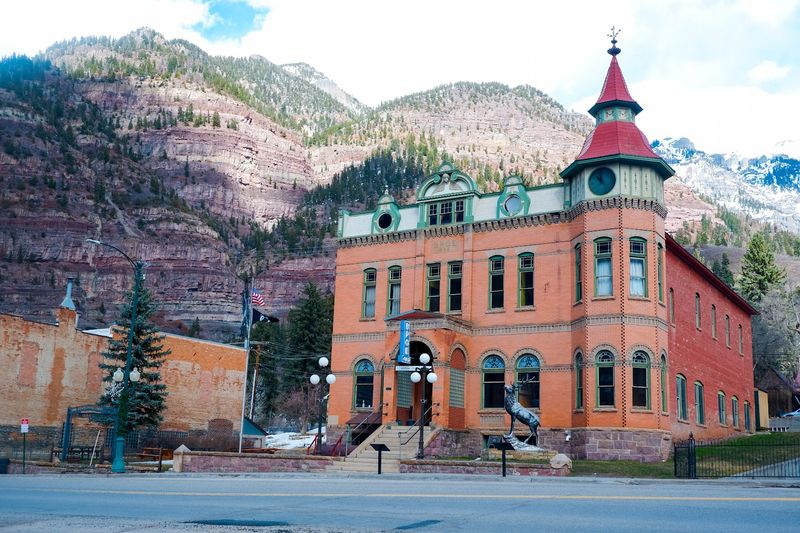
Ouray sits inside a box canyon like a secret someone forgot to keep. The peaks rise so steeply on all sides that the town feels almost theatrical, as if it were designed for maximum visual impact.
Arriving for the first time, you genuinely wonder how anyone thought to build a town here, and then you realize they had no choice because the hot springs made it irresistible.
The Ouray Hot Springs Pool is a central gathering place in summer, fed by natural geothermal water and set against a backdrop of towering cliffs. It’s the kind of soak that earns its place in the memory.
The Million Dollar Highway, which connects Ouray to Silverton, is one of the most dramatic road trips in the American West, and summer is the ideal season to drive it with the windows down.
Hiking trails radiate out of town in every direction, including routes to waterfalls and alpine lakes that reward the effort with views worth every step. The town’s Main Street has a lived-in quality that feels authentic rather than curated.
I keep returning to Ouray because it delivers the dramatic mountain experience without making you feel like you need a guide or a gear sponsor to enjoy it.
6. Telluride
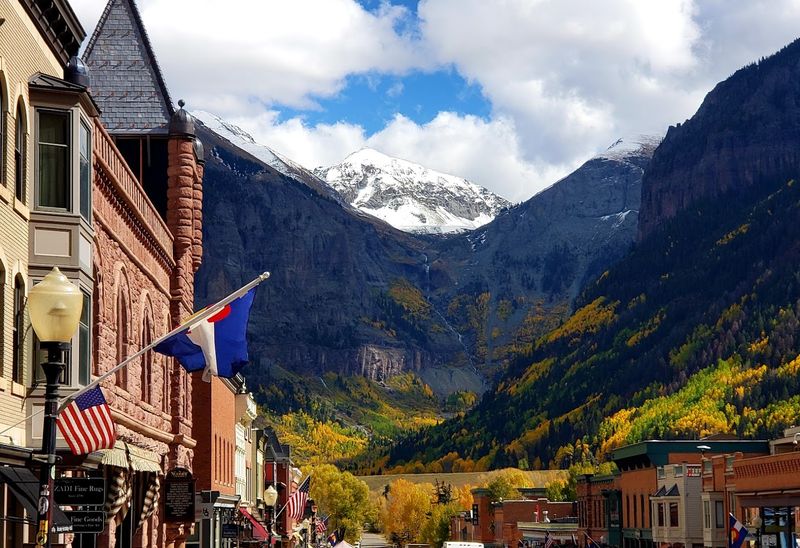
Telluride has the kind of setting that makes people stop mid-sentence just to stare. The town sits at the end of a box canyon with a 365-foot waterfall, Bridal Veil Falls, visible from almost anywhere on the main street.
It’s the sort of place where the scenery does such heavy lifting that even a mediocre cup of coffee tastes better than it has any right to.
Summer here is festival season, and the calendar fills up fast with music, film, and cultural events that draw visitors from across the country. The free gondola connecting Telluride to Mountain Village is one of the best deals in Colorado, offering aerial views of the San Juan Mountains without requiring a lift ticket or a fitness plan.
Hiking trails above town lead into genuinely spectacular terrain.
Colorado Avenue is the main commercial strip, lined with restaurants, galleries, and shops that reflect a town comfortable with its own reputation. Yes, Telluride skews upscale, but the trails are free, the gondola is free, and the scenery charges nothing.
My advice: come for a festival weekend, walk the whole town in an afternoon, and take the gondola at golden hour. That’s a summer memory that costs less than you’d expect.
7. Grand Lake
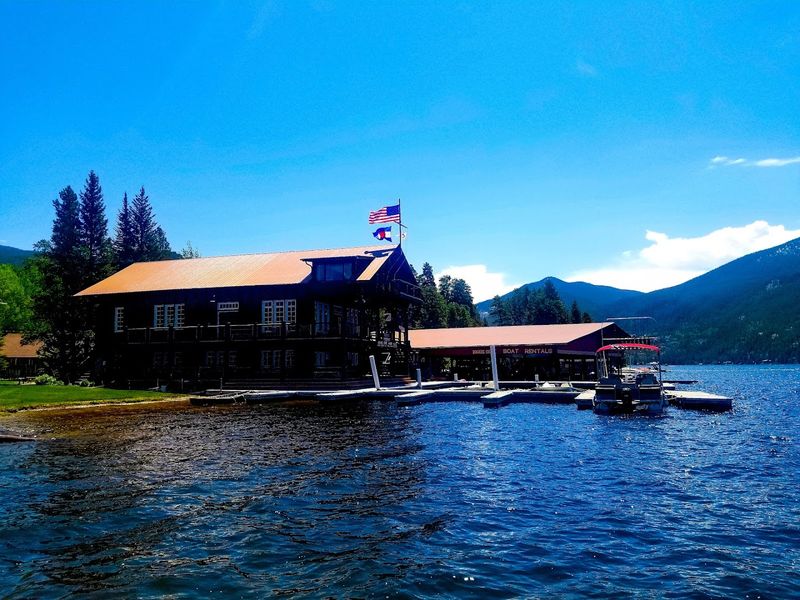
Grand Lake has a boardwalk, a namesake lake, and a back door into Rocky Mountain National Park, which is a combination that should be on more people’s summer radar. The town sits at the western entrance to the park, making it a quieter and often less crowded alternative to Estes Park on the eastern side.
That geographic advantage alone is worth the drive for anyone who finds the eastern entrance overwhelming in peak season.
The lake itself is Colorado’s largest natural body of water, and in summer it fills with sailboats, kayaks, and paddleboards. The waterfront boardwalk is lined with shops, restaurants, and ice cream spots that make for easy, relaxed browsing.
Families tend to gravitate here because the pace is manageable and the scenery is immediately impressive without requiring any physical effort to reach.
Wildlife sightings near the park entrance are common, and moose in particular have a habit of showing up near the water in ways that make everyone reach for their phones simultaneously. The surrounding forests offer excellent hiking and mountain biking.
I think Grand Lake is one of Colorado’s most underappreciated summer towns, precisely because it lacks the marketing budget of its flashier neighbors. That restraint is exactly what makes it so good.
8. Estes Park
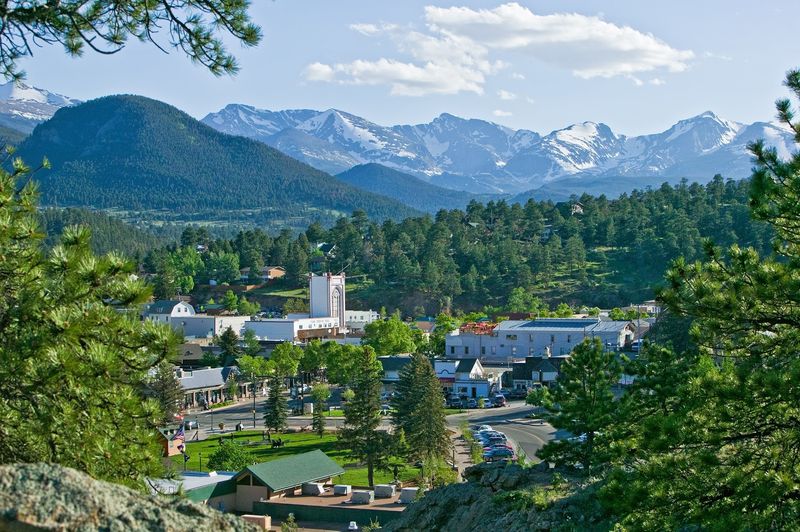
Estes Park is the kind of town that greets you with elk in the median and mountains filling every gap between buildings. It sits at the eastern gateway to Rocky Mountain National Park, which means the scenery starts before you even park the car.
The town has been welcoming visitors for well over a century, and it has the confident, well-practiced hospitality of a place that knows exactly what it’s doing.
The Fall River runs right through the downtown area, and the riverwalk gives families a pleasant route between shops and restaurants without crossing a single parking lot. Taffy shops, fudge counters, and gear outfitters share space along Elkhorn Avenue in a mix that somehow works.
Timed entry permits are required for Rocky Mountain National Park in summer, so booking those in advance is the single most important piece of logistical advice anyone can give you.
Hiking options range from short paved loops accessible to strollers to serious alpine climbs that require an early start and solid boots. The Stanley Hotel, which inspired Stephen King’s The Shining, offers tours for those who enjoy their history with a side of unease.
Estes Park rewards both the planner and the wanderer, which is a balance not every gateway town manages to strike.
9. Manitou Springs
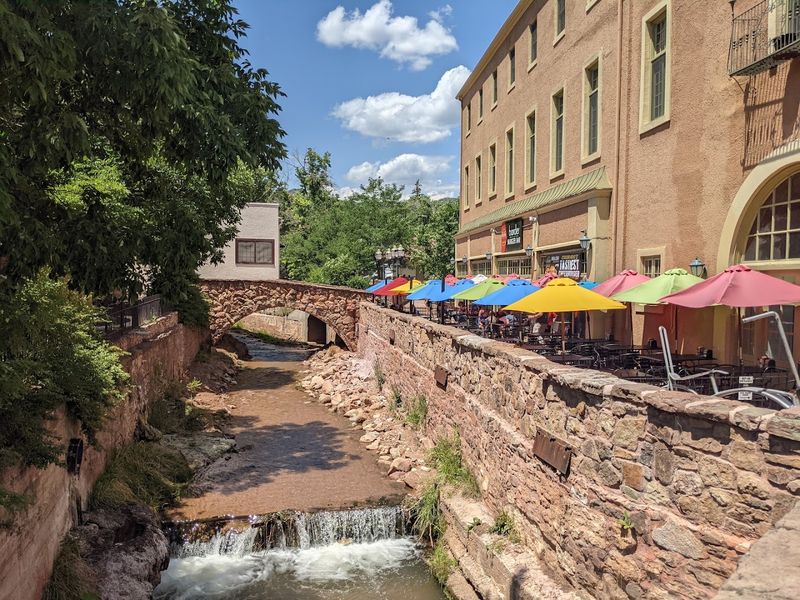
Manitou Springs operates on its own frequency. The town sits just west of Colorado Springs and has cultivated a personality that is equal parts quirky art colony, mineral spring spa, and mountain gateway.
Walking Manitou Avenue feels like flipping through a very interesting magazine, with vintage shops, crystal stores, local breweries, and mineral spring fountains all competing for your attention within a few walkable blocks.
The natural mineral springs scattered through town are free to try, and each one has a slightly different mineral composition and flavor profile. Some taste pleasantly earthy; others taste like something you’d use to clean a drain.
Both experiences are worth having. The Incline, a former cog railway grade that climbs nearly 2,000 feet in under a mile, is a punishing and popular hike that rewards the summit with views of the entire Front Range.
Pikes Peak looms over everything here, accessible by cog railway or by driving the summit road, both of which deliver one of the great high-altitude experiences in Colorado. The town’s Halloween and arts festivals have developed loyal followings over the years.
Manitou Springs is genuinely unlike anywhere else in the state, and that distinctiveness is its greatest selling point for a summer weekend that breaks the usual mold.
10. Glenwood Springs
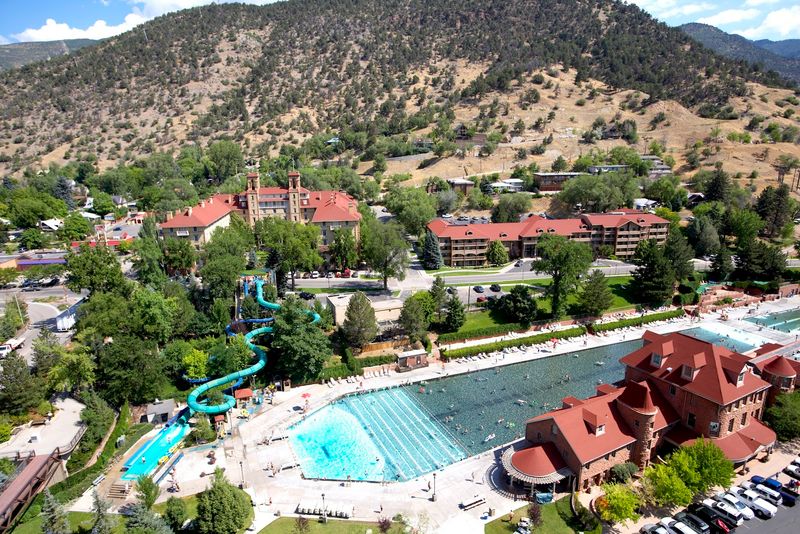
Glenwood Springs has one of the most dramatic settings of any town in Colorado, wedged into Glenwood Canyon where the Colorado River carves through walls of red and grey rock. The drive in on I-70 is itself a preview of the scenery, and arriving in town feels like landing somewhere that geography has already done the decorating.
The Glenwood Hot Springs Pool, one of the largest outdoor hot springs in the world, anchors the summer experience here.
Beyond the pool, the Colorado River offers tubing and rafting that range from lazy floats to genuine whitewater, depending on how adventurous the group is feeling.
Glenwood Caverns Adventure Park sits atop Iron Mountain and combines cave tours with amusement rides, which is an unusual pairing that somehow makes complete sense once you’re up there looking down at the canyon.
Downtown Grand Avenue has a walkable, unpretentious quality with good restaurants, local shops, and the easy confidence of a town that doesn’t need to oversell itself. The Hanging Lake trailhead, one of Colorado’s most photographed destinations, is located nearby, though a permit system manages the crowds.
Glenwood Springs is the kind of town that fits a family trip, a couples weekend, or a solo detour with equal comfort and zero awkwardness.
11. Steamboat Springs
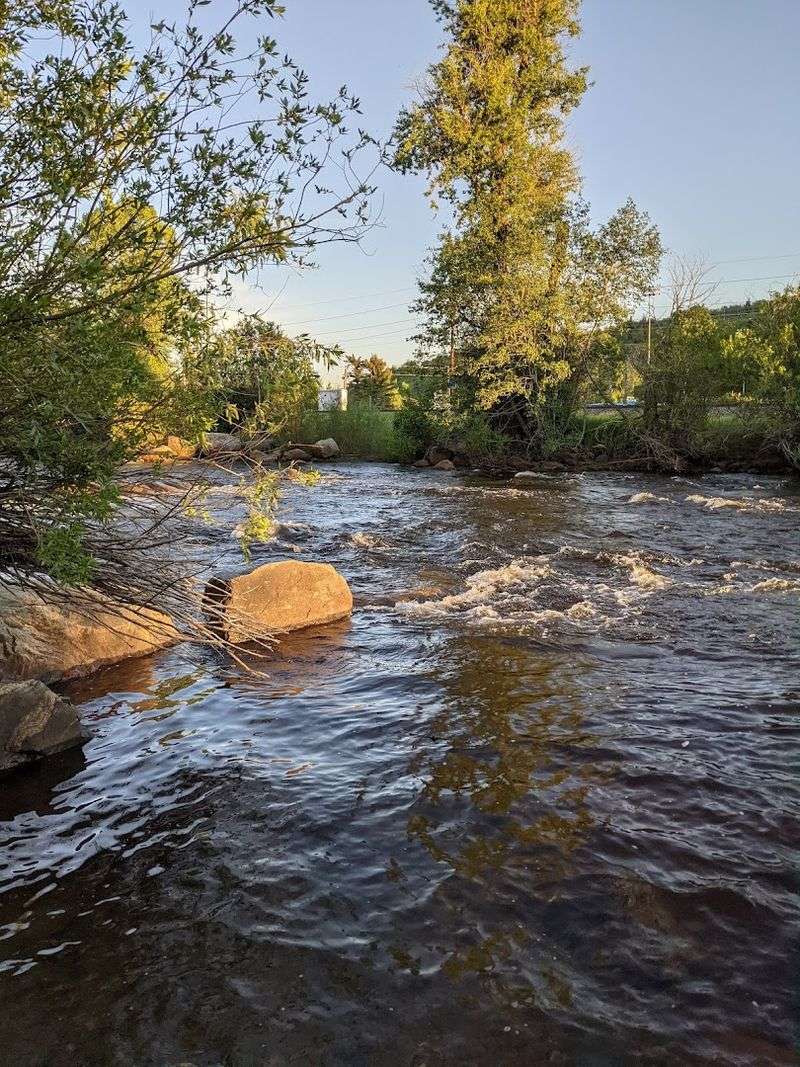
Steamboat Springs has a different personality from the rest of Colorado’s mountain towns, and that difference is part of its appeal. The ranching heritage here is real, not decorative, and the western character of Lincoln Avenue feels earned rather than performed.
Summer strips away the ski season crowds and reveals a town that is genuinely comfortable in its warm-weather identity.
The Yampa River runs through town and is the social center of summer life. River tubing is a beloved local tradition, with outfitters renting tubes and shuttling floaters back to their starting point with cheerful efficiency.
The surrounding Routt National Forest opens up hundreds of miles of hiking and mountain biking trails, including the iconic Fish Creek Falls trail that rewards a moderate uphill walk with a spectacular waterfall.
Strawberry Park Natural Hot Springs, a few miles outside of town, offers a more rustic and atmospheric soaking experience than typical resort pools. The springs sit beside a cold mountain stream, and the contrast between the two temperatures is both shocking and deeply satisfying.
Steamboat’s dining scene has grown impressively in recent years, with options ranging from casual riverside spots to more polished farm-to-table fare. This is a town that rewards a full weekend rather than a rushed day trip.
12. Georgetown
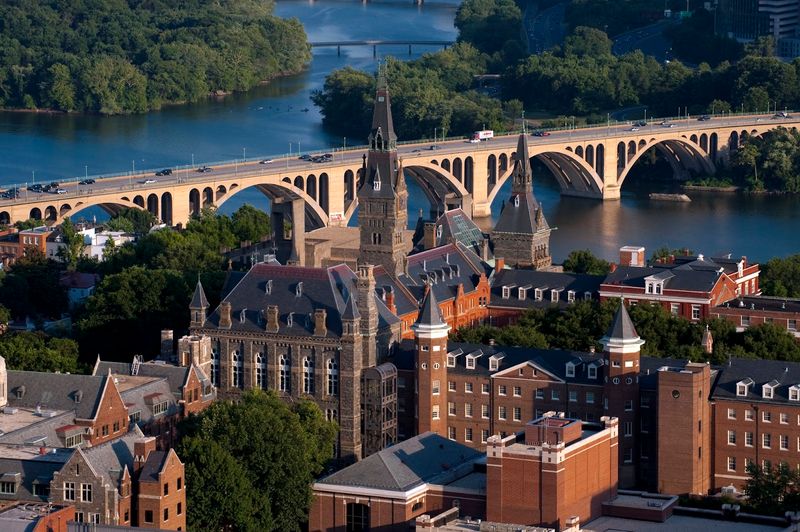
Georgetown sits about an hour west of Denver on I-70, making it one of the most accessible mountain escapes on the Front Range. The town is small enough to walk completely in an afternoon, but the Victorian architecture along its historic streets packs in more visual interest per block than most towns three times its size.
Silver mining money built Georgetown in the 1870s, and enough of that era survives to make the place feel genuinely historical rather than reconstructed.
Clear Creek runs cold and fast through the valley below town, and the surrounding mountains provide a dramatic frame that makes even a casual stroll feel like an event.
The Georgetown Loop Railroad, a narrow-gauge historic railway, offers scenic excursions that are particularly popular with families and anyone who appreciates the engineering ambition of the original builders.
Summer weekends bring antique shops, local events, and a relaxed browsing culture that rewards the unhurried visitor. Georgetown is not trying to compete with the bigger resort towns, and that restraint gives it a character those places sometimes lack.
My honest assessment: this is the ideal first Colorado mountain town for someone new to the state, close enough for a half-day trip but rewarding enough to justify a full one. Pack a picnic and stay longer than you planned.
13. Silverton
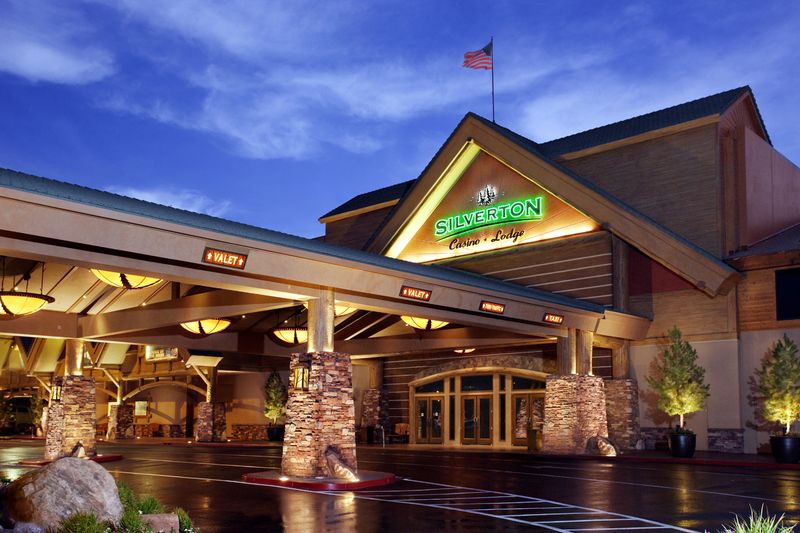
Silverton is the kind of town that makes you check your phone to confirm you’re still in the 21st century. Surrounded on all sides by the jagged peaks of the San Juan Mountains, this former silver mining settlement sits at nearly 9,300 feet and has the weathered, unpolished character of a place that survived on stubbornness as much as silver.
Greene Street is the main artery, lined with historic storefronts that look like they’re waiting for a film crew to arrive.
The Durango and Silverton Narrow Gauge Railroad is the signature arrival experience, a coal-fired steam train that winds through the Animas River Gorge for about 45 miles. Arriving in Silverton by train rather than car is one of those travel experiences that actually lives up to the anticipation.
The journey alone justifies the trip before you’ve even stepped onto the platform.
Summer adventure here runs from Jeep tours on the surrounding mountain passes to hiking trails that access some of the most remote and beautiful terrain in Colorado. The town’s mining heritage is preserved in local museums and visible in the landscape itself.
Silverton rewards travelers who appreciate authenticity over polish, and who don’t mind that the nearest chain restaurant is a very long drive away. That distance is not a drawback; it’s the point.