
11 Arizona Rail Trails And Historic Railroad Routes Every Cyclist Should Ride In 2026
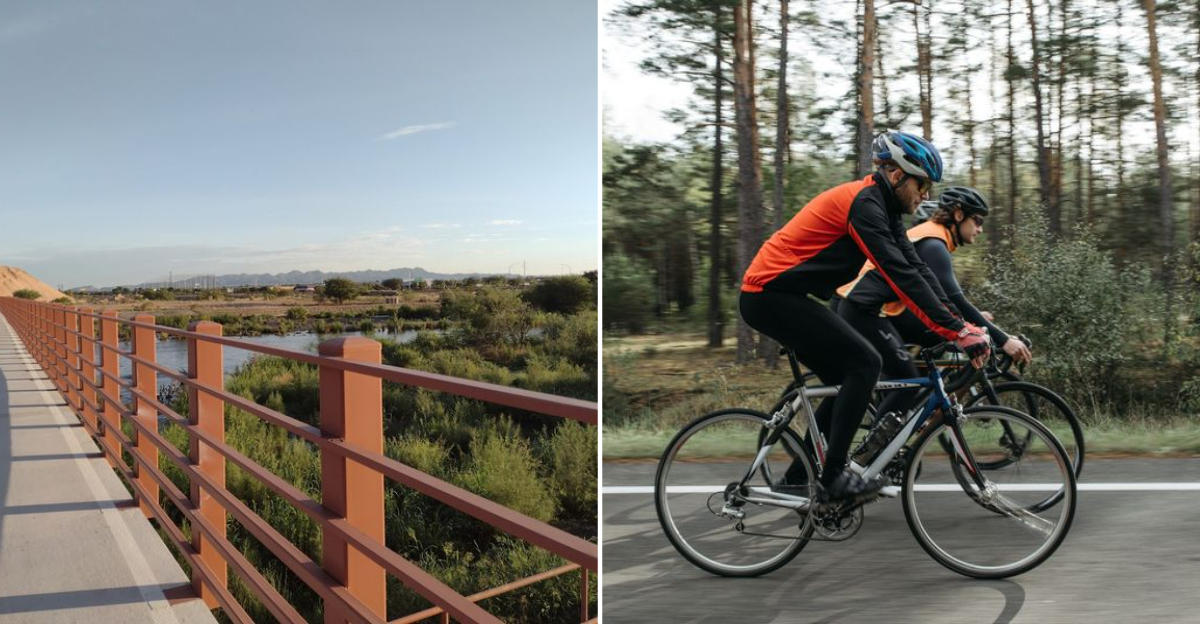
Most people spend their weekends scrolling through screens, but savvy cyclists know the real magic happens on the gravel roads winding through the heart of Arizona.
There is a distinct, rhythmic beauty to riding along paths where whistles used to blow and coal smoke filled the air. These days, the only sounds you’ll hear are the crunch of desert terrain beneath your tires and the heavy thud of your own heart during a particularly steep climb.
It’s a rugged, breathtaking way to experience the state’s heritage without having to pay for a museum ticket or deal with a grumpy tour guide. From sun-drenched vistas to rocky relics of the past, these eleven rail trails are the ultimate bucket list for anyone who believes that the best view is always from the saddle.
1. Peavine National Recreation Trail, Prescott
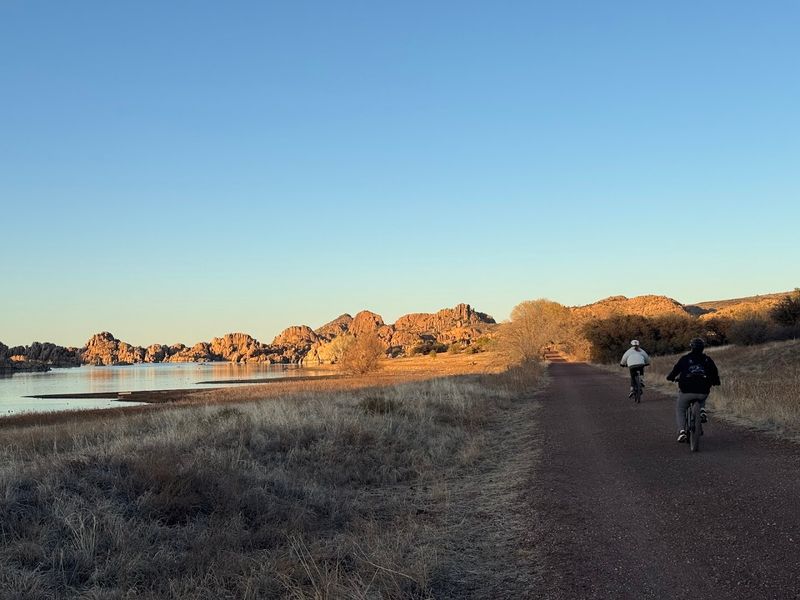
Few trails in Arizona earn as many repeat visitors as the Peavine National Recreation Trail near Prescott, and the reason becomes obvious the moment you roll into the Granite Dells. This former Santa Fe Railway grade stretches roughly 10 miles of hard-packed gravel, making it accessible for most fitness levels.
The boulders here are ancient and enormous, stacked in ways that look almost too dramatic to be real. Watson Lake sits along the route and offers a perfect rest stop with reflective water views that reward any rider who pauses long enough to look up.
The trail is shared with hikers and equestrians, so a friendly bell or a polite heads-up goes a long way. Early morning rides tend to be cooler and quieter, with better light for photos. Pack plenty of water because shade is limited.
This trail is a genuine Arizona classic that holds up every single time you ride it. The changing light across the Granite Dells makes every visit feel slightly different.
2. Iron King Trail, Prescott
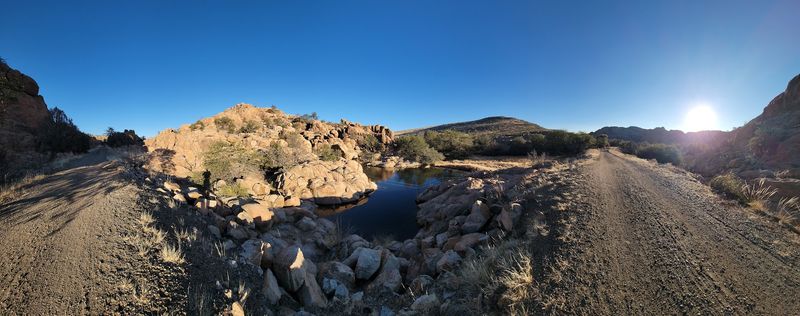
Connecting seamlessly with the Peavine Trail, the Iron King Trail gives cyclists a rare opportunity to string together a long and satisfying ride through northern Arizona’s high desert without ever having to double back.
This former rail corridor runs about 7 miles and stays relatively flat, which makes it a strong choice for families or riders who prefer steady pedaling over technical climbing. The landscape here is open and quiet, with juniper and scrub oak lining the path.
Because the Iron King Trail follows an actual historical railroad bed, the grade stays gentle throughout, a feature that former railways are famous for. Connecting the two Prescott trails gives you close to 17 miles of riding in one outing.
Local cyclists often use this as a warm-up stretch before tackling more demanding terrain nearby. Bring a light jacket for morning rides since Prescott sits at nearly 5,400 feet and temperatures can surprise you.
The trail’s peaceful setting makes it easy to slow down and appreciate the surrounding landscape. It’s a simple but rewarding ride that showcases the quieter side of Prescott’s outdoor scenery.
3. Prescott Circle Trail, Prescott
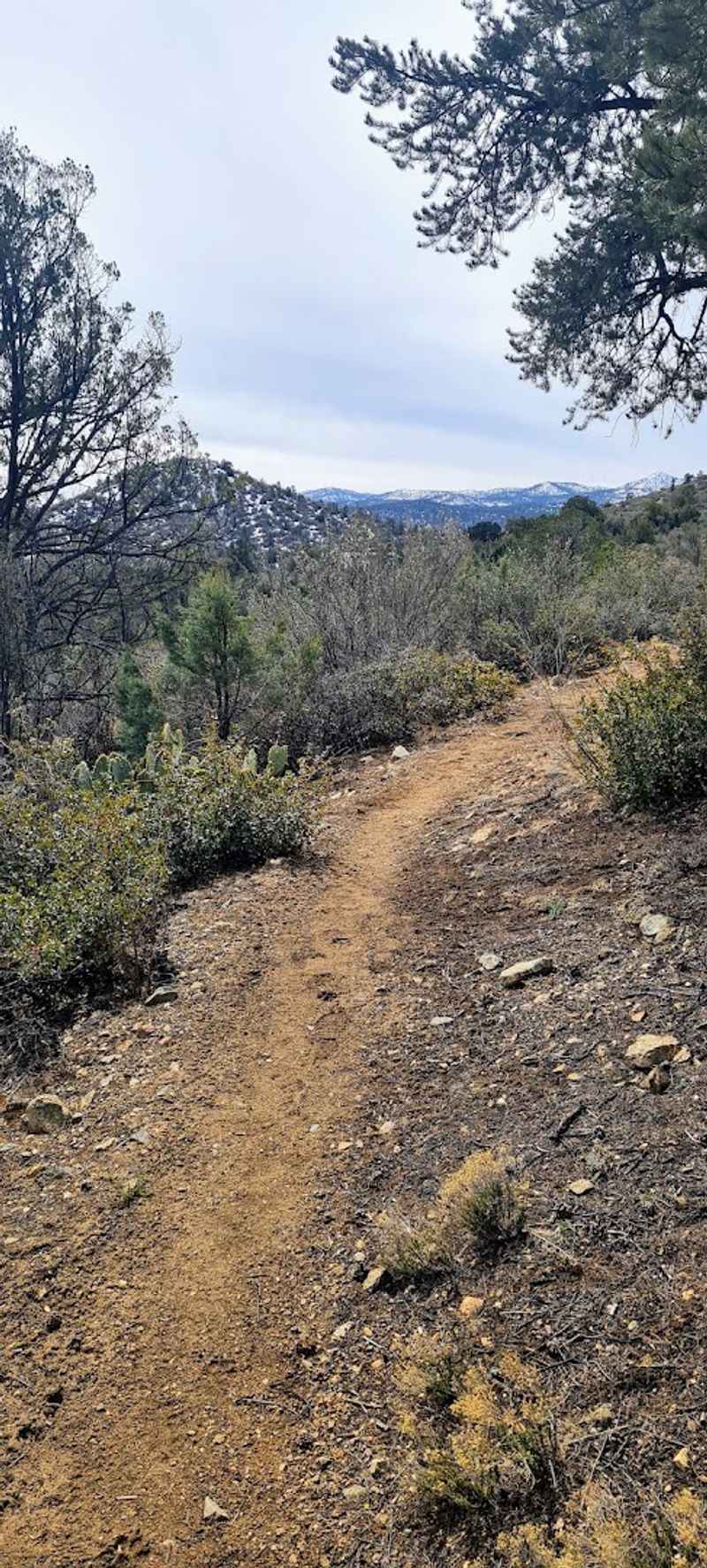
Ambitious riders looking for a full-day adventure will find exactly what they came for on the Prescott Circle Trail. This longer multi-use route loops around the Prescott area, linking several smaller trails and historic railroad paths into one satisfying circuit.
The total distance can exceed 50 miles depending on the exact route you choose, so planning ahead is genuinely important here.
What makes this trail special is the variety it packs into a single ride. You move through pine forests, open meadows, rocky outcroppings, and old railroad grades all in one outing. Riders who complete the full loop often describe it as one of the most rewarding days they have spent on a bike in Arizona.
Shorter out-and-back sections are available for those who want a taste without committing to the full circuit. Prescott’s mild four-season climate means spring and fall offer the most comfortable riding conditions on this trail.
The Prescott Circle Trail rewards riders who enjoy variety and a true sense of exploration. It’s the kind of route that keeps revealing new views and memorable moments around every turn.
4. Historic Railroad Trail, Lake Mead National Recreation Area
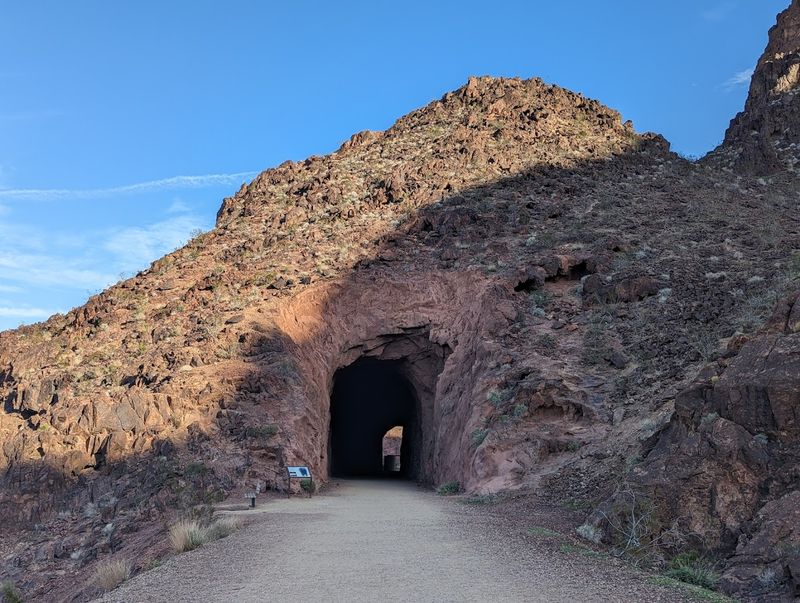
There is something genuinely thrilling about pedaling through a century-old railroad tunnel carved straight into a desert canyon wall. The Historic Railroad Trail at Lake Mead National Recreation Area delivers exactly that experience, and it does so with sweeping panoramic views of one of the American West’s most iconic reservoirs.
The trail follows the former route used to haul materials during the construction of Hoover Dam in the 1930s. Five historic tunnels punctuate the 3.7-mile paved route, each one offering a cool, shadowy break from the desert sun.
The trail sits near Boulder City along the Arizona and Nevada border, making it a convenient day trip from either state. Lake Mead’s turquoise water glittering far below the canyon rim creates one of the most photogenic cycling backdrops in the entire Southwest.
This trail is short enough for beginners but memorable enough to bring experienced riders back for a second look. The combination of history, scenery, and easy riding makes this one of the Southwest’s most unique cycling experiences.
A trail where every mile tells a story while delivering unforgettable desert views.
5. Apache Railroad Trail, Apache Junction
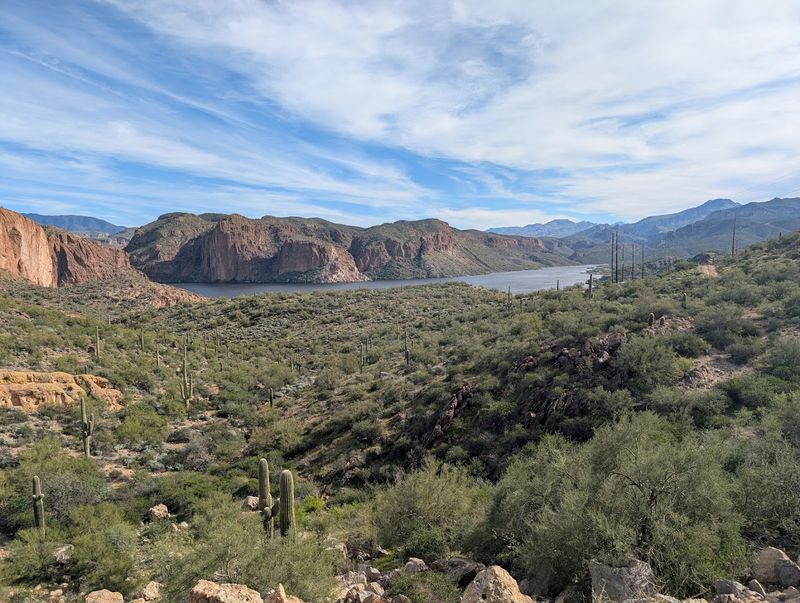
The Superstition Mountains loom on the horizon like a painted backdrop as you roll along the Apache Railroad Trail near Apache Junction. This route follows the former path of the Apache Railway and covers a generous stretch of rugged Arizona desert that most tourists never get to see up close.
The scenery shifts gradually from flat scrubland to more textured terrain the farther east you travel. Saguaro cacti stand tall along much of the corridor, giving the ride an unmistakably Arizona character that is hard to replicate anywhere else.
This trail works well for gravel bikes and mountain bikes, though a hardtail with a bit of tire volume handles the surface most comfortably. Riders planning longer outings should start early in the morning, especially between April and October when midday heat becomes a serious factor.
The raw, unpolished nature of this route is precisely what makes it feel like a real desert adventure rather than a groomed park path.
6. Patagonia Train Track Trail, Patagonia
Patagonia is one of those small Arizona towns that punches far above its weight when it comes to natural beauty, and the Patagonia Train Track Trail is a perfect introduction to the area.
Following part of the former New Mexico and Arizona Railroad line, this short route winds through some of the most bird-rich habitat in the entire country. Serious birders and casual cyclists alike find themselves stopping constantly along the way.
The trail passes near Patagonia Lake State Park and the famous Patagonia-Sonoita Creek Preserve, making it easy to combine a ride with a nature walk or a picnic. The cottonwood and willow trees lining the route create a cool, shaded corridor that feels surprisingly lush for southern Arizona.
Late spring and early fall bring peak bird activity, including rare species that draw visitors from across North America. Even if you have never cared much about birds before, this trail has a way of changing that.
7. El Paso And Southwestern Greenway, Tucson
Tucson has been quietly building one of the best urban cycling networks in the American Southwest, and the El Paso and Southwestern Greenway sits right at the heart of that effort.
Tied to the historic El Paso and Southwestern Railroad corridor, this multi-use trail weaves through Tucson neighborhoods while connecting cyclists to a broader system of paths and bike lanes across the city.
The route is especially practical for commuters and recreational riders who want car-free travel without heading out into the open desert. Smooth pavement, good signage, and regular connection points to other Tucson trails make navigation straightforward even for first-time visitors.
History buffs will appreciate knowing that the El Paso and Southwestern Railroad once linked Tucson to El Paso and played a key role in the region’s early 20th-century development. Riding this greenway today feels like tracing the invisible lines of a city’s past while moving confidently through its present.
8. Rillito River Park Trail, Tucson
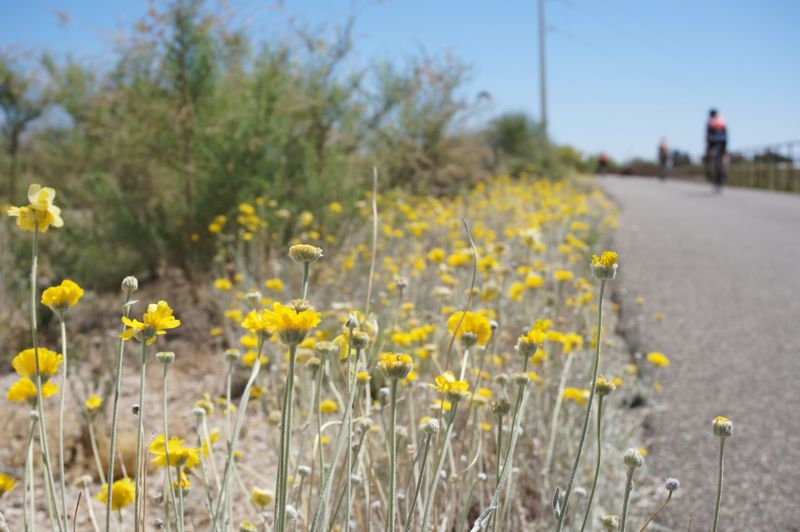
Not every great cycling route needs a railroad origin story to earn its place on a list like this. The Rillito River Park Trail in Tucson is one of Arizona’s most beloved paved cycling corridors, stretching roughly 12 miles along the mostly dry Rillito River channel through the northern part of the city.
It anchors Tucson’s entire trail network and connects to multiple other routes in every direction. Cyclists, joggers, and families with strollers all share this wide, well-maintained path, making it one of the most lively and social rides in the state.
The Santa Catalina Mountains frame the northern horizon in a way that makes even a routine Tuesday morning ride feel special. Shade structures and water stations appear at regular intervals, which is a genuine luxury in a desert city.
For visitors staying in central Tucson, this trail is often the first ride of the trip and frequently the most memorable one too.
9. Santa Cruz River Trail, Tucson
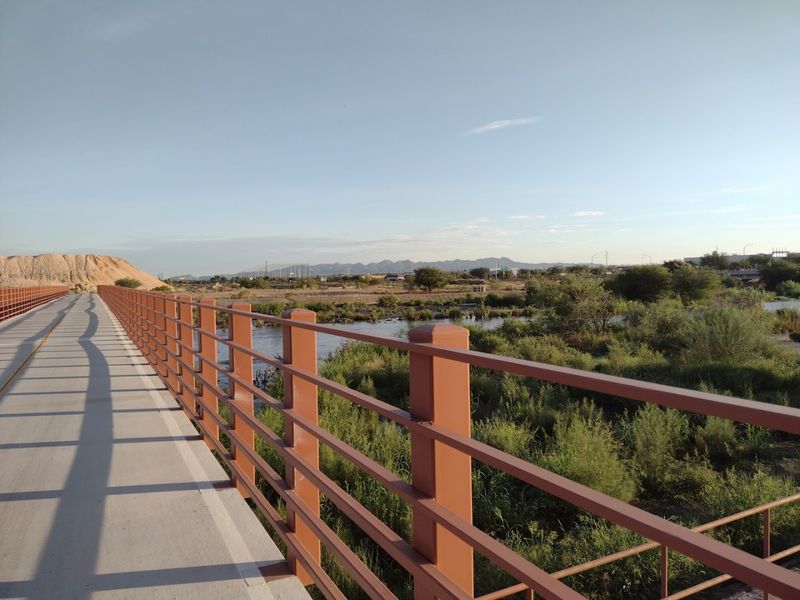
Running parallel to the Santa Cruz River, this long desert cycling route threads through the southern and western sections of Tucson in a way that connects urban neighborhoods to open desert landscapes without requiring a car.
The Santa Cruz River Trail stretches well over 10 miles and links directly to other major trails in Tucson’s expanding network, offering riders a genuinely long-distance option within city limits.
The route passes through areas with deep historical significance, including land that has been continuously inhabited for thousands of years by Indigenous communities. Interpretive signs along certain sections help riders understand the cultural and natural history of the river corridor.
Morning rides in late autumn and winter reveal a surprisingly green and peaceful landscape, especially near sections where the river holds water. Cyclists who enjoy combining fitness with a sense of place will find this trail particularly rewarding. It is the kind of route that quietly becomes a favorite.
10. Arizona Trail Cycling Sections, Statewide
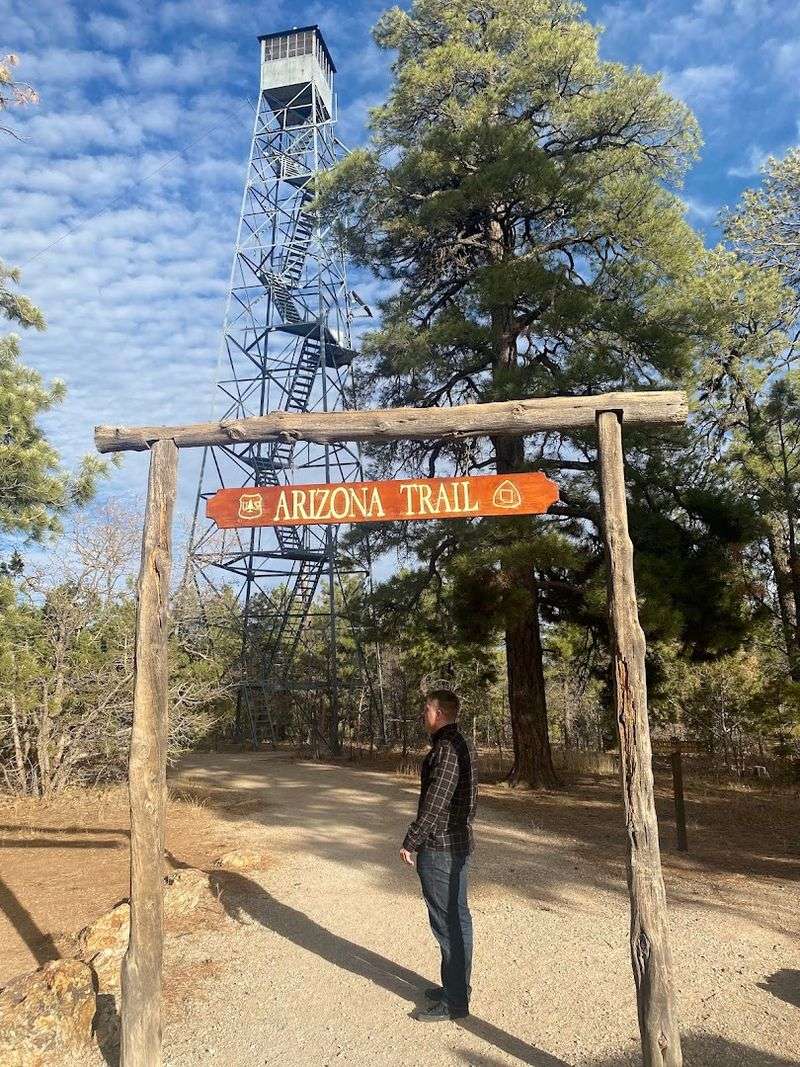
Stretching nearly 800 miles from the Utah border to the Mexican border, the Arizona Trail is one of the most ambitious long-distance routes in North America.
Cyclists tackle designated sections that range from fast desert doubletrack in the south to technical singletrack through pine-covered mountain ranges in the central highlands. No other route in the state shows you as much of Arizona’s dramatic geographic variety in a single journey.
Planning is everything on the Arizona Trail. Water sources can be many miles apart, and some sections require portaging bikes over rough terrain.
That said, the payoff is extraordinary. Sunsets over the Sonoran Desert, quiet mornings in the Mazatzal Wilderness, and star-filled nights at high elevation campsites are the kinds of experiences that stay with a person for years.
Riders who complete even a portion of this trail often describe it as a turning point in how they think about long-distance cycling in the American West.
11. Verde Valley And Clarkdale Historic Railroad Routes, Verde Valley
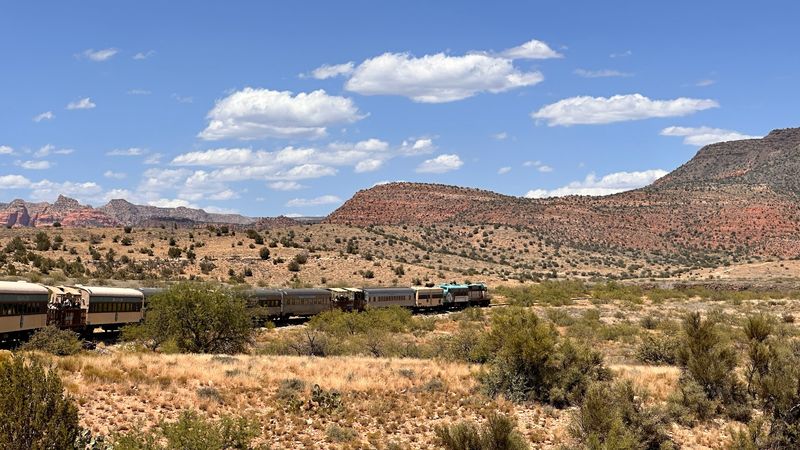
The Verde Valley holds some of Arizona’s most dramatic canyon scenery, and the historic railroad routes near Clarkdale put that scenery front and center for cyclists willing to explore.
The Verde Canyon Railroad once served the booming copper mining operations of the early 20th century, and the grades and corridors it left behind now offer a compelling backdrop for riding.
Red rock cliffs, the winding Verde River, and old mining town architecture all appear within a short stretch of this area.
Clarkdale itself is a fascinating stop, a planned company town built by United Verde Copper Company that still retains much of its original layout and architecture.
Cyclists combining a ride here with a visit to nearby Tuzigoot National Monument or Jerome get a full picture of the Verde Valley’s layered history. The riding is best in spring and fall when temperatures stay comfortable and the cottonwood trees along the river corridor add brilliant color to every view.