
12 Pennsylvania Craft Schools That Let You Learn, Make, And Take Home Memories
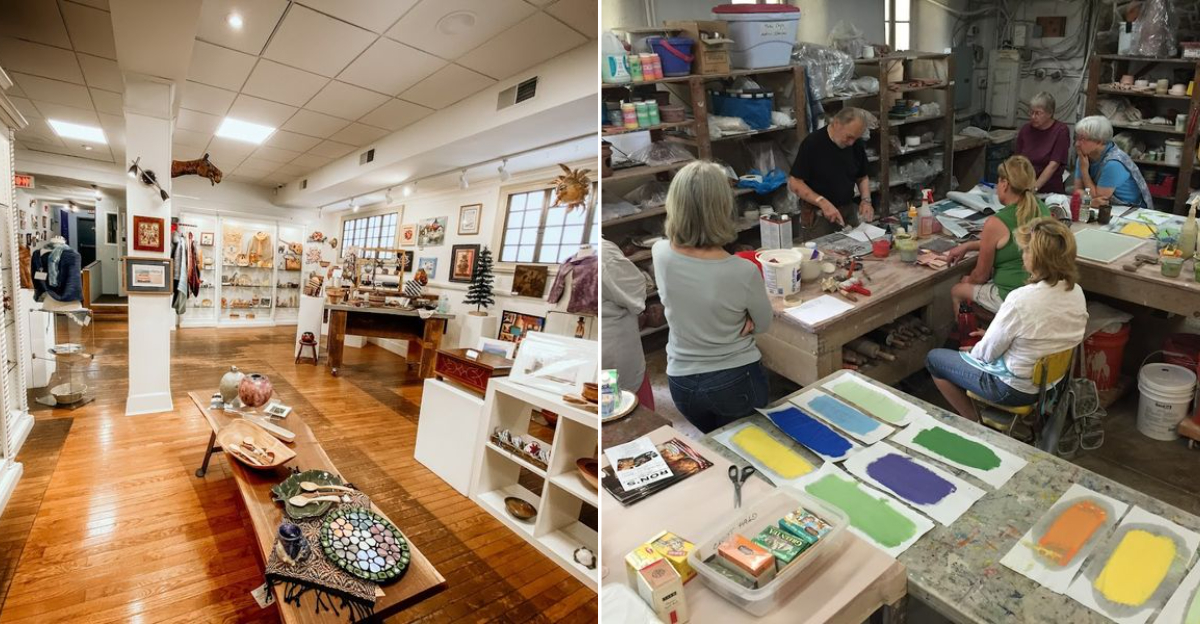
A good class can do more than teach a new skill. Across Pennsylvania, craft schools turn creativity into the kind of experience you can actually hold in your hands.
One day might bring clay, glass, fiber, wood, metal, paint, or another project that starts a little messy and ends with a story attached.
That is the fun of learning somewhere hands-on: the visit does not disappear when the day is over.
You leave with a finished piece, a new trick, and maybe a little more confidence than you walked in with.
These places are perfect for curious beginners, weekend makers, and anyone who likes a trip with something more personal than a postcard.
The souvenirs that stick with me most are never the ones I buy in a rush, but the ones that still carry a little evidence of my own hands.
1. Touchstone Center For Crafts, Farmington
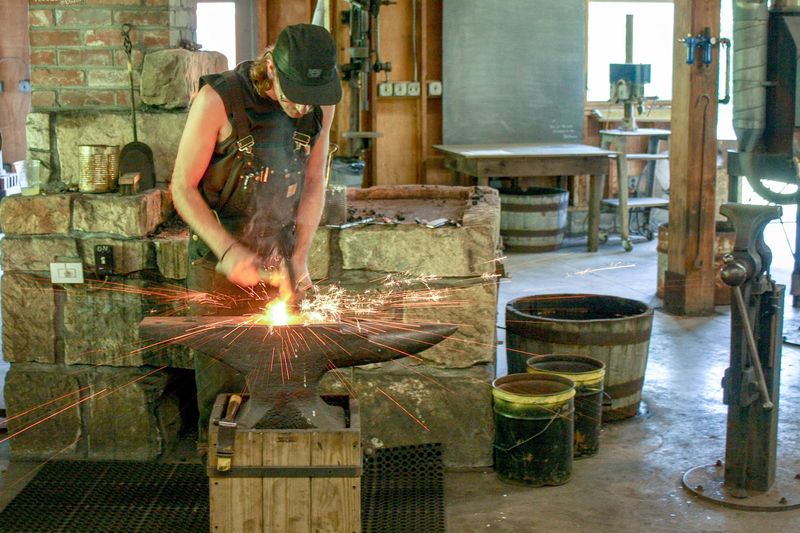
Hidden away in the Laurel Highlands of southwestern Pennsylvania, Touchstone Center for Crafts sits on a sprawling 230-acre campus that feels more like a creative retreat than a traditional school.
Located at 1049 Wharton Furnace Road in Farmington, this place has been shaping makers since 1972, offering workshops in blacksmithing, ceramics, fiber arts, jewelry, and more.
The setting alone is worth the trip. Rolling wooded hills surround the studios, giving the whole experience an unhurried, almost meditative quality that you rarely find in a classroom.
Workshops run May through September and attract both beginners and seasoned craftspeople who want to sharpen their skills in a focused environment.
Instructors at Touchstone are working artists themselves, so the feedback you get is practical, honest, and grounded in real creative experience.
Residency programs are also available for those who want to commit to longer creative stays.
If hands-on learning in a stunning natural setting sounds like your kind of adventure, Touchstone Center for Crafts delivers exactly that.
2. GoggleWorks Center For The Arts, Reading
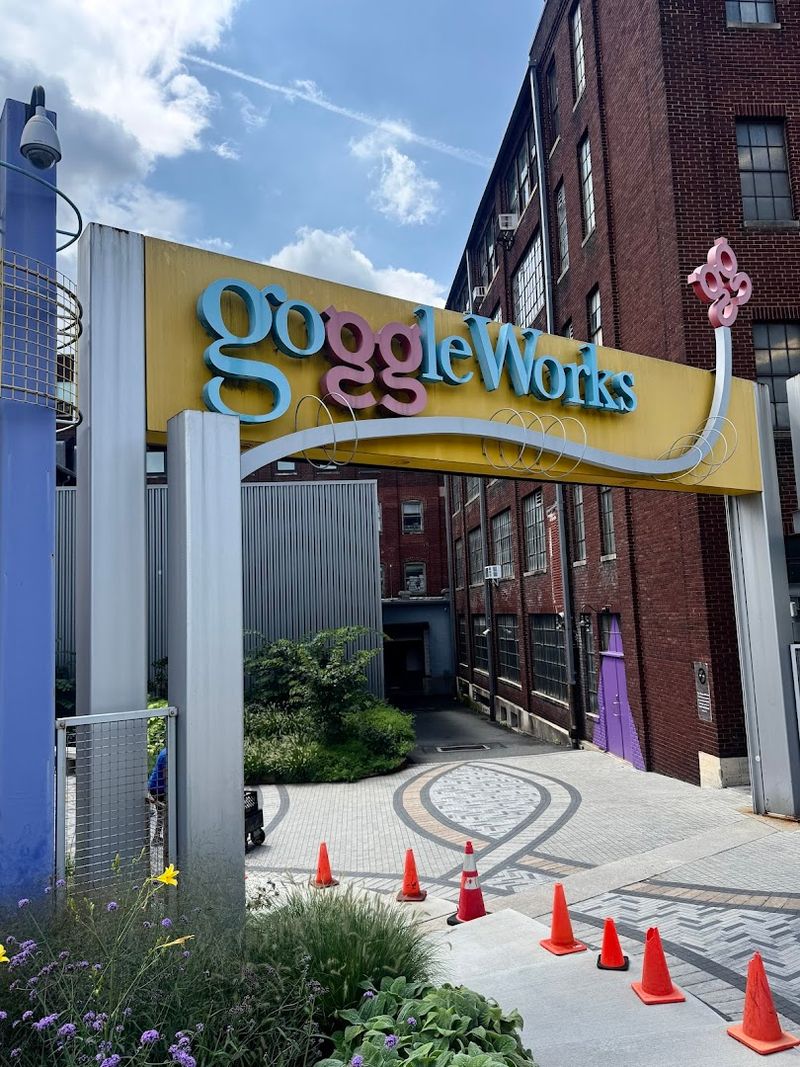
Few art centers in Pennsylvania carry the architectural personality of GoggleWorks Center for the Arts, a massive converted goggle factory at 201 Washington Street in Reading.
The building itself tells a story before you even walk through the door, with its industrial bones now filled with painting studios, printmaking labs, glassblowing equipment, and digital media spaces.
GoggleWorks runs classes for all ages and skill levels, making it one of the most accessible creative hubs in the state.
Whether you’re a curious ten-year-old or a retired professional looking for a new hobby, there’s a class here with your name on it.
The center also hosts rotating gallery exhibitions, so every visit feels a little different from the last. Local artists frequently show their work in the spacious ground-floor gallery, which is free to the public.
GoggleWorks Center for the Arts proves that old buildings have tremendous second acts, and this one’s second act is genuinely spectacular.
3. Pennsylvania Guild Of Craftsmen, Lancaster
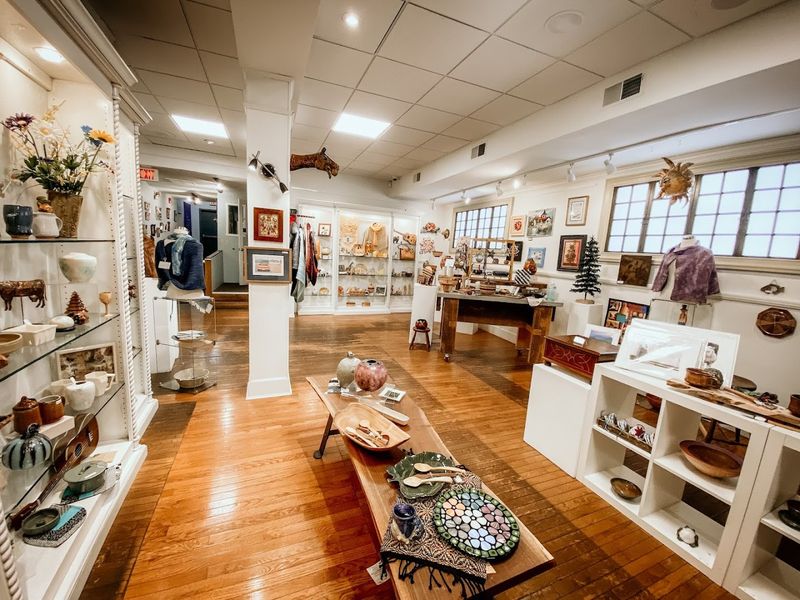
Craft culture runs deep in Lancaster County, and no organization embodies that spirit more fully than the Pennsylvania Guild of Craftsmen, located at 335 North Queen Street in Lancaster.
Founded in 1944, this organization has been connecting makers, collectors, and curious visitors for decades, and its presence in downtown Lancaster makes it especially easy to fold into a weekend trip.
The Guild hosts juried craft fairs, educational workshops, and rotating exhibitions that spotlight both established and emerging Pennsylvania artists.
Walking through the gallery feels like browsing a living catalog of what skilled human hands can actually produce.
Classes cover everything from hand-building with clay to fiber dyeing, and instructors bring genuine passion to every session.
The atmosphere is welcoming rather than intimidating, which matters a lot when you’re trying something new.
The Pennsylvania Guild of Craftsmen also advocates for craft as a legitimate and vital art form, which gives every class and exhibition here a sense of larger purpose that’s quietly motivating.
4. The Clay Studio, Philadelphia
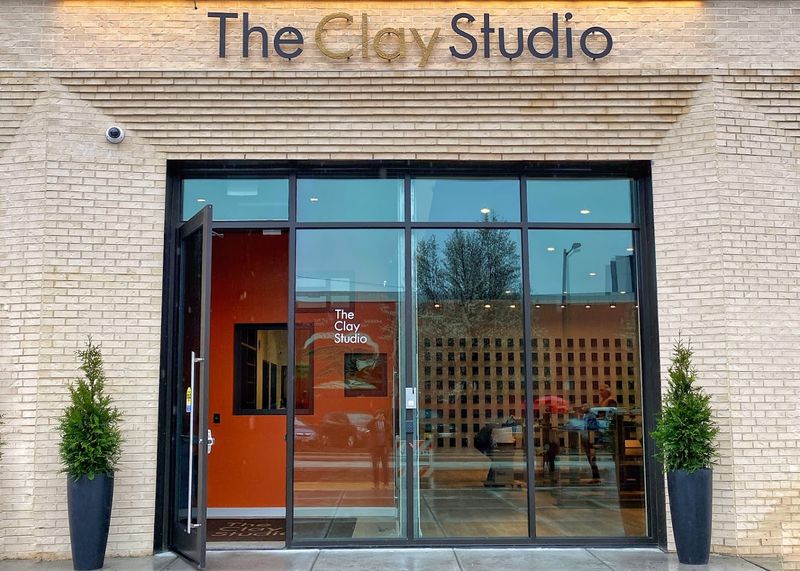
There’s something almost hypnotic about watching a lump of clay transform into a finished vessel, and The Clay Studio in Philadelphia gives you every opportunity to experience that transformation yourself.
Situated at 1425 North American Street in Philadelphia’s vibrant Kensington neighborhood, The Clay Studio has been a cornerstone of the city’s ceramic arts scene since 1974.
Classes range from beginner wheel-throwing sessions to advanced sculpture courses, and the studio also supports resident artists who push the boundaries of what ceramic art can look like.
The gallery space at The Clay Studio regularly features exhibitions that challenge the idea of pottery as purely functional, presenting clay as a serious medium for artistic expression.
Community programming is a big part of the mission here, with affordable classes designed to make ceramics accessible to people from all backgrounds and income levels.
The Clay Studio is one of those rare places where craft, community, and fine art overlap in ways that feel completely natural and genuinely inspiring.
5. Wayne Art Center, Wayne
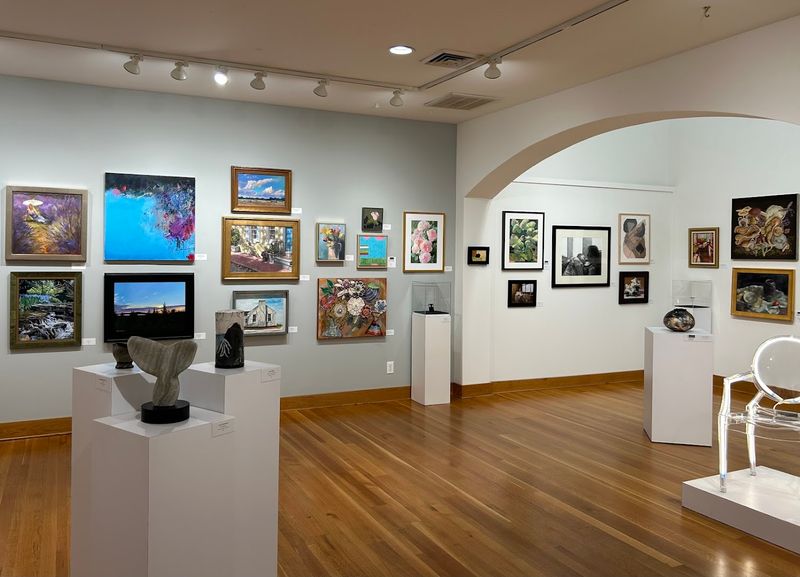
Just outside Philadelphia on the Main Line, Wayne Art Center has been quietly building one of the most respected community art education programs in southeastern Pennsylvania since 1931.
Found at 413 Maplewood Avenue in Wayne, this center offers classes in painting, drawing, printmaking, sculpture, and photography for students of every age and experience level.
What makes Wayne Art Center stand out is its genuine commitment to making art education feel personal rather than institutional.
Class sizes are kept small, and instructors are consistently approachable and encouraging.
The annual juried exhibition is a highlight on the local arts calendar, drawing entries from across the region and giving emerging artists meaningful exposure.
The gallery rotates frequently, so there’s always something new to look at.
Youth programs are particularly strong here, with after-school workshops and summer camps that introduce kids to a wide range of creative disciplines in a supportive environment.
Wayne Art Center proves that great art education doesn’t always require a big city address.
6. The Baum School Of Art, Allentown
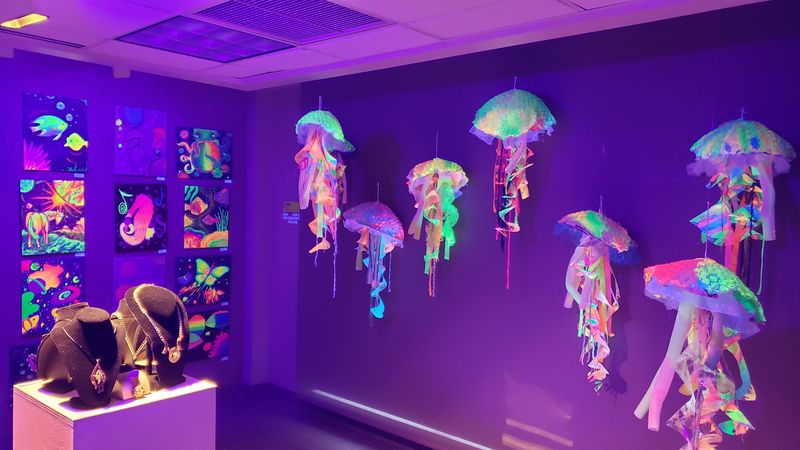
Allentown has a creative heartbeat that many visitors overlook, and The Baum School of Art at 510 Linden Street is one of the main reasons that heartbeat keeps going strong.
Established in 1926, The Baum School of Art carries nearly a century of artistic tradition into its current programming, offering classes in painting, drawing, ceramics, digital art, and art history for all ages.
The school’s location in downtown Allentown puts it right in the middle of the city’s cultural corridor, making it an easy addition to any visit to the Lehigh Valley.
Pre-college programs give high school students a serious taste of what art school life actually involves.
Faculty at The Baum School are practicing artists who bring current ideas and techniques into the classroom alongside classical fundamentals.
That combination keeps the curriculum feeling relevant without losing its grounding.
The Baum School of Art has shaped generations of Pennsylvania artists, and its continued energy in downtown Allentown is a testament to what dedicated arts education can build over time.
7. Main Line Art Center, Haverford
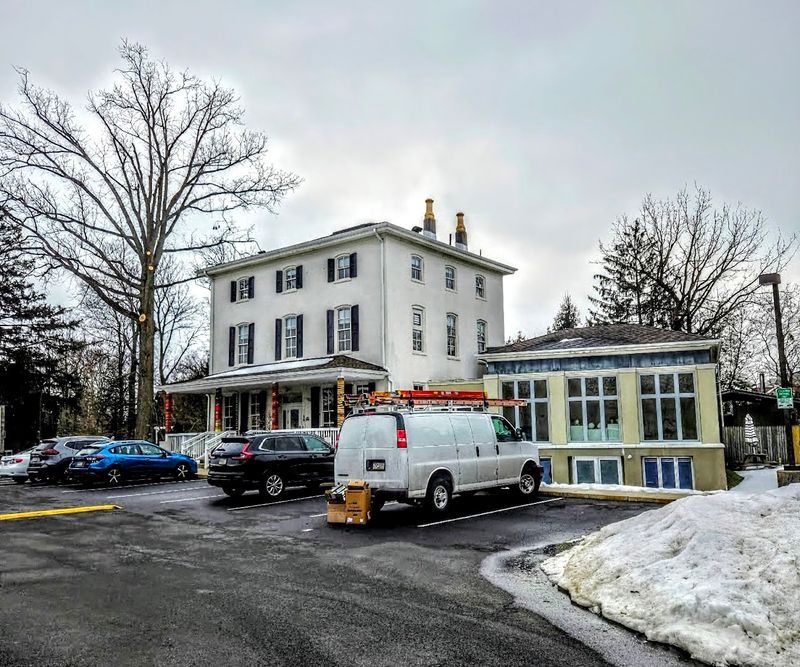
At 746 Panmure Road in Haverford, Main Line Art Center has spent more than 80 years building a reputation as one of the most inclusive and creatively energetic art schools in the Philadelphia suburbs.
The center offers classes in ceramics, painting, drawing, printmaking, and mixed media, with programming designed to serve everyone from toddlers in their first art class to adults rediscovering a long-neglected creative side.
Main Line Art Center takes accessibility seriously, offering sliding-scale tuition and scholarship programs that remove financial barriers for students who might otherwise miss out.
That commitment to inclusion shapes the entire culture of the place.
The gallery at Main Line Art Center hosts exhibitions throughout the year, spotlighting both student work and professional artists from the region.
Opening receptions bring the community together in a relaxed, social atmosphere.
Visiting Main Line Art Center feels less like stepping into a school and more like walking into a creative community where everyone belongs, regardless of skill level or background.
8. Pittsburgh Center for Arts & Media, Pittsburgh
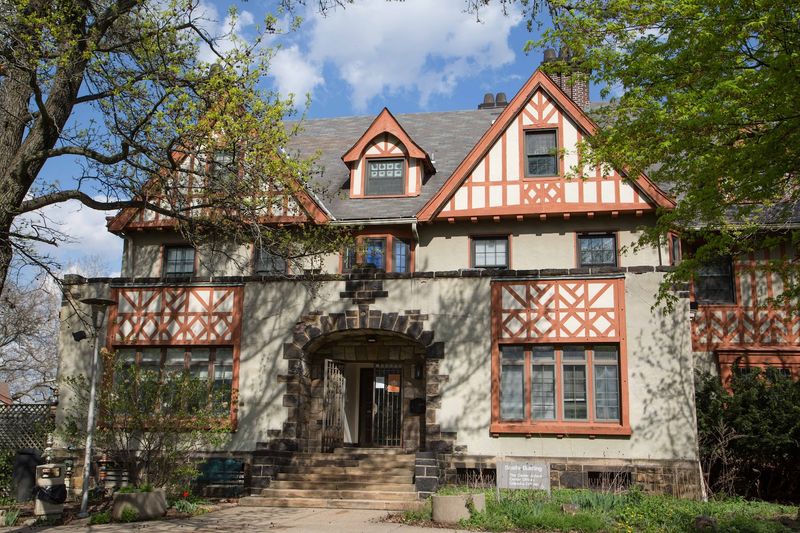
Pittsburgh’s creative scene gets a serious boost from the Pittsburgh Center for Arts & Media, a dynamic institution at 1047 Shady Avenue in the Shadyside neighborhood that blends traditional studio arts with digital media education.
The center offers classes in ceramics, painting, photography, digital design, video production, and more, making it one of the most programmatically diverse art schools in western Pennsylvania.
What separates Pittsburgh Center for Arts & Media from many of its peers is its embrace of technology as a creative tool alongside traditional craft.
Students can move between a pottery wheel and a video editing suite within the same building. The gallery program here is ambitious and well-curated, regularly featuring work by local, national, and international artists.
Exhibitions often spark conversations that spill out into the surrounding Shadyside community.
Pittsburgh Center for Arts & Media has positioned itself as a place where the future of art-making gets figured out one class, one project, and one creative risk at a time.
9. Fleisher Art Memorial, Philadelphia
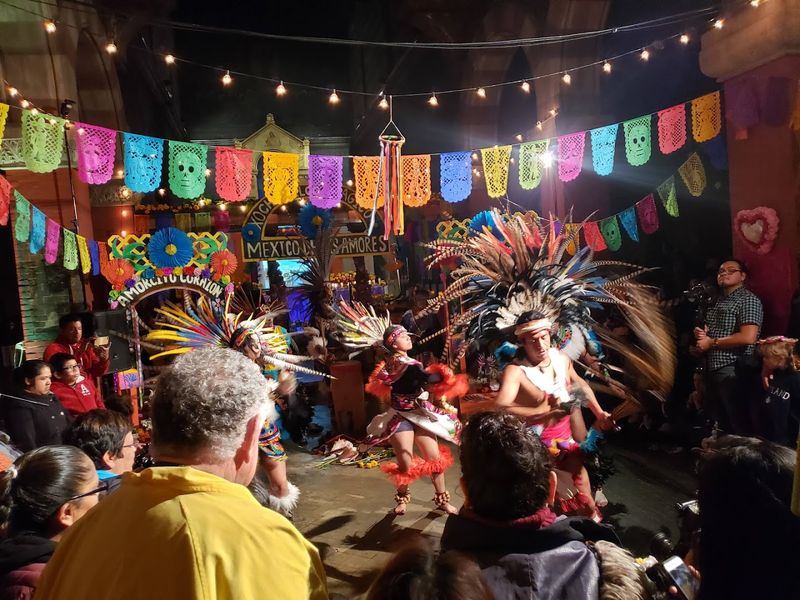
Free and low-cost art education has been the founding promise of Fleisher Art Memorial since 1898, and that promise remains fully intact at its home at 719 Catharine Street in South Philadelphia.
Samuel Fleisher believed that access to art should not depend on income, and the institution bearing his name has honored that belief for well over a century by offering tuition-free and affordable classes to enrolled students.
The building itself is remarkable, a converted church and carriage house that gives Fleisher Art Memorial a sense of history and gravitas that newer institutions simply can’t manufacture.
Sacred Heart Church, part of the complex, is still used for exhibitions and performances.
Classes cover drawing, painting, printmaking, ceramics, and more, with a student body that reflects the full diversity of South Philadelphia’s neighborhoods.
That mix of backgrounds and experiences makes every class feel genuinely alive.
Fleisher Art Memorial stands as proof that the most powerful creative spaces are often the ones most deeply rooted in the idea that art belongs to everyone.
10. Chester Springs Studio at Historic Yellow Springs, Chester Springs
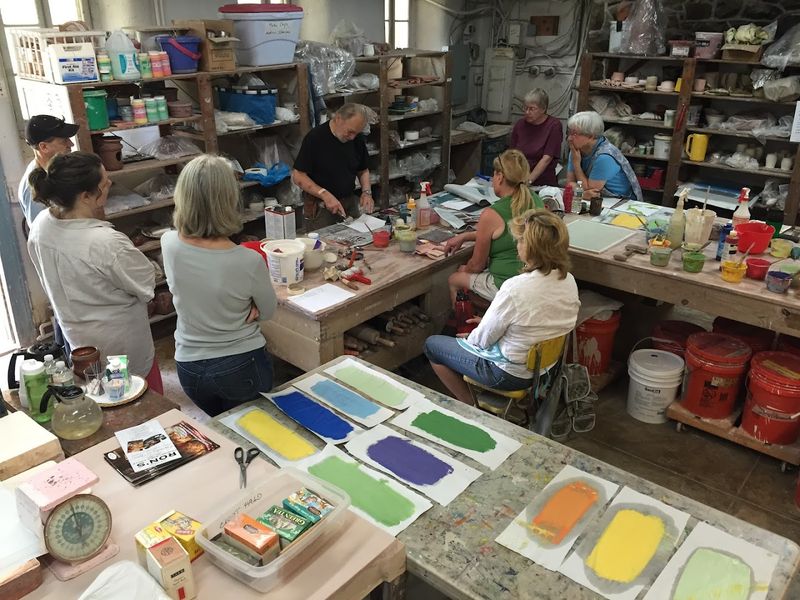
There are few places in Pennsylvania where history and creativity intersect as naturally as at Chester Springs Studio at Historic Yellow Springs, located at 1685 Art School Road in Chester Springs.
The campus occupies one of the storied pieces of land in Chester County, a site that served as a Revolutionary War hospital and later became the Pennsylvania Academy of the Fine Arts Country School in the 20th century.
Today, Chester Springs Studio carries that legacy forward with workshops in painting, drawing, printmaking, and sculpture, many of which take advantage of the spectacular outdoor landscape surrounding the historic buildings.
Plein air painting workshops are particularly popular here, and it’s easy to understand why.
The meadows, stone structures, and mature trees provide an endlessly paintable environment that changes with every season.
Chester Springs Studio at Historic Yellow Springs also hosts artist residencies, community events, and gallery exhibitions that keep the campus lively year-round.
Few art school visits come loaded with this much history and natural beauty in a single package.
11. Sweetwater Center For The Arts, Sewickley
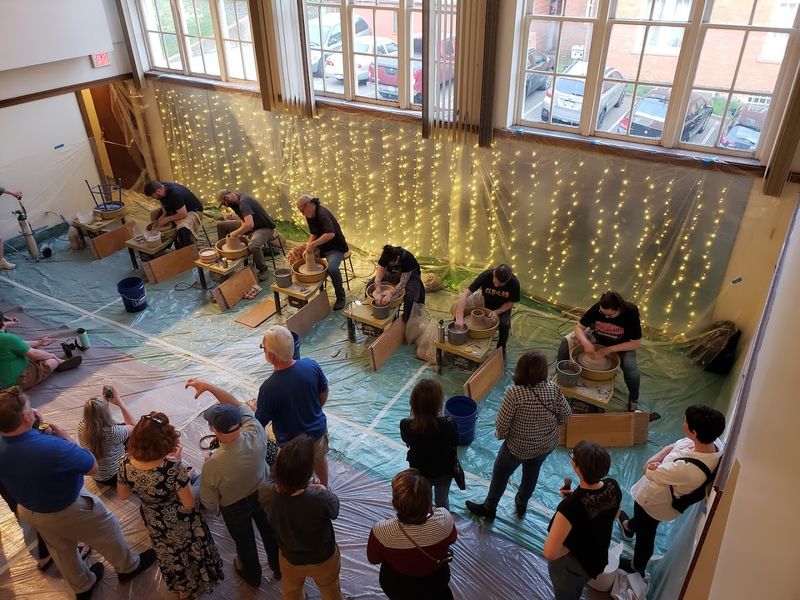
Sewickley is a small town with a big arts heart, and Sweetwater Center for the Arts at 200 Broad Street sits right at the center of that creative energy in western Pennsylvania.
The center offers classes in ceramics, painting, drawing, photography, fiber arts, and jewelry making, with programming that stretches across age groups and skill levels throughout the entire year.
Sweetwater’s location in a charming river town just north of Pittsburgh makes it a natural stop for anyone exploring the greater Pittsburgh area who wants to add a creative element to their trip.
The downtown Sewickley setting gives the whole visit a relaxed, small-town feel that’s hard to replicate.
The gallery at Sweetwater Center for the Arts hosts rotating exhibitions that feature regional and national artists, and the opening events regularly draw enthusiastic crowds from across the community.
Youth programs at Sweetwater are especially thoughtfully designed, giving younger students room to experiment without pressure.
This is a place that takes both art and community seriously, and the results speak clearly.
12. Community Arts Center, Wallingford
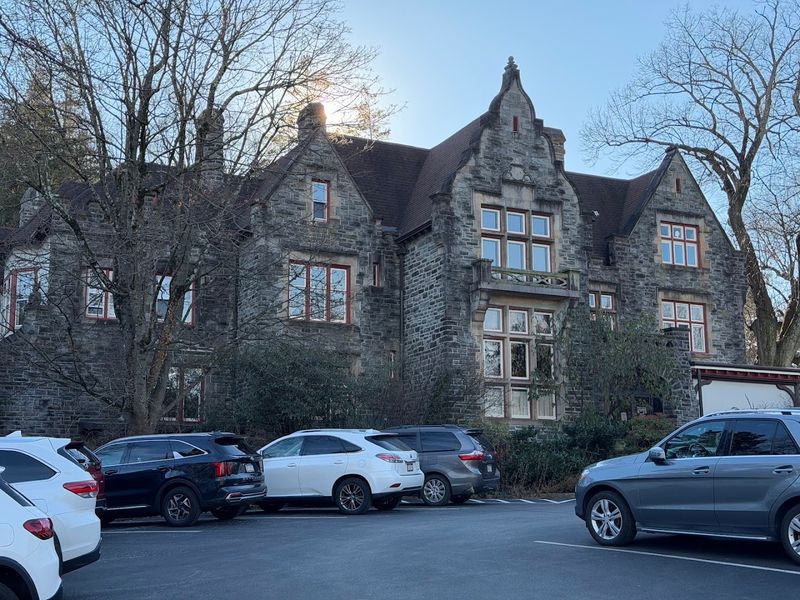
Tucked into the quiet borough of Wallingford in Delaware County, Community Arts Center at 414 Plush Mill Road has been serving the creative needs of southeastern Pennsylvania since 1948.
The center offers classes in ceramics, painting, drawing, printmaking, and mixed media, with a programming calendar that stays consistently full across all seasons.
Beginners are just as welcome as experienced artists, and the staff make sure that’s clear from the moment you walk in.
Community Arts Center has a particular strength in its ceramics program, which draws students from across the Philadelphia suburbs for both wheel-throwing and hand-building classes.
The kilns stay busy, and the results fill a gallery that rotates exhibitions regularly. The building and grounds carry a historic charm that adds to the overall experience of spending time here.
It feels like a place with roots, which is exactly what a long-running community institution should feel like.
Community Arts Center is a reminder that some of the most enduring creative spaces are the ones that stay genuinely connected to the neighborhoods they serve.