
10 Things In Delaware That Are Surprisingly Worth Seeing
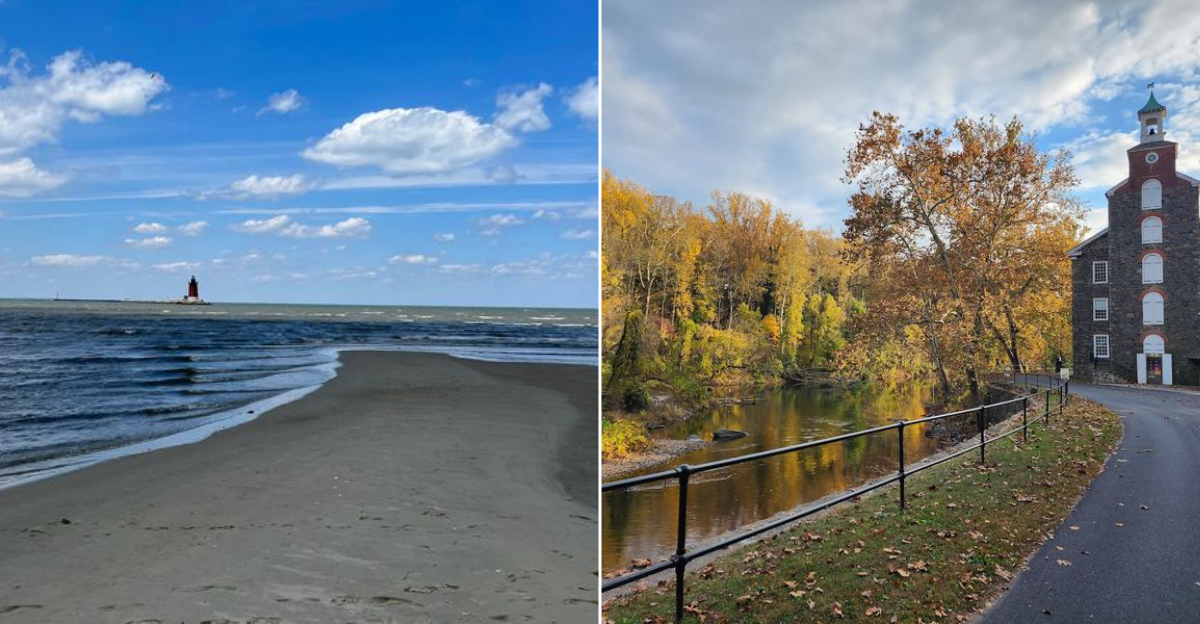
Delaware might be small enough to drive across before your playlist even hits the final song, but don’t let its size fool you.
This tiny state is packed with surprises hiding around every corner. From grand estates that look like they belong in a period drama to gardens, museums, and coastal gems that feel like they were pulled straight from a travel movie.
Think Delaware is just highways and tax-free shopping?
Think again. Behind those quiet roads are stories of innovation, history, nature, and places that deserve way more attention than they usually get.
It’s the kind of state where you can go from exploring a millionaire’s mansion to standing beside the ocean in the same afternoon. These Delaware destinations prove that the best adventures sometimes come in the smallest packages.
1. Nemours Estate
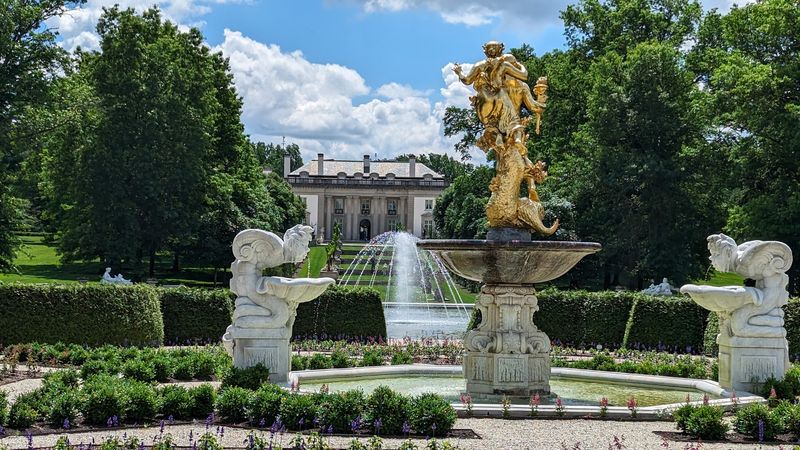
Walking onto the grounds of Nemours Estate feels like someone quietly teleported you to the French countryside without telling you.
The mansion at 1600 Rockland Road, Wilmington, DE 19803 is a 105-room French neoclassical masterpiece built between 1909 and 1910. Alfred I. du Pont created this stunning home as a gift for his second wife, and the result is nothing short of extraordinary.
Spanning nearly 47,000 square feet across four floors, the house is filled with rare 18th-century French furniture, fine art, and gorgeous tapestries.
Every single room tells a story about wealth, taste, and history all wrapped into one breathtaking package. The architecture draws directly from Louis XVI style, and it shows in every carved detail.
But honestly, the gardens steal the show completely. Nemours boasts the largest French-style formal gardens in the entire United States, patterned after the legendary Versailles.
A central axis stretches a full third of a mile from the mansion facade, lined with fountains, serene pools, and elegant statuary.
The one-acre Reflecting Pool alone features 157 jets creating a dazzling water display. Do not miss the Temple of Love with its beautiful Diana statue.
This place redefines what a Delaware day trip can actually look like.
2. Winterthur Museum, Garden And Library
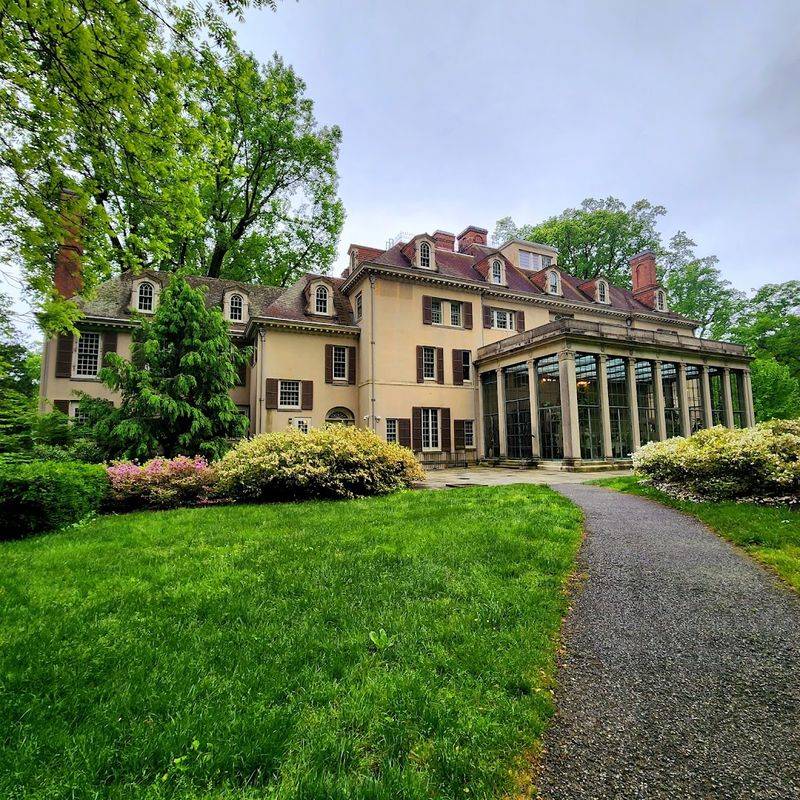
Some places feel like walking into a living encyclopedia, and Winterthur Museum, Garden and Library is exactly that kind of place.
Nestled at 5105 Kennett Pike, Winterthur, DE 19735, this spectacular estate was once the beloved home of Henry Francis du Pont, a passionate horticulturist and serious antiques collector. He eventually transformed his 175-room mansion into one of America’s most celebrated museums.
Today the museum showcases nearly 90,000 objects made or used in America between 1640 and 1860. Walking through 175 period-room displays feels like time travel through American decorative arts history.
The sheer scale of the collection is genuinely staggering, and every corner reveals something new and unexpected.
Step outside and the experience shifts into something almost dreamlike. The 60-acre naturalistic gardens, designed by du Pont himself, draw inspiration from William Robinson’s Wild Garden philosophy.
The result is a flowing, colorful landscape that feels completely alive. The estate sits within 979 acres, including protected meadows, woodlands, and rare old-growth forest.
The Winterthur Library adds another layer, housing over 87,000 rare books and more than 800,000 manuscripts focused on American history and architecture. Winterthur is the kind of place that quietly becomes your favorite thing about Delaware.
3. Hagley Museum And Library
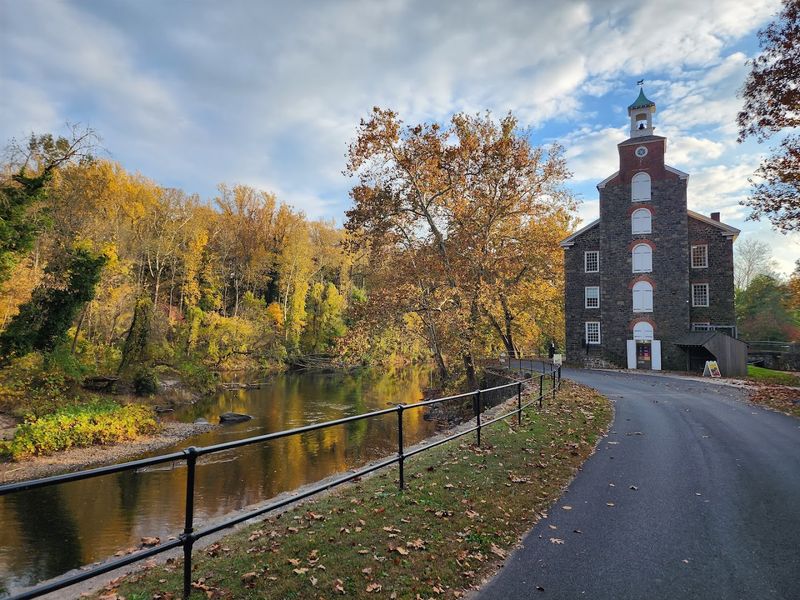
There is something quietly thrilling about standing in the exact spot where American industry first found its footing.
The Hagley Museum and Library at 200 Hagley Creek Road, Wilmington, DE 19807 occupies 235 stunning acres that once housed the original black powder works of the DuPont Company, founded in 1802 by Eleuthère Irénée du Pont along the scenic Brandywine River.
Restored powder mills, impressive stone structures, and functioning 19th-century machinery create an atmosphere that is genuinely unlike anything else.
A working waterwheel and turbines still draw power directly from the rushing river, which is both impressive and oddly poetic. Live demonstrations of a roll mill and steam engine bring the whole operation roaring back to life.
The estate also includes Eleutherian Mills, the very first du Pont family home in America.
This Georgian-style residence served as the heart of both family life and business operations, and inside you will find antique French furnishings alongside American folk art.
A preserved workers community on the grounds adds even more depth to the story. The Hagley Library holds a remarkable collection focused on American business and technology history, including 5,000 patent models.
Hagley is where the entrepreneurial spirit of early America becomes something you can actually touch and feel.
4. Air Mobility Command Museum
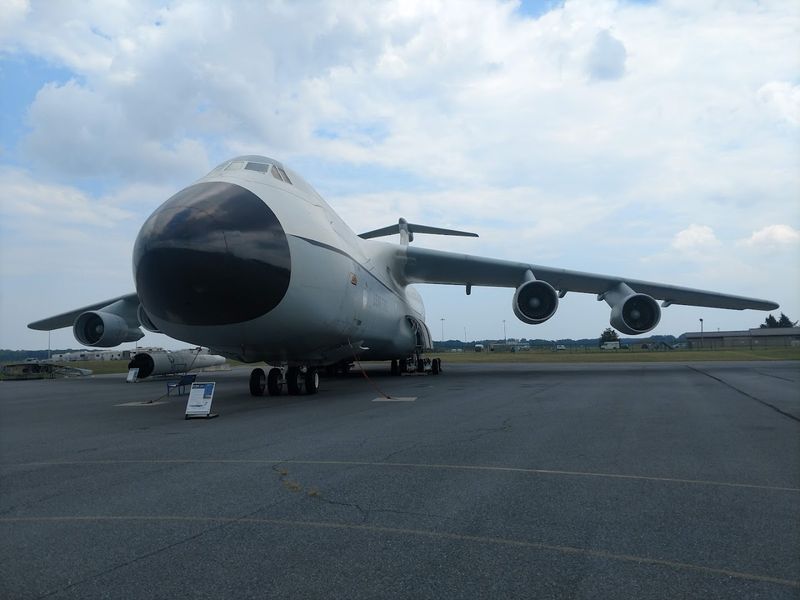
Not every museum makes your jaw drop before you even get inside, but the Air Mobility Command Museum absolutely does.
Located at 1301 Heritage Road, Dover AFB, DE 19902, this is the only museum in the world dedicated exclusively to the history of airlift and air refueling. That is a genuinely impressive distinction for a state that most people would not immediately associate with aviation greatness.
Housed within the historic Hangar 1301, the collection features over 30 military aircraft, many of which are historically one-of-a-kind. The C-5A Galaxy on display once launched an ICBM and was the first C-5 ever retired to a museum.
You can also see the inaugural C-141A Starlifter and the only surviving F-106 Delta Dart that was stationed at Dover.
Beyond the planes themselves, the museum offers a flight simulator experience that genuinely delivers some thrills.
The retired control tower cab from Dover AFB, which was used from 1956 all the way to 2009, sits on display as a fascinating piece of operational history.
The museum traces its roots back to a 1978 volunteer project that restored a B-17G named Shoo Shoo Shoo Baby. Aviation history rarely gets this personal, this accessible, or this surprisingly moving.
5. Bombay Hook National Wildlife Refuge
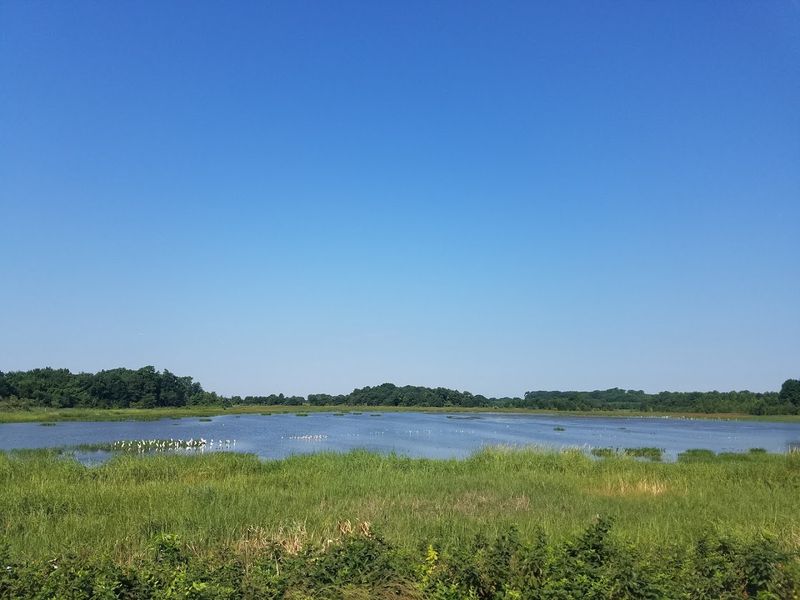
Picture this: you are standing on an observation tower watching tens of thousands of snow geese rise all at once from a shimmering marsh below.
That is a completely real thing that happens at Bombay Hook National Wildlife Refuge, found at 2591 Whitehall Neck Road, Smyrna, DE 19977. This 15,978-acre sanctuary stretches along the eastern coast of Kent County on Delaware Bay and has been protecting wildlife since 1937.
Bombay Hook protects one of the mid-Atlantic’s largest tidal salt marsh expanses, and the habitat diversity here is genuinely remarkable.
Marshes, freshwater impoundments, and woodlands together host an incredible 278 species of migrating birds throughout the year.
During winter, the snow goose population alone can exceed 100,000 birds, which is a number that sounds impossible until you actually witness it.
A scenic 12-mile wildlife loop road winds through the refuge, making it easy to explore even without hiking boots.
Five walking trails and multiple observation towers offer different perspectives on the landscape. A brand-new visitor center that opened in late 2023 adds modern comfort to the wild experience.
Globally recognized as a Wetland of International Importance, Bombay Hook is the kind of place that makes you rethink what Delaware is actually capable of offering the world.
6. Cape Henlopen State Park
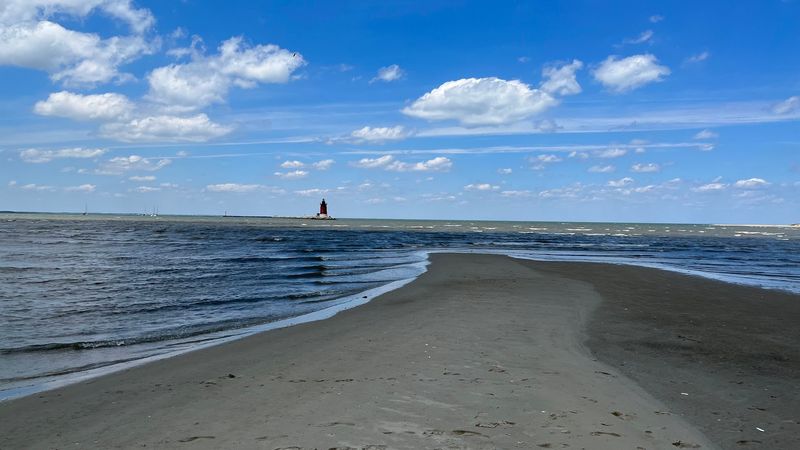
Standing at the exact point where Delaware Bay meets the Atlantic Ocean is one of those geographic moments that feels almost cinematic.
Henlopen State Park at 15099 Cape Henlopen Drive, Lewes, DE 19958 covers 5,000 acres of beaches, maritime forests, towering dunes, and peaceful wetlands. It officially became a state park in 1964, but its story stretches back centuries further than that.
Cape Henlopen played a strategic role in coastal defense from the American Revolution all the way through World War II.
Fort Miles, a fully walkable artillery park and museum within the park, lets you explore bunkers, observation towers, and gun platforms that once guarded the coastline. History is literally built into the landscape here, and it is fascinating to wander through.
The original Cape Henlopen Lighthouse, built in 1767, fell during a 1926 storm, but its legacy lives on in the local stones and stories that remain.
The Seaside Nature Center features a touch tank and aquariums that bring coastal marine life up close. Extensive bike trails and a borrow-a-bike program make exploration easy and fun for anyone.
Note that the Point area closes seasonally to protect nesting shorebirds, which is honestly just another reason to respect this remarkable place.
7. Delaware Botanic Gardens
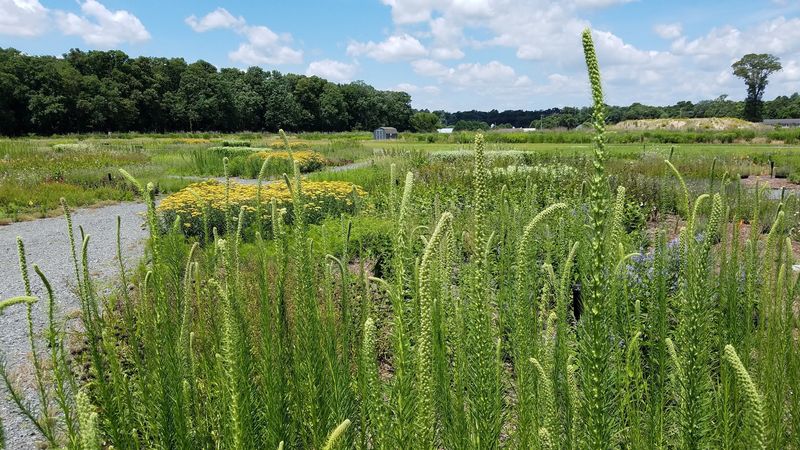
There is a moment when you step into the Delaware Botanic Gardens and realize you have stumbled onto something genuinely special.
Opened in September 2019 and located at 30220 Piney Neck Road, Dagsboro, DE 19939, this 37-acre naturalistic garden sits along Pepper Creek, which flows gracefully into Indian River Bay.
The setting alone is enough to make you exhale slowly and forget about everything else.
The absolute centerpiece is the spectacular two-acre Meadow Garden designed by acclaimed Dutch plantsman Piet Oudolf.
Over 70,000 perennial plants and grasses fill this space, with many native species attracting thousands of pollinators, butterflies, and birds throughout the seasons.
Watching the meadow shift and change from spring through winter is like watching a slow, beautiful performance that never quite repeats itself.
Beyond the meadow, a peaceful 12-acre hardwood forest known as the Woodland Gardens provides habitat for 85 species of birds.
The half-acre Rhyne Garden at the entrance doubles as a clever stormwater management system, proving that beauty and function can absolutely coexist. ADA accessible pathways ensure everyone can experience this place fully.
Locals in Sussex County call it a hidden gem, and after spending even an hour here, that description feels like a massive understatement.
8. Zwaanendael Museum
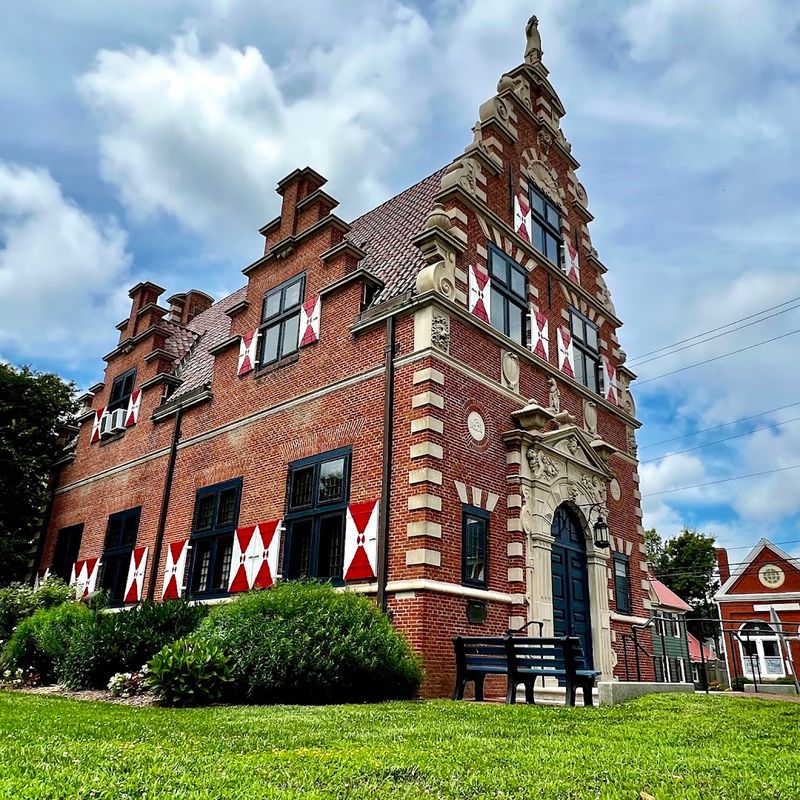
You are walking down a quiet street in Lewes when suddenly a building that looks like it was airlifted straight from the Netherlands stops you cold.
That is the Zwaanendael Museum, standing confidently at 102 Kings Highway, Lewes, DE 19958, and it is one of the most visually striking structures in the entire state.
Built in 1931, it was designed to honor Swanendael, Delaware’s very first European colony, established by the Dutch in 1631.
The architecture is modeled after the historic town hall in Hoorn, Netherlands, complete with a charming stepped facade gable and intricate carved stonework that rewards close inspection.
Inside, the museum explores the maritime, military, and social history of the Lewes area in a way that feels genuinely engaging rather than dusty and forgettable. Exhibits on local shipwrecks and modern social history give the collection real range and depth.
One particularly memorable exhibit features a legendary merman crafted from papier-mache, which is exactly the kind of quirky detail that makes a museum worth talking about afterward.
The original Swanendael colony lasted barely a year due to a cultural misunderstanding with Native people, which adds a layer of poignant complexity to the story.
The name itself translates to valley of the swans, a beautiful phrase for a place with such a layered and compelling history.
9. John Dickinson Plantation
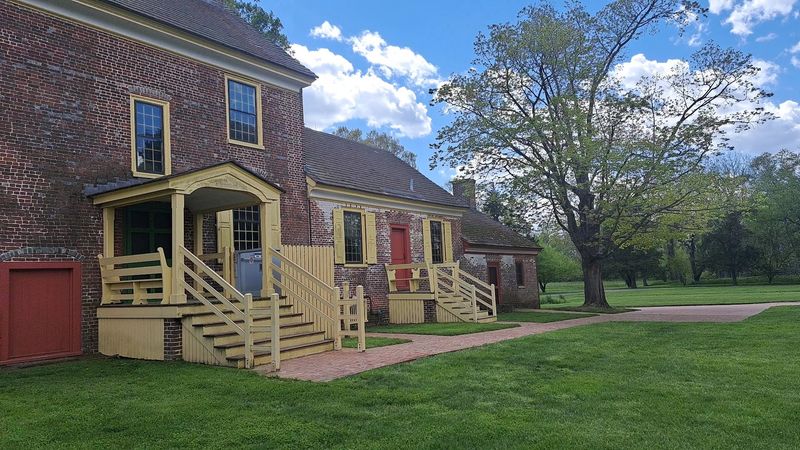
Not every Founding Father gets the spotlight they deserve, and John Dickinson is proof of that.
Known as the Penman of the Revolution, Dickinson wrote some of the most powerful words that fueled colonial resistance against Great Britain.
His home, the John Dickinson Plantation at 340 Kitts Hummock Road, Dover, DE 19901, is where that remarkable story becomes something you can actually walk through.
The plantation features Dickinson’s original brick home, built in 1740, along with reconstructed farm buildings and a log dwelling set among rich agricultural lands.
Those lands stretch down to the banks of the St. Jones River, creating a landscape that feels deeply connected to early American life.
His father made the forward-thinking decision to shift from tobacco to grain farming on this very land, and young John grew up shaped by those fields.
What makes this site particularly powerful is the full range of stories it tells. The plantation honors the experiences of tenant farmers, indentured servants, and free and enslaved Black men, women, and children who lived and worked here.
Dickinson himself gradually freed his enslaved workers, making him the only Founding Father to manumit his enslaved workforce during the Revolutionary years. That is a historical distinction that deserves far more recognition than it typically receives.
10. Indian River Life-Saving Station
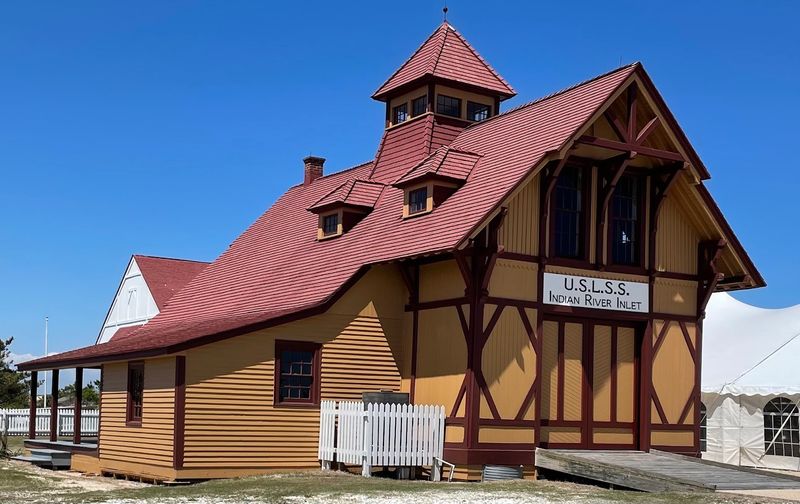
Imagine fierce Atlantic storms battering the Delaware coast while a small group of courageous surfmen sprint toward the water to save lives.
That is exactly what happened here for decades, and the Indian River Life-Saving Station at 25039 Coastal Highway, Rehoboth Beach, Delaware 19971 keeps that legacy alive in the most vivid way possible.
Built in 1876 by the United States Life-Saving Service, this station was a literal beacon of hope for shipwrecked mariners.
Positioned between Bethany Beach and Rehoboth Beach, the station served one of the most hazardous stretches of coastline in the region.
The brave surfmen stationed here patrolled beaches and drilled rescue techniques relentlessly, often in brutal conditions. Between 1876 and 1915, they saved over 400 sailors from the churning Atlantic, which is a number that puts the sheer bravery of their work into sharp relief.
The building itself is a beautiful 1.5-story frame structure featuring distinctive Queen Anne styling with decorative brackets.
A large surfboat was stored inside, ready to roll through double doors at a moment’s notice. The station was even relocated due to coastal erosion, then converted to Coast Guard use in 1915.
Today, after careful restoration, it operates as a fascinating museum where you can explore the bunk room, mess room, and keeper’s office. Is there any better reminder that ordinary courage can become extraordinary history?