
The Peaceful Town In Arkansas Where Life Feels Refreshingly Affordable
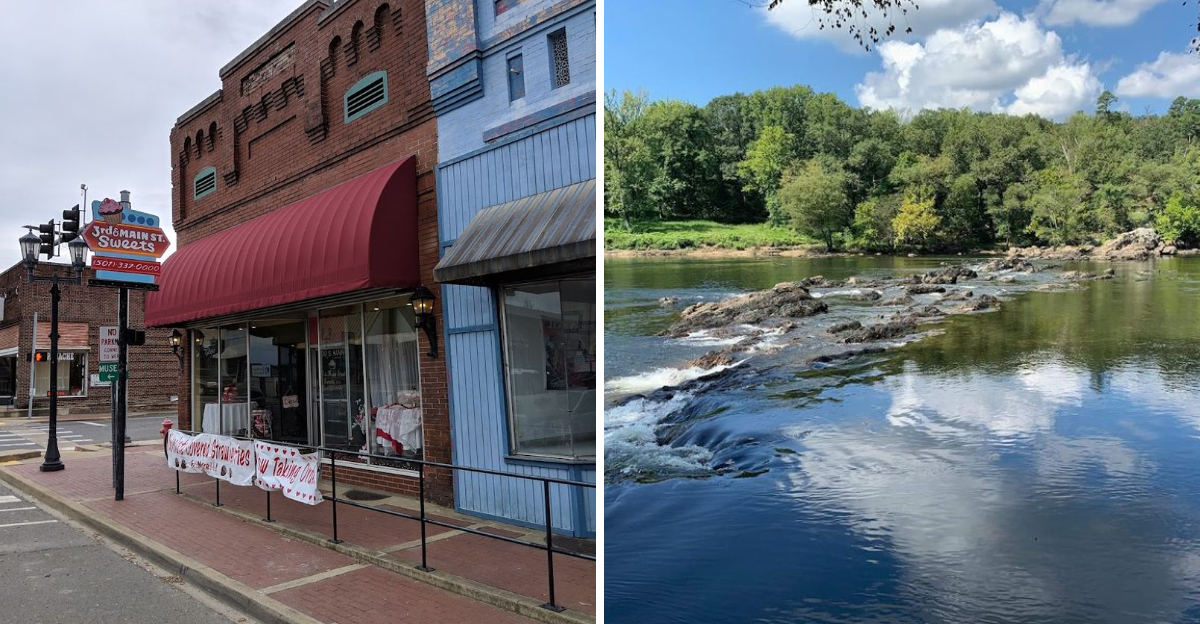
You expect affordability to come with a catch. Then this Arkansas town starts changing your mind.
The streets feel calm without seeming sleepy, and the historic downtown gives an ordinary afternoon more character than expected. Brick buildings reflect a story shaped by local clay and decades of hard work.
The river adds another reason to linger, especially when the day calls for fresh air instead of a packed schedule. Housing costs remain noticeably lower than the national norm, which makes the town appealing to retirees, families, and anyone tired of watching every dollar disappear.
Still, the draw goes beyond numbers. Life feels manageable here.
You can walk, look around, and imagine settling into a rhythm that leaves room for simple pleasures. Keep reading, because this peaceful place may prove that a smaller budget does not have to mean settling for less or giving up the kind of life you want.
Where Brick Heritage Shapes The Local Character
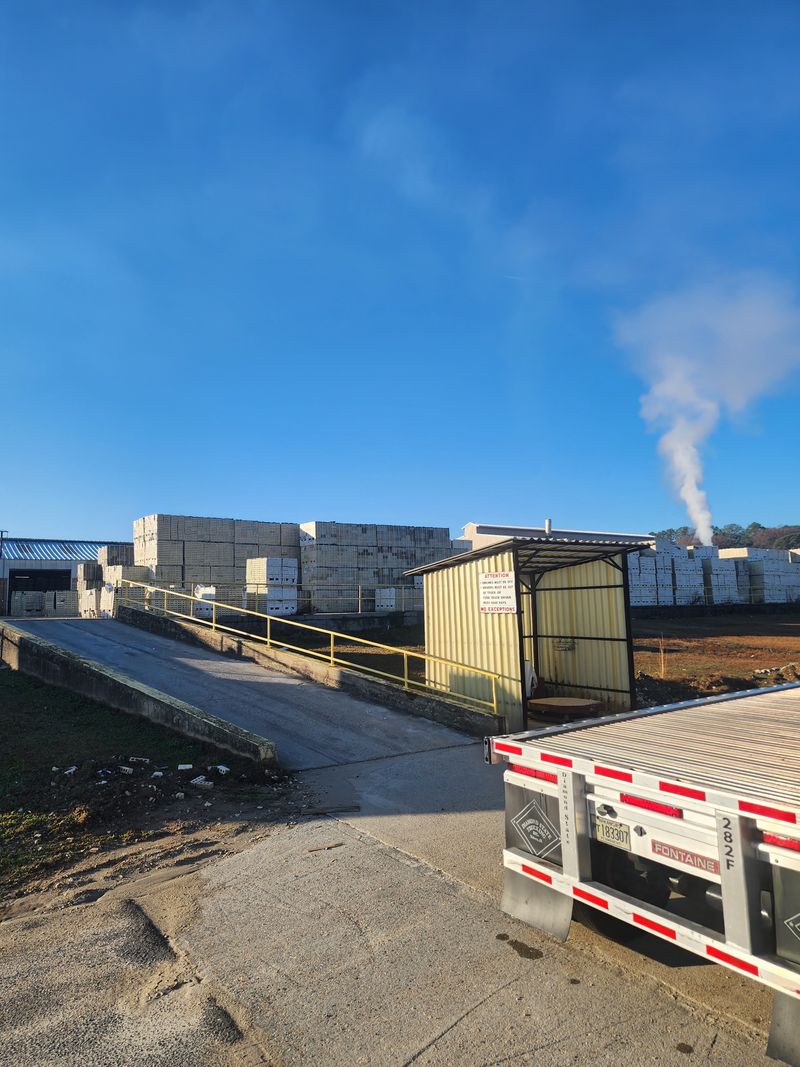
A nickname does not get much bolder than “Brick Capital of the World,” and Malvern wears this one with quiet pride.
The story behind that title stretches back to the 19th century, when local clay deposits turned out to be unusually rich and ideal for brick production.
Companies like Acme Brick set up operations here, and the industry grew into something that defined not just the economy but the personality of the entire community.
Walking around town, you start to notice how the brick tradition is baked into everyday life, from the buildings lining the streets to the sense of durability that locals carry in their outlook.
Brick production remains an important part of the area’s industrial identity, continuing a tradition that has shaped Malvern for generations.
The clay-rich landscape that made all of this possible also gives the region a distinctive earthy quality that feels grounded and real.
Visiting here, you get the sense that this is a place that builds things meant to last, and that philosophy extends well beyond the kilns.
Welcome to Malvern, Arkansas 72104, where the ground itself shaped a legacy.
A Downtown Filled With Quiet Historic Details
Not every downtown tells its story loudly, and Malvern’s historic core is the kind of place that rewards those who slow down to look closely.
After devastating fires swept through in 1896 and 1897, the community rebuilt with determination, replacing what was lost with sturdy brick structures that have lasted well over a century.
The Malvern Commercial Historic District covers a stretch of South Main Street, roughly between 2nd and 5th Streets, where one- and two-story facades carry details that speak directly to the early 1900s.
Cornices, transom windows, and weathered signage hint at the drugstores, hardware shops, and dry goods merchants that once filled these spaces with daily commerce.
I spent a good hour just walking slowly along these blocks, reading the architectural language of each building like pages in an old diary.
There is a texture here that newer commercial strips simply cannot replicate, no matter how carefully they are designed.
The quietness of a weekday afternoon actually works in the district’s favor, letting you absorb details without distraction.
Downtown Malvern feels less like a relic and more like a neighborhood that has simply kept its original handwriting.
Art Deco Beauty At The Heart Of Town
Amid the traditional commercial brickwork of Malvern, a streak of Art Deco elegance cuts through the streetscape with real confidence.
The Hot Spring County Courthouse, completed in 1936, is the most striking example, featuring cast-stone detailing, geometric ornamentation, brick pilasters, and decorative ironwork that frame the entrance with genuine flair.
Standing in front of it, I found myself tilting my head back to follow the vertical lines upward, the way the building seems to reach without being showy about it.
The Ritz Theatre, built in 1938, adds another layer to this design story, with cast concrete plaques that bring a cinematic energy to the block.
What makes this especially interesting is how some older structures, originally built in the late 19th century, later received Art Deco updates, creating an architectural conversation between two very different eras.
The result is a downtown that feels layered rather than uniform, where history did not erase itself but kept adding chapters.
Arkansas does not always get credit for its architectural variety, but Malvern makes a compelling case for a second look.
This courthouse alone is worth a dedicated stop and a few unhurried photographs.
Peaceful Views Along The Ouachita River
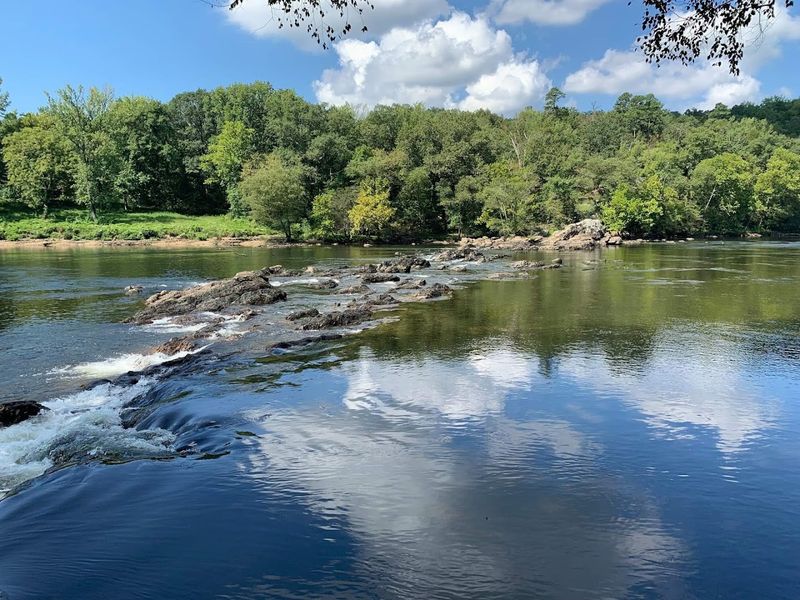
Just beyond the edges of town, the Ouachita River moves with a kind of unhurried grace that matches the mood of Malvern itself.
Where the river exits the Ouachita Mountains, the water runs clear and the forested hillsides frame the scene in a way that feels genuinely remote, even though you are not far from town at all.
I paddled a section of the Lower Ouachita from the Remmel Dam area toward Malvern one morning, and the stillness was almost startling after weeks of city noise.
Gravel bars appear along the banks at regular intervals, flat and wide enough to pull out and sit for a while without any particular agenda.
Mountains visible in the distance add depth to the view, giving the landscape a sense of scale that makes the experience feel larger than the miles actually covered.
The water quality along this stretch has earned a strong reputation among paddlers who care about clean, natural river environments.
Families, solo travelers, and outdoor enthusiasts all find something worthwhile here, whether the goal is photography, fishing, or simply floating.
The river near Malvern has a way of making an afternoon feel twice as long, in the best possible sense.
Tree-Lined Parks Made For Slower Afternoons
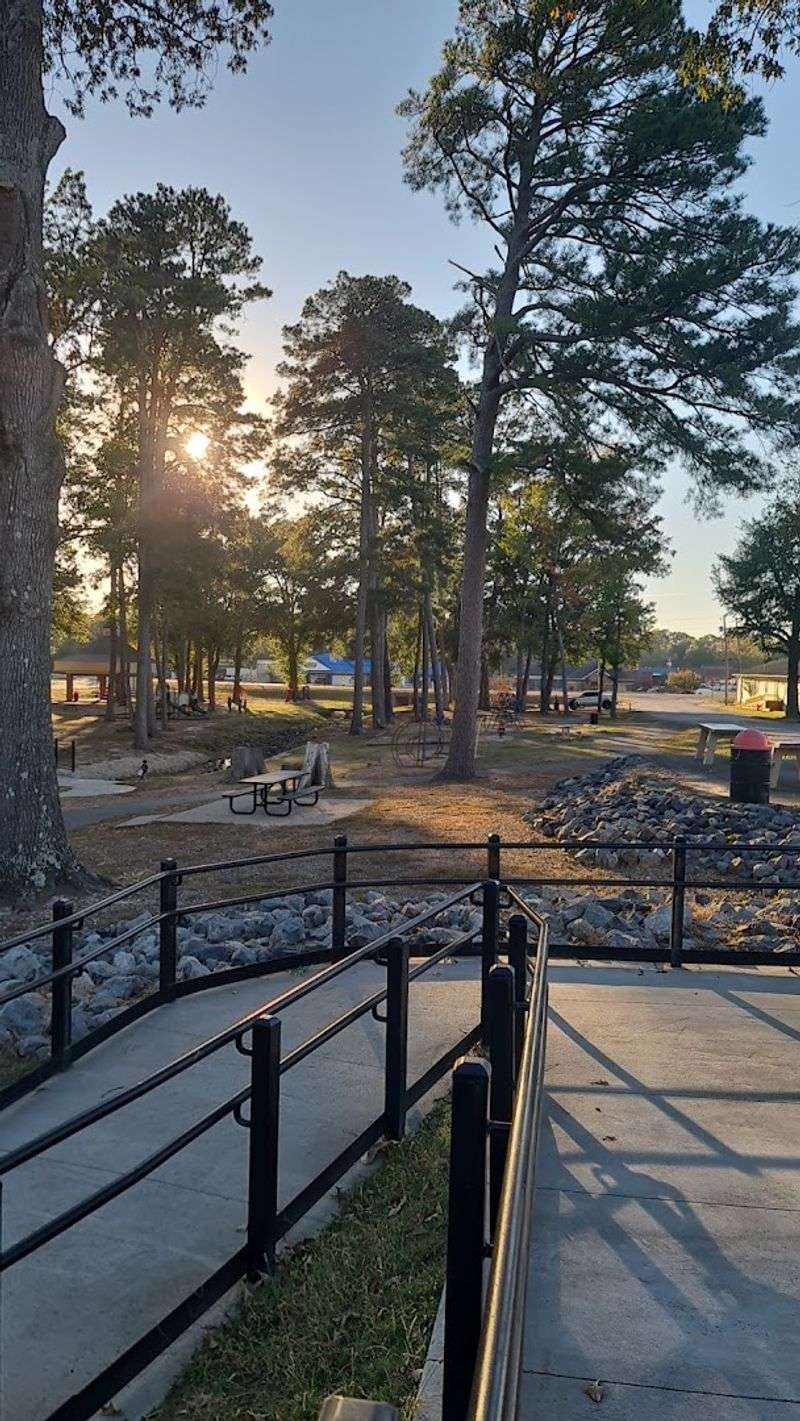
A town that values affordable living also tends to invest in the kind of public spaces where people actually want to spend their free time.
Malvern City Park delivers on that promise with a well-loved combination of walking trails, green lawns, and a creek that adds a natural soundtrack to any afternoon visit.
The trail winds through tree cover that provides real shade during warm months, which matters a great deal in a Southern summer.
Families with young children use the playground area regularly, but the park never feels overcrowded, maintaining that easy, unhurried atmosphere that makes small-town outdoor spaces so appealing.
I sat near the creek for a while during my visit, watching the water move over smooth stones while a pair of dogs splashed around nearby without a care.
Centennial Park adds another green option in the heart of town, useful for those who want a quick outdoor reset without driving anywhere.
Both spaces reflect a community that understands the value of having somewhere to decompress that does not require a ticket or a reservation.
In Malvern, the parks feel like a natural extension of the town’s overall rhythm, slow, accessible, and genuinely pleasant.
Historic Storefronts With Small-Town Personality
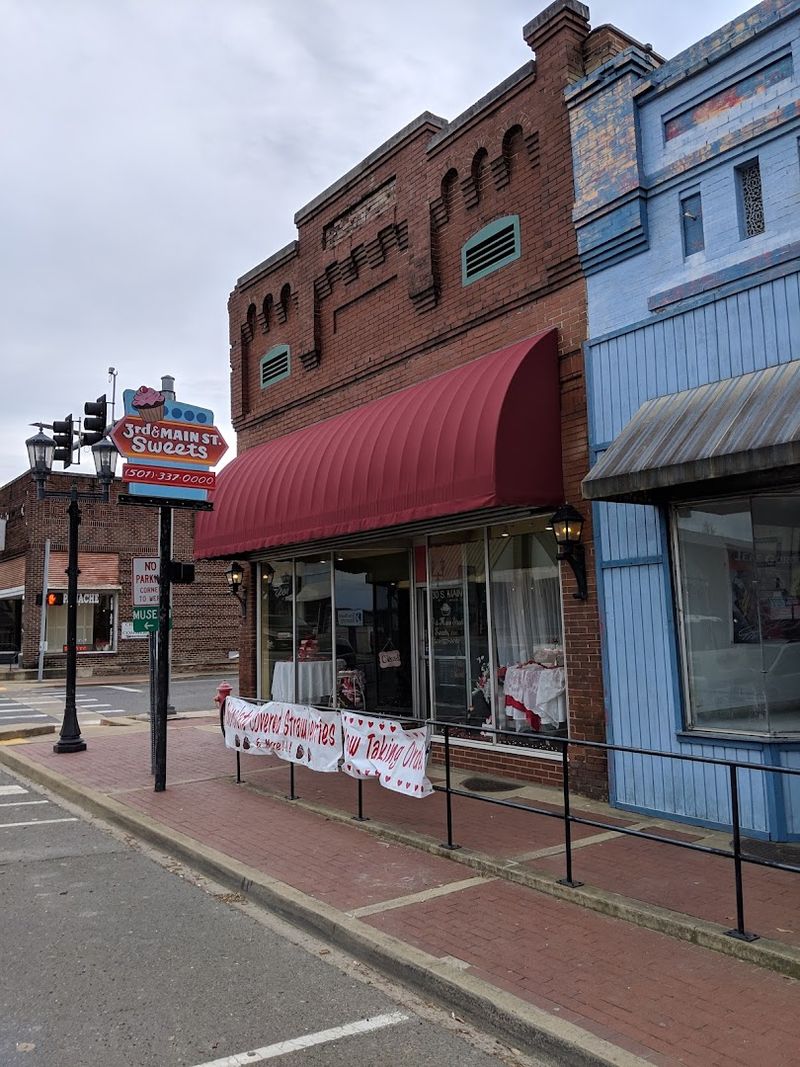
There is a particular kind of character that only comes from storefronts that have survived more than a century of daily use, and Malvern’s commercial district has it in abundance.
The Malvern Hardware Building, dating to around 1900, and the building occupied by Miller Drug, constructed around 1905, are two recognizable anchors in the historic district. Miller Drug itself was founded in 1890.
Walking past these facades on a quiet Tuesday, I could almost reconstruct the rhythm of a town where everyone knew the hardware store owner by name and stopped in for conversation as much as supplies.
The high percentage of contributing buildings within the Malvern Commercial Historic District is notable, meaning most of what you see along these blocks is historic rather than recently reconstructed.
Later additions of Art Deco detailing on some of the older structures create a visual layering that keeps the eye moving and the mind curious.
Businesses like Chamberlin Drugs and Caldwell Hardware once filled these spaces with the kind of commerce that held a community together before big-box retail changed everything.
Today, the storefronts carry that history in their bones, even as new uses find their way through the original doorways.
Few streetscapes in a town this size feel this authentically preserved.
Riverfront Scenery With An Adventurous Side
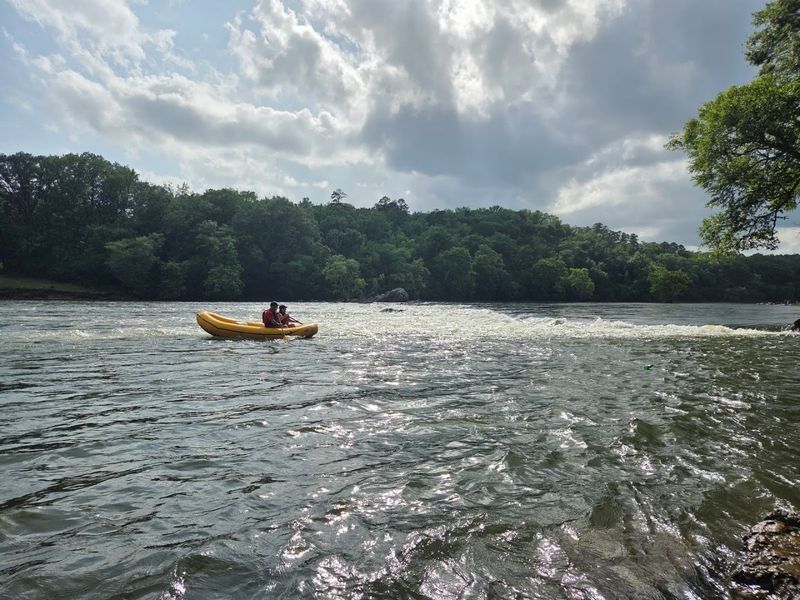
Not every peaceful small town comes with its own whitewater park, but Malvern has one, and it changes the conversation about what this place has to offer.
The Ouachita River Whitewater Park sits right within reach of town, providing access to class I rapids that draw kayakers throughout the warmer months.
I watched a group of paddlers run the same rapid three times in a row one afternoon, each pass generating more laughter than the last, which told me everything I needed to know about the energy of this spot.
For those who prefer a calmer experience, tubing and canoeing along quieter sections of the same river offer a completely different but equally satisfying way to spend a few hours.
The surrounding scenery holds up beautifully from the water, with tree-lined banks and the occasional glimpse of open sky above the current.
Access points are reasonably easy to find, which lowers the barrier for first-time visitors who want to try the river without a complicated logistics plan.
Outdoor enthusiasts who assumed Arkansas only offered passive scenery tend to leave this stretch of the Ouachita with a revised opinion.
The river here earns its reputation one paddle stroke at a time.
Old Railroad Roots Still Visible Today
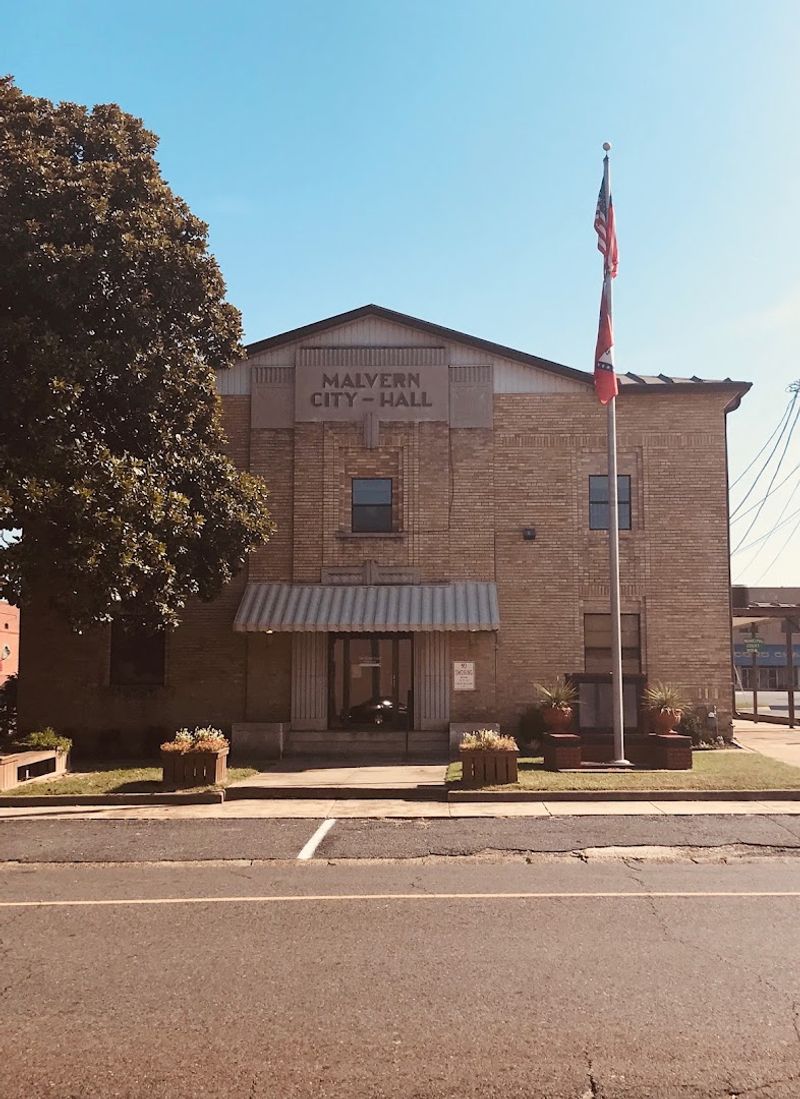
Malvern would not exist in its current form without the railroad, and the town knows it, preserving the evidence with a seriousness that history deserves.
The city was established in the 1870s as a stop on the Cairo and Fulton line, and it quickly grew into a junction point for passengers heading toward Hot Springs.
That strategic position shaped the street grid, the commercial district, and the overall layout of a town designed around the logic of rail travel.
The 1887 brick Hot Springs Railroad Roundhouse still stands as one of the most tangible remnants of that era, a structure that managed to outlast the industry that built it.
Even more remarkable is the Missouri Pacific Railroad Depot, constructed in 1916 in a Mediterranean Revival style that feels almost theatrical for a small Arkansas city.
That depot continues to function today as an Amtrak station, meaning passengers still board trains at a site that has served travelers for more than a century.
I stood on that platform for a few minutes and thought about how many people had passed through this spot heading somewhere new.
Railroad history in Malvern is not behind glass; it is still moving.