
These 11 Towns In Arizona Have Low Taxes, Great Food, And Friendly Locals

I appreciate a town that knows how to make a budget feel welcome. Give me reasonable taxes, a local restaurant with a loyal lunch crowd, and neighbors who still wave from the other side of the street, and I am already checking the map.
Arizona has several communities where everyday life comes with fewer financial headaches and considerably more personality.
These are not towns built around one photo opportunity or a single busy weekend. They have diners where the coffee keeps moving, downtowns that still feel useful, and local favorites people recommend with genuine enthusiasm.
The friendly atmosphere matters too. A lower tax bill is helpful, but it is even better when the place itself feels easy to settle into.
I pulled together eleven Arizona towns that balance affordability, good food, and welcoming local energy. Fair warning: a few may have you casually browsing home listings before reaching the end.
1. Safford
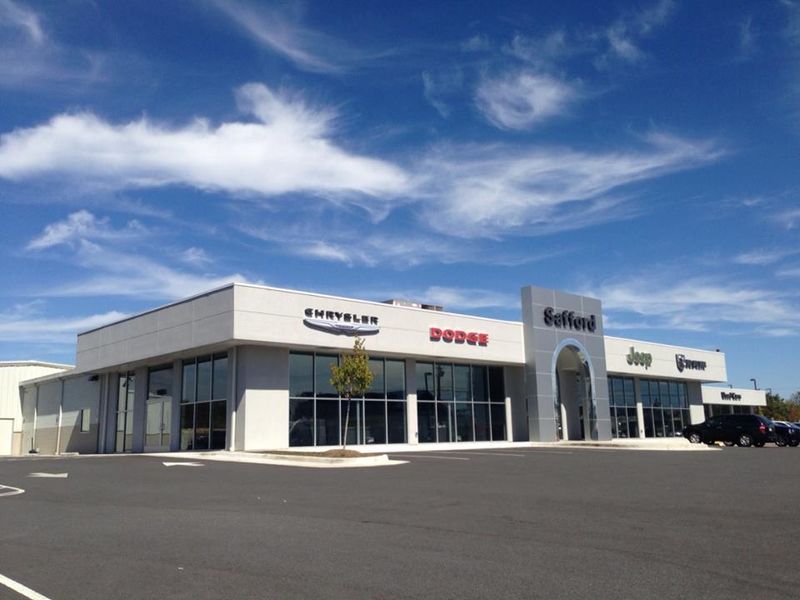
In the Gila Valley with the Graham Mountains rising behind it, Safford carries one of the more modest tax burdens in all of Graham County, which makes a real difference when you are thinking about where to put down roots.
Property costs here stay well below what you would find in the Phoenix metro, and locals seem genuinely proud of that fact. The food scene is a standout. Safford has more than a dozen Mexican restaurants and a family-owned tortilla factory that ships fresh products across the region.
Arizona’s Salsa Trail runs right through here, giving food lovers a reason to map out an entire afternoon of tastings. Even a quick lunch stop can turn into a full debate over which salsa deserves another round.
Locals are the kind of people who wave at strangers and actually mean it. Community events, school games, and busy local counters give the town a friendly rhythm that is easy to notice.
Safford rewards slow travel and curious eaters who are willing to follow a handwritten sign to the best carne asada in the valley.
2. Show Low
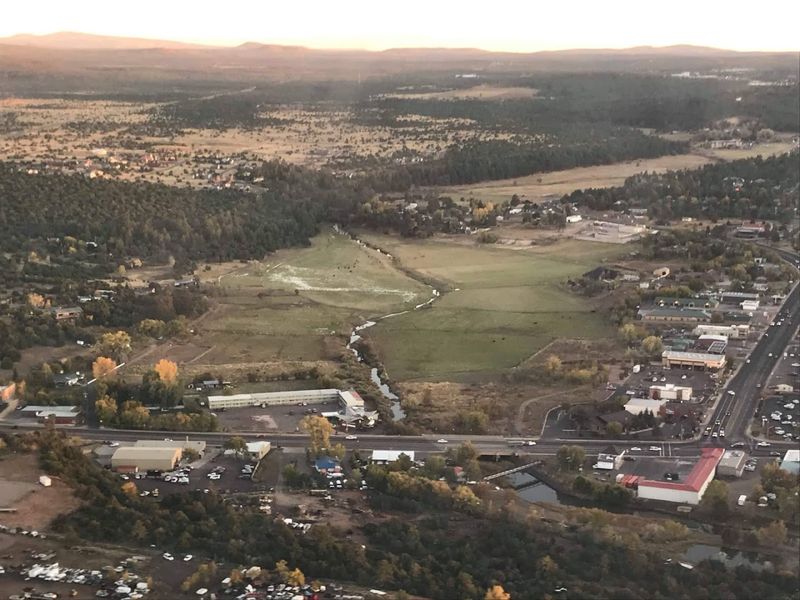
At nearly 6,400 feet above sea level, Show Low brings cool summer air and a mountain-town personality that feels refreshingly unhurried.
Navajo County ranks among Arizona’s lower-cost counties for property taxes, and Show Low takes full advantage of that reputation by drawing families and retirees who want value without sacrificing quality of life.
The restaurant lineup here is more varied than you might expect. Solid barbecue joints, classic diners, cozy cafes, and mountain-comfort-food spots fill the main corridors, and the locals treat their favorite tables like second living rooms.
Weekend mornings at a local breakfast spot often turn into hour-long conversations with complete strangers.
Outdoor recreation adds another layer of appeal, with the White Mountains offering hiking, fishing, and cool-weather camping just minutes from town. Show Low is the kind of place that earns a return visit before you even finish your first cup of coffee.
The slower pace makes it easy to linger downtown, try another local favorite, and let the afternoon develop without a strict plan. Seasonal events and community gatherings also give visitors a natural way to see how quickly neighbors turn unfamiliar faces into part of the conversation.
3. Pinetop-Lakeside
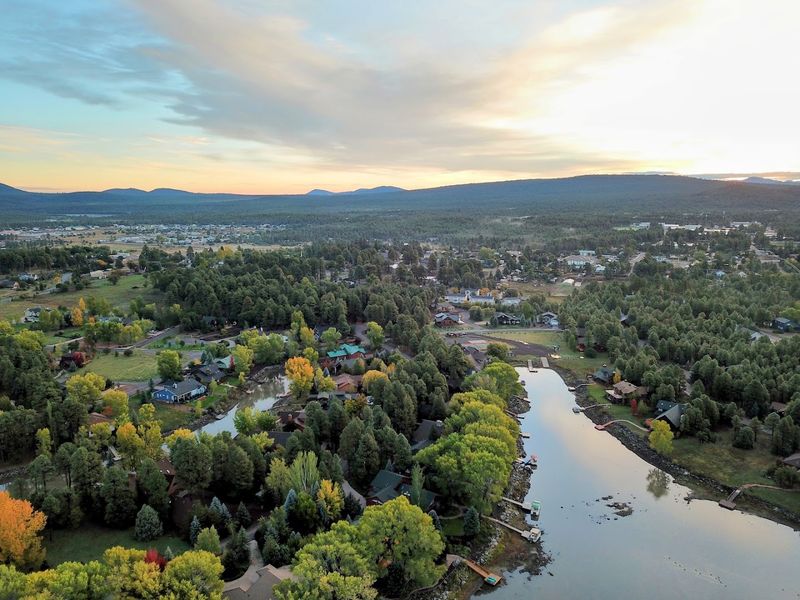
Sharing the same Navajo County tax environment as Show Low, Pinetop-Lakeside adds a slightly quieter, more resort-adjacent personality to the mix.
The community sits deep in the White Mountains and draws visitors year-round for its cool temperatures and tall ponderosa pines that make summer feel like a completely different season than what Phoenix residents know.
Independent breakfast spots anchor the mornings here, and the steakhouses that line the main road have built loyal followings over decades.
Casual restaurants with hearty menus make it easy to refuel after a day on the trails or out on one of the nearby lakes. The food leans rustic and satisfying rather than trendy.
Property tax rates stay manageable, and the sense of community among year-round residents is strong. Pinetop-Lakeside has a way of making first-time visitors feel like they stumbled onto a local secret that everyone somehow already knows about.
4. Kingman

Route 66 runs right through the heart of Kingman, and that highway history gives the town a character that newer Arizona communities simply cannot manufacture.
Mohave County combines relatively low property-tax bills with housing costs that feel almost old-fashioned compared to Scottsdale or Chandler, making Kingman one of the more practical choices on this list.
The food scene leans proudly into its roadside roots. Classic diners with laminated menus, locally owned cafes where the coffee comes fast and the portions come generous, and longstanding family restaurants that have fed generations of locals all add up to a dining culture built on comfort and consistency.
Residents here carry a straightforward friendliness that feels earned rather than performed. Kingman is the kind of town where the person behind the counter at the diner probably knows your order by your third visit, and that familiarity is genuinely part of the appeal.
Downtown murals, vintage signs, and roadside museums give even an ordinary afternoon a little extra Route 66 personality. The surrounding desert also keeps weekend plans flexible, with scenic drives and outdoor stops close enough to enjoy without turning the day into a major expedition.
5. Lake Havasu City
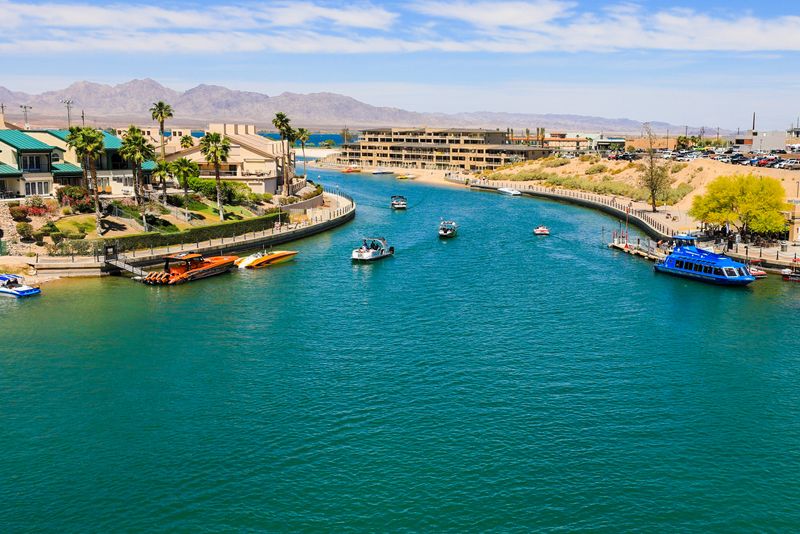
Most people know Lake Havasu City for the London Bridge, which was literally purchased, dismantled, and reconstructed here in the late 1960s.
What fewer people talk about is how well-developed the restaurant scene around that bridge and the surrounding waterfront has become, offering one of the broader dining selections you will find in any similarly sized desert community.
Also sitting in Mohave County, Lake Havasu City benefits from the same relatively low property-tax environment as Kingman while offering a livelier downtown and lakefront district. Seafood, casual American, Mexican, and international options all show up within a short walk of the water.
The community has a welcoming energy that mixes full-time residents with seasonal visitors in a way that rarely feels tense. Spending a weekend here means good food, warm weather most of the year, and a surprisingly lively social scene centered around the lake itself.
6. Globe
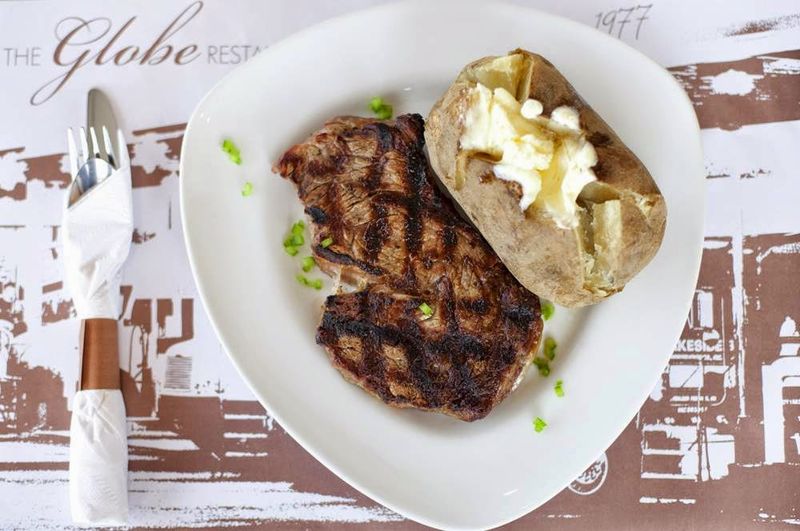
Globe does not always make the short list when people talk about Arizona’s most interesting small towns, and that oversight is genuinely puzzling once you spend a day walking its historic downtown.
Gila County carries a comparatively modest property-tax burden, and Globe pairs that affordability with a local dining scene that regularly surprises first-time visitors.
Mexican restaurants anchor the food culture here, but the variety goes further than that. Bakeries, neighborhood cafes, burger spots, and Italian cooking all have a foothold in this compact copper-mining town.
The mix reflects a community that has layered decades of different influences into something that feels authentically its own.
Locals in Globe tend to be direct, warm, and quietly proud of their town’s underdog status. The historic buildings, the affordable cost of living, and the genuinely good food make Globe one of those places you recommend to friends and then feel slightly possessive about afterward.
7. Payson
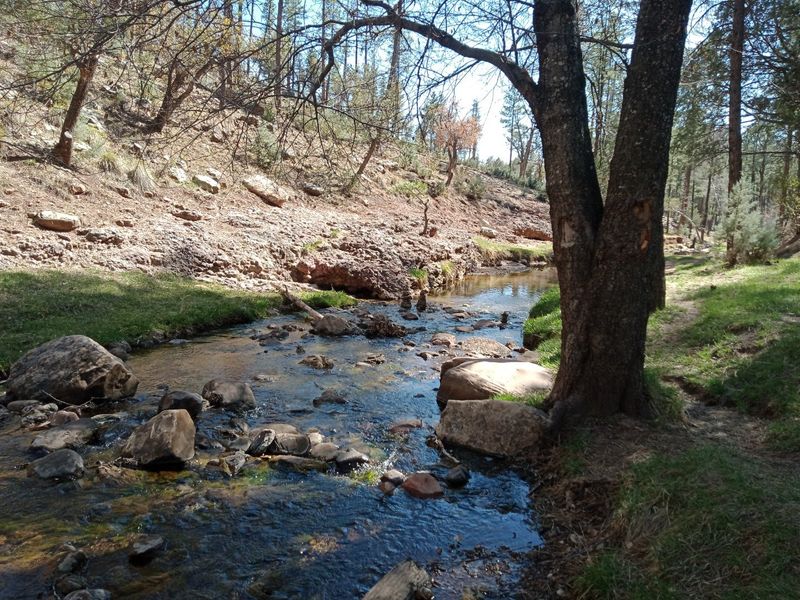
About 90 miles northeast of Phoenix, Payson sits at an elevation that keeps summer temperatures noticeably cooler than the valley floor, which is reason enough for many Arizonans to make the drive regularly.
Gila County’s relatively affordable property-tax rates give Payson another practical advantage, and the town’s year-round population supports a food scene that does not depend on tourist seasons to stay alive.
Local diners, breakfast cafes with loyal regulars, barbecue restaurants that take their smoke seriously, and casual mountain-cooking spots all operate here with the kind of consistency that comes from serving the same community week after week. There are no pretensions, just good food at fair prices.
The friendliness in Payson feels rooted and genuine.
Conversations start easily at the counter, recommendations flow freely, and the general attitude seems to be that there is always room for one more person at the table. That warmth is hard to put a price on.
Community events and weekend markets add even more chances to experience that easygoing local spirit beyond the restaurant table.
8. Bisbee

Few towns in Arizona have reinvented themselves as successfully as Bisbee.
Once a booming copper-mining hub, it has evolved into one of the most creatively alive small communities in the entire Southwest, and Cochise County’s comparatively low median property-tax bill makes it accessible for artists, retirees, and remote workers alike.
The restaurant scene here is genuinely one of the strongest for a town this size anywhere in southern Arizona. Cafes tucked into canyon-side buildings, independent bakeries, counter-style breakfast spots, and destination-worthy dining rooms all share the same compact downtown.
Menus tend to reflect the eclectic personality of the residents themselves. Walking Bisbee’s steep, winding streets feels like moving through a living postcard.
Locals greet newcomers with the easy openness of people who chose this unusual place intentionally and are happy to explain exactly why. Bisbee earns its reputation and then delivers something extra on top of it.
Art galleries, vintage shops, and colorful stairways give visitors plenty to explore between meals without needing a carefully planned itinerary. Even a casual afternoon here can turn into a long conversation, an unexpected purchase, and a strong desire to stay one more night.
9. Sierra Vista
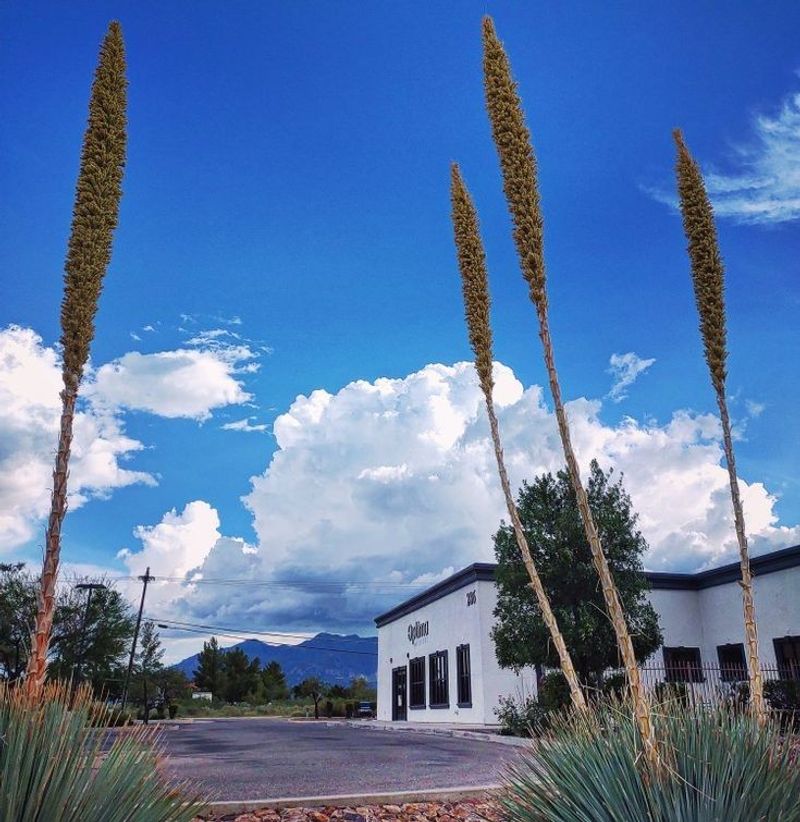
Sierra Vista carries all of Cochise County’s tax advantages while offering a dining scene that is noticeably larger and more varied than what you typically find in a small Arizona city.
The presence of Fort Huachuca nearby has historically brought a diverse population to town, and that diversity shows up clearly on restaurant menus across the area.
International options sit comfortably alongside familiar local spots, giving Sierra Vista a range that makes it stand out from similarly sized communities.
Asian cuisine, Mexican restaurants, American comfort food, and casual cafes all have a consistent presence here, which means you rarely run out of options regardless of what you are craving.
The Huachuca Mountains frame the city’s western edge and create a dramatic backdrop that locals seem to take in stride. People here are practical and welcoming, the kind of neighbors who help without being asked and share restaurant recommendations the way others share recipes.
10. Nogales
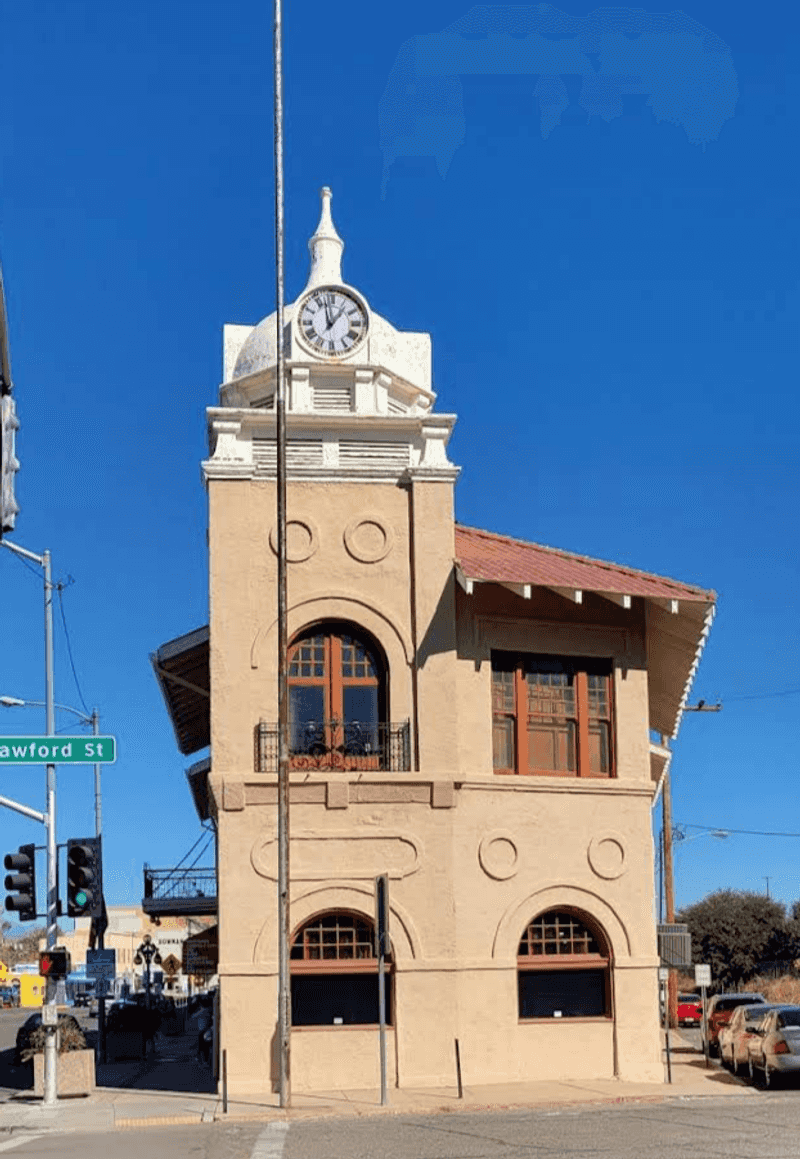
Sitting right on the US-Mexico border, Nogales has one of the most distinctive culinary identities of any town on this list.
Sonoran Mexican cooking is the backbone of the food scene here, and it shows up in family-run restaurants, neighborhood bakeries, roadside carne asada stands, and sit-down spots that have been feeding the same families for generations.
Santa Cruz County remains relatively affordable on property taxes, which keeps Nogales accessible for working families and small business owners who have built the community’s warm, tight-knit character.
The cross-border cultural exchange has created a food culture that feels both deeply rooted and constantly evolving.
Visitors who arrive expecting a generic border town almost always leave surprised. The warmth of local residents, the depth of the food traditions, and the affordability of everyday life combine to make Nogales one of those places that quietly outperforms every expectation you walked in with.
11. Yuma
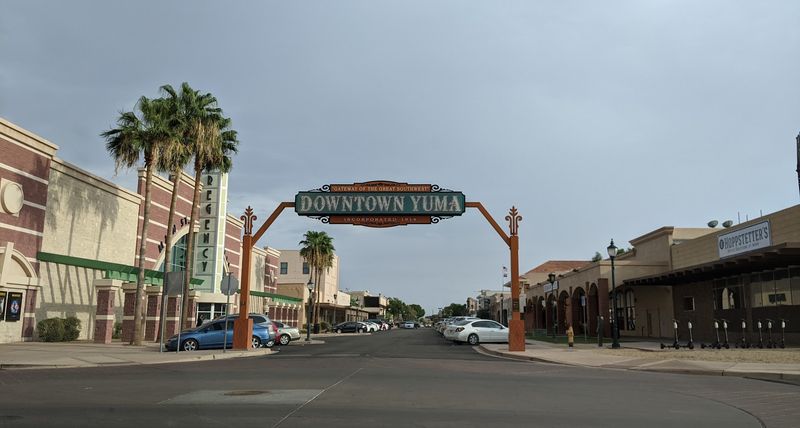
Yuma produces a staggering percentage of the leafy greens consumed across North America during winter months, so it should come as no surprise that produce-driven cooking has a strong foothold in this sun-drenched southwestern corner of Arizona.
The agricultural identity shapes menus in ways that feel genuinely local rather than trend-driven.
Yuma County combines relatively low housing and property-tax costs with one of the most distinctive regional food cultures on this entire list.
Local Mexican restaurants bring serious credibility, date-based treats from the area’s palm farms show up in unexpected and delicious forms, and casual cafes make good use of whatever is fresh from nearby fields.
The people of Yuma tend to be straightforward and hospitable in equal measure. Winters here draw snowbirds from colder states, and the community absorbs them gracefully without losing the everyday character that makes Yuma feel like a real town rather than a seasonal destination.