
The Peaceful Colorado Town Where You Can Live Easily On A Budget-Friendly Rent
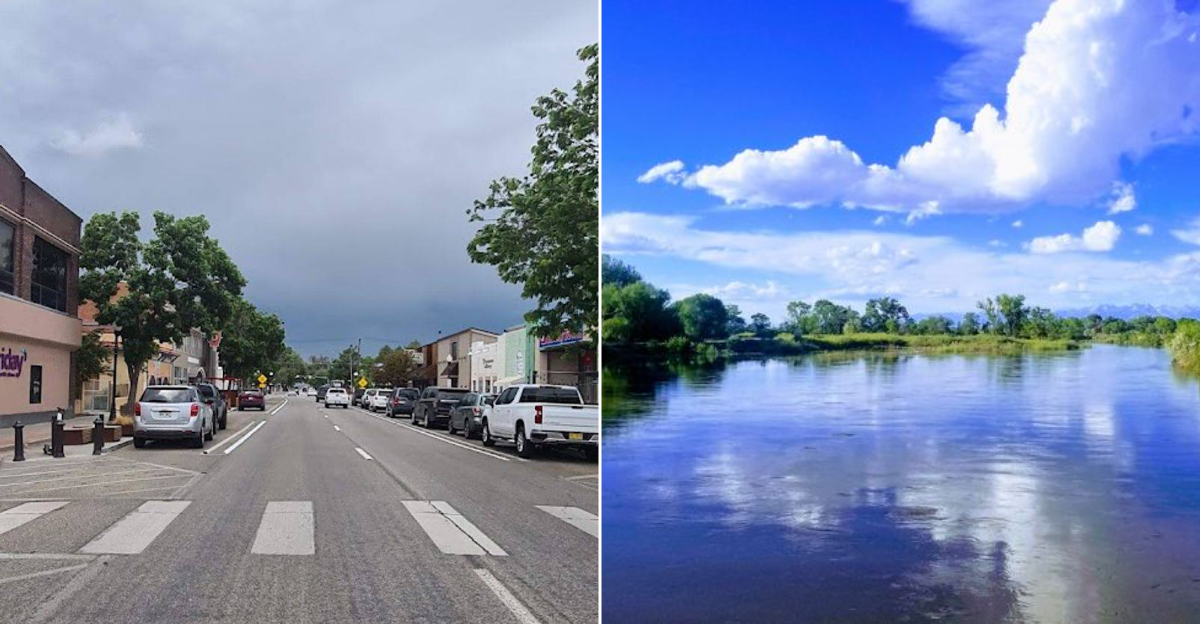
Affordability feels almost rebellious when mountain views come standard. Set at roughly 7,500 feet, this small town delivers more than its population suggests, pairing wide-open scenery with a pace that never seems desperate to hurry.
Fewer than 10,000 people call it home, yet it functions as a regional hub, with practical services, a strong sense of community, and a river running close by. Housing costs remain refreshingly reasonable by Colorado standards, which means your paycheck can support more than rent and survival.
Mornings feel quieter, errands feel simpler, and the horizon does a convincing job of making crowded city life seem overrated. This is not a place built around spectacle.
Its appeal comes from breathing room, manageable expenses, and access to scenery most people only see on vacation. For anyone craving a reset, Colorado offers one address where living well does not require working two jobs just to stay afloat.
Why Alamosa’s Rent Prices Are a Genuine Colorado Rarity
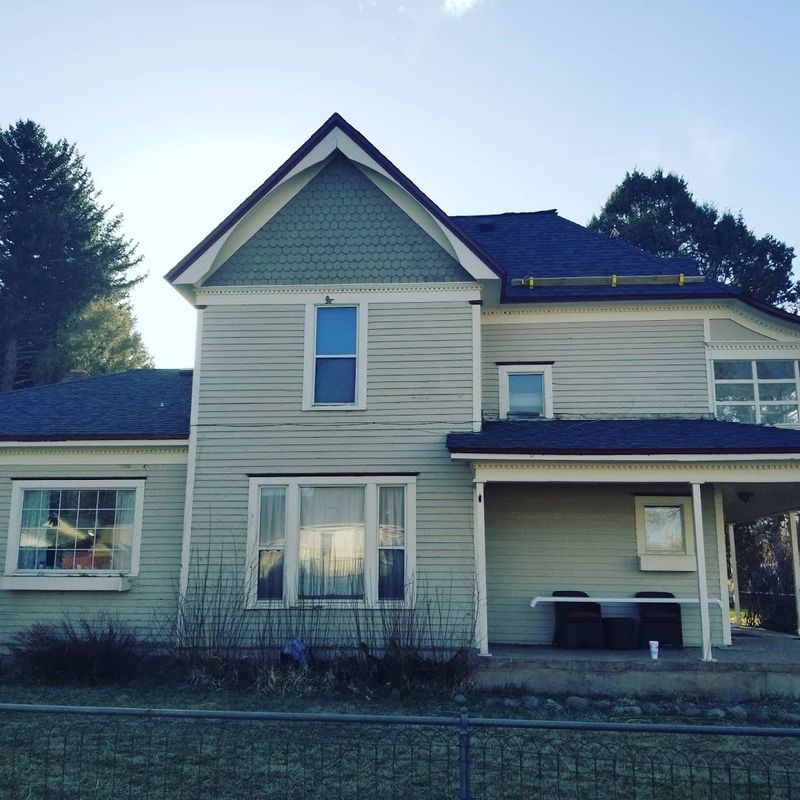
Colorado has a reputation for being expensive, and in most of the state, that reputation is fully earned. But Alamosa operates by different math.
Median rent here runs noticeably below the state average, making it one of the few places in Colorado where a single income can actually cover housing without requiring a spreadsheet and a prayer.
The city sits in the San Luis Valley, far enough from Front Range metro pressure that real estate has not been swept up in the same bidding-war frenzy. That geographic distance is not a drawback; it is the whole point.
You get a genuine Colorado address, genuine Colorado scenery, and a monthly rent that leaves room in the budget for actual living.
Studios, one-bedrooms, and small houses are all available at price points that feel almost quaint compared to Denver or Boulder. For families, couples, or solo professionals who are tired of watching their paycheck evaporate on rent, Alamosa offers something increasingly rare: breathing room.
Quick Tip: Rental availability moves quickly in small towns. Check listings early and be ready to act, because the good units do not sit long when word gets around about the value here.
The Rio Grande Running Right Through Town Is Not a Small Thing
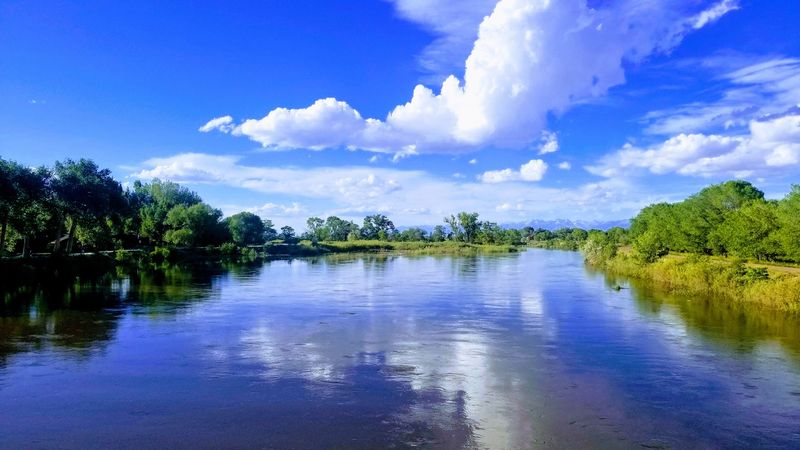
Most towns would build a tourism campaign around having the Rio Grande run through them. Alamosa treats it like a pleasant given, which might be the most charming thing about the place.
The river winds through the area, providing green corridors, wildlife habitat, and a natural backdrop that city dwellers typically have to drive hours to reach.
For residents, the Rio Grande is simply part of the daily landscape. Morning walkers pass it.
Kids grow up near it. It anchors the town to something larger than itself without demanding attention or an admission fee.
That kind of access to natural beauty, built into everyday life rather than reserved for weekend trips, is quietly valuable in ways that are hard to put a price on.
The riparian zone along the river supports cottonwood groves and bird populations that draw serious wildlife watchers from well outside the region. Living here means that kind of access is not a special occasion; it is just Tuesday.
Why It Matters: Proximity to natural features like rivers consistently ranks among the top quality-of-life factors for residents in smaller towns. In Alamosa, that feature comes standard with the address.
Being the County Seat Means Alamosa Actually Has Infrastructure
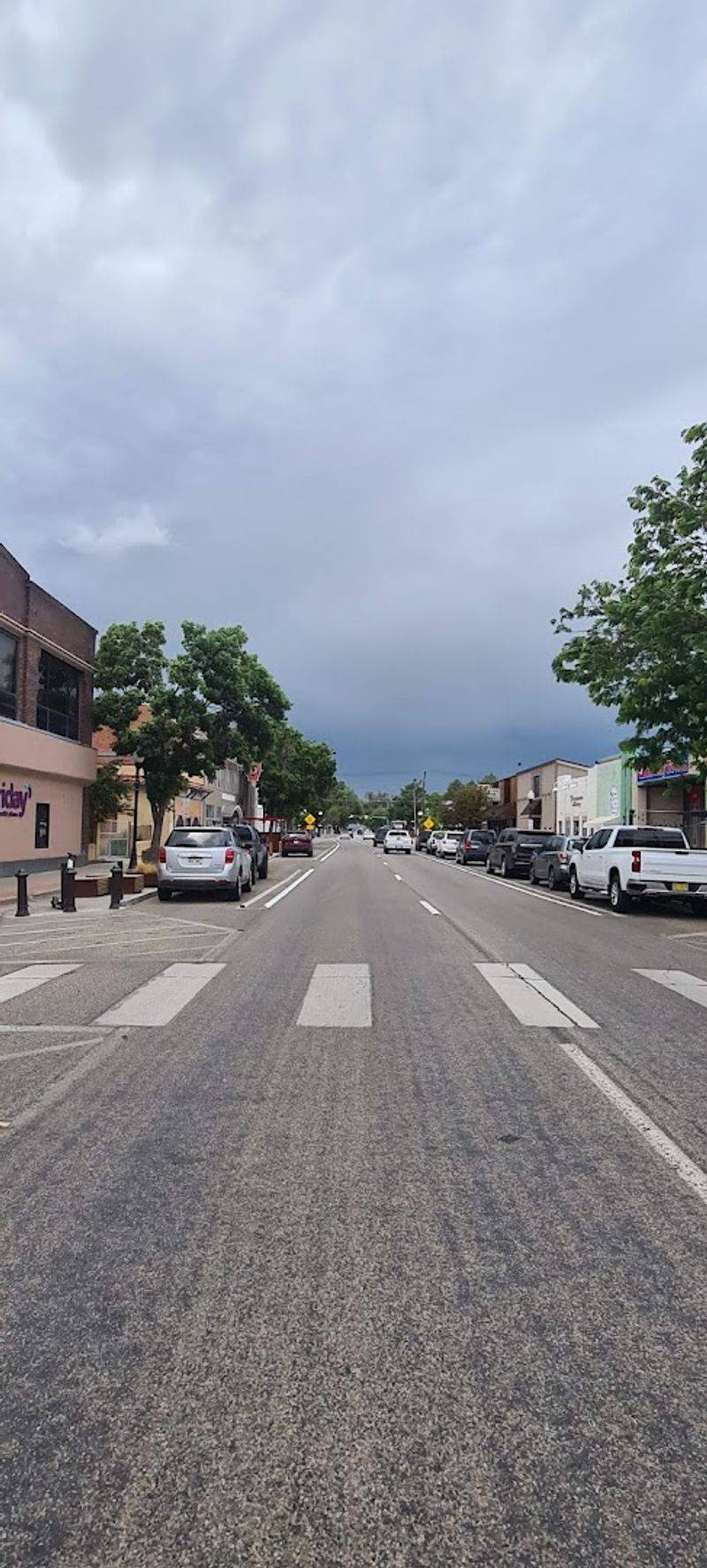
There is a version of budget-friendly small-town living that involves driving forty-five minutes for groceries and hoping the one clinic in the county has an opening this month. Alamosa is not that version.
As the county seat and the most populous municipality in Alamosa County, the city carries actual services: hospitals, schools, government offices, and a functioning downtown that supports daily life without requiring a long commute for basics.
Adams State University is located here, which brings a steady academic presence, a library, cultural events, and the kind of institutional energy that keeps a small city from feeling stagnant. The university also contributes to the local economy in ways that create stability, which matters if you are thinking about putting down roots rather than just testing the waters.
Grocery stores, medical facilities, and local businesses line the streets in a way that makes Alamosa feel complete rather than stripped down. That completeness is not accidental; it comes from being the regional hub for a wide surrounding area.
Best For: Families, remote workers, and retirees who want genuine small-town living without sacrificing access to the services that make daily life manageable and predictable.
The San Luis Valley Setting Makes Every Drive Feel Like a Reward
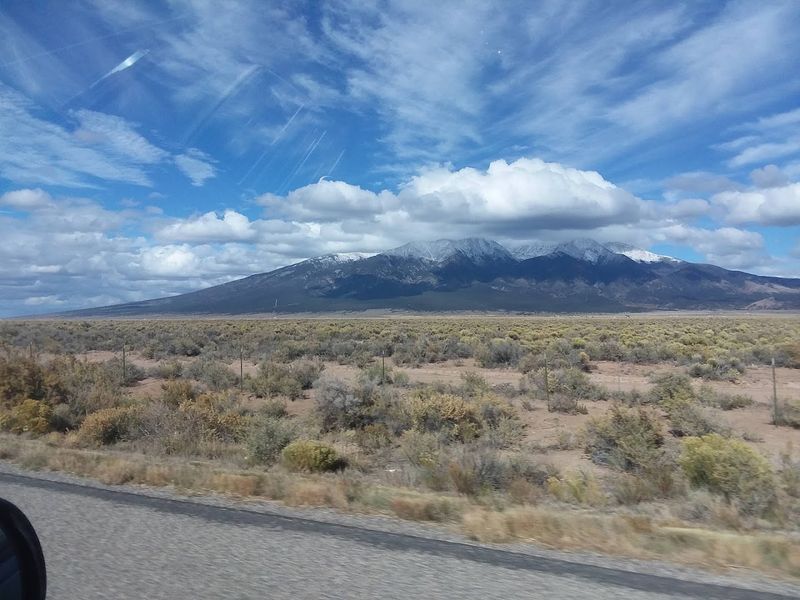
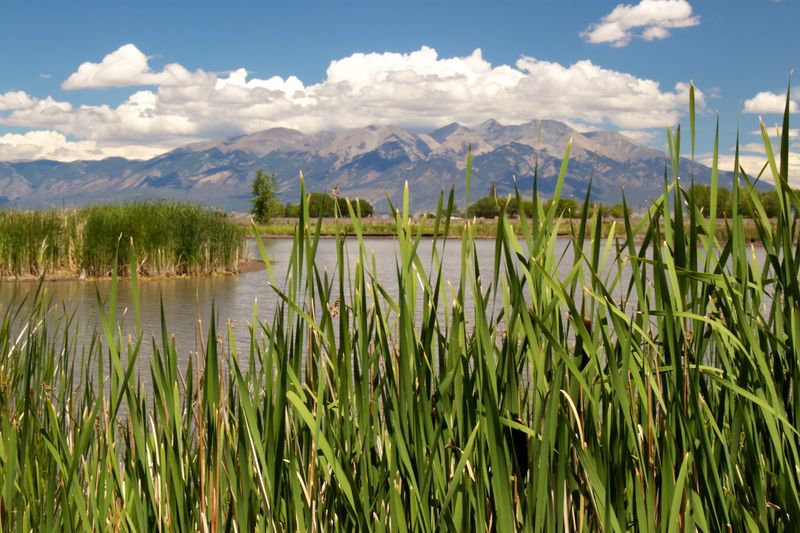
The San Luis Valley is one of the largest alpine valleys in the world, and Alamosa sits right at its center. On a clear day, which is most days given the area’s famously sunny climate, the Sangre de Cristo Mountains rise to the east and the San Juan Mountains frame the west.
This is not background scenery you eventually stop noticing; it is the kind of landscape that still catches you off guard on an ordinary Tuesday commute.
The valley floor is flat and wide, which means the mountain views are unobstructed in every direction. Residents describe the sky here as genuinely enormous, a phrase that sounds like exaggeration until you stand in it.
The region averages over 340 days of sunshine per year, which is a figure that people in cloudier climates tend to find suspicious but is well documented.
For anyone who has paid premium rent in a city to be near nature, moving to Alamosa flips the equation entirely. The nature is already there, massive and unhurried, and the rent is the reasonable part.
Insider Tip: The valley’s high elevation means temperatures swing significantly between day and night. Pack layers even in summer, and you will be comfortable rather than surprised.
Great Sand Dunes National Park Is Practically a Neighbor
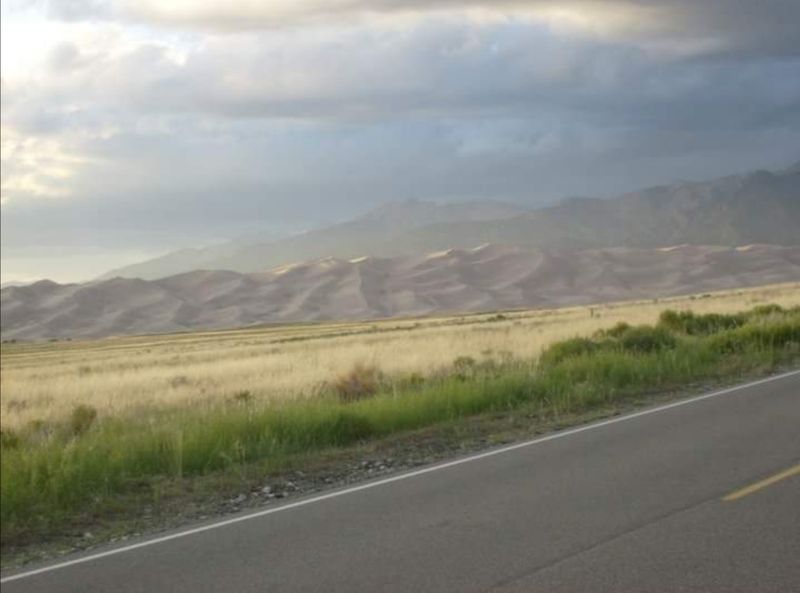
Living near a national park is the kind of perk that real estate listings in other states use to justify enormous price tags. In Alamosa, Great Sand Dunes National Park is roughly thirty miles away, close enough for a spontaneous afternoon visit without requiring a week of planning or a night in an overpriced hotel.
The tallest sand dunes in North America rise out of the valley floor in a scene so improbable it looks like a geography error.
For families, the dunes offer the rare combination of genuinely spectacular and completely free to visit on foot. Kids can sled down the dunes, wade in Medano Creek when it flows seasonally, and have the kind of outdoor experience that produces actual memories rather than just tired feet.
Couples and solo visitors find the early morning hours at the park quietly extraordinary, with low light and long shadows making the landscape look like something from another planet.
Having this kind of access as a weekend habit rather than a once-a-year road trip is one of those Alamosa advantages that does not show up in a rent comparison but absolutely belongs in the conversation.
Planning Advice: Visit on weekday mornings for a noticeably less crowded experience. The dunes are worth every trip, but the early hours make them genuinely peaceful.
Adams State University Gives the Town a Steady Cultural Pulse
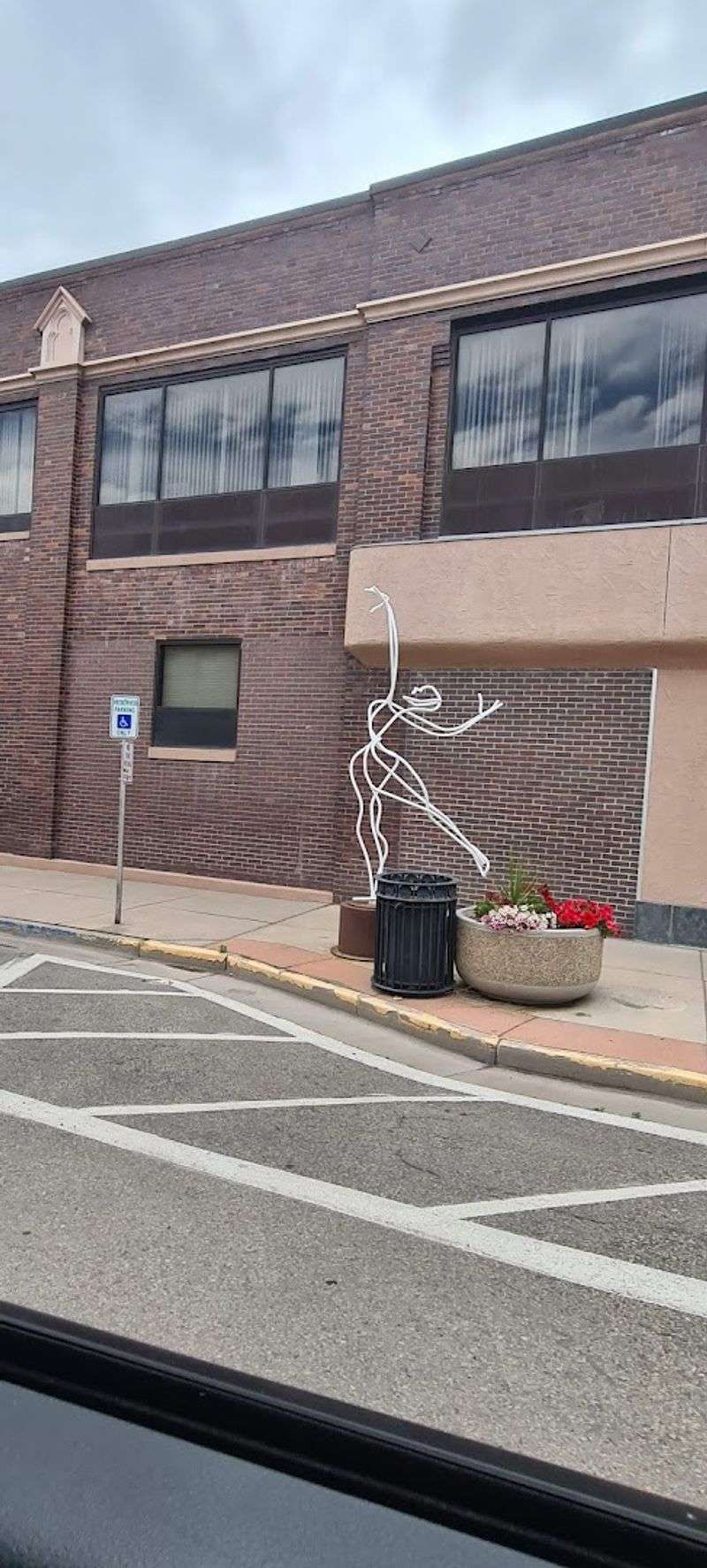
A university does something specific to a small town: it keeps it curious. Adams State University, located right in Alamosa, brings a consistent flow of students, faculty, and programming that prevents the city from becoming purely residential and quiet in the way that some small towns can feel a bit too settled.
Lectures, performances, athletic events, and community programs run through the academic calendar and spill into the broader community in ways that benefit everyone, not just students.
The university also contributes to the local job market, which matters for anyone considering a move. Educational institutions tend to be stable employers, and Adams State has been part of Alamosa’s identity for well over a century.
That kind of institutional longevity is not glamorous, but it is genuinely reassuring when you are thinking about where to plant yourself.
The Luther Bean Museum and Art Gallery on campus offers rotating exhibitions and is open to the public, adding a cultural layer to a town that might otherwise be underestimated by people who have not spent time there.
Who This Is For: Lifelong learners, culture-seekers, and anyone who wants small-town affordability without surrendering access to arts, ideas, and community programming that keeps life interesting.
The Cost of Living Beyond Rent Is Also Worth Talking About
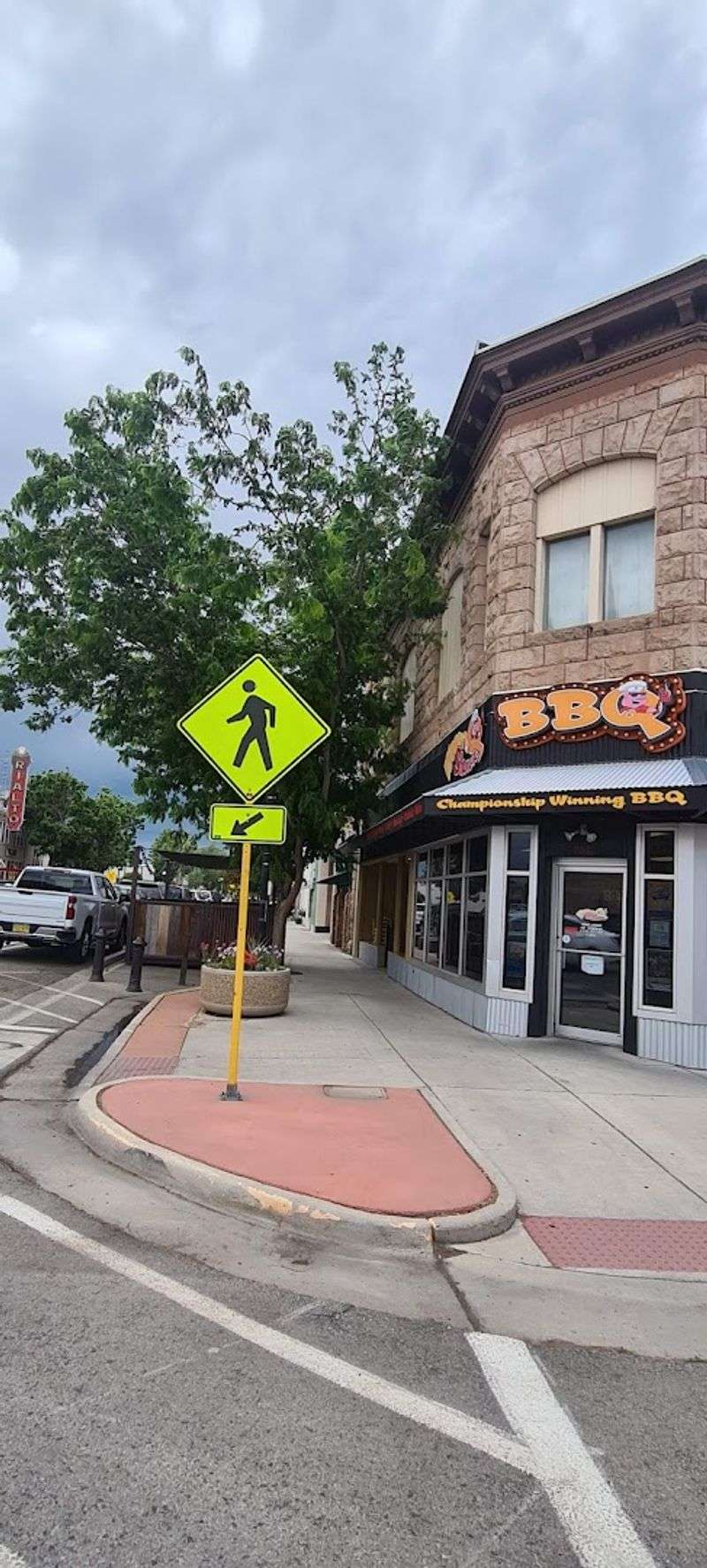
Rent is the headline number, but the full picture of affordability includes everything else: groceries, utilities, transportation, and the general cost of getting through a week. Alamosa holds up well across those categories.
The overall cost of living in the city tracks below the Colorado state average in multiple areas, which means the savings are not limited to your monthly housing payment.
Utilities in a smaller, less densely populated city tend to run lower than in metro areas. Local businesses, farmers markets, and direct access to agricultural producers in the San Luis Valley mean fresh food options that do not require premium pricing.
The valley is one of Colorado’s most productive agricultural regions, and that proximity translates to real-world grocery benefits for residents.
Transportation costs also benefit from the smaller scale of the city. Commutes are short, traffic is manageable, and the general friction of daily movement is low.
For anyone who has spent years factoring in parking costs, long commutes, and the daily toll of city logistics, Alamosa’s pace is a legitimate financial adjustment in the right direction.
Common Mistakes to Avoid: Do not budget based on Front Range Colorado assumptions. Alamosa operates on a different economic scale, and adjusting your expectations downward is actually the correct move here.
What the Local Community Actually Feels Like Day to Day
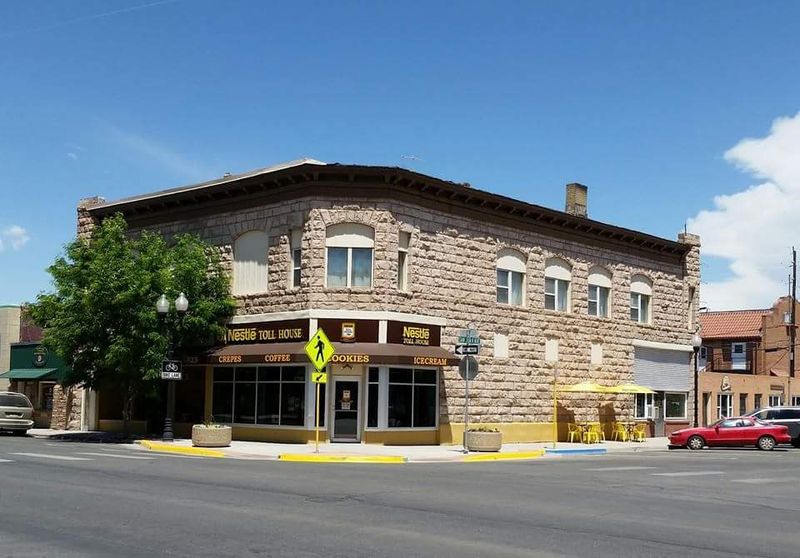
Numbers and geography only explain so much. The part that does not show up in a cost-of-living index is what it actually feels like to live somewhere.
Alamosa has the social texture of a town where people recognize each other at the post office and mean it when they ask how you are doing. That is not a minor thing, especially for anyone coming from a larger city where anonymity is the default setting.
The community reflects the broader San Luis Valley, which has deep Hispanic cultural roots and a history that predates Colorado statehood. That cultural richness shows up in local food, community events, and the general character of the place in ways that make Alamosa feel layered rather than generic.
It is a real town with real history, not a planned community that arrived fully formed.
For families, the smaller scale of the community means kids grow up with a sense of place and belonging that is harder to manufacture in larger cities. For couples and individuals, the social ease of a smaller town can be a genuine relief after years of urban social exhaustion.
Quick Verdict: Alamosa feels like a place where you become a local fairly quickly, which is either exactly what you want or a useful signal that it might not be the right fit.
Making the Decision: Is Alamosa the Right Move for You
Every budget-friendly place comes with trade-offs, and Alamosa is honest about its own. The city is genuinely remote by Colorado standards.
The nearest major metro area is Pueblo, roughly two hours north, and Denver sits about four hours away. If frequent city access is a non-negotiable part of your life, that distance is worth factoring in before signing a lease rather than after.
The winters are cold and can be snowy, as you would expect from a high-elevation valley in southern Colorado. The flip side is that the summers are mild, the air is clean, and the sunshine ratio is one of the best in the state.
People who thrive in four-season environments and genuinely enjoy outdoor living tend to find Alamosa’s climate a fair deal.
Remote work has made geography more flexible than it used to be, and Alamosa has benefited from that shift. For professionals who can work from anywhere, the combination of low rent, natural surroundings, and a functional small-city infrastructure makes a compelling case that is difficult to match elsewhere in Colorado.
Best Strategy: Visit for a long weekend before committing. Walk the streets, talk to a few people, and let the pace of the place tell you whether it matches the pace you are actually looking for in your next chapter.