
This Michigan River Town Makes A Perfect Quiet Summer Escape
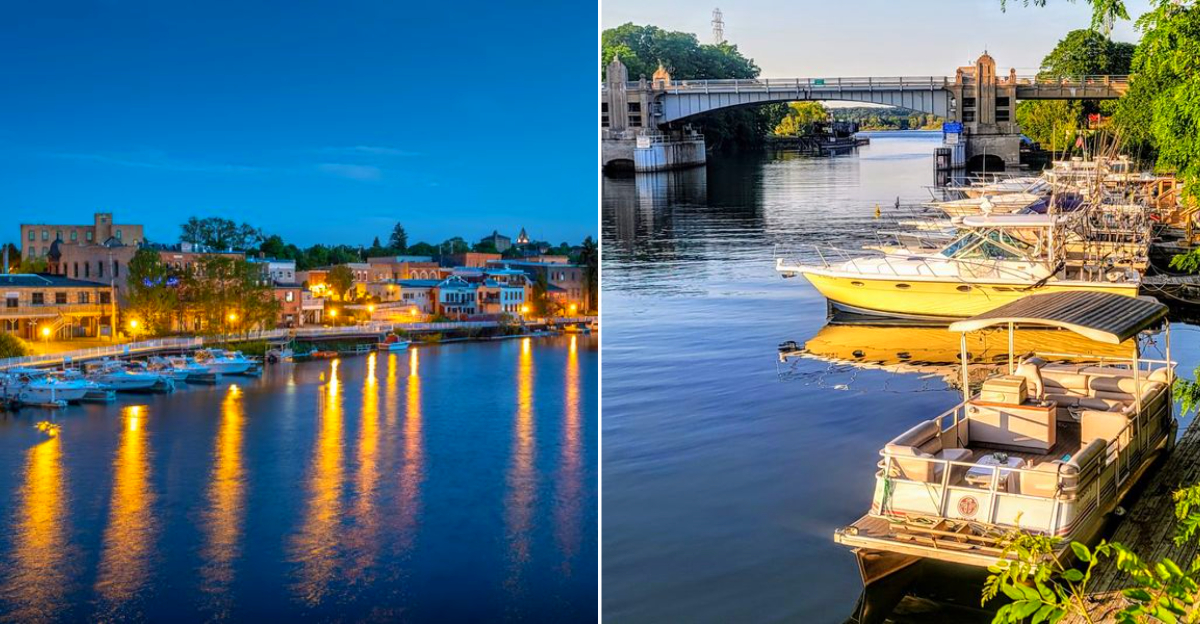
There is something about a river running through the middle of a small town that instantly slows everything down. I walked along a wooden boardwalk that follows the water past fishing boats and storefronts, and within ten minutes I had forgotten whatever I was rushing toward.
The town has that easygoing rhythm where coffee tastes better and nobody seems to check their watch. Charming small towns fill Michigan, but this riverside escape feels purpose-built for anyone who wants July without the crowds.
A lighthouse stands guard where the river meets the lake, and the breeze carries the smell of fresh-caught fish and pine trees. I spent an afternoon just walking and watching, and that turned out to be the whole point.
Sometimes the best trip is the one where you do not need an itinerary.
Start Early For The Softest Mood
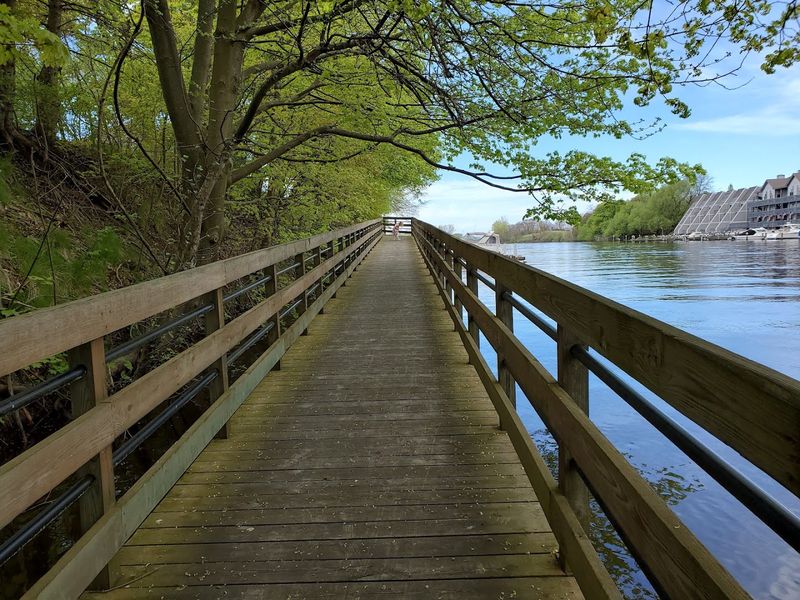
The Riverwalk feels most persuasive early in the day, when the boards and paved sections are still cool and the river carries that pale, brushed-silver light. Boat traffic is lighter then, and the whole route seems to inhale before town fully wakes up.
If you want the quiet-summer version of Manistee rather than the active one, this is the hour to claim.
I like starting with no agenda beyond following the water and noticing how the scenery changes between built edges and open sky. Bring coffee, walk slowly, and leave room for pauses at the benches.
Open 24 hours, the path rewards early risers with a calmer soundtrack, easier parking, and photographs without crowds drifting through the frame.
Maple Street Drops You Behind River Street
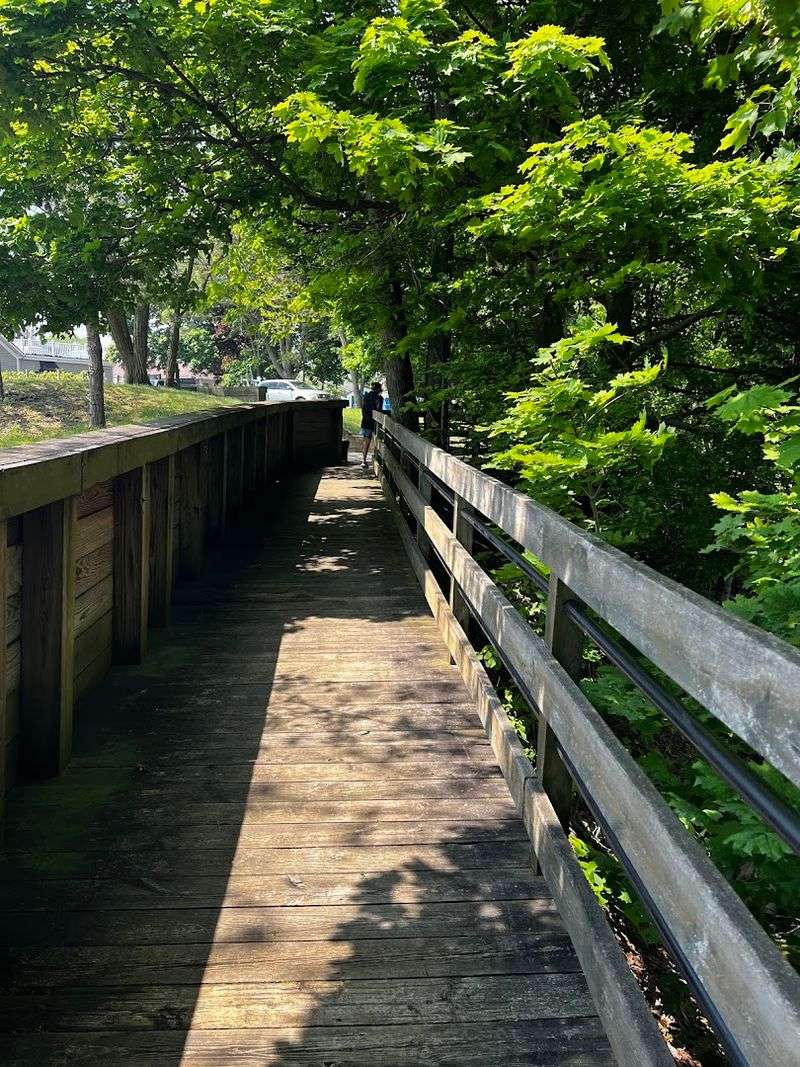
The Manistee Riverwalk follows the Manistee River through downtown Manistee, Michigan, with 70 Maple Street serving as a practical central arrival point. From US-31, turn onto River Street and use Maple Street to reach the downtown waterfront area.
The final approach brings you behind the River Street storefronts, where passages and stairways descend toward the boardwalk. Because the Riverwalk stretches along both sides of the channel and continues west toward Lake Michigan, there is no single gate or fixed starting point.
Park in one of the public areas along River Street or Water Street, then walk through a signed downtown access point to the river. For a longer waterfront walk, First Street Beach also provides parking and access near the western end.
Pay Attention To The Surface Underfoot
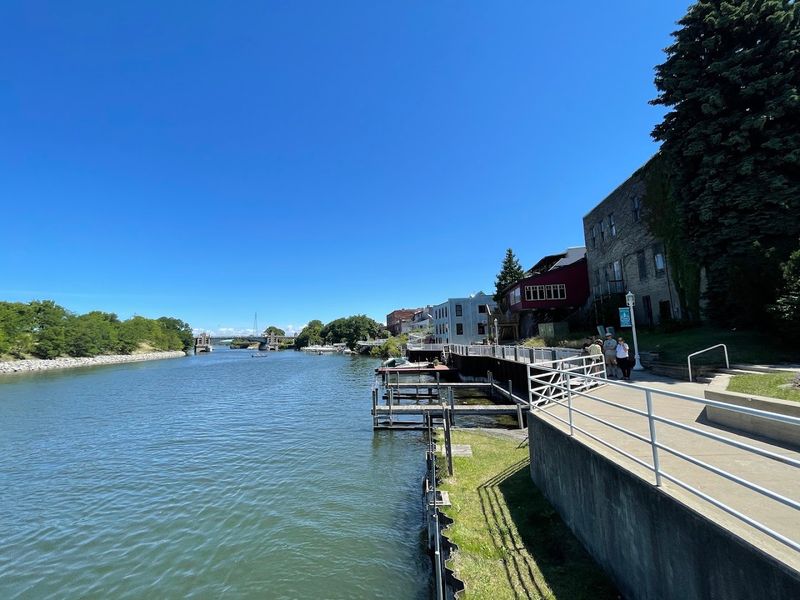
The Riverwalk is not visually dramatic every second, but the changing walking surface keeps you more aware than you expect. Cement sections transition into boardwalk stretches, and that small shift changes the rhythm of the stroll, the sound under your shoes, even the way you look outward at the water.
It is a subtle design detail, yet it gives the route character.
Because the surface is generally even and approachable, this is one of those places where you can relax into the walk instead of managing it. Comfortable shoes are still worth wearing, especially if you plan to double back.
If mobility is a concern, the smoother sections and steady grades make this a notably practical riverfront outing.
Read The Signs Instead Of Passing Them
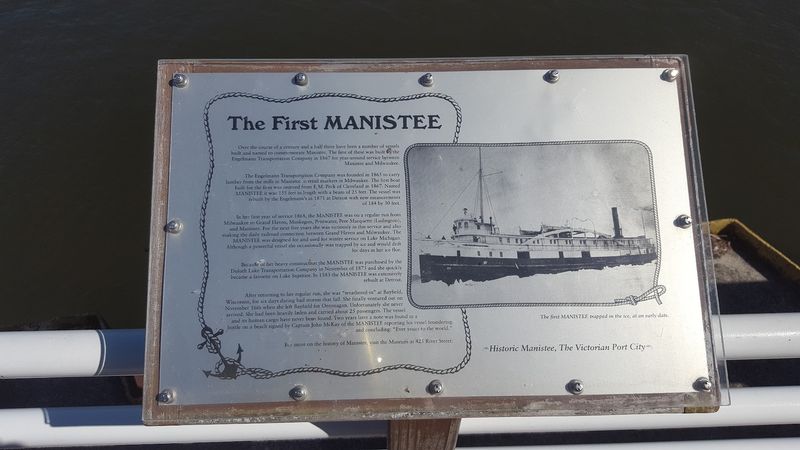
It is easy to treat interpretive signs as decorative punctuation, but here they genuinely deepen the walk. The Riverwalk includes markers about local waterways and history, and they turn a pleasant promenade into something more layered and specific.
You are not just looking at the river but understanding why this edge of town feels the way it does.
I found that stopping to read a few signs changed my pace in the best way. Suddenly the views of docks, bridges, and old commercial buildings felt tied together rather than incidental.
If you usually breeze past public history panels, make an exception here. They offer context without becoming museum-heavy, which suits the Riverwalk’s calm, open-air personality.
Wait For The Bridges To Steal The Show
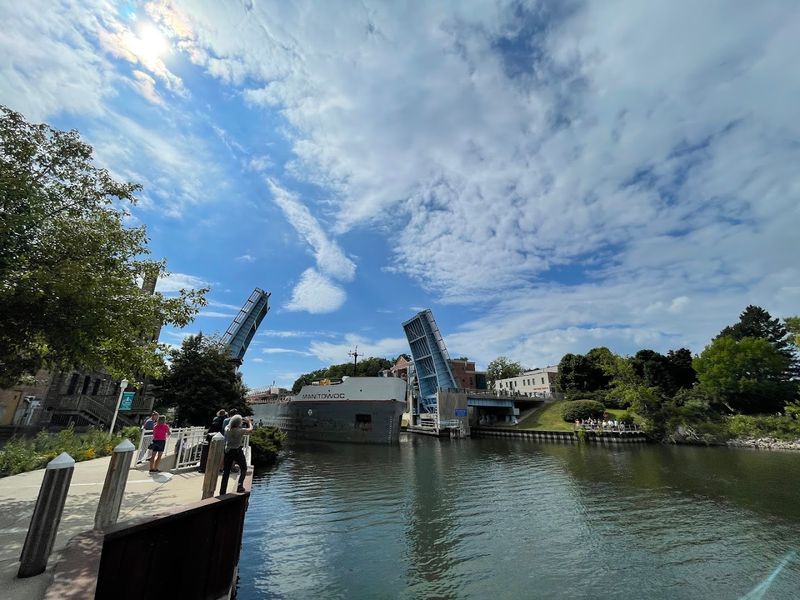
For a place built around calm, the Riverwalk has occasional moments of mechanical theater. When boats move through and the drawbridges lift, the mood changes from quiet drifting to collective attention, with everyone suddenly facing the same direction.
It is one of the few times the walkway feels like an outdoor front row.
You do not need perfect timing to enjoy it, but patience helps. If you see larger river traffic or hear the subtle build of activity, slow down and stay put for a minute.
The combination of water, steel, and waiting people says a lot about Manistee’s working river identity. Even if no bridge opens during your visit, the possibility gives the whole walk a little suspense.
Treat The Benches As Part Of The Experience
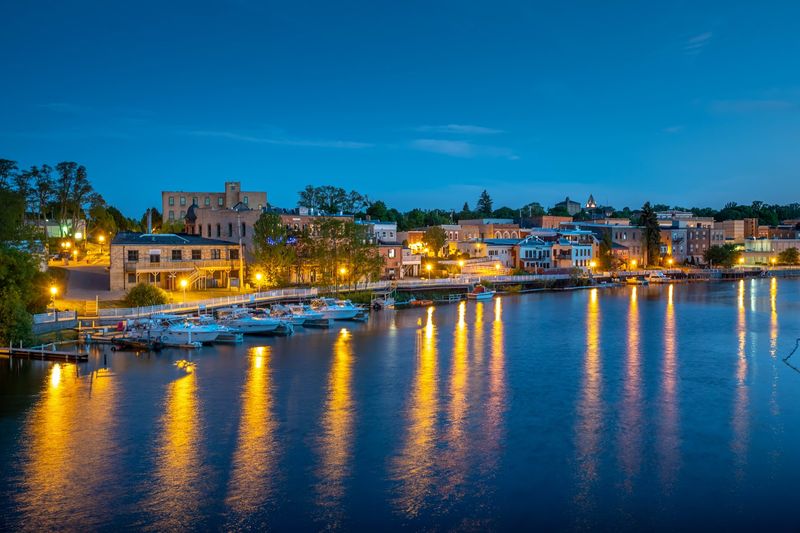
The benches along the Riverwalk are not afterthoughts. They are placed where a pause feels natural, giving you room to watch boats, notice changing light, or simply sit without needing to justify it with productivity.
In a summer destination, that is rarer than it should be.
Choose one with an open river view and stay longer than you think you should. The path’s charm becomes clearer when you stop moving, because this is a place of small shifts rather than one big reveal.
Wind brushes the water differently, footsteps come and go, and town noise fades behind the river. If your goal is a quiet escape, the smartest tip is not to walk the whole time.
Notice How Cleanliness Shapes The Calm
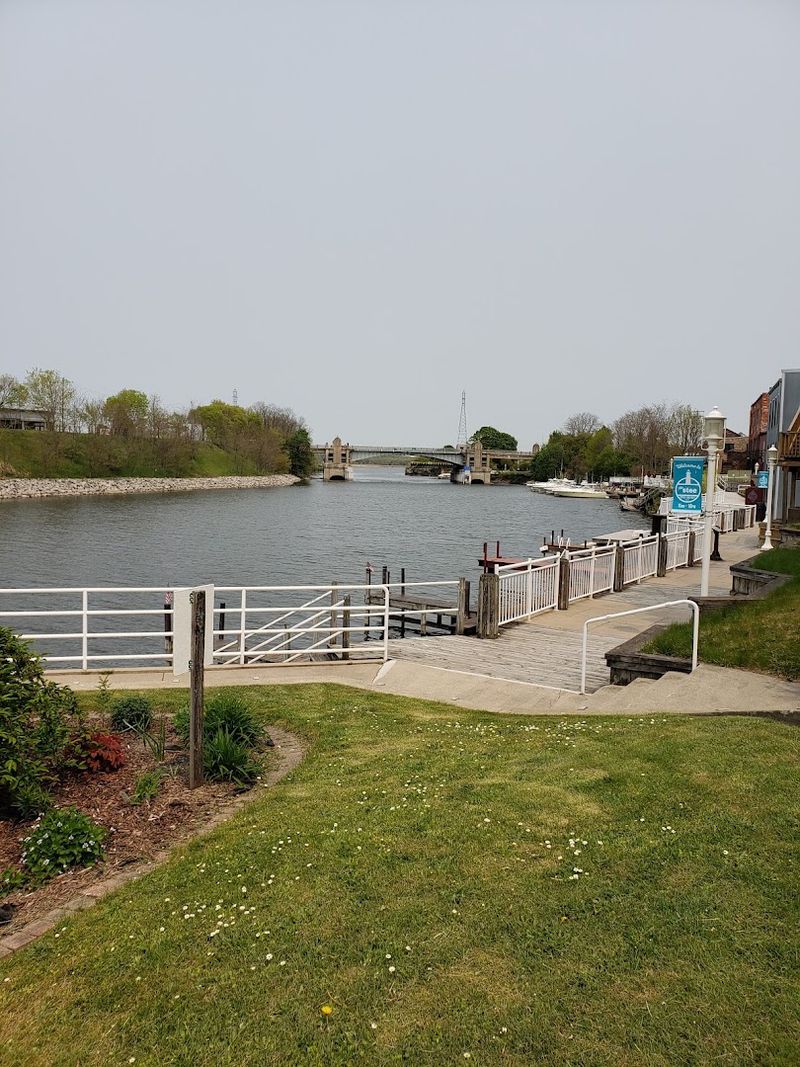
Clean places often get described in the dullest possible terms, but here maintenance affects the atmosphere in a meaningful way. A tidy walkway, managed landscaping, and an overall cared-for look make the Riverwalk feel reassuring rather than overly polished.
That sense of order lets the river remain the main event.
I noticed it most in the transitions between path, plantings, and public seating, where neglect would have changed the mood immediately. Instead, the route feels looked after and comfortable, which encourages lingering.
If you are traveling with children, older relatives, or simply your own easily distracted mind, that practicality matters. Calm is easier to feel when the space itself seems competently cared for from one end to the other.
Expect Real River Life, Not Just Scenery

The Riverwalk is scenic, yes, but it is not a staged waterfront built only for pretty photos. Depending on timing, you may see charter activity, fishing-related work at the docks, or boats returning in a way that reminds you this river is still part of everyday life.
That working quality gives the place texture and honesty.
Instead of looking for a perfectly hushed boardwalk fantasy, let the practical details become part of the experience. They connect the walk to Manistee’s long relationship with water, commerce, and recreation.
Visitor tip: if active docks are busy, stand back, keep pathways clear, and watch respectfully. The Riverwalk feels richer when you accept it as a living corridor, not merely a decorative edge.
Leave Room For Wildlife And Small Surprises
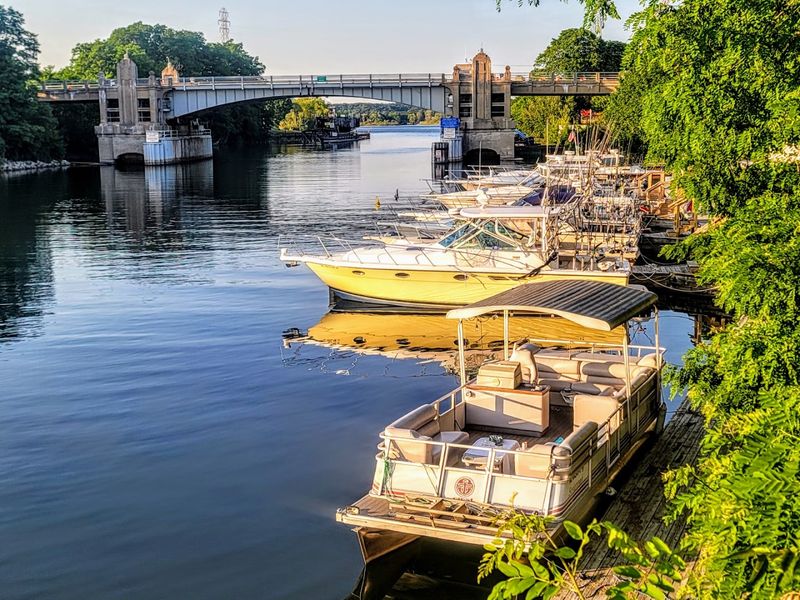
Even in town, the Riverwalk keeps one foot in nature. You might notice birds along the water, movement in the plantings, or the sort of small animal surprise that reminds you this is a shared corridor, not a sealed promenade.
That edge between civic space and habitat is part of what keeps the walk interesting.
If you are bringing children or a dog, a little attentiveness goes a long way, especially near dusk or greener sections. Nothing about the route feels wild in a dramatic sense, but it does feel genuinely alive.
I appreciate that slightly unruly note. It prevents the Riverwalk from becoming too manicured and adds the mild unpredictability that good summer walks usually need.
Use The Riverwalk As Your Pace Setter
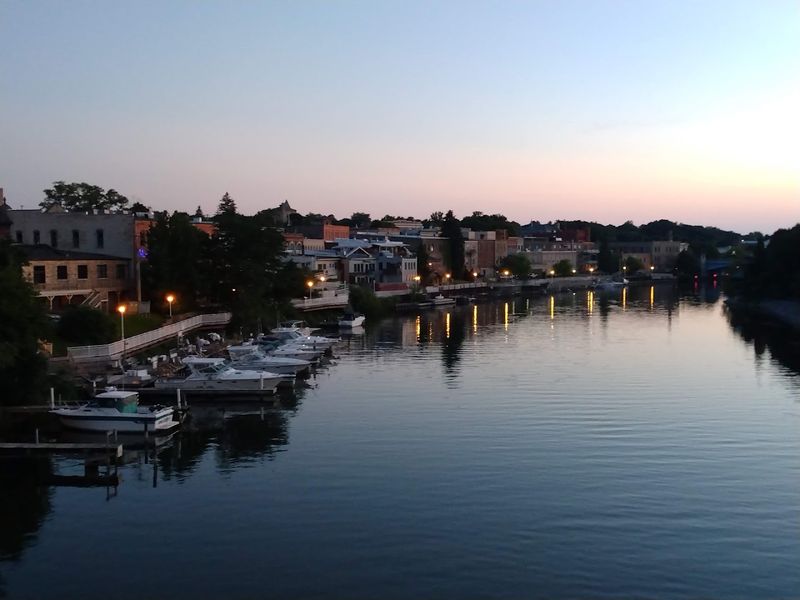
Some places are best seen quickly, almost as a checklist. The Riverwalk works the opposite way.
Its value is not in rushing from one end to the other, but in letting the path set a slower tempo for the rest of your day. Once you have matched that rhythm, Manistee makes more sense.
Try walking without headphones for at least part of the route. The sounds of footsteps, river movement, distant traffic, and passing conversation create a low-key soundtrack that suits the setting better than anything curated.
This is especially helpful if you arrived wound tight from the road. By the time you finish, the Riverwalk has often done the useful travel work of changing your internal speed.
Come Back At A Different Hour
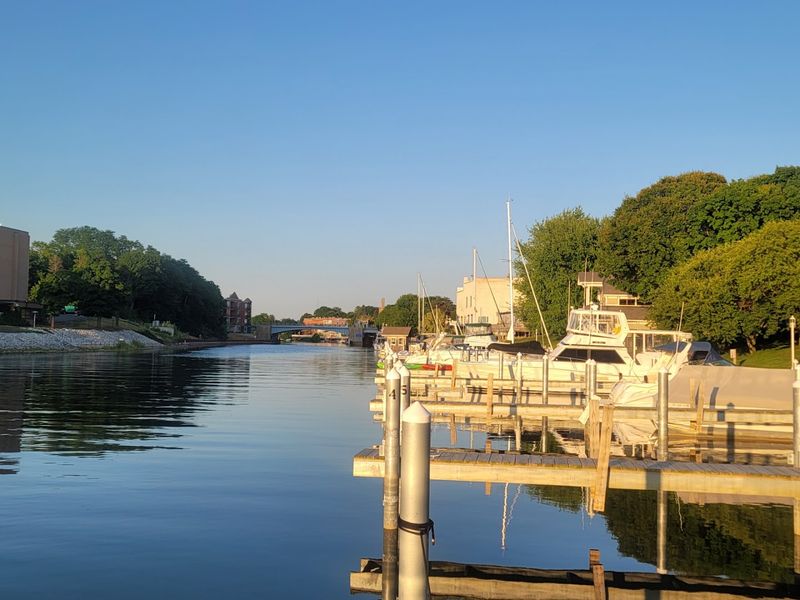
The smartest Riverwalk tip may be to visit twice. Morning gives you softness and space, while later light can bring warmer color, more boat activity, and a slightly more social feel without turning the place frantic.
Because the path is open all day, you can compare moods rather than settle for one version.
I would not call it a dramatic transformation, and that is exactly why it works. The Riverwalk changes in increments: reflections sharpen, shadows lengthen, and the river starts carrying a different tone.
Returning at another hour helps you see how much of this place depends on atmosphere rather than landmarks alone. For a quiet summer escape, that kind of repeatable simplicity is the whole point.