
This Under-The-Radar Beach In Virginia Is A Slice Of Island Paradise
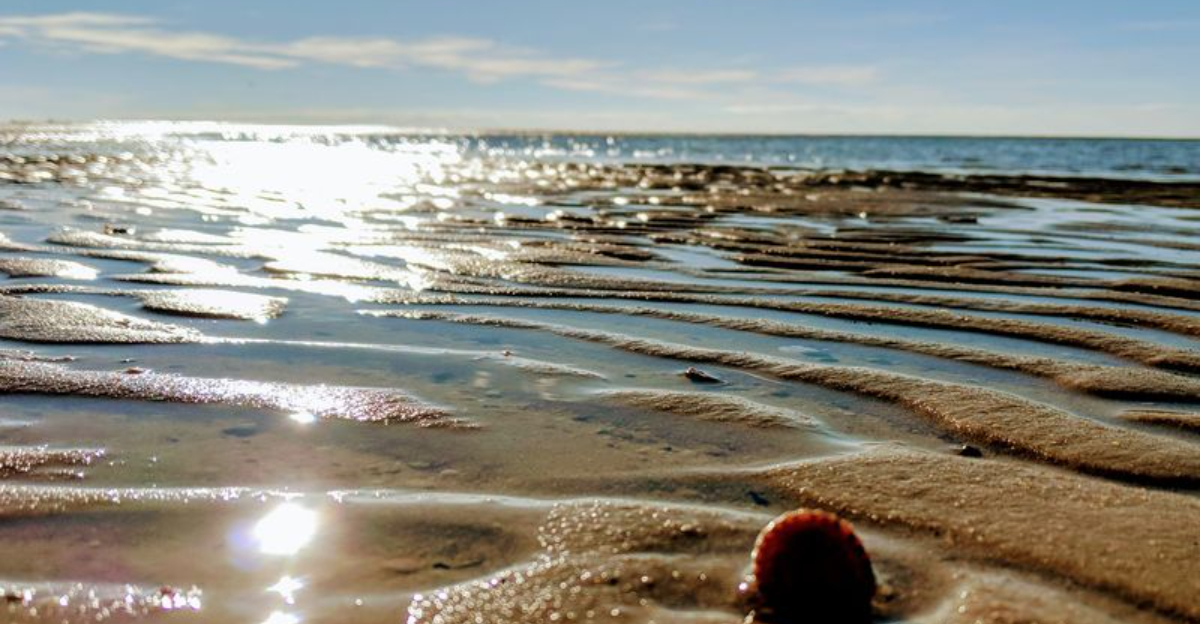
Have you ever looked at a beach photo and thought, There is no way this is actually in Virginia? That reaction is exactly what makes this hidden coastal escape so fascinating.
There are no crowded boardwalks, towering hotels, or endless rows of umbrellas fighting for space.
Instead, you get something much rarer. Rolling dunes, wild landscapes, quiet trails, and a shoreline that feels like it accidentally drifted in from a faraway island. The strange part?
Most people driving through the region have no idea this place exists. It doesn’t announce itself.
It doesn’t chase attention. It simply waits, tucked away along the coast, ready to surprise anyone willing to trade the usual beach routine for something a little more unexpected.
Towering Dunes That Stop You In Your Tracks
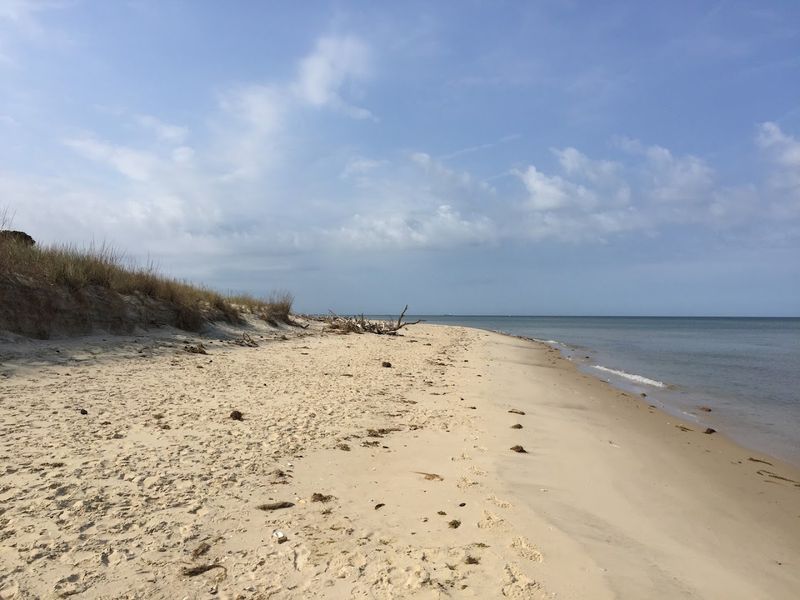
Nothing quite prepares you for the moment those dunes come into view. Some of these sandy giants rise nearly fifty feet above the Chesapeake Bay, making them among the tallest dune formations on Virginia’s entire Eastern Shore.
Standing at their base, you feel genuinely small in the best possible way.
These are not your average beach bumps. The primary dunes closer to the water sit around twenty feet tall, covered in waving beach grass that dances with every coastal breeze.
The secondary dunes further inland are older, more established, and carry a quiet authority that feels almost prehistoric.
Walking among them is an experience that shifts your perspective completely. The landscape feels sculpted by centuries of wind, water, and patience.
Every ridge and valley tells a geological story that no museum exhibit could replicate.
The formations here are genuinely rare along the Mid-Atlantic coast, making this preserve scientifically significant as well as visually stunning. Coastal geologists and casual visitors alike find themselves equally captivated.
These dunes are proof that Virginia’s natural wonders extend far beyond the Blue Ridge Mountains, and they deserve every bit of attention they quietly command.
A Mile Of Chesapeake Bay Magic
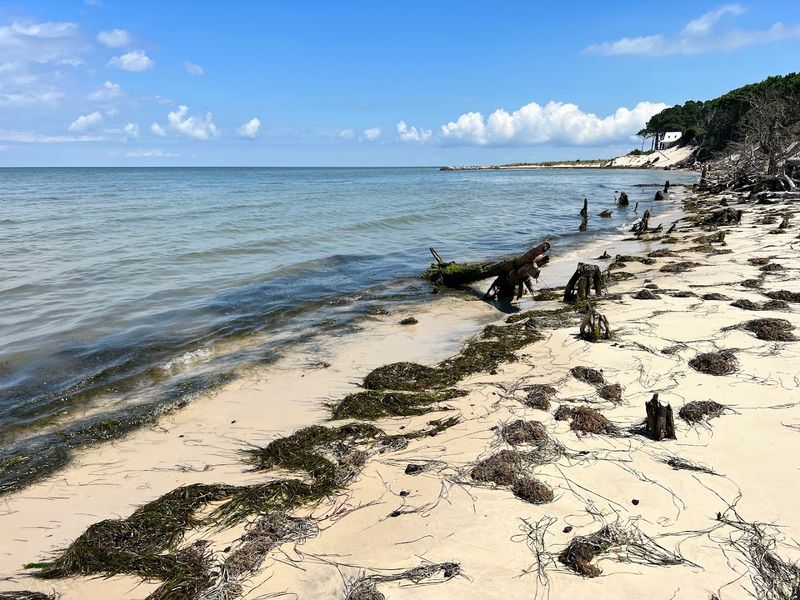
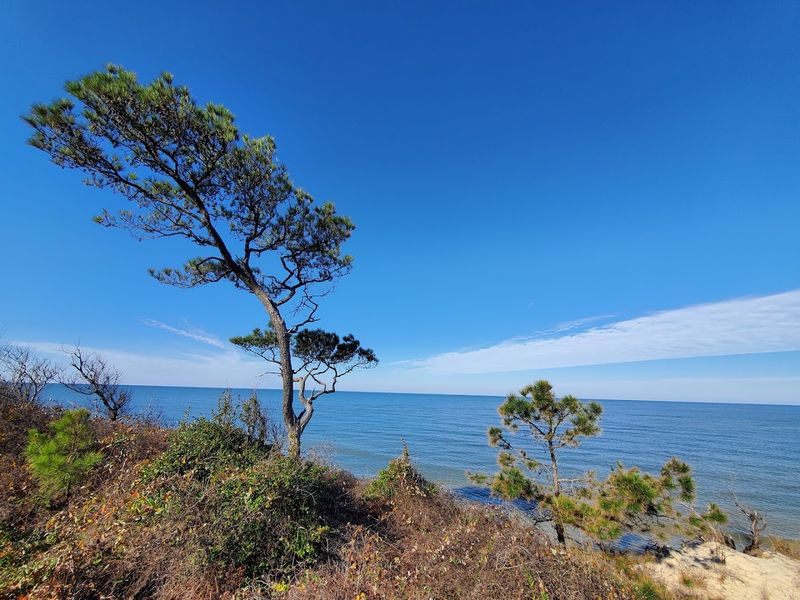
A full mile of untouched Chesapeake Bay shoreline waits at the end of the main trail, and the payoff is absolutely worth every step.
Located at 2186 Savage Neck Drive, Cape Charles, Virginia, this preserve protects a stretch of coastline that genuinely looks like something from a travel magazine cover. The difference is that you can actually visit it.
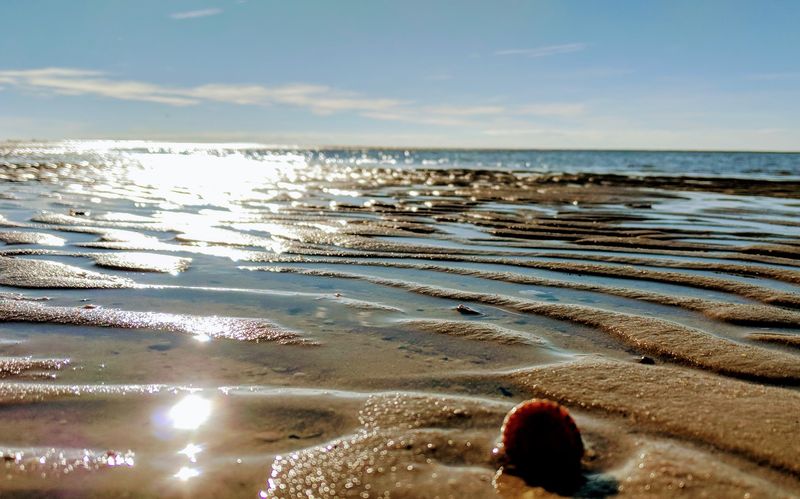
Low tide is the golden ticket here. That is when the sandy beach expands dramatically, revealing a wide, flat expanse perfect for wandering without direction or agenda.
Weathered driftwood pieces are scattered naturally along the shore, creating organic sculptures that photographers absolutely adore.
The bay waters here are calm and shallow near the shore, which creates an almost meditative atmosphere. There is no crashing surf to compete with your thoughts.
Just soft lapping waves, warm sand underfoot, and a horizon that stretches further than your worries can reach.
Shell hunting along this stretch is genuinely rewarding. The tides deposit an impressive variety of finds, from oyster shells to small clams and occasionally something truly special.
This shoreline rewards those who slow down and pay attention, which is exactly the kind of beach philosophy everyone needs more of.
Three Paths, Endless Discovery
Three distinct trail options wind through this preserve, each offering a completely different personality. The main 0.75-mile route is the most popular choice, guiding visitors through a fascinating sequence of coastal ecosystems that shift almost imperceptibly beneath your feet.
It is short enough to feel approachable but rich enough to feel genuinely adventurous.
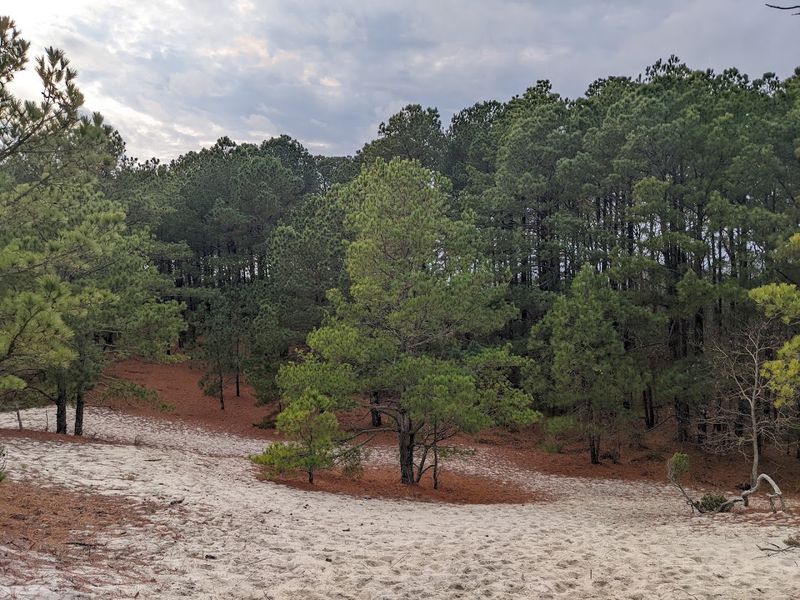
Starting in open coastal grassland, the trail gradually transitions into maritime shrubland. The vegetation thickens, the air changes, and suddenly you realize you are walking through something that feels ancient and protected.
Then the maritime forest appears, and everything gets quieter in the most satisfying way.
The forest section is particularly impressive.
Towering loblolly pines with trunks nearly three feet wide stand like natural cathedral columns overhead. These trees have witnessed generations of seasonal changes, storms, and migrations.
Their scale puts everything into perspective.
As the trail nears the beach, the ground softens underfoot and the salt air strengthens noticeably. That sensory shift signals your arrival at the shoreline reward.
Each of the three trail options connects different parts of this remarkable preserve, so ambitious explorers can combine routes for a fuller experience. Comfortable footwear is genuinely recommended because the sandy terrain keeps you honest.
The Hidden Freshwater Gem Nobody Talks About
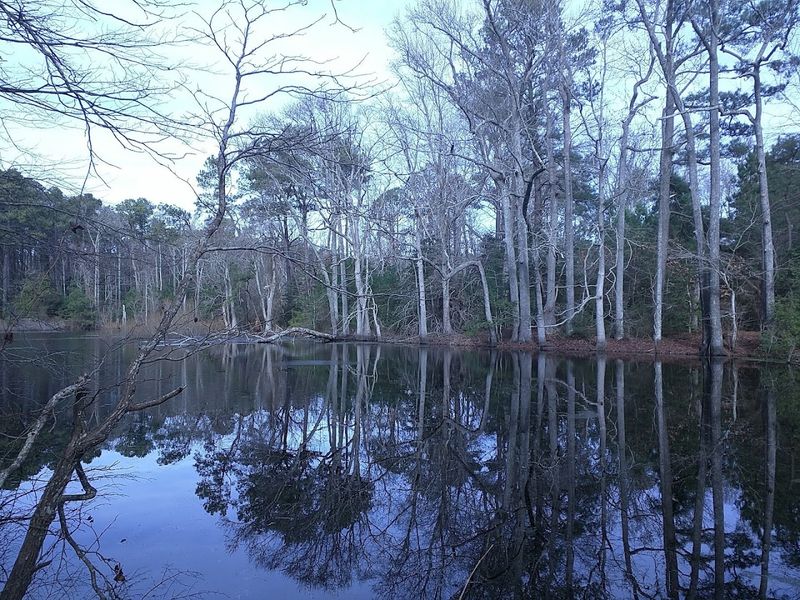
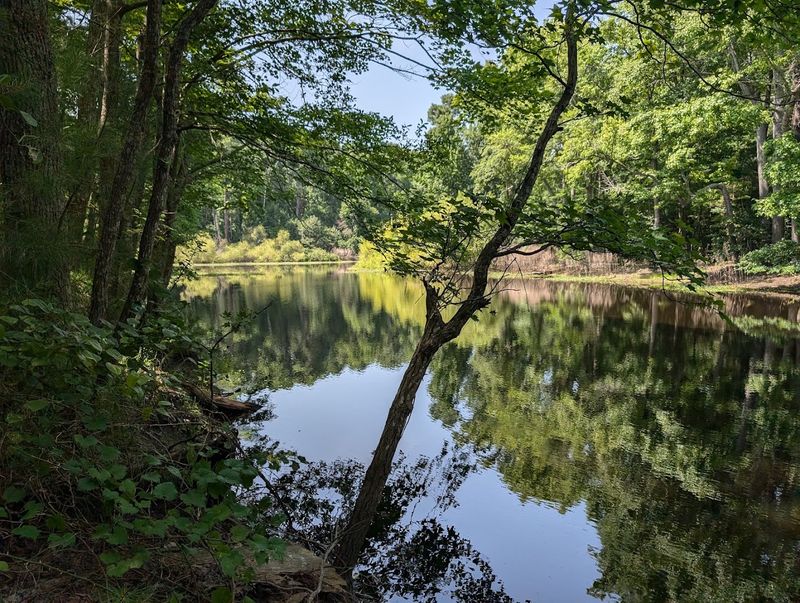
Tucked within the dune landscape like a well-kept secret, Custis Pond surprises almost every visitor who encounters it. This 4.6-acre freshwater pond is genuinely rare.
It is one of the only naturally occurring interdune ponds found anywhere on Virginia’s Eastern Shore, which makes stumbling upon it feel like a real discovery.
The pond sits calmly between dune formations, its still surface mirroring the surrounding forest and sky in ways that look almost too perfect to be real.
Green tree frogs inhabit the vegetation along its edges, occasionally announcing themselves with surprisingly loud calls for such tiny creatures.
Southern painted turtles are regulars here too, often spotted basking on partially submerged logs during warmer months.
Watching them go about their slow, deliberate routines is genuinely therapeutic. There is something profoundly grounding about observing wildlife that operates entirely on its own schedule.
The contrast between the open bay shoreline and this quiet inland pond is one of the preserve’s most compelling features.
Within a single visit, you experience two completely different water environments separated by just a short walk. Custis Pond rewards patient observers who resist the urge to rush straight to the beach, proving that the journey through this preserve is just as valuable as the destination itself.
Wings, Songs, And Happy Surprises
If birds had a travel bucket list, Savage Neck Dunes would absolutely be on it. This preserve functions as a critical stopover point for migratory species traveling along the Atlantic flyway, which means the skies and shrubs here tell a different story depending on what season you visit.
Every trip has the potential to surprise you completely.
Autumn migration brings neo-tropical warblers through in impressive numbers. They rest and refuel among the maritime shrubs before continuing their long journeys southward.
Raptors join the spectacle too. Peregrine Falcons and Cooper’s Hawks ride the coastal thermals overhead, scanning the landscape with the kind of focused intensity that makes birdwatchers genuinely giddy.
Year-round residents keep things interesting between migration seasons.
Indigo Buntings flash brilliant blue against the green vegetation. Various woodpecker species work the older trees methodically.
Osprey patrol the bay with impressive aerial precision, occasionally plunging feet-first into the water for a catch.
Winter brings waterfowl to the inland ponds, adding yet another chapter to the preserve’s ever-changing avian story.
Bringing binoculars here is not optional, it is essential equipment. The birding community considers this spot a genuine regional gem, and one afternoon spent watching the skies above these dunes will make the reason abundantly clear.
The Quiet Show-Offs
The plant life at Savage Neck Dunes deserves far more attention than it typically receives. While most visitors understandably focus on the dramatic dunes and the gorgeous shoreline, the botanical diversity quietly unfolding across this preserve is genuinely remarkable.
Several regionally rare plant species have been documented here, making it a significant site for native plant conservation.
The southern bladderwort is one standout find. This aquatic carnivorous plant lives in the freshwater pond environment, trapping tiny organisms with specialized underwater bladders.
Finding a carnivorous plant in a coastal Virginia preserve feels like discovering a hidden level in a video game you thought you already knew completely.
Engelmann’s umbrella-sedge and dwarf burhead also appear within the preserve’s varied habitats. These plants require very specific growing conditions, and the unique combination of dunes, wetlands, and maritime forest here provides exactly what they need.
Their presence indicates an ecosystem that remains genuinely healthy and functioning.
Walking the trails with a field guide transforms the experience entirely. Suddenly the vegetation is not just green background scenery.
It becomes a living catalog of resilience and adaptation. Each plant species found here represents a small victory for conservation efforts across the Eastern Shore, and that context makes even the quietest corner of this preserve feel genuinely worth exploring.
Raw, Real, And Completely Worth It
Savage Neck Dunes makes absolutely no apologies for being refreshingly undeveloped. There are no restrooms, no trash cans, no drinking water stations, and no gift shop selling overpriced magnets.
The parking area holds just eight vehicles, which functions as a natural crowd filter that keeps the experience feeling genuinely exclusive and peaceful.
That intentional simplicity is the whole point. The Virginia Department of Conservation and Recreation manages this preserve specifically to protect its natural character.
Visitors who come prepared with water, snacks, and a pack-it-in pack-it-out mindset are rewarded with something increasingly rare: true solitude in a genuinely beautiful place.
The best visiting strategy involves arriving early, especially during warmer months. Morning light hits the dunes at an angle that makes everything look extraordinary.
The wildlife is most active in those quiet early hours before the day fully wakes up. Comfortable shoes, sunscreen, and a camera with a full battery are your most important companions here.
Savage Neck Dunes sits beautifully off the tourist radar, and that obscurity is arguably its greatest asset. The Eastern Shore of Virginia hides treasures that most people never discover simply because they do not look past the familiar destinations.
So the real question worth asking yourself is this: what other extraordinary places have you been overlooking this whole time?