
15 Under-The-Radar Things To Do In Washington That Even Many Locals Don’t Know About
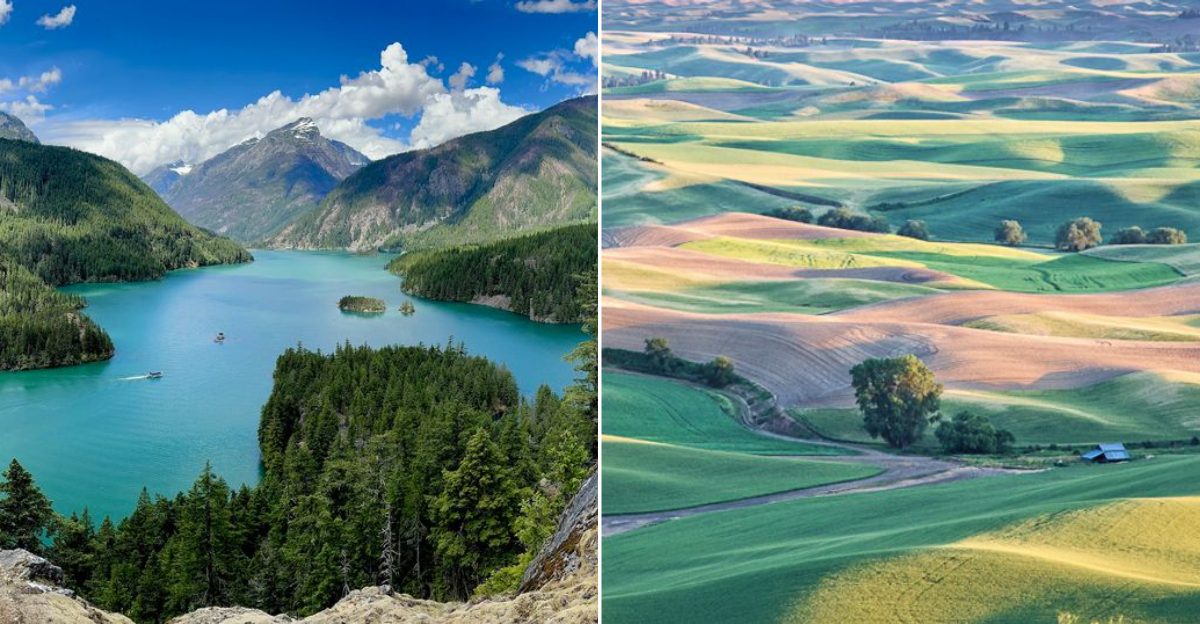
Everyone loves complaining about the crowds, but nobody actually escapes them, until now. Venturing off the beaten path in Washington is like unlocking a secret level in a video game where the prizes are actually cool.
Trade the overpriced gift shops for hidden speakeasies, forgotten ruins, and tiny sanctuaries that feel miles away from urban chaos. Exploring these under-the-radar spots guarantees bragging rights over neighbors who think they know everything about the area.
Slip on comfortable shoes and prepare to whisper, because some of these spots are so quiet and quirky, you will half expect a secret society to pop out and hand you a prize.
I have spent years wandering this state, turning off the main highways and poking around places that rarely show up on top-ten lists. Washington keeps its best surprises well hidden.
1. Underground Seattle Tour, Pioneer Square, Seattle
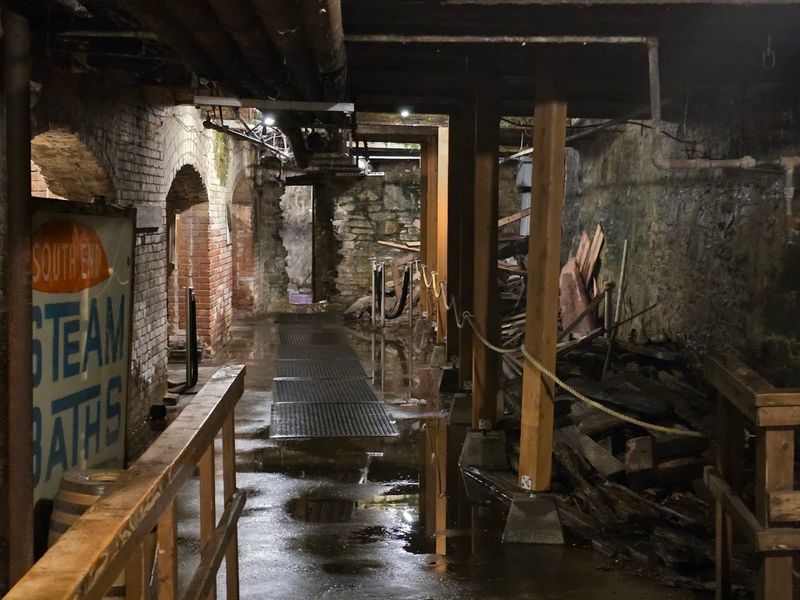
Most people strolling through Pioneer Square have no idea they are walking on top of an entire buried city. After the Great Seattle Fire of 1889, the city was rebuilt one full story higher, leaving the original street-level shops and sidewalks completely underground.
Bill Speidel’s Underground Tour has been guiding curious visitors through these eerie, fascinating corridors since 1965. The tour lasts about 75 minutes and winds through several city blocks of preserved underground passages.
Guides share colorful stories about Seattle’s rowdy early history, including the characters who once ran businesses in these now-shadowy spaces. It is equal parts history lesson and theatrical performance.
Tickets cost around $25 for adults and can be booked online in advance, which is strongly recommended on weekends. Even longtime Seattle residents are often shocked by how much they did not know about what lies beneath their feet.
2. Palouse Falls State Park, Palouse, Eastern Washington
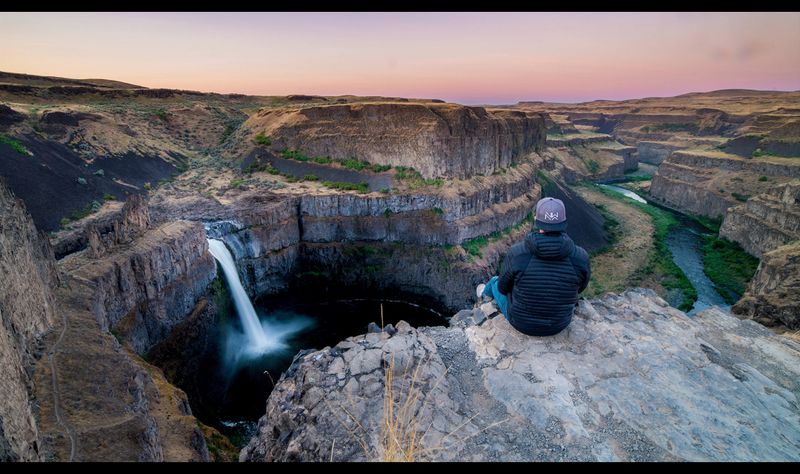
Hidden in the dry, rolling farmland of Eastern Washington, Palouse Falls is one of the most jaw-dropping natural spectacles in the entire state, yet it sees only a fraction of the visitors that crowd the more famous Olympic Peninsula.
The falls drop 198 feet into a circular basalt canyon carved out by ancient Ice Age floods. It was named Washington’s official state waterfall in 2014. Getting there requires a drive through wheat fields and open sky that feels like a different planet from Seattle.
The park has basic facilities, a few hiking trails along the canyon rim, and viewpoints that will genuinely take your breath away. Spring is the best season to visit when snowmelt pushes the flow to its most powerful.
Camping is available on-site for those who want to watch the sunset paint the canyon walls in shades of amber and gold before the stars come out.
3. Meerkerk Rhododendron Gardens, Whidbey Island, Washington
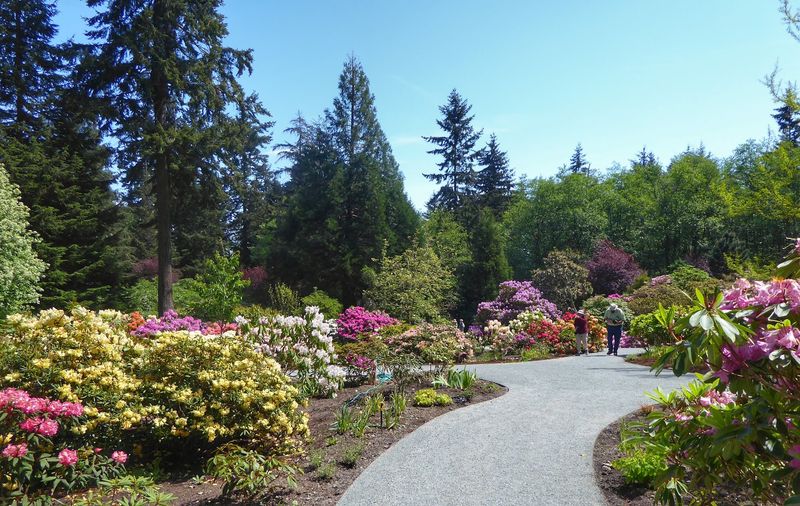
Tucked into the forested heart of Whidbey Island, the Meerkerk Rhododendron Gardens feel like stumbling into a secret botanical world.
The gardens cover 53 acres and contain over 1,500 rhododendron species and hybrids, many of which were cultivated and donated by the founders, Ann and Max Meerkerk, who gifted the property to the Seattle Rhododendron Society.
April and May are the peak bloom months, when the trails explode in waves of pink, purple, red, and white. But even outside bloom season, the woodland paths wind through towering Douglas firs and native plant collections that are genuinely peaceful to explore.
The entry fee is modest, usually around $5 per person.
Reaching the gardens means taking the ferry from Mukilteo to Clinton, which is itself a scenic 20-minute crossing worth savoring. Plan to spend at least two hours here because the place has a way of slowing you down in the best possible sense.
4. Ginkgo Petrified Forest State Park, Vantage, Washington
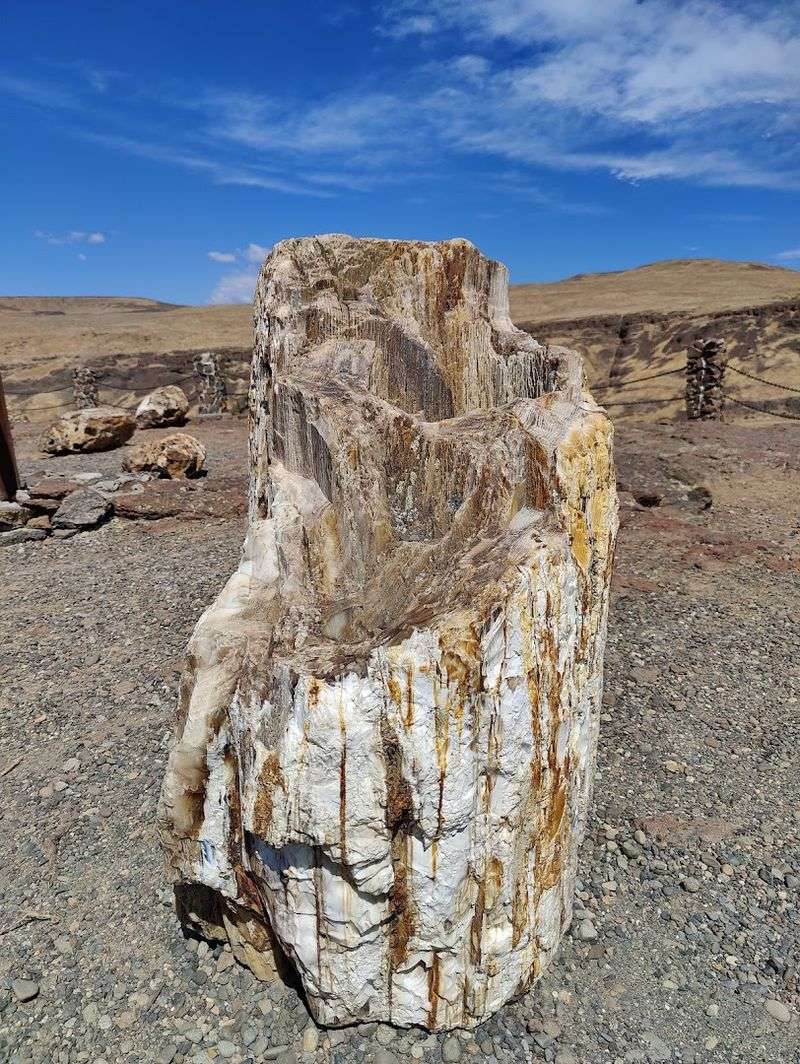
About 15 million years ago, a massive volcanic lava flow swept through central Washington and buried an entire ancient forest, turning wood into stone.
Today, Ginkgo Petrified Forest State Park near the tiny town of Vantage preserves one of the most diverse collections of petrified wood in the world, including specimens of the extinct Ginkgo tree that gave the park its name.
The two-mile Trails of the Giants loop takes visitors past dozens of exposed petrified logs embedded directly in the hillside. The park also has an interpretive center with excellent displays explaining how the petrification process works.
Views of the Columbia River from the ridge are stunning and feel completely unexpected in this high-desert landscape.
Entry is free with a Discover Pass, and the park is rarely crowded even on summer weekends. Early morning visits reward you with golden light hitting the ancient wood in ways that look almost unreal.
5. Ebey’s Landing National Historical Reserve, Coupeville, Washington
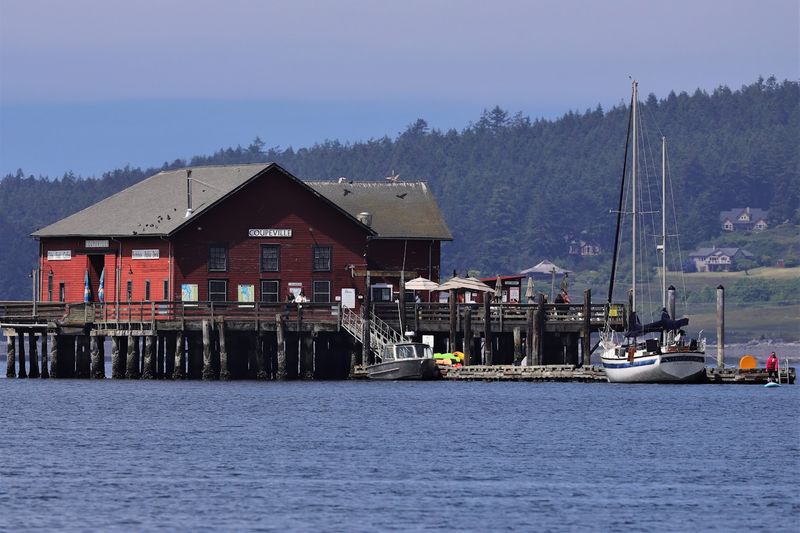
Coupeville on Whidbey Island is one of Washington’s oldest towns, and Ebey’s Landing National Historical Reserve surrounding it is one of the most unusual protected areas in the entire National Park system.
Unlike most reserves, this one is a living, working landscape where farms, forests, and historic structures have been preserved alongside each other since the 1970s.
The bluff trail at Ebey’s Landing itself is a moderate three-mile loop that climbs above the Strait of Juan de Fuca and delivers panoramic views of the Olympic Mountains across the water. Wildflowers line the path in spring, and the wind off the strait keeps the air sharp and invigorating even in summer.
Historic blockhouses from the 1850s still stand along the trail.
The town of Coupeville has excellent local restaurants and a charming waterfront wharf worth wandering. Most visitors to Whidbey Island head straight to Deception Pass and never discover this quieter, equally spectacular corner of the island.
6. Peshastin Pinnacles State Park, Peshastin, Washington
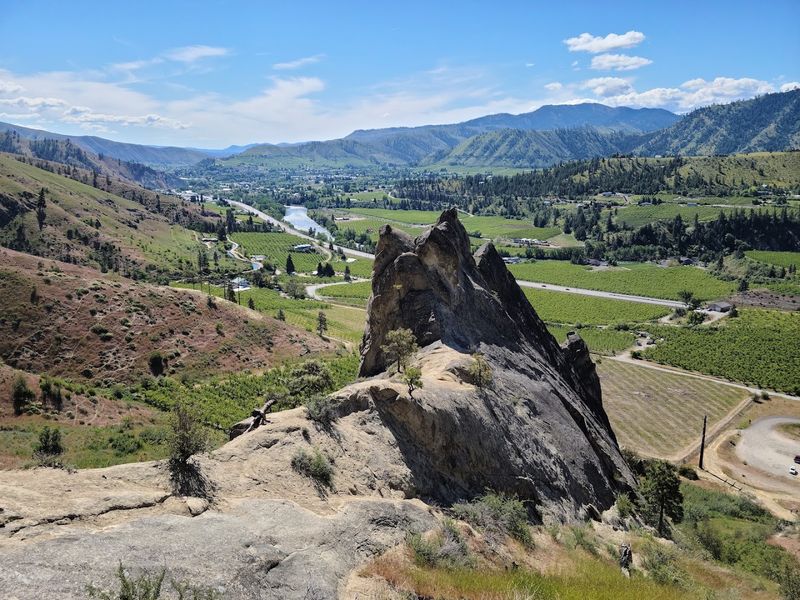
Drive through the apple orchards of the Wenatchee River Valley and you will suddenly spot a cluster of tall sandstone spires rising dramatically above the trees.
Peshastin Pinnacles State Park near the small community of Peshastin is one of Washington’s best-kept climbing secrets, beloved by local rock climbers but largely unknown to casual visitors passing through on their way to Leavenworth.
The pinnacles rise up to 200 feet and offer routes for climbers of all skill levels. Non-climbers can hike the short trail to the base of the formations and admire the texture and scale of the ancient sandstone up close.
The contrast of golden rock against the green orchards below is visually striking and makes for great photographs.
The park is day-use only, with no overnight camping, and the parking area fills up fast on sunny weekends. Arriving before 9 a.m. on a Saturday guarantees you a spot and a quieter, more personal experience with these remarkable formations.
7. Steptoe Butte State Park, Steptoe, Washington
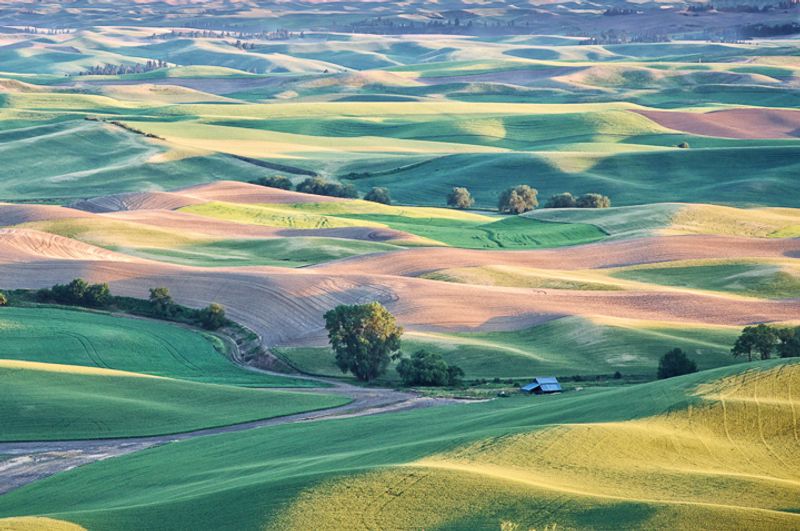
Rising 3,612 feet above the surrounding Palouse farmland, Steptoe Butte is a quartzite island that survived the ancient lava flows that buried everything around it, leaving it standing alone like a natural observation tower.
A paved road winds all the way to the summit, making this accessible even for those who are not hikers. The view from the top is genuinely one of the most beautiful in all of Washington.
The rolling hills of the Palouse spread out in every direction in a patchwork of green, gold, and brown that shifts with the seasons and the angle of the light. Photographers especially love visiting at sunrise or sunset when the low light sculpts the hills into something extraordinary.
Wildflower season in late spring adds another layer of color to the scene.
The park is small and the facilities are basic, but the experience is anything but ordinary. Bring a jacket because the wind at the summit is consistent and surprisingly cold even on warm days.
8. Point Defiance Zoo And Aquarium, Tacoma, Washington
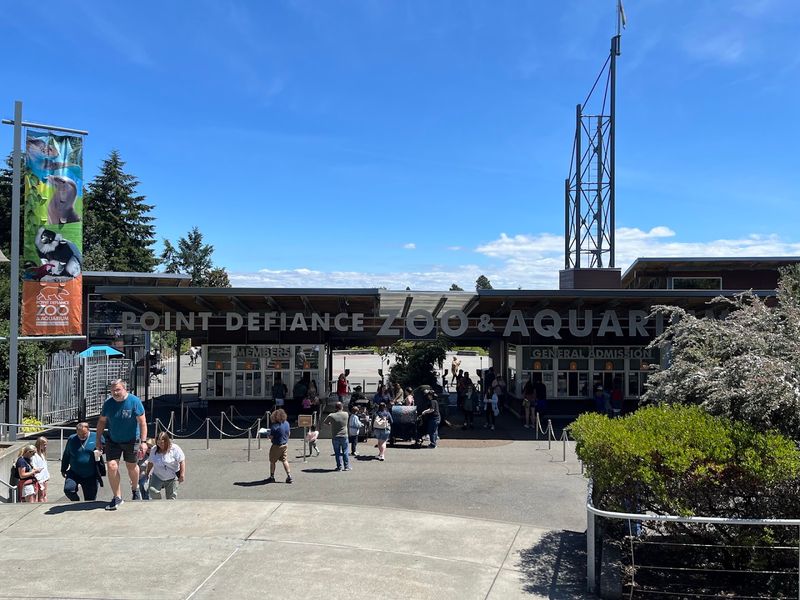
Tacoma’s Point Defiance Zoo and Aquarium does not get nearly the attention it deserves, often overshadowed by Seattle’s bigger cultural attractions just 30 miles north.
But this zoo, which sits on the edge of Puget Sound inside the enormous Point Defiance Park, is genuinely world-class and plays a critical role in wildlife conservation programs for endangered species like the red wolf and the clouded leopard.
The aquarium section focuses heavily on Pacific Northwest marine life, with impressive displays of local sharks, octopuses, and salmon.
The zoo grounds themselves are beautifully integrated into the surrounding forest, giving the animal habitats a more natural feel than many urban zoos. Kids and adults alike tend to spend far longer here than they planned.
Parking is free and the zoo is open year-round, with fewer crowds in the fall and winter months. Pairing a visit here with a walk along the waterfront at Point Defiance Park makes for a near-perfect Tacoma day.
9. Dungeness Spit, Sequim, Washington
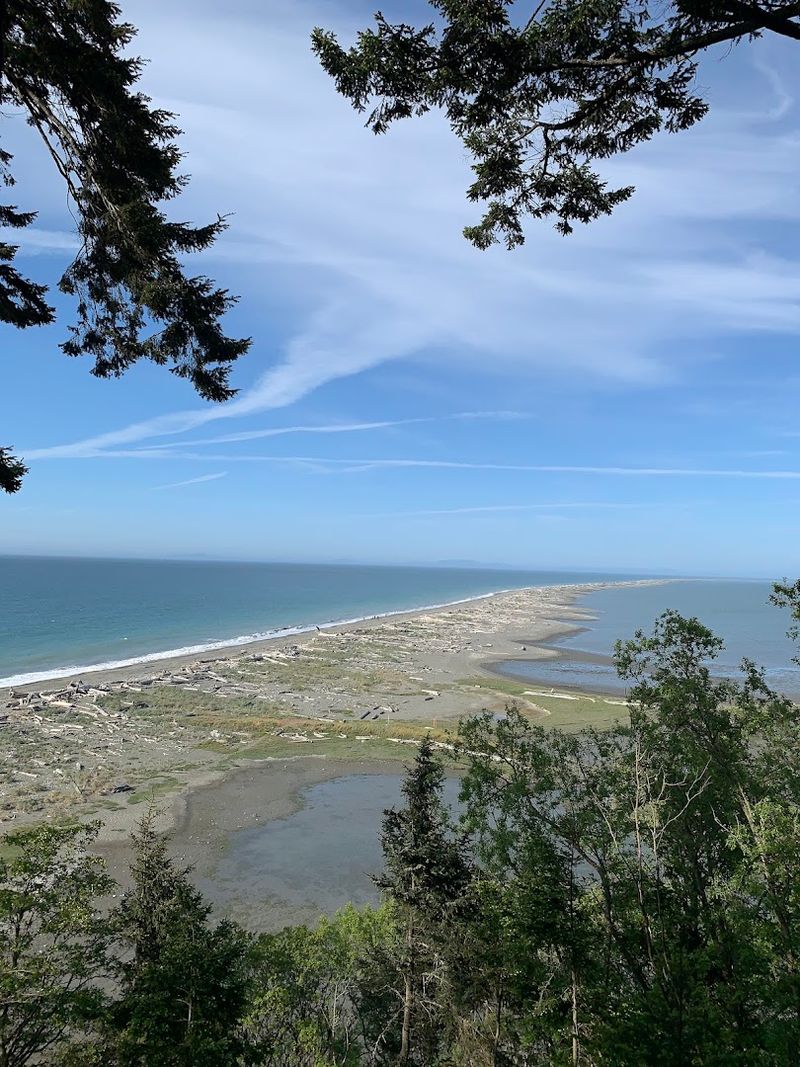
Stretching more than five miles into the Strait of Juan de Fuca, Dungeness Spit is the longest natural sand spit in the United States, and it sits just outside the small town of Sequim in the Olympic Peninsula’s famous rain shadow.
That rain shadow is real: while the rest of the peninsula gets drenched, Sequim averages only about 16 inches of rain per year, making it one of the sunniest spots in western Washington.
Hiking out to the historic New Dungeness Lighthouse at the tip of the spit is a 10-mile round-trip walk along a narrow strip of sand with water on both sides and views of the Olympic Mountains behind you.
The spit is also a National Wildlife Refuge, so bird watching along the way is exceptional, particularly for shorebirds and raptors.
The hike is flat but long, so bring plenty of water and snacks. Starting early gives you the best chance of having the spit nearly to yourself as the morning light plays off the water.
10. Ohme Gardens, Wenatchee, Washington
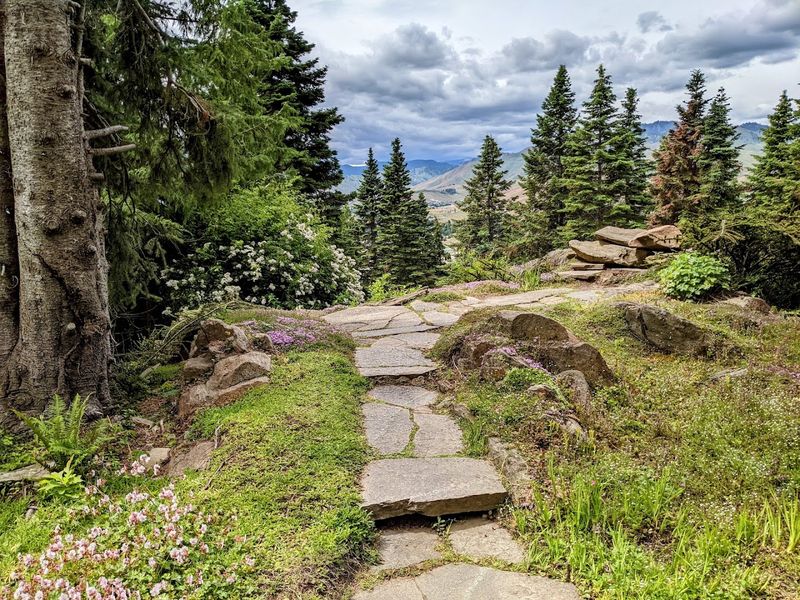
On a rocky bluff overlooking the Wenatchee Valley, Ohme Gardens is one of Washington’s most unexpected and quietly spectacular places.
Herman and Ruth Ohme began building this nine-acre alpine garden by hand in 1929, hauling in thousands of tons of rock and alpine plants over decades to create terraced pathways, reflecting pools, and viewpoints that feel like they belong in the Swiss Alps rather than central Washington.
The garden is privately developed but open to the public, and the views from the upper terraces stretch across the Columbia River and the orchards of the Wenatchee Valley in a way that makes you want to stay all afternoon.
Creeping thyme, evergreen groundcovers, and native ferns carpet the rocks, and the sound of water is constant throughout.
Admission is around $9 for adults, and the gardens are open from April through October. It pairs beautifully with a stop in downtown Wenatchee, which has a surprisingly lively local food scene worth exploring.
11. Diablo Lake Overlook, North Cascades National Park, Washington
North Cascades National Park is often called America’s most remote national park, and that reputation keeps the crowds thin even in peak summer season.
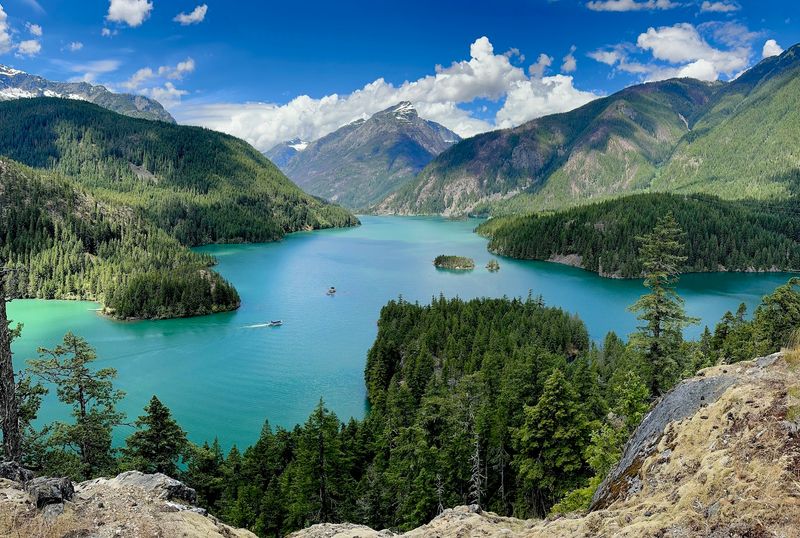
One of the park’s most accessible and visually arresting spots is the Diablo Lake Overlook, a short walk from a pullout along State Route 20 that delivers one of the most intensely colored lake views in North America.
The water is an almost unnatural shade of turquoise caused by glacial rock flour suspended in the water, which scatters light in a way that makes the lake look like it was painted.
The surrounding peaks are jagged and heavily forested, creating a backdrop that photographers chase from all over the world. The overlook itself takes about five minutes to reach from the parking area.
The North Cascades Highway closes in winter due to snow, so plan your visit between May and November. Combining the overlook with a hike to Thunder Knob nearby makes for a satisfying half-day adventure in this underappreciated national park.
12. Palouse To Cascades State Park Trail, Eastern Washington To Snoqualmie Pass
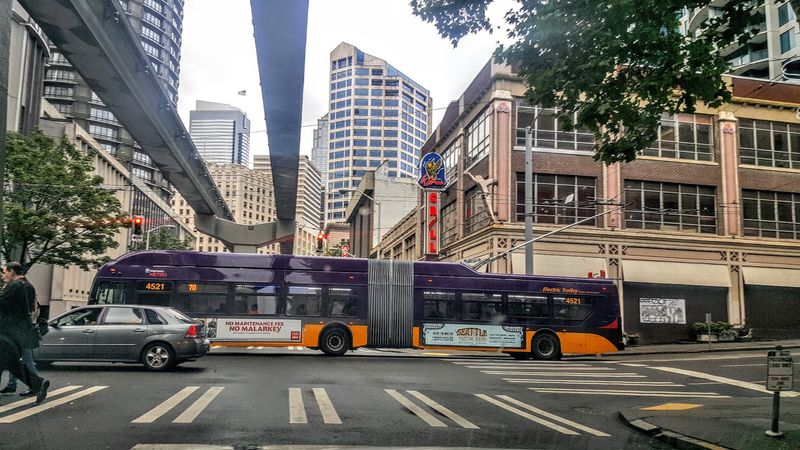
Built on the old Chicago, Milwaukee, St. Paul and Pacific Railroad corridor, the Palouse to Cascades State Park Trail stretches nearly 300 miles across Washington from the Idaho border all the way to the outskirts of Seattle.
Most people have never heard of it, yet it passes through some of the most varied and beautiful landscapes in the entire state, from the golden Palouse hills to dark basalt canyons to the forested slopes of the Cascades.
You do not need to tackle the whole trail to enjoy it. Sections near Ellensburg, Cle Elum, and the Snoqualmie Tunnel are especially popular for day hikes and mountain biking.
The Snoqualmie Tunnel itself is a 2.3-mile former railroad tunnel that hikers and cyclists can walk through with a headlamp, which is a genuinely memorable experience.
The trail is free to access with a Discover Pass. Early fall is a particularly lovely time to visit the eastern sections when the harvest colors of the Palouse are at their most dramatic.
13. Roche Harbor Resort And Historic Village, San Juan Island, Washington
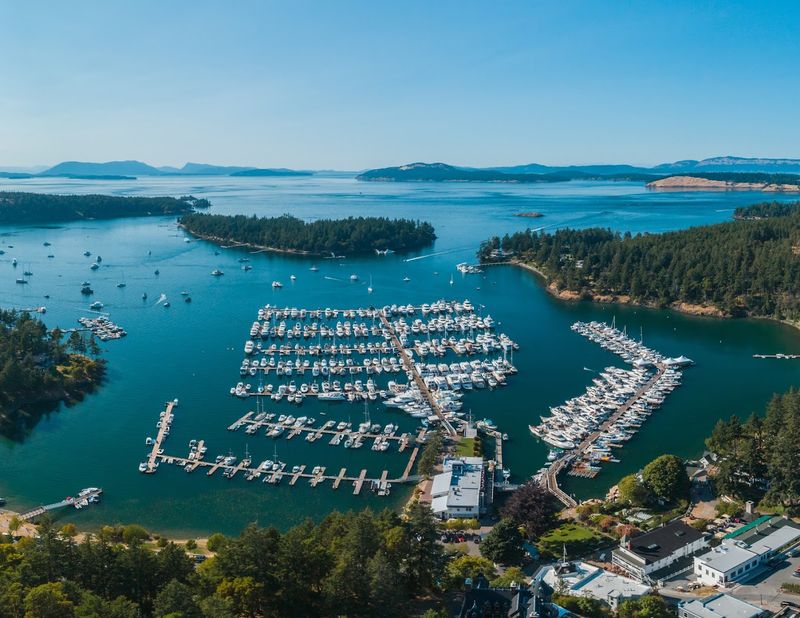
San Juan Island is well known among Pacific Northwest travelers, but most visitors head straight to Friday Harbor and never make it to the northwestern corner of the island where Roche Harbor sits in quiet, historic splendor.
The resort was once the site of the largest lime production operation west of the Mississippi, and the old kilns, workers’ cottages, and company hotel have been beautifully preserved and converted into lodging and dining facilities.
The formal English garden at the center of the resort is a peaceful place to wander, and the harbor itself is always dotted with sailboats and kayaks. A short walk into the woods leads to the McMillin family mausoleum, an unusual and atmospheric stone monument that local guides love to tell stories about.
The ferry to San Juan Island runs from Anacortes and is a scenic 90-minute ride. Renting a bike on the island and cycling the 10 miles to Roche Harbor from Friday Harbor is one of the best ways to see the island’s farmland and coastline along the way.
14. Nisqually National Wildlife Refuge, Nisqually, Washington
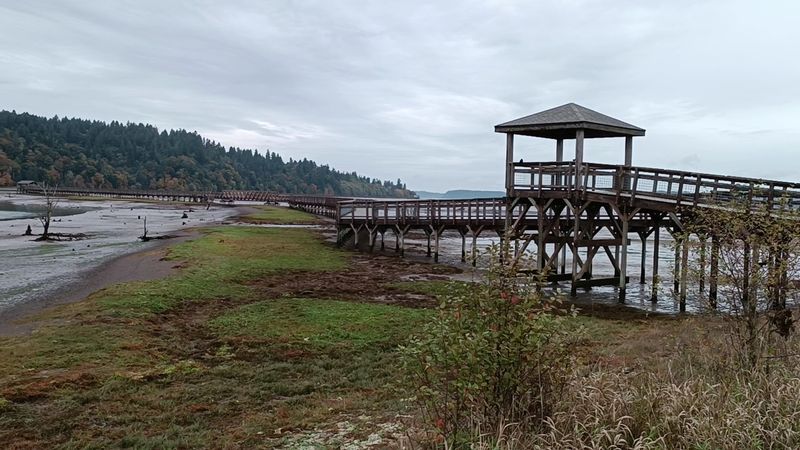
Sitting just off Interstate 5 between Olympia and Tacoma, Nisqually National Wildlife Refuge is one of those places that thousands of commuters drive past every single day without ever stopping.
That is a real shame because this 3,000-acre estuary and wetland preserve is one of the finest bird watching destinations in the entire Pacific Northwest, with over 300 bird species recorded on the refuge.
A five-mile boardwalk loop winds through tidal flats, freshwater ponds, and riparian forest, offering close-up views of great blue herons, bald eagles, and seasonal shorebird migrations.
On clear days, Mount Rainier floats above the treetops in the distance, creating a backdrop that feels almost too perfect. The refuge is open daily from sunrise to sunset.
Entry is free on weekends and costs $3 per person on weekdays. Fall migration in September and October brings the largest concentrations of birds, but the refuge is rewarding to visit in any season and rarely feels crowded despite its easy highway access.
15. Manito Park And Botanical Gardens, Spokane, Washington
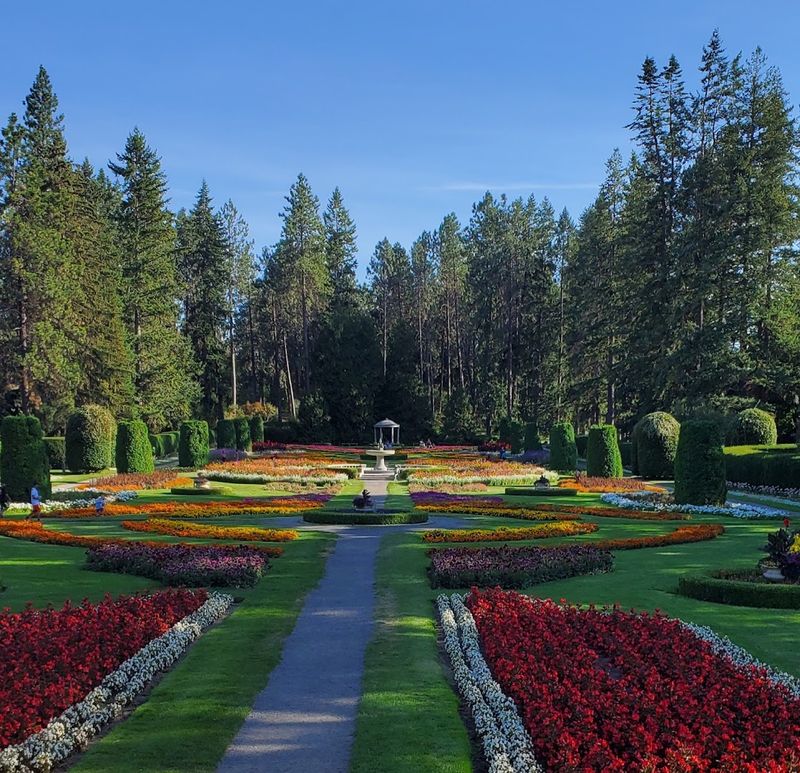
Spokane is Washington’s second-largest city, but it rarely makes it onto travel itineraries compared to Seattle. That oversight means visitors to eastern Washington often miss Manito Park, a 90-acre botanical garden that ranks among the finest urban green spaces in the Pacific Northwest.
The park contains five distinct gardens, including a formal rose garden, a Japanese garden, a perennial garden, a lilac garden, and a conservatory filled with tropical plants.
The Joel E. Ferris Perennial Garden is a particular standout, with sweeping beds of color organized by season so that something is always at its peak from spring through fall.
The Duncan Garden, designed in the formal French Renaissance style, is photogenic in all seasons and becomes especially stunning when its annual flowers reach full bloom in midsummer.
Admission to the gardens and conservatory is free, which makes this one of the best no-cost experiences in all of eastern Washington. Combining Manito Park with a walk along the Spokane Riverwalk makes for a full and rewarding day in a city that consistently surprises first-time visitors.