
13 Free Arizona Summer Activities That Are Actually Worth Leaving Home For
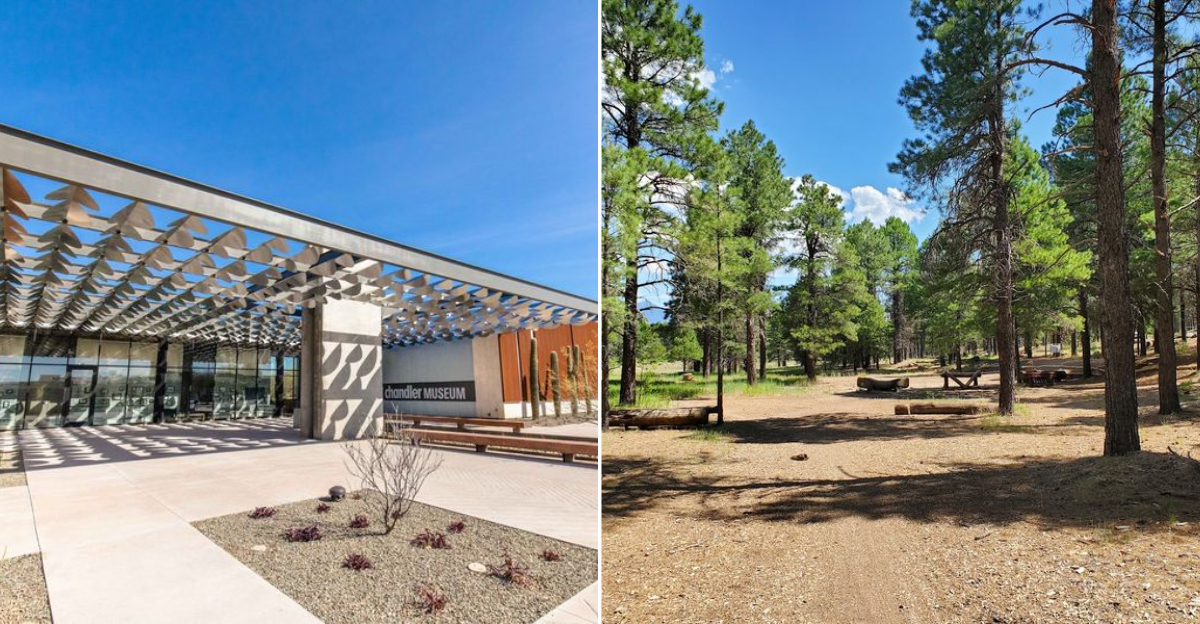
Arizona summer doesn’t have to mean hiding indoors until October. Sure, the heat is real, but so are the opportunities to explore without spending a dime.
This state offers mountain towns where evenings cool down, museums with air conditioning that actually teach you something, and outdoor adventures that start early enough to beat the worst of the sun.
Looking for ways to trick the kids, or yourself, into getting some fresh air when the thermometer is aggressively marching toward the triple digits is basically an extreme sport.
Most seasonal entertainment either requires a second mortgage or involves melting into a puddle within five minutes, but there is hope for the frugal adventurer.
Surviving the hottest months just got a major upgrade with 13 free Arizona summer activities that are actually worth leaving home for, proving that the best things in life really are free, even when the pavement is hot enough to fry an egg.
1. Watch Movies On Heritage Square
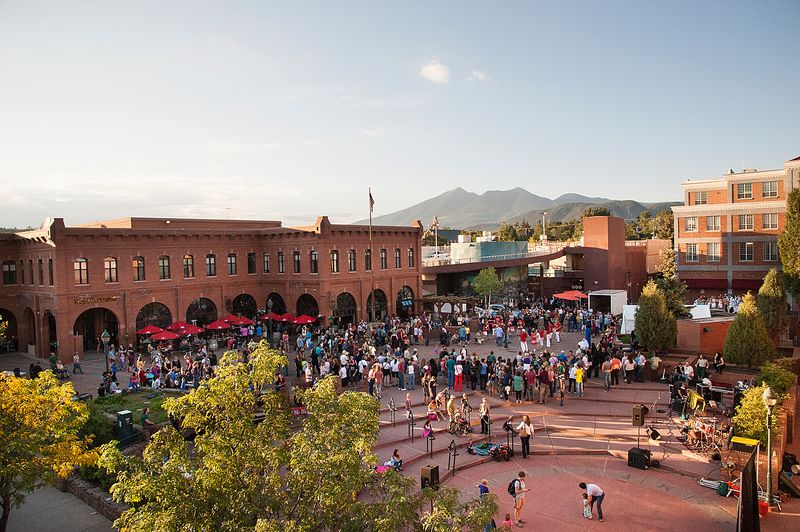
Flagstaff’s cooler elevation makes this outdoor movie series feel like a mini vacation without the drive to California. Every Saturday evening through July 25, 2026, Heritage Square transforms into an open-air cinema where families spread blankets and kids actually sit still for two hours.
Live music and activities kick off before the films start at dusk, so showing up early isn’t just recommended, it’s part of the fun.
The 2026 lineup includes “Cars” on June 6 and “Shrek” on July 25, both crowd-pleasers that won’t have you explaining complicated plots to confused six-year-olds. This isn’t just a screen propped against a building.
The whole square comes alive with a community vibe that makes you forget you’re technically still in Arizona.
Pack layers because mountain evenings surprise people who only know Phoenix summers. Bring your own snacks or grab something nearby before settling in for a night that costs nothing but delivers memories your kids will actually remember next year.
2. Catch Free Music In Flagstaff’s Parks
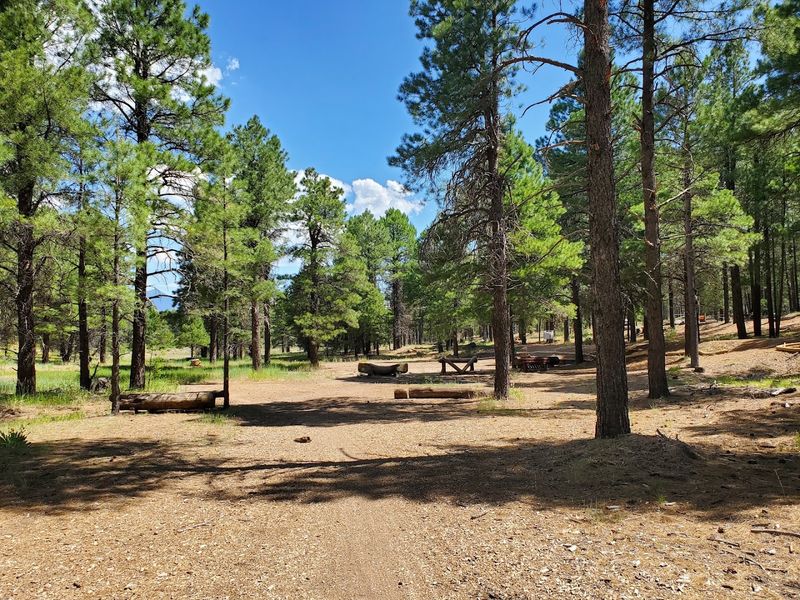
Wednesday evenings in June and July turn Flagstaff’s parks into concert venues that rival anything you’d pay for down south. These free family-friendly performances run from 5:30 PM to 7:30 PM, giving you just enough time to grab dinner beforehand and still catch the whole show.
Jim Cullen Memorial Park, Raymond County Park, and Cleo Murdoch Park rotate hosting duties, so you can explore different corners of the city while getting your music fix.
The elevation advantage here isn’t subtle. While Phoenix residents are cranking their AC and questioning their life choices,
Flagstaff evenings actually require a light jacket. Kids can dance on the grass without risking heatstroke, and parents can relax without constantly checking if everyone’s hydrated enough.
Local musicians bring everything from folk to rock, keeping the vibe casual but professional. Bring a blanket, some bug spray, and zero expectations beyond enjoying live music under pines instead of saguaros for once.
3. Explore Phoenix First Fridays
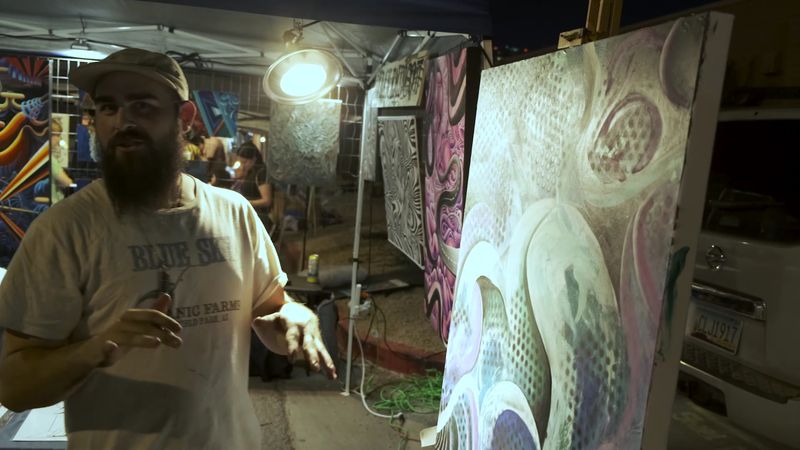
The first Friday of every month, downtown Phoenix sheds its business-casual personality and gets weird in the best possible way.
Roosevelt Row and Grand Avenue flood with gallery openings, street performers, food trucks, and the kind of creative energy that makes you wonder why you don’t do this every month.
Many galleries and venues skip admission fees entirely, making this a genuinely accessible art experience rather than another expensive night out.
Public art installations pop up between established galleries, so even the walk between stops becomes part of the show. Local artists sell everything from paintings to handmade jewelry, and the crowd ranges from art students to families to people who just wanted an excuse to leave the house after dark.
Summer First Fridays start later to dodge the worst heat, but it’s still Phoenix in summer, so dress accordingly. The event sprawls across multiple blocks, giving you plenty of room to wander without feeling packed in like a gallery opening in New York.
4. Cool Down At A Phoenix Splash Pad
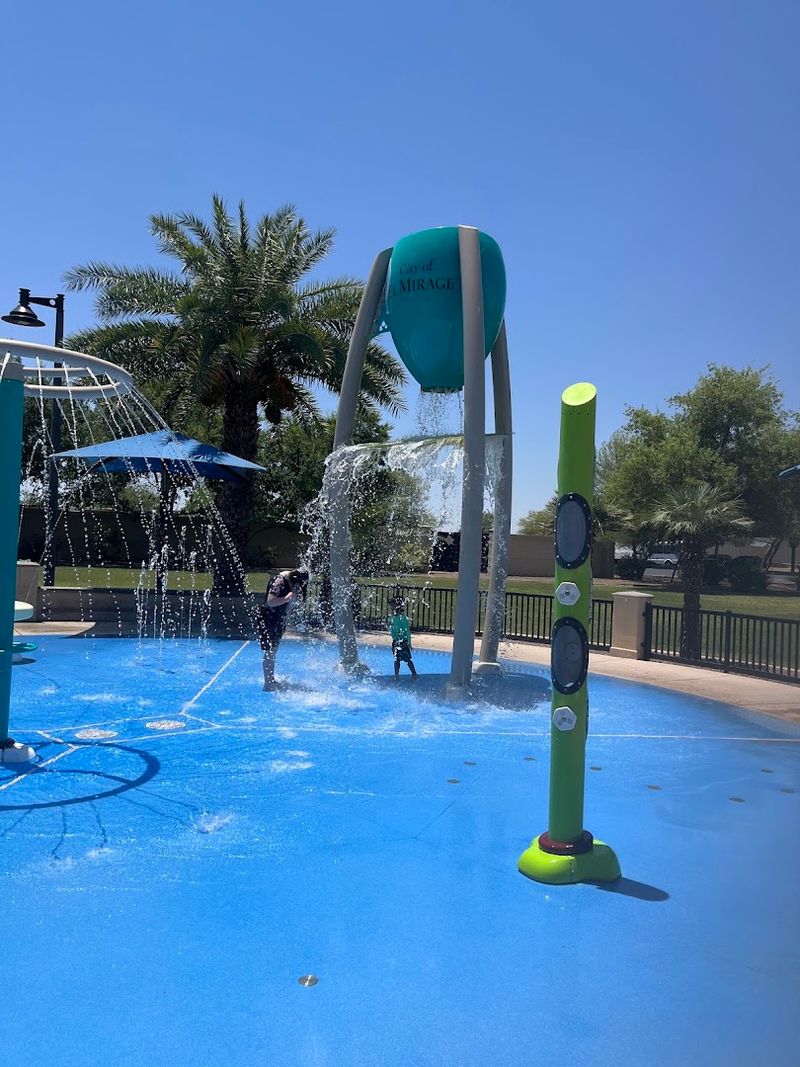
Phoenix operates free public splash pads across the city, and they’re open seven days a week during the regular 2026 summer season from 8 a.m. until 8 p.m.
This isn’t charity; it’s survival infrastructure disguised as recreation. These spots give kids a place to burn energy without parents worrying about pool fees, memberships, or whether everyone remembered their swimsuit.
Each location has its own setup, but they all deliver the same basic promise: water, shade structures, and a break from the relentless heat that defines Phoenix summers. S
ome neighborhoods have multiple pads within driving distance, so you can rotate locations when your kids get bored of the same water jets.
Arrive early for the best parking and shade, especially on weekends when every family in a five-mile radius has the same idea. Bring sunscreen, towels, and a change of clothes because no child has ever left a splash pad without being completely soaked.
It’s free, it’s wet, and it’s open longer than most pools.
5. Visit Chandler Museum
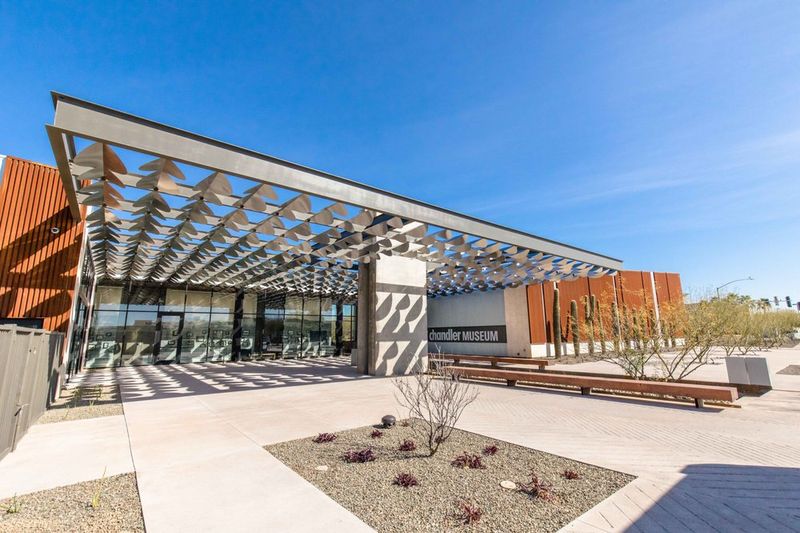
Chandler Museum charges exactly zero dollars for admission, making it one of the Valley’s best air-conditioned escapes that doesn’t involve pretending to shop.
The current “Radio That Rocked the Valley” exhibition runs through September 27, 2026, exploring local broadcasting history in ways that actually hold attention spans.
It’s a collaboration with the House of Broadcasting, Inc., and it delivers more personality than you’d expect from a museum in a suburb best known for tech companies.
The museum operates Tuesday through Saturday from 10 a.m. to 5 p.m., and Sunday from 1 p.m. to 5 p.m., staying closed on Mondays. Free public programs like “Art Tots” and “C-Town Suitcase Club” add interactive elements for families who need more than quiet observation to keep kids engaged.
Rotating exhibitions mean return visits don’t feel repetitive, and the building itself provides blessed relief from summer heat. It’s the kind of place that reminds you cultural experiences don’t require Phoenix traffic or resort parking fees.
6. Step Inside Tempe History Museum
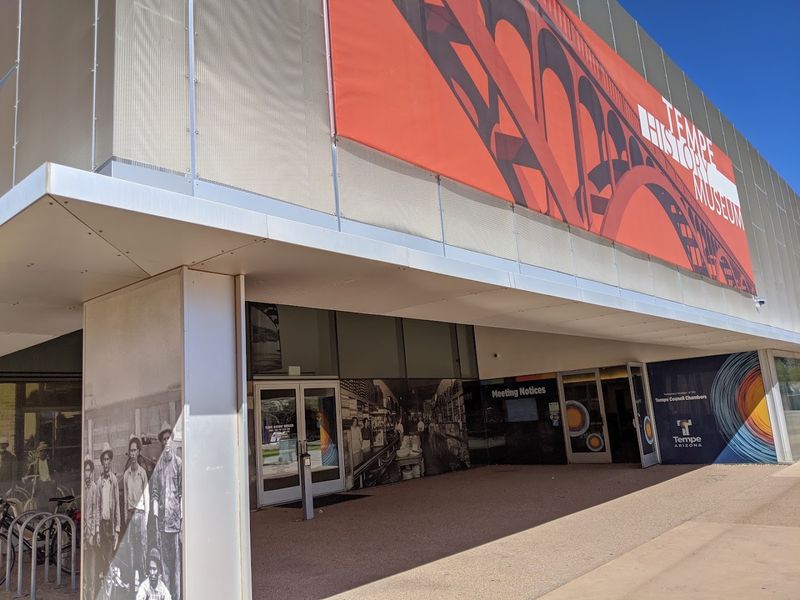
Admission stays free year-round at Tempe History Museum, but summer 2026 brings extra incentive with the “Tempe Time Machine” activities running Wednesdays from 9 a.m. to 1 p.m. between June 3 and July 15.
These sessions tie into the “Ranfla Vida: Local Lowrider History” exhibit, offering hands-on crafts, storytelling, and demonstrations that turn passive museum visits into actual experiences.
The “Ranfla Vida” exhibit itself runs through December 2026, exploring lowrider culture with the respect and depth it deserves rather than treating it as novelty.
It’s local history that connects to broader cultural movements, making it relevant whether you’re a longtime Tempe resident or just visiting.
The museum hosts rotating exhibitions, performances, presentations, and family programs beyond the summer schedule, so this isn’t a one-time destination.
It’s a legitimate cultural resource that happens to be free, air-conditioned, and located in a city that actually values its history beyond old photos of citrus groves.
7. Browse The University Of Arizona Museum Of Art
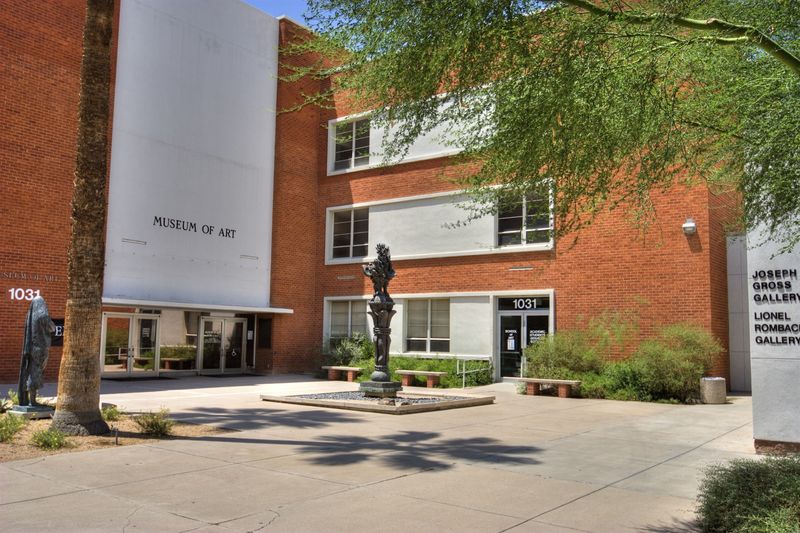
The University of Arizona Museum of Art introduced free admission for everyone in 2026, removing the last barrier between you and a world-class art collection. Before you plan your visit, note the summer closure: the museum shuts down from July 3 through August 7, 2026, reopening on August 8.
This temporary closure means you need to time your visit for early or late summer rather than the peak heat weeks. Summer operating hours run Tuesday through Saturday from 10 a.m. to 4:30 p.m., with closures on Sundays and Mondays.
The collection ranges from Renaissance paintings to contemporary works, giving you enough variety to keep multiple visits interesting rather than repetitive. This isn’t a dusty university gallery with three paintings and a sculpture.
It’s a legitimate art museum that happens to be free, air-conditioned, and located on a campus where parking doesn’t require a second mortgage. Time your visit right, and you’ll beat both the summer crowds and the brutal afternoon heat.
8. Center For Creative Photography
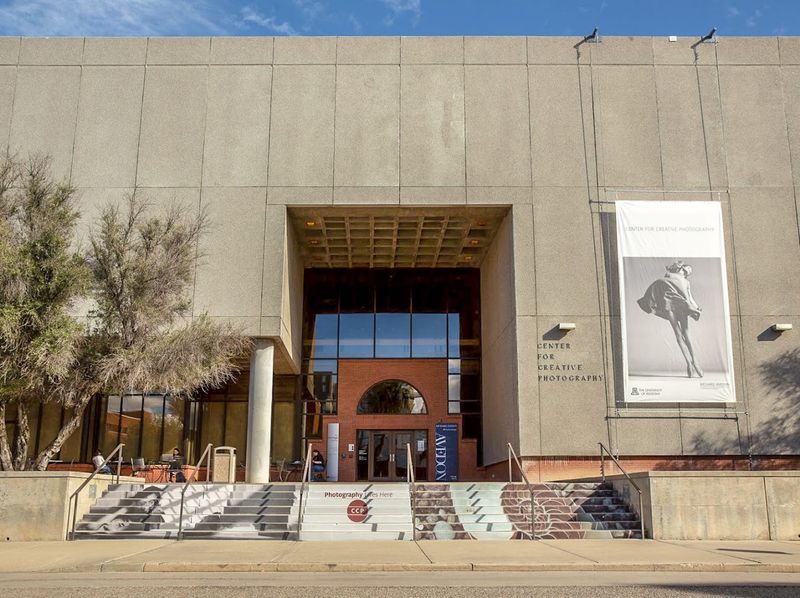
The Center for Creative Photography keeps its galleries free year-round, but summer 2026 brings an important scheduling note: the center closes from July 3 through August 7, reopening on August 8.
Plan accordingly, because this isn’t the kind of place you want to drive to only to find locked doors and a handwritten closure sign.
The early-summer “Chill Zone” ran from June 1 to July 2, 2026, offering free access to art books, weekly projects, creative activities, and drop-in workshops.
Even without special programming, the permanent collection and rotating exhibitions deliver photography that belongs in conversations about the medium’s best work, not just “pretty good for a free museum.”
The center sits right next to the University of Arizona Museum of Art, making it easy to hit both in one visit if you time it during their overlapping open hours.
It’s air-conditioned, intellectually stimulating, and proof that Tucson’s cultural scene offers more depth than most people expect from a desert city.
9. Explore Coronado Cave
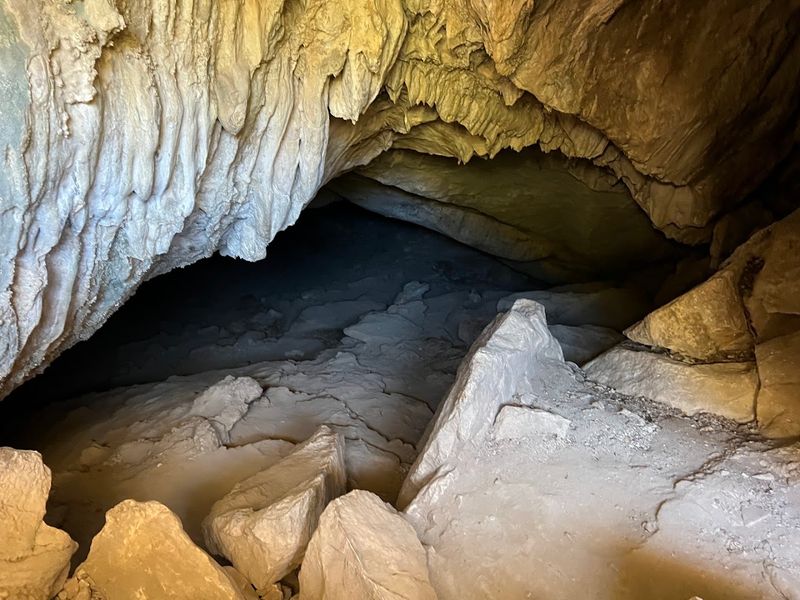
Coronado National Memorial near Hereford charges no entrance fee, and exploring Coronado Cave requires no permit, though checking in at the visitor center for safety information proves smarter than winging it.
The cave extends 600 feet in length and approximately 70 feet in width through most sections, making it substantial enough to feel like real exploration rather than a quick peek into a hole.
The hike to the cave entrance covers 0.5 miles with a 500-foot elevation gain, categorized as moderately strenuous. That rating isn’t exaggeration when you factor in Arizona summer heat and exposed trail conditions.
Essential items include at least two reliable light sources, sturdy footwear that can handle uneven cave floors, and sufficient water for the exposed approach trail.
Pets aren’t permitted in the cave or on its access trail, so leave your dog at home rather than discovering this rule after driving an hour from Tucson.
The cave stays naturally cool inside, offering genuine relief from surface temperatures that make you question your commitment to outdoor recreation.
10. Hike Among Chiricahua’s Rock Formations
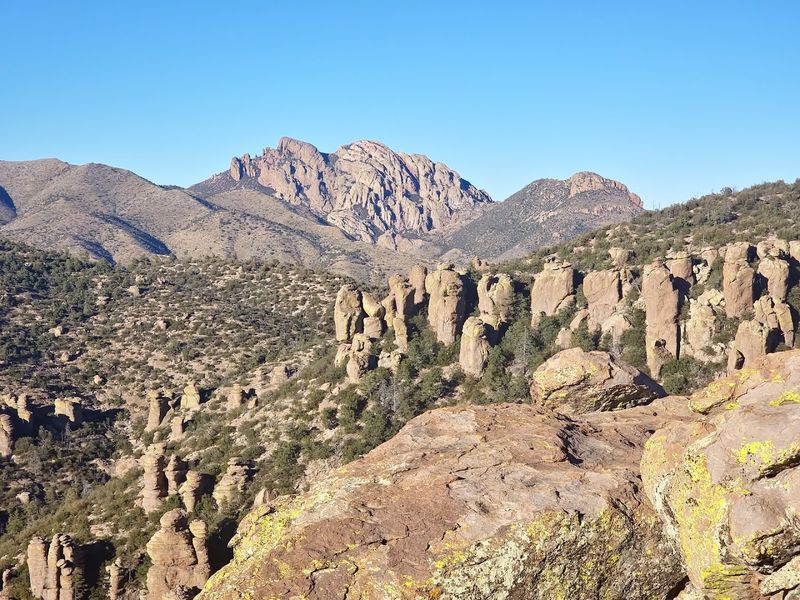
Chiricahua National Monument charges neither entrance fees nor parking fees, immediately setting it apart from most national park experiences.
The monument’s famous “hoodoos” are balanced rock formations that look like nature’s attempt at abstract sculpture, created by volcanic eruptions and millions of years of erosion rather than any human planning.
Over 20 miles of hiking trails vary in length and difficulty, giving you options whether you want a casual morning walk or a full-day challenge.
The scenic drive through the monument provides impressive views for visitors who prefer windshield perspectives to trail boots.
As a designated Dark Sky Park, Chiricahua offers exceptional stargazing opportunities after sunset, though summer heat makes daytime visits more challenging than spring or fall trips.
The monument sits in southeastern Arizona, far enough from major cities that you’ll need to commit to the drive rather than treating it as a quick side trip. Pack plenty of water, start early to avoid peak heat, and bring a camera because these rock formations photograph better than they describe.
11. Take A Free Ranger Hike At Navajo National Monument
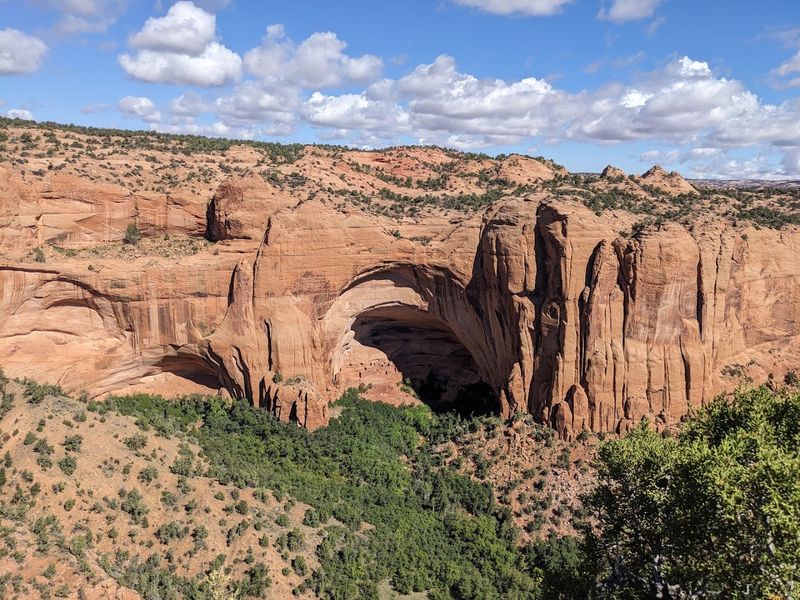
Navajo National Monument offers free entrance, camping, summer ranger-led hikes, and backcountry permits, making it one of the most generous free experiences on public lands.
Ranger-led hikes to the Betatakin cliff dwellings run during summer season from Memorial Day through Labor Day on a first-come, first-served basis, with sign-up sheets at the Visitor Center rather than advance reservations.
The monument also features self-guided trails, including the Sandal Trail which leads to an overlook of the Betatakin dwellings for visitors who prefer independent exploration or can’t snag a ranger-led spot.
The visitor center operates daily from 9:00 a.m. to 5:00 p.m., providing orientation and context before you head out on trails. These cliff dwellings represent centuries of Ancestral Puebloan history, preserved in alcoves that protected them from weather and time.
The ranger-led hikes provide interpretation and access that self-guided visits can’t match, making the early arrival and sign-up process worth the effort for anyone interested in Southwest archaeology and history.
12. Drive The Canyon De Chelly Rim Roads
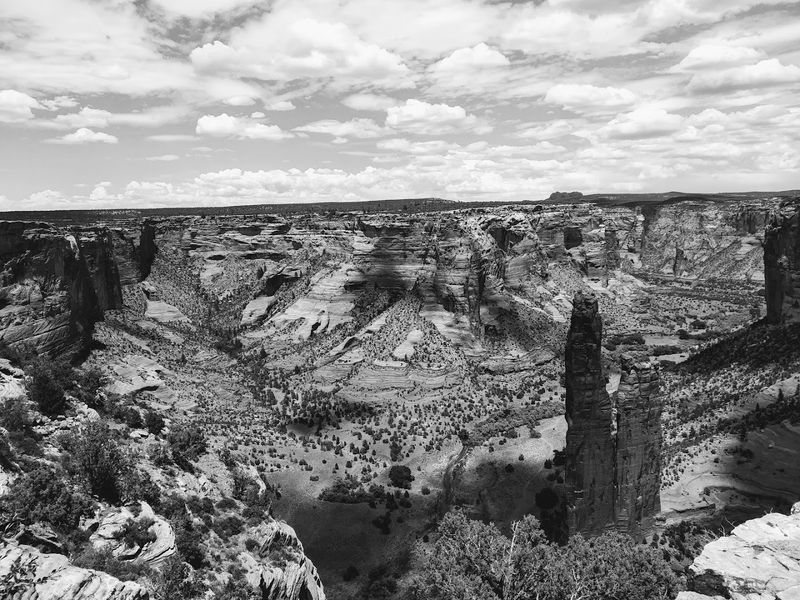
Canyon de Chelly National Monument charges no entrance fee for driving the North and South Rim routes or stopping at their various overlooks.
This makes it accessible for visitors who want spectacular canyon views without paying park entrance fees or committing to guided floor tours.
Entering most areas on the canyon floor requires an authorized guide, but the rim drives deliver impressive experiences without that requirement or expense.
Each rim drive takes approximately two hours when you factor in stops at overlooks, though rushing defeats the purpose of visiting one of the Southwest’s most dramatic canyon systems.
The overlooks provide views of ancient cliff dwellings, the canyon’s distinctive red walls, and geological formations that took millions of years to create.
Summer heat in northeastern Arizona is real but generally less extreme than Phoenix or Tucson. Start early, bring water, and don’t skip overlooks just to save ten minutes because each viewpoint offers different perspectives on the canyon below.
The free access makes this an exceptional value for scenery that rivals anything behind a park entrance station.
13. Catch A Monsoon-Evening Market In Tucson
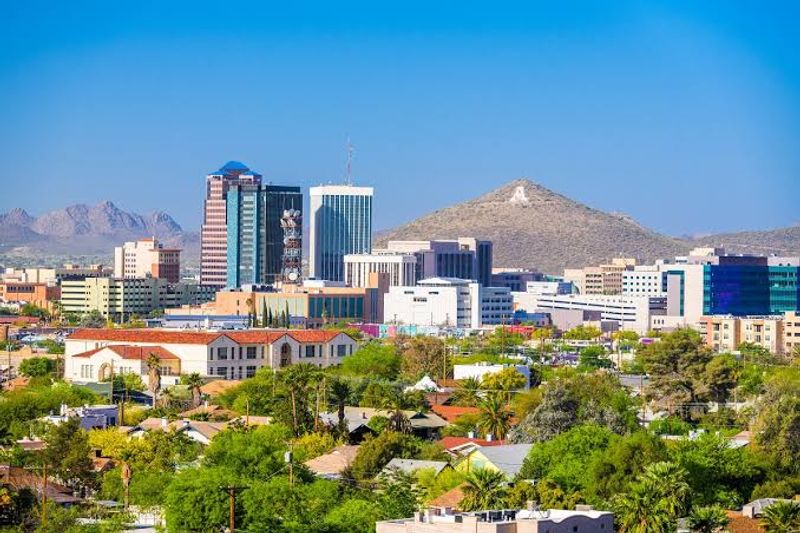
The free Monsoon & Moonlight Arts & Vintage Market is scheduled for Saturday, July 25, 2026, from 6 p.m. to 9 p.m. at the Historic Fourth Avenue Coalition Space in Tucson.
This single-evening event combines local art, vintage browsing, and a silent auction benefiting The Homing Project, a non-profit developing micro-home communities. It’s the kind of event that gives you something to do on a summer evening beyond another dinner out or movie you’ll forget by morning.
The timing takes advantage of monsoon season’s evening drama, when clouds build and temperatures drop enough to make outdoor browsing comfortable rather than punishing.
Local artists and vintage dealers bring merchandise that ranges from genuinely interesting to “I can’t believe someone kept this,” giving you plenty to browse even if you’re not buying.
Fourth Avenue maintains its counterculture vibe even when hosting organized events, so expect a more relaxed atmosphere than typical art markets. The free admission and evening hours make this accessible for anyone willing to brave potential monsoon weather for local art and community atmosphere.