
One Of Ohio’s Oldest Museums Is Free And Filled With Ancient Wonders
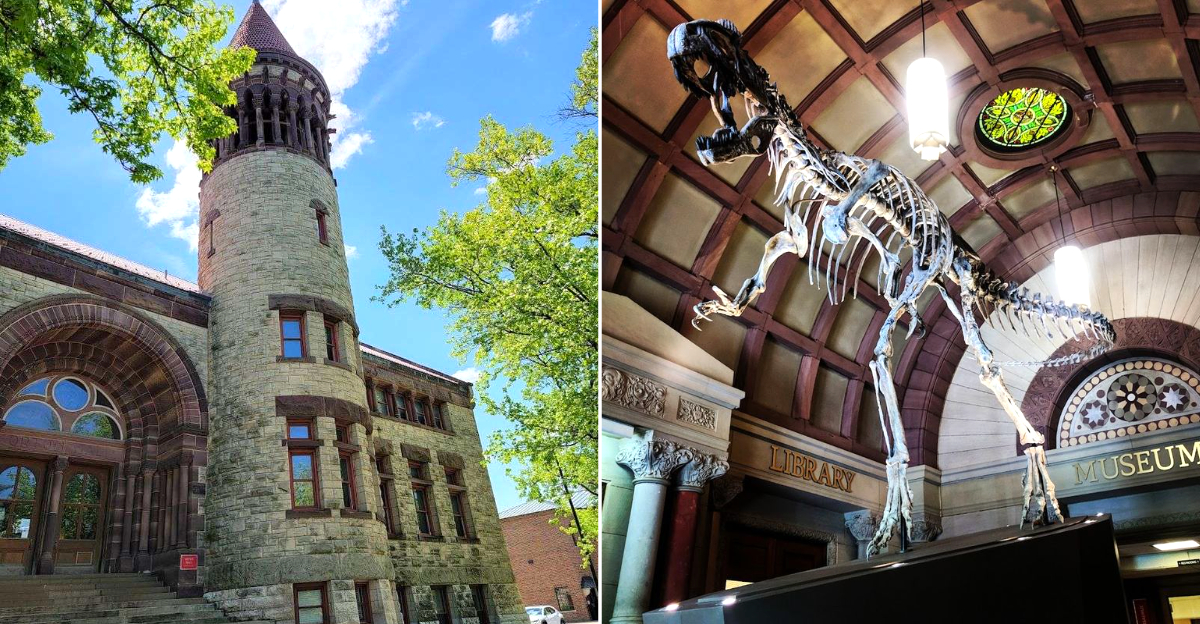
A free museum on a college campus is already a nice surprise.
Then you walk inside and find dinosaur skulls, ancient sea creatures, glowing minerals, meteorites, and a giant ground sloth waiting in a room that feels much bigger than it looks from the outside.
Before long, a quick stop turns into fossils, space rocks, old Ohio geology, and at least one display that makes you pause longer than you planned.
That is what makes this Columbus museum so easy to love. It feels calm, curious, and quietly packed with things that make Earth’s ancient past feel close.
For anyone who likes small museums with real substance, this free Ohio stop is a wonderful little reminder that ancient wonders do not always need a big ticket price.
A Historic Hall With Deep Roots
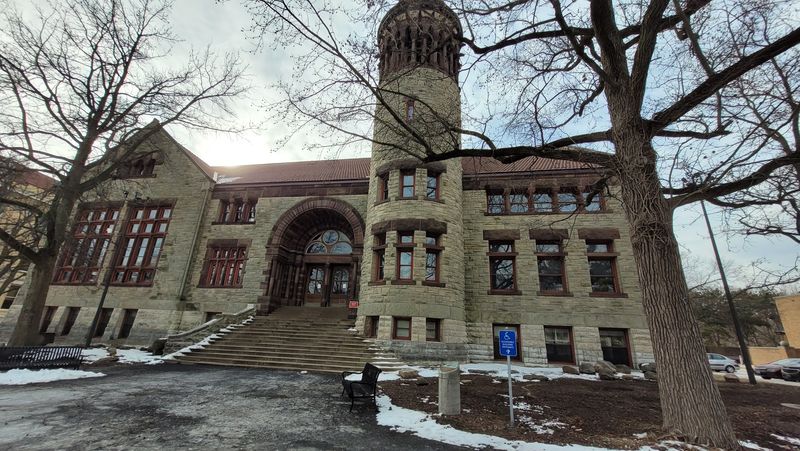
Few museum buildings have a story as fascinating as the one that houses this collection.
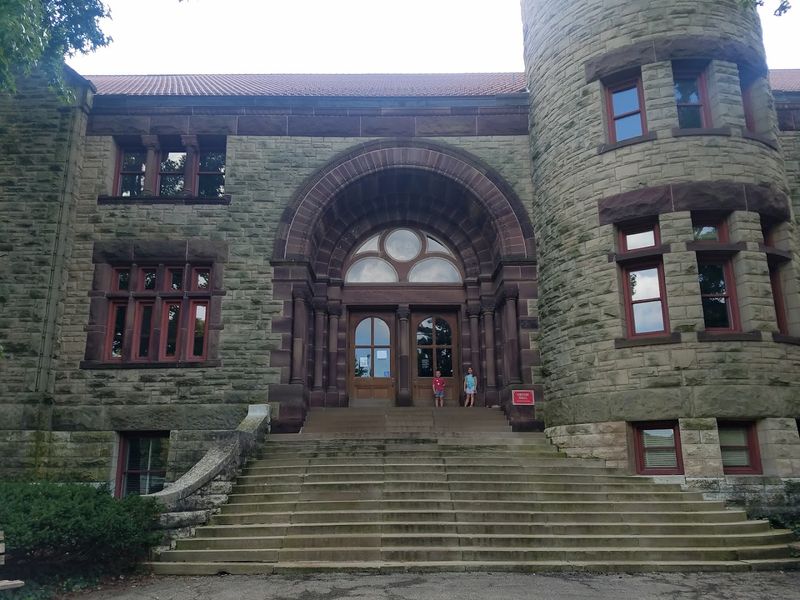
Orton Hall, the Gothic Romanesque structure that holds the museum, was completed in 1893 and stands as one of the most architecturally striking buildings on the Ohio State University campus.
The building was named after Edward Orton Sr., the first president of Ohio State University and a renowned geologist. His legacy is woven into the very walls of the place, and you can feel the weight of that history the moment you approach the entrance.
The exterior is built from Ohio stone samples arranged in chronological geological order from bottom to top, making the building itself a kind of educational exhibit before you even step inside. That detail alone stopped me in my tracks.
The museum is located at 155 S Oval Mall, Columbus, OH 43210, right on the university’s main campus oval, surrounded by the energy of student life and decades of academic tradition.
The Fossil Collection That Will Blow Your Mind
Fossils can make time feel real in a way that textbooks simply cannot match.
The Orton Geological Museum houses an impressive fossil collection that spans hundreds of millions of years, and every specimen carries its own jaw-dropping story.
Among the highlights is a Tyrannosaurus rex skull cast that immediately grabs your attention. There are also marine fossils from ancient seas that once covered the region, along with skeletal remains of creatures that roamed long before humans appeared on the scene.
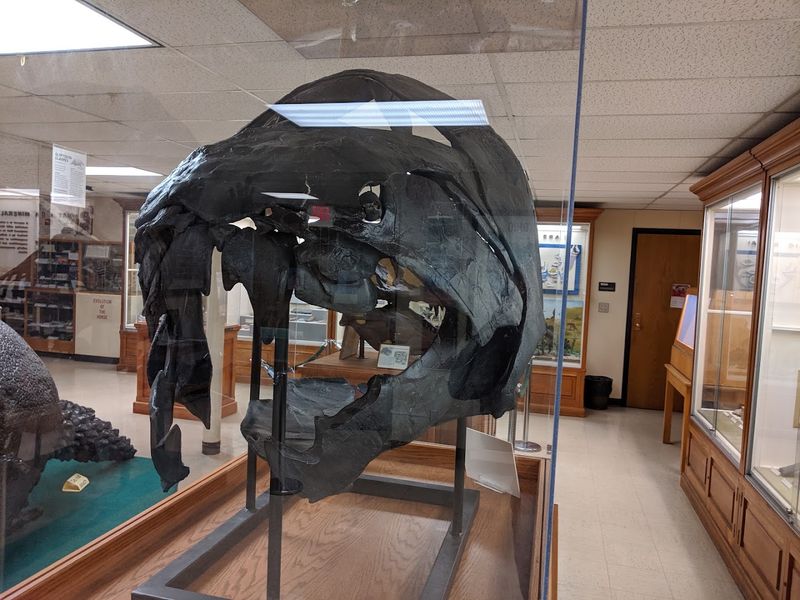
One of the most conversation-worthy pieces is a Dunkleosteus skull, a prehistoric armored fish that ruled ancient oceans. I found myself standing in front of it for far longer than I planned, trying to picture what it looked like in motion.
The fossil displays are thoughtfully arranged with clear, informative labels that make them accessible to visitors of all ages.
Whether you are a seasoned geology enthusiast or a curious first-timer, the fossil room delivers genuine excitement at every turn.
Minerals And Gems That Catch The Light
Not every treasure in this museum belongs to a prehistoric creature. The mineral and gem collection is a visual treat that appeals to anyone with an eye for natural beauty, and it surprised me with just how varied and vivid the specimens are.
From deep purple amethysts to glittering pyrite and translucent quartz formations, the display cases hold minerals that look almost too perfect to be real.
Each one is labeled with its origin and composition, turning what could be a simple display into a genuine learning experience.
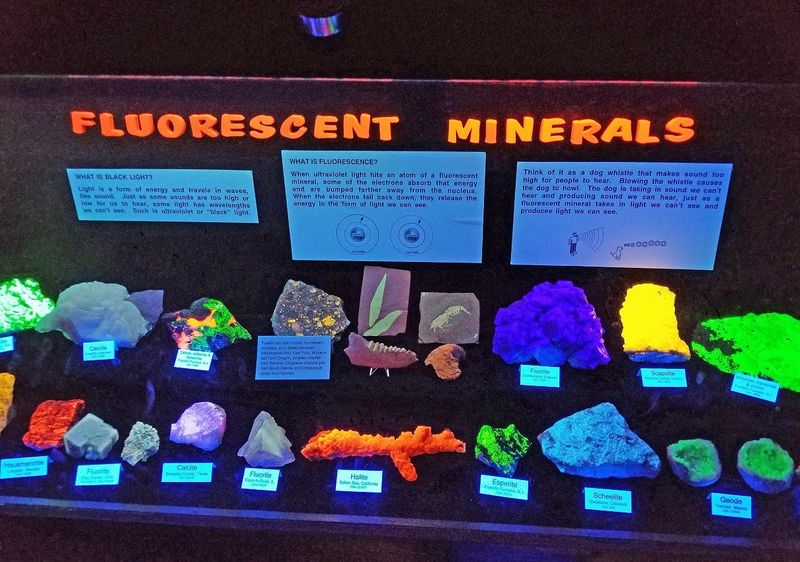
There is also a special light booth inside the museum that shows certain minerals and artifacts under different lighting conditions, revealing properties invisible to the naked eye under normal light.
That little feature drew a small crowd while I was visiting, and for good reason.
Watching a plain-looking rock suddenly glow under ultraviolet light is one of those small moments of wonder that reminds you how extraordinary the natural world really is.
The mineral collection alone makes the visit worthwhile.
Meteorites From Outer Space On Display
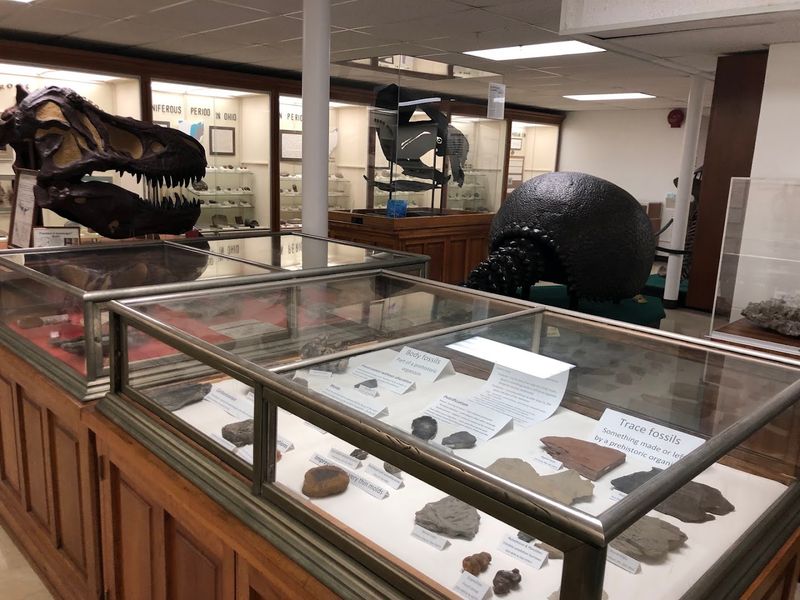
Space rocks sitting quietly in a free museum on a college campus is not something you expect to find, but the Orton Geological Museum delivers exactly that.
The meteorite collection is one of the more quietly thrilling parts of the visit, and it tends to spark a lot of conversation among visitors.
These are actual fragments of extraterrestrial material, pieces of rock that traveled through space and survived the fiery entry into Earth’s atmosphere before ending up in Columbus.
The specimens vary in size and appearance, with some showing the distinctive metallic sheen of iron meteorites and others displaying the darker, crusted surface of stony types.
Reading the labels and learning where each meteorite was found and how old it is puts your own sense of time into a completely different perspective. I kept thinking about the distances these rocks had traveled before landing here.
The meteorite section is compact but rich in detail, and it pairs perfectly with the rest of the geological story the museum tells across its exhibits.
The Giant Ground Sloth Skeleton
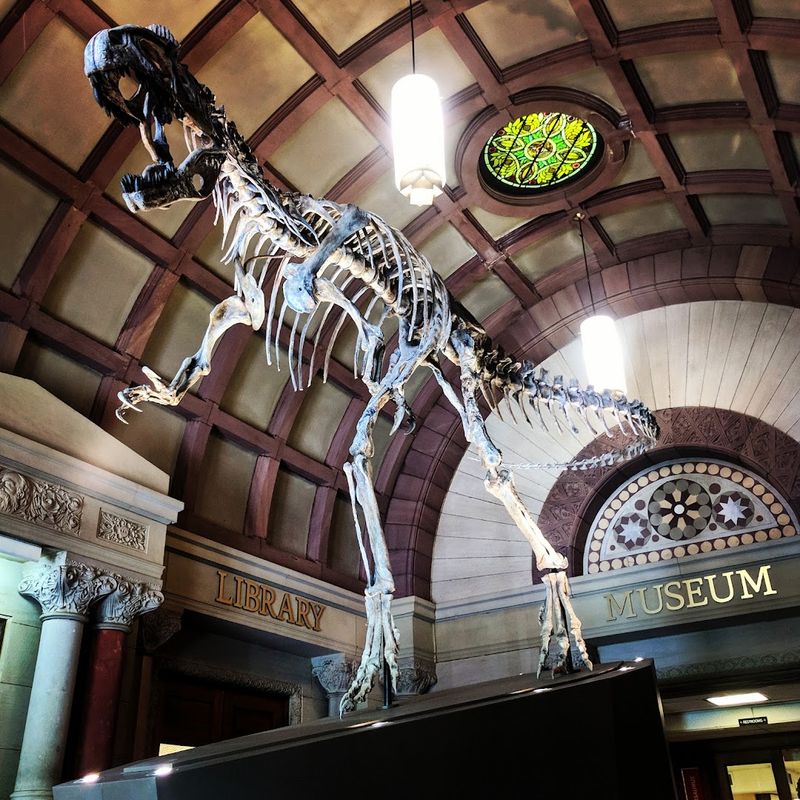
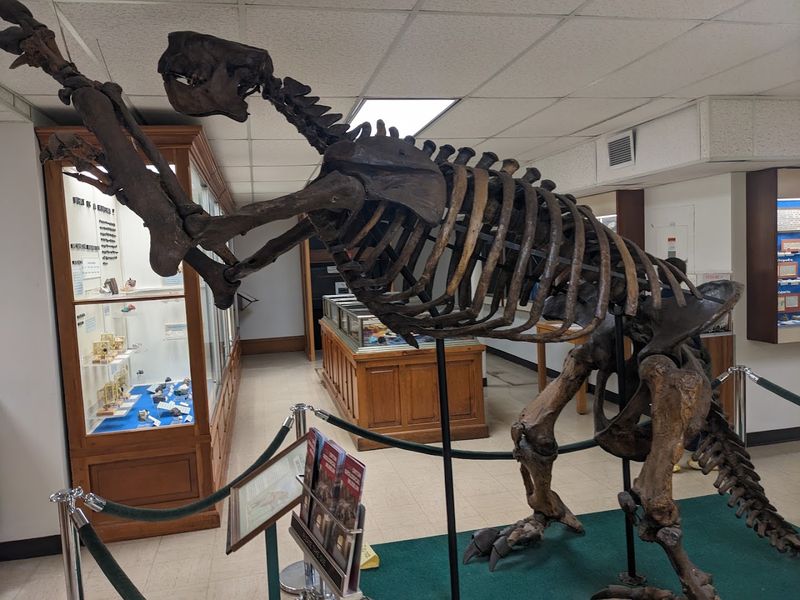
There is something almost theatrical about rounding a corner and coming face to face with the mounted skeleton of a giant ground sloth.
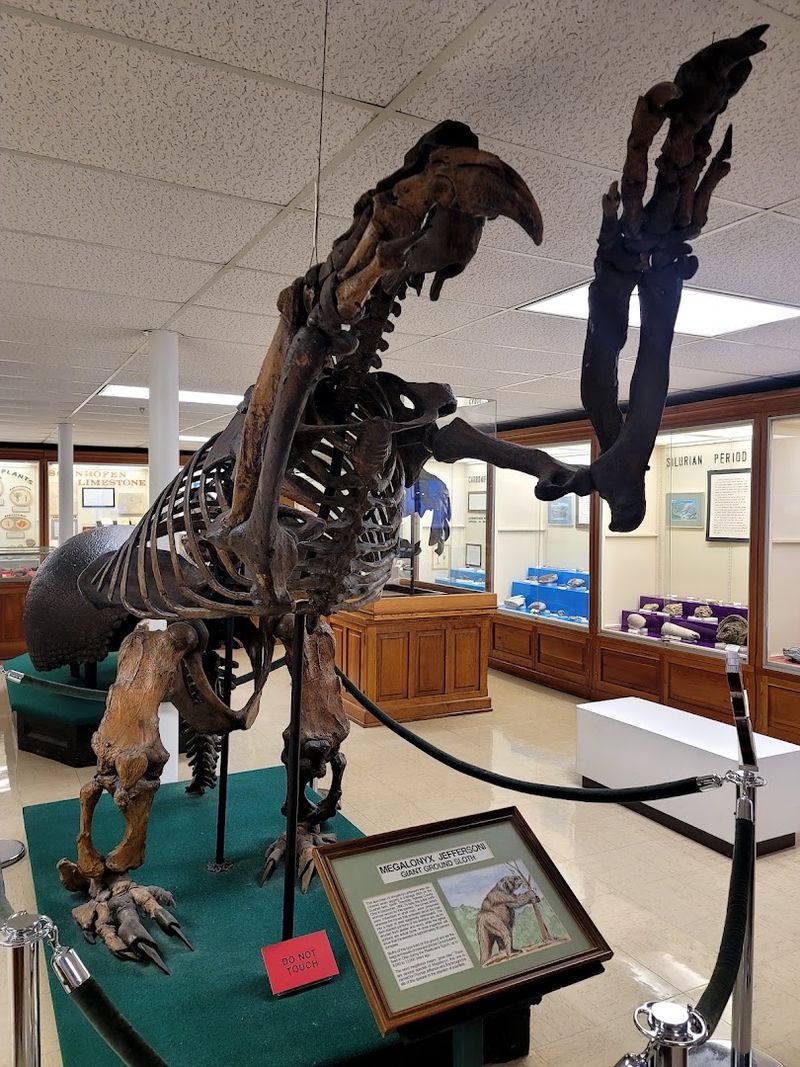
This creature, which roamed North America during the Ice Age, is one of the most memorable exhibits in the museum, and it has a presence that fills the room.
The mount is impressively large, giving you an immediate sense of just how formidable these animals were in life.
Megalonyx could reach nearly ten feet tall when standing upright, and the museum’s historic display combines fossils recovered in Holmes County with modeled or cast parts that were used to complete the skeleton.
What I appreciated most was how the exhibit connected this creature to the broader geological and paleontological story of the region.
North America once had a rich megafauna population that no longer exists, and seeing a physical remnant of that world makes the change feel tangible.
Kids absolutely love this exhibit, and honestly, so do adults who thought they were too grown-up to get excited about ancient skeletons. The giant sloth has a way of changing minds.
Free Admission And What That Actually Means
Free admission at a museum always raises a quiet question in the back of your mind: is this actually worth the time?
At the Orton Geological Museum, the answer is an easy yes, and the no-cost entry makes the experience feel even more generous given the quality of what is inside.
The museum is operated by the Ohio State University School of Earth Sciences, which means the academic depth behind the collection is genuine. You are not looking at a tourist-oriented display.
These are real specimens and carefully produced casts curated by people who have dedicated their careers to understanding Earth’s history.
Self-guided information is available for visitors who want to explore independently. Guided group tours may sometimes be arranged in advance and are offered without a tour fee when available, but visitors should contact the museum beforehand because staffing and availability can change.
The Din-O-Store is located inside the gallery and sells rocks, minerals, fossils, books, toys, clothing, and other natural history-themed gifts.
It does not have separately posted operating hours, so call ahead if visiting the store is an important part of your plans.
Perfect For Kids And Curious Adults Alike
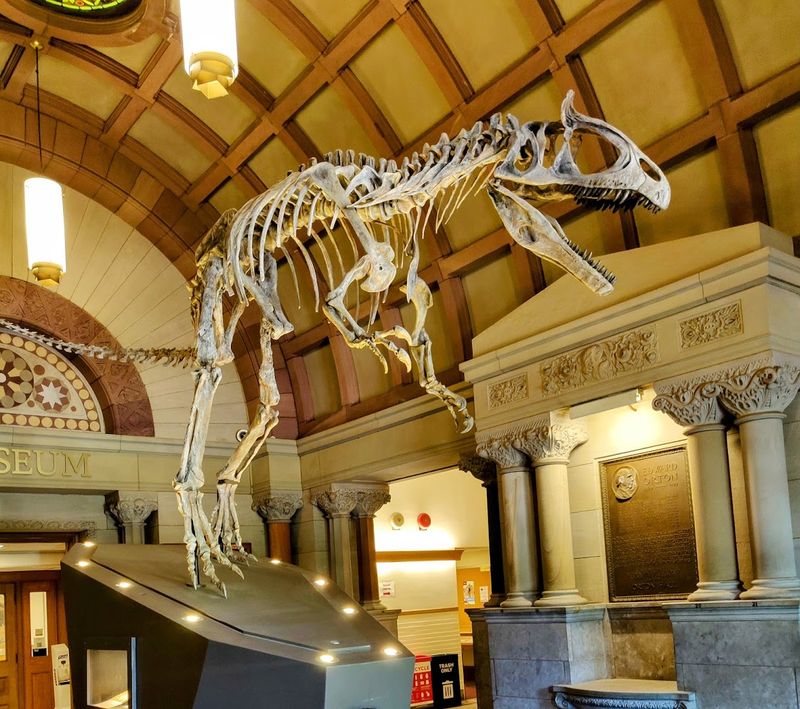
Some museums feel designed for one specific type of visitor, but this one manages to hit a sweet spot that works for a surprisingly wide range of people.
Families with children, college students, geology enthusiasts, and casual visitors who just wandered in all seem to find something worth their attention.
Kids are particularly drawn to the dinosaur fossils and the giant sloth skeleton, and the mineral collection keeps younger visitors entertained with its color and variety.
The exhibits are low enough and well-labeled enough that children can engage with them independently, which takes some pressure off parents trying to explain everything.
Adults who think they have outgrown natural history museums tend to get a reality check here.
There is enough scientific depth in the labels and displays to satisfy someone with a genuine geology background, while still remaining approachable for someone who has never thought much about rocks before.
The museum also feels calm and unhurried, which makes it a pleasant break from busier attractions.
A half hour to an hour is usually enough time, though curious visitors often find themselves staying longer than planned.
The Orton Hall Library Next Door
Right across the hall from the museum sits a library that deserves its own moment of appreciation.
The Orton Hall library is a substantial academic resource connected to the Department of Earth Sciences, and several visitors mentioned it as a highlight of their time in the building.
The library holds an extensive collection of geological texts, maps, research publications, and reference materials that reflect decades of academic work in the field.
Even if you are not a student or researcher, the space itself is worth a peek, with the kind of atmosphere that makes you want to sit down and read something serious.
The combination of the museum and the library in the same building creates an experience that feels complete in a way that neither could achieve alone.
You can look at a fossil, then walk across the hall and find a book that tells you everything science knows about the creature it came from.
That kind of layered access to knowledge is something you usually only find at major institutions, and here it is available for free in a building that most people walk past without a second glance.
Practical Tips Before You Visit
A little planning goes a long way when visiting the Orton Geological Museum, and a few practical details can make the difference between a smooth trip and a frustrating one.
The museum is generally open on weekdays and normally closed on weekends, but its hours can change during university breaks and the summer.
Visitors should check the museum’s official website or call ahead before traveling, especially during the summer when operating days and hours may be irregular.
The nearest recommended weekday visitor parking is the Ohio Union South Garage. Current posted rates include three dollars for thirty minutes, five dollars and seventy-five cents for one hour, and nine dollars and fifty cents for two hours, although parking prices may change.
The museum can be reached by phone at 614-292-6896, and calling ahead is always a smart move to confirm current hours before making the trip.
The campus itself is easy to navigate on foot, and the walk from the garage to Orton Hall is a pleasant one through a lively academic setting. Wear comfortable shoes, bring your curiosity, and consider leaving a small donation at the museum even though admission is free.
A place this special deserves a little support to keep doing what it does so well.