
10 Texas Towns That May Be Easier On A Retirement Budget Than You’d Expect
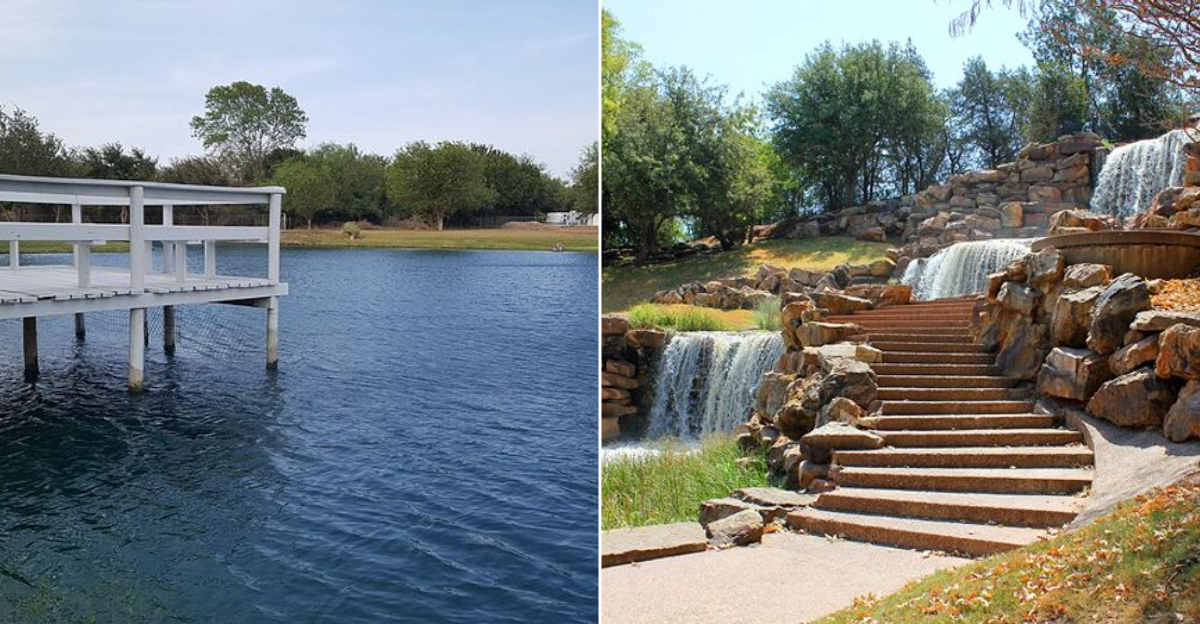
Retirement sounds a lot better when your savings can finally relax too. And no, you don’t need a mansion, a private golf course, or a millionaire’s budget to enjoy your golden years.
Texas has plenty of small towns where life is slower, costs are friendlier, and your wallet doesn’t panic every time you leave the house. These places offer charming downtowns, welcoming communities, and a chance to enjoy more of what matters.
Without spending every penny just to keep up. So before you assume a comfortable retirement requires a huge budget, take a look at these Texas towns.
They might just change the way you picture your next chapter.
1. Eagle Pass
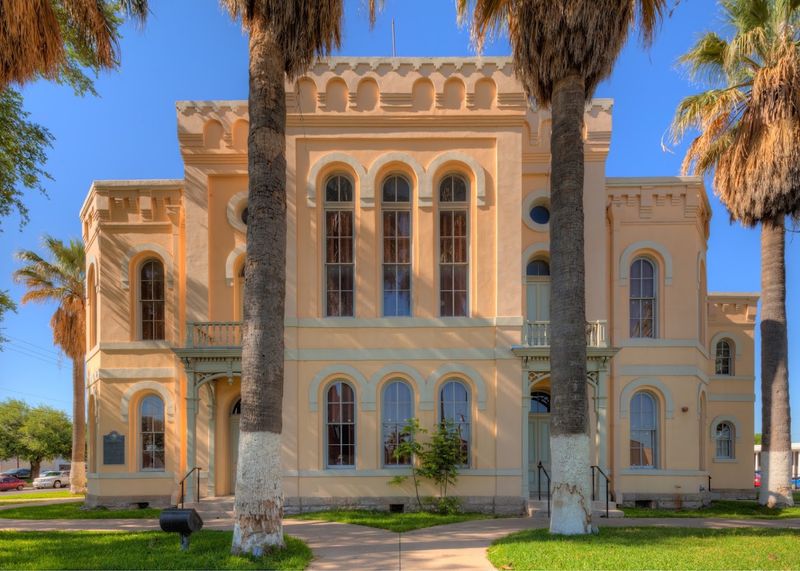
Eagle Pass is the kind of town that makes you wonder why you ever paid so much to live somewhere else. Sitting right along the Rio Grande, this border community has a cost of living that runs nearly 20% below the national average.
That is not a rounding error. That is real money staying in your pocket every single month.
Housing here is genuinely remarkable. Median home values hover around $150,000 to $185,000, and renters can find comfortable spots for around $632 per month.
For retirees watching every dollar, those numbers are hard to argue with.
Texas also has no state income tax, which means your Social Security and pension go further here than in most states.
Beyond the budget perks, Eagle Pass has genuine personality. The 300 Block Art and Entertainment District brings local culture and creativity to the heart of downtown.
Tex-Mex cuisine is absolutely everywhere, and it is the real deal.
The warm climate means outdoor walks and community events are possible almost year-round. Eagle Pass rewards the curious retiree who values authenticity over flash, and that trade-off turns out to be a pretty great deal.
2. Harlingen
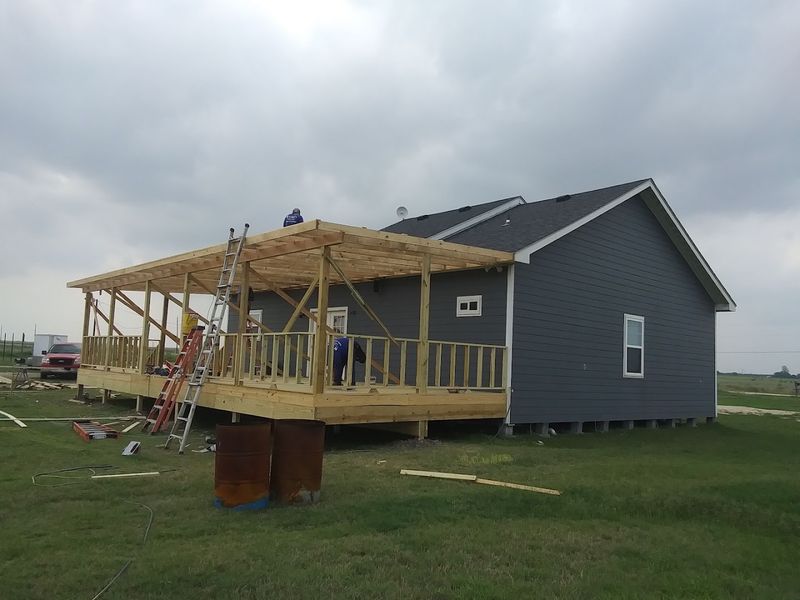
Harlingen hits different when you realize groceries cost about 10% less here than the national average and healthcare runs nearly 20% cheaper too.
For a retiree managing a fixed income, that combination is basically a financial superpower. Overall, the cost of living sits 20% to 21% below the national average, making every budget conversation a little more comfortable.
Housing is where Harlingen really shines. Home prices range from roughly $199,000 to $262,000, and senior apartment rentals average around $803 per month.
That is a number that leaves room for actual living, not just surviving. The subtropical climate keeps winters mild, with temperatures often sitting comfortably in the 50s, which means outdoor time is practically a given.
Culture and nature show up in equal measure here. Hugh Ramsey Nature Park is part of the World Birding Center network, drawing bird enthusiasts from across the country.
The Harlingen Arts and Heritage Museum and the Iwo Jima Memorial and Museum give history lovers plenty to explore. Valley Baptist Medical Center ensures healthcare access is never far away.
Harlingen is a town that takes care of its residents without making them feel like they had to sacrifice everything to get there.
3. Mission

If retirement had a mascot, Mission might nominate the hummingbird. This Rio Grande Valley gem has been ranked the top Texas city for snowbirds, and once you spend a little time here, the reason becomes obvious.
The outdoor lifestyle is extraordinary, and the cost of living reflects a region that has not been overrun by outside money yet.
Bentsen-Rio Grande Valley State Park is the crown jewel, offering accessible trails and tram services through some of the most biodiverse land in North America.
Birdwatchers travel from all over the world to visit, and retirees who live here get to experience it on a Tuesday morning just because they feel like it.
The National Butterfly Center runs year-round programming and hosts the Annual Texas Butterfly Festival each November, which feels like a holiday for nature lovers.
La Lomita Chapel offers a peaceful, historic retreat for those seeking quiet reflection.
The Mission Historical Museum keeps local stories alive. Annual events like the Texas Citrus Fiesta in January bring the whole community together in celebration.
Mission Regional Medical Center handles healthcare needs, and the Shary Municipal Golf Course keeps competitive spirits sharp. Mission is proof that a fulfilling retirement does not require a massive price tag.
4. Brownsville
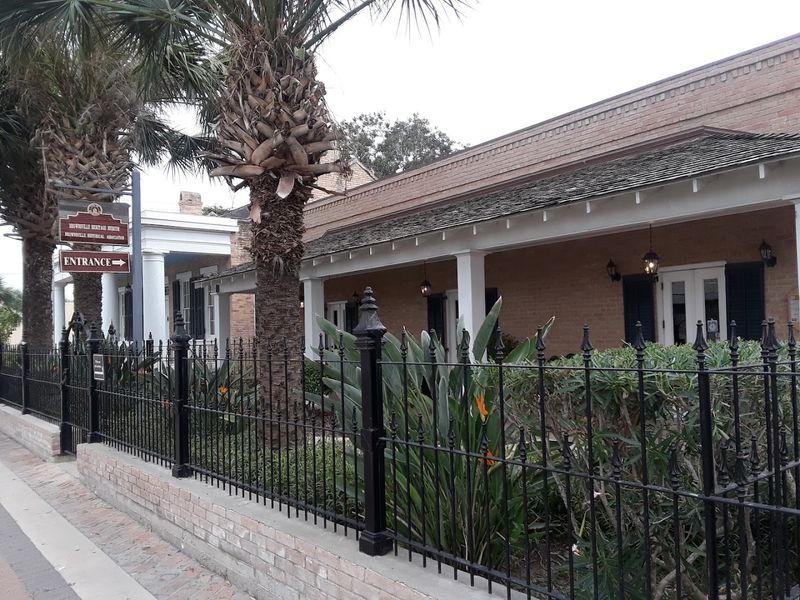
Brownsville is the kind of place that surprises you. It sits at the southernmost tip of Texas, right where the Rio Grande meets the Gulf Coast, and it brings together history, nature, and community in a way that feels genuinely special.
One-bedroom apartments in the Brownsville-Harlingen area typically rent for around $800 to $900 per month, which is a very reasonable number for a city with this much going on.
The Brownsville Senior Center is a hub of activity. Exercise classes like Tai Chi, line dancing, and aerobics keep things moving.
Loteria nights and themed social events fill the calendar with laughter and connection. Creative arts and crafts sessions and wellness workshops round out a program that makes staying engaged feel effortless rather than forced.
Nature is never far away. The Laguna Atascosa Wildlife Refuge and the World Birding Center at Resaca de la Palma State Park offer serious outdoor adventure.
History enthusiasts can explore the Palo Alto Battlefield National Historical Park and the Stillman House Museum. The Costumes of the Americas Museum adds a unique cultural layer that you simply will not find anywhere else.
Brownsville is a retirement destination that rewards curiosity at every turn.
5. Laredo
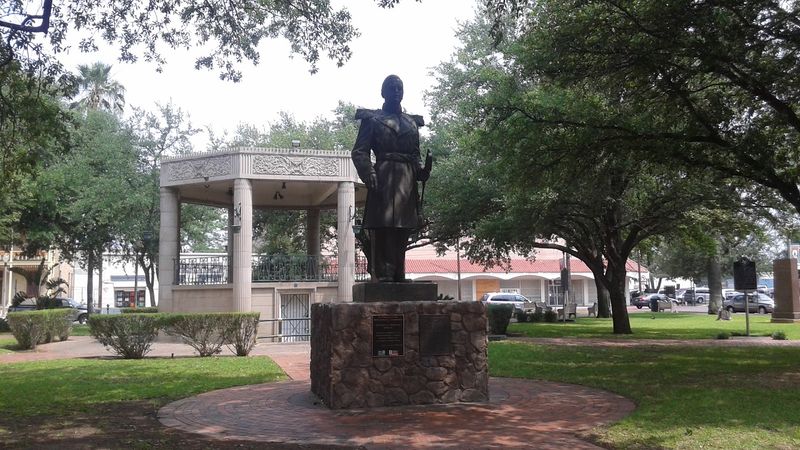
Laredo has a confident, no-nonsense kind of affordability. The overall cost of living runs 12% to 18% below the national average, and housing costs are a staggering 16% to 40% cheaper than what most Americans pay.
Median home prices range from about $163,000 to $288,000, giving retirees a range of options that actually fits different budgets.
Food costs are about 12% lower than the national average, and transportation expenses are notably cheaper too.
One-bedroom apartments average around $800 to $1,110 per month, making renting a genuinely viable choice for those who prefer flexibility. Add in Texas’s zero state income tax policy, and the financial picture becomes remarkably clear.
Community life in Laredo is rich and welcoming. The El Paraiso Senior Center offers food, games, birthday celebrations, health presentations, and craftwork.
The Fasken Senior Center goes even further with an indoor track, a weight room, fitness classes, free membership, and free lunch, plus regular outings for bowling, shopping, and movies.
Laredo logs a high number of sunny days annually, and warm temperatures make outdoor enjoyment feel less like a luxury and more like a daily routine. Laredo does not just offer affordability; it offers a genuinely good life.
6. Wichita Falls
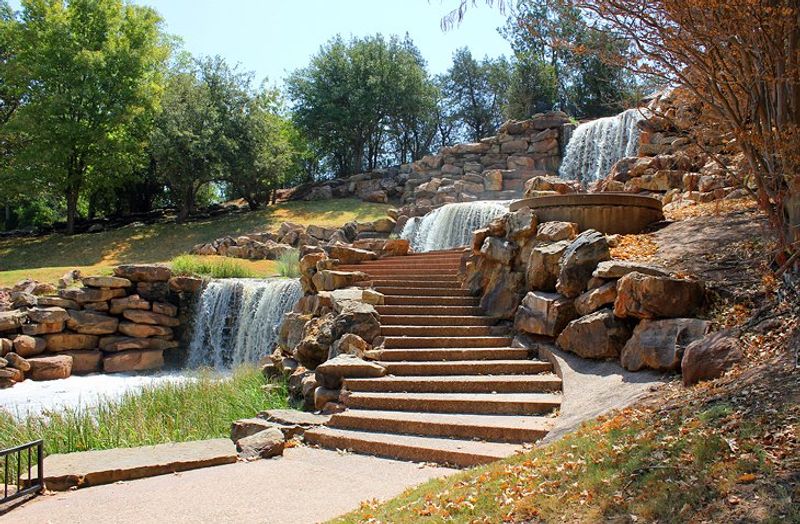
Retirement Living ranked Wichita Falls the number one city to retire in Texas. That is not a small claim, but the numbers back it up.
The overall cost of living is roughly 9% to 10% below the national average, and housing is a full 35% cheaper than what most Americans are paying. Median home values sit around $156,800, which is the kind of figure that makes a retirement budget smile.
Groceries are about 3% cheaper than the national average, and transportation costs run 14% below the national baseline.
Texas has no state income tax, which sweetens the deal considerably for retirees drawing from Social Security or a pension. Wichita Falls also offers independent living communities designed specifically to support seniors who want comfort without the hassle of home upkeep.
The city has a genuine sense of community that is hard to manufacture. It sits in North Texas with a classic small-city energy, where neighbors know each other and local businesses still matter.
The affordability here is not about sacrifice; it is about smart living. Wichita Falls proves that you do not need to be in a trendy metro to have a retirement worth bragging about.
Sometimes the best-kept secrets are hiding in plain sight.
7. Pharr
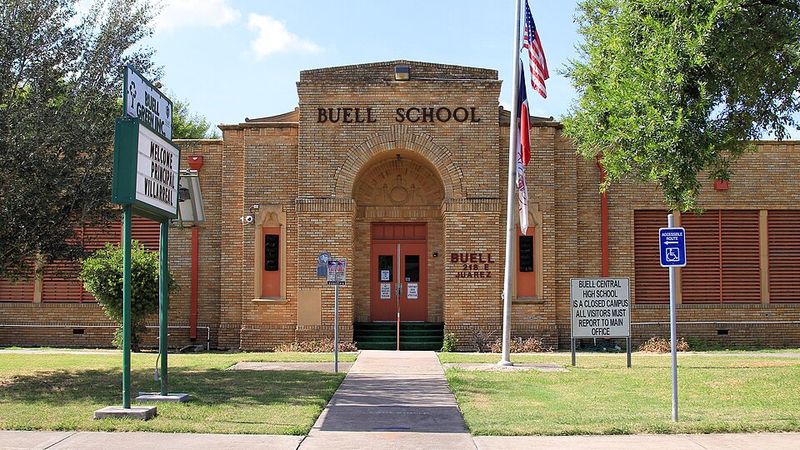
Pharr is playing retirement on easy mode, and honestly, good for it. The overall cost of living here is 15% to 23% below the national average and 10% below the Texas average.
Housing costs are 44% to 60% cheaper than the national average, which is the kind of statistic that makes you do a double take and then immediately Google real estate listings.
Average monthly rent runs about 20% lower than national figures, and groceries come in around 8% cheaper.
Healthcare costs are 24% below the national average, which matters enormously for retirees managing ongoing medical needs. Independent living communities in Pharr average about $3,007 per month, which is already lower than the Texas state average for similar options.
Brook Ridge Retirement Community offers resort-style living with chef-prepared meals, a fitness room, and a heated outdoor pool. Pharr South provides a gated 55-plus community with a packed social calendar including dinner theater, holiday dinners, and regular coffee gatherings.
The climate here is comparable to Miami, with very mild winters and warm summers that keep outdoor life accessible. Texas’s lack of a state income tax adds one more layer of financial comfort.
Pharr is small in name but enormous in value for retirees who know what to look for.
8. McAllen
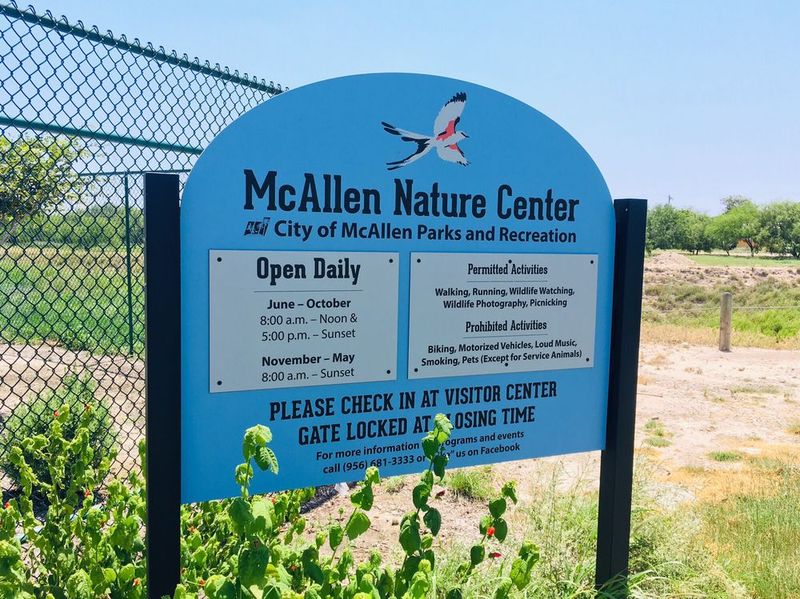
McAllen has been ranked the number one place in the country for retirees living solely on Social Security. Let that sink in for a moment.
Average rent sits around $613 per month, median home prices hover near $93,000, and the overall cost of living runs 19% to 21% below the national average.
This is not a typo. McAllen is genuinely that affordable.
Groceries cost about 8% less than the national average, and healthcare runs 20% to 24% cheaper. The city holds a SeniorScore of 80, reflecting excellent livability for older adults.
Palm View Community Center and Las Palmas Community Center offer aerobics, bingo, arts and crafts, and social clubs that keep the calendar full without emptying the wallet.
Nature is a major draw here. Quinta Mazatlan is a stunning nature and bird center home to over 500 species of birds and a variety of butterflies.
Bentsen-Rio Grande Valley State Park is practically a neighbor. Sunny skies and mild winters make outdoor enjoyment feel like a natural extension of daily life.
Shopping at La Plaza Mall and entertainment options add urban convenience to a budget-friendly package. The South Texas Health System ensures comprehensive medical care is never out of reach.
McAllen simply delivers.
9. Edinburg
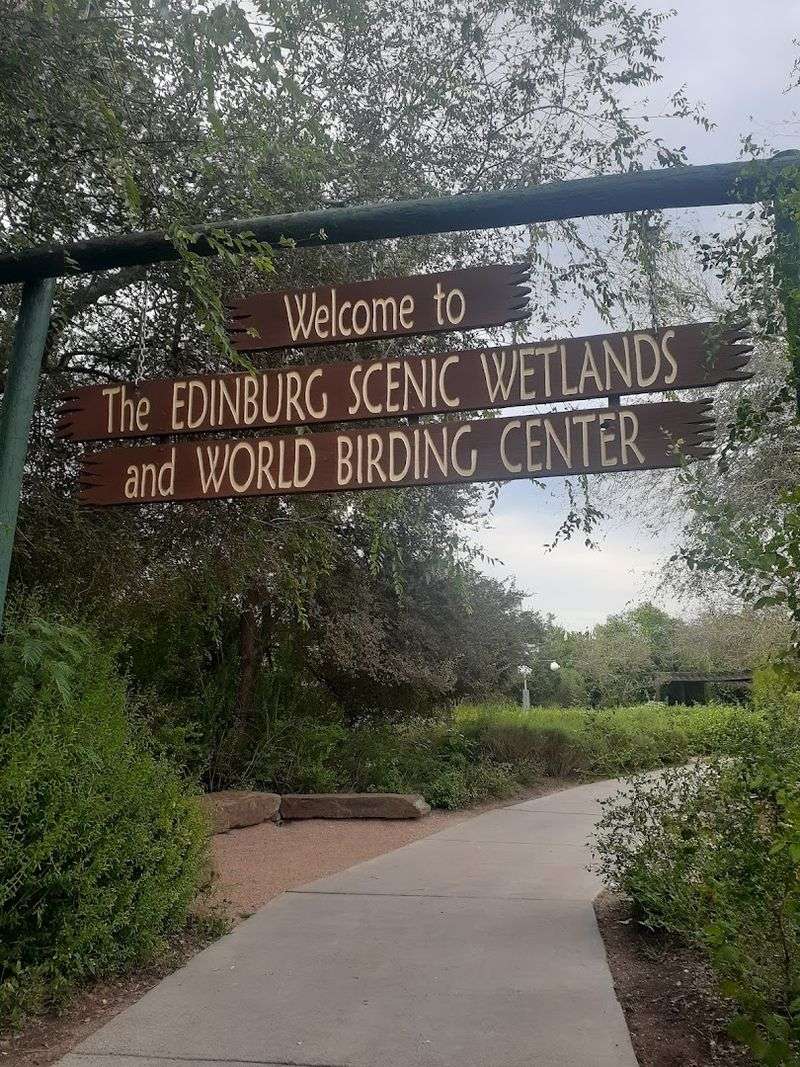
Investopedia named Edinburg one of the Best 100 U.S. Cities for Retirees, and the reasoning is airtight.
The cost of living runs 15% to 21% below the national average. Housing is nearly 40% to 50% cheaper than the U.S. baseline, with median home prices between $210,000 and $250,000 in 2025.
Senior apartments can be found for as low as $799 per month.
Groceries are about 7% to 12% less expensive, healthcare costs are notably lower, and transportation expenses run 11% to 21% below the national average.
Texas adds its signature bonus with zero state income tax, which gives retirees an immediate financial advantage over peers living in higher-tax states. Edinburg is also a major regional medical hub with rapidly expanding healthcare infrastructure.
The subtropical climate keeps winters short and mild, with daily highs averaging around 76 degrees Fahrenheit, encouraging outdoor activity year-round.
The Edinburg Scenic Wetlands and World Birding Center is a genuine treasure for nature lovers. Cultural richness runs deep here, with events like Fiesta Edinburg and Frida Fest celebrating the area’s vibrant Hispanic heritage.
Independent living options like The Bridges at Edinburg and Edinburg Senior Towers give retirees flexible choices. Edinburg is the kind of discovery that makes you wonder why more people are not talking about it.
10. Victoria
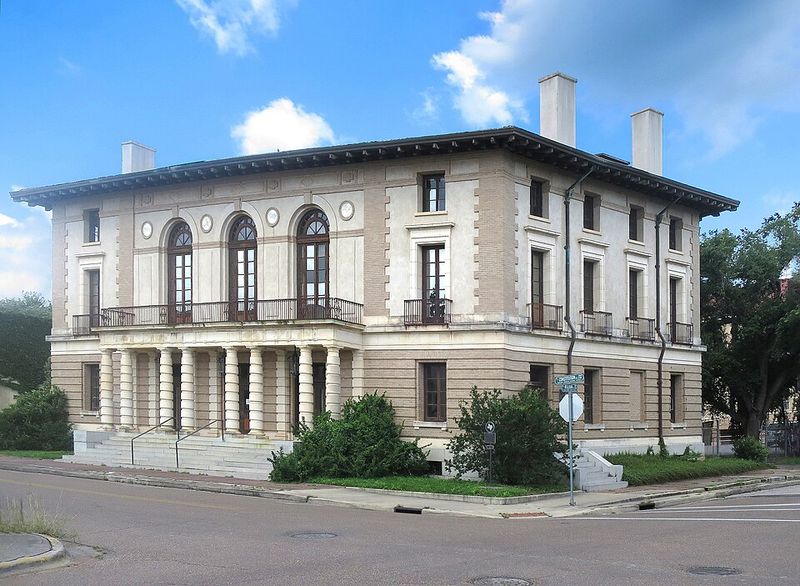
Victoria sits in a sweet spot between the Texas Hill Country and the Gulf Coast, and it brings a small-town charm that is genuinely hard to resist.
Medium-sized homes average around $200,000, two-bedroom apartment rent runs about $950 per month, and monthly utility bills for a two-bedroom place typically fall between $150 and $200. For a retiree craving simplicity, those numbers tell a very appealing story.
Riverside Park is the heart of outdoor life here, featuring the Texas Zoo, a golf course, and a rose garden all in one beautiful stretch along the Guadalupe River.
Coleto Creek Park adds fishing, swimming, and camping to the mix. Birdwatching along the river is a quiet, rewarding hobby that costs absolutely nothing and delivers endlessly.
The Murray Center offers quilting classes, senior dance sessions, and Zumba, keeping creative and physical energy flowing.
The Victoria Public Library partners with Meals on Wheels for home delivery and offers arts and crafts activities and book borrowing for seniors.
Fun Fridays bring creative and physical activities together in a community setting. Texas A&M Agri-Life programs cover health and cooking topics that are genuinely useful.
Morada Victoria provides all-inclusive retirement living with meals and wellness programs.
Victoria is the kind of retirement chapter that feels less like an ending and more like a well-deserved beginning.