
The Secret Side Of Tennessee Most Tourists Never Discover
You can drive through Tennessee and completely miss one of its strangest stories. No giant attractions.
No flashing signs. Just a quiet place hiding a past that sounds almost too unusual to be true.
More than a century ago, someone imagined building a completely different kind of community here. A place with big dreams, unexpected ideas, and a vision that didn’t turn out quite as planned.
What remains today feels like a time capsule, where empty streets, historic buildings, and old stories create an atmosphere unlike anywhere else. It’s peaceful.
It’s a little mysterious. And it raises one obvious question.
How did a place with such a fascinating history stay off so many travelers’ radar? For those who take the road less traveled, this hidden Tennessee gem offers a rare chance to step into a story that most visitors never hear.
A Utopian Dream Built In The Tennessee Hills
Not every big idea gets a physical address, but this one did. Historic Rugby was founded in 1880 with a bold, idealistic vision: create a cooperative, class-free community where younger sons of English gentry could build meaningful lives in America.
Thomas Hughes, the English author behind the beloved novel Tom Brown’s School Days, poured his heart into this project. He believed a fresh start in the Tennessee wilderness could offer something Victorian England simply could not.
At its peak, the Rugby Colony was home to roughly 300 to 400 residents. Over 60 Victorian structures dotted the landscape, forming a village that buzzed with cultural ambition and communal spirit.
Literary societies, drama clubs, and even lawn tennis grounds were part of daily life here.
The community blended British refinement with Appalachian grit in a way that felt genuinely revolutionary for its time.
What makes Rugby remarkable today is not just its age but its authenticity. The original townscape survived.
The buildings breathe. The idealism embedded in every plank and window frame still feels palpable when you walk the quiet paths.
This was a dream bold enough to leave a permanent mark on the Tennessee landscape, and visiting it feels like reading a story that never quite ended.
Victorian Architecture You Can Actually Touch
Walking through Historic Rugby, located at 1331 Rugby Pkwy, Rugby, TN 37733, feels like strolling through a living architecture textbook.
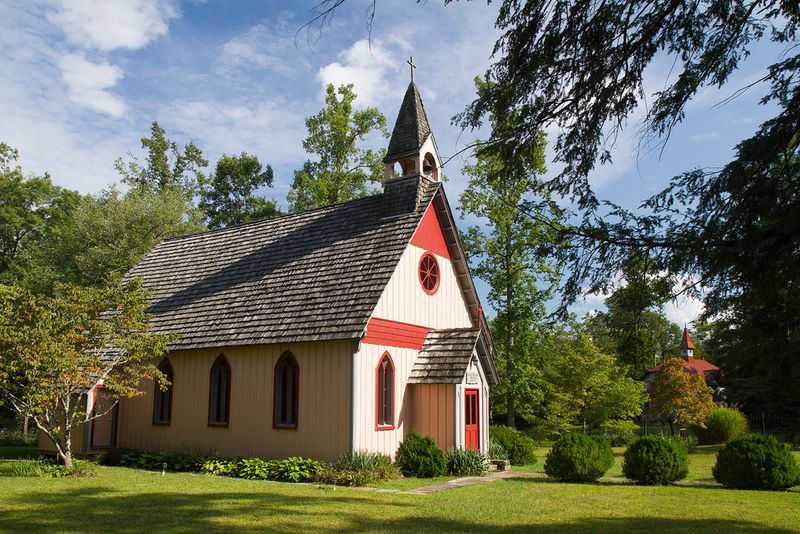
Over 20 original Victorian structures still stand proudly throughout the village. Many showcase the Carpenter Gothic style, a design movement defined by ornate wooden details, steeply pitched rooflines, and delicate gingerbread trim that looks almost too pretty to be real.
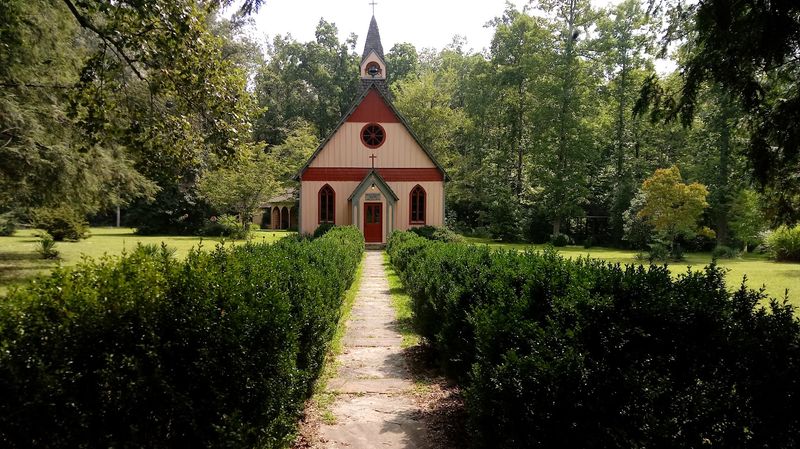
The Christ Church Episcopal, built in 1887, is a showstopper. Its reed organ dates back to 1849, making it one of the oldest functioning organs in the entire country.
Stepping inside feels like entering a space where time politely agreed to pause. The hush inside is the kind that makes you lower your voice without anyone asking you to.
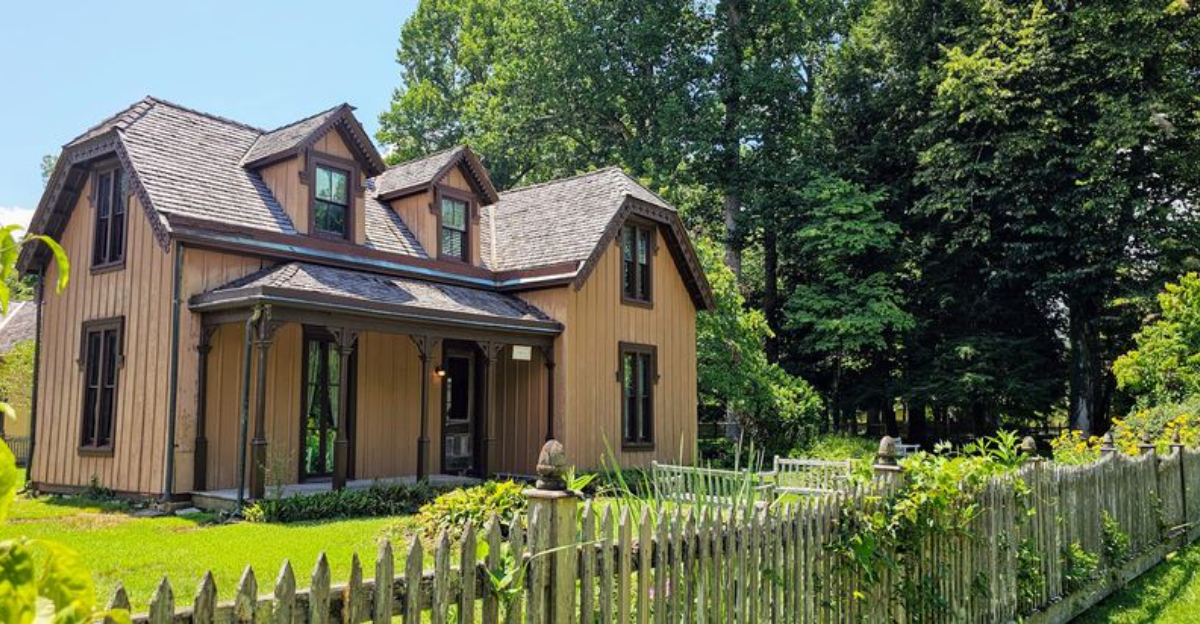
Then there is Kingstone Lisle, the founder’s own Gothic revival cottage built in 1884. It is open for tours and filled with original furnishings brought over from England.
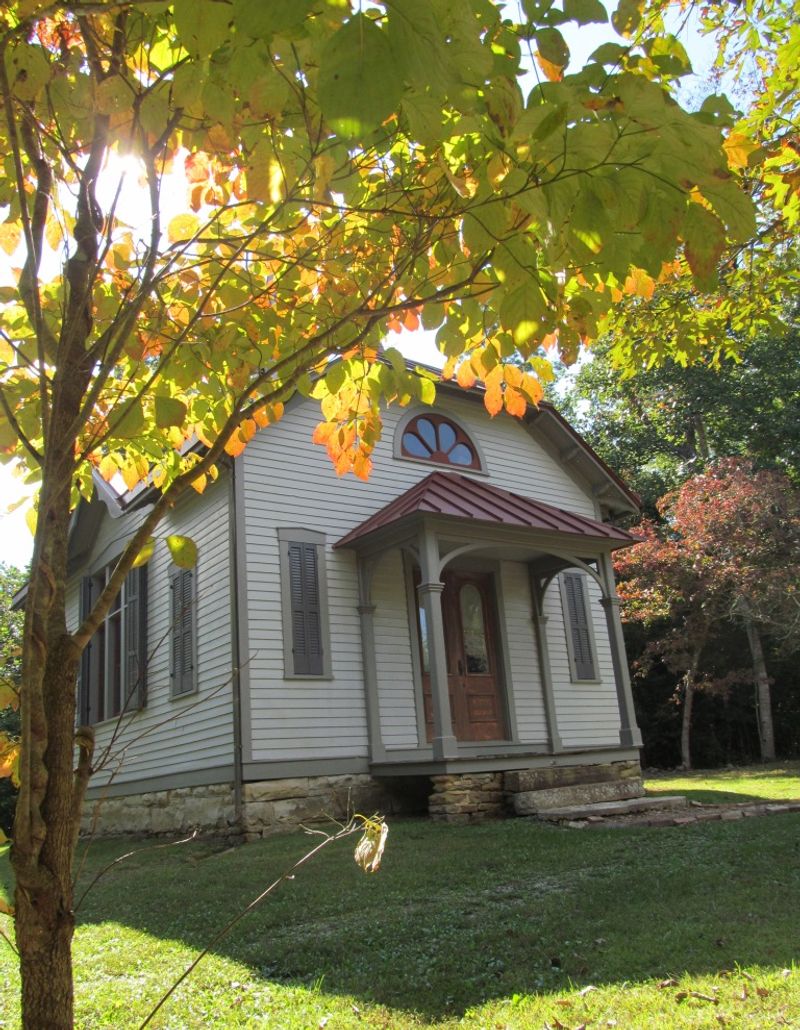
The Schoolhouse, dating from 1907, now holds exhibits about the colony’s fascinating history. These buildings are not museum replicas.
They are the real thing, standing exactly where they were built, quietly daring you to imagine the lives once lived inside them.
A Reader’s Time Capsule
Bookworms, prepare to feel something deeply emotional. The Thomas Hughes Library opened in 1882 and has remained almost completely unchanged ever since.
It is considered one of the most authentically preserved libraries in the entire United States.
The collection holds around 7,000 volumes, many donated by admirers and publishers from around the world. The oldest book on the shelves dates back to 1687.
This was not just a library. It was a cornerstone of Hughes’ utopian vision.
He believed a cultured community needed a rich literary life at its center. The original furnishings are still in place, right down to the reading tables and shelving arrangements.
Browsing those shelves, you get the uncanny sense that someone just stepped away moments ago and might return any second.
The library has been recognized as a treasure by preservation organizations across the country. Its survival is a minor miracle, given that so many historic collections have been scattered or lost over the decades.
Visiting here is not just a history lesson.
It is a genuinely moving experience. You are standing in the same room where early colonists reached for books on rainy Tennessee evenings, and somehow that shared human moment feels incredibly close.
Hiking Trails That Lead To Stunning Hidden Spots
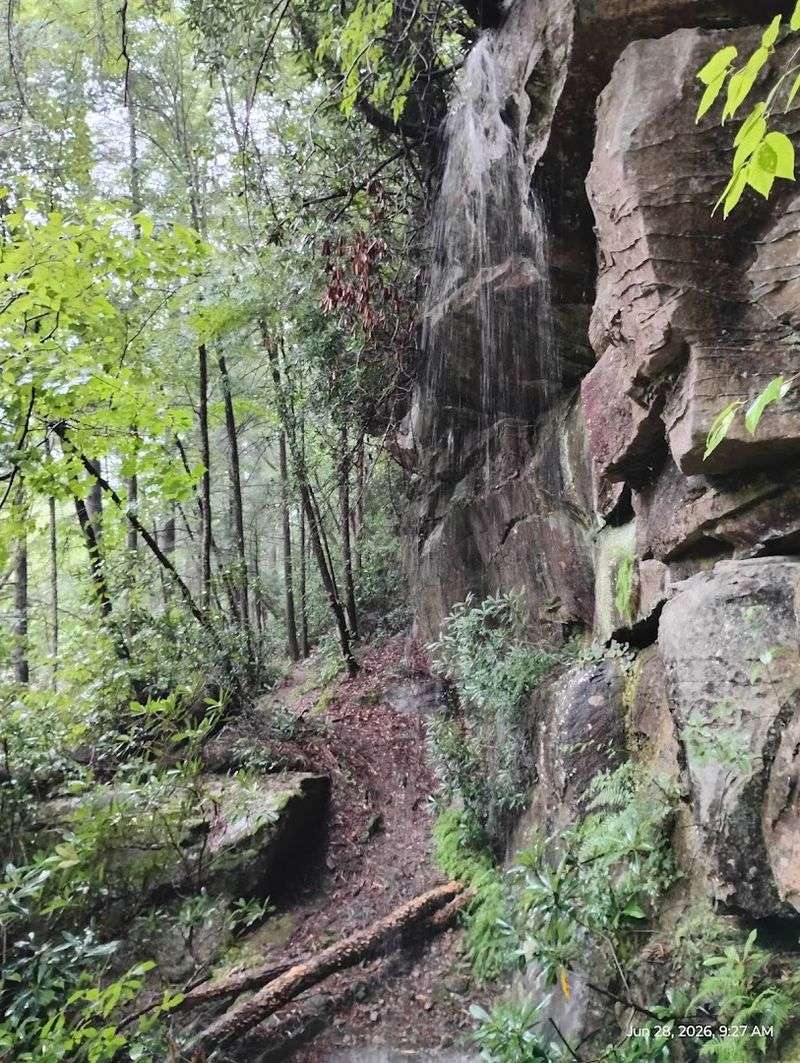
Lace up your shoes because the outdoors around Historic Rugby are genuinely spectacular. The village sits on the southern edge of the Big South Fork National River and Recreation Area, which means world-class natural scenery is essentially right outside the front door.
Ten hiking trails of varying difficulty begin directly in Rugby, threading through the Rugby State Natural Area and into the wider national park.
Two spots have become legendary among trail enthusiasts. The Gentlemen’s Swimming Hole, a clear, beautiful stretch of river, was a favorite gathering place for the original colonists.
Meeting of the Waters, where two rivers converge in a dramatic natural display, is another trail destination that genuinely earns its reputation.
Both are accessible and deeply rewarding.
The Massengale Homeplace Trail leads to the remnants of an 1860s homestead that actually predates the Rugby colony itself. Information boards along the route tell the story of the family who lived there, adding a compelling layer of history to what is already a beautiful walk.
The Clear Fork and New Rivers converge nearby to form the Big South Fork of the Cumberland River. Nature and history overlap here in a way that feels almost cinematic, and every trail offers something genuinely worth seeing.
Where Old-School News Came Alive
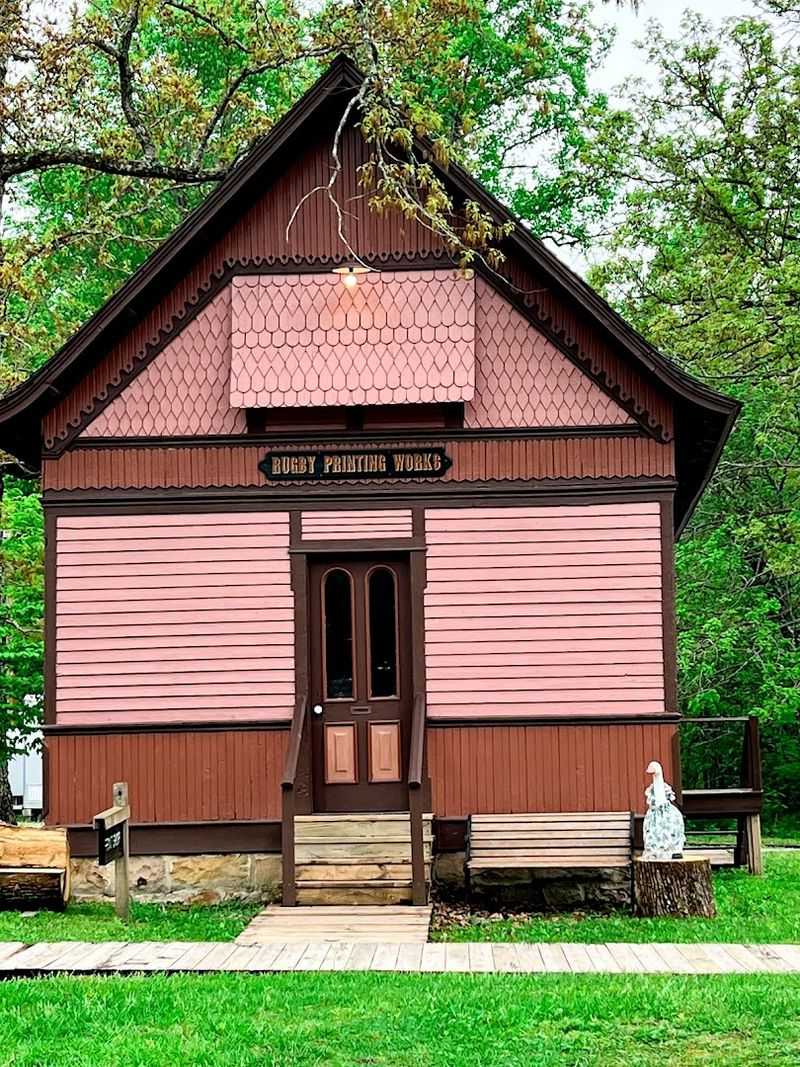
Here is something you do not find every day: a working Victorian printing press demonstration that makes the entire history of journalism feel suddenly thrilling.
The print shop at Historic Rugby is a hands-on highlight that catches most visitors completely off guard. Watching the old press in action is like seeing a magic trick performed by history itself.
The original colonists relied on print to communicate, inspire, and document their ambitious experiment. The press represents that spirit beautifully.
Demonstrations show how newspapers were produced in the 1800s, from typesetting to the satisfying thump of ink meeting paper. It is tactile, loud in the best possible way, and genuinely fascinating for anyone who has ever taken a printed page for granted.
The print shop sits among the cluster of buildings near the Visitor Centre, making it easy to fold into a broader tour of the village.
Guided tours make the experience richer, offering context about how the press fit into daily colonial life. Seeing the machinery move and produce something real bridges the gap between past and present in a surprisingly powerful way.
This is the kind of experience that makes you reach for your phone not for distraction, but to share something genuinely cool.
Historic Lodging That Puts You Inside The Story
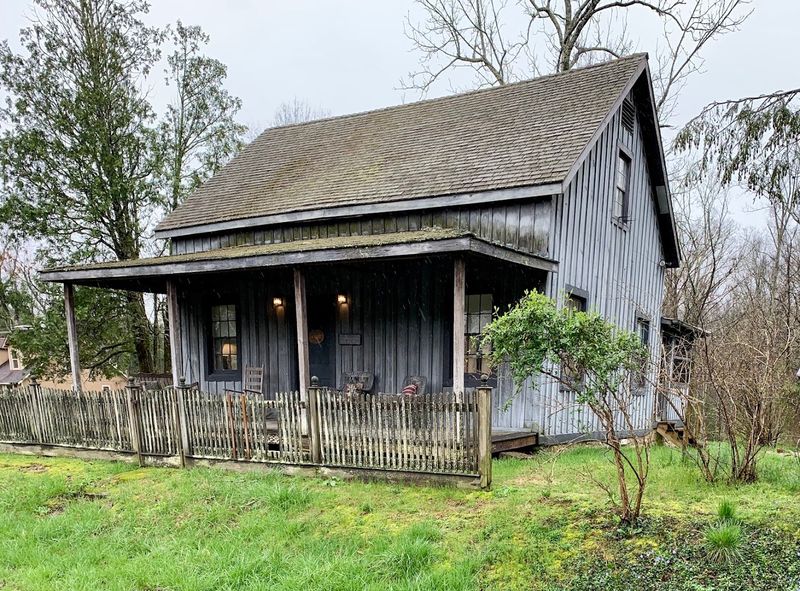
Spending the night at Historic Rugby is not just accommodation. It is total immersion.
Several meticulously restored historic cottages and guesthouses are available, letting visitors experience the village after the daytime crowds have gone home.
The silence that settles over Rugby at night is the kind that feels earned, rich with atmosphere and quiet history.
The Pioneer Cottage, built in 1880, was one of the very first frame structures erected in the entire colony. Staying there means sleeping in a building that witnessed the entire arc of Rugby’s story from hopeful beginning to remarkable survival.
The Newbury House, which once operated as a boarding house for early colonists, is another option that blends comfort with genuine historic character.
These accommodations offer something modern hotels simply cannot manufacture. Waking up inside a Victorian-era building, surrounded by the same trees and paths the original settlers walked, creates a connection to the past that feels personal rather than academic.
The village is open Thursday through Sunday, so planning an overnight stay around those days ensures full access to tours and the print shop. If you have ever wanted to genuinely live inside a history book, even briefly, Rugby hands you that chance with both hands.
Festivals That Bring The Past Roaring Back To Life
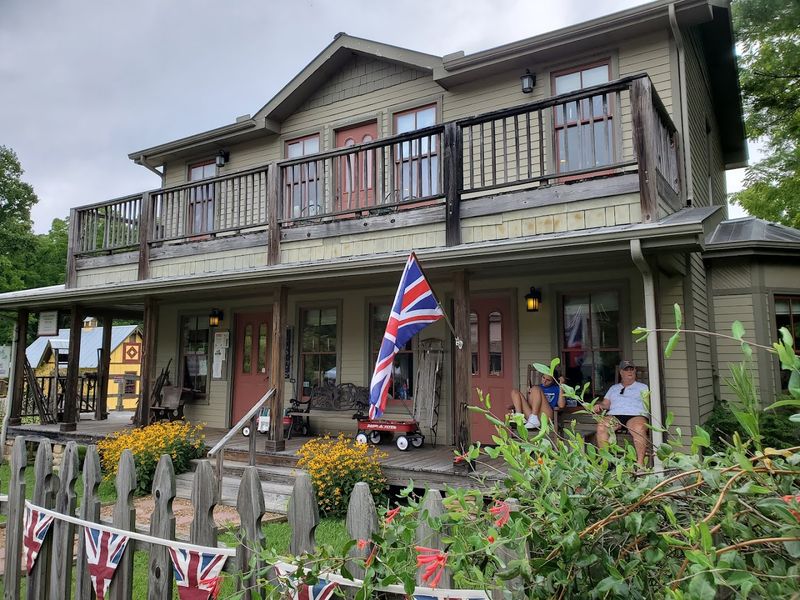
Rugby does not just preserve history. It celebrates it with genuine enthusiasm and a packed events calendar.
The annual Festival of British and Appalachian Culture, held every May, is the crown jewel of the village’s event lineup.
Hundreds of performers and artisans gather to honor the dual heritage that makes Rugby so uniquely layered. Live music, traditional dancing, storytelling, and handmade crafts fill the village with an energy that feels both festive and deeply rooted.
The bi-annual Pilgrimage of Rugby Homes opens doors that are not usually accessible to the public. Privately owned historic residences welcome curious visitors, offering rare glimpses into interiors that carry generations of stories.
It is the kind of event where every room you step into holds a quiet surprise.
Christmas at Historic Rugby wraps up the year with warmth and charm that feels straight out of a Victorian storybook. The village transforms into something almost impossibly picturesque during the holiday season.
These events are not add-ons to the Rugby experience.
They are central to understanding what makes this place tick. Community, heritage, and celebration have always been woven into Rugby’s identity, and these festivals are the living proof that the original spirit of this remarkable colony never really left.
Rugby’s Mysterious Other Side
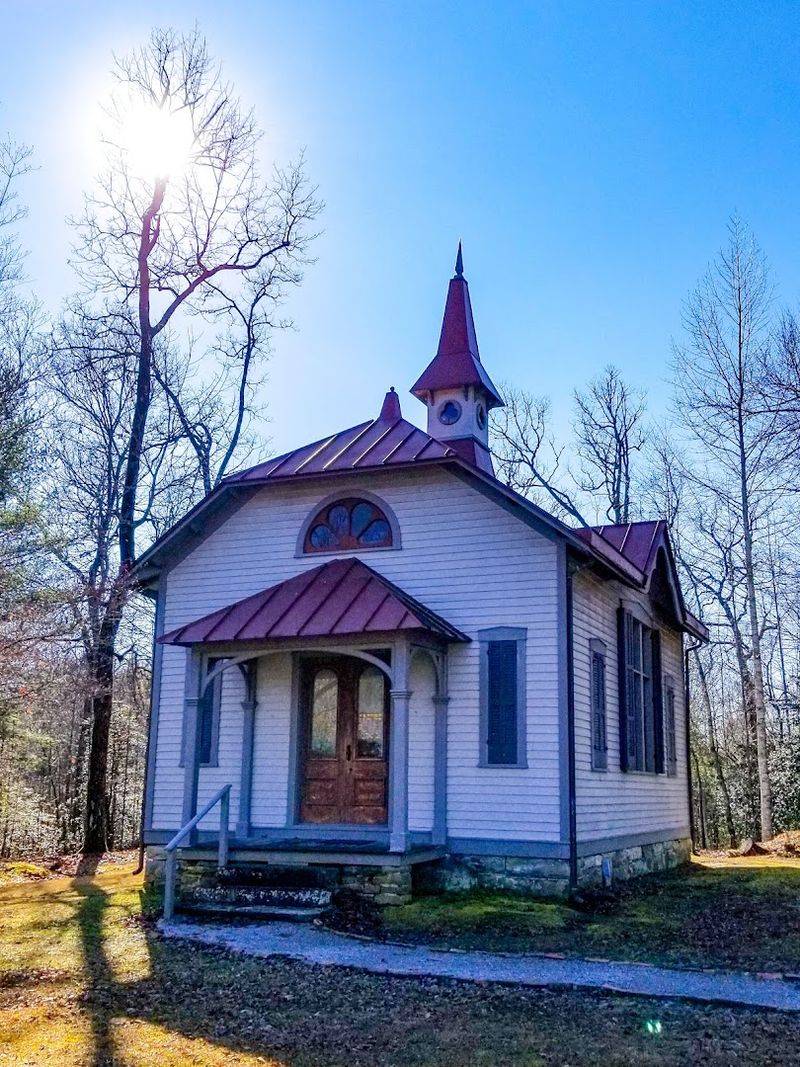
Just when you thought Historic Rugby had shown you everything, it pulls out one more card. After Dark Tours have become one of the most talked-about experiences in the village, guiding guests through original buildings after sunset and into the more enigmatic chapters of Rugby’s long history.
The stories told on these tours are the ones that tend to stick with you on the drive home.
The secluded location of the village adds naturally to the atmosphere. Surrounded by dense woodland on the Cumberland Plateau, Rugby at night has a quality that is genuinely atmospheric.
Legends, local lore, and unexplained tales are woven through the tour with just enough detail to make the old floorboards feel a little more significant beneath your feet.
These tours are not about sensationalism. They are about depth.
Every story connects back to real people and real events from Rugby’s 140-plus-year history, adding texture to what you already learned during the daytime. The village has survived fires, economic hardship, and the relentless march of time.
That kind of resilience tends to leave an impression on a place. Visiting Historic Rugby after dark is not just a thrill.
It is a reminder that history is rarely as straightforward as the daylight makes it seem.
Are you brave enough to find out what Rugby whispers after the sun goes down?