
Colorado Amtrak Day Trips Along The California Zephyr That Make The Ride Worth It
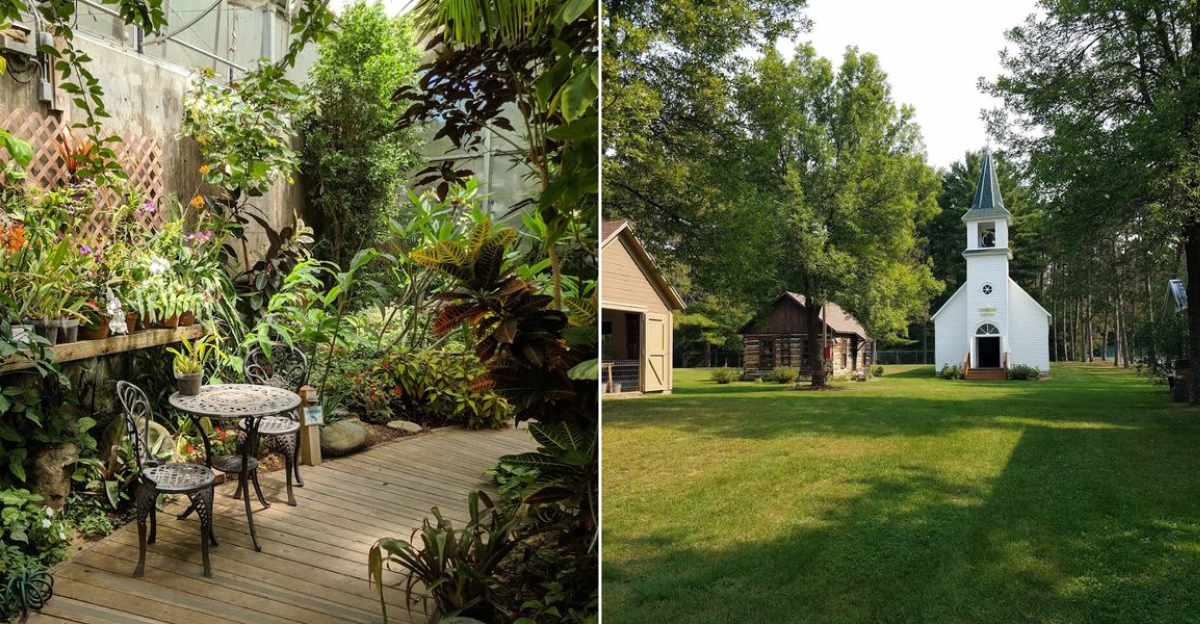
A train window can make familiar ground feel newly discovered. The ride is spectacular, but the real reward begins when you step onto the platform and give the overlooked stops a proper chance.
Along the route through Colorado, small museums, riverside paths, historic streets, and unhurried downtowns turn a rail journey into something richer than scenery alone. Most passengers stay aboard, watching these towns slide past in a blur.
That is their mistake. A light bag and a flexible schedule are all you need to trade one long trip for several memorable little adventures.
Wander for an hour, find a local lunch, then return before the whistle calls you back. The pace feels refreshingly human.
That slower rhythm stays with you. By the time the train reaches western Colorado, you may realize the best part was not covering miles quickly, but discovering how much appears when you finally stop moving.
Fort Morgan Museum
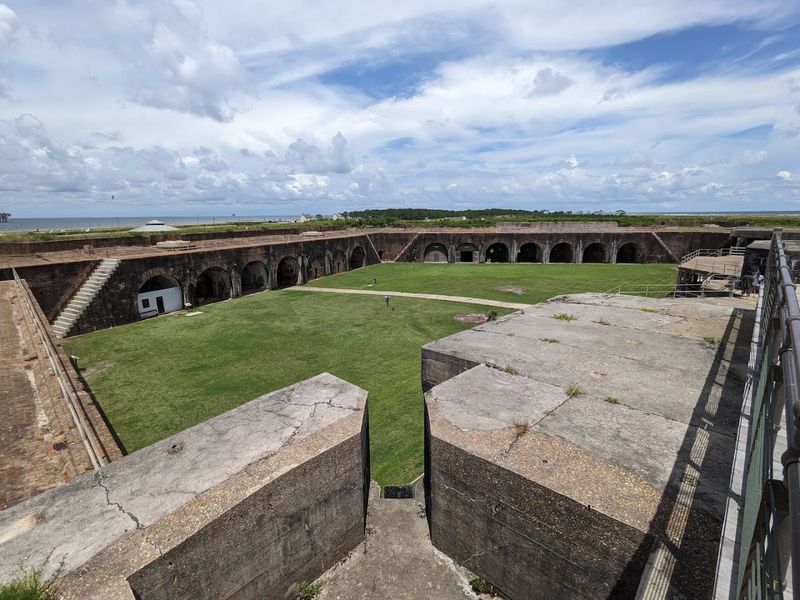
Glenn Miller grew up in Fort Morgan, and somehow that fact alone makes this free museum feel like stumbling onto a backstage pass. The Fort Morgan Museum, sitting right on Main Street, covers a surprising amount of ground for a town this size.
You get Indigenous history, regional agriculture, and a genuine tribute to one of jazz’s most beloved bandleaders all under one roof.
Walking through, you notice how the exhibits connect farming life, local culture, and national history in ways that feel organic rather than forced. The agricultural displays are more interesting than they sound, especially if you have any curiosity about how the high plains were settled and worked.
Kids often gravitate toward the interactive corners, while adults tend to linger near the Glenn Miller section longer than they planned.
Open Monday through Saturday, it costs nothing to enter, which means there is zero pressure and zero regret. Pair it with a walk along Main Street and you have a relaxed, genuinely rewarding morning stop before catching your train.
Fort Morgan is easy to underestimate, and that is exactly what makes it worth your time.
Rainbow Arch Bridge at Riverside Park
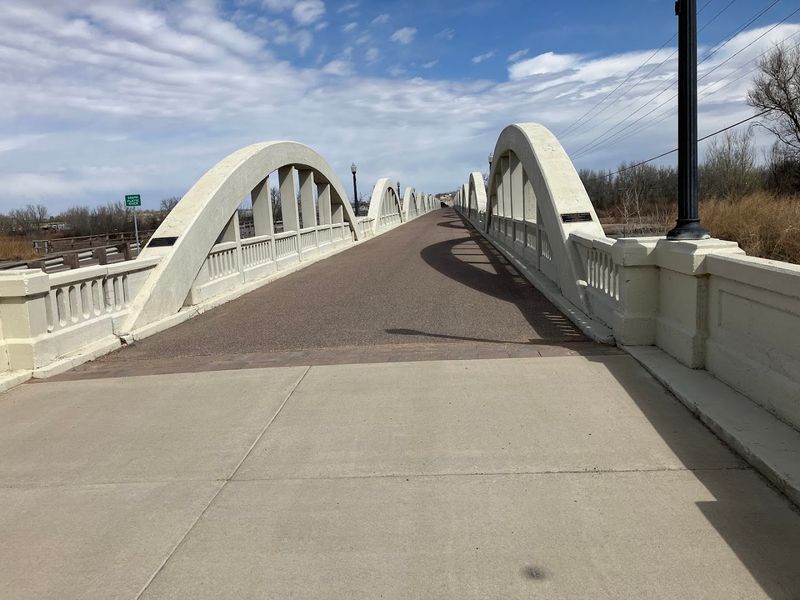
There is something quietly thrilling about crossing a bridge that was built for cars but now belongs entirely to walkers. The Rainbow Arch Bridge in Fort Morgan spans the South Platte River with the kind of old-school engineering confidence you just do not see anymore.
Steel arches, a wooden deck underfoot, and a river rolling beneath you make this a genuinely satisfying five-minute detour.
Located inside Riverside Park at 1600 Main Street, the bridge is easy to reach from downtown and pairs naturally with the Fort Morgan Museum visit nearby. The park itself is calm and green, a good place to stretch your legs after a long train ride.
Early mornings here have a particular stillness that feels almost cinematic.
What I love about this stop is how unassuming it is. Nobody is selling you anything, there is no admission booth, and the river just does its thing while you stand there feeling unexpectedly peaceful.
It is the kind of place that reminds you travel does not always need a headline attraction. Sometimes a historic bridge, a slow river, and a clear sky are exactly enough to make a day feel well spent.
Cozens Ranch Museum
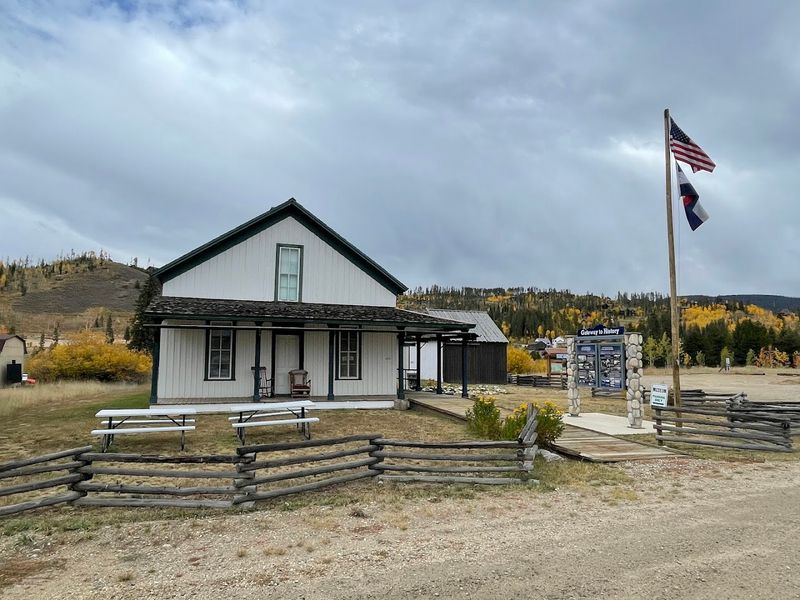
Tucked right off US Highway 40 in Fraser, the Cozens Ranch Museum is the kind of place that catches you off guard in the best possible way. The original ranch dates back to the 1870s, and the preserved buildings carry that lived-in authenticity that reproduction exhibits can never quite fake.
Walking through feels less like a museum visit and more like dropping in on history unannounced.
For California Zephyr riders, this is one of the most convenient lesser-known stops on the whole Colorado stretch. The Fraser-Winter Park station puts you close enough that reaching the museum requires minimal logistics.
Open Wednesday through Sunday, it fits neatly into a half-day plan, leaving time for lunch in the area before heading back to the platform.
Fraser sits at high elevation, so the air has that sharp, clean mountain quality that makes everything feel more vivid. The ranch museum reflects the rugged pioneer spirit of Grand County honestly and without exaggeration.
If you enjoy history that comes with actual landscape context rather than just wall text, this stop delivers. My personal recommendation: go mid-morning when the light hits the old buildings just right and the crowds are still thin.
Moffat Road Railroad Museum
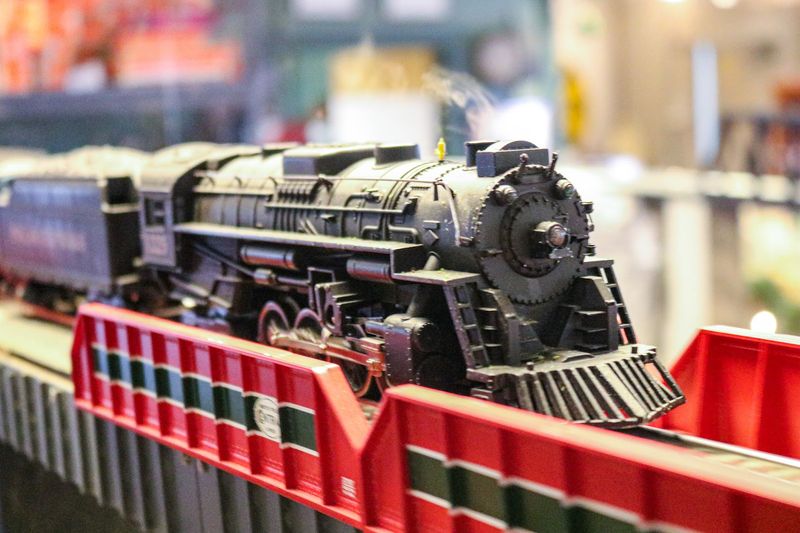
Visiting a railroad museum while riding a historic train route is the kind of layered experience that travel writers dream about. The Moffat Road Railroad Museum in Granby sits at 555 Park Lane and celebrates the very rail history that makes the California Zephyr route so significant.
Model trains, full-scale equipment, and local rail lore fill the space with a nerdy enthusiasm that is genuinely contagious.
The museum’s 2026 summer season runs Wednesday through Sunday until September 7, which lines up well with peak travel months. Granby is a small town, but it punches above its weight in charm, and this museum anchors a visit nicely.
Families with kids who have even a passing interest in trains will find this stop hard to leave quickly.
What strikes me most is how the museum connects regional history to a national story. The Moffat Road was a genuine engineering achievement through some of Colorado’s most challenging terrain, and the exhibits honor that without oversimplifying.
Plan to spend an hour here minimum, maybe ninety minutes if you let yourself get drawn into the model-train displays. Granby rewards the curious traveler who is willing to pause and pay attention to the smaller chapters of American history.
Emily Warner Field Aviation Museum
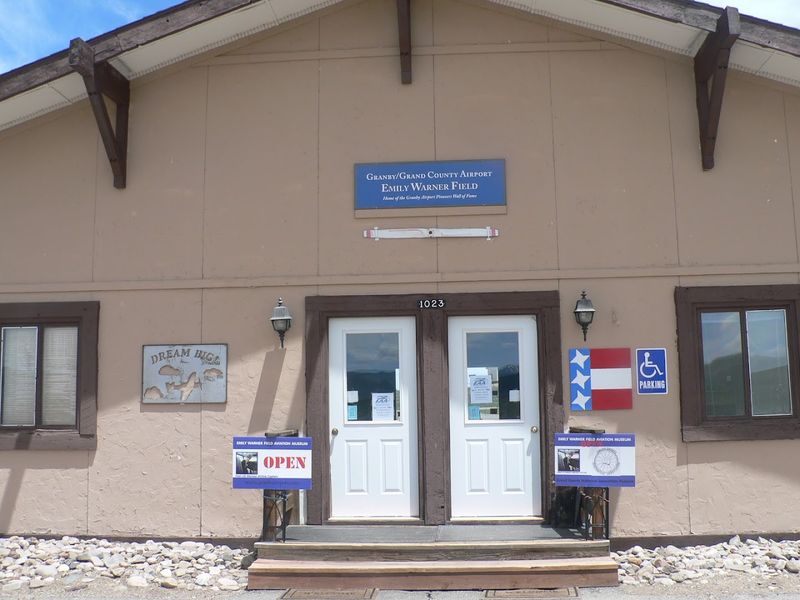
Emily Warner became the first female captain of a major U.S. airline, and the tiny museum bearing her name at the Granby airport carries that milestone with quiet pride. Located at 1023 County Road 610, this is not a sprawling aviation complex.
What it is, though, is a focused and personal tribute to a woman who changed what was possible in American aviation.
Open Fridays and Saturdays through August 29, 2026, with appointments available at other times, the museum rewards visitors who plan ahead. The intimacy of a small airport setting actually adds to the experience.
You are standing in a real working airfield, looking at exhibits about a real trailblazer, and the combination gives the whole visit an honest, unpolished energy that bigger institutions rarely achieve.
For anyone traveling with daughters, nieces, or any young person who needs to see what determination looks like in practice, this stop carries real weight. It is also a nice counterpoint to the railroad-heavy narrative of the Zephyr route, reminding you that Colorado’s transportation history extends well beyond the tracks.
Compact, meaningful, and completely off the typical tourist radar, the Emily Warner museum earns its place on this list without any hesitation from me.
Pioneer Village Museum
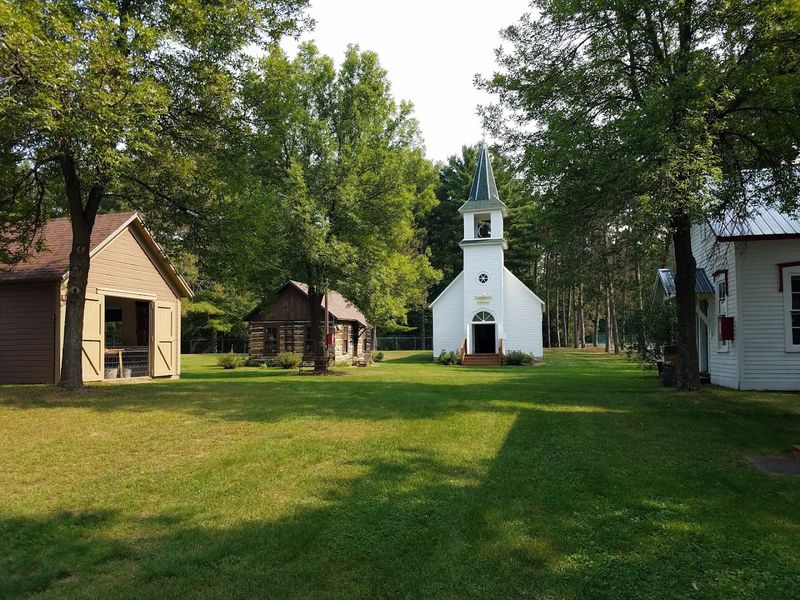
Hot Sulphur Springs is a town that operates at its own comfortable pace, and the Pioneer Village Museum fits that rhythm perfectly. Situated at 110 East Byers Avenue, the museum covers Grand County’s archaeological roots, pioneer settlement, and ranching heritage across a collection that feels thoughtfully curated rather than randomly assembled.
The kind of place where you find yourself reading every single label.
Reachable by a short drive from the Granby station, this works well as a companion stop to other Granby-area attractions. Open Wednesday through Sunday, the timing is flexible enough to slot into most day-trip plans.
The town itself has a personality that rewards wandering, and the museum grounds give you a solid anchor for the visit.
What I appreciate most here is the archaeological dimension. Grand County has a deep pre-European history, and the Pioneer Village Museum handles that material with the seriousness it deserves rather than treating it as a footnote.
Ranching exhibits round things out with a satisfying practicality, showing how the land shaped the people who worked it generation after generation. If you enjoy museums that tell a complete regional story without rushing you toward the gift shop, Hot Sulphur Springs has exactly what you are looking for.
Frontier Historical Museum
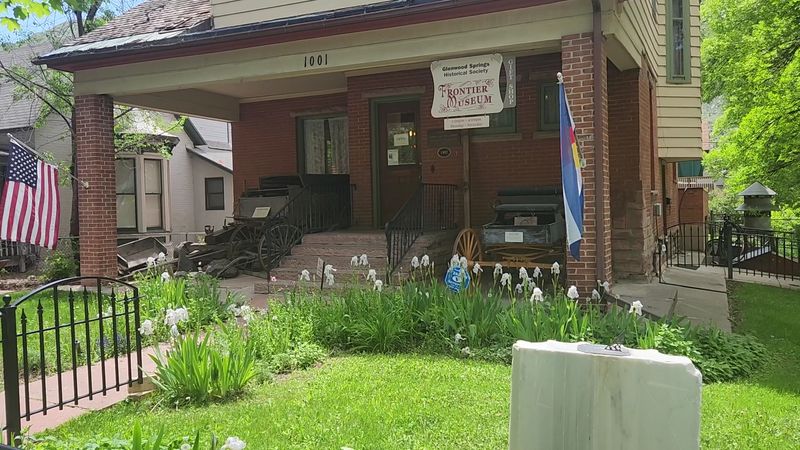
Glenwood Springs is famous for its hot springs, and that fame tends to swallow everything else whole. The Frontier Historical Museum at 1001 Colorado Avenue is the quiet alternative for travelers who prefer their history without a swimsuit.
Housed in a genuine historic structure, the museum covers Glenwood Springs’ past with the kind of detail that only a locally run institution can provide.
Open Tuesday through Saturday, it fits easily into a morning before the town fills up with day-trippers. The building itself is part of the attraction, with period architecture that sets the mood before you even step inside.
Exhibits cover mining history, early settlement, and the broader story of how this corner of the Roaring Fork Valley developed.
My honest take: this museum is best experienced slowly. Resist the urge to power through in twenty minutes and instead let yourself get pulled into the individual stories on display.
Glenwood Springs has always been a crossroads town, attracting everyone from railroad workers to Doc Holliday, and the Frontier Historical Museum holds those threads together with care. After your visit, the downtown strip is walkable and full of good lunch options, making this a natural anchor for a full half-day in one of Colorado’s most underrated mountain towns.
Doc’s Collection at Bullock’s Western Wear
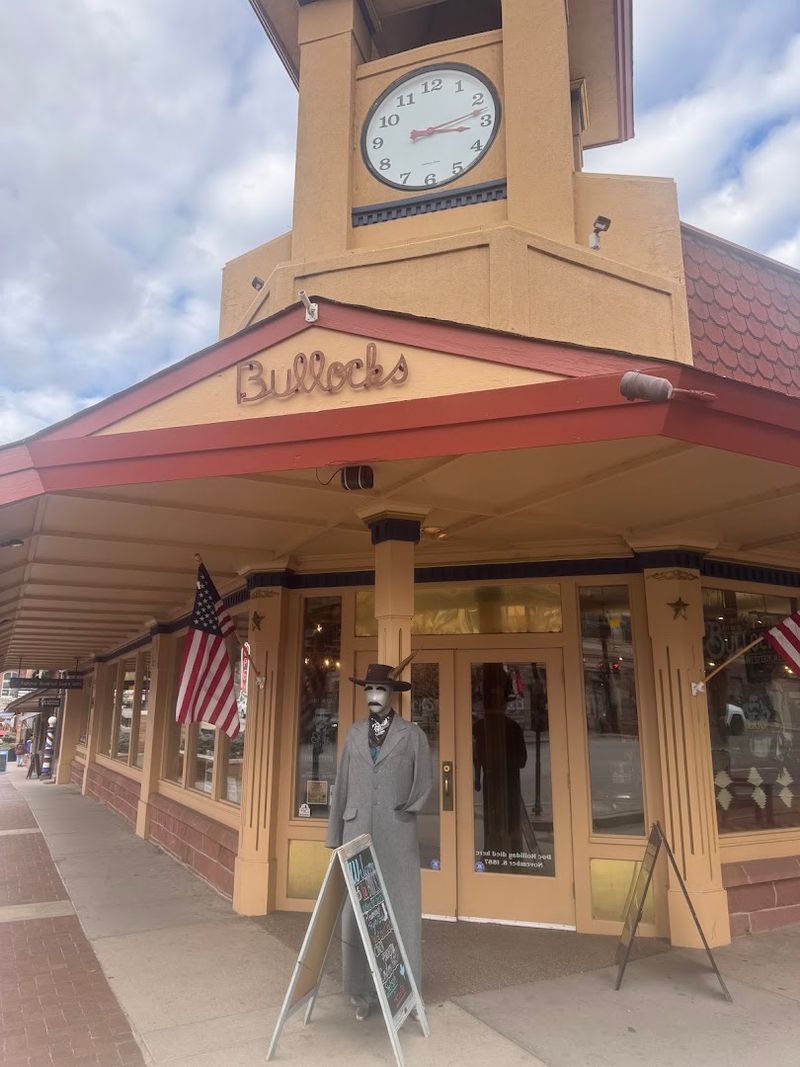
Most people walk past Bullock’s Western Wear on Grand Avenue without realizing there is a genuine historical collection inside. Doc’s Collection, tucked within this working retail store, connects directly to Doc Holliday, the infamous gambler and gunfighter who spent his final days in Glenwood Springs.
The combination of shopping and history is unusual enough to feel like a local secret worth sharing.
Open daily with shorter Sunday hours, the accessibility here is hard to beat. You do not need to rearrange your schedule or book anything in advance.
Just walk in, browse the western wear, and let the historical displays draw you in at whatever pace suits you. The casual setting actually makes the exhibits feel more approachable than a formal museum environment would.
There is something I find genuinely charming about history preserved inside a functioning business. It signals that the community takes its story seriously enough to keep it present in everyday life rather than locked away behind velvet ropes.
Doc Holliday’s Glenwood Springs chapter is a fascinating footnote in American frontier mythology, and Bullock’s handles it with straightforward local pride. If you are already stopping in Glenwood Springs, this is a five-minute detour that adds real texture to your understanding of the town’s colorful past.
Museum of the West
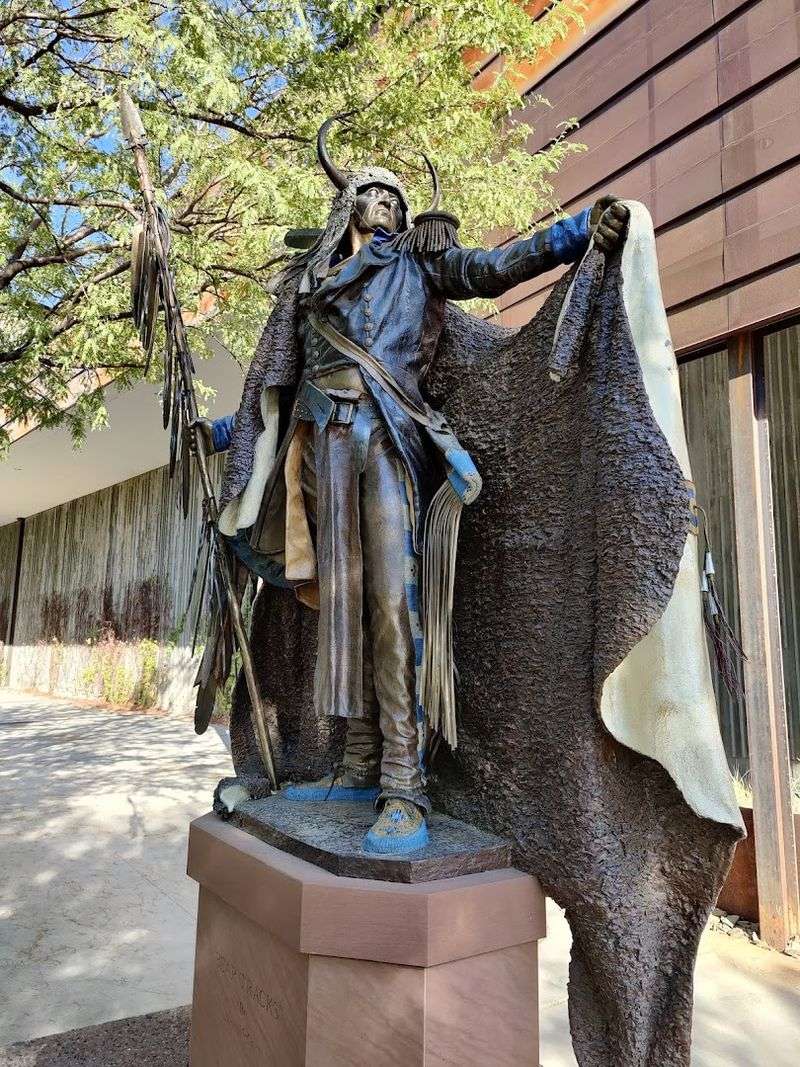
Grand Junction sits where the Colorado River meets the Gunnison, and the Museum of the West at 462 Ute Avenue captures the full sweep of what that geography meant for human history in western Colorado. Covering Indigenous cultures, ranching, mining, and frontier settlement, the museum earns its name without overselling it.
The 75-foot observation tower is a practical bonus, offering views over the Grand Valley that put everything you just learned into satisfying geographic context.
Currently open Tuesday through Saturday, it works well as a first or last stop on a Grand Junction day trip. The collection is substantial enough to hold your attention for two hours without feeling exhausting.
Families will find the exhibits engaging across age groups, which is not always easy to pull off in a regional history museum.
Grand Junction is a bigger town than most California Zephyr stops in Colorado, which means logistics here are easier. Food options are plentiful, distances are manageable, and the Museum of the West sits close enough to other downtown attractions to anchor a full day of exploration.
For anyone who wants to understand why western Colorado developed the way it did, this is the most comprehensive single stop on the entire route. I would budget a generous morning here without apology.
Western Colorado Botanical Gardens
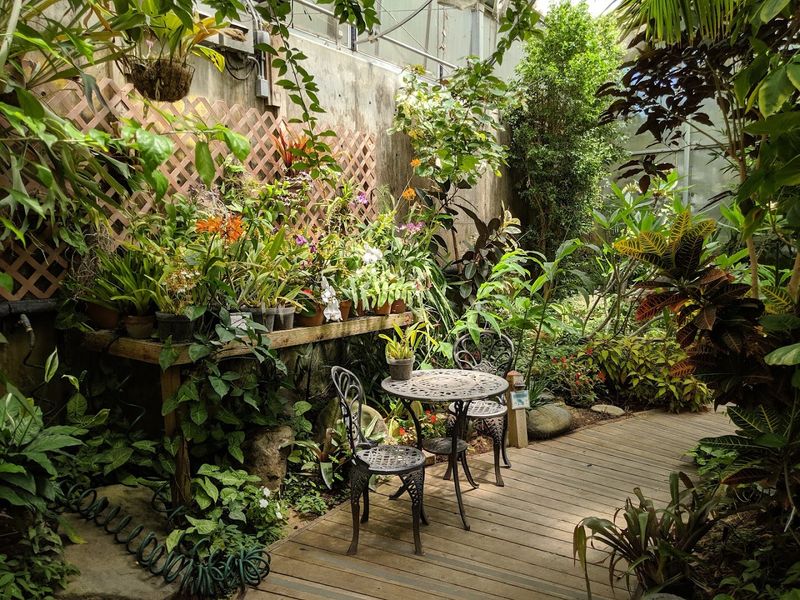
A botanical garden on the banks of the Colorado River, surrounded by red rock desert, sounds almost contradictory until you see it in person. The Western Colorado Botanical Gardens at 655 Struthers Avenue pulls together cactus gardens, a Japanese garden, heritage plantings, a rainforest exhibit, and a butterfly house into a surprisingly cohesive experience.
The contrast between the surrounding high desert and the lush interior gardens is genuinely striking.
Open Monday through Saturday, the gardens work beautifully as a late-morning or early-afternoon stop. The butterfly house alone is worth the trip if you are traveling with children, but adults tend to linger just as long once they find the quieter garden sections.
The riverfront setting adds a meditative quality that busy tourist attractions rarely manage to sustain.
What I find most compelling here is the sense of discovery. Each section of the gardens has its own distinct atmosphere, so the visit keeps reshaping itself as you move through.
Grand Junction’s climate is warm and sunny for much of the year, which means the outdoor sections are usable across a long season. After the Cross Orchards Historic Site or the Museum of the West, this makes an ideal final stop before boarding the Zephyr again, leaving you with something genuinely beautiful to carry home in your memory.